Riot Fest 2026 Wraps 21st Year at Douglass Park With Iggy Pop, Tool, and Up to 50,000 Daily Attendees

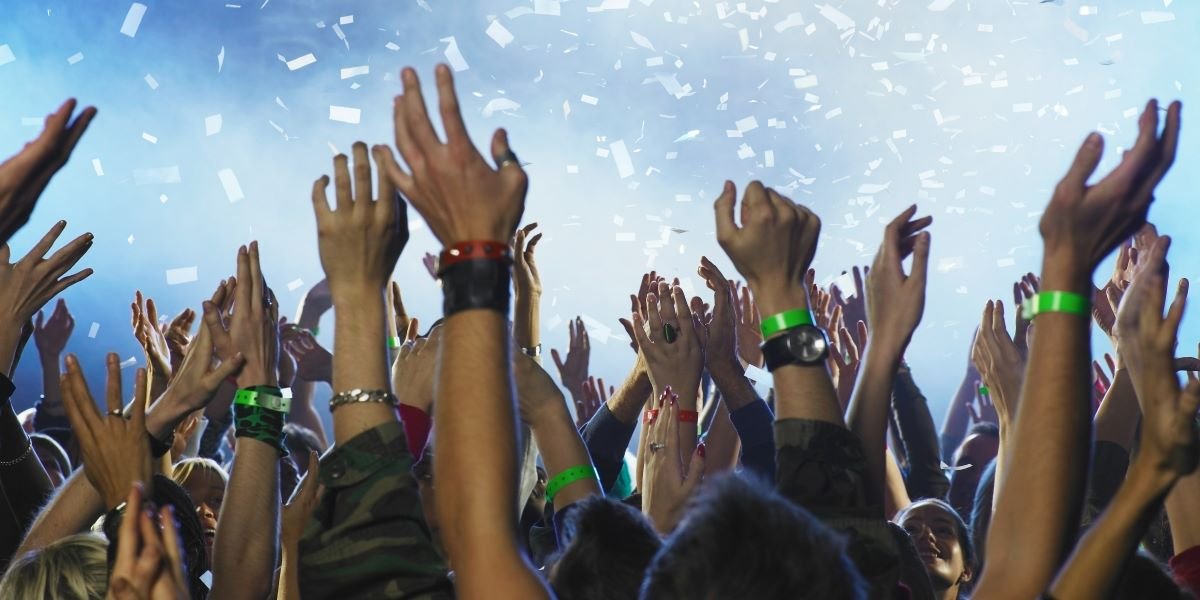
Riot Fest completed its 21st edition on September 20 at Douglass Park in Chicago’s North Lawndale neighborhood, delivering three days of punk, alternative, metal, and hip-hop across five stages with over 100 bands and an anticipated daily attendance of up to 50,000.
Key Takeaways
- Riot Fest 2026 ran September 18–20 at Douglass Park, 1401 S. Sacramento Drive, marking the festival’s 21st year in Chicago with over 100 acts across five stages.
- Friday’s lineup was headlined by Twenty One Pilots and Iggy Pop, with Chicago punk bands Rise Against and Alkaline Trio delivering standout hometown sets.
- Saturday featured Tool, Morrissey, Social Distortion, Nas, and Bad Religion, while Sunday closed with Pierce The Veil, Alanis Morissette, Elvis Costello, and Patti Smith.
- Retired WGN meteorologist Tom Skilling delivered live weather forecasts from the festival stage on Friday and Saturday, drawing roaring ovations from the crowd.
- Organizers anticipated up to 50,000 attendees per day across the three-day weekend, with carnival rides, food vendors, and community activations running alongside the music.
Friday Opened With Near-Perfect Weather, Iggy Pop, and a Chicago Punk Homecoming
Gates opened at 11 a.m. on Friday, September 18, under near-perfect conditions, with some fans arriving as early as 5 a.m. to secure positions near the main stages. The day’s bill balanced legacy headliners with a deep bench of local and touring acts that set the tone for the weekend’s genre-spanning range.
Iggy Pop, billed as the “godfather of punk,” commanded the Rise Stage with a set that drew one of Friday’s largest crowds. The Sex Pistols also performed Friday, adding another foundational punk act to a day already loaded with genre history. Violet Grohl, the 20-year-old daughter of Foo Fighters frontman Dave Grohl, played one of the day’s earlier sets and brought a confident ’90s alternative energy that resonated with a crowd steeped in the era’s influence.
The day’s emotional center, though, belonged to Chicago. Rise Against opened their set with recorded soundbites about systemic oppression before tearing into “Re-Education (Through Labor),” channeling the moment’s political tensions into a performance that referenced recent ICE activity in the city. The set felt fired up and purposeful, even by the band’s standards, anchoring Friday night as a statement about punk’s continued relevance as protest music. Alkaline Trio delivered a cross-career set on the Roots Stage that included “We’ve Had Enough,” “Every Thug Needs A Lady,” and the deep cut “Snake Oil Tanker” from their 2000 catalog, alongside “Oblivion,” a 2025 track produced by Travis Barker. Frontman Matt Skiba closed the set by assuring the hometown crowd that the band would return.
Tom Skilling’s Festival Debut Became an Unexpected Highlight
One of the weekend’s most talked-about moments had nothing to do with a guitar. Beloved retired WGN meteorologist Tom Skilling appeared on stage Friday and Saturday to deliver live weather forecasts, his first public weather appearances since stepping away from daily broadcasting. The introduction — “Riot Fest, tonight we are reuniting Tom Skilling with the weather” — drew a roaring ovation. Skilling’s forecasts carried practical weight, too. He warned of heavy storms predicted for Saturday and Sunday, a forecast that proved accurate as the weekend progressed.
Saturday and Sunday Brought Tool, Morrissey, Alanis Morissette, and William Shatner
Saturday, September 19, shifted the festival’s center of gravity toward heavier and more eclectic territory. Tool headlined the evening with a progressive metal set, while Morrissey, the former Smiths frontman, drew a devoted crowd to his performance. Social Distortion, Nas, and Bad Religion filled out Saturday’s upper tier, with Bad Religion’s hardcore-influenced punk providing a sharp counterpoint to Nas’s catalog of East Coast hip-hop anthems. The day’s weather delivered on Skilling’s forecast, with storms moving through the area and affecting portions of the schedule.
Sunday, September 20, closed the festival with a lineup built around range. Pierce The Veil and Alanis Morissette shared headlining duties, each representing distinct generational entry points into alternative music. Elvis Costello and Patti Smith and Her Band brought decades of songwriting credibility to the bill. William Shatner made his Riot Fest debut with his new metal project The *Uckers, adding a characteristically unpredictable footnote to the weekend. Other Sunday draws included Santigold, Gwar, The Descendants, Insane Clown Posse, and The Format.
The Community Stage and Beyond The Fest Spotlighted Local Acts
Riot Fest’s community stage continued to serve as a launchpad for emerging Chicago bands. Friday’s community programming included a joint performance by Chicago band Clock Out with featured artists William Baranda and Michael Quiroz, as well as a set from local act Mother Fortune. The Beyond The Fest community activation, a recurring feature of Riot Fest’s footprint, brought local vendors and neighborhood-facing programming to the festival grounds, positioning Riot Fest as more than a touring-act destination. The activations reflect a long-running effort by organizers to balance the festival’s national draw with the reality of its location in North Lawndale, a neighborhood that has had a complicated relationship with the event’s annual disruption.
Riot Fest’s presence at Douglass Park dates back over a decade, and the festival has faced periodic pushback from community members over park conditions, noise, and post-event restoration. Organizers have expanded community programming in recent years in response, and the 2026 edition’s emphasis on local vendor participation and the community stage reflected that ongoing negotiation between festival culture and neighborhood impact.
A 21-Year Run That Reflects Chicago’s Musical Identity
Riot Fest has grown from a scrappy punk showcase into one of the Midwest’s anchor music festivals over its two decades in Chicago. The 2026 edition’s five-stage layout, carnival rides, and food vendor footprint gave the weekend a scale that matched its billing, while the lineup’s mix of punk veterans, hip-hop acts, metal headliners, and indie-adjacent performers reflected the same cross-genre fluidity that has defined Chicago’s live music culture for decades. Organizers encouraged attendees to use public transportation, with the CTA’s Pink Line providing direct access via the California and Kedzie stations. For the first time, Riot Fest also operated an official festival-run parking lot.
Whether the weekend’s legacy is defined by Iggy Pop’s continued defiance of age, Rise Against’s pointed political commentary, Tom Skilling’s unlikely festival stardom, or the sheer volume of a lineup that ran over 100 acts deep, Riot Fest 2026 closed out another year as a festival that treats punk not as nostalgia, but as a living, evolving language — one that still sounds like home in Chicago.
FAQs
When Did Riot Fest 2026 Take Place?
Riot Fest 2026 ran Friday through Sunday, September 18–20, at Douglass Park in Chicago’s North Lawndale neighborhood. Hours were 11 a.m. to approximately 10–11:30 p.m. each day.
Who Headlined Riot Fest 2026?
Friday was headlined by Twenty One Pilots and Iggy Pop with support from Rise Against and the Pixies. Saturday featured Tool, Morrissey, Social Distortion, and Nas. Sunday’s headliners included Pierce The Veil, Alanis Morissette, Elvis Costello, and Patti Smith.
How Many People Attended Riot Fest 2026?
Organizers anticipated up to 50,000 attendees per day across the three-day festival. Exact official attendance figures have not been publicly released.
Which Chicago Bands Performed At Riot Fest 2026?
Rise Against and Alkaline Trio anchored Friday’s lineup as hometown headliners. The community stage also featured Chicago bands Clock Out and Mother Fortune. Rise Against delivered a politically charged set that referenced ICE activity in the city.
How Do Attendees Get To Riot Fest At Douglass Park?
Organizers encouraged public transportation via the CTA Pink Line, exiting at the California or Kedzie stations. Bus routes including the No. 12 Roosevelt, No. 49, and No. 94 California also serve the area. For the first time in 2026, Riot Fest operated an official festival-run parking lot.