The Chicago Journal

Why the Chicago River Dye Still Puzzles So Many

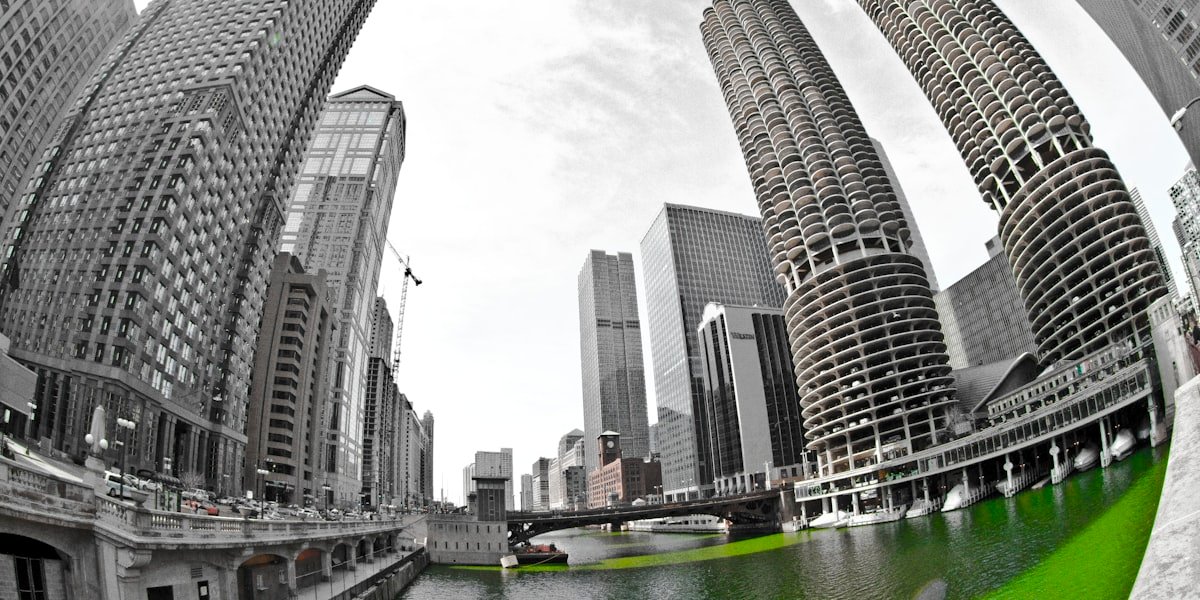
The Chicago River dye that turns the water emerald green every St. Patrick’s Day has sparked curiosity and confusion for more than six decades. Despite thousands of spectators lining the riverbanks each March and millions more watching online, the exact formula and application process remain closely guarded secrets. The annual tradition continues to baffle Chicago residents and visitors who wonder how the transformation happens, what the dye contains, and why the color fades so quickly.

What Makes the Chicago River Dye Work?

The Chicago River dye uses a vegetable-based powder that dissolves in water and reflects light in a way that creates the signature bright green color. The dye itself starts as an orange powder before it hits the water. Once dispersed in the river, a chemical reaction occurs that shifts the visible spectrum, producing the vivid green hue that lasts several hours.

Chicago River dye: boat dispersing dye powder on river
Photo by Crisoforo Gaspar Hernandez on Unsplash

The powder is applied from boats that motor slowly up the river, with crew members using large sieves to distribute it evenly across the surface. The process takes roughly 45 minutes to complete the initial pass, and the color typically remains visible for four to five hours before diluting and fading. Water temperature, current speed, and weather conditions all influence how long the green persists.

The Plumbers Union Local 130 has controlled the dyeing operation since 1962, and the organization treats the precise formula as proprietary information. No permits or public records detail the chemical composition, and the union has declined repeated requests from journalists and city officials to disclose the ingredients. This secrecy fuels ongoing speculation about what exactly goes into the river each year.

Why Does the Color Fade So Fast?

The Chicago River dye is designed to be temporary and environmentally safe, which means it must break down quickly after application. The dye particles disperse downstream as the river flows toward the Chicago Sanitary and Ship Canal, and sunlight accelerates the breakdown of the pigment molecules. Within a few hours, the concentration drops below the threshold needed to maintain the bright green appearance.

River flow rates also vary depending on recent rainfall and water management operations controlled by the Metropolitan Water Reclamation District. During years with higher flow, the dye dilutes faster and travels farther downstream. Conversely, calmer conditions allow the color to linger near the original application zone between Michigan Avenue and Columbus Drive.

The ephemeral nature of the spectacle is part of its appeal. Spectators who arrive even an hour or two after the dyeing often find the color noticeably dimmer, and by late afternoon the river typically returns to its usual murky gray-green. This limited window creates urgency and drives crowds to the riverfront early on parade day.

How Did the Tradition Start?

The first use of Chicago River dye occurred in 1962, when members of the plumbers’ union decided to mark St. Patrick’s Day with a dramatic visual statement. The idea reportedly came from the union’s business manager, who noticed that a tracer dye used to detect illegal sewage discharges left a bright stain on workers’ clothing. Recognizing the potential for a public spectacle, the union tested the concept on a small scale before committing to a full river dyeing.

Early applications used far more dye than modern efforts, sometimes keeping the river green for several days. Environmental concerns and evolving regulations prompted the union to reduce the quantity significantly over the decades. By the 1990s, the formula had been adjusted to minimize ecological impact while still producing the iconic color.

The tradition has become one of Chicago’s most recognizable annual events, drawing comparisons to other cities’ St. Patrick’s Day celebrations but remaining unique in its scale and execution. No other major urban river undergoes a similar transformation, and attempts to replicate the effect elsewhere have met with limited success or regulatory obstacles.

What Are the Environmental Concerns?

Critics have questioned whether the Chicago River dye poses risks to aquatic life or water quality, but independent testing has not identified significant harm. The dye is marketed as vegetable-based and non-toxic, though the lack of full disclosure leaves some environmental advocates uneasy. The Illinois Environmental Protection Agency does not require public reporting for the dyeing, classifying it as a temporary decorative application rather than an industrial discharge.

Chicago River dye: environmental water testing river sample
Photo by Олег Мороз on Unsplash

Fish and other organisms in the river show no documented behavioral changes during or after the dyeing, and water samples collected hours after application have not revealed elevated levels of harmful compounds. Still, the secrecy surrounding the formula prevents thorough third-party analysis. Transparency advocates argue that a tradition affecting a major public waterway should operate with full chemical disclosure, especially as environmental standards grow stricter.

The river itself remains heavily managed and far from a pristine natural system. Decades of industrial use, combined with ongoing sewage overflow events during heavy rains, mean the Chicago River already faces significant pollution challenges. The annual dyeing represents a minor addition compared to these baseline stressors, but the symbolism of deliberately altering the water’s appearance continues to spark debate.

Why Keep the Formula Secret?

The plumbers’ union maintains that the secrecy protects the integrity of the tradition and prevents unauthorized or unsafe copycat attempts. By controlling the formula and application technique, the union ensures the dyeing proceeds safely under the supervision of experienced personnel. Releasing detailed instructions could lead to amateur efforts that create environmental damage or safety hazards.

The mystery also serves a marketing function, generating media coverage and public fascination that might diminish if the process became routine knowledge. The annual dyeing garners national and international attention, reinforcing Chicago’s brand as a city that celebrates boldly and creatively. The union’s role as guardian of the secret has become part of the lore, adding an element of exclusivity to an otherwise public event.

Some skeptics suggest the secrecy persists because full disclosure might reveal the dye is less exotic than the buildup implies, or because regulatory scrutiny would increase if all ingredients were known. Without independent verification, the debate over transparency versus tradition remains unresolved.

How Has the Practice Changed Over Time?

The amount of Chicago River dye used has decreased substantially since the 1960s, when the union reportedly dumped 100 pounds or more into the water. Modern applications use a fraction of that quantity, reflecting both improved dispersal techniques and environmental considerations. The boats and equipment have also evolved, with purpose-built vessels replacing improvised craft from the early years.

Timing has shifted as well. Originally, the dyeing occurred on St. Patrick’s Day itself, but the city now schedules it for the Saturday before the holiday to maximize public attendance. This adjustment aligns the spectacle with the downtown parade, creating a concentrated day of festivities that draws larger crowds than a midweek event would.

Media coverage has expanded dramatically, with live television broadcasts and social media streams replacing the limited newspaper photos and brief TV mentions of earlier decades. The global reach of digital platforms has turned a local tradition into an internationally recognized event, though the core ritual of boats spreading green dye remains unchanged.

The Chicago River dye continues to captivate audiences precisely because it combines simplicity with mystery, offering a fleeting transformation that defies easy explanation and resists duplication.
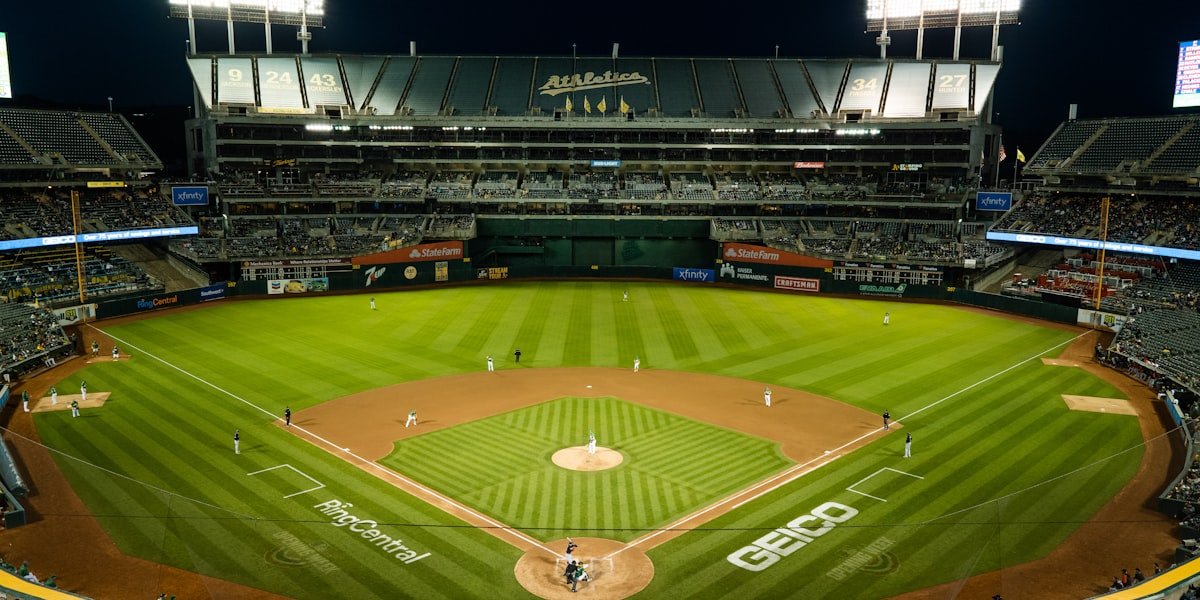
White Sox Stadium Upgrades That Changed the South Side Experience

Stadium improvements at the home of the White Sox have fundamentally altered the game-day experience for South Side baseball fans. Over more than two decades, the ballpark has undergone multiple rounds of White Sox stadium upgrades that transformed sight lines, seating options, and fan amenities. These changes reflect broader trends in how professional baseball teams redesign older venues to meet contemporary expectations while preserving the character of a neighborhood institution.

Key Takeaways

  • Stadium renovations allow teams to compete with newer venues by upgrading seating, technology, and concessions without complete rebuilding.
  • Wider concourses, accessible seating, and digital infrastructure have become standard features that improve the experience for all fans.
  • Local food vendors benefit economically by partnering with ballparks, creating menus that reflect the city’s culinary culture.
  • Naming rights deals and mixed public-private financing typically fund major stadium renovation projects over multiple years.
  • Future stadium design will emphasize sustainability, flexible event spaces, and deeper integration with surrounding neighborhoods.

The evolution of this ballpark demonstrates how even established facilities can be reimagined without complete demolition. Each phase of renovation has addressed different aspects of the fan experience, from premium seating and concessions to accessibility and technology infrastructure. The result is a venue that bears little resemblance to its original configuration, even as the basic footprint remains intact.

What Drives Stadium Renovation Decisions?

Professional sports teams renovate stadiums to remain competitive in an industry where fan experience directly affects revenue. Newer ballparks set benchmarks that force older venues to adapt or risk losing attendance to competitors offering more comfortable seating, better food options, and enhanced viewing angles. For teams in major markets, the choice often comes down to extensive renovation or relocation.

The decision to renovate rather than build new typically hinges on location and public funding. A ballpark with strong neighborhood ties and accessible transit options holds value that justifies significant investment. South Side residents have deep connections to their team’s home, and moving the franchise would sever those bonds in ways that reverberate beyond sports.

Economic factors also play a role. Renovation allows teams to upgrade incrementally, spreading costs over multiple seasons rather than requiring one massive capital outlay. This approach lets ownership test new concepts, gauge fan response, and adjust future plans accordingly.

How Teams Balance Tradition and Modernization

Preserving a stadium’s identity while adding modern amenities requires careful planning. Fans often resist changes that alter familiar sightlines or eliminate beloved features, yet they also demand the comforts found in newer venues. Successful renovations thread this needle by retaining signature elements while improving areas that clearly needed updating.

The Major League Baseball landscape includes numerous examples of teams that navigated this tension with varying degrees of success. Some clubs preserved historic facades while gutting interiors. Others demolished and rebuilt sections entirely. The approach depends on what fans value most and which structural elements can be salvaged.

Which Improvements Have the Greatest Impact?

Seating upgrades consistently rank among the most noticeable changes for fans. Wider seats with cup holders, improved leg room, and better angles toward home plate make games more comfortable for those attending multiple times per season. Premium seating areas with climate control and upscale food service attract corporate clients and fans willing to pay for enhanced experiences.

Concourse renovations open up circulation and create gathering spaces where fans can socialize without losing sight of the field. Wider walkways reduce congestion during high-traffic moments like innings breaks, while open concourses let fans watch the game while waiting in line. These design changes acknowledge that attending a game involves more than sitting in a seat for three hours.

stadium concourse crowd
Photo by CHUTTERSNAP on Unsplash

Technology infrastructure has become essential as fans expect reliable Wi-Fi and mobile connectivity. High-speed internet allows fans to check replays, share on social media, and access team apps for ordering food or finding restrooms. Video boards displaying high-definition replays and statistics have grown larger and sharper. They’ve become focal points during breaks in play.

Food and Beverage Evolution

Concession stands have evolved from basic hot dogs and beer to diverse menus featuring local restaurants and specialty items. Fans increasingly expect variety that reflects the city’s food culture, not just generic ballpark fare. This shift has turned concessions into a destination rather than a necessity, with some fans arriving early specifically to sample new offerings.

The economic impact extends beyond the team. Local vendors gain exposure and revenue by partnering with the ballpark, creating a symbiotic relationship that benefits Chicago businesses. This approach also differentiates the venue from competitors by offering food that can’t be found at other stadiums.

How Do Upgrades Affect Neighborhood Dynamics?

Major stadium renovations influence surrounding neighborhoods in ways that extend beyond game days. Improved facilities attract more fans, which increases foot traffic for nearby businesses. Restaurants, bars, and shops within walking distance benefit from crowds arriving before first pitch and lingering after the final out.

Infrastructure improvements often accompany stadium upgrades, including better lighting, sidewalk repairs, and enhanced public safety measures. These changes serve both fans and residents, creating a cleaner and more welcoming environment year-round. The ballpark’s presence anchors commercial development that might not otherwise occur in the area.

However, increased activity can also strain parking and public transit during games. Residents who live near the stadium may face blocked streets and crowded trains on game nights. Balancing the economic benefits of a vibrant sports venue with the needs of people who call the neighborhood home requires ongoing coordination between the team, city officials, and community organizations.

What Role Does Accessibility Play?

Modern stadium design prioritizes accessibility for fans with disabilities in ways that older venues often overlooked. Wheelchair-accessible seating distributed throughout the ballpark ensures that mobility-impaired fans can sit with their groups rather than being relegated to isolated sections. Elevators and ramps replace or supplement stairs, making every level reachable for those who can’t navigate steps.

Sensory-friendly spaces accommodate fans with autism or other conditions that make traditional stadium environments overwhelming. Quiet rooms with reduced lighting and noise provide respite without requiring families to leave the venue entirely. These additions reflect growing awareness that fan bases include people with diverse needs.

Accessible design benefits everyone, not just those with disabilities. Parents with strollers, fans carrying heavy items, and older adults with limited mobility all gain from features like wider concourses and more restrooms. Universal design principles create a better experience across the board.

How Technology Shapes the Modern Ballpark

Digital ticketing has eliminated paper tickets for most fans, streamlining entry and reducing fraud. Mobile apps let fans manage their tickets, upgrade seats, and order food for pickup, reducing time spent in lines. These conveniences appeal particularly to younger fans who expect seamless digital experiences in all aspects of life.

In-seat ordering through apps allows fans to have food and drinks delivered without leaving their seats, though this service typically comes with premium pricing. The technology requires robust Wi-Fi infrastructure and coordination between kitchen staff and delivery personnel. Smooth execution enhances convenience. Failures frustrate fans who paid extra for the service.

Interactive displays and augmented reality features are emerging as ways to engage fans beyond the action on the field. Some teams experiment with apps that overlay player statistics when fans point their phones at the diamond, or games that let children complete challenges throughout the ballpark. These technologies are still evolving, but they represent the future direction of fan engagement.

baseball scoreboard night
Photo by Nick Jio on Unsplash

What Financial Models Support These Projects?

Stadium renovations require substantial investment that teams fund through various mechanisms. Naming rights deals generate significant revenue, with corporations paying for the privilege of attaching their brand to a prominent public venue. These agreements typically span multiple years and include provisions for branding throughout the facility.

Public financing through bonds or tax increments remains contentious but common. Cities justify this investment by pointing to economic activity generated by the stadium and the risk of losing the team to another market. Critics argue that public money could be better spent on schools, infrastructure, or other services that benefit more residents.

Private financing through ownership contributions and league revenue-sharing arrangements accounts for a growing share of renovation costs. Teams with deep-pocketed owners can fund improvements without public assistance, though they often still seek favorable terms on land leases or infrastructure support. The mix of public and private funding varies widely based on local politics and the team’s financial position.

The Chicago Journal has documented how these financial arrangements shape not just stadiums but entire neighborhoods, with ripple effects that persist long after construction crews depart. The interplay between sports business and urban development continues to evolve as cities compete for teams and teams compete for fans.

Where Stadium Design Heads Next

Future stadium renovations will likely emphasize sustainability and climate adaptation. Solar panels, rainwater collection, and energy-efficient systems reduce operating costs while appealing to environmentally conscious fans. As extreme weather events become more common, covered seating and climate-controlled spaces will become standard rather than luxury features.

Flexible spaces that can host concerts, festivals, and other events year-round maximize a venue’s utility and revenue potential. The days of single-purpose stadiums that sit empty most of the year are ending, replaced by mixed-use facilities that serve as community gathering places. This shift requires design that accommodates multiple event types without compromising the core baseball experience.

Integration with surrounding neighborhoods will deepen as teams recognize that a stadium’s success depends on the health of nearby communities. Partnerships with local schools, investment in youth programs, and support for small businesses create goodwill that translates into sustained fan loyalty. The ballpark becomes not just a place to watch games but a civic institution with responsibilities beyond entertainment.

The transformation of the White Sox home reflects broader changes in how Americans experience professional sports. Stadiums have evolved from simple venues for watching games into complex entertainment destinations that compete for discretionary spending against movies, restaurants, and streaming services. The teams that thrive will be those that continue adapting to fan expectations while maintaining the authentic neighborhood connections that make baseball more than just another entertainment option.


FAQs

How Long Do Major Stadium Renovations Typically Take?

Large-scale stadium renovations usually occur in phases over several years to avoid disrupting full seasons. Teams schedule construction during the off-season when possible, though some projects require ongoing work that continues while games are played. The phased approach also spreads costs and allows teams to adjust plans based on fan feedback.

Do Stadium Upgrades Actually Increase Attendance?

Attendance often rises following major renovations, particularly in the first few seasons as fans come to see new features. However, sustained attendance depends on team performance, ticket pricing, and competition from other entertainment options. A renovated stadium creates the potential for growth but doesn’t guarantee it without a competitive product on the field.

What Happens to Seats and Materials Removed During Renovation?

Teams typically auction or donate seats and other memorabilia to fans, charities, and collectors. Some materials are recycled or repurposed for other construction projects. Selling historic seats and signage generates modest revenue while giving fans a chance to own a piece of ballpark history.

How Do Teams Decide Which Amenities to Add?

Teams study fan surveys, analyze spending patterns, and benchmark against other successful venues to determine priorities. Focus groups and test installations help gauge interest before committing to large investments. The goal is balancing features that attract new fans with improvements that keep season-ticket holders renewing.

Can Older Stadiums Ever Match the Experience of Brand-new Venues?

Extensive renovations can bring older stadiums close to new construction in terms of amenities and comfort. However, certain design limitations rooted in the original footprint often remain, such as column obstructions or awkward sightlines. The advantage older stadiums retain is character and history that new venues take decades to accumulate.

What Role Do Fans Play in Renovation Planning?

Teams increasingly solicit fan input through surveys, town halls, and advisory groups during planning phases. This feedback influences decisions about seating configurations, food options, and preserved historical elements. While ownership makes final decisions, incorporating fan preferences helps ensure renovations meet the needs of those who actually attend games.

How Do Stadium Upgrades Affect Ticket Prices?

Renovations typically lead to price increases, particularly for premium seating and club areas with enhanced amenities. Teams justify higher prices by pointing to improved comfort and services. However, maintaining affordable seating options remains important for preserving access for families and long-time fans on limited budgets.

The Midway Plaisance’s Second Act: A Forgotten Mile Reborn

The Midway Plaisance history begins with the 1893 World’s Columbian Exposition, when the mile-long strip between Washington and Jackson parks served as the fair’s amusement zone. Today, the sunken greensward functions as athletic field, sledding hill, ice rink, and vital green corridor for Hyde Park, Woodlawn, and Kenwood residents. What the designers created as a grand canal connecting two landmark parks has become something entirely different: a practical neighborhood amenity that reveals how urban parks adapt when the spectacle fades and daily life moves in.

What the Exposition Left Behind

The original design called for a Venetian-style waterway lined with pavilions from dozens of nations. Visitors in 1893 walked past the Ferris wheel, belly dancers, and ethnographic villages that made the Midway famous. After the fair closed, most structures were demolished, and the water feature was never completed.

The Olmsted Brothers redesigned the space in the early twentieth century as a sunken meadow flanked by tree-lined paths. That depression, originally intended for boats, now cradles soccer fields, a skating rink, and one of the city’s better sledding slopes. The transformation was pragmatic rather than visionary: planners worked with the topography they inherited and let neighborhood use dictate function.

From Spectacle to Playing Field

The Midway measures roughly 600 feet wide and stretches from Stony Island Avenue west to Cottage Grove Avenue. Its sunken center sits about ten feet below street level, shielded from traffic noise and offering a sense of enclosure rare in flat Chicago. That bowl shape makes it ideal for winter sports and informal games, functions the fair planners never anticipated.

The University of Chicago owns the Midway and manages it through an agreement with the Chicago Park District. The district maintains the turf, paths, and seasonal facilities, while the university uses portions for recreation programs and student activities. The arrangement reflects the way many Chicago institutions share stewardship of public space.

How Winter Transformed the Space

The Midway Plaisance Skating Rink opened in 1961 at the east end of the park, near Dorchester Avenue. Generations of South Side skaters learned on that outdoor rink, which operates from roughly December through February depending on weather. The rink anchors the winter identity of a park that otherwise lies dormant for months.

The western slopes became a de facto sledding destination as soon as the first snow falls each year. The grade is gentle enough for small children and steep enough to build speed, drawing families from blocks around. No formal sledding program exists; the activity simply happens because the topography invites it.

Summer soccer leagues and informal pickup games fill the center fields from April through October. Cricket matches appear on weekends, reflecting the South Asian populations in Hyde Park and nearby neighborhoods. The Midway accommodates overlapping uses without formal zoning, a flexibility built into its open design.

Why the Midway Works as Connector

The park links two of Frederick Law Olmsted’s signature Chicago landscapes. Washington Park to the west covers more than 370 acres and includes lagoons, an archery range, and playing fields. Jackson Park to the east stretches along the lakefront and now holds the Obama Presidential Center, the Museum of Science and Industry, and extensive shoreline.

Cyclists, runners, and walkers use the Midway as a direct east-west route that avoids stop lights and car traffic. The path system connects seamlessly to both parks, forming a continuous greenway stretching from Cottage Grove to the lake. That connectivity matters more to daily users than any historical pedigree.

The tree canopy has matured over the past century, creating a shaded corridor in summer that feels cooler than surrounding streets. Dozens of benches line the upper paths, and the central lawn offers open sightlines that make the space feel safe even when it is not crowded. The design works because it prioritizes circulation and visibility over decorative flourish.

What the Plaisance Means to Hyde Park and Woodlawn

For residents of the neighborhoods flanking the Midway, the park functions as backyard, playground, and shortcut. Apartment buildings and university dormitories face the greenway directly, and many residents cross it multiple times each day. The space absorbs foot traffic, recreational use, and informal gatherings without the programming or infrastructure of larger parks.

Local high schools use the fields for practice when their own facilities are unavailable. Community groups hold occasional events on the lawn, from picnics to outdoor yoga. The University of Chicago hosts its annual Kuviasungnerk celebration, a winter carnival with sled races and snow sculptures, near the skating rink each January. These activities layer onto the space without displacing one another, a result of the Midway’s generous proportions.

The park also serves as a visible boundary. Hyde Park lies to the north, Woodlawn to the south. That division carries social and economic weight, reflecting decades of segregation and disinvestment. The Midway itself belongs to both neighborhoods and neither, a neutral zone that residents cross but rarely claim.

How Maintenance Shapes Daily Experience

The condition of the turf, paths, and lighting determines whether the Midway feels welcoming or neglected. Park District crews mow regularly during the growing season and clear snow from the paved paths in winter. When budgets tighten, maintenance slips, and residents notice immediately.

Lighting remains uneven, with some stretches well-lit and others dark after sunset. That inconsistency affects how safe the park feels at night, particularly for solo walkers. Improvements have come incrementally, driven by neighborhood advocacy rather than comprehensive planning. The Midway’s second act as a neighborhood park depends on the unglamorous work of upkeep, not grand vision.

Where the Midway Stands After 130 Years

The Midway Plaisance history offers a case study in adaptive reuse. The park has outlasted the exposition that created it by a century, surviving because it proved useful in ways its designers never intended. The sunken fields, skating rink, and tree-lined paths serve thousands of South Siders each year, a quiet success that generates no headlines.

No major redesign looms, and the space will likely continue in its current form for decades. The real transformation happened gradually, as joggers, soccer players, and sledders claimed the land for everyday recreation. The Midway’s second act is still unfolding, shaped by the people who use it rather than the planners who built it. That modest evolution may be the truest legacy of a park that began as spectacle and endured as service.

What Makes a Deep-Dish Pizza Chicago Actually Deep-Dish

Deep-dish pizza Chicago is baked in a tall, circular pan and features a thick, crumbly crust filled with mozzarella cheese on the bottom, toppings in the middle, and a layer of tomato sauce ladled on top. That inverted structure and the tall pan distinguish it from nearly every other pizza style in the country.

Why Does the Crust Need to Be Thick and Sturdy?

The crust in deep-dish pizza Chicago serves a structural purpose more than an artisan one. It must be thick enough to hold a generous amount of cheese, toppings, and sauce without collapsing into a soggy mess. The outer texture should be crisp, especially on the bottom, and the line where the dough meets the cheese should be baked through completely.

deep-dish pizza Chicago: deep dish pizza pan
Photo by Aldward Castillo on Unsplash

A proper deep-dish crust is moderately thick and crumbly, not flaky. The dough is pressed into the pan and up the sides, creating a vessel that can support the weight of the ingredients. Some recipes incorporate cornmeal or butter into the dough, which contributes to a slightly gritty texture and a rich flavor.

What Is the Cheese-Sauce-Topping Order?

The hallmark of deep-dish pizza Chicago is its inverted layering system. Unlike a New York or Neapolitan pie, where sauce goes on the dough first, deep-dish starts with mozzarella cheese directly on the crust followed by any additional toppings such as sausage, peppers, onions, or mushrooms, and finishes with a thick layer of tomato sauce on top.

deep-dish pizza Chicago: mozzarella cheese pizza
Photo by Ivan Torres on Unsplash

This order prevents the cheese from burning during the long baking time, which can stretch to 40 minutes or more. The sauce, often chunkier and less smooth than a typical pizza sauce, stays on top and caramelizes slightly in the oven. Many Chicago pizzerias use California-grown tomatoes for their sauce, which contributes a bright, sweet-tart flavor.

Why Mozzarella Goes on the Bottom

Mozzarella is placed directly on the crust to create a molten layer that binds the toppings and protects the dough from moisture. Wisconsin mozzarella is a common choice among deep-dish pizzerias, prized for its melting quality and mild flavor. The cheese layer is typically thick, often weighing more than the dough itself.

How Does Deep-Dish Differ From Stuffed Pizza?

Deep-dish pizza Chicago is frequently confused with stuffed pizza, but they are distinct styles. Stuffed pizza features an additional layer of dough above the cheese and below the sauce, creating a taller pie with a flaky, laminated crust. The extra dough layer is thin and barely visible, often mistaken for cheese by diners unfamiliar with the style.

Giordano’s is the most recognized name in stuffed pizza, while Lou Malnati’s, Gino’s East, and Pizzeria Uno specialize in traditional deep-dish. The stuffed style can stand two or three inches tall, while deep-dish is typically shorter and features a crumbly rather than flaky crust. Both styles share the sauce-on-top structure, but the extra dough layer in stuffed pizza adds heft and a distinct texture.

What Role Does the Pan Play?

The pan is as critical as the dough. Deep-dish pizza Chicago is baked in a tall, round pan with straight sides, similar to a cake pan. The pan allows the dough to rise vertically and supports the weight of the cheese and toppings. The sides of the pan help the crust develop a crisp exterior while keeping the interior soft.

Some pizzerias grease the pan with butter or oil, which creates a fried edge on the crust and adds richness. The pan also traps heat, ensuring the bottom of the crust cooks evenly despite the heavy load of ingredients. A properly seasoned pan can develop a non-stick surface over time, which helps the finished pizza slide out cleanly.

How Long Does It Take to Bake?

Deep-dish pizza Chicago requires a longer baking time than thin-crust styles. Most pies spend 30 to 45 minutes in the oven, depending on the thickness and the oven temperature. The extended baking time allows the crust to cook through, the cheese to melt completely, and the sauce to reduce and caramelize slightly on top.

Pizzerias often bake deep-dish at moderate temperatures, around 400 to 425 degrees Fahrenheit, rather than the high heat used for Neapolitan or New York pies. The slower bake ensures the interior doesn’t stay raw while the exterior burns. Diners should expect to wait 40 minutes or more after ordering, as most deep-dish pizzas are made to order.

Deep-dish pizza Chicago remains a fixture in the city not because locals eat it weekly, but because it offers a comically indulgent, shareable experience that feels like an event. The thick crust, inverted layering, and long baking time set it apart from every other pizza style, making it a dish worth defending and, occasionally, devouring.

Governor Pritzker Announces Second Round of Regional Site Readiness Awards to Drive Illinois Job Creation

Governor JB Pritzker and the Illinois Department of Commerce and Economic Opportunity (DCEO) announced the second round of Regional Site Readiness Program awards on August 5, directing new grant funding to communities across the state for site preparation and infrastructure improvements designed to attract manufacturing, logistics, and technology employers. The announcement, made at the iFab Integrated Bioprocessing Research Laboratory at the University of Illinois Urbana-Champaign, continues a program that has now deployed tens of millions of dollars to transform vacant industrial sites, brownfields, and underused land into development-ready properties.

Key Takeaways

  • Governor Pritzker announced the second round of Regional Site Readiness Program awards on August 5 at the University of Illinois Urbana-Champaign’s iFab laboratory.
  • The program offers two grant types: Planning grants up to $150,000 for environmental studies and site plans, and Capital Ready grants up to $5 million for infrastructure improvements.
  • The current funding round totals $60 million after Pritzker doubled the allocation from $30 million in April 2026; the first wave of awards from this round distributed $25.9 million across seven sites.
  • The program is part of a $500 million FY2026 site readiness initiative, the largest investment in site preparation in Illinois history, including $200 million designated for DCEO’s Site Ready Illinois and the Regional Site Readiness Program.
  • Eligible applicants include local governments, economic development organizations, nonprofit organizations, and private landowners across all 10 of Illinois’ Economic Development Regions.

The Program Targets Vacant Industrial Sites and Brownfields Across All 10 Economic Regions

The Regional Site Readiness Program operates on a premise that site preparation is the bottleneck in Illinois’ competition for corporate investment. When a company evaluates potential locations for a manufacturing plant, distribution center, or technology campus, the readiness of available land is frequently the deciding factor. Sites that lack environmental clearance, utility connections, road access, or zoning alignment are passed over regardless of how competitive a state’s tax incentives or workforce pipeline might be.

The Governor’s Office has structured the program around two competitive grant categories. Planning grants, capped at $150,000, fund environmental due diligence, site assessments, engineering studies, and development plans that bring a property to the point where an investor can evaluate it with confidence. Capital Ready grants, capped at $5 million, fund the physical infrastructure improvements (roads, utilities, grading, environmental remediation) that make a site construction-ready.

The first wave of awards from the current funding round, announced in April 2026, distributed $25.9 million across seven sites. Among those recipients was the City of McHenry, which received a $120,000 planning grant to conduct environmental due diligence on 235 acres of land targeted for future industrial development. The second round of awards announced August 5 expands the program’s geographic reach and moves additional sites from assessment into active infrastructure preparation.

Pritzker Doubled the Funding Round to $60 Million in April

The current funding cycle began in October 2025 with a $31.5 million allocation. In April 2026, Pritzker and DCEO announced an additional $30 million, bringing the total for this round to $60 million. The expansion came alongside an additional $1.5 million specifically for planning grants to increase the pipeline of project-ready sites. DCEO Director Kristin Richards described the additional funding as a response to demand that exceeded initial projections, noting that the program had attracted competitive applications from communities in every corner of the state.

The Regional Site Readiness Program sits within a broader $500 million site readiness initiative that Pritzker included in the FY2026 budget, which the Governor’s Office has characterized as the largest investment in site preparation in state history. Of that total, $200 million is designated for DCEO’s Site Ready Illinois and the Regional Site Readiness Program. The remaining $300 million supports complementary infrastructure and development programs administered through other state agencies.

The initiative builds on the Rebuild Illinois capital program passed in 2019, a $45 billion investment in state infrastructure that has funded transportation, broadband, and public facility improvements across the state. The site readiness component represents a strategic pivot from general infrastructure toward targeted economic development, with the explicit goal of making Illinois more competitive in the national race for corporate relocations and expansions.

The First Round Delivered $31 Million to 24 Sites Statewide

The program’s track record provides context for the August 5 expansion. The first round of the Regional Site Readiness Program, announced in January 2025, awarded $31 million across 24 sites statewide through 13 planning grants and 11 Capital Ready grants. Individual awards ranged from approximately $35,000 to $3 million. The grantees undertook environmental assessments, infrastructure construction, and site planning designed to transform properties that had been abandoned, contaminated, or otherwise unsuitable for development into locations that could attract employers.

Pritzker framed the investment as the kind of foundational work that must happen before businesses and jobs can follow. “Readiness planning, assessments, infrastructure improvements,” the Governor said at the January 2025 announcement in Jerseyville. “These things are all the fundamental work that must be done for businesses and investments to flourish and jobs to grow across the state.”

The Illinois Economic Development Association endorsed the program as a model for how state government can function as a development partner rather than a regulatory obstacle. The association noted that the competitive grant structure encourages local governments and private landowners to bring forward sites that have genuine development potential rather than speculative projects without a clear path to job creation.

Illinois Positions Itself in a National Competition for Industrial Investment

The site readiness push comes as Illinois competes with states including Ohio, Indiana, Michigan, Georgia, and Texas for a wave of manufacturing and logistics investment driven by reshoring trends, supply chain diversification, and the expansion of electric vehicle and battery production. States that can offer “shovel-ready” sites with environmental clearance, utility capacity, and transportation access have a measurable advantage in these competitions, because companies evaluating locations typically operate on compressed timelines that do not accommodate years of site preparation.

Lieutenant Governor Juliana Stratton described the strategy as an effort to ensure the benefits of new and expanding industries reach communities across the state rather than concentrating in a handful of metro areas. The program’s structure, which distributes funding across all 10 of Illinois’ Economic Development Regions, reflects that priority. Downstate and rural communities that may lack the resources to conduct environmental assessments or install utility connections on their own can access capital through the program that positions their sites alongside those in larger markets.

The announcement at the iFab Integrated Bioprocessing Research Laboratory in Urbana was itself a statement about the relationship between research institutions and economic development. The iFab facility focuses on bioprocessing technology that converts agricultural products into higher-value materials, a sector where Illinois’ combination of agricultural output and research capacity creates a natural competitive advantage. Locating the announcement at a facility that represents the kind of investment the site readiness program is designed to attract underscored the administration’s message that infrastructure preparation and innovation capacity work together.

FAQs

What Is the Regional Site Readiness Program?

The Regional Site Readiness Program is an Illinois state grant program administered by DCEO that funds site preparation and infrastructure improvements to make vacant, underused, or contaminated properties ready for business development. It offers Planning grants up to $150,000 and Capital Ready grants up to $5 million.

Who Is Eligible to Apply for Site Readiness Grants?

Eligible applicants include local governments, economic development organizations, nonprofit organizations, and private landowners across all 10 of Illinois’ Economic Development Regions. Applications are reviewed through a competitive process.

How Much Funding Has Been Allocated to the Program?

The current funding round totals $60 million. The program is part of a broader $500 million FY2026 site readiness initiative that includes $200 million for DCEO’s Site Ready Illinois and the Regional Site Readiness Program, the largest such investment in Illinois history.