The Chicago Journal

CPS Proposes 760 Teacher Layoffs and Five Furlough Days to Close $732 Million Budget Deficit

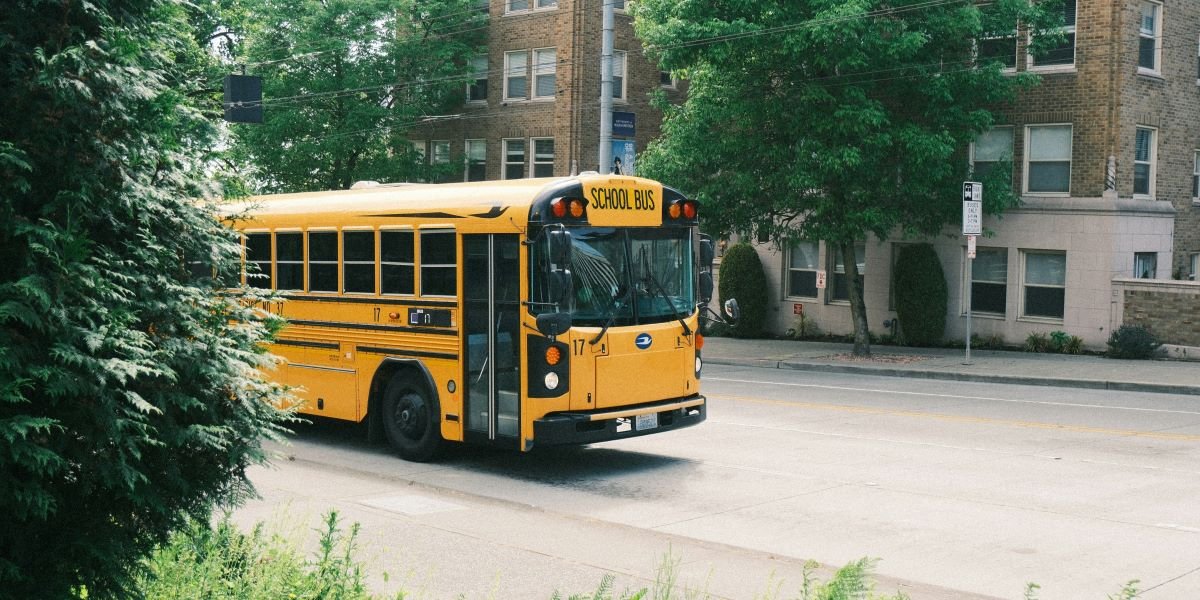
Chicago Public Schools plans to lay off 760 teachers, 801 teacher aides, and 162 central office employees while imposing five unpaid furlough days for all staff to address a $732 million deficit in the district’s $9.88 billion proposed budget for the 2026-27 school year. The Chicago Teachers Union called the spending plan “dead on arrival” and has demanded impact bargaining over the staffing reductions, setting up a confrontation that could shape the district’s fiscal direction heading into a July 30 Board of Education vote.

Key Takeaways

  • Chicago Public Schools proposes laying off 760 teachers, 801 teacher aides, and 162 central and citywide employees, totaling 1,723 positions, as part of a $9.88 billion budget for fiscal year 2027
  • Five furlough days scheduled for non-attendance days in the second semester would save approximately $85 million; for the average teacher, the furloughs translate to roughly $2,300 in lost pay, or about 2.3% of annual salary
  • The Chicago Teachers Union called the budget “dead on arrival” and has filed two demand letters requiring CPS to bargain over cuts and pursue revenue the union says the district is owed before eliminating positions
  • The budget relies on $200 million in Tax Increment Financing surplus funds from the City Council and assumes additional state funding; CPS CEO Macquline King said the plan does not add to the district’s roughly $9 billion in existing debt
  • CTU President Stacy Davis Gates framed the deficit as a product of state underfunding, arguing the Illinois General Assembly owes Chicago Public Schools $2 billion under the state’s evidence-based funding formula

What Does The CPS Budget Proposal Include?

Chicago Public Schools CEO Macquline King unveiled the proposed $9.88 billion budget on July 15, describing a plan built around declining enrollment, rising costs, and a structural revenue gap that the district has confronted in some form every summer for the past several years. The 760 teacher layoffs stem in part from a decision announced to principals in May to raise student-to-teacher ratios across the district, a move that a WBEZ analysis projected would eliminate approximately 700 teaching positions. Additional cuts reflect enrollment declines and reduced special education service needs at individual schools.

The 801 teacher aide layoffs and 162 central office reductions bring the total to 1,723 positions eliminated. The district also plans a midyear spending freeze beginning in the second semester and five furlough days on non-attendance days, such as teacher training sessions and report card pickup days. CPS has not furloughed staff in a decade, and district officials characterized the furloughs as a temporary measure that could be reversed if additional revenue materializes from the city, state, or federal government.

King said the district took a $450 million bite out of the $732.5 million deficit through the layoffs, revenue pushes, and other cost-saving measures before releasing the proposed budget. The plan does not add to the district’s approximately $9 billion in outstanding debt, King said, but does depend on $200 million in Tax Increment Financing surplus funding from the City Council, a request that would require alderpersons to declare a TIF surplus next year.

How Is The Chicago Teachers Union Responding?

The Chicago Teachers Union issued a statement on July 15 calling the proposed budget “dead on arrival” and describing the layoff cycle as a recurring consequence of structural underfunding that the district has failed to address at the state level. CTU President Stacy Davis Gates rejected the plan in direct terms, stating that students have already spent the school year in overcrowded classes with unpaid coaches and overburdened caseworkers.

The union filed two demand letters requiring CPS to engage in impact bargaining over the staffing cuts and to pursue funding sources the union argues the district is owed before reducing positions that serve the district’s more than 300,000 students. CTU leadership framed the deficit as a product of Illinois Governor JB Pritzker and the General Assembly failing to meet the state’s own evidence-based funding mandate, which the union says leaves CPS approximately $2 billion short of full funding.

The CTU also secured a victory at the Cook County level during the same week. On July 15, the Cook County Board’s Finance Committee voted to include CPS in a bridge loan program that the county has offered to suburban school districts but had previously excluded the city’s schools from. The union argued that Cook County’s property tax distribution delays cost CPS an estimated $40 million in unnecessary borrowing last year, with the district paying as much as $220,000 per day in interest at one point. CTU leadership called the Finance Committee vote “an enormous step forward” and demanded that Cook County Treasurer Maria Pappas follow through by distributing $400 million in property tax payments the union says have been collected but not yet forwarded to the district.

What Happens To Laid-Off Teachers?

CPS Chief of Talent Ben Felton noted that the overall number of aides and teachers in the district is actually increasing, driven largely by rising special education needs. The district is adding approximately 900 special education teachers and classroom assistants even as it eliminates general education positions. District officials said most laid-off staff historically get rehired by CPS as positions open through retirements and resignations over the summer.

The CTU contract includes layoff protections in the form of retention pools, including a Reassigned Teacher Pool for tenured teachers and a central retention system for class-size teacher assistants. The union scheduled a layoff rights clinic for July 21 to advise affected members on their options, including unemployment benefits, health insurance continuation through August 31, and contractual protections against improper termination.

What Are The Broader Fiscal Pressures On CPS?

The $732 million deficit reflects several compounding factors: declining student enrollment, rising labor contract costs, employee pension obligations, building maintenance expenses, and the district’s $9 billion debt load. CPS enrollment has been falling for years, reducing the per-pupil funding the district receives from the state, while fixed costs have continued to climb.

The Chalkbeat Chicago analysis of the budget noted that the district’s chief financial officer described the furloughs as a reasonable but temporary solution, since those savings will not reduce the deficit in future fiscal years. Without structural revenue changes at the state or county level, CPS faces the prospect of repeating the same budget cycle annually.

The CTU pointed to the Illinois General Assembly’s most recent legislative session, in which lawmakers left approximately $4 billion in proposed revenue measures on the table, and called for a special session to address school funding. The union argued that the state is treating stadium projects and tech industry incentives as megaprojects while asking teachers and students to absorb the consequences of underfunded schools.

The Chicago Board of Education is scheduled to vote on the proposed budget at its July 30 meeting, where CTU leadership has urged members and community supporters to attend and speak against the spending plan.


FAQs

How many CPS employees are facing layoffs?
Chicago Public Schools proposes laying off 1,723 employees total: 760 teachers, 801 teacher aides, and 162 central office and citywide staff. District officials said many laid-off employees historically get rehired into other CPS positions before the school year begins.

What are the proposed furlough days?
CPS plans to furlough all staff for five days during the second semester on non-attendance days, such as teacher training sessions and report card pickup days. The furloughs would save approximately $85 million and translate to roughly $2,300 in lost pay for the average teacher.

Why does CPS have a $732 million deficit?
The deficit stems from declining student enrollment, rising labor contract and pension costs, building maintenance expenses, the district’s $9 billion debt, and what the CTU describes as approximately $2 billion in state underfunding under the evidence-based funding formula.

What is the CTU’s position on the budget?
The Chicago Teachers Union called the proposed budget “dead on arrival” and filed two demand letters requiring CPS to bargain over staffing cuts. CTU President Stacy Davis Gates argued the district should pursue additional state and county revenue before eliminating teaching positions.

When will the CPS Board vote on the budget?
The Chicago Board of Education is scheduled to consider the proposed budget at its July 30 meeting. CPS is required by law to hold two public hearings before a vote can be taken, and the budget must be approved by the end of August.

What is the TIF surplus request?
CPS is counting on $200 million in Tax Increment Financing surplus funds from the City of Chicago. The request would require the City Council to declare a TIF surplus for the coming year, a step that is not guaranteed.

Dr. Nathan Hoffman & The Chicago Dental Studio Brings Advanced Cosmetic Dentistry and Smile Makeovers to Chicago’s South Loop

By Matt Emma

When patients begin exploring cosmetic dentistry, they are often looking for more than straighter teeth or a brighter smile. Many want treatment that feels personalized, natural, and designed specifically for them. That philosophy has guided Dr. Nathan Hoffman throughout his career and will now play a central role at The Chicago Dental Studio‘s newest location in Chicago’s South Loop.

Set to open on July 14th, the new office will expand access to comprehensive dental care and serve as a destination for cosmetic dentistry and smile makeover treatments. Dr. Hoffman will personally provide cosmetic consultations and treatment planning at the South Loop location, bringing his approach to smile design directly to one of Chicago’s fastest-growing suburbs.

“Every smile is different, and every patient has a different vision for what they want to achieve,” said Dr. Hoffman. “The most important part of cosmetic dentistry is understanding the individual first. The treatment should always complement the person, not define them.”

A Personalized Approach to Smile Design

In cosmetic dentistry, new technologies and treatment-planning techniques are continually being developed. Instead of following the same procedure for all cases, The Chicago Dental Studio starts by conducting a comprehensive analysis of the individual’s facial structure, tooth measurements, bite alignment, dental health, and the patient’s objectives.

This process is quite interactive, as patients are expected to inform the dentist about what they think is wrong with their smile, how they want to change it, and what looks natural to them. Using digital imaging techniques, dentists can plan treatment before performing it.

This process has come to define The Chicago Dental Studio’s approach to offering cosmetic services. Whether it is Invisalign treatment, tooth whitening, dental veneers, or even smile makeovers, treatment plans will be designed with functionality in mind.

Expanding Access to Advanced Cosmetic Care

The South Loop has experienced significant residential growth in recent years, attracting new homeowners, professionals, and families. As the neighborhood continues to expand, healthcare providers are working to keep pace with increasing demand. For The Chicago Dental Studio, opening in the South Loop represents an opportunity to bring advanced cosmetic and restorative care closer to where patients live and work.

“Access matters,” said Dr. Hoffman. “Patients should not have to travel across the city to receive high-quality cosmetic treatment. We wanted to create a location where South Loop residents can receive comprehensive care and advanced smile makeover services within their own community.”

The dental office will offer general dentistry, preventive care, cosmetic treatment options, digital imaging, and consultations for Invisalign. Patients can access comprehensive dental services from one practice.

The Future in South Loop

This coming July 14th will be yet another milestone for The Chicago Dental Studio as the practice continues to grow in the city. In addition to providing more dental care to Chicagoans, the practice will work to integrate itself into the life of the South Loop community.

With more people choosing to settle in the South Loop, Dr. Hoffman recognizes the need for high-quality cosmetic and general dental services to align with the area’s transformation.

“From the very beginning, it has always been our aim to form long-term relations with our patients and communities where we operate,” he said. “Now, it is time to offer the same care in the South Loop and give people healthier, brighter smiles.”

Once the new practice opens its doors next month, the South Loop will have access to a dental office that provides comprehensive, personalized services to the community.

Harry Kappen’s “Distant Shore” Finds the Extraordinary in Ordinary Courage

By: David Marshall

Rock music has always done its best work when it tells the truth, not necessarily the truth, because that’s usually too complicated for any three-minute song, but a truth. One person’s truth. One family’s truth. One moment when the world shifts beneath your feet and suddenly nothing looks familiar anymore. That’s the territory Harry Kappen explores on “Distant Shore,” and he does it with the kind of quiet confidence that reminds you why songs still matter.

Taken from After the Crossing, Kappen’s first album recorded after relocating from the Netherlands to Mexico, “Distant Shore” begins with a personal realization but quickly reaches far beyond autobiography. His move was voluntary, made in pursuit of a new chapter in life. That experience led him to think about those whose journeys aren’t chosen, people fleeing war, poverty, persecution, and disaster with little more than hope to sustain them.

It’s a dangerous subject because songs about humanitarian crises often collapse under the weight of their own good intentions. Too many become editorials dressed up as music. Kappen understands that listeners don’t need another speech. They need a reason to care.

So he starts with a door.

“I kiss the door I can’t replace…”

That’s the moment the song earns your attention.

Before there are borders or oceans or political debates, there’s home. Not an abstract idea,a real home. A familiar doorway. A last look at a room you’ve lived in. A final breath before stepping into uncertainty. Kappen immediately understands something essential: history is experienced one person at a time.

As the song unfolds, the details accumulate naturally. Forty people crowded into a truck. Endless travel through darkness. Someone praying. Someone collapsing from exhaustion. Waves rising “like concrete walls.” None of it feels exaggerated because Kappen never reaches for drama. Reality is dramatic enough.

The remarkable thing about “Distant Shore” is how completely it trusts its audience. Kappen never insists upon what you’re supposed to think. He simply places you inside another person’s journey and lets the emotional consequences unfold.

Musically, the song occupies a fascinating space somewhere between atmospheric rock, progressive pop, and classic singer-songwriter craftsmanship. Kappen wrote, arranged, performed, and produced everything himself, yet the recording never feels like an exercise in studio perfectionism. Instead, every musical decision serves the emotional center of the song.

The most distinctive element is the mellotron, whose rich, haunting texture immediately recalls David Bowie’s “Space Oddity.” Kappen has openly acknowledged Bowie as one of the inspirations behind the recording, but the influence runs deeper than instrumentation. Bowie used space to explore alienation. Kappen uses the sea.

Both songs ask similar questions about isolation.

Both understand that physical distance often mirrors emotional distance.

But where Major Tom floated beyond Earth’s reach, Kappen’s narrator remains painfully grounded, trapped between the place he left and the place he desperately hopes exists.

The production reflects that uncertainty beautifully.

The keyboards drift across the stereo field like mist rolling over open water. Guitars appear and disappear without demanding attention. The rhythm section keeps moving forward with steady determination, suggesting that stopping simply isn’t an option. Nothing about the arrangement feels rushed. The song unfolds at the pace of reflection rather than urgency.

Kappen’s vocal performance deserves equal praise.

There isn’t an ounce of theatricality in his delivery. He doesn’t oversing the material or attempt to manufacture emotion through volume. Instead, he relies on phrasing, nuance, and sincerity. His voice carries compassion without sentimentality, concern without self-righteousness.

That’s harder than it sounds.

The chorus revolves around one deceptively simple question:

“Where is that distant shore?”

Like all great choruses, it works because it means more every time you hear it.

At first, the distant shore is literal.

Later, it becomes emotional.

Eventually, it becomes universal.

Everyone has a distant shore they’re trying to reach, whether it’s safety, peace, acceptance, forgiveness, or simply the belief that tomorrow might be better than today.

Kappen wisely leaves the answer unresolved.

There is no triumphant ending waiting in the final chorus. Hope remains uncertain because that’s how hope often exists in real life. The song refuses easy redemption, and it’s stronger for that decision.

You can’t help but hear Kappen’s decades as a music therapist echoing throughout the recording. People who spend years listening to others develop an unusual sensitivity to emotional truth. They understand that healing begins with being heard, not with having someone else explain your experience back to you.

“Distant Shore” embodies that philosophy.

It doesn’t speak over the people whose lives inspired it.

It listens.

In today’s musical landscape, dominated by instant gratification and disposable content, Harry Kappen has created something refreshingly durable. This is a song that asks for your attention rather than demanding it. It rewards repeated listening because every return reveals another lyrical image, another subtle production choice, another emotional layer beneath the surface.

Rock music has never been at its best when it’s merely loud.

It’s been at its best when it reminds us that ordinary people are capable of extraordinary courage.

“Distant Shore” does exactly that.

Harry Kappen has written a song that doesn’t pretend to solve the world’s problems. It accomplishes something smaller, and perhaps more important. It asks listeners to remember that every distant shore begins with someone taking one impossible step away from home.

That’s the kind of truth rock music has always been built to carry.