The Chicago Journal

Chicago Is the World’s Stage: UNESCO International Jazz Day 2026 Brings the Planet to the City This April

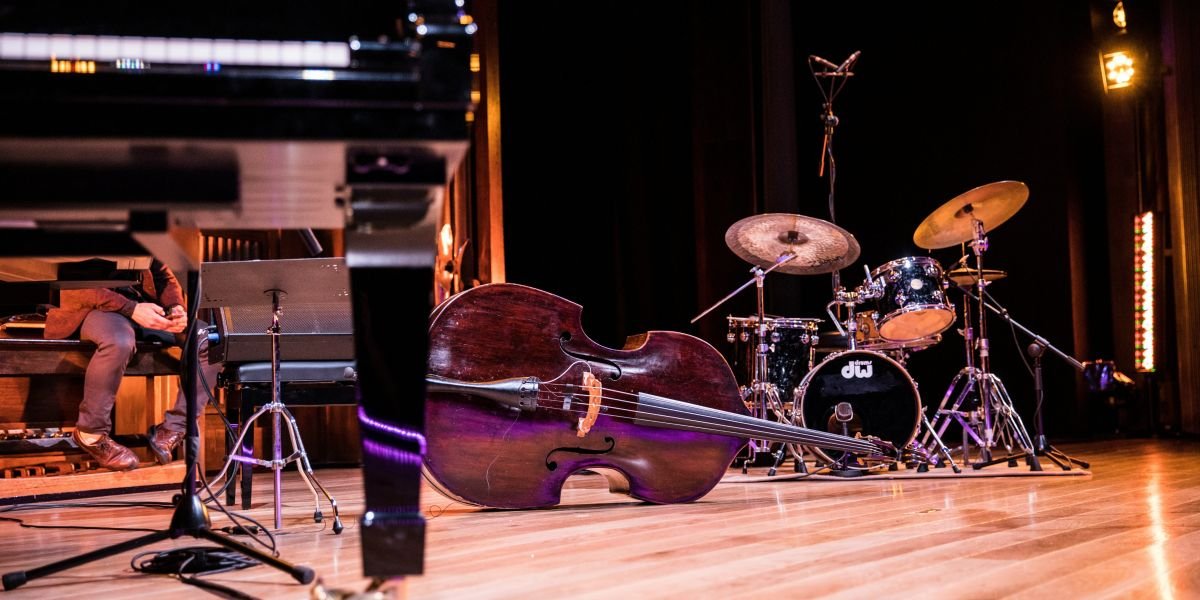
The city of Chicago is currently serving as the official Global Host City for the 15th anniversary of International Jazz Day. This April, the city has transformed into a focal point for the global music community, marking a dual milestone as the world celebrates both the anniversary of this UNESCO initiative and the 250th anniversary of the United States.

Established by UNESCO and the Herbie Hancock Institute of Jazz, International Jazz Day recognizes the genre’s role in promoting peace, dialogue, and freedom. Chicago’s selection is particularly poignant; it is the hometown of UNESCO Goodwill Ambassador and jazz legend Herbie Hancock, and it coincides with the 100th birthday of Miles Davis.

The All-Star Global Concert at the Lyric Opera

The centerpiece of the month-long celebration is the All-Star Global Concert, held at the Lyric Opera of Chicago on the evening of April 30, 2026. Directed by Herbie Hancock and John Beasley, the concert features a diverse roster of international talent and Chicago’s own jazz masters.

The performance lineup includes:

  • International Stars: Dee Dee Bridgewater, Marcus Miller, Renée Fleming, and Jacob Collier.

  • Chicago Icons: Bobby Broom, Ernest Dawkins, Kurt Elling, Marquis Hill, Joel Ross, and Jahari Stampley.

For those unable to attend in person, the concert is being live-streamed to more than 190 countries via UNTV, UNESCO, and major digital platforms, ensuring Chicago’s musical heritage reaches millions globally.

Neighborhood Programming and Cultural Tours

While the Global Concert serves as the finale, the city has implemented broad programming throughout April to ensure the celebration reaches every corner of Chicago. This strategy emphasizes the city’s “Jazz Alliance,” a collaboration between the city government, the Ravinia Festival, and local arts organizations.

On April 28, the “Neighborhood Jazz Night” initiative brings high-caliber performances to community hubs, including:

  • Englewood and Hyde Park on the South Side.

  • The Austin neighborhood on the West Side.

  • The Garfield Park Conservatory, blending natural beauty with rhythmic improvisation.

The Jazz Club Tour (April 27)

A specialized Jazz Club Tour on April 27 offers two curated routes that trace the history of the genre:

  1. The Miles Davis Route: This South Side journey visits clubs near the site of the upcoming Obama Presidential Center, highlighting the deep connection between jazz and the African American experience in the Bronzeville and Woodlawn neighborhoods.

  2. The Melba Liston Route: Focusing on central-area venues, this route honors the pioneering trombonist and arranger, celebrating the women who have shaped Chicago’s sound.

Economic and Social Impact

Beyond the cultural prestige, International Jazz Day 2026 is a major economic engine for the region. Estimates from the Walder Foundation indicate the event will generate over $60 million in local business sales.

The scale of the celebration requires significant local support, engaging more than 10,000 Chicago-area workers across the hospitality, production, and arts sectors. By integrating local businesses and neighborhood venues into the official schedule, the city ensures that the financial benefits of the global spotlight are distributed throughout Chicago’s diverse communities.

Chicago’s Enduring Jazz Legacy

Chicago has been a “jazz mecca” for over a century. During the Great Migration in the 1920s, musicians traveling up the Mississippi River from New Orleans brought a new sound to the city, evolving into the “Chicago Style.” This iteration of jazz emphasized faster rhythms and sophisticated arrangements, giving rise to legends like Louis Armstrong and Jelly Roll Morton.

Today, that legacy continues through historic venues like the Green Mill and the Jazz Showcase. Hosting the 15th anniversary of International Jazz Day is a recognition of this history. As Mayor Brandon Johnson noted, jazz is interwoven with Chicago’s identity, and the 2026 celebration acts as a testament to the innovation of the city’s contemporary musicians.

As the world watches the Lyric Opera stage this April 30, Chicago reinforces its status as a leader in the global creative economy. The convergence of the U.S. Semiquincentennial, the Miles Davis centennial, and the International Jazz Day anniversary creates a unique cultural moment that honors the past while inspiring the next generation of artists in Chicago’s high school auditoriums—just as a young Herbie Hancock was once inspired.

For residents and visitors alike, April 2026 stands as a reminder that Chicago is not just a participant in the world of jazz; for this moment, it is the world’s stage.

Understanding Your Rights After a Motorcycle Accident in North Carolina

Motorcycle riders in North Carolina face a harder road to compensation than most injured drivers, even when the crash is clearly not their fault. State law, insurance industry bias, and the severity of typical motorcycle injuries combine to create a recovery process that often looks nothing like a standard auto claim. For riders who have been hurt on roads from the Blue Ridge Parkway to I-85, understanding how the system actually works is the first step toward protecting what they are legally entitled to recover.

North Carolina sees thousands of motorcycle crashes each year, and the injuries tend to be severe. Riders are far more likely than occupants of enclosed vehicles to suffer serious or fatal injuries in a collision. The legal framework riders must work within to recover damages is, in many ways, the most restrictive in the country.

What Are the Most Common Causes of Motorcycle Crashes in North Carolina?

Most motorcycle accidents in North Carolina trace back to a handful of recurring scenarios, and in the majority of them, the motorcyclist is not the one at fault. Left-turn collisions are among the most frequent. A driver waiting to turn left across traffic misjudges the speed of an oncoming motorcycle, or simply does not see it, and turns directly into the rider’s path. These crashes happen at intersections across the state and often result in catastrophic injuries because the rider has almost no time to react.

Unsafe lane changes cause another significant share of collisions. A driver checks a mirror, sees nothing obvious, and merges into a lane already occupied by a motorcycle sitting in the vehicle’s blind spot. Riders who commute on congested corridors like I-40 through the Triangle or I-485 around Charlotte encounter this pattern regularly. Rear-end crashes at stoplights also injure riders at disproportionate rates, since a motorcycle provides almost no structural protection when struck from behind.

Road hazards round out the most common causes. Potholes, uneven pavement from utility work, loose gravel, standing water, and debris in the roadway are minor inconveniences for a four-wheeled vehicle. For a motorcycle, any one of them can trigger a loss of control. When a hazard exists because a government agency or contractor failed to maintain the road properly, a claim against that entity may be part of the case.

Why Do Motorcyclists Face Bias from Insurance Adjusters?

Insurance adjusters are trained to look for reasons to reduce or deny claims, and motorcycle cases give them more angles to work with. The bias is not always explicit. It shows up in assumptions: that the rider was speeding, that the rider was weaving between cars, that the rider took a risk an ordinary driver would not have taken. These assumptions influence how the adjuster interprets the police report, how aggressively they question witnesses, and what initial settlement offer they put on the table.

The numbers reflect this. Initial offers in motorcycle injury claims are often a fraction of what similarly injured drivers receive for comparable collisions. Adjusters also tend to scrutinize motorcycle riders’ gear, training, licensing, and riding history in ways they would never apply to a driver in a sedan. A helmet camera, a track day photo on social media, or a prior speeding ticket from five years earlier can all end up in a claim file as supposed evidence of recklessness.

Riders who accept an early settlement without counsel frequently discover the figure barely covers their emergency room bill, let alone surgery, rehabilitation, lost wages, or the long tail of chronic pain that follows serious trauma. Once a release is signed, the claim is closed. Working with a motorcycle accident attorney North Carolina riders trust gives you the best chance of overcoming insurer bias and recovering full compensation.

How Does North Carolina’s Contributory Negligence Rule Affect Riders?

North Carolina is one of only a small number of states that still apply pure contributory negligence. The rule is simple to state and brutal in practice. If an injured party is found to be even one percent at fault for the accident, that party is barred from recovering any damages from the other at-fault party. Not a reduced amount. Nothing at all.

For motorcyclists, this rule is especially dangerous. Defense attorneys and insurance carriers know that if they can pin any sliver of fault on the rider, the entire claim disappears. They look for anything that might stick. Was the rider going a few miles per hour over the limit? Did the rider fail to use a turn signal before changing lanes? Was the headlight modulator legal under state law? In a state without contributory negligence, arguments like these might trim a settlement by a small percentage. In North Carolina, they can end the case.

This is the single most important legal reason motorcyclists need experienced representation after a crash in this state. Building a case that forecloses contributory negligence arguments requires early evidence preservation, skilled witness interviews, accident reconstruction where the facts warrant it, and careful handling of every communication with the insurance company. A misstep in a recorded statement, taken during the first days after a wreck while the rider is still in pain and on medication, can be used later to argue partial fault.

What Damages Can Injured Motorcyclists Recover?

When liability is established, and contributory negligence is not a barrier, North Carolina law allows injured riders to pursue a broad range of damages. Medical expenses are the most obvious category and often the largest. These include emergency care, hospitalization, surgery, physical therapy, prescription medication, assistive devices, and projected future treatment for injuries that will require ongoing care.

Lost wages and diminished earning capacity form another significant category. A rider who cannot return to work for months, or who can never return to the same line of work because of a permanent disability, is entitled to compensation reflecting both what was lost and what will be lost going forward. Vocational experts are sometimes brought in to quantify the earning capacity side of the calculation.

Property damage covers the motorcycle itself, along with gear that was destroyed in the crash. Helmets, jackets, gloves, boots, and electronics can add up quickly. Pain and suffering damages compensate for the physical and emotional toll of the injury, including chronic pain, loss of enjoyment of activities the rider loved, and the psychological impact of a traumatic crash. In cases involving egregious conduct, such as a drunk driver or a commercial trucking company that ignored safety regulations, punitive damages may also be available.

Why Experience With Motorcycle Cases Specifically Matters

Personal injury law is a broad field, and not every attorney who handles car accident claims is equipped to handle a motorcycle case. The technical aspects of motorcycle operation, the mechanics of common crash patterns, the injury profiles typical of a rider versus an enclosed-vehicle occupant, and the jury-bias challenges that come with representing a motorcyclist are all specific to this practice area. An attorney who understands them brings a different kind of preparation to the case.

Experienced motorcycle attorneys also maintain relationships with the expert witnesses who can make or break a contributory negligence defense. Accident reconstructionists, biomechanical engineers, and human factors experts who have testified in motorcycle cases before know how to explain to a jury why a rider’s actions were reasonable, why the other driver’s inattention caused the crash, and why the severity of the injuries fits the mechanism of impact. These experts do not come cheaply, and knowing when to deploy them is part of the value an experienced firm provides. More information on what to do after a motorcycle accident is available for riders who want to understand the early steps that can protect a future claim.

Riders evaluating representation should ask specific questions. How many motorcycle cases has the firm handled? What outcomes has it achieved in cases involving contributory negligence disputes? Does the firm have trial experience, or does it settle everything? Insurance carriers track which firms go to trial and which do not, and they adjust their offers accordingly. Reviewing a firm’s attorney backgrounds and practice history is a reasonable starting point, and visiting the firm’s main personal injury practice page can give riders a fuller picture of how a given practice approaches these cases.

The Road Ahead for Injured Riders

A serious motorcycle crash reshapes a rider’s life long before any lawyer gets involved. Hospital stays, surgeries, a bike in pieces, time away from work, and the slow work of physical recovery consume the weeks and months after the wreck. The legal side of the process runs in parallel, and decisions made in those early days often determine what the final outcome looks like.

North Carolina riders who understand the terrain they are operating in, from contributory negligence to adjuster bias to the range of damages the law allows, start the claim process in a stronger position. They know what is at stake, what to document, what not to say, and why experienced counsel matters. The road ahead is rarely easy after a serious motorcycle wreck. The law does provide a path forward, and riders who walk it with a clear understanding of the rules have a much better chance of arriving at a just result.

Disclaimer: This article is for general informational purposes only and does not constitute legal advice. Reading this article does not create an attorney-client relationship. Laws regarding motorcycle accidents, personal injury claims, and contributory negligence in North Carolina are complex and subject to change, and the application of these laws depends on the specific facts and circumstances of each case. Individuals who have been injured in a motorcycle accident should consult a licensed attorney in their jurisdiction for advice regarding their particular situation.

When Love Faces Its Quietest Enemy

By Adrian Cole

In Twinkle of Doubt: A Celestial Bodies Romance, Patricia Leavy takes readers somewhere romance stories do not always linger long enough. Into the fragile territory of doubt.

Not dramatic betrayal. Not heartbreak. Something quieter and more familiar.

The small, persistent voice that wonders whether we are truly enough.

Through the evolving relationship of Tess Lee and Jack Miller, Patricia explores how even strong love can feel unsteady when people question their own worth.

The result is a romance that feels deeply human.

Why Doubt Matters in Love Stories

For Patricia, doubt is not a minor emotional thread. It sits at the center of many people’s lives.

Many of us carry an internal soundtrack that quietly repeats the same questions. Are we attractive enough. Successful enough. Good enough.

That voice can grow louder than anything the outside world says.

According to Patricia, this inner dialogue shapes how we experience love. When someone offers affection or devotion, doubt can make it difficult to trust what is being given.

If a person secretly believes they are unworthy of love, accepting it becomes surprisingly complicated.

That tension is what makes doubt such a compelling emotional force in the novel.

It is not simply a romantic obstacle. It is a deeply personal one.

Public Success, Private Questions

Tess Lee is a fascinating character because she lives in two very different realities.

Publicly, she is a wildly successful novelist known for stories filled with hope and emotional depth.

Privately, she is still navigating the long shadow of childhood trauma.

Tess survived sexual assault when she was young, an experience that shaped how she sees herself and the world around her.

Patricia uses that contrast to explore a gap many people recognize. The difference between outward success and internal confidence.

In the age of social media, that gap can feel even wider.

People often compare their private struggles to the polished highlight reels of others. It is an unfair comparison that quietly chips away at self-belief.

Through Tess, Patricia reminds readers of a simple but powerful idea.

Never compare your inner life to someone else’s curated exterior.

Two Worldviews Under One Roof

The dynamic between Tess and Jack adds another layer of depth to the story.

Their professional worlds could not be more different.

Tess spends her life imagining possibilities, writing novels that encourage hope and emotional openness.

Jack works in federal counterterrorism, a career built on anticipating danger and managing risk.

One looks toward possibility. The other scans constantly for threats.

Instead of creating distance, those differences bring the characters closer.

They learn from one another’s perspectives.

Jack’s realism grounds Tess when anxiety appears. Tess’s optimism reminds Jack that life cannot be lived entirely in defensive mode.

Their relationship becomes a place where both viewpoints can exist side by side.

Love After the Wedding

Popular culture often treats marriage as the grand finale of romance.

The proposal arrives. The wedding happens. Credits roll.

Patricia takes a very different approach.

Her novels focus on what happens after those milestones.

In the earlier installment Shooting Stars Above, readers watched Tess and Jack fall in love quickly and begin their life together.

By the time Twinkle of Doubt begins, the couple is celebrating their second anniversary.

The story examines how intimacy deepens over time.

Marriage, in Patricia’s view, is not the end of romance. It is where the real work begins.

Trust grows slowly. Emotional understanding expands. Partners learn how to support each other through moments of vulnerability.

Romance does not fade. It matures.

Healing Is Not a Straight Line

Both Tess and Jack carry personal wounds.

Instead of presenting healing as a neat transformation, Patricia treats it as something ongoing and imperfect.

Progress happens, but it does not erase the past.

Some days feel easier than others.

That honesty allows the novel to balance hope with realism.

Readers receive an uplifting love story, yet the emotional struggles remain recognizable.

Patricia describes healing as a lifelong process. One that requires patience, self awareness, and supportive relationships.

The presence of people who truly care can make that process feel less isolating.

In the case of Tess and Jack, love becomes a steady companion through the difficult moments.

Suspense With a Deeper Purpose

At one point in the story, Tess receives an anonymous threat.

The moment introduces tension and mystery, giving the narrative a sharper edge.

Yet the danger is not really the heart of the story.

For Patricia, the threat functions primarily as a catalyst. It creates circumstances that reveal how Tess and Jack respond to stress together.

External danger highlights internal emotions.

Readers witness how fear, concern, and vulnerability reshape the couple’s interactions.

Rather than pulling them apart, the experience deepens their connection.

The suspense keeps pages turning. The emotional reaction keeps readers invested.

The Power of Chosen Family

Beyond romance, Twinkle of Doubt also celebrates chosen family.

Many of the central characters have experienced painful estrangement from their relatives.

Tess severed ties after enduring abuse. Jack stepped away from his family to keep them safe from the risks connected to his job. Their friend Omar faced rejection because of his identity.

Those losses could have left lasting isolation.

Instead, the characters form a close knit circle built on loyalty and care.

Patricia highlights something many readers understand firsthand.

Family is not always defined by blood.

Sometimes the strongest bonds are created through friendship and shared trust.

For people navigating estrangement or complicated family dynamics, the message offers comfort and recognition.

Courage Over Certainty

Another theme woven throughout the novel is the role of vulnerability.

Patricia sees vulnerability not as weakness but as one of the clearest signs of courage.

Allowing another person to see our fears and insecurities requires remarkable bravery.

It also opens the door to genuine intimacy.

Tess and Jack practice this kind of honesty with each other.

They share difficult truths, even when the words are uncomfortable.

Those conversations build trust.

Love, Patricia suggests, is not simply a feeling that appears one day.

It is a practice.

Something people demonstrate through actions, empathy, and openness.

The Message Readers Carry Forward

At its heart, Twinkle of Doubt asks a simple but powerful question.

Can people believe they are worthy of love even when uncertainty appears?

Patricia hopes readers leave the story with a quiet sense of reassurance.

Everyone carries scars. Everyone faces moments when confidence slips.

Yet those experiences do not disqualify anyone from connection.

With compassion for ourselves and openness toward others, healing remains possible.

Love may not eliminate doubt.

But it can offer something just as valuable.

The courage to keep believing anyway.

Find Twinkle of Doubt: A Celestial Bodies Romance by Patricia Leavy on Amazon.