The Chicago Journal

Isaac Cobo Displas – Contributions to Architectural Education and Practice at the University of East London


Architecture as a profession is dynamic and is being advanced by every new generation of architects. The exchange of ideas between academic institutions and practices, in turn, pushes the innovation in thinking within the profession constantly forward. One area in which the interplay benefits significantly is new teaching methods, specifically those addressing interdisciplinary learning, sustainability, and integrating technology into teaching. One of the architects who is designing the next generation of practitioners is Isaac Cobo Displas, whose academic contribution to architectural studies has made a lasting impression at the University of East London (UEL). Having moved from architecture practice to teaching, he demonstrates his strong inclination toward elevating the theoretical and practical realms of architectural design.

Isaac Cobo Displas started teaching in 2009 when he joined UEL, a prestigious institution renowned for its focus on practical, innovative architectural education. He initially worked on a range of design courses, but it wasn’t long before his abilities as both practitioner and educator led to him being appointed as Senior Lecturer in Architectural Design. This position made him well-suited to guide the academic progress of students seeking to study architecture, as well as to merge his extensive body of real-world experience into the learning environment.

One of the major elements of Cobo Displas’ teaching philosophy is his emphasis on merging technological progress with sustainable design theory and social conflicts to be resolved with architecture. Specifically, his efforts towards the formulation of the Diploma Unit 3 legacy of famous teachers  Mark Hayduk and Peter Salter, and at UEL, have been a major highlight. This course presents students with a chance to delve into the convergence of technology, architecture, and sustainability, instilling creative design processes that are not only visionary but also based on practicality. With this unit, Cobo Displas has advocated for an interdisciplinary method, challenging students to reflect not only on the function or beauty of architecture but also on its environmental footprint and its capacity to create sustainable futures.

At the core of Cobo Displas’s approach to teaching lies his acknowledgment of the significance of mentorship. He has uniformly been portrayed as a teacher who profoundly affects students by integrating an amalgam of guidance, motivation, and support. His educational approach draws very much from Peter Salter’s and Mark Hayduk’s pedagogic history mentors, through whom he studied architecture. Specifically, Cobo Displas applies his focus on a reflective, research-based approach to design in his classroom, challenging his students to think creatively and critically about the built environment.

Cobo Displas’ influence goes beyond the confines of the conventional classroom. His participation in UEL’s Summer School programs, especially those related to robotic restoration and eco-concrete 3D printing, has cemented his status as an innovator in education and architecture. These workshops offer a hands-on experience of discovering the emerging technologies that are transforming the profession. His guidance in these initiatives has exposed students to the digital world, robotic building, and green building materials, putting them at the vanguard of the future of architecture. By giving students access to such revolutionary technologies, Cobo Displas prepares them with the skills they need to keep up with the demands of a fast-changing profession.

Aside from his teaching and mentoring activities, Cobo Displas has also been a juror for many high-profile architectural competitions. His involvement in these competitions not only indicates his position in the architectural world but also reaffirms his position as a thought leader who is thoroughly immersed in the new trends and challenges facing the industry. Through these jurorships, Cobo Displas has been able to assess and direct the work of other up-and-coming designers, further solidifying his position as a preeminent influence in both academic and professional communities of architecture.

At UEL, Cobo Displas has also played a key part in directing the curriculum and nurturing research partnerships that bridge the divide between academic theory and real-world application. His emphasis on technological innovation and sustainability has made UEL a progressive institution in architectural education. 

His dedication to bringing the needs of real-world architectural practice into academic exploration enables UEL students to graduate with a special insight into design and its role in society. His capacity for challenging and motivating students is evidence of his love of the profession and his faith in the power of architecture to change lives. Since the practice of architecture is still grappling with the numerous challenges that come with sustainability, technology, and social responsibility, educators such as Cobo Displas will likely be at the center of shaping the future of the profession.

In a nutshell, Isaac Cobo Displas has made a notable impact on the practice of architectural education at the University of East London. His creation of cutting-edge programs such as Diploma Unit 3, his sponsorship of the next generation of architects, and his determination to incorporate new technologies into the learning experience all reflect his passion for developing architectural education. Through his work, Cobo Displas has not only influenced his students’ academic lives but also helped shape the very development of architectural thinking and practice. His activities in both the classroom and outside ensure that he can be considered a notable presence in the continued evolution of the subject.


Drivers Rally, History in Motion: Illinois Takes a Bold Step Toward Rideshare Union Rights

SPRINGFIELD — In a moment that labor advocates are calling historic for the digital gig economy, rideshare drivers and labor leaders gathered at the Illinois State Capitol this week to press lawmakers to advance a bill that would finally give them a clear pathway to unionize and bargain collectively.

The proposed legislation — known as the Illinois Transportation Network Driver Labor Relations Act — would allow more than 100,000 drivers for app-based services like Uber and Lyft to organize and negotiate working conditions with the companies that control their schedules, income, and job access.

“This bill protects drivers and guarantees their rights to have a voice,” said Sam Cicinelli, a spokesperson for the Illinois Drivers Alliance, at a rally on the Capitol steps. “It’s about fairness, it’s about dignity, and it’s about respecting the workers who make this industry possible.”

A Decades-Long Labor Ethos Meets the Gig Economy

For years, rideshare drivers in Illinois have lacked basic collective bargaining rights under federal law because they’re classified as independent contractors — a status that companies have used to shield themselves from traditional labor protections. Under current rules, drivers can’t legally unionize, despite often working full-time hours and relying on the platforms for income.

At the Capitol rally, Rep. Yolonda Morris (D-Chicago) — one of the bill’s planned sponsors — invoked Chicago’s storied labor history as she addressed drivers and supporters:

“The eight-hour workday, the overtime pay, the health care, the safety on the job — all of it came from the right to organize,” she said. “Today, we are here for Uber drivers.”

Her remarks positioned the bill not merely as policy but as a continuation of Illinois’ longstanding role as a labor leader.

Drivers Speak: Power and Protection

At the heart of the movement are the drivers themselves.

“Let’s be honest, we don’t operate independently at all,” said Brett Currin, a rideshare driver and Illinois Drivers Alliance member. “We don’t set our own wages. We don’t control the rules. We don’t decide who is deactivated and how they’re punished — the algorithm and the corporations do. The drivers are left powerless in Illinois.”

Supporters say the legislation would not change drivers’ contractor status — a central point of debate nationwide — but would create a state-level framework that allows rideshare drivers to unionize anyway, giving them the chance to collectively bargain over pay, safety standards, and algorithmic transparency.

At the rally, leaders emphasized that current earning realities under apps are often precarious. Independent research has shown that, despite rising fares over recent years, driver wages have not kept pace with inflation and expenses, compounding frustration among many who depend on rideshare work.

Union Allies and Strategic Shifts

The effort is backed by SEIU Local 1 and IAM Local 701, two prominent unions with deep roots in the Midwest labor movement. At the rally, Genie Kastrup, president of SEIU Local 1, stressed the essential nature of rideshare work while calling on lawmakers to act:

“Rideshare drivers like those gathered here today … work long, hard hours, often at great personal risk, to keep all of Illinois moving,” she said. “And yet, despite doing this essential work, they have been denied the same rights as other workers in our state.”

According to coalition organizers, thousands of rideshare drivers and supporters filed hundreds of witness slips with lawmakers ahead of hearings, signaling strong grassroots momentum.

“Illinois Has Always Been a Labor State”

Drivers, union leaders, and elected officials stressed that the bill reflects Illinois’ broader identity as a state with a strong labor tradition — one that has historically backed workers negotiating for fair wages and safe conditions.

“Today is historic,” said Kastrup, underscoring that the legislation would not only provide a legal path to unionization but also allow drivers to negotiate contracts that can improve their working lives and economic security.

What’s Next for the Bill

Supporters are now pressing policymakers in both the Illinois House and Senate to formally file and advance the bill through legislative committees. If it moves forward, the state would join a growing list of jurisdictions experimenting with new models of collective bargaining rights for gig workers — following precedents in places like Massachusetts, where similar policies passed via ballot measure.

Proponents argue that this state-driven approach to unionization could serve as a model for other states struggling to adapt traditional labor law to the realities of app-based work. Opponents — including some industry groups — caution that new union frameworks could complicate rideshare business models and stifle flexibility for drivers.

But in Springfield, on that brisk winter morning, the message from drivers was unequivocal: after years of organizing, they are ready to transform the rideshare economy into one where they have a voice at the table, fair representation, and a path toward economic dignity.

Chelsea and Barcelona Share a Tight Champions League Night at Stamford Bridge

Chelsea’s meeting with Barcelona at Stamford Bridge carried weight even before the match began. Both sides entered the night with the same record in the Champions League table. Two wins, one draw and one loss placed them near each other in the standings. That balance created a sense that the match could tilt in any direction. The Independent reported that Chelsea’s coach Enzo Maresca surprised many by choosing to start without a main striker. They wrote that “the most intriguing bit of team news is Enzo Maresca’s decision not to play a recognised striker” which framed the discussion before kickoff. The note appears in The Independent’s pre match coverage.

Chelsea began the match with early pressure. They circulated the ball around midfield and tried to stretch Barcelona’s defensive shape. When Enzo Fernández put the ball in the net, Stamford Bridge erupted. For a moment it looked like Chelsea had the perfect start. That moment fizzled quickly. The referee ruled that the buildup included a handball. Vavel explained it clearly, writing that “Enzo Fernández scored the first goal of the match” but the play was cancelled because “a teammate had handled the ball beforehand.” The update appears through Vavel’s live match report.

That call changed the emotional flow of the match. Chelsea had momentum taken away, and Barcelona regained their structure. From there the match moved into a tactical contest built on patience, spacing and positioning. Neither side looked desperate, but both looked cautious.

Chelsea kept the ball throughout the early part of the match. Barcelona remained calm and waited for chances to step forward. The opening stage suggested a patient script rather than a frantic one.

How Possession Shaped the Match but Didn’t Guarantee Control

Chelsea ended the match with more possession. ESPN recorded them at around fifty four to fifty five percent at one point, which reflected long stretches of ball control. Those numbers look comfortable on paper. They didn’t reflect the reality inside the penalty area. Barcelona didn’t let Chelsea break through consistently. The possession breakdown is listed in match statistics from ESPN.

Chelsea worked the ball across midfield and into wide areas. They created patterns but struggled to finish actions with real danger. Long shots appeared when passing lanes closed. Reece James tried one from outside the box that was blocked quickly. The pressure looked steady but not sharp.

Barcelona played differently. Their plan balanced restraint with selective forward runs. They didn’t chase possession. They allowed Chelsea to move the ball without letting them reach the most valuable spots. When Barcelona found openings, they carried the ball forward with purpose. Their best moments came when Chelsea lost shape. Yet even when Barcelona stepped into the final third, they looked more focused on staying safe than scoring in bunches.

This rhythm created long stretches where the match felt balanced without being dramatic. The Guardian noted before kickoff that both teams had long streaks of European matches with goals. Chelsea had scored in nineteen straight Champions League games. Barcelona had scored in twenty four. The Guardian wrote that those streaks made a scoreless outcome unlikely, yet that tension hovered all night inside Stamford Bridge. The comment appears through The Guardian’s live coverage.

Despite those patterns, neither team found the decisive finish. Chelsea had the first big moment taken away. Barcelona created chances but didn’t produce a break that changed the scoreboard. The match formed around discipline rather than chaos.

How Both Teams Managed Pressure and Why the Game Stayed Tight

Barcelona’s approach looked measured. They protected the center of the field and forced Chelsea into wider passing networks. When they regained possession, they played simple passes and tried to pull Chelsea forward. Their transitions created small pockets of space without exposing themselves.

Chelsea’s structure relied heavily on control through the midfield. They pushed numbers forward but often stayed too patient near the box. Without a main striker making central runs, they circulated the ball across the top of the penalty area without creating enough movement inside it.

The match shifted slightly when Barcelona worked deeper into Chelsea’s half. They didn’t overcommit, but they created periods where Chelsea had to retreat. Those moments showed that possession itself didn’t determine comfort. Barcelona pushed forward with more direct purpose, even with less of the ball.

Across the match, the crowd sensed that one small error could decide it. Barcelona nearly found an opening from a loose ball in midfield. Chelsea nearly broke through with quick passing sequences. Neither side created enough to force a breakthrough.

What Each Team Gains and What Comes Next in the Champions League Table

Chelsea leave Stamford Bridge with mixed feelings. Keeping structure against a club like Barcelona matters. Creating chances from long possessions matters more. They’ll need clearer ideas inside the box to improve their outlook in the group stage. A draw doesn’t place them in trouble, but it doesn’t give them breathing room.

Barcelona will feel comfortable with the point. Taking something from London matters in a group this competitive. Their defensive shape proved reliable. Their transitions looked coordinated. They didn’t lose control of the match, even during Chelsea’s best periods with the ball.

Both teams now move into matches that will decide their placement in the table. With identical records entering this match, every point shapes qualification chances. A result like this keeps the group congested. It also puts more pressure on their remaining opponents.

The bigger picture following the Champions League

Fans in the United States who watch both teams may notice that matches like this reflect European rivalries at their most controlled. Chelsea played with long spells of possession. Barcelona played with selective bursts of energy. Both valued structure over risk.

The match didn’t offer a wild scoreline. It offered a study in patience, shape, and decision making. For both clubs, their next fixtures will determine whether this result becomes helpful or costly.

Chicago Teachers Approve $1.5B Contract With Pay Hikes and Class Size Limits

Why This Contract Stands Out

The Chicago Teachers Union and Chicago Public Schools have agreed on a $1.5 billion contract that will shape classrooms across the city for the next four years. What makes this deal stand out is that it was reached without a strike. For the first time in more than a decade, teachers and administrators found common ground before classrooms were disrupted.

The contract includes pay increases, new hiring commitments, and limits on class sizes. These changes are designed to improve working conditions for teachers and learning conditions for students. The agreement also reflects how labor relations in Chicago are shifting, with unions pressing for stronger protections while city leaders balance financial realities.

For families, the deal means stability. Parents don’t have to worry about canceled classes or prolonged disputes. Students can continue their school year without interruption, while teachers know their pay and workload are being addressed.

What Teachers Gained From the Deal

Teachers will see annual cost‑of‑living raises between 4 and 5 percent. For many, this is the largest increase they’ve had in over a decade. Pay raises matter not just for current staff but also for attracting new talent to Chicago schools.

The contract also sets new limits on class sizes. Overcrowded classrooms have long been a concern, especially in neighborhoods where resources are stretched thin. Smaller classes give teachers more time to focus on individual students and reduce stress in the classroom.

Another major gain is the promise of 800 new teaching positions. This hiring commitment is meant to ease workloads and address shortages in key subjects. For teachers, it means more support. For students, it means more access to specialized instruction.

How the Agreement Affects Chicago Public Schools

While the deal is a win for teachers, it also creates financial challenges for CPS. Analysts estimate the contract could add hundreds of millions to the district’s budget deficit in the coming years. Some warn of a fiscal cliff approaching by 2028 if new revenue sources aren’t found.

Chicago Teachers Approve $1.5B Contract With Pay Hikes and Class Size Limits (2)

Photo Credit: Unsplash.com

CPS leaders argue that investing in teachers is investing in students. They believe the long‑term benefits of better pay, smaller classes, and more staff outweigh the risks. Still, the financial strain is real. The district will need to explore funding options, whether through state support, local taxes, or budget adjustments.

For Chicago residents, this raises questions about how education will be funded in the future. Balancing strong contracts with fiscal responsibility will remain a challenge for city leaders.

Why Avoiding a Strike Matters

Chicago has a long history of teacher strikes. The last major strike lasted 11 days and disrupted thousands of families. Strikes often highlight important issues, but they also create stress for parents and students.

By reaching an agreement without a strike, both sides showed a willingness to compromise. This sets a new tone for labor relations in the city. It suggests that disputes can be resolved through negotiation rather than confrontation.

For the community, avoiding a strike means continuity. Students stay in class, parents keep their routines, and teachers can focus on teaching rather than picketing. It also builds trust between the union and the district, which could help in future negotiations.

What This Means for Chicago Families

Families across the city will feel the effects of this contract. Smaller class sizes mean children get more attention from teachers. More staff means schools can offer broader programs and support services. Pay raises help retain experienced teachers who might otherwise leave for better opportunities.

Parents often worry about the stability of their child’s education. This agreement provides reassurance. It shows that teachers and administrators can work together to improve schools without disrupting learning.

For students, the changes may not be immediately visible, but over time they’ll notice differences in classroom size, teacher availability, and program offerings. These improvements can make a real difference in their educational experience.

The contract runs through 2028, giving both sides time to plan for the future. Teachers will have more security, and CPS will need to manage its finances carefully. The agreement also sets a precedent for how labor disputes can be resolved in Chicago.

While challenges remain, the deal reflects a shared commitment to education. Teachers, administrators, and families all benefit from a system that values stability and improvement. The next few years will show how well the contract delivers on its promises.

Chicago Fire and Versiti Team Up for Citywide Blood Drive

Chicago Fire FC has teamed up with Versiti Blood Center of Illinois to host a large public blood drive aimed at helping cover winter shortages in the local medical system. The event is scheduled for early December and will take place at the team’s training facility near downtown. Fans, neighbors, and everyday Chicago residents are invited to attend and donate. For many people, this marks the first time they’ve seen a pro sports team directly host a medical outreach event rather than simply promote it.

A blood drive is a managed donation event where volunteers give small amounts of blood that are later tested, processed, and delivered to hospitals. Each donation can help more than one patient because blood can be separated into components used for surgeries, trauma care, chronic illnesses, and cancer treatment. While blood donation centers operate year round, pop-up drives like this create higher visibility and bring in people who may not routinely donate.

Pairing a neighborhood-focused effort with a major sports organization changes the tone of the experience. Instead of walking into a hospital or clinic, donors will arrive in a familiar sports setting. It removes some of the anxiety people associate with donating and reframes the act as a casual community activity. Chicago Fire players and staff are expected to appear at the event, making the donation process feel more social and supportive rather than clinical.

Why Chicago’s Blood Supply Needs Extra Support

Blood supplies naturally fluctuate depending on season and public behavior. The winter months are especially difficult for donation systems. Travel, holiday schedules, weather disruptions, and illness reduce donor turnout at the same time demand often rises. Hospitals still schedule surgeries, trauma care continues, and patients with chronic conditions still require consistent transfusions. The need for blood doesn’t slow down when attendance at donation centers drops.

Chicago serves tens of thousands of patients across a wide medical network that depends on steady blood supplies. Local hospitals cannot store blood indefinitely. Red blood cells last about six weeks before they expire. Platelets used for clotting only last a few days. This means collections must remain constant to prevent shortages. When demand spikes without enough donors, hospitals can be forced to delay elective surgeries or ration certain procedures.

Community events like the Chicago Fire and Versiti blood drive help stabilize these cycles. Instead of relying only on regular donors, organizations reach people who might donate casually or for the first time when a familiar incentive or experience is involved. That blend of repeat donors and first timers helps maintain a healthier supply balance during high demand periods without creating urgency, panic, or fear.

What Donors Can Expect at the Chicago Fire Event

For many people, blood donation feels intimidating because it’s unfamiliar. At this drive, donors will follow a simple step-by-step process that mirrors standard medical donation procedures. After checking in with ID verification, volunteers receive a short health screening. This includes checking blood pressure, iron levels, and asking basic health questions to ensure safety for both the donor and recipients.

Once cleared, donors are led to the collection area where trained nurses or technicians perform the blood draw. The process usually takes around ten to fifteen minutes. Afterward, donors rest briefly, have a snack, and hydrate before leaving. From check-in to walk-out, most donations take less than an hour. For people balancing busy schedules or travel plans, that short time frame makes participation manageable.

Chicago Fire has added informal elements to make the day feel less medical and more social. Donors can see players, take photos, and receive team merchandise as a thank you. The environment feels closer to a community meet-up than a clinic visit. This relaxed setup can help first time donors feel comfortable and supported, reducing anxiety that often prevents people from donating at all.

Why Sports Organizations Are Hosting Health Events

Professional sports teams like Chicago Fire have deep ties to their cities. Thousands of residents interact with teams weekly through viewership, stadium events, youth programs, and fan activities. Hosting public health events builds on that relationship in practical ways. Instead of only raising awareness through messaging or donations, teams create direct pathways for community involvement.

Chicago Fire and Versiti Team Up for Citywide Blood Drive (2)

Photo Credit: Unsplash.com

Fans often respond to community outreach with higher engagement than traditional advertising. Seeing familiar players participate humanizes the experience and reinforces that community support isn’t abstract. It looks like daily people stepping up to help neighbors in need. This role modeling can influence fans who’ve never considered donating blood before but feel encouraged when a trusted public figure does it openly.

For cities like Chicago where health access varies by neighborhood, public events hosted by widely recognized organizations help bridge awareness gaps. Residents who might not follow medical campaigns still notice sports promotions. That expanded reach increases the diversity of donors, which benefits patients who need rare blood types or matches that often depend on specific genetic backgrounds.

How Volunteering Creates Broader Community Impact

One blood donation doesn’t just help a single patient. A single donation can be separated into red cells, plasma, and platelets used for different medical needs. This allows one volunteer to support three patients or treatment procedures. Emergency room victims, surgery patients, chemo recipients, and trauma survivors all rely on donor blood.

Beyond immediate care, routine donations stabilize healthcare planning. Hospitals work on predicted supply levels to manage upcoming procedures. A dependable donor base allows medical teams to schedule surgeries confidently without worrying about cancellations due to shortages. Community drives raise reserve levels that give care teams flexibility even when accidents or weather emergencies cause unexpected surges.

Community awareness also grows through participation. People who donate once tend to talk about the experience with friends or coworkers. That personal recommendation extends impact beyond the single event. Over time, donors convert others into participants, slowly strengthening Chicago’s overall donation culture without requiring ongoing promotional campaigns.

Breaking Down Common Fears About Donating

Many residents avoid blood donation because of misconceptions. Some worry about pain. In reality, the needle prick feels similar to routine vaccinations or blood tests. The discomfort lasts seconds. For most donors, the experience is easier than expected.

Others worry about health risks. Donation centers follow strict safety standards. Needles are sterile and used only once. Donation amounts are small relative to the body’s total blood volume. Healthy donors replace lost fluids naturally within days. Long term medical effects from donating remain extremely rare among eligible volunteers screened beforehand.

Time commitment also discourages many people. The average donation visit takes less time than eating lunch out or attending a movie. With extended hours offered at organized events like this one, working adults and students can fit participation around daily routines without major scheduling disruptions.

How the Blood Drive Fits Chicago’s Community Culture

Chicago has a long tradition of neighborhood-based organizing. Block clubs, church initiatives, and volunteer associations already support food drives, coat collections, and disaster relief. Blood drives add another layer to this culture of everyday service. Hosting one through a beloved sports team ties those traditions to a new generation of participants.

Younger donors tend to engage through experiential volunteering rather than long term organization membership. Events with social components meet that expectation. Donors feel part of a moment rather than committing to a recurring role. For Chicago Fire fans who already planned to attend training or team events, participation feels seamless.

Community drives also encourage intergenerational involvement. Older donors bring experience and younger volunteers bring energy. Parents bring teenagers donating for the first time. Those blended interactions strengthen neighborhood bonds and reinforce that civic responsibility isn’t tied to age or profession.

What This Means for Chicago’s Health Stability

Reliable blood supplies protect healthcare systems during high stress periods. When accidents increase during winter weather or when hospitals manage seasonal respiratory illnesses alongside ongoing procedures, patient volume climbs quickly. Without healthy donor reservoirs, care delays follow.

Large collaborative donation events create buffers against these sudden spikes. Instead of reacting to shortages after they appear, community drives prepare ahead. Chicago Fire and Versiti’s partnership contributes to long term preparedness rather than short term crisis management.

This approach also publicly normalizes medical volunteering. The more visible the donation becomes, the less intimidating it feels. For Chicago residents watching the growth of community driven health projects, this blood drive represents a practical reminder that local support systems depend on everyday participation more than specialized institutions alone.

Where This Effort Leads

Sports collaborations with health organizations often expand once community response proves strong. If turnout is high, similar drives may become seasonal or rotate locations beyond the training facility. Over time, familiar events can evolve into traditions that residents expect to return each year.

More importantly, the experience establishes trust. Residents who donate during a Chicago Fire event may later donate independently at fixed donation centers or future drives. Once the barrier breaks, ongoing participation becomes easier.

This partnership doesn’t redefine healthcare delivery or public policy. It strengthens a basic yet essential mechanism that already sustains daily medical care. Blood donation remains one of the simplest ways for everyday people to protect the health of others. Hosting it in welcoming spaces reinforces that community health isn’t something handled far away in hospitals alone. It grows directly from people showing up for one another at moments like this.

How “Winter Endurance” Became a Chicago Cultural Tradition

The Seasonal Mental Reset

December in Chicago brings more than dropping temperatures. It triggers a collective mental reset that long-time residents recognize instantly. People stop dressing for optimism and start dressing for reality. Thick coats replace lighter jackets. Spare gloves get tucked into bags. Commutes are adjusted in advance, with extra buffer time added without debate. Nobody announces this shift out loud. It just happens together.

That transition marks the emotional beginning of winter endurance. Residents accept that daily routines will take more effort. Walking becomes slower. Simple errands require more planning. Even leaving the house demands a mental checklist. This isn’t portrayed as a sacrifice. It’s practical acceptance. The city eases into a shared understanding that the season demands different energy.

The reset also shifts expectations. Social schedules gain flexibility. Phrase exchanges like “weather permitting” become standard. Late arrivals no longer need apologies because everyone knows how unpredictable the streets become. This mindset prevents frustration from building. Instead of resisting winter’s pace, people adapt to it without emotional strain.

Weather Complaints As Social Glue

Chicago winter conversation follows a reliable pattern. Small talk turns toward temperature updates and wind discussions. Waiting for trains or standing at crosswalks becomes a moment of shared acknowledgment. Simple remarks about cold function as social bridges between strangers who might never speak otherwise.

This complaining doesn’t reflect misery. It reflects recognition. People aren’t venting to unload emotions. They’re signaling shared experience. Those brief exchanges replace silence with a subtle connection. It creates small communities everywhere. On bus platforms and street corners, people nod to one another as teammates enduring the same conditions.

Humor frames these comments. Residents exaggerate wind chills, joke about frozen eyelashes, and compete over whose commute suffered the most. These stories circulate through offices and family dinners as badges of survival rather than expressions of despair. Comedy keeps morale steady. Laughing together reinforces the idea that winter belongs to everyone equally.

Identity Built Through Endurance

How “Winter Endurance” Became a Chicago Cultural Tradition (2)

Photo Credit: Unsplash.com

Over time, surviving winter has become a quiet part of Chicago’s identity. Locals don’t claim toughness as a performance. They simply accept hardship as ordinary. Braving the cold doesn’t feel remarkable because everybody does it. Outsiders are welcomed, but humorous warnings about winter remain common. Those jokes reflect affection rather than superiority.

This identity reinforces belonging. Endurance becomes a shared cultural credential. If you face January mornings and February sidewalks, you’re part of the city’s emotional core. No announcements or ceremonies are needed. Membership reveals itself through participation in routine resilience.

This mentality deepens appreciation for seasonal contrasts. Summer festivals, beach days, and outdoor concerts carry added meaning because they follow months of constraint. Joy feels richer when relief arrives. Winter endurance doesn’t diminish pleasure. It intensifies it later in the year.

Micro Rituals of Survival

Small repetitive actions anchor the emotional tradition. Morning routines revolve around coffee as a necessity rather than a habit. Scarves are looped automatically. Boots remain stationed by doors for months. Phone weather checks happen before dressing rather than before commuting. These tiny acts create predictable rhythms.

Commuting rituals adapt too. Crowd spacing changes at train platforms as bodies cluster for warmth. Riders trade sympathetic looks during service delays. Helping hands appear when someone slips on icy stairs or struggles with a stuck car. These gestures happen instinctively without hesitation because everyone knows support might be needed again tomorrow.

Even grocery trips transform into mini missions. Residents choose nearby stores instead of distant favorites. Lists become shorter. Heavy bags matter more when sidewalks are slick. Routine adjusts but doesn’t collapse. These modifications allow normal life to continue despite environmental strain.

Public Kindness In Cold Conditions

Winter elicits quieter acts of kindness across Chicago neighborhoods. Sidewalk shoveling extends beyond private property lines. Neighbors clear elderly residents’ walkways without request. Drivers stop to help strangers push vehicles out of snowbanks without waiting for gratitude.

These actions don’t stem from community mandates. They flow from shared vulnerability. Everyone recognizes how easily misfortune strikes during heavy snow. Lending help now feels safer than assuming independence tomorrow. Empathy becomes seasonal muscle memory rather than moral obligation.

Public kindness also shows in everyday flexibility. Employers relax commute expectations. Teachers accept delayed arrivals without reprimand. Strangers hold doors open longer to keep the cold out. These subtle behaviors reinforce community bonds without formal recognition.

Social Life Finds New Shapes

Winter alters social life but doesn’t dismantle it. Outdoor gatherings fade while indoor rituals strengthen. Neighborhood pubs fill faster than rooftop lounges. Living room movie nights replace patio dinners. People cluster closer together not just for warmth, but for intimacy.

Housing patterns influence gatherings, too. Multi-unit buildings foster spontaneous meetups in hallways or laundry rooms. Apartment dwellers bond over shared heating complaints and snow removal schedules. Social connections deepen during these constrained months because proximity replaces distraction.

Weather flexibility defines scheduling language. Meetups often get tagged with soft commitments, allowing cancellations without judgment. No one interprets adjustments as disrespect. The culture encourages grace under inconvenience. Winter relationships survive because expectations remain fluid rather than rigid.

Mental Framing Reduces Stress

Endurance works emotionally because residents frame winter as coexistence rather than interruption. They don’t wait for perfect conditions to enjoy life. They shift enjoyment toward seasonal comforts. Reading at home feels cozy rather than boring. Warm cafés become destinations rather than pit stops. Quiet evenings replace busy itineraries without resentment.

This reframing reduces seasonal burnout. Instead of longing for escape, people lean into the available experiences winter offers. Slower rhythms encourage rest. Less social pressure allows reflection. Without the obligation of constant activity, winter becomes emotionally restorative for some residents.

Acceptance also shields against disappointment. Since winter arrival is expected, emotional resilience builds ahead of time. People aren’t repeatedly surprised by cold spells. Preparation prevents emotional fatigue. Knowing discomfort will happen makes it less draining when it does arrive.

Humor As Emotional Armor

Chicago humor grows sharper in winter. Dry jokes flourish because sarcasm fits the mood. Situational comedy emerges during shared hardship. Commuters swap snow survival stories with theatrical exaggeration. Family gatherings recycle tales of frozen door locks or delayed transit.

This humor doesn’t deny discomfort. It makes discomfort bearable. Comedy reframes frustration as entertainment rather than stress. It lightens the mood and strengthens the connection. Laughing together doesn’t fix the weather, but protects emotional well-being from heavy gloom.

Local culture reflects this comedic resilience. Radio shows, social media posts, and neighborhood banter lean into winter absurdities. Humor becomes communal armor. No individual shoulders discomfort alone because laughter spreads the load across social circles.

Routine Builds Quiet Strength

The most powerful part of winter endurance lies in simple continuation. Life doesn’t stop when temperatures drop. Workdays continue. School buses run. Restaurants open. The city pulses at a slightly slower speed but never stalls. Maintaining structure stabilizes emotions across the season.

Routine anchors mental health. Even when conditions are harsh, predictability offers comfort. People know what the day holds, even if the sidewalks feel risky. This reliability prevents anxiety from spiraling. Normality persists through repetition.

Over the years, this consistency teaches residents that hardship doesn’t require collapse. You can operate under stress without losing stability. Winter endurance doesn’t demand heroism. It trains quite competently. People learn they can move through difficulty without constant emotional strain.

Why the Tradition Endures

Chicago’s winter endurance holds emotional power because participation is universal. There’s no ticketed event or exclusive group. Every resident faces the same cold. Everyone walks the same salted sidewalks. That uniformity builds shared humility and collective patience.

The tradition shapes how people view one another. Differences dissolve when everyone waits for the same delayed train or battles the same blowing snow. Winter compresses social hierarchies into shared experience. It reminds people that community forms not only through celebration but through mutual challenge.

Over time, this emotional endurance becomes woven into how Chicago presents itself. The city feels honest and grounded because residents learn resilience as routine. Winter doesn’t create drama. It builds connection through ordinary persistence.

Chicago’s winter endurance isn’t televised or staged, but it remains one of the city’s strongest cultural practices. It quietly reinforces communal bonds and personal resilience each December through shared acceptance, dark humor, helpfulness, routine, and emotional flexibility that keep the city steady through its coldest months.

Illinois Passes New Law Limiting Immigration Arrests Near Schools and Hospitals

Illinois has taken a major legal step aimed at protecting immigrant families across the state, especially in large cities like Chicago. A newly passed law restricts how federal immigration enforcement operates in everyday public spaces. State leaders say the change is meant to keep residents safe when they go to school, seek medical care, or attend court.

The law arrived after growing concern over immigration arrests happening near essential places. Community advocates described situations where people skipped court appearances or avoided hospitals because of fear. State lawmakers said those choices weaken public safety and personal stability rather than improve them.

The measure is framed around civil protections rather than immigration policy itself. It doesn’t change who can be deported or who can stay in the country. Instead, it focuses on where arrests may take place and how personal information is handled by public institutions inside Illinois.


What the Law Does and Doesn’t Cover

The new law limits immigration arrests near what are called sensitive locations. That term refers to places such as schools, hospitals, courthouses, and colleges. These are everyday destinations people rely on for education, healthcare, and civic duties. The law blocks civil immigration arrests around these locations to prevent enforcement actions that disrupt daily life.

The law also restricts state institutions from sharing immigration status information. Schools and medical facilities can’t disclose personal details to federal immigration authorities simply because they’re asked to do so. That protection helps families continue using these services without fearing exposure based on paperwork status.

What the law does not do is interfere with criminal investigations. Serious criminal matters remain under federal and local authority without new limits from this legislation. The law is focused specifically on civil immigration enforcement, not criminal law enforcement tied to public safety concerns.


Why Lawmakers Moved Forward

Illinois Passes New Law Limiting Immigration Arrests Near Schools and Hospitals

Photo Credit: Unsplash.com

State lawmakers cited a rise in reports of arrests happening near hospitals and courts. Some families said relatives were detained while attending hearings or answering legal summons. Others avoided medical visits for fear of triggering attention. These stories shaped the pressure for legislative action.

Community organizations documented that fear was preventing people from participating in legal processes. Missed court hearings or skipped medical appointments can create long term problems that ripple through families and neighborhoods. Lawmakers said the risk of disruption outweighed the enforcement benefits gained by making arrests in these spaces.

Elected officials also focused on trust. They argued that public safety depends on people feeling safe enough to seek help or cooperate with courts. If residents avoid institutions due to fear of arrest, that trust breaks down. The law aims to repair that gap by turning sensitive locations into protected zones.


Lawsuits and Legal Remedies

A major feature of the law gives individuals the power to sue if their civil rights are violated under these new rules. If someone believes immigration enforcement crossed into a protected area without legal justification, they can file a civil lawsuit.

The law allows for damages beyond proven financial loss. This includes statutory penalties meant to deter violations even when calculating financial harm is difficult. Legal fees may also be recoverable in successful claims. That structure aims to make civil enforcement realistic for individuals with limited resources.

By creating legal consequences, lawmakers signaled that the protections aren’t symbolic. Agencies are expected to follow boundaries clearly or face accountability. This layer of enforcement pushes the law beyond simple guidance into binding civil protection.


Connection to Earlier Illinois Policies

Illinois already had rules limiting cooperation between local law enforcement and federal immigration agencies. Police officers couldn’t detain people solely for immigration status. That policy reduced the chance of routine traffic stops turning into immigration arrests.

The new law builds on that earlier foundation. Instead of focusing only on how state police operate, it places location based restrictions directly on immigration enforcement actions themselves. The scope now includes schools, hospitals, and courts, regardless of which agency might initiate an arrest.

The addition of legal remedies also strengthens protection. Previous guidance policies depended heavily on voluntary compliance and internal discipline. The new law gives residents a direct legal pathway to enforce their rights.


What It Means for Chicago Families

Chicago has one of the largest immigrant populations in the Midwest. Many neighborhoods depend on community clinics, legal aid offices, and public schools that qualify as sensitive locations under the new law. The protections matter daily for families seeking healthcare or dealing with local courts.

Parents now feel safer attending school meetings or pediatric appointments without fear of being detained in the parking lot or waiting room. Residents previously hesitant to attend court hearings over civil issues now have legal reassurance that their presence shouldn’t expose them to immigration action.

The law also impacts trust dynamics. Social workers, doctors, and teachers are more confident in encouraging families to access services. Removing that invisible layer of fear allows community support systems to function more normally.


Effects on Hospitals and Schools

Hospitals play a central role under the new law. Medical staff can treat patients without concern that information will be requested by immigration authorities. Administrative teams are legally restricted from sharing immigration status, protecting patient confidentiality beyond traditional privacy rules.

Schools benefit in similar ways. Parents can attend conferences, enroll students, and participate in activities without fear of arrest linked to immigration enforcement. For students from mixed status families, that emotional relief impacts educational stability and attendance.

These protections support continuity. Families staying connected to public institutions improve health outcomes and school engagement, reducing indirect social costs that occur when fear deters participation.


Court Access and Civic Participation

Courthouses receive particular attention within the law. Past incidents where individuals were detained during court visits discouraged residents from handling civil matters like housing disputes or family cases. Lawmakers said this discouraged people from complying with court requirements.

Under the new rules, entering or exiting court buildings for lawful business no longer carries the same risk of civil immigration detention. That allows individuals to fulfill legal responsibilities safely and avoid default judgments or unresolved disputes.

This also benefits the justice system itself. Courts rely on participation to function. When people avoid proceedings, cases delay or collapse. Protecting courthouse access supports procedural fairness and judicial efficiency.


Reactions From Communities

Advocacy groups welcomed the legislation as a meaningful step toward safety and dignity. Many said the law reflects what communities have asked for years. By protecting common destinations, families feel more secure navigating daily life.

Some residents remain cautious. Fear doesn’t disappear overnight. Trust takes time to rebuild, even when laws change. Community organizers expect outreach and education efforts to continue so residents understand their rights fully.

Local leaders emphasized that real impact depends on compliance. Hospitals, schools, and courts need training to follow the rules correctly. Immigration agencies must respect the new limits to prevent legal challenges that could strain relationships further.


Federal Response and Legal Questions

The federal government has not publicly accepted the law’s restrictions without resistance. Legal experts believe challenges may arise over whether states can restrict federal enforcement operations in defined areas.

Court rulings will determine how solid the law stands over time. Until then, Illinois officials intend to enforce the statute fully and defend it during any legal disputes.

For now, the law is active, and public institutions across Illinois are adjusting policies accordingly. Agencies are updating procedures and advising staff on privacy protections and enforcement boundaries.


What Residents Should Know Today

For most immigrant families, daily behavior does not change drastically under the law. The main difference is safety reassurance in sensitive locations. Schools, hospitals, and courts now fall under protected zones for civil immigration enforcement.

Residents still must comply with criminal laws. The law does not protect against arrests stemming from serious crimes or criminal investigations. Its role sits firmly within civil immigration enforcement only.

Understanding the limits helps communities stay informed without panic. The law aims to restore normal access to public services rather than alter immigration outcomes themselves.


What Happens Next

Implementation will determine success. State agencies and community groups plan educational efforts so families understand their updated rights. Public institutions must maintain strict privacy practices regarding immigration status.

Civil litigation may test boundaries as cases arise. Each lawsuit will clarify how the law operates in real life situations and influence enforcement behavior over time.

The law’s long-term impact will be measured by whether families feel safe resuming daily routines without fear, whether service access increases, and whether civic participation rebounds across immigrant-rich neighborhoods.


Illinois’ step places daily stability at the center of the immigration debate. The law doesn’t change who may stay in the country, but it does protect where everyday life happens. For Chicago and many communities statewide, that focus offers something simple yet important. The ability to go to school, seek care, and attend court without fear.

Chicago Research Links Extreme Heat to Slower Learning in Children

A new study tied directly to the University of Chicago is changing how educators and city planners think about summer heat. The research shows that repeated exposure to extreme heat during early childhood can slow learning progress, especially in reading and basic math skills.

The work analyzed educational and climate data across a massive sample of students and found that high-heat days during the school year and early developmental stages correlate with reduced academic gains. The Chicago connection comes from one of the lead scholars based at the University of Chicago, whose expertise in education policy and child development shaped the analysis.

While the data was global, the findings hit close to home for Chicago. The city has experienced more frequent and intense heat waves over the past decade. At the same time, temperature exposure varies by neighborhood, with the highest heat burden in areas with limited tree canopy, older housing stock, and fewer cooling resources.

In Chicago, this often overlaps with lower-income communities already facing educational achievement gaps. The study doesn’t claim heat alone causes learning struggles. Instead, it shows that heat stacks onto existing stress factors such as overcrowded housing, lack of air conditioning, health problems, and missed instruction time.


How Extreme Heat Interferes With Learning

The research identifies several overlapping effects, all relevant to kids across Chicago’s school districts.

First is cognitive fatigue. High heat places physical stress on the body, even when children aren’t losing obvious hydration. Elevated body temperatures reduce mental stamina. Students find it harder to concentrate on tasks that require memory, reading comprehension, or number sequencing. For young learners still building foundational skills, even small attention drops add up over time.

Second is sleep disruption. Many Chicago homes, especially older apartments, have limited cooling. Hot nights mean poor sleep, and poor sleep directly hurts attention, emotional regulation, and learning the following day. Teachers often see the results as restlessness or sudden behavior problems, without realizing temperature sits at the root.

Third is school attendance. Heat waves coincide with spikes in absenteeism. Children dealing with dehydration, asthma flare-ups, or exhaustion simply stay home. Others attend but are distracted and uncomfortable. Either way, missing learning hours compounds educational gaps, particularly during early grades when progress relies on daily reinforcement.


Why Chicago Is Especially Vulnerable

Chicago’s built environment makes it uniquely exposed to the learning impacts of heat. High-density neighborhoods with heavy brick buildings retain warmth overnight, extending heat exposure well beyond daylight hours. Areas with fewer trees and green spaces trap even more radiant heat, creating local temperature zones several degrees higher than lakefront or suburban neighborhoods.

This matters because temperature exposure within Chicago is not evenly distributed. Families living along the lakefront or in high-canopy neighborhoods experience far less heat burden than residents in many South and West Side communities. These same neighborhoods already face limited housing modernization, fewer health resources, and underfunded schools.

The city also has one of the oldest school building inventories in the country. Many buildings were designed long before air conditioning was expected to be standard. Retrofitting cooling systems takes major capital funding, and renovations often lag behind climate realities. Teachers report rotating classrooms or shortening instruction periods during peak heat because rooms become physically unsafe for sustained work.

The University of Chicago study underscores how these infrastructure gaps show up not just as discomfort, but as educational disadvantages tied directly to temperature.


Real Classrooms, Real Consequences

Chicago Research Links Extreme Heat to Slower Learning in Children (2)

Photo Credit: Unsplash.com

Teachers across Chicago recognize the problem intuitively. On extreme heat days, lessons slow down. Students request more breaks. Class discussions lose momentum. Tasks requiring sustained reading or testing fall flat. Physical strain becomes mental strain.

For younger students, primarily, learning loss occurs through tiny slips in routine. A kid misses phonics practice due to absence. Another loses focus after twenty minutes instead of forty. Over weeks of high heat days, those small interruptions become measurable skill gaps.

Special education students and children with asthma or attention disorders face amplified effects. Heat worsens respiratory conditions and emotional regulation difficulties, leading to higher nurse visits and more trips to cooling rooms instead of classrooms.

The study doesn’t sensationalize the problem, but it confirms what educators experience every summer. Heat is not just a health issue. It’s a learning issue.


What the Research Suggests for Chicago Policy

The findings offer clear signals for city and school planners.

School cooling upgrades become an educational investment, not a luxury. Installing air conditioning or expanding climate control budgets directly supports academic outcomes rather than simply building comfort.

Heat-smart scheduling can reduce impact. Schools could prioritize core instruction earlier in the day during peak summer temperatures or expand indoor recess and hydration access instead of outdoor activity during heat advisories.

Neighborhood cooling equity matters outside school walls. City investments in tree planting, park shading, reflective pavement, and accessible cooling centers can stabilize temperatures where kids live, improving sleep and health before they ever reach a classroom.

Public health coordination also plays a role. Pediatric outreach during heat emergencies can prevent illness related to dehydration or asthma flare-ups that cause school absences.

The study invites Chicago officials to treat climate adaptation as part of educational planning, not a parallel issue.


How This Shifts Public Conversation in Chicago

Chicago discussions around school performance often focus on funding gaps, staffing shortages, or curriculum quality. The UChicago research adds a new layer to that debate. Heat becomes a silent factor shaping outcomes long before test prep or instruction style enters the picture.

For families frustrated by uneven achievement results, this research offers reassurance that student performance isn’t purely about effort or teaching. Environmental conditions beyond a child’s control also shape learning capacity.

For educators, it provides academic backing to concerns they’ve voiced for years. Classroom temperature affects more than comfort. It affects cognition.

For city planners, it reframes climate investment as youth investment. Trees, cooling infrastructure, and public shade don’t just prevent heat exhaustion. They protect academic progress for thousands of Chicago children.


Why This Story Resonates Right Now

Chicago continues to face hotter summers and longer heat waves. Schools remain unevenly equipped to cope. Neighborhood inequality remains tied to climate exposure.

The University of Chicago study lands at a moment when the public conversation increasingly links climate resilience to everyday life. It offers evidence that environmental conditions directly affecting classrooms affect test scores and help explain persistent learning gaps across communities.

Heat isn’t merely background weather in Chicago. It’s an educational variable with real consequences for the city’s youngest residents.

UChicago Experts Explain Why Progress on Alzheimer’s Disease Has Been Slow

UChicago researchers recently shared a wide look at why progress on Alzheimer’s disease has been slower than many people hoped. Their discussion focused on the scientific challenges that come with studying the brain. Alzheimer’s is a condition marked by memory loss and cognitive decline. For decades, researchers centered their efforts on certain markers inside the brain, but those approaches haven’t always translated into treatments that help patients. Hearing UChicago scientists explain these limits gives people a clearer sense of why the field feels stuck at times.

One of the researchers highlighted how the brain is harder to study than almost any other organ. It processes information, stores memories, reacts to emotion, and performs countless tasks at once. Because of that complexity, scientists often rely on models or theories that only capture small pieces of the full picture. These limits affect how studies are designed and how conclusions are drawn. When researchers focus too narrowly on one feature, they risk missing the broader mechanics behind the disease.

The UChicago team suggested that future progress may depend on shifting away from a single target approach. Instead of focusing only on amyloid plaques or similar markers, they encouraged the exploration of new frameworks for understanding how different parts of the brain interact in disease states. This kind of thinking invites researchers to ask new questions. It may help shape studies in ways that better reflect the reality of how Alzheimer’s affects both memory and behavior.

Why Traditional Approaches Haven’t Delivered Faster Breakthroughs

Alzheimer’s research has long been built around the idea that certain proteins in the brain play a central role in the disease. Many drugs have targeted these proteins, hoping to remove or reduce them. While some treatments show small benefits, they haven’t solved the larger problem. UChicago researchers explained that this is partly because the brain functions as an interconnected system. A change in one area can trigger shifts in many others. This means treatments aimed at one target may not address the full scope of the disease.

Another challenge comes from the way research tools work. Scientists often depend on animal models or cell samples that mimic only parts of Alzheimer’s. These tools can point toward promising ideas, but they rarely capture the complexity of a living human brain. When a treatment appears to work in a controlled model but not in a clinical trial, frustration builds within the scientific community. UChicago’s experts argued that acknowledging these gaps is an important step toward more effective research design.

The researchers also described how scientific momentum can shape the field. Once a single theory becomes popular, funding and attention tend to follow. This can unintentionally limit exploration of alternative explanations. When an approach doesn’t produce the breakthroughs people expect, the field has to pause and reconsider where to direct its energy. UChicago scientists believe this moment of reconsideration is healthy. It creates room for fresh ideas that might eventually lead to new types of progress.

The Role of Memory Research in Understanding Alzheimer’s

UChicago researchers study memory formation in order to better understand brain disorders. Memory formation involves strengthening connections between neurons, the brain cells that transmit signals. These connections support learning and help store information. When the connections weaken, memories can fade or become harder to access. Alzheimer’s is known to disrupt these patterns, affecting how people recall experiences and navigate daily tasks. Studying memory at a basic level helps scientists see where those disruptions begin.

One UChicago lab focuses on how neurons change shape during memory storage. They observe how neurons respond to repeated activity and how those responses shift over time. These changes don’t always show up directly in brain scans, but they play a major role in whether memories stay stable. When researchers understand how these processes behave in healthy brains, they can look for differences in people affected by Alzheimer’s. Those differences can lead to more targeted questions about what needs repair.

The study of memory also ties into emotional processing. Alzheimer’s doesn’t just affect facts and timelines. It affects how people respond emotionally to people they love or places they’ve known forever. UChicago researchers highlight this connection because it broadens the scope of Alzheimer’s research beyond simple memory loss. Understanding how emotional memory works may help explain why certain patients respond differently to treatments or show different symptoms over time.

Why Researchers Say New Strategies Are Needed

UChicago Experts Explain Why Progress on Alzheimer's Disease Has Been Slow (2)

Photo Credit: Unsplash.com

The UChicago team stressed that solving Alzheimer’s will require new lines of inquiry. They encouraged the scientific community to break away from assumptions that haven’t delivered major breakthroughs. Instead of repeating the same experiments, researchers may need to look at the disease from angles that haven’t been fully explored. This includes studying how multiple systems in the brain interact while the disease develops. It also includes building new tools that better reflect the complexity of the human brain.

One idea presented during the discussion was the value of cross discipline research. Alzheimer’s touches on neurology, biology, psychology, and even social science. Bringing specialists together could help create more holistic models. These models may reveal patterns that single discipline approaches miss. The UChicago researchers pointed out that such collaboration often leads to deeper insights about why certain symptoms appear and how they spread across brain networks.

Another strategy involves embracing uncertainty rather than ignoring it. Many scientific fields rely on clear markers to measure progress. Alzheimer’s does not offer such clarity. Symptoms develop slowly, and biological signs vary between patients. Accepting this complexity helps researchers build more flexible studies. It allows them to track multiple outcomes rather than focus on one narrow measure. This approach may take more time, but it offers a better chance of finding answers that hold up in real clinical settings.

Why Alzheimer’s Progress Has Been Slow Despite Major Efforts

UChicago scientists addressed a question many people have asked for years. Why hasn’t Alzheimer’s research produced faster progress? One answer lies in the nature of the disease itself. Alzheimer’s doesn’t move through the brain in a predictable pattern. It affects memory, emotion, reasoning, and physical functions in ways that differ from person to person. Designing treatments for such a variable condition is a challenge that requires careful, long-term study.

Another reason is that the brain protects itself in ways that make experimentation difficult. Many drugs struggle to cross the blood brain barrier, a natural filter that keeps harmful substances away from sensitive tissues. While this barrier protects the brain, it also prevents some treatments from reaching their target. Researchers have to design methods that work around this obstacle, which adds another layer of complexity to drug development.

The third factor involves clinical trials. Trials require large numbers of participants and long testing periods to measure real outcomes. Because Alzheimer’s progresses slowly, researchers may wait years to see whether a treatment makes a difference. This long timeline delays results and makes it harder to pivot quickly when an approach fails. UChicago scientists say this is one reason the public perception of progress can lag behind the actual effort happening in labs and clinics.

The Broader Impact of UChicago’s Message

The insights shared by UChicago researchers help bring clarity to a confusing field. People often expect scientific breakthroughs to appear quickly, especially when a disease affects millions of families. The discussion from UChicago offers a more grounded view of what progress looks like. It shows that research isn’t just about creating new drugs. It’s also about asking better questions, understanding why past approaches fell short, and building stronger foundations for future discoveries.

This message also highlights the patience required to address brain disorders. Progress may come in smaller steps rather than dramatic leaps. Those steps still matter because they refine assumptions, guide future studies, and help the scientific community avoid repeating mistakes. The call for new strategies reflects a willingness to learn from past challenges and shift the direction of research in thoughtful ways.

For Chicago, this kind of leadership reinforces the city’s role in shaping national conversations about healthcare and science. UChicago’s work informs both academic audiences and families hoping for clearer answers. By speaking openly about the barriers and possibilities, the researchers offer the community a better understanding of what it will take to move closer to meaningful progress against Alzheimer’s and other brain disorders.

Why Chicago Residents Want a Pause on Sidewalk Delivery Robots

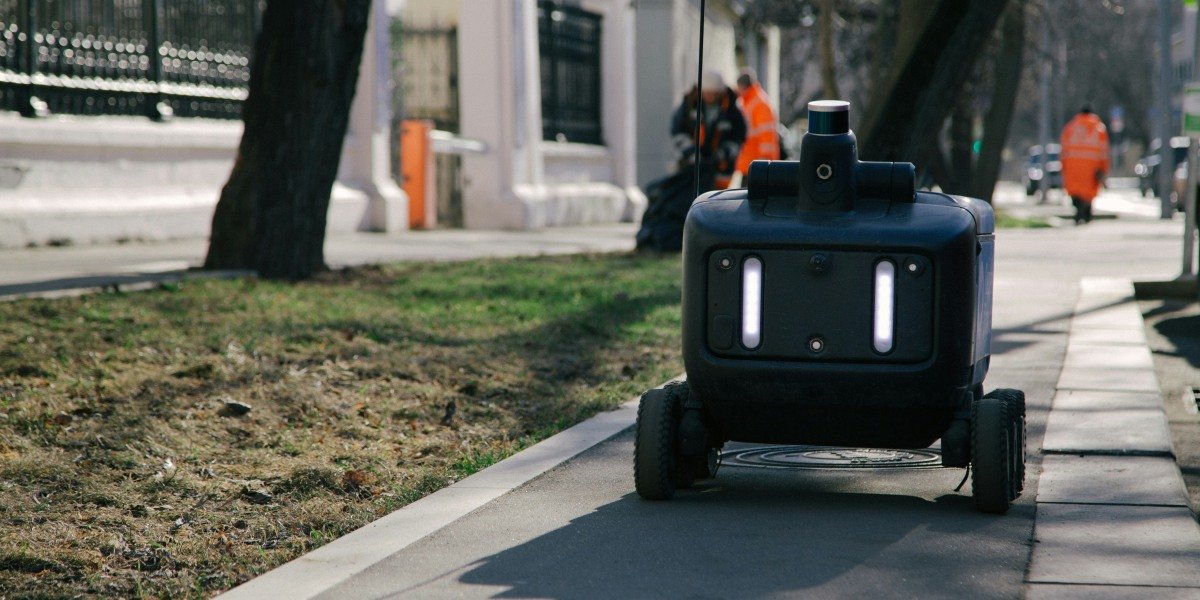
A petition in Chicago has gained thousands of signatures calling for a pause on sidewalk delivery robots operating across several neighborhoods. These machines are small, rolling devices that carry food orders from restaurants to customers. They move slowly and use sensors to guide themselves. Residents who signed the petition say they’ve seen collisions with pedestrians, blocked pathways, and situations that left people feeling unsafe while walking. The petition doesn’t reject technology itself. It asks for a breather so the city can gather clearer safety data.

People living in areas where the robots operate have shared their own experiences. Some describe narrow sidewalks where a robot leaves little space for others to pass. Others say the robots stop suddenly or turn unpredictably, creating awkward moments for anyone using a stroller or wheelchair. These accounts raised concerns not just about comfort but also about accessibility. Sidewalks are shared spaces. If a new tool regularly gets in the way, residents want answers before the program grows.

The petition gained momentum quickly because many Chicago neighborhoods already deal with crowded walkways. Adding moving machines to that mix changes how people navigate public space. Even if the robots drive slowly, residents want to know how the program is monitored and whether companies are responding to issues. The call for a pause isn’t about resistance to innovation. It’s a request for more clarity and reassurance.


How Delivery Robots Work on City Sidewalks

Sidewalk delivery robots operate with a combination of cameras, sensors, and digital maps. They’re built to detect obstacles and plan routes that keep them on the sidewalk. Many models can carry food, drinks, and small packages. They typically travel up to five miles per hour, which feels similar to a brisk walk. The idea is to reduce traffic from delivery cars and offer restaurants a lightweight option for short distance orders.

Companies behind the robots say they’re designed for safety. The machines keep their speed low and stop when something crosses their path. They also monitor their surroundings with technology that aims to recognize people, pets, bikes, and objects. Each company has a command center where staff can step in if a robot needs help. This human oversight is meant to keep the machines from causing problems when something unexpected happens.

Even with these systems, many people worry that sensors don’t fully account for complex sidewalk behavior. City sidewalks change constantly as people move, gather, or form lines outside businesses. Robots rely on rules and patterns to make decisions. Humans can read subtle cues, like someone shifting their balance or turning their head before stepping forward. Robots don’t pick up on those signals in the same way. That gap raises questions about whether the machines belong in busy spaces without clearer testing and reporting.


Why Safety and Accessibility Became the Core of the Petition

Why Chicago Residents Want a Pause on Sidewalk Delivery Robots (2)

Photo Credit: Unsplash.com

The petition pushes safety concerns to the front because many of the complaints involve physical contact or near misses. One resident reported that a robot hit the back of their leg. Others said the machines blocked ramps meant for wheelchair users or narrowed the space so much that passing became difficult. These experiences matter because accessibility rules ensure public areas can be used by everyone. When machines interfere with those standards, the city needs a plan for how to evaluate the impact.

Accessibility issues don’t only affect people with mobility devices. Parents pushing strollers, older adults steadying themselves, or workers carrying supplies all rely on clear paths. A robot stopped in the middle of a sidewalk forces people to move around it. That movement can create small hazards that add up during busy times of day. Chicago residents want data that shows how often these situations happen and what companies are doing to prevent them.

The petition also highlights concerns about how quickly the pilot expanded. Many residents said they were surprised to see robots in their neighborhood and didn’t know who approved the program. People want more transparency from companies and city officials. They want to know how reports are collected and whether incidents trigger changes. By asking for a public hearing, signers hope to make the entire program easier to understand.


How the City Is Responding to the Concerns

Chicago’s transportation officials are reviewing the petition and collecting feedback from residents. Some aldermen have begun distributing surveys to understand how people feel about sidewalk robots in their wards. The city already regulates where the machines can travel, how fast they move, and what hours they operate. Even with these rules, officials want to understand where problems are happening and whether adjustments are needed.

The pilot program allows companies to test delivery robots while the city measures how they interact with sidewalks. Officials examine reports involving blocked walkways, collisions, or unusual behavior. They also review how the robots handle curbs, ramps, and mixed pedestrian areas. The goal is to gather enough data to make informed decisions about whether the program should grow or pause.

City staff also look at how other places handle similar technology. Some cities allow robots only in limited zones. Others ban them from sidewalks entirely. These comparisons help Chicago figure out what approach fits its own infrastructure. The city wants to support innovation without compromising safety. Clearer guidelines may emerge as officials learn more from resident feedback and pilot data.


What Robot Companies Say About the Complaints

Robot delivery companies say they’re committed to safety and willing to work with the city to address concerns. They highlight that the machines move slower than bikes or scooters and carry less force than cars. These points are meant to show that robots pose less risk than many common urban vehicles. Companies also emphasize that their robots use advanced sensors to reduce the chance of collisions.

In response to the petition, some robot operators said they review every incident report and adjust routes when needed. This feedback loop helps them understand tricky areas such as narrow sidewalks or busy intersections. Companies may also monitor live video streams of robots so staff can take control if a machine gets stuck. These steps help keep operations smooth, though residents want clearer documentation showing how often human intervention is needed.

Companies also understand that sidewalk acceptance matters. Robots may run efficiently, but if people feel uncomfortable or unsafe walking near them, the program can’t succeed. Operators have stated publicly that they welcome dialogue with residents and city officials. They believe that sharing more information about performance and reliability can help ease concerns.


What Comes Next for Chicago’s Robot Delivery Program

The petition has sparked a broader discussion about how Chicago should use automated tools in public areas. Sidewalks serve many types of users. Any new technology must fit into those spaces without creating problems. While some residents appreciate the convenience of robot deliveries, others feel unsettled by machines sharing narrow walkways. The city’s next phase will likely focus on reviewing data, evaluating incident reports, and considering updates to permit rules.

A pause on the program is one possible outcome if officials decide more information is needed. Another option is tightening rules about where robots can travel or what hours they operate. The city may also ask companies to share more detailed safety records or test the machines in less crowded areas. These steps could help build trust and reduce conflict between residents and the technology.

Whatever decision Chicago makes, the conversation shows how cities must balance convenience with public comfort. Delivery robots offer a glimpse of how automation might support restaurants and reduce traffic. But the path forward depends on how well companies and officials address the concerns raised by the community. Clear guidelines and open communication will shape how the program grows.