Skip to content

The Chicago Journal

Lighting Up Nasdaq and Headlines: PR to SKY’s Formula for Worldwide Startup Success

2025 was a landmark year for global visibility. Over 50 fast-growing startups and established companies, including AI ventures that raised tens of millions, turned to PR to SKY to help amplify their achievements and reach audiences worldwide. These clients, ranging from tech innovators to industry disruptors, sought to strengthen their visibility and communicate their successes to a global audience. From groundbreaking product launches to milestone funding announcements, PR to SKY’s all-in-one approach to public relations helped support efforts to make an international impact and build brand presence on the world stage.

Nasdaq Tower Advertising: Making a Statement in the Heart of Times Square

For companies looking to capture attention across finance, technology, and entrepreneurial sectors, the Nasdaq Tower in Times Square offers strong visibility. PR to SKY turned this iconic platform into a complete, turnkey PR experience, aiming to help every client’s message reach the widest practical audience with meaningful impact. The process was carefully designed to provide a smoother execution from start to finish.

Seamless Campaign Execution

PR to SKY handled every aspect of the campaign. The creative content and artwork team designed high-impact visuals tailored specifically for the massive outdoor screen. Every detail from imagery to messaging was refined to resonate with both local audiences and international viewers.

Once the designs were finalized, the campaign launched, running 15-second ads an estimated 200 to 300 times per day. This frequency can help drive exposure to the millions of people who pass through Times Square, supporting both immediate visibility and longer-term brand recognition.

Real-time documentation was another important component. A professional on-site photography and video team captured every moment of the campaign, delivering clients with high-quality, shareable content on the same day when feasible, depending on scheduling, access, weather conditions, equipment needs, and venue rules, while coordinating closely with brand teams for timely approvals. This can help companies maximize the value of their Nasdaq presence across social media, press releases, and internal communications.

Following the billboard display, PR to SKY distributed press releases highlighting the Nasdaq exposure to a global media network. The strategic approach was designed to help the spend starting at $17,500 lead to international media coverage and recognition.

Global Media Distribution: Turning Local Exposure into Worldwide Recognition

PR to SKY didn’t stop at the billboard. Its global release distribution network was positioned to help each campaign reach more than 500 media outlets worldwide, including influential platforms such as Business Insider and Digital Journal.

By carefully distributing content internationally, PR to SKY amplified each client’s story, which can help enhance credibility and support SEO visibility, while encouraging broader media pickup, sustained audience interest, and diversified geographic reach. Campaigns were not just seen in New York; they may also resonate across continents, helping establish clients as recognized leaders in their respective industries.

The PR to SKY Advantage: Full Service, Maximum Impact

The agency’s signature advantage lies in its full-service approach. From creating high-quality artwork to managing billboard campaigns, documenting events, and securing worldwide press coverage, PR to SKY offers end-to-end support, helping teams stay aligned, meet timelines, and maintain consistent messaging.

For companies considering Nasdaq advertising or pursuing global recognition, this approach provides a clear, transparent, and practical roadmap for success.

In 2025 alone, over 50 companies leveraged PR to SKY’s expertise, combining the unparalleled visibility of Times Square with strategic global media amplification. This approach can help position clients for growth, potential opportunities, and longer-term international recognition.
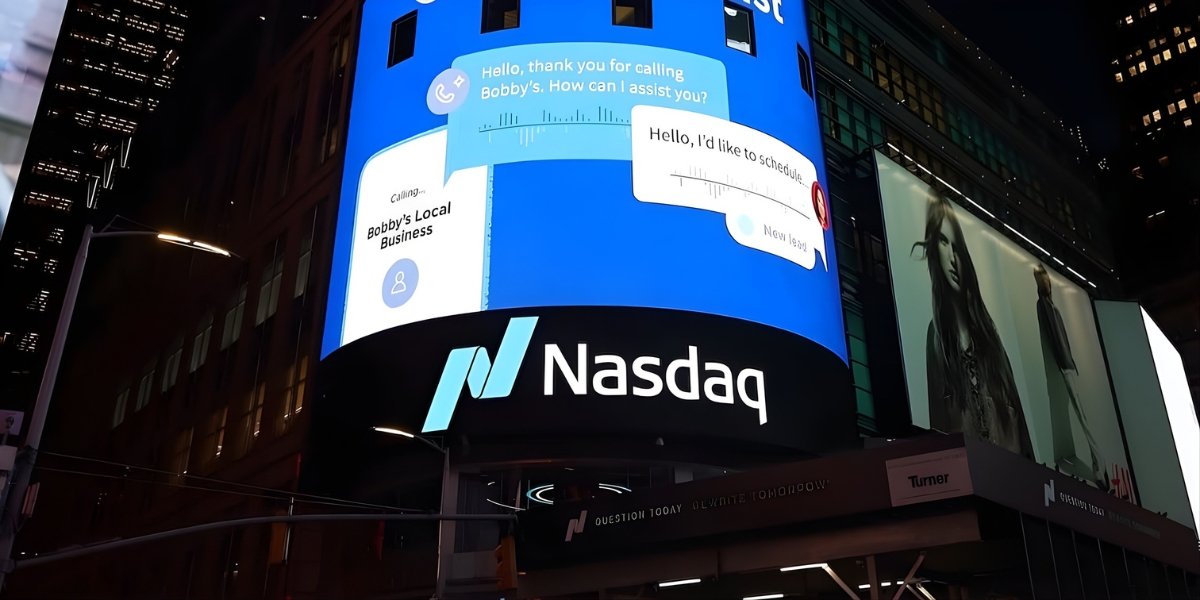
PR to SKY demonstrated that when strategic storytelling meets iconic visibility, success can become global, providing startups and established companies alike with the tools to turn local achievements into worldwide milestones, fostering innovation, growth, and long-lasting impact across industries.

PR to SKY Expands Advertising on Times Square and Nasdaq, Boosting Global Brand Visibility

In 2025, global visibility and prestige have become increasingly important in PR and advertising. In line with this trend, PR to SKY announced the expansion of its advertising opportunities on Times Square and Nasdaq Tower monitors. This strategic move is designed to increase access to global audiences, accelerate brand recognition, and establish credible visibility on prestigious platforms.

Being featured on iconic advertising locations such as Times Square and the Nasdaq Tower offers brands significant prestige and attention. These platforms are highly trafficked, reaching millions of people daily, and are widely observed both in person and online. The new opportunities PR provides to SKY enable brands to gain recognition not only in national markets but also on an international scale. This is especially advantageous for globally operating startups, technology companies, and financial firms.

PR to SKY combines these advertising opportunities with a personalized approach. Each campaign is tailored to the client’s objectives, highlighting the brand’s uniqueness and maximizing message effectiveness. The agency ensures that campaigns are visually engaging while maintaining clear, targeted messaging. This approach helps brands establish a deeper connection with their audience, remain memorable, and capture attention effectively.

The significance of Times Square and Nasdaq Tower advertisements extends beyond mere physical presence. These locations are frequently highlighted in global media, generating a ripple effect across international news outlets and social media platforms. Consequently, every advertisement not only appears on the monitors but also contributes to a brand story that resonates worldwide.

PR to SKY also utilizes advanced technologies to track and measure the effectiveness of campaigns. This enables clients to evaluate campaign impact and plan future strategic steps. Each placement strengthens the brand image and maximizes return on investment, ensuring campaigns deliver measurable results.

Expanding these advertising opportunities provides global brands with a competitive edge in the market. PR for SKY’s services enables companies to achieve international recognition, enhance their prestige, and build a sustainable, credible image. Particularly for innovative and technology-driven companies, appearing in Times Square and on the Nasdaq Tower provides an invaluable platform to gain global visibility and connect with potential investors.

The client-focused PR strategy for SKY ensures that every campaign is individually planned. Visual design, messaging, and placement strategies are tailored to the brand’s specific needs. This approach allows brands to maintain a unique market position while accelerating recognition among global audiences.

PR to SKY’s expansion of advertising opportunities on Times Square and Nasdaq Tower represents a strategic opportunity for global brands. Visibility on prestigious platforms increases brand recognition, fosters connections with international audiences, and helps establish a long-term, credible image. These new opportunities solidify PR to SKY’s position as a leading partner in global PR and advertising, significantly contributing to the international success of its clients.

PR to SKY’s latest growth also signals a broader shift in how brands are approaching high-impact visibility: not as a one-off splash, but as part of a cohesive, multi-channel narrative. With placements that can be paired with broader media outreach, digital amplification, and coordinated campaign timing, brands can turn a landmark moment into sustained momentum. By aligning messaging, creative, and rollout strategy around these premium displays, PR to SKY helps clients translate marquee exposure into consistent awareness and stronger market presence across regions, while supporting campaign measurement, audience targeting, and creative refreshes that keep messaging timely, relevant, and aligned with evolving business goals.

Through these expanded advertising offerings, brands not only gain visibility but also build a strong, credible presence in the global market. This initiative reflects PR to SKY’s strategic vision, setting new standards in the international PR and marketing landscape while providing clients with a competitive advantage.

Illinois Creates New $1.5 Billion Regional Transit Authority to Overhaul Chicago-Area Transportation

CHICAGO — Illinois lawmakers have approved a sweeping restructuring of public transportation governance in the Chicago region, establishing a new regional transit authority backed by about $1.5 billion in annual funding. Supporters say the move is designed to stabilize finances, prevent service cuts, and bring tighter coordination to a system long criticized for fragmentation.

The legislation creates the Northern Illinois Transit Authority, a new oversight body that will take on expanded powers over planning, funding, and accountability across the region’s major transit operators, including the Chicago Transit Authority, Metra, and Pace. The new authority is expected to replace the long-standing Regional Transportation Authority structure, which critics said lacked sufficient control to enforce systemwide standards.

State officials described the change as a response to a looming fiscal cliff facing Chicago-area transit agencies as federal pandemic-era aid expires. Without new revenue, agencies had warned of severe service reductions and potential layoffs beginning as early as 2026. The $1.5 billion funding package is intended to provide a stable, recurring revenue stream to maintain operations while broader reforms take hold.

Under the new framework, the authority will have greater influence over service coordination, capital investment priorities, and fare policy. Lawmakers and transit advocates say this could pave the way for more seamless transfers, improved reliability, and a more unified rider experience across buses, trains, and commuter rail.

The funding package relies on a mix of revenue adjustments rather than a single new statewide tax. Legislative summaries indicate that changes to sales tax distributions in northeastern Illinois and the redirection of existing state revenue streams, including portions of fuel-related taxes, will form the backbone of the plan.

Labor organizations played a visible role in pushing the legislation forward. Unions representing transit workers argued that predictable funding and stronger governance were necessary to protect jobs and prevent a downward spiral of declining service and ridership. Transit advocates also framed the measure as a quality-of-life investment for riders who depend on public transportation for work, school, and daily travel.

Not everyone is convinced the overhaul will deliver immediate improvements. Some critics have raised concerns about how quickly the new authority can assert control and whether governance changes alone will address issues such as safety, cleanliness, and rider confidence. Others cautioned that the transition period could be complex, requiring careful coordination to avoid disruption.

Implementation of the new authority will roll out in phases, with state officials emphasizing that the overhaul is a long-term effort rather than an overnight fix. The true test, they say, will be whether riders experience tangible improvements as new funding and oversight mechanisms come online.

For Chicago and its surrounding suburbs, the legislation marks one of the most significant transit policy shifts in decades, reshaping how the region plans, funds, and manages the public transportation system relied upon by millions each year.

Billow Time Watch Co., Ltd. and the Normalization of Customized Watch Manufacturing Within OEM Production

Over the past two decades, customization has shifted from a niche service to a standard expectation in many manufacturing sectors. In the global watch industry, this change has been driven by the rise of independent brands, online retail, and smaller production runs. This broader shift created conditions where customization became routine rather than exceptional.

Within this context, Billow Time Watch Co., Ltd. developed manufacturing systems that supported repeated customization requests across multiple product lines. Established in 2004 in Shenzhen by Chen Fu Jun and Wang Jian, the company entered the market during a period when many OEM factories focused on standardized quartz models. Early production followed conventional formats, but client requests gradually expanded beyond fixed designs, requiring greater flexibility in both tooling and workflow.

According to the company, by the late 2000s, many customization requests focused on case dimensions, lug profiles, and surface finishing. Clients sought visual distinction while maintaining cost control, a common challenge in mid-volume manufacturing. To accommodate this, the company adapted CNC machining processes to enable small-batch adjustments without disrupting production schedules. This shift aligned with the wider industry adoption of programmable machining, reducing setup time for design variations.

Material customization also became a recurring feature of production. As market interest in alternatives to stainless steel grew, clients began requesting titanium, bronze, and ceramic cases. Industry data from 2012 indicates that titanium watch production grew by approximately 8 percent annually during that period, driven by demand for lighter materials. Billow Time Watch Co., Ltd. responded by integrating material-specific machining and finishing protocols into its existing manufacturing system rather than treating such requests as one-off projects.

Component-level modification further expanded the scope of customization. Clients frequently requested changes to bezels, crowns, case backs, and dial layouts. These adjustments required coordination across design, machining, and assembly departments. At Billow Time Watch Co., Ltd., such coordination became standardized through internal documentation and approval processes. This structure allowed repeated execution of modified designs while maintaining consistent inspection criteria across different client orders.

Movement selection represented another area where customization became routine. While early production focused primarily on quartz movements, growing demand for mechanical options led clients to request a wider range of calibers. Industry surveys from the mid-2010s show that mechanical watches accounted for roughly 35 percent of global watch exports by value. In response, the company incorporated mechanical assembly and testing procedures alongside existing quartz workflows, supporting mixed production without segregating operations.

Customization also extended to finishing techniques. Clients requested variations in brushing, polishing, bead blasting, and coating. Rather than limiting these finishes to premium orders, Billow Time Watch Co., Ltd. integrated them into standard production planning. This approach reflected a broader OEM trend in which finish variation became part of the baseline capability rather than an added service tier. As a result, modified finishing was treated as a regular specification parameter.

The normalization of customization also influenced quality control practices. Modified components required verification against client specifications rather than fixed templates. At Billow Time Watch factory, inspection procedures were adapted to accommodate variable dimensions and materials. Quality checks focused on compliance with documented requirements rather than comparative assessment against standard models, reflecting a process-driven approach rather than product hierarchy.

From an operational standpoint, customization did not replace standardized production but existed alongside it. Some clients continued to request conventional designs, while others pursued extensive modification. The company’s manufacturing system was structured to manage both scenarios simultaneously. This balance mirrors broader OEM strategies that prioritize flexibility to maintain diverse client relationships.

By the time the company was formally incorporated as Billow Time Watch Co., Ltd. in 2019, customized and modified watch manufacturing had become an embedded part of daily operations. The ability to adapt case shapes, materials, and components was no longer treated as an exception but as a recurring production pattern shaped by client demand. Under the continued management of Chen Fu Jun and Wang Jian, the company maintained its role as an OEM manufacturer while integrating customization as a standard operational function rather than a defining brand feature.