Skip to content

The Chicago Journal

Inside The Body of Change: Dr. Lisa Cooney’s Somatic Approach to Healing

By: Nancy Wallace

Dr. Lisa Cooney’s book, The Body of Change: Using Your Body to Heal, Love, and Empower Yourself, provides a powerful roadmap for releasing old patterns, reconnecting with inner wisdom, and reclaiming a sense of wholeness. Through somatic principles, she invites readers to notice the places where their bodies hold tension, memory, and unspoken emotion—and to transform those sensations into gateways for healing.

Understanding the “Four Ds”

At the foundation of her work is an exploration of the protective coping patterns many of us unconsciously rely on, which she calls the “four Ds”: denying, defending, disconnecting, and dissociating. “These aren’t flaws — they’re intelligent adaptations,” she explains. For many, these automatic responses emerged when safety or emotional support was unavailable. We “deny our truth, defend against vulnerability, disconnect from our emotions, and dissociate when we feel overwhelmed.” Yet awareness marks a turning point. “When you can name the pattern — ‘I’m defending right now’ — you step into consciousness instead of reaction. That’s where transformation begins.”

Small Steps to Rebuild Somatic Trust

The Body of Change highlights how these ingrained patterns—once necessary—can become obstacles to self-expression, connection, and empowerment. The book encourages readers to recognize these responses without shame, opening the door to deeper self‑compassion and agency.

For those who feel disconnected from their bodies, Dr. Cooney offers accessible tools to rebuild trust. One practice begins with a pause: “Place a hand on your heart or belly, take a breath, and simply ask: ‘Body, what do you need right now?’” Even if no answer emerges, the act itself is meaningful. “You might hear silence at first — that’s okay. Trust grows through consistent presence, not perfection. The body begins to speak again when it feels safe to do so.”

Releasing Trauma Through the Roar® Technique

A central feature of The Body of Change is Cooney’s Roar® Technique—an invitation to let the body speak its truth. She describes it as “a somatic process designed to help people safely release stored trauma and emotional charge from the body.” By integrating movement, breath, and sound, the method helps restore flow and vitality to the nervous system and emotional body. ROAR stands for Radical Release of Authentic Revelation, a phrase that reflects both the depth and intention of the work. “It’s not about rage; it’s about reclamation,” she says. “When we let the body express what’s been held back, we free the energy that was once locked in survival and reclaim our power to live fully.”

Where Science Meets Spirituality

This approach emphasizes that trauma is not only a psychological experience, but also a physiological one. The body remembers, stores, and speaks—often before the mind can make sense of a situation. Learning to listen to that language can shift what once felt immovable.

Another valuable insight in Cooney’s teaching is her ability to integrate science and spirituality. “Science grounds us; spirituality expands us,” she explains. “True healing happens where the nervous system and the soul meet.” Drawing on neuroscience, somatic psychology, and quantum energy principles, she helps readers understand both the biology and mystery of transformation. “The body itself is the bridge — matter and energy working as one.”

Why This Work Resonates With Performers And Creatives

The Body of Change also demonstrates why Cooney’s work resonates with those navigating major transitions or emotional crossroads. She has worked with performers, changemakers, and highly visible figures who often arrive after having “tried everything else.” Many have sought out therapy, mindset training, or retreats, only to find that something still feels incomplete. According to Cooney, that missing piece is often somatic. “High performers and creatives often live in their heads. They’ve done the mindset work, the therapy, the retreats — but the body still holds the story.” When people finally tap into somatic release, “something shifts permanently. It’s not about ‘fixing’ themselves; it’s about finally feeling themselves. And that’s universal.”

Healing as an Ongoing Relationship

This emphasis on embodied presence sets Cooney’s work apart. She teaches that true empowerment begins when we approach the body with curiosity, patience, and a willingness to learn. Healing, in her view, is not a destination but a relationship—one that unfolds moment by moment.

A Practical Path to Everyday Change

The Body of Change is both a philosophical and a practical guide. Readers will find reflection prompts, body‑based exercises, and accessible techniques designed to integrate healing into everyday life. Practices such as mindful breathing, intentional movement, and emotional journaling become stepping‑stones to reawakening one’s inner authority.

Ultimately, the book invites a return to aliveness. For anyone seeking to transform old survival strategies, reconnect with their body’s wisdom, and cultivate deeper emotional freedom, Dr. Lisa Cooney offers a compassionate companion on the journey.

The Body of Change is available now on Amazon.

Disclaimer: The content of this article is for informational purposes only and is not intended as medical, psychological, or therapeutic advice. Always seek the guidance of a qualified healthcare professional with any questions you may have regarding a medical condition or mental health concerns.

Taste the Windy City: Chicago’s Rise as a Culinary Destination

Chicago’s culinary destination status is surging, and it’s not just about Michelin stars or celebrity chefs. The city’s food scene is a living, breathing reflection of its neighborhoods, its grit, and its global reach. From fine dining in the West Loop to fusion pop-ups in Albany Park, Chicago is feeding more than appetites, it’s feeding identity.

The city’s kitchens are louder, bolder, and more confident than ever. They’re not chasing trends from the coasts. They’re building something that feels unmistakably Chicago: diverse, rooted, and unapologetically flavorful.

Global Acclaim Meets Local Grit

Chicago’s culinary reputation has earned global attention, with multiple restaurants ranked among the world’s best. Smyth, a standout in the West Loop, continues to draw praise for its hyperlocal sourcing and theatrical plating. The team behind it works directly with The Farm in Bourbonnais, turning seasonal produce into multi-course experiences that feel both intimate and ambitious.

But the city’s culinary destination status isn’t built on accolades alone. It’s built on contrast, the ability to deliver a $300 tasting menu and a $3 taco with equal care. That duality is what makes Chicago magnetic. It’s not chasing novelty; it’s defining it.

Neighborhood joints are just as influential. A family-run taqueria in Little Village might not have a star rating, but its birria ramen draws lines every weekend. A Palestinian-owned bakery in Albany Park sells out of za’atar croissants before noon. These aren’t gimmicks, they’re reflections of Chicago’s cultural depth.

Neighborhoods Are the Real Tastemakers

Chicago’s rise as a culinary destination is powered by its neighborhoods. Pilsen, Logan Square, Uptown, and Bronzeville are shaping the city’s food identity with concepts that reflect heritage, hustle, and community. Chefs are opening spots that speak to their roots and their block, not just food critics.

This local energy gives Chicago its edge. The city’s culinary scene thrives on global flavors and local innovation, blending traditions from Mexico, Vietnam, Poland, and Ethiopia into menus that feel fresh but familiar. Diners aren’t just chasing novelty, they’re chasing stories, and Chicago’s kitchens are full of them.

In West Town, a Filipino tasting room pairs heirloom recipes with natural wine. In Hyde Park, a jazz-themed supper club serves Creole classics with live sets every weekend. These concepts aren’t just feeding people, they’re building culture.

Even longtime staples are evolving. Harold’s Chicken Shack, a South Side institution, now offers vegan wings and gluten-free sauces. It’s a nod to changing tastes without losing the soul of the original.

New Openings Are Changing the Game

Chicago’s restaurant openings continue to push boundaries. Atelier, a Michelin-starred institution, reopened in Lincoln Square with a 12-course tasting menu and a full bar program. It’s not alone, dozens of new spots are launching across the city, from upscale Korean barbecue to plant-based soul food.

These openings reflect a broader shift in how Chicagoans eat. There’s more curiosity, more risk-taking, and more demand for experiences that go beyond the plate. Restaurants are responding with immersive design, rotating menus, and collaborations that feel more like pop-up art shows than dinner service.

In Logan Square, a new spot serves Nigerian suya tacos alongside mezcal cocktails. In Bridgeport, a converted firehouse now hosts a rotating lineup of chefs, each bringing their own spin on Midwestern comfort food. These aren’t just restaurants, they’re platforms for storytelling.

Culinary Events Are Cementing Chicago’s Influence

Chicago’s food reputation isn’t built in restaurants alone, it’s built in events. The Taste of Asia Summit brought chefs, investors, and food media together to explore Asian culinary growth across North America, and Chicago played host with style. Panels, tastings, and chef-led demos turned the summit into a showcase for the city’s role in shaping the future of food.

Local festivals are also stepping up. The Logan Square Night Market features rotating chef residencies, while Bronzeville’s Soul Food Week draws national press for its blend of history, activism, and flavor. These gatherings aren’t just fun, they’re foundational.

They attract talent, spotlight innovation, and give Chicago a platform to lead. Whether it’s a ramen masterclass or a discussion on sustainable sourcing, the city is showing it can host, and drive, the conversations that define the industry.

Chicago’s Culinary Identity Is Bold, Diverse, and Local

What makes Chicago a true culinary destination isn’t just the accolades, it’s the attitude. The city’s food scene is confident, diverse, and deeply tied to its communities. Chefs aren’t chasing trends; they’re building legacies. Diners aren’t just eating; they’re connecting.

Taste the Windy City Chicago’s Rise as a Culinary Destination

Photo Credit: Unsplash.com

From the West Loop’s fine dining temples to the corner joints in Albany Park, Chicago’s kitchens are telling stories that matter. And the world is listening.

The city’s culinary identity is also shaped by its resilience. During the pandemic, pop-ups, ghost kitchens, and community fridges kept the food scene alive. That spirit hasn’t faded. It’s evolved. Chicago’s community fridge movement continues to support residents, while chefs collaborate with nonprofits to feed unhoused neighbors and mentor young talent.

Even the city’s grocery landscape reflects this shift. Independent markets are stocking locally made sauces, spice blends, and frozen meals from neighborhood chefs. It’s a way to keep the culinary ecosystem thriving beyond the dining room.

Chicago Is Building the Future of Food, Its Own Way

Chicago’s culinary destination status isn’t about copying coastal trends. It’s about creating something that feels unmistakably Chicago. That means deep-dish pizza and jibaritos, yes, but it also means fermented black garlic ice cream, vegan Polish pierogi, and Cambodian barbecue.

It means chefs who grew up on the South Side opening tasting rooms in River North. It means restaurateurs turning old warehouses into food halls. It means diners who expect excellence, but also warmth, story, and soul.

Chicago isn’t just a place to eat. It’s a place to understand what food can be, personal, political, joyful, and deeply local.

How Chicago’s Food & Ag-Tech Ecosystem is Leading Industry Growth

Chicago’s ag-tech ecosystem is reshaping how food is grown, distributed, and accessed across the city and its surrounding communities. From vertical farms in converted warehouses to data-driven food startups, the region has become a hub for innovation that blends agriculture with technology in ways that feel both practical and forward-thinking.

The city’s legacy as a transportation and logistics center has helped position it as a natural home for food innovation. But what’s happening now goes beyond infrastructure. Entrepreneurs, researchers, and community organizers are working together to build systems that respond to local needs while contributing to national conversations about sustainability, equity, and efficiency.

Ag-Tech Ecosystem Expands Beyond Traditional Farming

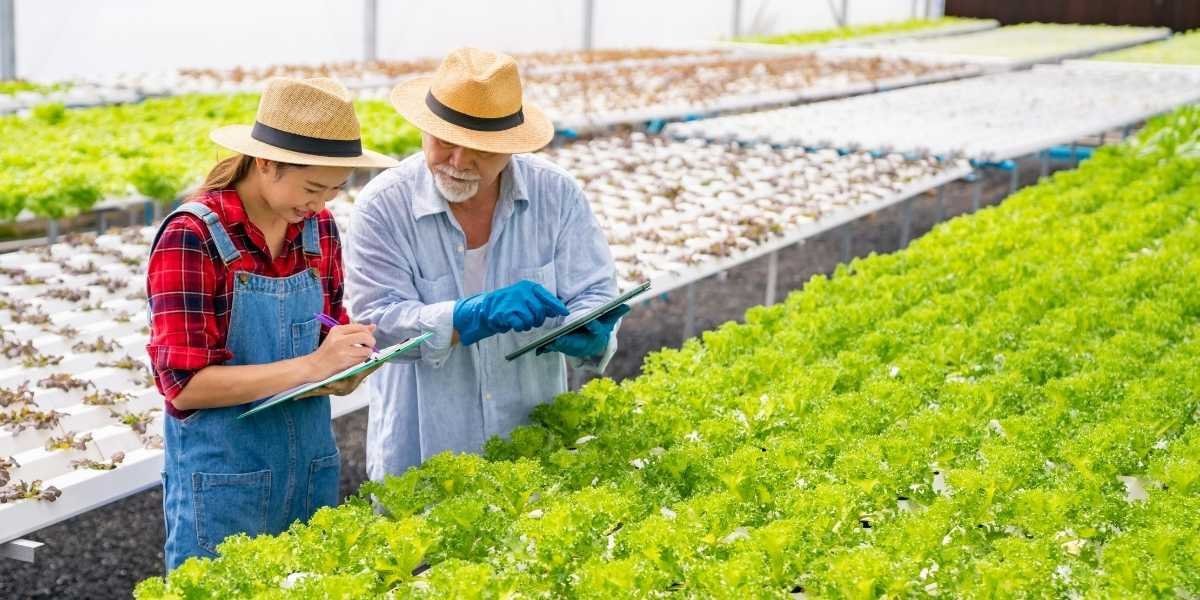
Chicago’s ag-tech ecosystem isn’t confined to rural farmland or industrial zones. It’s thriving in neighborhoods, rooftops, and even schoolyards. Urban agriculture has taken on new meaning as residents and developers embrace growing food in nontraditional spaces. This shift reflects a broader interest in food security, environmental stewardship, and community resilience.

In neighborhoods like Englewood and Humboldt Park, urban farms are producing leafy greens, herbs, and root vegetables year-round. These operations often use hydroponics, aquaponics, and controlled-environment agriculture to maximize yield in compact spaces. The goal isn’t just to grow food, it’s to create systems that are adaptable, scalable, and rooted in local context.

Chicago’s commitment to urban growing has been documented through efforts like community fridges addressing food insecurity, which offer free access to fresh produce and pantry staples. These grassroots initiatives complement the city’s ag-tech growth by ensuring that innovation doesn’t leave vulnerable residents behind.

In addition to community-led efforts, larger organizations have begun investing in rooftop greenhouses and modular farming units. These setups allow for year-round production and reduce the carbon footprint associated with long-distance food transport. They also create opportunities for collaboration between growers, chefs, and educators who want to integrate food literacy into everyday life.

Technology Is Driving Smarter Food Systems

Technology plays a central role in Chicago’s ag-tech ecosystem. Startups are using sensors, AI, and predictive analytics to monitor crop health, optimize water usage, and reduce waste. These tools help growers make informed decisions and respond quickly to environmental changes.

Some companies are focused on supply chain transparency, using blockchain and cloud-based platforms to track food from farm to table. Others are developing software that connects urban farmers with local restaurants, schools, and grocers, streamlining distribution and minimizing spoilage.

The city’s universities and research institutions have also contributed to this momentum. Collaborations between academic labs and private companies have led to breakthroughs in soil science, plant genetics, and sustainable packaging. These innovations aren’t just theoretical, they’re being tested and deployed in real-world settings across the city.

One example includes pilot programs that use machine learning to predict crop yields based on weather patterns and soil conditions. These insights help farmers plan more effectively and reduce the risk of overproduction or shortages. It’s a practical application of technology that directly supports food security and economic stability.

Ag-Tech Ecosystem Supports Local Economies

Chicago’s ag-tech growth has created new opportunities for employment, entrepreneurship, and education. Community organizations are offering training programs that teach residents how to manage hydroponic systems, maintain greenhouses, and launch food-related businesses. These efforts help build local capacity and ensure that the benefits of ag-tech are widely shared.

In neighborhoods historically impacted by disinvestment, ag-tech projects have become a source of pride and possibility. Vacant lots are being transformed into productive spaces, and young people are learning skills that connect them to broader conversations about climate, health, and innovation.

The city’s support for urban agriculture has also encouraged partnerships between developers and growers. Mixed-use buildings now include rooftop farms and edible landscaping, turning residential and commercial properties into contributors to the local food system. These integrations reflect a growing belief that food production can coexist with, and enhance, urban living.

Chicago’s ag-tech ecosystem also supports small businesses that specialize in composting, seed distribution, and sustainable kitchen design. These businesses form part of a larger network that keeps resources circulating locally and reduces dependence on external suppliers. It’s a model that values resilience and community ownership.

Chicago’s Role in National Food Innovation

Chicago’s ag-tech ecosystem isn’t operating in isolation. It’s part of a larger movement toward sustainable, tech-enabled food systems across the country. What sets Chicago apart is its ability to combine grassroots energy with institutional support, creating a landscape where ideas can move from pilot to scale.

The city’s central location and diverse population make it an ideal testing ground for new models. Whether it’s a startup developing climate-resilient crops or a nonprofit building a network of community gardens, Chicago offers the infrastructure and audience to support meaningful experimentation.

How Chicago’s Food & Ag-Tech Ecosystem is Leading Industry Growth

Photo Credit: Unsplash.com

Urban agriculture has become a key part of this story. As local growing initiatives continue to expand, they demonstrate how ag-tech can be both high-tech and hands-on. These projects show that innovation doesn’t have to be distant or abstract, it can be rooted in the everyday lives of residents.

Chicago’s food innovation also benefits from its proximity to major academic institutions and research centers. These partnerships allow for rapid prototyping and real-time feedback, helping entrepreneurs refine their ideas and scale them responsibly. It’s a collaborative environment that encourages experimentation without losing sight of community impact.

Ag-Tech Ecosystem Reflects Chicago’s Values

Chicago’s ag-tech ecosystem reflects the city’s values: collaboration, resilience, and a commitment to equity. It’s not just about growing food more efficiently, it’s about rethinking who has access to that food, how it’s produced, and what role communities play in shaping their own systems.

This approach has resonated with residents who want solutions that feel local and responsive. It’s also attracted attention from investors and policymakers looking for scalable models that balance innovation with impact.

As the ecosystem continues to grow, it faces challenges, zoning regulations, funding gaps, and the need for long-term infrastructure. But the momentum is clear. Chicago is showing that ag-tech can be more than a buzzword. It can be a tool for building healthier, more connected communities.

The city’s food and ag-tech efforts are also influencing how residents think about sustainability. Composting programs, zero-waste kitchens, and plant-forward menus are becoming more common, not just in restaurants but in homes and schools. These shifts reflect a broader cultural embrace of environmental responsibility and food literacy.

Chicago’s ag-tech ecosystem is still evolving, but its impact is already visible, in the way people grow, share, and talk about food. It’s a reminder that innovation doesn’t always start in a lab or a boardroom. Sometimes, it begins in a garden, a classroom, or a fridge stocked by neighbors who care.

How Retail Evolution in Chicago Suburbs is Changing Dining & Living Trends

Retail evolution has become a defining force in how Chicago’s suburban communities eat, shop, and settle into their neighborhoods. From Naperville to Schaumburg, the shift isn’t just about new storefronts, it’s about how people live.

The transformation is most visible in how dining options have expanded beyond traditional strip malls. Instead of relying on legacy chains, residents now gravitate toward mixed-use developments that blend boutique retail with chef-driven restaurants. These spaces often include walkable layouts, outdoor seating, and curated experiences that reflect the changing expectations of suburban consumers.

It’s not just about convenience. Many residents feel frustrated by the lack of variety in older retail zones, especially when dining out meant choosing between the same few options. The newer retail clusters offer more than food, they create social hubs, often anchored by local businesses that understand the community’s rhythm.

Retail Evolution Is Redefining Suburban Living

The concept of suburban living has shifted alongside retail development. Instead of sprawling subdivisions disconnected from commercial centers, newer housing projects are being built adjacent to retail corridors. This proximity allows residents to walk to dinner, grab coffee, or shop without relying on long drives or congested parking lots.

Developers have responded by designing residential units that prioritize access to amenities. Townhomes and apartments near retail zones now feature balconies, shared courtyards, and flexible layouts that appeal to both families and remote workers. The goal isn’t just to sell a home, it’s to offer a lifestyle that feels integrated.

Retail evolution also plays a role in pricing dynamics. Retail pricing shifts tied to tariff pressures and global trade have influenced how suburban consumers approach everyday purchases, especially in areas where imported goods dominate shelves. That awareness is shaping both shopping habits and residential preferences.

In places like Arlington Heights and Downers Grove, proximity to retail has become a selling point for new developments. Real estate agents often highlight walkability to grocery stores, cafés, and boutique shops as a key feature. This reflects a broader change in what suburban buyers value, not just square footage, but access to vibrant, well-designed retail environments.

Dining Trends Reflect New Consumer Priorities

Dining in the suburbs used to follow predictable patterns: weekend outings, chain restaurants, and limited international options. That’s changed. Retail evolution has brought in a wave of culinary diversity, with pop-up kitchens, fusion menus, and locally sourced ingredients becoming more common.

These changes aren’t just aesthetic. They reflect deeper shifts in consumer behavior. People want dining experiences that feel personal, not mass-produced. They’re willing to explore new cuisines, support independent chefs, and prioritize ambiance as much as flavor.

How Retail Evolution in Chicago Suburbs is Changing Dining & Living Trends

Photo Credit: Unsplash.com

Social media has played a role in accelerating these shifts. Retail spaces that once relied on foot traffic now benefit from digital visibility. Suburban restaurants have gained traction through social media-driven retail engagement, where a single post can turn a quiet café into a weekend hotspot.

In Oak Park and La Grange, restaurant owners have embraced this shift by designing spaces that photograph well and offer unique menu items. It’s not uncommon to see seasonal dishes, limited-run specials, and collaborations with local farms. These efforts help restaurants stand out in a competitive market and appeal to diners who want more than just a meal, they want a story.

Retail Evolution Is Changing What Residents Expect

Expectations around retail have shifted dramatically. It’s no longer enough for a shopping center to offer basic goods. Residents want curated experiences, seasonal events, and spaces that feel welcoming. Retailers who understand this are redesigning their interiors, hosting community pop-ups, and collaborating with local artists.

This shift has also impacted how people choose where to live. Proximity to vibrant retail zones is now a key factor in real estate decisions. Families want neighborhoods where they can walk to dinner, meet friends for coffee, and enjoy weekend markets without leaving their zip code.

Retail evolution has made these expectations more attainable. It’s not just about what’s for sale, it’s about how retail shapes the rhythm of daily life.

In Evanston, retail corridors have been reimagined to include public art installations, pedestrian-friendly walkways, and outdoor gathering spaces. These enhancements don’t just attract shoppers, they create a sense of place that makes residents feel connected to their community.

Retailers have also adapted by offering flexible hours, mobile ordering, and loyalty programs tailored to local preferences. These changes reflect a deeper understanding of how suburban consumers interact with retail, not just as buyers, but as participants in a shared experience.

Chicago’s Suburbs Are Leading the Shift

While urban centers often get credit for innovation, Chicago’s suburbs are quietly leading the way in retail transformation. Places like Oak Brook, Evanston, and Orland Park have embraced mixed-use planning, pedestrian-friendly layouts, and retail concepts that prioritize experience over volume.

This evolution isn’t uniform. Some suburbs are still catching up, while others have become models for how retail can enhance community life. What’s clear is that the old model, isolated retail strips surrounded by parking lots, no longer fits the needs of modern residents.

Retail evolution continues to influence how people dine, shop, and live. In Chicago’s suburbs, it’s not just a trend, it’s a shift in how communities define themselves.

In Schaumburg, the transformation of Woodfield Mall into a multi-use destination reflects this broader change. Beyond shopping, the area now includes entertainment venues, upscale dining, and residential units that cater to a wide range of lifestyles. This kind of integration shows how retail can serve as a foundation for community development.

Meanwhile, smaller suburbs like Hinsdale and Clarendon Hills are experimenting with micro-retail concepts, compact storefronts that rotate vendors seasonally or host local makers. These spaces offer flexibility and keep the retail experience fresh, encouraging repeat visits and deeper engagement.

Retail Evolution and the Suburban Identity

Retail evolution has also influenced how suburban communities see themselves. It’s not just about economic development, it’s about identity. A well-designed retail corridor can signal a town’s values, whether that’s sustainability, creativity, or inclusivity.

In some cases, retail has become a tool for placemaking. Towns use design elements, signage, and programming to create a distinct atmosphere that sets them apart from neighboring areas. This helps attract visitors, but more importantly, it gives residents a sense of pride and belonging.

Retail evolution has made it easier for suburbs to support local entrepreneurs. With flexible leasing options, shared spaces, and community-backed funding initiatives, small businesses have more opportunities to thrive. This adds depth to the retail landscape and ensures that it reflects the character of the community.

For residents, this means more choices, better service, and a stronger connection to the places they shop and dine. It also means that retail isn’t just transactional, it’s relational. People return to places where they feel seen, heard, and valued.

Retail evolution in Chicago’s suburbs isn’t just changing storefronts, it’s reshaping how people live, connect, and define their neighborhoods.