Skip to content

The Chicago Journal

Attorney Henry E. Reaves III, Esq.: Turning Success into Service and Overcoming Challenges Along the Way

By: Lennard James 

In Memphis, Tennessee, a city defined by resilience, faith, and community, Attorney Henry E. Reaves III, Esq. has become more than just a respected name in law. He is a force for transformation, a mentor, and a living testament to what it means to rise above adversity while lifting others along the way. As the founder and managing attorney of The Reaves Law Firm, Attorney Henry E. Reaves III, Esq., has dedicated his career not only to serving justice but to serving people, especially young Black men seeking hope, direction, and opportunity in a world that too often denies them both. 

Attorney Henry E. Reaves III, Esq.,’ story is one of triumph through perseverance, but also one marked by the understanding that success doesn’t erase struggle; it refines it. “Even with success,” he often shares, “there are challenges. The higher you rise, the more responsibility you carry not just for yourself, but for those watching you.” That mindset shaped his work, both inside and outside the courtroom. 

As a lawyer, Attorney Henry E. Reaves III, Esq., has built a respected personal injury firm in the region, known for its client advocacy, integrity, and commitment to achieving favorable outcomes. But his vision extends far beyond verdicts and settlements. He sees his platform as a calling to educate, empower, and create pathways for others. “I want young Black men to see what’s possible,” he says. “Not just through words, but through real action.” 

Attorney Henry E. Reaves III, Esq., frequently visits schools, churches, and community centers, sharing his personal story of determination and purpose. Through mentorship programs and youth initiatives, he has helped countless young men in Memphis develop confidence and life skills. His mock trial workshops, internships, and scholarship programs provide not only exposure to the legal field but also access to mentorship and opportunities that many might not otherwise receive. 

What makes his engagement truly special is its personal nature. Attorney Henry E. Reaves III, Esq., doesn’t just appear for photo ops or headline events; he follows through. Those he mentors describe him as a lifelong coach, someone who stays connected, who answers the phone, who celebrates their wins, and helps them navigate setbacks. For Attorney Henry E. Reaves III, Esq, empowerment isn’t transactional; it’s transformational. 

Yet, the path hasn’t been without its challenges. Running a growing law firm while maintaining deep community engagement is no small task. Balancing professional demands, mentorship commitments, and family responsibilities requires focus and sacrifice. Attorney Henry E. Reaves III, Esq, is candid about that reality. “It’s not easy,” he admits. “There are long nights, hard days, and moments when you question whether you’re doing enough. But that’s what growth looks like. You keep showing up, you keep building, and you keep believing in the mission.” 

Beyond individual mentorship, Attorney Henry E. Reaves III, Esq, is deeply invested in systemic change. He advocates for legal literacy in underserved communities, teaching residents how to protect their rights and navigate the justice system. Through his firm’s free community legal clinics, families gain access to legal guidance on personal injury, employment, and civil rights issues, empowering them to stand stronger in the face of injustice. 

“Empowerment comes through knowledge,” Attorney Henry E. Reaves III, Esq, emphasizes. “When people understand their rights, they can protect themselves and their families. That’s what real justice looks like.” 

In a city where economic inequality and racial disparities continue to challenge progress, Attorney Henry E. Reaves III, Esq, sees hope not in institutions, but in people. He believes that those who achieve success have a responsibility to reach back. His firm embodies this philosophy, employing a diverse staff and fostering an environment where excellence and empathy coexist. 

Outside the courtroom, Attorney Henry E. Reaves III, Esq, supports local youth programs, sports teams, and community organizations, emphasizing that leadership starts with discipline and self-worth. Whether it’s helping a student prepare for an interview or encouraging a young athlete to prioritize education, Attorney Henry E. Reaves III, Esq, mentorship reminds Memphis’ youth that greatness begins with consistency and heart. 

For Attorney Henry E. Reaves III, giving back is not an afterthought; it’s the foundation of his purpose. Every courtroom victory is a stepping stone toward something larger: the restoration of faith, opportunity, and unity in his community. And though challenges come with leadership, Attorney Henry E. Reaves III, Esq, meets each one with the same courage and conviction that fueled his rise from humble beginnings. 

His message to those following his path is simple yet profound: “Success isn’t about escaping struggle, it’s about transforming it. Every challenge is a chance to build something that lasts.” 

Through his example, Attorney Henry E. Reaves III, Esq., continues to prove that the law is not just a career; it is a calling to heal, empower, and serve. In doing so, he is redefining what leadership looks like in Memphis: resilient, compassionate, and deeply rooted in the belief that our community’s victories are yet to come. For more information, visit: https://beyourvoice.com/ 

Dan Solomon’s WINFUEL Philosophy: Redefining What It Means to Win

By: Michael Beas

Dan Solomon knows the anatomy of pressure. As President and Chief Olympia Officer, he runs a recognized global fitness brand — a high-stakes ecosystem where precision, performance, and vision collide. But behind the bright lights and billion-dollar partnerships lies a quieter philosophy, one that Solomon has distilled in his new book, WINFUEL: 12 Secrets to Navigating a World Where Winning Is Just the Beginning.

In conversation, Solomon is measured but magnetic — the kind of leader who has learned to turn chaos into clarity. His perspective blends experience from media, event production, and brand leadership, translating decades of hard-earned insight into principles any leader can apply.

Here, he breaks down ten of his core philosophies — each one a piece of the WINFUEL mindset, a system designed to sustain excellence long after the spotlight fades.

The DNA of Leadership: Stay the Course

“Spend less time trying to be heard,” Solomon advises, “and more time making your followers feel seen.”

He believes that leadership begins with presence, not posturing. In a culture that celebrates noise, Solomon champions awareness — a leader’s ability to observe, listen, and inspire action through empathy rather than authority.

“Allow fear to serve as fuel,” he says. “Go into every situation with a solid understanding that you’ll never make everyone happy. Stay the course.”

It’s a perspective forged in the crucible of high-performance leadership, where steadiness often matters more than speed.

Turning Vision into Velocity

For Solomon, big dreams mean nothing without direction. “Work backwards,” he says. “Keep an eye on the end game. Focus on what the ‘win’ looks like — that becomes your north star.”

The formula is deceptively simple: reverse-engineer your goals into milestones that are small enough to achieve but meaningful enough to build momentum. “It turns abstract ambition into tangible progress,” he explains. “And those small wins? They add up quickly.”

The Power of Connection

In WINFUEL, Solomon explores what he calls “activated connection” — the practice of leading with contribution instead of consumption.

“Walk into every room, every negotiation, with a focus on what you can deliver, not what you can take,” he says. “Identify how you can solve a problem. This inspires real collaboration — the kind that builds trust and moves things forward.”

It’s an antidote to transactional networking and a return to what Solomon considers the soul of leadership: adding value first.

Leadership in Transition

Before becoming an executive, Solomon’s career spanned sports broadcasting and live production. Those experiences, he says, were his apprenticeship in empathy.

“The best part about a prolonged journey to the top,” he reflects, “is seeing all scenarios through different lenses — because chances are good you’ve stood in the shoes of the person in front of you.”

Adaptability, he believes, grows from empathy. “It’s the most undervalued attribute a leader can have,” Solomon adds. “It’s what allows you to lead across cultures, industries, and personalities without losing your center.”

The Energy Economy

Few leadership voices emphasize energy as much as Solomon does. To him, it’s not a metaphor — it’s a management system.

“Energy is currency,” he says. “It communicates a message long before you open your mouth. It’s contagious. It turns meetings into movements.”

For Solomon, managing energy means self-awareness. “Allow yourself to see yourself through the eyes of the people in front of you,” he advises. “When you do, you can calibrate how you show up — and that’s when you become magnetic.”

Decision-Making Under Pressure

When the stakes are high, Solomon says clarity is everything. “Tune out the background noise. Lead with your head, not your heart. Stay efficient and execute without fear.”

He compares pressure to a baseball diamond. “Just like a major league player, tune out the fans, the lights, and the cameras. Focus on hitting the ball.”

It’s a framework rooted in discipline — trusting preparation over panic and purpose over emotion.

Building Brand Longevity

Solomon’s tenure at Olympia has been defined by innovation within tradition — keeping a legacy brand relevant without losing its core identity.

“Sustaining brand strength requires the ability to pivot,” he says. “Learn to adapt while staying true to your core values. It’s a thin line, but mastering that balance builds legacies and billion-dollar brands.”

His approach fuses respect for history with a relentless appetite for reinvention — a combination that keeps Olympia at the forefront of the global fitness industry.

Failure as Fuel

Solomon doesn’t sugarcoat setbacks — he reframes them. “Failure is fuel. It’s data. It’s education,” he says. “The world’s most successful people speak of their failures with pride.”

To him, failure is not a scar but a signal — evidence of courage. “Those setbacks are a badge of honor,” he adds. “They show resilience, the most vital attribute a leader can have.”

The WINFUEL Legacy

When asked what he hopes readers take from WINFUEL, Solomon doesn’t hesitate. “I hope it ignites something,” he says. “A fire to grow, to evolve, to win.”

But his definition of winning defies convention. “Winning should be redefined as the ignition point, not the finish line,” he explains. “Success isn’t about arrival — it’s about the energy you create for what comes next.”

He hopes future leaders will learn to respond instead of react, to connect instead of close — to lead with intentionality in a world obsessed with instant gratification.

Redefining the Finish Line

Dan Solomon’s leadership ethos is not about chasing trophies but fueling transformation. WINFUEL isn’t just a playbook for success — it’s a blueprint for sustainability in every sense: personal, professional, and cultural.

At its core, Solomon’s message is simple but radical: Winning isn’t the end of the journey. It’s the spark that starts it.

Mastering More Than Martial Arts: How AMAA Shapes Leaders Through Competition

By: Nic Abelian

At the American Martial Arts Academy, competition fosters personal growth, leadership, and emotional resilience beyond victory. Here’s how AMAA shapes champions.

In the quiet before the tournament’s loud start, Sarah stood in the corner of the room, tightening her gloves. The energy around her buzzed with nervous excitement as competitors lined up, each of them reflecting on months of preparation. Sarah had been here before, twice, actually, but this time was different. The stakes felt elevated, and the atmosphere was filled with anticipation. But as the whistle blew, Sarah stepped forward, calm and composed, not solely focused on the final score but the transformation she had undergone.

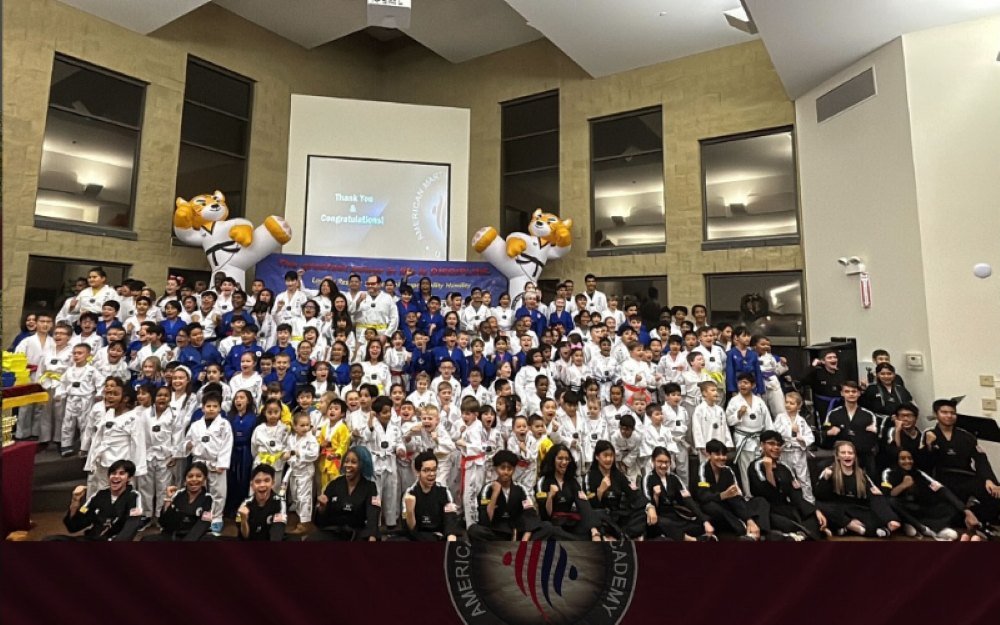
At the American Martial Arts Academy (AMAA) in Naperville, martial arts competition is not simply a means to earn a medal, it is a proving ground for personal growth. For students like Sarah, it represents more than just winning; it symbolizes mastering inner strength, overcoming doubts, and embracing leadership. This is the culture nurtured at AMAA, a place where martial arts transcend the physical and mold tomorrow’s leaders, one challenge at a time.

A Culture of Personal Growth Through Competition

From its inception, AMAA has been more than a dojo for kicking, punching, and sparring. Under the expert guidance of Head Master Chang Hyun An, a 5th Dan Black Belt, the academy’s core mission has been to integrate martial arts with leadership development, focusing on what competition can teach about resilience, humility, and self-control.

“Winning isn’t just about taking home a trophy; it’s about understanding your journey,” says Master An, whose own life journey reflects the philosophy he imparts to his students. “Each tournament is a mirror, reflecting back the hard work, discipline, and emotional control you’ve cultivated in your training.” These values extend beyond the mat, preparing students for challenges in every area of life.

Whether through sparring, forms, or board-breaking, competition at AMAA challenges students to push their limits. But the real test is not in the victory but in the lessons learned, the ability to rise above fear, conquer self-doubt, and remain composed in the face of adversity.

From Competition to Confidence

What distinguishes AMAA is its focus on both competition and character-building. It’s not just about teaching students to fight; it’s also about helping them develop leadership skills. AMAA’s competitive programs, such as the Leadership Program and the Black Belt Club, provide students with opportunities to grow from competitors to mentors.

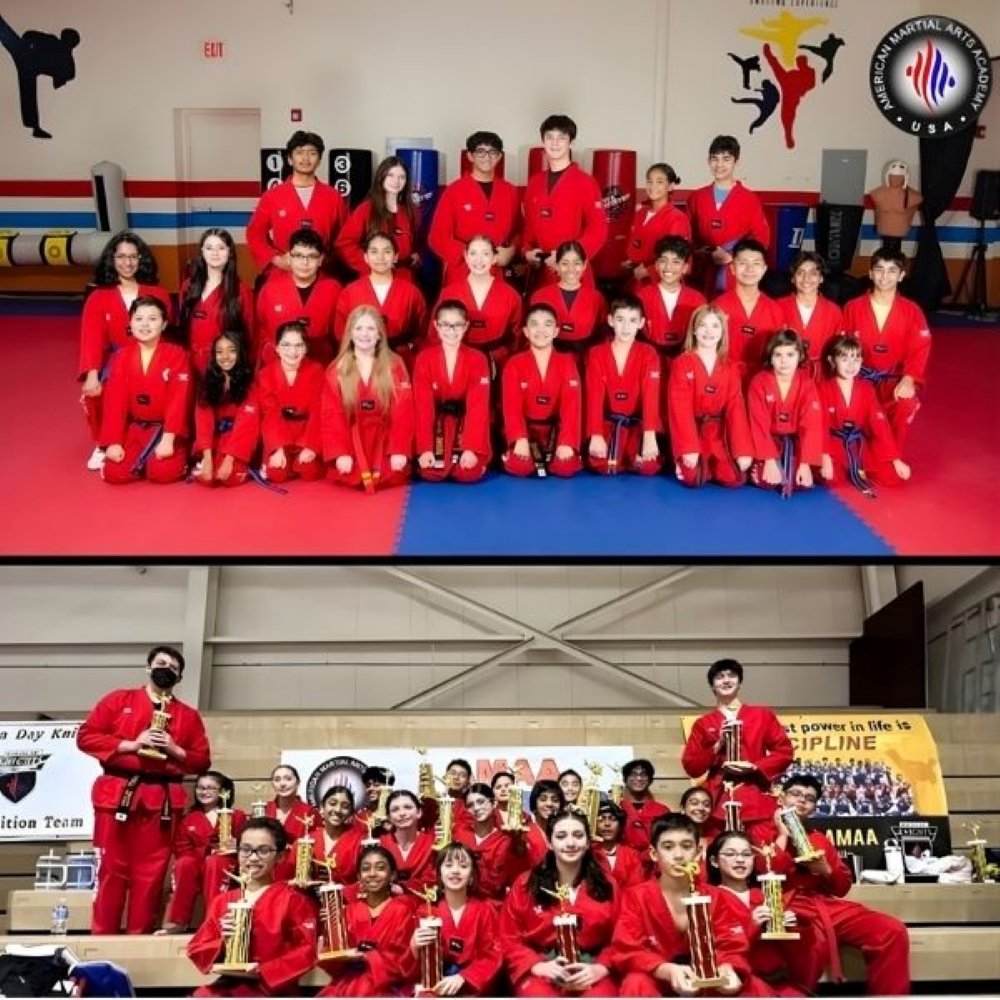
One of the academy’s notable moments came last year when a team of AMAA teens competed in a national tournament. Their combined effort not only led to notable achievements but demonstrated the collective power of teamwork, discipline, and leadership, values that extend well beyond the tournament floor.

Parents speak of the lasting impact this philosophy has on their children. “I watched my child evolve from a quiet, uncertain individual into a confident leader,” said one parent. “It wasn’t about trophies, it was about the person he became in the process.” The community at AMAA thrives on these shared victories. Students support one another, cheer each other on, and embrace the challenges of competition as a team. This camaraderie transforms each individual, making them not just better athletes but better people.

Mastering More Than Martial Arts: How AMAA Shapes Leaders Through Competition

Photo Courtesy: Chang Hyun An

The Hidden Power of Leadership

The lessons learned from competition help shape students into leaders, both inside and outside the dojo. It’s a concept that transcends individual victories. In the Leadership Program, students take on roles of responsibility, guiding their peers and younger students. Through the Demo Team and Master Club, students can gain the opportunity to lead at tournaments and showcase their abilities beyond just competition.

“Watching my child mentor younger students has been one of the most rewarding experiences,” said one parent. “Martial arts gave him the discipline and focus to succeed, but it also taught him to give back.” The Leadership Program emphasizes that leadership isn’t simply about titles, it’s about demonstrating responsibility, mentorship, and initiative. For AMAA students, these experiences set the stage for them to take on roles of leadership both within their families, schools, and communities.

Transformative Stories: Competition as a Catalyst

AMAA’s students generally describe their journey through competition as one of profound personal transformation. Sarah, who once stood nervous and uncertain before her first tournament, now radiates confidence and strength. “Competing taught me how to confront my fears,” she said after her recent victory. “It’s not just about winning, it’s about realizing I’m capable of more than I ever imagined.”

Another student, Michael, a once-shy teenager, credits his competitive experiences with giving him a voice. “Before I started competing, I was quiet and reserved,” Michael shared. “But martial arts gave me the courage to speak up, not just here, but everywhere. I learned that I can face anything, no matter how daunting.”

These personal stories highlight the profound impact competition has on AMAA’s students. It’s not just about acquiring physical skills; it’s about learning to navigate the complexities of life with resilience, leadership, and a sense of community.

Mastering More Than Martial Arts: How AMAA Shapes Leaders Through Competition

Photo Courtesy: Chang Hyun An

Building Champions for Life

The lessons learned at AMAA extend beyond the competition floor. For students like Sarah and Michael, martial arts and competition serve as opportunities to develop inner strength and explore leadership potential. AMAA provides more than just a space to practice; it offers a supportive environment for personal growth that can positively influence various aspects of life.

When the final whistle blows and the tournament ends, the journey is far from over. The challenges faced in the competition arena can become stepping stones to greater achievements in life. For AMAA students, it’s about taking the discipline and leadership they’ve honed on the mat and applying it to the challenges of the real world.

The Future of Martial Arts Leadership

As AMAA continues to grow, so too does its commitment to nurturing well-rounded individuals. The academy’s focus remains on helping students develop not just their martial arts skills, but their leadership qualities, mental toughness, and emotional intelligence. At AMAA, competition is just one avenue for cultivating champions, not just in sports but in every facet of life.

For anyone looking to experience the transformative power of martial arts, AMAA offers a welcoming community where students grow, lead, and achieve, both on and off the mat. Whether you’re seeking to improve your skills or develop the leadership qualities necessary for success, AMAA provides the guidance, mentorship, and opportunities to help you reach your full potential.

If you’re ready to take the next step in your own journey, visit AMAA’s website at amaanaperville.com and explore the programs available. To learn more about leadership opportunities, check out the Leadership Program page, or for families looking to start their martial arts journey, visit the Kids Martial Arts or Family Martial Arts pages.

At AMAA, martial arts are more than a sport, they can be a pathway to becoming a better version of yourself.

Walking Through the Passion: Michael Haverkamp Sr. Brings the Story of Jesus to Life

By: Dylan Reaves

For Michael Haverkamp Sr., writing From the Last Days of Darkness Through the First Day of Light was far more than a literary project—it was a spiritual journey that deepened his own faith while offering readers a vivid, humanized view of the Passion and Resurrection of Jesus Christ. Co-written with his son, Michael Haverkamp Jr., the novel presents these transformative events through the eyes of St. John the Apostle, giving readers a unique perspective on a pivotal moment in Christian history.

Haverkamp Sr. describes the inspiration behind the novel as divine. “I would like to think that the Holy Spirit is the answer to that question,” he says. Though he had long intended to write a book, it was the isolation and reflection of the COVID-19 pandemic in 2020 that sparked the focus on a religious story. Haverkamp Sr. recalls waking in the night with vivid ideas for the book, often writing them down immediately to avoid forgetting them. One memorable concept involved Jesus’ first appearance to Mary after His resurrection—a moment later supported in footnotes by his son, referencing saints who shared the belief.

Several factors influenced Haverkamp Sr.’s approach. Encouraged by his son, he read The Diary of Saint Maria Faustina Kowalska, which illuminated the themes of divine mercy central to his novel. He also drew inspiration from two Old Testament-based novels, Sarah by Marek Halter and The Red Tent by Anita Diamant, which skillfully intertwined scripture with narrative fiction. “I learned more about the Old Testament reading those books than I ever knew before,” he notes. Writing his own book offered an even deeper understanding of the New Testament, providing insights that he had not appreciated prior to the process.

The choice to tell the story from St. John’s perspective was both personal and deliberate. Haverkamp Sr. had always preferred first-person storytelling, and John’s proximity to key events made him an ideal narrator. John accompanied Jesus deeper into Gethsemane than many apostles, witnessed the Transfiguration, stayed in the courtyard after Peter fled, and stood near the cross at the crucifixion. “He was the only Apostle mentioned at the crucifixion,” Haverkamp Sr. explains. Through John’s eyes, readers experience both the divine and human dimensions of these historic events, grounding the story in authenticity and emotional depth.

Balancing biblical accuracy with creative storytelling was another challenge. Haverkamp Sr. meticulously reviewed relevant passages and collaborated with his son and sister Jan, who edited the manuscript, ensuring every scene aligned with scripture. The crucifixion scene, in particular, was emotionally and technically difficult. “It is very hard to capture the incredible pain that Jesus willingly suffered for our salvation,” he reflects. They framed the scene using John’s perspective, supplemented by the observations of the holy women, creating a portrayal that is both reverent and vividly human.

The novel spans from Holy Thursday to Easter Sunday, highlighting an essential details while remaining faithful to scripture. Haverkamp Sr. emphasizes that everything included was either witnessed by John or could plausibly have been heard by him, with creative additions—such as dialogue from other disciples or holy women—used to expand context without violating biblical fidelity. The posting of Roman guards at the tomb and the interactions at the well with St. Thomas are examples of narrative elements that enrich the story while preserving historical and scriptural accuracy.

Haverkamp Sr. hopes the book resonates with modern readers, particularly those grappling with their faith. “A lot of people might not pick up a Bible, but they may be tempted to read a novel that tracks a portion of the Bible in an easy-to-read format with relatable characters,” he observes. The story emphasizes trust in Jesus and the accessibility of His mercy, reminding readers that faith can endure even amid doubt or spiritual struggle.

The book’s versatility is another hallmark. It is suitable for personal devotion, Lent meditation, group study, or simply as an inspiring read. Many readers choose to revisit it annually during Lent, while book clubs and Bible study groups have incorporated it into discussions, utilizing the comprehensive endnotes to foster reflection. “Even if someone only reads it once, it should serve to inspire them to love Jesus more and appreciate His mercy,” Haverkamp Sr. explains.

The collaboration with his son added both scholarly rigor and spiritual depth to the work. Haverkamp Sr. drafted the original manuscript, while his son supplemented the text, expanded footnotes, and ensured biblical consistency. “Almost every addition or revision Mike Jr. suggested wound up in the book,” he says, highlighting a partnership that blended devotion, research, and storytelling craft.

Haverkamp Sr.’s personal faith journey was deeply intertwined with the creation of the novel. He regularly prays the Divine Mercy Chaplet, attends Mass frequently, and reads extensively in religious literature—all practices that shaped his approach to writing. Particular Gospel moments, like the scourging at the pillar, moved him profoundly during the process. “It is hard to focus on the Passion without wanting to cry,” he admits. Yet he also emphasizes the joy and salvation inherent in these events, noting that even the act of writing the book was spiritually nourishing.

At 77, Haverkamp Sr. remains open to exploring additional biblical narratives in fiction, though he is cautious about committing to specific stories. His hope is to continue offering works that combine historical fidelity, emotional resonance, and spiritual reflection, providing readers with both insight and inspiration.

From the Last Days of Darkness Through the First Day of Light is a testament to the enduring power of faith, the human experience of divine events, and the ability of storytelling to bridge scripture and imagination. Haverkamp Sr.’s novel invites readers to witness the darkness of Good Friday and the radiance of Easter Sunday, experiencing the Passion and Resurrection not only as history but as a living, transformative journey of faith, hope, and devotion.

Economic Pressures Prompt Record Pet Surrenders at Chicago Shelters

Chicago’s animal shelters are facing a heartbreaking surge in pet surrenders, as economic pressures force families to give up beloved companions they can no longer afford to keep. Rising costs, housing restrictions, and limited support are reshaping the city’s animal welfare crisis, and testing the compassion of a city known for its resilience.

In 2025, pet surrenders have reached record highs. At Chicago Animal Care and Control, staff report a sixfold increase in surrenders compared to 2023. Lines stretch out the door, and the stories behind them are painfully familiar: job loss, inflation, pet-related housing fees, and medical bills that exceed household budgets. For many residents, surrendering a pet is not a matter of choice, it’s a matter of survival.

The Cost of Care Is Breaking Families

Veterinary care has become increasingly unaffordable. Treating a common condition like an ear infection can cost upwards of $1,000. For households already struggling with rent, groceries, and transportation, such expenses are simply out of reach. While pet insurance, like the kind outlined in this guide to protecting your furry friend, can offer some relief, many families lack access, awareness, or the financial flexibility to enroll.

Preventive care is also slipping. Vaccinations, flea treatments, and dental cleanings are being delayed or skipped entirely. This leads to more serious health issues down the line, and more surrenders. Some owners report surrendering pets simply because they couldn’t afford to treat a minor illness before it became critical.

Housing restrictions are compounding the crisis. Landlords are increasingly imposing breed bans, pet deposits, and monthly pet fees. These costs add up, especially for renters in neighborhoods already grappling with affordability. In many cases, families are forced to choose between keeping their pets and keeping a roof over their heads.

Shelters Are Overwhelmed and Understaffed

Chicago’s shelters are operating beyond capacity. Kennels are full, staff are stretched thin, and resources are dwindling. Rescue organizations are scrambling to find foster homes, raise emergency funds, and prevent euthanasia. The emotional toll on shelter workers is mounting, as they face the daily heartbreak of intake appointments and goodbye hugs.

Economic Pressures Prompt Record Pet Surrenders at Chicago Shelters

Photo Credit: Unsplash.com

At PAWS Chicago, volunteers are working overtime to manage the influx. Intake coordinators report seeing pets surrendered with handwritten notes, favorite toys, and tearful goodbyes. Many animals arrive confused, anxious, and grieving, mirroring the emotional state of their owners.

The city is responding with outreach programs, mobile vet clinics, and community partnerships. However, the scale of the crisis is testing every system. Volunteers report burnout. Adoption events are packed, but not enough to offset the intake surge. And with colder months approaching, the urgency is growing.

The Emotional Fallout of Surrendering a Pet

Pet surrenders are not just logistical, they are deeply emotional. Families describe the experience as devastating, especially when children are involved. Pets are often seen as family members, emotional anchors, and sources of comfort during hard times.

The mental health impact of surrendering a pet is significant. It can trigger grief, guilt, and anxiety. For those who relied on their animals for emotional support, the loss is even more acute. As explored in this feature on emotional support animals and productivity, pets play a vital role in stress management and emotional resilience. Losing that support can affect everything from work performance to personal well-being.

Therapists across Chicago are reporting an uptick in clients struggling with pet-related grief. Some describe it as “ambiguous loss”, a form of mourning that lacks closure. Others say it’s compounded by shame, especially when surrendering a pet feels like a personal failure.

Community Response and Calls for Reform

Chicago’s animal welfare advocates are calling for systemic change. That includes expanding pet-friendly housing policies, increasing access to low-cost veterinary care, and funding emergency pet retention programs. Some shelters are piloting “pet pantry” initiatives, offering free food, supplies, and medical vouchers to help families keep their pets.

Local nonprofits are also lobbying for citywide pet protection grants, aimed at preventing surrenders before they happen. These programs would provide short-term financial assistance for vet bills, training, and housing deposits, bridging the gap between crisis and care.

Aldermanic offices are beginning to take notice. In neighborhoods like Englewood and Humboldt Park, where pet surrenders are highest, community leaders are exploring partnerships with shelters to offer pop-up clinics and educational workshops. The goal: keep pets in homes, not cages.

Shelters Are Innovating to Keep Up

Despite the strain, Chicago’s shelters are innovating. Some are launching digital intake systems to streamline surrender appointments and reduce wait times. Others are using social media to spotlight urgent cases and connect pets with foster families faster.

There’s also a push for behavioral support. Many pets are surrendered due to training challenges, chewing, barking, or aggression. Shelters are responding with free training classes, behavior hotlines, and post-adoption support to prevent returns.

Technology is playing a role too. Apps like PetConnect and FosterLoop are helping match animals with temporary homes, track medical needs, and coordinate transport. These tools are helping shelters stay agile in a crisis that shows no signs of slowing.

A City’s Compassion Tested

Chicago has long prided itself on being a city of neighborhoods, families, and resilience. But the pet surrender crisis is testing that compassion. It’s revealing the cracks in social safety nets and the emotional cost of economic instability.

As shelters brace for another wave of surrenders, the city faces a choice: treat pets as expendable or as essential members of the community. The path forward will require empathy, investment, and innovation. And for the thousands of animals waiting in Chicago’s shelters, it cannot come soon enough.

For families facing tough decisions, resources are available, but they need to be easier to find, easier to access, and easier to trust. Chicago’s pet crisis isn’t just about animals. It’s about people, priorities, and the kind of city its residents want to build together.

Rising Trends in Chicago’s Private School Sector: What’s Changing?

Chicago’s private school sector is undergoing a transformation. Once defined by legacy institutions and traditional curricula, the city’s independent schools are now embracing innovation, diversity, and digital fluency to meet the demands of a changing student population. Enrollment is rising, competition is intensifying, and the expectations of Chicago families are reshaping what private education looks like in 2025.

According to the latest Private School Enrollment Trends Report, schools across the country are leveraging technology, expanding specialized programs, and rethinking tuition models to attract and retain students. In Chicago, these shifts are especially visible in bilingual education, STEM integration, and community engagement.

Enrollment Is Up, But So Is Pressure

While public schools in Chicago continue to show a positive outlook, private institutions are seeing a parallel surge in interest. Post-pandemic, many parents are seeking smaller class sizes, personalized learning, and values-based education. The result: increased applications, longer waitlists, and more selective admissions.

But with growth comes pressure. Schools are being asked to deliver more, more innovation, more transparency, and more measurable outcomes. Parents want to see how tuition translates into academic success, emotional wellness, and college readiness. That demand is pushing schools to rethink everything from curriculum design to parent communication.

The competition isn’t just local, it’s regional. Families are comparing Chicago’s private schools to those in nearby suburbs and even out-of-state boarding options. That’s driving schools to sharpen their messaging, upgrade facilities, and invest in faculty development to stay ahead.

Technology Is Reshaping the Classroom

One of the most dramatic shifts in Chicago’s private school sector is the integration of advanced technology. From AI-powered tutoring platforms to real-time performance dashboards, schools are using tech to personalize learning and improve outcomes.

Rising Trends in Chicago’s Private School Sector What’s Changing

Photo Credit: Unsplash.com

Security is also top of mind. As explored in this feature on surveillance systems, schools are investing in smart infrastructure to protect students and staff. Facial recognition, visitor tracking, and predictive analytics are becoming part of the new normal, especially in high-profile institutions.

But tech isn’t just about safety or efficiency. It’s about engagement. Schools are using virtual reality to teach history, coding bootcamps to prep for STEM careers, and digital portfolios to showcase student growth. The goal: to create learning environments that reflect the world students will inherit.

Some schools are even experimenting with AI-driven scheduling tools, adaptive testing, and gamified learning platforms. These innovations are helping educators tailor instruction to individual needs while maintaining academic rigor.

Bilingual and Specialized Programs Are Expanding

Chicago’s multicultural identity is driving demand for bilingual education. Private schools are responding with dual-language immersion programs in Spanish, Mandarin, and Arabic, designed to prepare students for global citizenship and cross-cultural fluency.

These programs aren’t just about language, they’re about access. Bilingual tracks often include cultural studies, international exchange opportunities, and partnerships with global institutions. They’re helping students build empathy, curiosity, and a broader worldview.

Specialized tracks are also gaining traction. From arts conservatories to entrepreneurship labs, schools are offering niche programs that align with student passions and career goals. These offerings help differentiate schools in a competitive market and give families more choice in shaping their child’s education.

Some schools are even launching pre-professional academies in law, medicine, and engineering, complete with mentorship, internships, and college credit. It’s a shift toward career-connected learning that reflects Chicago’s dynamic economy.

Affordability and Access Are Under Scrutiny

Despite rising interest, affordability remains a barrier. Tuition rates in Chicago’s private schools range widely, with elite institutions charging upwards of $40,000 annually. To address this, many schools are expanding financial aid, launching scholarship funds, and exploring income-based tuition models.

Some are also partnering with community organizations to offer subsidized seats for underserved students. These efforts reflect a growing commitment to equity, and a recognition that diversity strengthens learning.

Schools are also rethinking how they communicate value. Instead of focusing solely on prestige, they’re highlighting outcomes: college acceptance rates, alumni impact, and student well-being. It’s a shift from exclusivity to transparency.

In some cases, schools are piloting hybrid tuition models that combine private funding with public grants, especially for students with special needs or exceptional talent. These models could redefine access in the years ahead.

What Parents Are Prioritizing

Chicago parents are more informed and involved than ever. They’re asking tough questions about curriculum relevance, mental health support, and post-graduation outcomes. They want schools that align with their values, support their children’s identities, and prepare them for a complex future.

That’s leading to a shift in how schools communicate. Weekly newsletters, parent portals, and town hall meetings are becoming standard. Schools are also investing in brand storytelling, highlighting alumni success, community impact, and educational philosophy to build trust and loyalty.

Parents are also prioritizing emotional intelligence, social justice education, and civic engagement. They want schools that teach students how to lead, collaborate, and contribute, not just compete.

A Sector in Motion

Chicago’s private school sector is no longer static. It’s dynamic, responsive, and increasingly shaped by the voices of families, educators, and students. As enrollment grows and expectations rise, schools will need to balance tradition with transformation.

Whether through tech upgrades, bilingual expansion, or affordability initiatives, the sector’s future will depend on its ability to stay relevant, inclusive, and community-driven. And in a city that values education as a pathway to opportunity, that evolution is not just welcome, it’s essential.

Chicago’s independent schools are rewriting the playbook. And for families navigating the future of education, that’s a story worth following.

DTF Transfer Printing: Exploring Chicago’s Custom Apparel Trend with Eagle DTF Print

In Chicago, innovation is more than a buzzword; it’s a way of life. From emerging fashion startups to thriving local print shops, the city has always embraced technology that helps creators turn ideas into reality. The newest trend transforming this creative ecosystem is DTF Transfer Printing, short for Direct to Film.

For local entrepreneurs, artists, and apparel makers searching for DTF Transfer Near Me, the city’s growing community of print specialists offers a variety of services that can help produce professional-quality designs at relatively fast speeds. And leading the charge is Eagle DTF Print, a trusted name in DTF Transfer Chicago services, recognized for its precision, flexibility, and customer-centric approach.

What Exactly Is DTF Printing?

DTF printing is a modern method that allows designs to be printed digitally onto a special transfer film and then heat-pressed onto a variety of fabrics. Unlike older methods such as screen printing or vinyl, there’s no extensive setup, color separation, or high-volume requirements.

This approach combines digital accuracy with production efficiency. The process involves printing artwork on film with specialized inks, applying an adhesive powder, curing it, and then transferring the design onto garments using a heat press. The result is a vivid, durable print that can be applied to cotton, polyester, canvas, denim, and even performance blends.

The flexibility of DTF makes it a promising option for small-batch creators, custom apparel shops, and companies seeking high-quality promotional materials without the traditional waste and limitations of older printing methods.

Why Chicago Businesses Are Turning to DTF

Chicago’s business community thrives on adaptability. In an era where personalization and fast delivery are critical, DTF printing offers a reliable, cost-effective solution.

  1. Local Accessibility: Instead of outsourcing production or waiting weeks for bulk orders, local businesses can now work with Chicago-based providers like Eagle DTF Print for a fast turnaround and convenient pickup access, allowing brands to stay agile and competitive without production delays.

  2. Lower Overheads: Traditional printing methods require expensive setups and high minimums. DTF eliminates those barriers, allowing small business owners and local entrepreneurs to print on demand, paying only for what they need.

  3. Professional-Grade Quality:  DTF produces crisp, detailed prints with vivid color and flexibility. The results are long-lasting and resistant to fading or cracking, helping garments maintain their visual appeal after multiple washes.

  4. Creative Freedom: From multicolor gradients to photo-realistic artwork, DTF supports designs that wouldn’t be possible with screen printing. This has made it a favorite among fashion designers, merch brands, and marketing agencies throughout Chicago.

The Rise of DTF Transfer Chicago

The popularity of DTF Transfer Chicago reflects a larger national trend, but it’s especially pronounced here in the Midwest. Chicago’s creative professionals are known for combining artistry with practicality, and DTF printing seems to fit that philosophy.

Local businesses across industries, from corporate branding firms to independent fashion boutiques, are embracing DTF as a way to streamline production and differentiate their products. Even schools, event planners, and nonprofit organizations are starting to use it to create custom apparel and accessories for fundraisers and community events.

Eagle DTF Print has been instrumental in helping clients transition to this newer technology. With a reputation for reliability, they’ve become the go-to provider for anyone searching DTF Transfer Near Me in the Chicago area. Their state-of-the-art printing systems can offer exceptional color accuracy, consistent results, and rapid turnaround, all while maintaining an accessible price point.

How DTF Printing Works Step by Step

To understand why DTF has become so popular, it helps to look at the process itself.

  • Design Printing – The design is printed on a PET transfer film using DTF-specific inks.

  • Adhesive Application – A fine adhesive powder is applied to the printed film and melted into the design.

  • Curing – The film is gently heated to cure the adhesive.

  • Heat Transfer – The cured film is pressed onto the garment using high temperature and pressure.

  • Hot Instant Peel – The film is peeled off immediately after pressing, revealing a vibrant, flexible print that bonds effectively to the fabric.

The process is fast, clean, and ideal for detailed or multicolor designs. It’s also scalable, perfect for both single prints and larger production runs.

Supporting Chicago’s Creative Economy

DTF printing isn’t just about technology; it’s also about supporting the city’s growing network of creators and small businesses. Chicago’s fashion designers, digital artists, and independent clothing lines rely on these local print houses to keep their ideas moving from screen to storefront.

Eagle DTF Print’s services extend beyond printing alone. They offer guidance on artwork preparation, color matching, and material selection to help ensure that every print comes out as closely as intended. By keeping production local, they also contribute to boosting Chicago’s economy and reducing environmental impact from long-distance shipping.

Comparing DTF to Other Printing Methods

While screen printing remains a go-to method for high-volume orders, it’s often too expensive and time-consuming for smaller projects. Vinyl heat transfers are quick but lack the fine detail and flexibility that many modern designs require. Sublimation offers bright results but works only on polyester and light fabrics.

DTF strikes a balance. It provides the same level of professional durability as screen printing, the quick turnaround of heat transfer, and the vibrant full-color results of digital methods, all in one process. This balance makes it one of the more practical and advanced printing solutions available today.

Eco-Friendly Printing for a Sustainable Future

Another reason DTF printing has gained traction in Chicago is its eco-conscious approach. The method produces minimal waste, uses less energy, and doesn’t rely on harmful solvents or excess water. Because transfers are made to order, there’s no leftover material or unsold inventory, which is a significant advantage for small businesses focused on sustainability.

Chicago’s push for greener production methods aligns perfectly with what DTF technology offers: cleaner operations, reduced resource use, and a smaller carbon footprint.

The Future of DTF Printing in Chicago

The success of DTF Transfer Chicago reflects a broader shift in how businesses approach production. As more industries move toward on-demand and personalized manufacturing, DTF printing is likely to grow significantly.

Eagle DTF Print continues to lead the way, integrating new technologies such as UV DTF for hard-surface materials like glass and metal, and experimenting with eco-friendly ink systems. These innovations expand possibilities for creative professionals across Illinois and beyond.

The company’s commitment to quality, speed, and innovation makes it a standout example of Chicago’s forward-thinking business spirit.

Summary

For anyone in Illinois searching for DTF Transfer Near Me, the city of Chicago offers a favorable environment for high-quality, custom printing.

Eagle DTF Print exemplifies what makes this industry so exciting, merging technology, creativity, and local expertise into one seamless experience. Whether you’re a business owner, designer, or creative entrepreneur, DTF Transfer Chicago opens up new levels of customization and artistic freedom.

In a city known for invention and individuality, DTF printing is more than just a trend; it’s a glimpse into the future of design and production.

Maggie Fleming: Cross-Disciplinary Work in Technology, Hospitality, and Media

By: Elowen Gray

Margaret Erin Fleming was born in Houston, Texas, in 1992. Fleming, known professionally as Maggie Fleming, is an American author, entrepreneur, and professional model. She is of European descent with family roots in Ireland; her great-grandfather was a professional boxer. Raised in Houston, she was active in sports throughout her childhood and adolescence. 

Her career spans technology, hospitality, publishing, and modeling. She is the founder of Caraton Hospitality, a boutique hospitality company based in the San Francisco Bay Area, and the author of The Art of Entertaining: A Guide to Hospitality, Food, Decor & More (2023). 

Fleming is also recognized for her modeling work, with appearances in international campaigns and features in lifestyle publications. She competed in swimming, volleyball, track, and soccer, with soccer being her most competitive sport. She represented her high school at the state level and played for nationally ranked soccer teams.

Fleming pursued higher education at Pepperdine University and Texas A&M University. During her time at Texas A&M, she became involved in entrepreneurial initiatives. She led the development of a student business incubator designed to help young entrepreneurs establish and grow their ventures. 

This early project mirrored her interest in combining academic pursuits with applied business opportunities. After completing her studies, Fleming joined a rapidly growing technology company as one of its early employees. At the time of her employment, the company had only one mass-market vehicle in production.

She worked in operations and planning, with responsibilities that included coordinating projects with leadership.

Her tenure at the company provided her with professional experience at a rapidly growing organization, particularly in operational functions during a formative stage of its development. Following her work in the technology sector, Fleming transitioned to hospitality entrepreneurship.

She founded Caraton Hospitality, a boutique hospitality company headquartered in the San Francisco Bay Area. The company’s business model combines modern accommodations with traditional hospitality values, emphasizing presentation, comfort, and guest experience.

As the founder, Fleming directed the company’s focus on service integration, design, and customer experience. Caraton Hospitality represents her independent entrepreneurial work, marking her shift from the technology industry into hospitality and lifestyle services.

In 2023, Fleming published The Art of Entertaining: A Guide to Hospitality, Food, Decor & More. The book explores themes of hosting, dining, décor, and presentation in the context of entertaining. It was released with the identifier ASIN B0C37XP24M and received coverage in different outlets.

Through this publication, Fleming expanded her professional work into authorship, aligning her interests in hospitality and lifestyle with practical writing aimed at a wider audience. Alongside her business and literary work, Fleming has pursued a career in modeling. 

She is professionally represented and has worked with international brands such as Shiseido, Athleta, and Ariat. Her modeling engagements have spanned wellness, fashion, and lifestyle campaigns.

Fleming has also been featured in international publications. In 2020, she appeared in Showbiz Magazine, and in 2021, she was profiled in Max Health & Beauty Magazine. These appearances broadened her public recognition and contributed to her profile in the media and fashion industries.

Fleming’s involvement across several professional sectors characterizes her career. She gained early experience in technology through a role at a rapidly growing company, transitioned into entrepreneurship with the establishment of Caraton Hospitality, authored a lifestyle publication, and developed a professional modeling career with international brand representation.

Her work has been recognized through features in lifestyle and health media and through her association with multiple industries, including technology, hospitality, publishing, and fashion. Maggie Fleming’s career has taken a diverse path through technology, hospitality, publishing, and modeling. 

From her early role in the technology sector to founding Caraton Hospitality and authoring The Art of Entertaining, she has built a multidisciplinary profile recognized across industries, blending entrepreneurial initiative with creative and professional pursuits.