The Chicago Journal

Dan Flores: The Relentless Architect of the Warrior Lifestyle


​​By: Westwood Media Group

Every movement begins with a story of reinvention. For Dan Flores, that story starts thousands of miles from where he now stands. Born in Lima, Peru, and raised in Connecticut, he transformed challenges into purpose, building a business focused on discipline, mindset, and leadership rather than wealth or fame. Through his creation, The Warrior Lifestyle Group, Flores has become a modern example of what transformation looks like when resilience meets clarity of vision.

Early Foundations Built on Sacrifice

Flores’s beginnings were marked by separation and sacrifice. At six months old, his parents left Peru for the United States in search of opportunity, leaving their son in the care of his grandparents. Those early years shaped his understanding of love and endurance through distance. When he reunited with his parents at the age of three and arrived in America, he carried the lessons of two worlds—Peruvian warmth and American ambition.

Growing up as a first-generation child in Connecticut, Flores learned to balance dual identities. He admired his parents’ work ethic but struggled to find meaning in the linear path of traditional success. That tension—between gratitude and restlessness—would become the fuel that later powered his transformation.

Twelve Years of Building for Others

After earning a bachelor’s degree in Construction Management from Central Connecticut State University, Flores entered the world of commercial construction. For more than a decade, he managed large-scale projects, coordinated crews, and helped ensure deadlines were met. The job offered structure and security, yet the satisfaction never matched the effort.

Each project completed left him with a quiet realization: he was helping to build physical structures for others while neglecting the internal foundation of his own life. The stability of his profession clashed with an undercurrent of dissatisfaction. The question that lingered was simple but powerful—what would life look like if the same dedication applied to building people instead of buildings?

The Shift Toward Mastery

The turning point came not from circumstance but from curiosity. Flores began studying personal development—initially through books, then through mentors, seminars, and communities that explored high performance and human potential. He discovered that the principles of success in business, athletics, and leadership all shared the same blueprint: discipline, consistency, and relentless focus.

At the same time, he began testing those ideas through physical challenge. Although a lifelong martial artist with a third-degree black belt in Shaolin Kempo Karate, he carried an unspoken fear of running. Determined to overcome it, he trained for a marathon. Then another. And another. Four marathons later, he had reshaped both body and mind. The process taught him that mastery is born from daily commitment—not bursts of motivation.

The Birth of a New Mission

Dan Flores The Relentless Architect of the Warrior Lifestyle

Photo Courtesy: Dan Flores

By 2024, Flores had distilled years of study and personal evolution into a singular vision: helping others achieve the same transformation. He founded The Warrior Lifestyle Group, a coaching movement designed to unify fitness, mindset, and leadership under one mission—to build disciplined, purpose-driven men who lead with strength and integrity.

Rather than offering short-term fitness plans, Flores built a complete framework for growth. The program combines tailored workout regimens, nutritional guidance, weekly accountability systems, and structured mental conditioning. Participants work both individually and in group settings, forming what Flores calls a modern brotherhood—a network of men who hold each other accountable to higher standards.

Within its first year, The Warrior Lifestyle Group coached more than fifty men across the United States. Clients reported breakthroughs in energy, confidence, and focus—outcomes extending beyond physical improvement to career advancement and family relationships. The program’s success confirmed what Flores had envisioned: that transformation must address every dimension of life.

A Movement Beyond Fitness

The essence of The Warrior Lifestyle Group lies in its philosophy rather than its programming. The approach challenges men to reclaim personal responsibility, structure their time, and redefine success through service and self-control. It emphasizes that health, leadership, and emotional balance are inseparable.

The organization’s culture is built on principles Flores refined over years of trial and error. Every training module encourages consistency over intensity, purpose over comfort, and community over isolation. The model positions physical training as the entry point, but the deeper mission is identity transformation—helping men align who they are with who they aspire to become.

Mentorship as Multiplication

Mentorship sits at the core of Flores’s work. His own journey was guided by mentors who expanded his thinking and challenged his limits. He now pays that forward by creating systems of accountability that extend beyond individual coaching. Each client is taught to lead by example, reinforcing the philosophy that growth multiplies when shared.

This mentorship-driven model allows The Warrior Lifestyle Group to scale its influence organically. Clients evolve into mentors themselves, creating a chain reaction of leadership that strengthens families, workplaces, and communities. The outcome is more than personal transformation—it’s a cultural impact built one disciplined life at a time.

Expanding the Platform

Flores’s vision extends far beyond coaching. His upcoming book, Become Relentless: Strategies for Creating the Ultimate Life, captures the lessons and systems that shaped his success. Designed as both a motivational roadmap and a tactical guide, the book introduces readers to the mindset principles that define the Warrior Lifestyle ethos.

Simultaneously, he is preparing to launch The Become Relentless Podcast, a long-form series exploring personal growth, performance psychology, and the intersection of fitness and leadership. The podcast aims to reach global audiences with stories and frameworks that help people develop clarity, discipline, and resilience in everyday life.

These ventures reflect a broader purpose: to bring sustainable self-development tools to men worldwide, empowering them to lead with conviction and balance.

A Life Aligned With the Message

Everything about Flores’s current path mirrors the lessons he teaches. The discipline learned in construction turned into the structure of his coaching systems. The perseverance developed through marathon training became the mental endurance required to build a business from scratch. The respect for family, rooted in his parents’ sacrifices, evolved into the foundation of his leadership philosophy.

His life demonstrates that transformation is not theoretical—it is practical, methodical, and earned through consistent execution. He built his coaching model the same way he once managed construction projects: blueprint first, foundation second, daily progress thereafter.

Legacy Through Leadership

Flores defines success through impact rather than recognition. The goal of The Warrior Lifestyle Group is not to collect clients but to produce leaders who embody discipline and service. His long-term plan includes international retreats, online academies, and partnerships with organizations aligned with the same mission—to strengthen men so they can strengthen the world around them.

Each transformation inside his program contributes to that vision. As more men adopt the habits of clarity, consistency, and courage, the ripple effect extends to families, workplaces, and communities. Flores believes the true legacy of the movement lies in those unseen ripples—moments where men choose accountability over avoidance, leadership over complacency, and growth over stagnation.

The Path Forward

Dan Flores The Relentless Architect of the Warrior Lifestyle

Photo Courtesy: Dan Flores

Dan Flores’s evolution from a young immigrant raised between two cultures to a leader guiding others toward mastery illustrates what can happen when conviction meets discipline. His journey from managing job sites to mentoring people worldwide underscores a truth that defines every great transformation: the external world changes only when the internal one does first.

With The Warrior Lifestyle Group thriving, his forthcoming book and podcast nearing release, and a vision set on global mentorship, Flores stands as an architect of modern self-development—a man who has built his life, his business, and his mission with the same precision once reserved for blueprints and steel.

His story is proof that structure, when paired with purpose, can create not only success but legacy. Through discipline, mindset, and unwavering direction, Dan Flores continues to build what he once sought for himself—a life designed from the inside out.

Connect with Dan Flores

How Tiffany Julie Helps 7-Figure Entrepreneurs Master Their Performance and Scale with Sustainability

By: Thrive Locally

Few coaches understand the psychology of success the way Tiffany Julie does. As a multi–seven-figure entrepreneur, high-performance coach, and founder of multiple thriving companies, Tiffany has spent years studying what truly separates the top one percent of achievers from those who plateau. 

Through her performance coaching programs, she helps leaders master their mindset, energy, and strategy so they can scale their businesses sustainably—without sacrificing their freedom or fulfillment.

“I’ve seen so many talented entrepreneurs hit a ceiling because they try to force their way to the next level,” Tiffany explains. “At a certain point, success isn’t about doing more. It’s about becoming the person who can lead more.”

Having coached hundreds of high performers across more than eighty industries, Tiffany brings a rare combination of neuroscience-based performance principles and lived entrepreneurial experience to her work. Her approach helps leaders align their identity, habits, and systems so that growth feels intentional, not chaotic.

From Burnout to Breakthrough: The Turning Point That Redefined Tiffany Julie’s Leadership Philosophy

Tiffany’s journey into high-performance coaching began the way many success stories do, with a breakdown that became a breakthrough. Early in her career, she built a business purely through hustle and drive. On paper, everything looked successful. Behind the scenes, she was exhausted, disconnected, and constantly chasing the next milestone.

“I remember sitting at my desk late one night, surrounded by success yet feeling completely empty,” she recalls. “There came a moment when working harder stopped working. I realized the only way forward was to change how I thought, how I led, and how I made decisions.”

That realization sparked her own transformation. She began studying human performance, mindset, and neuroscience, experimenting on herself first before applying what worked to her clients. The result was not only a more fulfilled life, but the foundation for her signature frameworks—The Results Mastery Formula™ and High-Performance Coaching for Entrepreneurs, which have since guided founders, executives, and creators to achieve greater success with less friction.

The Science and Strategy Behind Tiffany Julie’s Sustainable Success Method

Tiffany Julie’s performance frameworks have been featured in Forbes, Brainz Magazine, and Women’s Journal, and are trusted by seven-figure entrepreneurs across multiple industries.

At the core of Tiffany’s philosophy is one principle: high performance isn’t about intensity—it’s about intentionality. She teaches clients to combine clarity, identity, energy management, and systems thinking so their businesses grow sustainably instead of relying on constant hustle. Let’s dive into the core principles of her framework. 

Clarity: The Catalyst for High-Performance Leadership: “Every seven-figure entrepreneur I’ve worked with operates from clarity,” Tiffany says. “They know exactly who they are, what they want, and where they’re going.” Clarity, she explains, creates speed. Confusion drains it. Her coaching helps clients define success on their own terms, focus on their highest-value priorities, and make decisions aligned with their vision.

Reflection: Real-Time Optimization for Sustainable Growth: Tiffany’s top performers don’t wait for quarterly reviews to assess progress; they measure and adjust continuously. “Reflection is the real-time feedback loop for growth,” she explains. By reviewing both data and daily habits, they identify what drives results, where energy is being wasted, and how to course-correct quickly. This habit turns reflection into a performance system rather than a reactive response, keeping leaders agile, focused, and aligned with their goals.

Identity: Leading from the Future Self: One of Tiffany’s most transformative insights is that your business can never outperform the identity of the person leading it. “Most entrepreneurs reach a point where effort alone won’t create new results,” she says. “That’s when they must shift from being the doer to becoming the visionary leader.” Her coaching guides clients to operate from the identity of their future self—one who leads strategically, delegates confidently, and acts with grounded clarity.

Energy & Focus: The Hidden Currency of Peak Performance: Tiffany teaches that energy, not time, is the true currency of performance. “When clients learn to manage their state instead of just their schedule, everything changes,” she says. Through personalized energy frameworks, she helps high achievers align their peak focus hours with their most strategic work while building in recovery practices that prevent burnout.

Systems Thinking: The Framework for Freedom and Scalability: For many entrepreneurs, success begins to feel like chaos once their company scales. Tiffany helps them implement structure that frees them. “Systems aren’t restrictive—they’re liberating,” she says. “They give you the freedom to innovate because the foundation runs without you.” According to a recent Entrepreneur Magazine report, process-driven leaders consistently outperform their peers because structure creates the space for creativity and long-term scale—a principle Tiffany reinforces in every coaching engagement.

Support & Accountability: Why Elite Entrepreneurs Never Go It Alone: Finally, Tiffany emphasizes that no one reaches extraordinary success alone. “The top one percent make it almost impossible to fail because they surround themselves with people who hold them accountable,” she explains. Whether through private coaching, masterminds, or mentorship, she encourages clients to create circles of excellence that expand their standards and sharpen their focus.

Together, these elements form the structure of Tiffany’s coaching philosophy—one that blends neuroscience, psychology, and business strategy to help leaders achieve growth that’s not only measurable but deeply fulfilling.

What Truly Separates the One Percent

After years of coaching elite entrepreneurs, Tiffany has observed several defining traits that distinguish the world’s top performers. They reflect more often, make data-driven decisions, and move faster because they realign faster.

“The best entrepreneurs don’t just measure revenue—they measure alignment,” Tiffany says. “They know when their energy is off, when they’re out of clarity, and they adjust quickly instead of letting misalignment compound.”

They also embrace failure differently. “The only way to know you’re moving fast enough is if you’re failing frequently,” she adds. “The top one percent don’t see failure as personal; they see it as feedback.”

This mindset creates an upward spiral of growth—one where setbacks become information, not identity. “That’s what separates those who plateau from those who keep rising,” Tiffany notes.

Real Results: How Tiffany Julie’s Clients Achieve Growth Through Clarity and Leadership

The results of Tiffany’s work extend far beyond business metrics — they’re about creating congruency between vision, leadership, and fulfillment. One entrepreneur she coached came to her feeling overwhelmed by constant demands and decision fatigue. Through their work together, they learned how to step back, gain perspective, and make decisions from grounded confidence rather than pressure. Within months, they had a calmer mind, a more cohesive team, and a business that ran with greater ease and intention.

“The real transformation happens when leaders learn to lead from clarity and emotional steadiness,” Tiffany explains. “When they stop reacting and start responding with intention, everything in their business begins to flow more effectively.”

Clients often describe working with Tiffany as life-changing — not just because their business grows, but because they rediscover a sense of balance, confidence, and creativity. They become stronger communicators, better decision-makers, and more fulfilled leaders who can sustain high performance without burnout.

A New Standard for High Performance: Building Success That Lasts

For Tiffany, high performance isn’t about chasing perfection—it’s about consistency. “When you operate from focus, everything compounds,” she explains. “Your mindset sharpens, your team performs better, and your results scale sustainably.”

Through her Results Mastery Formula™ and personalized coaching programs, Tiffany helps entrepreneurs close the gap between where they are and where they want to be faster and with more fulfillment along the way. Her mission is simple: to help leaders feel powerful, purposeful, and free while building businesses that truly thrive. 

“The top one percent don’t wait for success to change who they are,” Tiffany says. “They change who they are to create success.”

For entrepreneurs who are ready to lead with clarity, confidence, and purpose, Tiffany Julie offers more than coaching; she provides a partnership in transformation. Her coaching is sought after by leaders who want to sustain excellence, not chase it.

To explore how high-performance coaching can help you achieve your potential in all you do, visit Tiffany Julie’s website to book a consultation.


Disclaimer: The content is intended for informational purposes only and should not be considered as professional advice. Results may vary depending on individual circumstances.

The Rise of Home Cooking and Budget-Conscious Eating

In a wide range of households across the United States, home cooking has become more prominent in everyday routines. While the practice of preparing meals at home is far from new, its role has shifted in meaningful ways over the past several years. Changes in work habits, food prices, and access to groceries have all contributed to a renewed interest in cooking at home.

Many individuals now find themselves spending more time indoors, whether due to remote work arrangements or efforts to reduce non-essential travel. With more time available in the mornings or evenings, cooking becomes a manageable and sometimes preferable task. In homes where dining out was once a regular part of the schedule, cooking now offers an alternative that can be adjusted based on time, budget, or dietary needs.

Another influence has been the rising cost of restaurant meals and prepared foods in various regions. In urban areas where food service costs have increased significantly, cooking at home can be a way to stretch budgets while maintaining some control over ingredients and portion sizes. Though not every household finds home cooking to be less expensive, especially when time, equipment, and ingredient waste are considered, many have identified it as a useful part of their cost-saving efforts.

At the same time, broader interest in wellness and food quality has encouraged some to explore cooking from scratch. In homes where dietary concerns or food sensitivities are present, preparing meals independently often allows for more oversight. Whether the focus is on reducing sodium, managing allergies, or exploring plant-based meals, cooking at home can be tailored to fit a variety of needs.

What Role Does Budget-Conscious Eating Play in Shaping Meal Decisions?

Budget-conscious eating has become a more frequent consideration for individuals and families navigating the rising costs of everyday goods. In both rural and urban settings, consumers report adjusting their grocery habits to stay within financial limits. These adjustments often include buying store-brand items, shopping for discounted produce, or planning meals around ingredients that are already available at home.

Meal planning is one technique that has grown in popularity as a way to minimize waste and avoid last-minute takeout spending. In households where meals are outlined in advance, shopping trips tend to be more focused, and ingredients are more likely to be used before they spoil. This approach helps reduce the amount of food that is discarded, which can be especially important in areas where grocery trips are infrequent or transportation is limited.

Batch cooking is another method used to manage both cost and time. In some households, cooking larger quantities and freezing portions allows for convenient meals without relying on single-use or highly processed options. A large pot of soup, a tray of roasted vegetables, or a container of cooked rice can be portioned and stored for later use, reducing the need to prepare a new meal from scratch every day.

Seasonal and regional shopping habits also play a role in budget-conscious cooking. In parts of the country where local markets offer affordable produce during harvest months, some shoppers adjust their diets to incorporate what’s readily available. In areas with limited access to fresh food, frozen or shelf-stable ingredients are often used creatively to maintain variety and nutrition.

How Are Cooking Skills Evolving in Today’s Home Kitchens?

Cooking skills vary widely, but recent years have seen more people experimenting with techniques that go beyond the basics. While not everyone becomes an expert, exposure to online tutorials, recipe databases, and cultural food content has led to a gradual increase in confidence for some home cooks. In many kitchens, the focus has shifted from following exact instructions to understanding methods that can be adapted based on available ingredients.

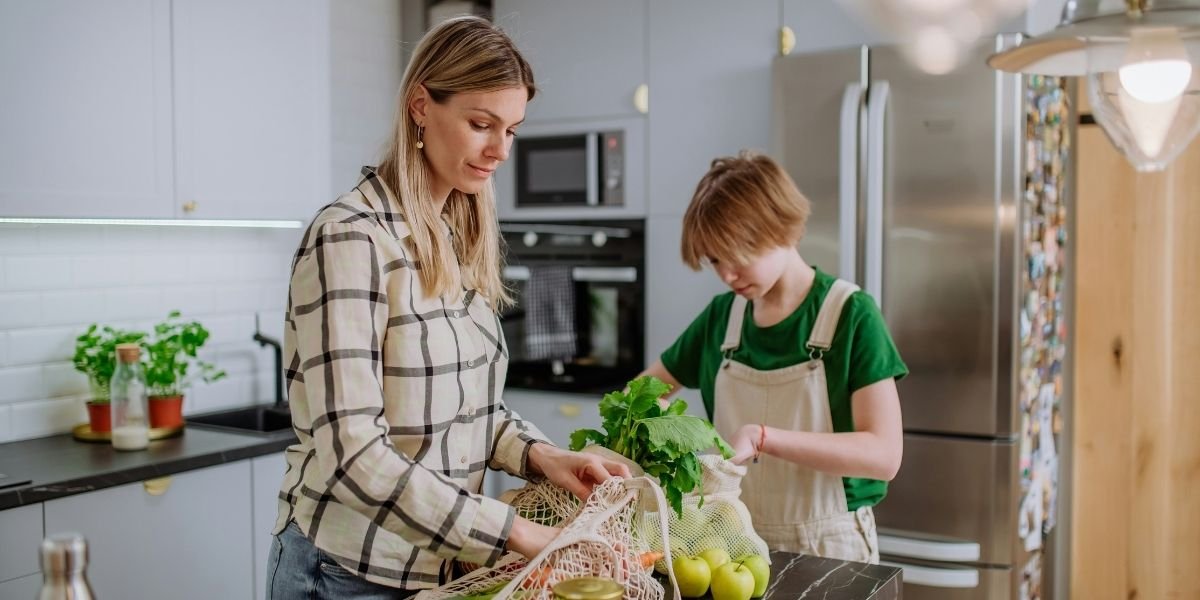
The Rise of Home Cooking and Budget-Conscious Eating

Photo Credit: Unsplash.com

Stir-frying, roasting, and slow cooking are a few techniques that allow for flexibility while still producing meals with distinct flavor and texture. A stir-fry made with leftover vegetables and a soy-based sauce, for instance, can be adjusted based on what’s in the refrigerator. Roasting potatoes, carrots, and onions together with olive oil can serve as a base for meals over several days. These methods don’t require specialized tools and can often be done with basic kitchenware.

Some individuals are exploring fermentation, baking, or preservation methods such as pickling or drying. While these activities require more time and attention, they appeal to those interested in minimizing waste or producing food items that last longer without refrigeration. In homes where bulk shopping is common, preservation techniques help make the most of larger purchases without spoilage.

Cooking is also becoming more collaborative in certain households. In shared living situations, roommates or partners may divide responsibilities or cook together, using meals as a way to connect and distribute labor. In multigenerational households, traditions and cooking habits are sometimes passed along informally, offering both practical knowledge and cultural continuity.

What Challenges Do Home Cooks Face When Balancing Cost, Time, and Nutrition?

While home cooking can offer flexibility, it also presents trade-offs, especially for those balancing limited budgets, full work schedules, or family responsibilities. Time is one of the most common barriers, particularly in households where multiple obligations compete for attention. Preparing meals from scratch may be difficult during workweeks, leading some to rely on partially prepared ingredients or quicker recipes with fewer steps.

Access to equipment and storage also shapes what’s possible in the kitchen. In smaller apartments or shared housing, limited counter space, unreliable appliances, or a lack of storage containers can complicate cooking routines. Freezing meals for future use, for instance, requires freezer space that not all homes have available.

Nutritional balance can be another concern. When working with a tight food budget, it may be tempting to rely on inexpensive processed foods that are filling but lower in overall nutritional value. Canned soups, boxed pasta, and frozen meals are often used for convenience but may not meet all dietary needs. Some home cooks address this by combining shelf-stable items with fresh produce or by using herbs and spices to enhance flavor without adding excess salt or sugar.

In regions where fresh produce is expensive or limited, home cooks often turn to frozen vegetables or dried legumes as substitutes. These options provide nutritional value while offering longer shelf lives and less waste. A lentil stew, for example, can be made with dried legumes, carrots, and canned tomatoes, offering both cost savings and nourishment.

How Is the Broader Culture Around Food Shifting Alongside Home Cooking Trends?

As more people prepare meals at home, the culture around food is also evolving. In both individual households and online spaces, food is being discussed not just as fuel, but as an activity shaped by identity, lifestyle, and personal values. Cooking has become a form of expression for some, while others approach it more as a routine habit to support well-being or save money.

In urban centers like Seattle, Austin, and Oakland, community initiatives and food education programs have emerged that emphasize practical cooking skills, seasonal eating, and nutrition awareness. These programs, often offered through libraries or community centers, provide resources for residents who may be interested in learning new techniques or expanding their knowledge of food systems.

At the same time, food-sharing communities, recipe exchanges, and social media content continue to influence how people cook and eat. Home cooks often look to peers for ideas or adaptations, especially when trying to recreate meals using affordable or familiar ingredients. A shared photo of a bean-and-rice bowl or roasted squash soup may inspire others to explore similar combinations in their own kitchens.

Cultural exchange has also become a more visible part of the home cooking landscape. Recipes that blend flavors and techniques from multiple culinary traditions are increasingly common. In a household where ingredients like tortillas, curry powder, and chickpeas are all readily available, meals may reflect a mix of tastes that cross geographic boundaries.

Overall, the rise in home cooking and budget-conscious eating reflects a broader set of economic, cultural, and lifestyle factors. While each household approaches these changes differently, the underlying trend suggests a growing awareness of how food choices intersect with daily life, resource use, and personal habits.

The Growing Role of AI in Parenting: What Parents Need to Know

As artificial intelligence (AI) continues to evolve, it is playing an increasingly significant role in the daily lives of families. From helping with homework to providing emotional support, AI is transforming how parents interact with their children and manage household tasks. While AI brings several benefits to parenting, it also raises concerns about privacy, overreliance, and misinformation. It is important for parents to understand the full spectrum of AI’s impact and how to navigate its use in a balanced way.

What Benefits Does AI Offer to Parenting?

AI tools are now embedded in everyday life, assisting parents in numerous ways. These tools provide support in education, organization, and even social and emotional well-being.

One of the most significant advantages of AI is its impact on educational tools. With personalized learning platforms, children can progress at their own pace, with AI-driven programs adapting to their learning styles. These tools offer real-time feedback, making learning more interactive and enjoyable. They are particularly useful for children who need extra support in certain subjects or who are advanced and need more challenging material.

In addition to educational benefits, AI can simplify daily tasks for parents. Virtual assistants can handle everything from meal planning and shopping lists to scheduling appointments and reminders. In some cases, AI can even help with household chores by controlling smart home devices, ensuring that tasks are completed on time. Parents can use AI to mediate interactions between children, assist with bedtime stories, or help kids find answers to their questions. This assistance helps reduce daily stress and allows parents more time to focus on other aspects of family life.

AI also offers a degree of emotional support for children. AI chatbots, for example, can serve as companions for children, particularly those who may feel lonely or are going through difficult emotional periods. Some children even view these chatbots as virtual friends, which can provide a sense of connection when human interaction is limited. While AI can never replace human relationships, it can be a helpful tool for kids in need of comfort or a safe space to express themselves.

What Are the Risks of AI in Parenting?

The Growing Role of AI in Parenting What Parents Need to Know

Photo Credit: Unsplash.com

While AI offers various benefits, it is important for parents to consider the potential risks it poses to children’s development and well-being. One major concern is the possibility of misinformation. Although AI has access to vast amounts of data, it doesn’t always differentiate between accurate and false information. Parents must be cautious about using AI tools that provide health, educational, or personal advice, as they may not be based on reliable sources. Children could also be exposed to biased or misleading content if parents do not monitor their interactions with AI.

Another concern is the risk of overreliance on AI tools. While AI can be a helpful resource, it should not replace critical thinking or problem-solving skills. If children rely too heavily on AI for help with homework or decision-making, they may miss out on developing these essential abilities. Parents should ensure that AI is used as a complement to traditional learning methods, not a substitute.

Privacy and security are also significant issues when it comes to AI tools. Many AI platforms collect and store data on users, including personal information about children. Parents must be vigilant about the platforms they choose and regularly review the privacy settings to ensure that children’s data is protected. Additionally, parents should make sure that their children understand the importance of online safety and teach them how to protect their personal information.

How Can Parents Prepare Their Children for an AI-Driven Future?

Given the growing influence of AI in everyday life, it is essential for parents to prepare their children for an AI-driven world. This preparation involves fostering critical thinking, digital literacy, and a healthy balance of screen time and offline activities.

One way to encourage critical thinking is to teach children to question the information they receive from AI systems. By helping them recognize that AI is not infallible, parents can ensure that children develop a healthy skepticism and become better at evaluating sources of information. Parents can also use AI tools as teaching moments, discussing how algorithms work and how biases may be embedded in them.

Digital literacy is another crucial aspect of preparing children for an AI-integrated world. Parents should explain the ethical implications of AI, including how it can be biased or unfair. It’s important for children to understand that AI is a tool that can be used in both positive and negative ways. They should also be aware of the potential risks of AI, such as privacy violations or online manipulation, and learn how to navigate the digital world responsibly.

Another critical factor is promoting a balanced approach to technology. While AI can enhance certain aspects of life, it should not replace face-to-face interactions or outdoor play. Encouraging kids to engage in physical activities, socialize with friends, and spend time away from screens is essential for their emotional and social development. Parents can help children set boundaries around screen time and ensure that AI tools are used in moderation.

How Can Parents Use AI Safely and Responsibly?

To make the most of AI while minimizing its risks, parents should take a proactive approach in managing their children’s interactions with AI tools. Setting clear boundaries is a good place to start. Parents can establish rules around when and how AI tools are used, such as limiting screen time or restricting access to certain features. It’s also important for parents to regularly check the content their children are exposed to, ensuring that it aligns with their values and safety standards.

Parents can also educate themselves about the various AI tools available to understand their features, privacy policies, and potential risks. Choosing AI tools designed specifically for children can offer an added layer of safety, as these platforms are more likely to prioritize privacy and security. It is also a good idea to explore AI tools together as a family, using them to create shared experiences and discussing any concerns that arise.

What Are the Long-Term Implications of AI in Parenting?

The Growing Role of AI in Parenting What Parents Need to Know

Photo Credit: Unsplash.com

Looking ahead, it’s clear that AI will continue to shape the way parents raise their children. As AI tools become more advanced, their roles in education, daily life, and emotional well-being will only grow. However, this increased reliance on technology will require a delicate balance. Parents will need to be vigilant about protecting their children’s privacy, ensuring their emotional and cognitive development, and fostering healthy habits around technology use. By staying informed and engaged with AI, parents can make sure that their children benefit from the advantages of this technology without falling prey to its potential risks.