
From Teacher to Entrepreneur: A Journey of Success & Transformation


Life often leads us to places we never imagined, turning struggles into opportunities for growth. For Sheyna Browd, a devoted teacher and mother, one pivotal moment sparked a journey of resilience and purpose.
What began as a setback became a path to self-discovery. Transitioning from the classroom to entrepreneurship, Sheyna inspires others to prioritize health, embrace change, and reach their potential.
Sheyna’s story isn’t about being the most polished presenter; it’s about how small actions can lead to positive change. As someone who loves teaching and connecting with others, she continues to inspire those around her. Her determination and authenticity highlight how challenges can lead to personal growth.
From Teaching to an Unexpected Setback
Teaching was a big part of Sheyna’s life, bringing her joy and fulfillment. However, after the birth of her fourth child, her life took a hard turn when she suffered severe leg injuries that left her unable to move for months. Caring for a newborn while facing this challenge was overwhelming, and as time passed, she gained significant weight, leaving her frustrated and helpless.
Despite trying to lose the weight on her own, nothing seemed to work. “I didn’t know what to do,” she admitted. At her lowest point, she came across a flyer for a Nutritional Program that seemed to offer a solution for people working toward their weight goals. She decided to give it a try.
A Personal Transformation
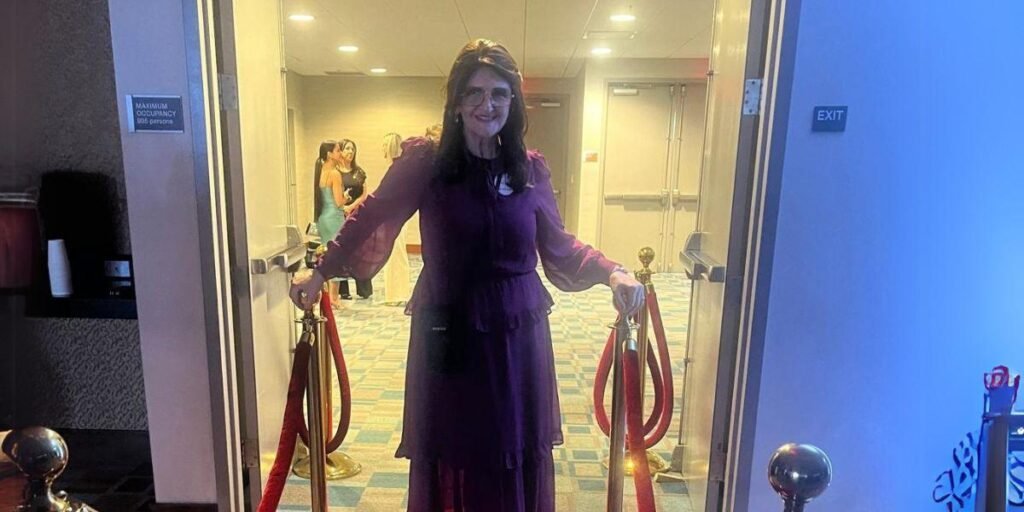
Photo Courtesy: Sheyna Browd
Sheyna began to feel more energetic as she followed a program that focused on health and wellness. Over time, she became more confident and experienced improvements in her overall well-being.
As she noticed these changes, friends, family, and neighbors began to ask her about her journey. Sheyna shared her experience with those who were curious about the program she had explored.
Discovering Network Marketing
At first, Sheyna was unsure about joining the business part of the program. However, her thinking changed when she saw that she was already sharing the products and motivating others. Attending a presentation about the business opportunity made her sure she wanted to be a distributor.
Network Marketing became more than just a side project—a passion. Sheyna realized that the skills she learned as a teacher, like building relationships and helping others, worked well in her new job. By mixing her love for helping people with a business model that matched her values, Sheyna found a satisfying new direction.
Challenges and Resilience
Sheyna’s journey was not without obstacles. Personal struggles, including family health issues and the operational challenges brought on by the pandemic, tested her resilience. However, she relied on personal development practices to stay focused. Regular reading, meditation, and goal-setting helped her maintain clarity and adapt to changes.
One of her greatest strengths is her commitment to core values: health, freedom, connection, and integrity. These principles guide her work and ensure her clients and team members feel supported.
Building a Business with Purpose
To Sheyna, success is more than just financial gain; it’s about the positive impact she has on others—whether it’s helping a client improve themselves or encouraging a team member to reach their full potential.
She focuses on building genuine relationships and creating meaningful connections, which has contributed to the growth of her business. By prioritizing honesty and openness, she has earned the trust of clients and has established herself as a figure in her community.
Adapting to Change
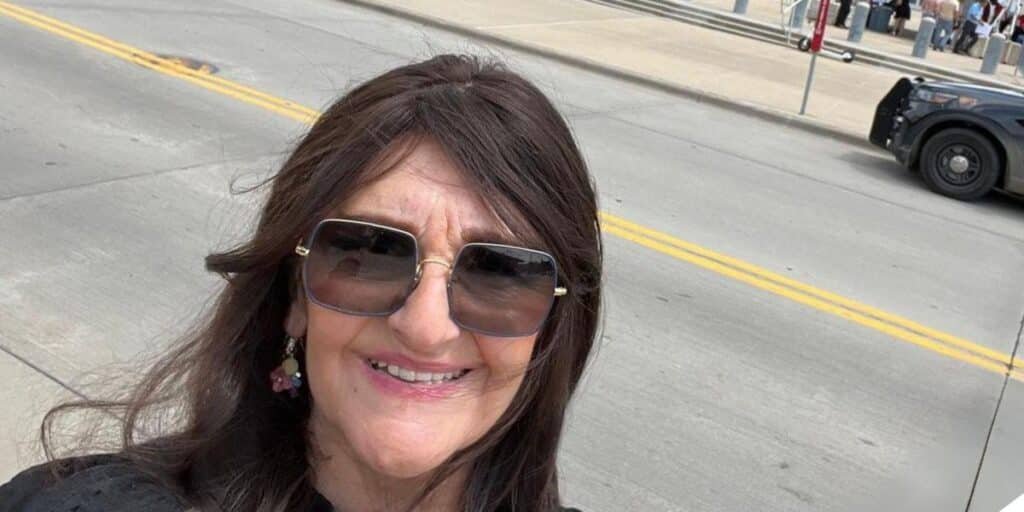
Photo Courtesy: Sheyna Browd
Sheyna’s ability to embrace change has been a key factor in her success. During the pandemic, she transitioned her business online, leveraging digital tools and coaching strategies to stay connected with her clients and team. This adaptability sustained her business and positioned her as a forward-thinking entrepreneur.
Her innovative approach has supported her business growth while maintaining the flexibility to balance her roles as a mother and leader.
Inspiring Future Entrepreneurs
In her mind, her business does something real in the world. It helps families and people focus on good health and well-being, one person at a time, to help stimulate better habits, building into stronger communities and healthier lives.
Sheyna’s message to future entrepreneurs is clear: start for purpose and prioritize originality. Building a business with a genuine purpose can foster long-term success and create lasting impact.
A Legacy of Transformation
Sheyna Browd exemplifies the transformative power of determination and adaptability. From facing physical and emotional hurdles to creating a meaningful impact on her community, her journey reflects the potential for growth within all of us.
Rather than offering guarantees of success, Sheyna’s story reminds us that personal and professional milestones are achieved through dedication, values-driven work, and a focus on holistic well-being. Her legacy is a personal triumph, fostering genuine connections and helping others achieve realistic health and lifestyle goals.
For more information, you can reach Sheyna on Instagram, Facebook, and email her at fittestplanet2020@gmail.com.
Disclaimer: Testimonials in this article reflect personal experiences and aren’t guaranteed. Results vary based on effort, experience, and commitment. Use your judgment.
Published by Zane L.
