The Chicago Journal

Revolutionizing Entrepreneurship: The Role of Women in Business

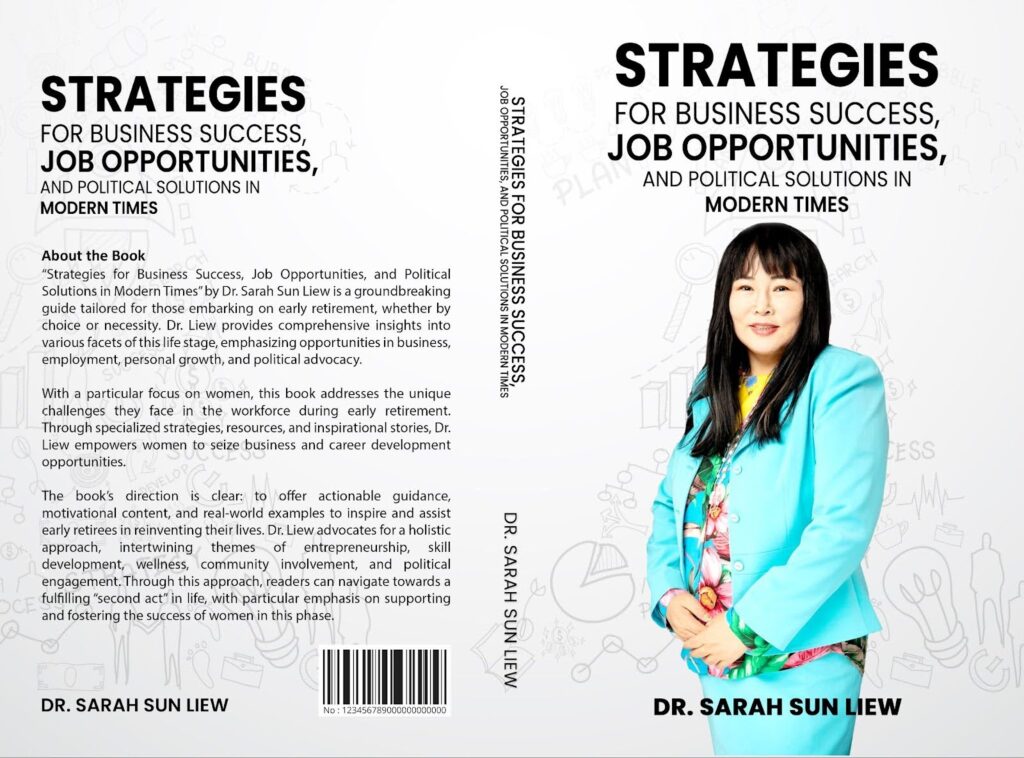
In an era where equality and inclusivity are more than just buzzwords, Dr. Sarah Sun Liew’s seminal work, Strategies for Business Success: Job Opportunities and Political Solutions in Modern Times, emerges as a source of inspiration and a guidebook that has the potential to drive systemic change. The book meticulously unpacks the multifaceted challenges women face in the business arena and outlines actionable strategies to dismantle these barriers, advocating for a more balanced playing field that could potentially influence our economic landscape.

Revolutionizing Entrepreneurship Role of Women in Business_2

Photo Courtesy: Meridian Beverly Hills Investment and Legal Group Inc

At its core, the book positions women as key agents of economic change. Dr. Liew underscores the possibility that supporting women in business may have a profound impact not only on their families and local communities but on broader economic growth as well. Her analysis is rooted in the belief that supporting women can have cascading benefits for societies. She suggests that women often reinvest a significant portion of their earnings into their communities, helping to amplify the benefits of their success.

The narrative delves deep into the systemic obstacles impeding women entrepreneurs, notably the significant disparities in access to capital and influential networks. Despite representing half of the global population, women are markedly underrepresented in venture capital and business financing arenas—a reality that could stifle innovation and growth among women-led enterprises. Dr. Liew posits that addressing these discrepancies through gender-focused investment funds and enhanced financial education may catalyze positive changes in entrepreneurship.

Creating inclusive business cultures forms another significant aspect of Dr. Liew’s argument. The book presents a compelling case for businesses to foster environments where diversity is not just tolerated but celebrated—for it is within these settings that creativity may flourish and new ideas may gain momentum. Highlighting the need for policies that accommodate work-life balance, Dr. Liew advocates for workplaces where women are more likely to ascend to leadership positions without sacrificing personal commitments.

Moreover, Strategies for Business Success emphasizes the valuable role of educational support tailored specifically toward nurturing female entrepreneurs. From mentorship programs to leadership training, Dr. Liew identifies pathways through which women can acquire the skills necessary to navigate the entrepreneurial landscape with greater success.

This time arrives at a noteworthy moment in history when inclusivity has begun to be recognized not merely as a moral imperative but as a strategic advantage in business. By integrating diverse perspectives into leadership roles and decision-making processes, companies may gain important insights into consumer trends, potentially fostering innovation and achieving competitive edges in today’s volatile markets.

Dr. Liew extends her analysis beyond corporate benefits, suggesting that female-led businesses may be well-equipped to tackle global challenges such as climate change and social inequality through sustainable practices and community engagement initiatives. In doing so, she paints a vision of entrepreneurship that intertwines profit with purpose, positioning women as leaders in solutions-oriented endeavors.

The transition toward more flexible working conditions—a shift accelerated by the pandemic—receives particular attention as well. Dr. Liew argues that policies supporting parental leave, childcare options, and adaptable work environments are crucial factors that can support women in excelling professionally while fulfilling personal responsibilities.

Revolutionizing Entrepreneurship Role of Women in Business

Photo Courtesy: Meridian Beverly Hills Investment and Legal Group Inc

In summary (without explicitly stating so), Dr. Sarah Sun Liew’s Strategies for Business Success serves not only as an exploration of the hurdles facing female entrepreneurs but also proposes a thoughtful blueprint for cultivating a more equitable business world where individuals of all genders have the potential opportunity to succeed.

For those eager to explore further into Dr. Sarah Sun Liew’s innovative thought process:

  • Discover more about her insights by visiting her author profile online.
  • Engage directly via phone or email for in-depth discussions or inquiries into collaboration opportunities.

Dr. Liew’s publication marks a step toward dismantling outdated paradigms and fostering an entrepreneurial ecosystem where diversity is viewed as an invaluable asset rather than an obstacle—a vision with potential for driving noteworthy economic transformation globally.
Visit Dr. Sarah Sun Liew International Bestselling author profile at: wikitia.com/wiki/Dr._Sarah_Sun_Liew. Contact directly via (424) 343 7025 or (424) 777 6461.Email : Mgroupbh7@gmail.com

Published by: Martin De Juan

Knights of Rizal Honor Filipino American Heritage in Chicago

By: Amando Bernal-Respicio Abellana Boncales 

The Knights of Rizal (KOR) recently celebrated Filipino American History Month at Skokie Public Library’s Radmacher Hall, in Skokie, IL, with a stirring event that honored Dr. José Rizal’s legacy and the contributions of Filipino Americans to society. The annual gathering brought together KOR members, community leaders, and distinguished guests, focusing on heritage, patriotism, and the timeless values Rizal promoted. This year’s program, filled with meaningful ceremonies and historical reflections, highlighted the KOR’s dedication to cultural pride, education, and service.

A Celebratory Gathering of Heritage and Patriotism

The event opened with an impactful dual performance of the American and Filipino national anthems, led by Sir Randy Famacion, KCR. Sir Mariano Santos, KGOR, Commander of KOR’s Chicago Area, then delivered a welcome address, setting a reflective tone for the afternoon. His words underscored KOR’s mission of preserving and advancing Rizal’s ideals of patriotism and cultural unity among the Filipino American community.

A special tribute followed to honor KOR members who have passed away but whose commitment to the organization’s vision remains a lasting legacy. Sir Wilfredo Obando and Sir Don Santarinala led the solemn rite, calling out each name as the song Hindi Ka Malilimutan played softly. This poignant moment created a sense of brotherhood and respect, paying homage to those who dedicated their lives to advancing Rizal’s message.

The departed brethren remembered included notable members such as Sir Jaime Alban, KCR, Sir Florante Llanes, KGOR, and Sir Teofilo Nayan, KGCR. Their legacy lives on within the KOR community, inspiring members to continue their commitment to Rizal’s teachings and values.

Exploring Dr. José Rizal’s Legacy Through History and Innovation

Sir Felix Gonzales, KGOR, gave a historical presentation that delved into Dr. José Rizal’s journey to the United States in 1888. His lecture provided insights into how Rizal’s travels inspired his vision for a democratic society and a unified Filipino identity. In an innovative twist, Sir Consul Ryan Gener introduced Rizal’s life and achievements in a resume-style presentation, offering a fresh perspective on Rizal’s multifaceted contributions to social reform and education.

The event also featured an informative presentation by Sir Nick Gilana, KCR, on the “Knight of Rizal Structure.” This segment detailed the KOR’s mission, its organizational reach, and the guiding principles that keep Rizal’s ideals alive among members worldwide. This presentation underscored KOR’s role as a global organization dedicated to spreading Rizal’s vision of unity and cultural pride.

Promoting New Leaders and Recognizing Dedication

Knights of Rizal Honor Filipino

Photo Courtesy: ALEGRE DE PILIPINAS

Representatives from KOR’s Maynilad and Malaya Chapters, two active groups in the Chicago area, joined the celebration. A highlight was the appointment of Sir Amando Bernal-Respicio Abellana Boncales as Archivist, recognizing his dedication and efforts in preserving KOR’s historical records. This position entrusts him with an important role in maintaining KOR’s legacy, showcasing the organization’s commitment to remembering its history while looking forward.

Special recognition was extended to Janice Israel Delima and Mary Rose Ople, from the community organization Gawad Kalinga, who are on the path to becoming members of the Ladies for Rizal. This esteemed sister organization works in concert with the Knights to promote education, cultural preservation, and community service, reflecting an inclusive spirit within KOR. Mary Rose, who attended the event to discuss her advocacy for sheltering the homeless, highlighted the importance of community support and outreach, underscoring KOR’s commitment to supporting Filipino American initiatives.

New members were formally inducted into the KOR brotherhood, including Ringo Tabaloc and Martyn Asker Orcine, who took their oaths as First Degree Knights. The initiation ceremony was led by Sir Felix Gonzales, KGOR, welcoming these individuals into the organization and further strengthening the KOR’s mission to cultivate future leaders inspired by Rizal’s values. Additionally, new chapter commanders were installed: Sir Ylon Dulay Noly Dulay, KCR, now leads the Maynilad Chapter, and Sir Elywarto Gemina, KCR, was appointed Commander of the Malaya Chapter. These new roles signify the ongoing growth and resilience of KOR in fostering leadership and promoting a sense of community.

A Commitment to Education and Cultural Preservation

Knights of Rizal Honor Filipinos

Photo Courtesy: ALEGRE DE PILIPINAS

The presence of women who will soon join the Ladies for Rizal, including Janice Delima and Mary Rose Ople, highlighted KOR’s inclusive nature. By welcoming women into the organization, KOR strengthens its network of individuals dedicated to Rizal’s vision of social unity, cultural education, and justice. The Ladies for Rizal, working in close alignment with KOR, help advance educational programs and cultural preservation, enriching the Filipino American community’s connection to its heritage.

As the event concluded, attendees enjoyed a moment of fellowship, sharing stories and reflecting on the day’s significance. This celebration of Filipino American History Month stands as a tribute to Filipino heritage and as a reminder of the ongoing commitment to Dr. José Rizal’s ideals of unity, patriotism, and education. For the Knights of Rizal, this event was not only a way to commemorate the past but also a call to uphold the values of an educated, just, and united society.

Knights of Rizal Honor Filipino American Heritage in Chicago

Photo Courtesy: ALEGRE DE PILIPINAS

For more information about joining the Knights of Rizal, interested individuals may reach out to Commander Mariano A. Santos, KGOR, at (847) 529-4991 or via email at anongsantos@yahoo.com

Published by: Nelly Chavez

Chapter 1 – Leading with Wisdom: Modern Leadership Lessons from Influential Biblical Figures

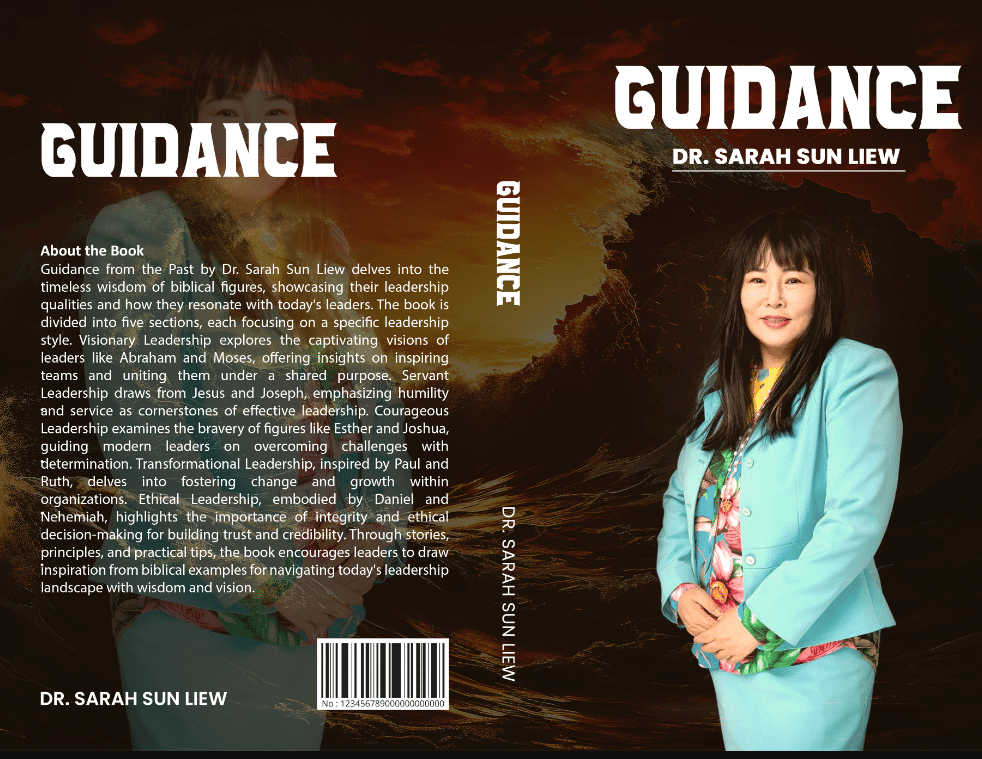
The opening chapter of Guidance from the Past, Vision for the Future, authored by Dr. Sarah Sun Liew, sets a profound foundation for the entire book by examining the lives and lessons of 50 biblical leaders. These figures, spanning a wide array of cultural and historical contexts, serve as timeless examples of wisdom, resilience, and ethical leadership. Through this exploration, Dr. Liew, a celebrated author, business leader, and political candidate, showcases the enduring importance of wisdom in effective leadership—an attribute she defines as the ability to make discerning, just, and insightful decisions in complex situations.

This chapter goes beyond the biblical narrative, offering readers practical insights into how these ancient principles of wisdom apply to modern leadership challenges. Dr. Liew’s perspective is both enlightening and actionable, making this a must-read for leaders in all walks of life seeking to navigate the intricacies of leadership with integrity and purpose.

Understanding Wisdom in Leadership

Dr. Liew introduces wisdom as the foundation upon which all effective leadership stands. Unlike mere knowledge or experience, wisdom encompasses the ability to see beyond the present and navigate complex situations with discernment and ethical clarity. Wisdom, she asserts, is essential for leaders who face difficult choices, ethical dilemmas, or turbulent situations, as it enables them to remain grounded, empathetic, and fair. By examining the lives of 50 biblical leaders, she illustrates how wisdom has long been a guiding principle for those who lead with purpose and vision.

Through figures like Abraham, Moses, Solomon, and Deborah, Dr. Liew explores how these leaders demonstrated wisdom by aligning their actions with values that went beyond personal ambition. For example, Abraham’s faith-led journey into the unknown symbolizes a leader’s ability to take calculated risks based on trust and insight, while Solomon’s legendary rulings illustrate the importance of a discerning mind in maintaining justice. Dr. Liew argues that these leaders provide a timeless blueprint for modern leadership, where effective decision-making requires the ability to balance practical realities with ethical imperatives.

Why This Chapter Matters Today

In today’s rapidly evolving world, leaders are required to make swift decisions, often under intense scrutiny. Dr. Liew emphasizes that, unlike in times past, leaders today are held accountable not just for their actions but also for their motivations, ethics, and transparency. Thus, the need for wisdom—genuine, values-driven wisdom—is more essential than ever. This chapter’s focus on biblical figures who exemplified wisdom in the face of adversity offers contemporary leaders a valuable reference for navigating modern-day challenges.

Wisdom is not limited to strategic decisions; it is evident in how leaders respond to conflict, foster loyalty, inspire innovation, and cultivate resilience in those they lead. For example, Moses’ ability to guide his people through difficult times without compromising his principles, or Deborah’s fearless leadership as a judge and prophetess in Israel, shows that wisdom empowers leaders to rise above challenges while fostering trust and unity. Dr. Liew’s emphasis on these lessons from history provides a timeless perspective on leadership that remains relevant across industries and cultures today.

Relevance for Contemporary Readers

Chapter 1 - Leading with Wisdom Modern Leadership Lessons from Influential Biblical Figures_2

Photo Courtesy: Meridian Beverly Hills Investment and Legal Group

This chapter’s exploration of wisdom in leadership demonstrates that effective leadership is not a one-size-fits-all endeavor. Instead, it requires a blend of courage, empathy, ethical conviction, and resilience. Dr. Liew’s selection of 50 biblical leaders showcases a diversity of qualities, from the humility of Joseph to the strategic foresight of Nehemiah. Through this, she illustrates that leadership wisdom is not about adherence to a rigid model but about cultivating a deep understanding of oneself, one’s values, and the needs of those one serves.

This holistic approach is particularly useful for modern leaders who are navigating increasingly complex landscapes. By understanding how ancient leaders like Joshua, who succeeded Moses, managed conflict, motivated others, and made difficult ethical choices, readers are encouraged to adopt a more adaptable, principled approach to leadership. Dr. Liew’s insights are thus both historical and forward-looking, reminding readers that true leadership wisdom involves learning from the past to inform a vision for the future.

Dr. Sarah Sun Liew: A Legacy of Integrity and Service

Dr. Liew’s exploration of leadership is deeply informed by her own remarkable career. As an accomplished author, she has co-authored Succeed In Business In Any Market with business guru Brian Tracy, solidifying her expertise in business strategy and ethics. Her contributions to leadership have gained recognition across various media platforms. With 19 other books and mentions in numerous media outlets, her work spans multiple fields, including business and public service.

Dr. Liew’s experience extends beyond authorship. With a background in public policy and community empowerment, she brings a wealth of knowledge to her readers. Her focus includes issues such as job creation, education reform, healthcare access, and community support. With 30 years of experience as an entrepreneur, educator, and pastor, she continues to make an impact by championing the values of integrity, transparency, and wisdom.

Media Attention and Recognition

Dr. Liew’s multifaceted career has garnered extensive media attention worldwide. Her story has reached a broad audience, where her contributions to business, education, and community service have been widely recognized. Honored as one of the “Top 15 Entrepreneurs Who Are Shaping the Business World” by the International Business Times, Dr. Liew continues to inspire others with her commitment to ethical and values-driven leadership.

Her achievements have been highlighted across various platforms, recognizing her dedication to creating positive change. Her leadership in fintech, education, and community service has also been showcased widely, amplifying her influence in both established and emerging industries.

Dr. Liew’s Educational Background and Early Life

Chapter 1 - Leading with Wisdom Modern Leadership Lessons from Influential Biblical Figures_3

Photo Courtesy: Meridian Beverly Hills Investment and Legal Group

Born in An-dong, South Korea, Dr. Liew was raised in a family deeply invested in education and public service. Emigrating to the United States at age 24, she brought with her a foundation of strong values and a passion for lifelong learning. Her academic journey includes multiple undergraduate and graduate degrees from renowned institutions. She holds a Doctor of Business Administration (DBA) in international business trade and policy from Pacific State University and several postdoctoral PhDs, further underscoring her commitment to knowledge and ethical leadership.

Dr. Liew’s education also includes certifications in specialized fields like public accounting, real estate development, and artificial intelligence for business, making her a versatile leader equipped for the complexities of modern industry. She has completed programs at prestigious institutions such as the Harvard Kennedy School, Harvard Business School, and MIT, further demonstrating her commitment to excellence and ethical advancement.

The Lasting Value of Wisdom in Leadership

Chapter 1 encourages readers to embrace wisdom as the foundation of effective leadership. The lives of the 50 biblical leaders examined in this chapter reveal that wisdom enables leaders to make fair, courageous, and insightful decisions that build trust and unity. Dr. Liew’s exploration of these figures reminds readers that wisdom is a dynamic quality—one that combines knowledge, empathy, and ethical clarity to meet the challenges of any era.

In a world that increasingly values adaptability, transparency, and resilience, Dr. Liew’s approach to wisdom in leadership offers a practical and timeless guide for navigating complexity. By learning from the past, leaders can inform their decisions and strategies for a brighter, more purposeful future. Through her own life and work, Dr. Liew embodies the principles she shares, serving as a role model for leaders who aspire to lead with wisdom, integrity, and a commitment to the common good. 


Published by: Annie P.

Chapter 2 – Abraham’s Ethical Leadership: Lessons for Today’s Leaders

In Chapter 2 of her comprehensive study on leadership, Dr. Sarah Sun Liew explores the profound role of integrity in leadership through the life of Abraham, a figure often celebrated as the “father of faith.” Abraham’s journey, marked by steadfast values and ethical decision-making, serves as a timeless model of integrity-driven leadership. Dr. Liew, a respected author and expert in leadership and ethics, brings this analysis to life by illustrating how Abraham’s unwavering commitment to his values set him apart, providing invaluable lessons for contemporary leaders navigating the complexities of today’s world.

Abraham: The Pioneer of Ethical Leadership

Dr. Liew presents Abraham as a pioneer in ethical leadership, emphasizing that his life was a series of actions deeply rooted in integrity and faith. Abraham’s choices, whether in response to divine guidance or in his interactions with others, showcase a leader who prioritized principles over convenience. His departure from his homeland in obedience to a divine calling and his ethical interactions with family and foreign rulers reflect a commitment to values that went beyond personal gain. Dr. Liew argues that Abraham’s journey exemplifies how leaders, regardless of their era, must be willing to uphold their integrity, even in the face of great personal risk.

Abraham’s relationships, such as those with his nephew Lot and with leaders like Pharaoh and Abimelech, further highlight his ethical approach to leadership. For example, when Abraham’s herdsmen quarreled with Lot’s herdsmen over land, Abraham chose a peaceful resolution, offering Lot the choice of land. This act of humility and respect underscores a core value of ethical leadership: prioritizing peaceful solutions and allowing others the freedom to choose. In a world often driven by competition and self-interest, Abraham’s story provides a powerful reminder of the value of ethical decision-making, even when it may come at a personal cost.

Key Takeaways for Modern Leaders

In today’s fast-paced, complex world, integrity remains a foundational quality for effective leadership. Dr. Liew emphasizes that Abraham’s life serves as a blueprint for leaders who wish to inspire trust, foster loyalty, and build strong, resilient organizations. Key lessons from Abraham’s life that Dr. Liew highlights for modern leaders include:

  1. Integrity as a Cornerstone: Abraham’s unwavering commitment to ethical principles, even in challenging situations, reinforces that integrity is the bedrock of leadership. Dr. Liew underscores that, without integrity, leaders cannot inspire genuine trust or sustain lasting success.

  2. Transparency and Accountability: Abraham’s encounters with Pharaoh and Abimelech illustrate the importance of honesty in all dealings. By being forthright in his actions, Abraham exemplified transparency and accountability, qualities that are essential for leaders in an era of rapid information flow and public scrutiny. Dr. Liew notes that transparency not only builds trust but also strengthens relationships within teams and with external partners.

  3. Faith and Vision: Abraham’s journey was marked by a deep faith in a vision that often seemed distant or even impossible. For leaders today, this aspect of Abraham’s story serves as a reminder that true leadership requires a long-term commitment to a higher purpose, often beyond personal benefit. Visionary leaders are those who can inspire others by staying committed to a purpose, regardless of immediate outcomes.

Dr. Liew’s teachings on integrity align with her own extensive career and achievements. An accomplished author, she co-wrote Succeed In Business In Any Market with renowned business strategist Brian Tracy, offering practical insights on ethics and success in today’s competitive landscape. Her work, highlighted by various well-known media sources, reflects her dedication to ethical leadership as a pathway to fostering sustainable, positive change.

The Contemporary Relevance of Abraham’s Leadership

Abraham’s life offers a timeless message for modern leaders: integrity is not negotiable. Dr. Liew explains that, in a world where leaders often face pressure to compromise values for short-term gains, Abraham’s story illustrates why ethical leadership is crucial for building trust and fostering collaboration. Leaders who prioritize integrity, even when it is inconvenient or costly, create environments of respect and loyalty, which are essential for long-term success.

Abraham’s willingness to make ethical decisions, even when faced with uncertainty, speaks to a quality often overlooked in contemporary leadership—moral courage. Dr. Liew emphasizes that leaders must have the courage to uphold their values and make ethical decisions, especially when faced with pressure. In an era of rapid change, where ethical boundaries are frequently tested, Abraham’s example offers a powerful reminder that integrity-driven leadership is the path to building a legacy of trust and respect.

Dr. Liew’s Accomplishments and Recognition

Dr. Sarah Sun Liew’s insights into integrity and ethical leadership are not just theoretical; they are grounded in her own life and career. As a respected leader and author, Dr. Liew’s work has reached global audiences through a variety of prominent media platforms, garnering widespread recognition for her insights and contributions. Her writings extend beyond leadership to encompass various topics in business and ethics, with over 19 published books and her co-authored work with Brian Tracy, Succeed In Business In Any Market. Her teachings and publications have garnered attention worldwide, with a wide range of media features celebrating her contributions to business, education, and public service.

Dr. Liew’s influence has also been recognized internationally. Honored by the International Business Times as one of the “Top 15 Entrepreneurs Who Are Shaping the Business World,” she continues to inspire others through her ethical approach to leadership. Her achievements have been highlighted by various media sources, reflecting her impact on business and education.

Media Attention and Recognition

Dr. Liew’s contributions have gained recognition across numerous media outlets globally, reflecting her broad impact on business, education, and leadership. Her story has been featured by a range of prominent and specialized media outlets, underscoring her influence and reach across diverse audiences. Her achievements in fintech, community service, and education have also been highlighted by various notable platforms, drawing attention to her diverse contributions.

Internationally, Dr. Liew has gained a substantial following, inspiring readers worldwide with her dedication to integrity and ethical leadership. Her influence extends through partnerships with top publishers, allowing her to share her insights and contributions on a global scale. Her work continues to inspire audiences as she advocates for transformational leadership principles rooted in integrity.

Dr. Liew’s Early Life and Educational Journey

Chapter 2 - Abraham's Ethical Leadership Lessons for Today’s Leaders_3

Dr. Liew’s journey began in An-dong, South Korea, in a family dedicated to public service. At 24, she emigrated to the United States, bringing with her a foundation built on ethical values and a commitment to lifelong learning. Dr. Liew holds multiple degrees and certifications from prestigious institutions, including the Harvard Kennedy School and Harvard Business School. With a Doctor of Business Administration in international business trade and policy and several postdoctoral PhDs, she exemplifies the pursuit of knowledge and ethical advancement.

Her educational achievements include specialized certifications in public accounting, real estate development, and AI for business, making her a well-rounded and innovative leader in business and ethics. Dr. Liew’s academic background and professional accomplishments have equipped her with a unique perspective on integrity-driven leadership.

Embracing Integrity in Leadership

In Chapter 2, Dr. Liew encourages readers to embrace integrity as the foundation of leadership, much like Abraham did. His life is a testament to the power of staying true to one’s values, regardless of the circumstances. Abraham’s legacy reminds us that ethical leadership is not merely a strategy but a way of life, one that inspires trust, loyalty, and respect.

In a world where leaders often face competing pressures, Dr. Liew’s exploration of Abraham’s journey offers timeless wisdom. By holding fast to integrity, leaders can create environments where trust and collaboration thrive, leaving a lasting legacy that benefits not only their teams but society as a whole.


Published by: Annie P.

Could You Become a Midwestern Millionaire? Discover How to Achieve Financial Stability in Retirement

By: Marcy Paulson

It’s not only the privileged few who are enjoying retirement. As a matter of fact, many quietly save for that day with no one ever knowing they have a million dollars or more in their bank accounts.  

Joe Schmitz Jr., CEO of Peak Retirement Planning Inc., coined the concept of the “Midwestern Millionaire.” This unique group of high-net-worth individuals bears no resemblance to the flashy stereotype conjured up by the word “millionaire.” According to Schmitz, joining this group simply requires a high degree of discipline, diligence, and strategic planning. 

Defining the Midwestern Millionaire

“While the name implies geographic boundaries, Midwestern Millionaires are more aptly defined by their core values than their zip codes,” says Schmitz. “As a group, these millionaires embody the Midwestern virtues of hard work, diligence, and frugality.”

As Schmitz explains, the Midwestern Millionaire makes prudent financial choices throughout their life. They’ve been diligent savers, investing wisely and avoiding frivolous expenditures, and understand the inherent risks of investing, including those associated with market fluctuations, political shifts, and inflation, among other risks.

In terms of hard work, this group understands the value of a dollar earned and seldom shies away from putting in the effort required to achieve their goals. They practice mindful spending, often prioritizing long-term gains over short-term pleasures, and know the importance of accumulating savings to build a nest egg for future financial security.

Becoming a Midwestern Millionaire Involves Saving and Budgeting

The financial planning that creates a Midwestern Millionaire begins with a disciplined approach to saving and budgeting. People take the first step by automatically directing a portion of every paycheck to a savings or investment account, which ensures consistency and reduces the temptation to spend frivolously.

The next step in establishing this mindset involves creating a detailed budget to understand every penny that comes in and goes out. Tools like apps or spreadsheets enable diligent savers to maximize each paycheck and maintain meticulous records.

Finally, aspiring Midwestern Millionaires establish an emergency fund to protect their savings.  By allocating three to six months’ worth of living expenses to an easily accessible account, they create a safety net to support them during unforeseen financial issues.

To Build Savings, a Midwestern Millionaire Employs Intelligent Investing

Strategic investing is critical to growing wealth. To avoid putting all their eggs in one basket, Midwestern Millionaires diversify assets across different sectors, regions, and asset classes. This has the distinct benefit of mitigating risk.

In terms of investing, Midwestern Millionaires practice patience and focus on long-term gains. They know that market fluctuations are inevitable and rely on historical data showing that long-term investments tend to yield positive results due to compounding interest.

“This group knows the value of seeking professional guidance,” notes Schmitz. “They appreciate that successful investing requires capital and the experience to navigate market ebbs and flows. They work with CERTIFIED FINANCIAL PLANNERS and investment advisors to tailor long-term plans suited to their specific risk tolerance and goals.”

Becoming a Midwestern Millionaire Necessitates Strategic Planning

As Midwestern Millionaires approach retirement, financial complications increase. The growing complexity necessitates careful planning to safeguard and grow the wealth they have so carefully accumulated.

“The Midwestern Millionaire understands that taxes erode wealth if not managed properly,” Schmitz explains. “Efficient tax planning may help ensure that more money remains in your pocket, but tax benefits vary based on individual situations.”

Midwestern Millionaires maintain a steady income flow even during retirement. Their strategy relies on multiple income streams such as Social Security, pensions, annuities, dividends, and rental income. This diversified approach can help provide stability if one source falters, though income strategies should be personalized to individual needs.

While planning for this retirement income, the Midwestern Millionaire understands that healthcare costs can represent a significant expense. Rather than leaving their health to chance, they take the long-term approach, planning against unforeseen medical expenses that derail so many retirees’ financial stability.

While still working, many in this group take advantage of health savings accounts as a tax-advantaged way to save for medical expenses. They familiarize themselves with Medicare options and supplementary plans to cover gaps.

Finally, these savvy investors and savers draft well-defined wills to ensure their assets are distributed according to their wishes. They use trusts to gain tax benefits and protect their assets from legal disputes. They make themselves aware of estate tax thresholds and seek strategies to minimize liabilities.

“Prudent estate planning exemplifies the long-term vision typical of the Midwestern Millionaire,” says Schmitz. “Their planning ensures that their wealth transcends generations and passes efficiently to family or the charities closest to their heart.”

Adopting The Midwestern Millionaire Mindset Anywhere

Becoming a Midwestern Millionaire demands discipline, strategic planning, and steadfast adherence to time-tested financial principles. 

“While not guaranteed, becoming a Midwestern Millionaire involves adopting a long-term state of mind,” concludes Schmitz. “It’s about living by the strategies and values that ensure financial well-being. With professional guidance, individuals may increase their potential for financial stability in retirement.”

Disclaimer: This post was authored by an external contributor and does not represent this publication’s opinions and has not been edited for content. The information contained herein is provided for informational and educational purposes only and should not in any way be construed as investment advice. This publication does not make any recommendation to buy or sell any security or any representation about the financial condition of any asset, company, or investment. Results may vary, and achieving financial stability or a high net worth requires personalized planning and consultation with financial professionals.

Published by: Holy Minoza

Unlocking Economic Potential: Women Entrepreneurs in the Modern Marketplace

Dr. Sarah Sun Liew’s Strategies for Business Success: Job Opportunities and Political Solutions in Modern Times is a call to action for both policymakers and the business community. Focused on supporting women entrepreneurs, the book addresses the unique challenges women face and outlines strategies for creating a more inclusive and equitable business environment.

From accessing capital to building networks, the book explores how women can overcome obstacles and flourish in the business world. Dr. Liew emphasizes that empowering women entrepreneurs is not just a moral imperative, but a critical component of economic growth and social progress. 

Primary Themes

Investing in Women for Economic Prosperity

Unlocking Economic Potential- Women Entrepreneurs in the Modern Marketplace

Photo Courtesy: Meridian Beverly Hills Investment and Legal Group Inc

A major theme of the book is the economic impact of investing in women entrepreneurs. Dr. Liew illustrates how empowering women to start and grow businesses can stimulate economic development at both local and national levels. When women succeed in business, they reinvest in their communities, driving economic growth and improving social outcomes.

The book provides evidence that women-led businesses are more likely to adopt sustainable and socially responsible practices, further enhancing their value to the economy. By supporting women entrepreneurs, society can create a more balanced and sustainable economic future.

Overcoming Financial Barriers

Financial barriers remain a significant challenge for women entrepreneurs, who often struggle to secure the funding needed to start or grow their businesses. Dr. Liew explores how women are disproportionately affected by limited access to venture capital and business loans and suggests solutions to bridge this gap.

The book advocates for the creation of gender-specific investment funds and the promotion of financial literacy programs for women. These initiatives would provide women with the tools and resources they need to thrive in the competitive business world.

Building Strong Networks and Mentorship Opportunities

Economic Potential- Women Entrepreneurs in the Modern Marketplace

Photo Courtesy: Meridian Beverly Hills Investment and Legal Group Inc

In addition to financial support, Dr. Liew emphasizes the importance of mentorship and networking. Women often lack access to the same business networks as their male counterparts, limiting their opportunities for growth. The book suggests creating formal networking groups and mentorship programs designed specifically for women, where they can connect with experienced leaders who can help guide their entrepreneurial journeys.

The Role of Policy and Advocacy

The book underscores the importance of advocacy and public policy in creating a business environment where women can succeed. From equitable procurement policies to legal protections in the workplace, Dr. Liew argues that systemic changes are needed to ensure women have equal opportunities to succeed. Public policies that promote gender equity in business are not only fair but also beneficial for economic growth.

Significance in the Current Market

In today’s market, businesses and policymakers alike are increasingly recognizing the importance of diversity and inclusion. Dr. Liew’s book comes at a pivotal time, as more companies seek to tap into the underutilized potential of women entrepreneurs.

Driving Innovation and Competitive Advantage

Unlocking Economic Potential: Women Entrepreneurs in the Modern Marketplace

Photo Courtesy: Meridian Beverly Hills Investment and Legal Group Inc

Empowering women in business leads to increased innovation and creativity. Women entrepreneurs often bring fresh perspectives and new ideas that challenge the status quo. By fostering a more inclusive business environment, companies can capitalize on the unique strengths and insights that women bring to the table.

This diversity of thought is increasingly important in today’s fast-paced business world, where innovation is key to staying competitive. Dr. Liew’s book highlights how empowering women entrepreneurs can drive business success and create a competitive advantage.

Sustainability and Social Responsibility

Women entrepreneurs are often leaders in sustainability and social responsibility, making them invaluable to the future of business. The book emphasizes how women-led businesses prioritize ethical practices, environmental sustainability, and social impact. This focus aligns with the growing consumer demand for companies that operate responsibly, making women entrepreneurs well-positioned to succeed in the current market.

Meeting the Needs of a Changing Workforce

As the workforce continues to evolve, businesses must adapt to the changing needs of employees, particularly in terms of work-life balance and flexible working arrangements. Dr. Liew’s book discusses how companies can support women entrepreneurs by offering family-friendly policies and creating inclusive workplace cultures. These changes not only benefit women but also contribute to greater employee satisfaction and retention.

Conclusion

Strategies for Business Success by Dr. Sarah Sun Liew is an essential guide for anyone interested in fostering gender equity in the business world. By removing financial, educational, and policy barriers, and by creating inclusive and supportive environments, the business community can unlock the vast potential of women entrepreneurs. The book offers practical strategies that can drive economic growth, social change, and a more innovative future.

For those interested in delving deeper into Dr. Sarah Sun Liew’s innovative approaches:

– Visit her author profile at: wikitia.com/wiki/Dr._Sarah_Sun_Liew.

– Contact directly via (424) 343 7025 or (424) 777 6461.

– Email : Mgroupbh7@gmail.com

Published by: Nelly Chavez

From Struggle to Success: The Inspirational Journey of Anita Miron

Anita Miron’s journey inspires awe and admiration, a tale woven from the threads of struggle, resilience, and triumph. Her life, an embodiment of the indomitable human spirit, illustrates that no matter the darkness that clouds our beginnings, there is always a horizon filled with hope and opportunity. Raised in a home shadowed by illness and financial challenges, Anita’s early days were far from promising. With a father battling health issues and a single mother tirelessly working to support the family, the odds seemed overwhelmingly against her. Despite their efforts, financial constraints and emotional turmoil were constants in Anita’s formative years.

As she transitioned into adolescence and early adulthood, Anita encountered personal battles that threatened to derail her future. Substance abuse and mental health issues plagued her, leaving her adrift and without a clear purpose. The toxic belief systems rooted in her challenging upbringing only intensified her struggles, painting her early story as one destined for hardship. Yet, life had other plans for Anita. The turning point in her journey came with meeting her future husband and embracing motherhood. Becoming a mother infused her life with new meaning, opening the door to profound change and growth.

Even while grappling with personal demons, Anita stepped into the professional world, diving headfirst into network marketing. Her natural determination allowed her to carve a niche for herself, overcoming obstacles with tenacity. Although initial success was in her grasp, the path remained fraught with challenges, including personal losses that could have easily led her to abandon her dreams. Among the profound heartbreaks were the loss of her children during pregnancy and the passing of her father. These experiences, rather than breaking her spirit, ignited a fire for transformation. Anita harnessed her pain as a catalyst for rebuilding her life, marking a shift from suffering to empowerment.

Anita’s story took another bold turn amidst the global pandemic when she and her family embarked on a full-time adventure, traveling across the United States in a 44-foot RV. This journey was a wild escapade and a critical chapter in Anita’s healing and self-discovery. Immersed in the beauty and diversity of America’s landscapes, she found solace and a renewed sense of purpose. The freedom of the open road provided the space for deep reflection and realignment of her goals, setting the stage for her next professional leap.

As she traversed the country, Anita also explored new professional avenues, honing her digital marketing and coaching skills. Here, she discovered her true calling—helping others, particularly women, to build wealth and achieve financial freedom by leveraging social media and digital products. Anita’s vision transcended personal success; she aspired to inspire and uplift others on their transformative journeys. Today, Anita Miron is a beacon of hope and strength, having built a multimillion-dollar digital marketing and coaching business. She empowers women worldwide to break free from limiting beliefs and pursue their passions through her platform.

Anita’s narrative is not merely about overcoming adversity but about persistence in the face of overwhelming challenges. Her strength, forged from her deepest struggles, mirrors the unyielding determination that fuels countless women who, like her, refuse to let circumstances define them. She embodies the words of Malala Yousafzai, who said, “There are two powers in the world; one is the sword, and the other is the pen. There is a third power stronger than both, that of women.” Anita’s rise from adversity to triumph is a rallying cry for women to embrace their potential, rewrite their stories, and lead lives filled with purpose, passion, and fulfillment.

Through her work, Anita continues encouraging others to walk the same path—from struggle to success. She is a living testament that the power to change lives lies within each of us. Her journey is an inspiring reminder that transformation and success are within reach even when life seems impossible. Anita Miron’s unstoppable rise is a story of resilience, a testament to the strength of the human spirit, and a call to action for women everywhere to seize power within themselves and create the lives they dream of.

Published by: Josh Tatunay

Insights into DUI Charges and Legal Proceedings

By: Tedfuel

Being charged with driving under the influence (DUI) can lead to outcomes that extend into various personal and professional areas of life. Beyond potential fines or jail time, DUI charges might affect employment, relationships, and reputation. For those who are navigating this process, it can be useful to understand the basic elements involved. This article highlights general information about DUI charges, legal processes, and penalties.

What Constitutes a DUI?

DUI charges typically involve accusations of operating a vehicle while impaired by substances like alcohol or drugs. Many jurisdictions have a legal blood alcohol concentration (BAC) limit of 0.08% for adults. However, drivers could still face DUI charges at lower BAC levels in some circumstances. It’s essential to recognize that impairment assessments depend on multiple factors, including behaviors observed by law enforcement officers.

Common Factors in DUI Cases

  • Blood Alcohol Concentration (BAC):
    BAC limits differ based on age and vehicle type. For adults, the common limit is around 0.08%, while commercial drivers and underage drivers may face stricter thresholds in some regions.
  • Field Sobriety Tests (FSTs):
    Law enforcement may use FSTs to evaluate impairment, which often involve tasks assessing balance and coordination.
  • Chemical Testing:
    After arrest, individuals may be asked to take a chemical test (e.g., breath, blood, or urine) to measure substance levels. Refusing these tests could result in additional legal consequences depending on the jurisdiction.

General Steps in the DUI Legal Process

The legal process for DUI charges often follows a few common stages, although procedures vary across jurisdictions. Understanding these general steps may help in navigating the situation:

  • Arrest:
    A DUI case often starts with a traffic stop if an officer observes signs of impairment. Based on further assessment, the officer may decide to make an arrest.
  • Booking:
    Following arrest, individuals may go through a booking process that involves recording details and, in some cases, conducting further testing.
  • Initial Appearance:
    An initial court appearance generally happens shortly after the arrest, where charges are presented, rights are outlined, and, if relevant, bail may be set.
  • Pre-Trial Procedures:
    Pre-trial phases allow both sides to prepare for case outcomes, which may involve discussions or motions challenging aspects of the case.
  • Trial:
    If no resolution is reached, the case may proceed to trial, where both sides present their evidence. The burden of proof lies with the prosecution, who must
    prove their case to a certain standard.
  • Sentencing:
    If found guilty, individuals may receive sentencing based on various factors, such as offense severity and case details. Sentences can range from fines to license suspension, probation, or required educational programs.

Potential Penalties for DUI Convictions

Penalties vary by jurisdiction and circumstances, but they can include:

  • Fines:
    DUI convictions may carry fines, ranging from lower amounts for first-time offenses to higher penalties for repeat incidents.
  • License Suspension:
    License suspensions can vary widely, with some cases allowing for restricted licenses under certain conditions.
  • Jail Time and Probation:
    Depending on the case, jail time or probation may apply, with probation sometimes being an alternative to incarceration and often involving specific requirements.
  • Other Consequences:
    DUI convictions may impact insurance rates, employment opportunities, and have additional long-term effects.

Considering Legal Representation

The DUI process can involve multiple stages that may benefit from professional support. Qualified legal professionals, such as those at Koffel Brininger Nesbitt, can help individuals understand the process, assess their rights, and manage their responses in line with local laws. Consulting a qualified legal professional may offer insight into one’s options and rights within the DUI process.

Conclusion

DUI charges carry various potential outcomes, from personal to professional effects. While understanding these general procedures can provide a starting point, each case varies, and legal systems differ by jurisdiction. For some, professional support can provide added clarity when navigating these complexities.

Learning about the general procedures and available resources may help individuals feel more informed as they navigate DUI-related matters.

About the Author: Leland D. Bengtson

Leland D. Bengtson is a seasoned journalist with a focus on law reporting. Throughout his career, he has aimed to present legal topics in a way that is accessible to readers. His writing spans various platforms and addresses everyday legal issues, with topics ranging from medical malpractice to personal injury, family law, and other areas within civil and criminal law.

Disclaimer: “This article provides general information only. It does not constitute legal advice, and readers are encouraged to consult qualified legal professionals for guidance on particular cases or situations. Laws and processes may vary significantly by jurisdiction.”

Published by: Josh Tatunay

Tailored SEO Approaches for Dentists, Doctors, Startups, and Global Markets

SEO strategies vary widely across industries, especially for healthcare practices, startups, and international businesses. Each of these areas requires specific approaches to enhance visibility, build credibility, and attract a targeted audience. Here’s a detailed look at effective SEO for dentists, SEO for doctors, SEO for startups, and international SEO for businesses expanding their reach globally.

Localized SEO for Dental Practices

SEO for dentists focuses on reaching potential patients within a specific area who are actively searching for dental services. Local SEO plays a key role here, helping dental practices rank in searches like “dentist near me” or “family dentist [City].” Essential components for optimizing dental SEO include:

1. Google Business Profile Optimization: Optimizing the Google Business Profile ensures that a dental practice is visible in local search results and Google Maps. This makes it easy for nearby patients to find and connect with the clinic.

2. Keyword Targeting: Service-specific keywords such as “dental implants,” “teeth whitening,” or “cosmetic dentist” combined with the practice’s location help patients find relevant services nearby.

3. Patient Reviews: Positive patient reviews significantly enhance credibility and influence search engine rankings. Google’s algorithm often prioritizes well-reviewed practices in local search results.

4. Engaging Content: Blog posts, FAQs, and service descriptions that answer common dental questions establish authority in the field and build trust with prospective patients.

Through these strategies, SEO for dentists can increase local rankings, attract new patients, and drive organic traffic to a practice’s website, ensuring the practice remains competitive in a localized market.

Building Patient Trust with Medical SEO

Medical practices also benefit from a localized approach, but SEO for doctors requires a more specialized focus on healthcare-related keywords and patient trust. SEO tactics for doctors include:

1. Optimizing Service Pages: Every service, from general healthcare to specialties, should have its own page with carefully selected keywords. For example, “pediatrician [City]” or “family doctor near me” improve local search visibility.

2. Local SEO: Including location-based keywords and updating the Google Business Profile helps medical practices appear in searches for local services, which is vital for driving patient traffic.

3. Schema Markup: Adding medical-related schema markup improves search engines’ understanding of specific healthcare services, allowing them to display rich snippets that make the practice’s offerings clearer in search results.

4. Encouraging Reviews: Patient reviews contribute to the online reputation of a practice and build trust, making new patients more likely to choose a particular doctor or clinic.

By focusing on these SEO strategies, doctors and medical practices can enhance their online presence, build trust with patients, and make it easier for individuals to locate the right healthcare provider in their area.

Visibility and Growth with SEO for Startups

Startups often face unique SEO challenges, such as limited resources and high competition. To establish a strong online presence, SEO for startups should prioritize brand awareness and targeted growth. Effective SEO strategies for startups include:

1. Keyword Research: Identifying niche, long-tail keywords relevant to the startup’s industry helps attract a more focused audience and usually faces less competition, providing an initial boost in search rankings.

2. Content Marketing: High-quality, informative content like blog posts, case studies, and guides builds credibility and positions the startup as an industry authority. Engaging content also helps in retaining visitors, which is vital for early growth.

3. Technical SEO: Ensuring that the website is fast, secure, and mobile-friendly supports a solid technical foundation. Optimizations in loading speed and mobile responsiveness contribute to user satisfaction and search engine rankings.

4.Link Building: Obtaining backlinks from reputable sources enhances the website’s domain authority, drives additional traffic, and improves rankings for important keywords.

Through a targeted SEO approach, startups can build a strong digital presence, improve visibility, and drive organic growth. This foundation helps startups overcome initial challenges and establish credibility in their industry.

Reaching Global Markets with International SEO

For businesses expanding into international markets, international SEO enables them to reach audiences in multiple countries and languages. A well-designed international SEO strategy is essential for achieving visibility across regions. Key strategies include:

1. Hreflang Tags: Implementing hreflang tags helps search engines recognize which language or regional version of a website to show based on the user’s location, ensuring that content reaches the right audience.

2. Localized Content: Customizing content for each region is critical, as it goes beyond translation to include adapting to cultural preferences, local trends, and specific language nuances.

3. Regional Keyword Research: Keyword research tailored to each region reveals differences in search habits and terminology, allowing businesses to connect with diverse audiences effectively.

4. Technical Structure for Global Reach: Structuring the website to support international SEO, such as using country code top-level domains (ccTLDs) or subdirectories, helps improve rankings in target regions and ensure search engines understand the site’s global reach.

International SEO supports businesses in expanding into new regions, enhancing engagement, visibility, and connections with audiences across different countries and cultures.

Tailoring SEO strategies to meet the distinct needs of each industry is essential for online growth. SEO for dentists and doctors increases local presence and trust, while SEO for startups builds brand credibility and targeted growth. For companies with global ambitions, international SEO offers the tools for successful market expansion, ensuring visibility and engagement across borders.

Contact Information

Paul Fitzgerald (CEO)
demo@backspacemarketing.com
Phone: +1 (866) 607-7888
Instagram: @backspacemarketing
LinkedIn: linkedin.com/company/backspacemarketing/
Website: backspacemarketing.com

Published by: Josh Tatunay

Understanding Comparative Negligence: How Shared Fault Impacts Personal Injury Claims

By: Tedfuel

In personal injury cases, the determination of fault plays a critical role, especially when liability is shared. The doctrine of comparative negligence assesses the responsibility of each party involved in an accident, impacting compensation in cases where multiple parties bear fault. This guide explores the concept of comparative negligence, its implications on personal injury claims, and how different states handle shared liability.

What Is Comparative Negligence?

Comparative negligence is a legal principle that allocates fault among multiple parties involved in an accident or injury. It recognizes that responsibility may be shared and ensures liability is distributed accordingly. Unlike contributory negligence, which can bar recovery for any degree of plaintiff fault, comparative negligence allows injured parties to recover compensation based on their degree of fault. This doctrine is most commonly applied in personal injury cases, such as car accidents, slip and falls, and other incidents where more than one party is involved.

The concept of comparative negligence arose from a desire for fairness in legal proceedings. Rather than blocking an injured party’s compensation entirely, comparative negligence allocates damages proportionally to the degree of fault. This approach enables individuals to receive compensation for their injuries, even if they contributed in part to the incident.

Types of Comparative Negligence

Comparative negligence is typically divided into three main categories, each with a unique impact on compensation for injured parties:

1. Pure Comparative Negligence

Under pure comparative negligence, an injured party can recover damages even if they are mostly at fault—up to 99% responsible. However, the amount they receive is reduced by their share of fault. For instance, if an injured party is awarded $100,000 but found 60% at fault, they will only receive $40,000. This approach is widely viewed as equitable because it allows compensation regardless of the plaintiff’s level of responsibility.

2. Modified Comparative Negligence (50% Bar Rule)

States applying the 50% bar rule allow a plaintiff to recover damages only if their fault is 50% or less. If the plaintiff’s fault exceeds 50%, they are barred from recovering any compensation. For example, if a plaintiff is found 50% responsible for an accident, they can collect half of the awarded damages. However, if they are 51% at fault, they receive nothing. This rule sets a clear threshold but can be challenging for plaintiffs with a fault percentage that is just over the 50% mark.

3. Modified Comparative Negligence (51% Bar Rule)

Under the 51% bar rule, the injured party can recover compensation if they are less than 51% responsible for the accident. However, once their responsibility reaches or exceeds 51%, they are no longer eligible for compensation. This rule is one of the most common modified comparative negligence standards in the United States, incentivizing safe behavior by denying recovery to those who bear a significant share of fault.

How Comparative Negligence Impacts Personal Injury Claims

Comparative negligence can heavily influence the amount of compensation an injured party receives in a personal injury claim. Understanding how fault is assigned and how it affects claims can help individuals navigate the complexities of shared liability cases.

Reduction in Compensation Based on Fault

The most direct consequence of comparative negligence is a reduction in compensation proportional to the plaintiff’s degree of fault. For instance, if one driver in a car accident is 20% at fault and the other 80%, the less at-fault driver may recover damages, but their compensation will be reduced by 20%. Accurately determining fault percentages is crucial, as they have a significant impact on the financial outcome.

Role of Insurance Companies in Fault Determination

Insurance companies often play a pivotal role in fault determination in comparative negligence cases. Adjusters analyze the details of an accident—including witness statements, police reports, and accident reconstructions—to assign fault percentages. This process can be contentious, as insurers might assign a higher fault percentage to minimize payouts. For example, if an adjuster finds an injured party more at fault than they might be, it could substantially reduce their compensation.

Examples of Comparative Negligence in Action

To illustrate how comparative negligence works, here are a few common scenarios:

Example 1: Slip and Fall Accident

Imagine a person slips on a wet floor in a grocery store but was not paying attention to a “Wet Floor” sign. The jury might assign 60% fault to the store for unsafe conditions and 40% to the injured person for ignoring the sign. If total damages amount to $50,000, the plaintiff would receive $30,000 after deducting their share of fault.

Example 2: Car Accident

Consider an accident where one driver was speeding, and the other failed to yield at a stop sign. If the speeding driver is found 70% at fault and the other driver 30%, and the damages total $100,000, the yielding driver would receive $70,000 after adjustments. This case highlights the importance of fault assessment in determining recovery.

Example 3: Workplace Injury

In a scenario where a construction worker is injured due to a colleague’s negligence but also disregarded safety protocols, the injured worker might be found 30% at fault and the colleague 70%. The worker would be eligible to recover 70% of their damages, illustrating how shared fault is managed in workplace settings.

State-by-State Differences in Comparative Negligence Laws

Comparative negligence laws vary widely from state to state. Knowing your state’s approach can influence how you pursue a personal injury case and estimate potential compensation.

States Following Pure Comparative Negligence

States like California, New York, and Florida use a pure comparative negligence model. This lenient system allows plaintiffs to recover compensation regardless of their level of fault, even if they are largely responsible for the incident.

States Using the 50% Bar Rule

States such as Arkansas, and Colorado follow the 50% bar rule. In these states, a plaintiff can recover damages if they are 50% or less at fault, but any higher degree of fault bars recovery.

States Using the 51% Bar Rule

The majority of states, including Texas, Illinois, and Ohio, employ the 51% bar rule, where plaintiffs can recover damages if their responsibility is under 51%. Being 51% or more at fault eliminates the right to compensation, incentivizing careful behavior.

Proving Comparative Negligence in Personal Injury Cases

Successfully establishing comparative negligence in a personal injury claim involves gathering substantial evidence to demonstrate each party’s degree of responsibility. This process can be complex, especially when multiple factors contribute to the incident.

Gathering Evidence

Evidence is crucial in personal injury cases, especially those involving shared fault. Key types of evidence include:

  • Witness Statements: Eyewitnesses can clarify the actions of each party involved in the incident, providing critical information.
  • Surveillance Footage: Video evidence, often used in slip-and-fall or traffic cases, can show what occurred, supporting or refuting negligence claims.
  • Police Reports: Official reports often contain observations of negligence, road conditions, or other details that support a fault determination.
  • Photographs: Images of the scene, injuries, and surrounding conditions serve as compelling evidence and provide visual clarity for the circumstances of the injury.

Working with Expert Witnesses

Expert witnesses, such as accident reconstruction specialists, can play a significant role in proving comparative negligence. They analyze evidence, create simulations, and provide expert insights that help explain fault allocation to the court, offering a professional perspective on complex scenarios.

Legal Representation and Comparative Negligence

Working with an experienced personal injury attorney is highly beneficial in cases involving comparative negligence. Attorneys negotiate with insurers, compile evidence, and advocate for fair fault allocation. An attorney can challenge any biased fault determinations from insurers, leveraging their expertise to help clients secure the compensation they deserve.

Besides negotiating settlements, an attorney guides clients through the legal process, ensuring they adhere to deadlines and legal requirements. This support is crucial in navigating comparative negligence cases, where minor details can significantly impact the outcome.

The Impact of Comparative Negligence on Settlement Negotiations

Comparative negligence can also affect settlement negotiations. In cases where fault is disputed, negotiations may become complex. Here’s how shared fault influences settlement discussions:

Adjusting Settlement Offers Based on Fault

Insurers typically adjust settlement offers based on assigned fault percentages. If a claimant is partially at fault, the insurer may lower the offer accordingly. For example, if the claimant is 25% responsible, the insurer may propose a settlement that reflects this fault allocation.

The Role of Mediation in Disputed Cases

Mediation can be helpful in cases where fault is contested. A neutral third-party mediator facilitates negotiations, aiming to reach a compromise without prolonged litigation. Mediation also offers a way to preserve relationships between parties, which may be important in some contexts.

Challenges in Comparative Negligence Cases

While comparative negligence provides a fair approach to liability, some challenges can arise:

Disputed Fault Percentages

Disputes often emerge over fault allocation, with each side presenting evidence that minimizes their responsibility. These disagreements can complicate negotiations and lengthen the claims process.

Influence of Insurance Companies

Insurance companies may try to assign more fault to the injured party to reduce their liability. Their strategies might include independent investigations, additional evidence gathering, and witness statements. Claimants need a robust case to counter these tactics.

Juror Perception

In cases that go to trial, juror perception of comparative negligence can significantly affect the outcome. Jurors may have preconceptions about fault and liability, which can impact their judgment. The way attorneys present the case can shape these perceptions and ultimately influence the decision.

Conclusion: Navigating Comparative Negligence in Personal Injury Claims

Understanding comparative negligence is crucial for anyone involved in a personal injury claim, as it directly affects the amount of compensation you may receive. Levine And Wiss, PLLC highlights the importance of knowing your rights and working with an experienced attorney to navigate the complexities of your case, whether you’re in a state that follows pure comparative negligence or one with modified rules. By gathering strong evidence, seeking expert testimony, and skillfully navigating the nuances of fault determination, you can maximize your chances of a fair recovery.

In summary, comparative negligence provides a framework that balances the interests of both plaintiffs and defendants. It recognizes that accidents often result from shared responsibility, allowing injured parties to recover damages while promoting accountability among all involved. For those facing personal injury claims, a clear understanding of comparative negligence, alongside the support of Levine And Wiss, PLLC, can be instrumental in achieving justice and securing the compensation you deserve.

About the author: Mark Scott 

Understanding Comparative Negligence How Shared Fault Impacts Personal Injury Claims_2

Photo Courtesy: Mark Scott

With a law degree under his belt, Mark Scott understood very early that law communication was a relatively neglected area. He decided to help people by “translating” the language and offering information and advice in a clear, helpful, and actionable manner. For this reason, instead of finding him in court, you will most likely find his name online, where he is very active and thriving as a legal columnist. His part of making the world a better place is to make the law a less convoluted maze. He aims to make it easier for people to understand when and how to seek legal counsel, how to proceed in a significant number of legal matters, and how to find the proper resources so they can stand up for their rights.

Disclaimer: “The content in this article is provided for general knowledge. It does not constitute legal advice, and readers should seek advice from qualified legal professionals regarding particular cases or situations.”


Published by: Annie P.