The Chicago Journal

Elevate Your E-Commerce Presence with Sean Raynon’s Expert SEO Services


By: Sean Raynon Agency

Sean Raynon, a seasoned SEO professional with over two decades of experience, has built a name for himself in the digital marketing industry through his results-driven approach to search engine optimization (SEO). The founder of the esteemed Sean Raynon SEO Agency, Raynon has spent years perfecting his strategies to help businesses navigate the complex landscape of online visibility. His services are meticulously tailored to support e-commerce platforms like Shopify, WooCommerce, Magento, Wix, Squarespace, BigCommerce, and Google Shopping. Raynon’s approach focuses on scaling businesses, enhancing visibility, and ultimately driving revenue growth.

As competition intensifies in the digital marketplace, Raynon’s agency offers a suite of SEO services aimed at positioning businesses for long-term success.

E-Commerce SEO Expertise for a Competitive Edge

Sean Raynon’s career is defined by his commitment to providing effective and sustainable SEO solutions that align with each e-commerce platform’s unique demands. Whether a business operates on Shopify, WooCommerce, or BigCommerce, Raynon’s agency has a targeted approach to improving each platform’s SEO performance. With services ranging from Shopify SEO to Google Shopping optimization, his agency has built a strong track record of transforming websites into high-converting platforms.

Raynon’s SEO strategies extend beyond traffic generation; his approach prioritizes creating an optimized user experience that fosters customer loyalty. “E-commerce SEO isn’t just about driving traffic,” Raynon explains. “It’s about improving the user experience and optimizing for sales. Our goal is to help brands not only attract visitors but convert them into paying customers.” By focusing on enhancing site speed, product page optimization, and overall site structure, his agency ensures each client’s website is positioned for maximum impact.

Local SEO for Market Visibility

In addition to his e-commerce services, Sean Raynon’s SEO agency has expanded to include Local SEO offerings that cater to businesses looking to strengthen their presence within specific geographical markets. Local SEO is a valuable strategy for businesses aiming to reach customers in their immediate surroundings, increasing the likelihood of attracting local foot traffic. Services include Google My Business optimization, managing local citations, and handling review management, all crucial components for improving rankings in local search results.

Raynon emphasizes the strategic importance of Local SEO for any business aiming to secure a foothold in its local market. “Local SEO is an essential component of any business’s marketing strategy,” he says. “Whether you’re a small business owner or a large corporation with multiple locations, local search visibility is what drives real, actionable traffic from customers nearby.” His agency’s Local SEO strategies focus on identifying and targeting the right keywords, boosting engagement, and positioning businesses to stand out within their communities.

Press Release Writing and Distribution for Enhanced Brand Authority

A distinguishing service that Sean Raynon’s agency provides is press release writing and distribution. In today’s digital world, well-crafted press releases can be an asset for building credibility and visibility. Raynon leverages his SEO expertise to create SEO-optimized press releases that serve dual purposes: capturing media attention and enhancing search engine rankings. This approach ensures that each press release not only serves as a news item but also acts as a long-term tool for increasing brand visibility.

Raynon views press releases as an essential part of a brand’s overall SEO strategy. “A well-crafted press release isn’t just a news item; it’s a tool to boost online visibility and credibility,” he states. “By optimizing press releases for search engines and distributing them through targeted channels, we help businesses tell their story while driving organic growth.” His press release distribution services ensure that the right message reaches the target audience, helping brands solidify their presence and increase their reach in a competitive digital space.

Data-Driven SEO Strategies for Sustainable Growth

One of the hallmarks of Sean Raynon’s approach to SEO is his commitment to data-driven strategies. By analyzing performance metrics, Raynon’s agency can fine-tune each campaign to adapt to evolving trends and market demands. This ongoing analysis is crucial for achieving long-term growth and stability in SEO efforts. Each client receives a tailored approach that meets their specific needs, whether they are looking to grow their local market presence or expand e-commerce sales.

“No two businesses are the same, and neither are their SEO needs,” Raynon explains. “By focusing on tailored strategies and tracking measurable results, we ensure our clients see real growth, whether they’re looking to increase local visibility or grow their e-commerce sales.” This approach is indicative of Raynon’s dedication to providing high-quality services that evolve with each client’s business goals and industry shifts.

Why Sean Raynon’s SEO Agency Stands Out

With a 24-year track record in the digital marketing industry, Sean Raynon’s reputation as an SEO expert is well-earned. His experience spans multiple platforms, allowing him to craft SEO strategies that are both comprehensive and adaptable. His agency’s focus areas—Shopify SEO, Local SEO, and press release distribution—reflect his deep understanding of the digital marketplace’s needs and challenges. Each service is designed to provide real value, aligning with the ever-evolving requirements of online visibility.

“Success in SEO requires a combination of technical expertise, data analysis, and creative thinking,” Raynon shares. “My agency is committed to delivering all three, ensuring that our clients achieve the visibility and growth they need to succeed.” His agency’s tailored SEO services cater to businesses of all sizes, from local enterprises to expansive e-commerce brands, providing them with the tools necessary to achieve and maintain a competitive edge.

Connect with Sean Raynon’s SEO Agency

Businesses seeking to grow their online presence in today’s competitive digital marketplace can rely on Sean Raynon’s proven expertise. His SEO agency offers specialized services in Shopify SEO, Local SEO, and press release distribution, helping brands improve search rankings, increase conversions, and generate sustainable growth.

Contact Sean Raynon
Founder, Sean Raynon SEO Agency
Email: iam@seanraynon.com
Website: seanraynon.com
LinkedIn: Sean Raynon
Instagram: https://www.instagram.com/seanraynon/

Sean Raynon’s agency continues to empower brands by providing data-driven SEO strategies that are crafted to maximize both reach and revenue growth. Whether your business requires e-commerce optimization or enhanced local visibility, Sean Raynon’s SEO services offer a pathway to greater online success.

Published by: Josh Tatunay
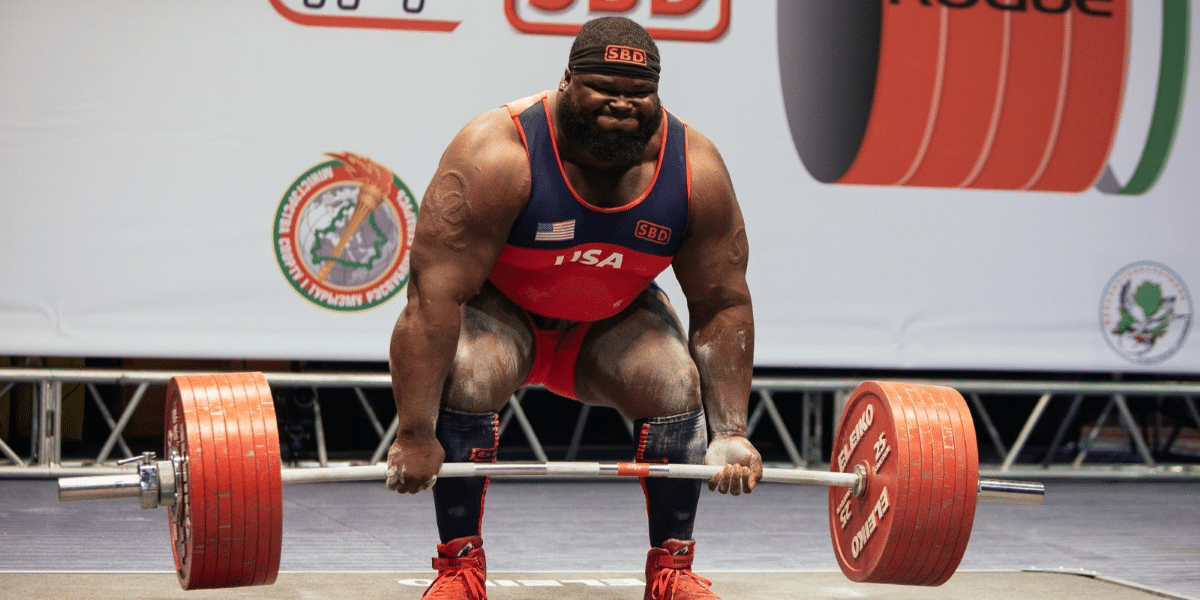
Strength Training Reinvented: Discover Ray Williams Online Coaching

By: Backspace Marketing

Ray Williams: A Legacy of Powerlifting Excellence

Ray Williams stands as a true powerlifting pioneer, known for his unparalleled accomplishments and dedication to strength. With an impressive record as the first drug-tested athlete to squat 1000 pounds in sleeves and an all-time record of 490 kg, Ray’s legacy is deeply rooted in powerlifting history. His competitive career in the International Powerlifting Federation (IPF), where he’s earned five titles and set over 23 records, is marked by both triumphs and challenges that continue to inspire strength enthusiasts worldwide. Today, Ray channels his expertise into Ray Williams Online Coaching, a platform designed to bring the powerlifting and strength training community accessible, expert-driven guidance.

With years of experience in strength and conditioning, Ray offers a unique blend of high-level competition insight and coaching. His professional journey includes coaching stints at institutions such as the University of Tennessee at Martin and Itawamba Community College. By combining elite training methods with an approachable, client-centered focus, Ray Williams Online Coaching meets the needs of athletes at every stage, whether they are just beginning or seeking advanced strength training expertise.

Strength Training Reinvented Discover Ray Williams Online Coaching

Photo Courtesy: Sam Todd

The Core of Ray Williams Online Coaching: Training That Fits Every Goal

Ray Williams Strength Coaching aims to make effective, structured strength training available to everyone. Ray’s coaching addresses the most common challenges athletes face, from form and consistency to overcoming plateaus and staying motivated. Recognizing the diverse backgrounds and fitness goals of his clients, Ray’s program offers a simple, affordable way to reach new levels of strength.

Each element of the program is designed to support steady, sustainable progress:

  • Weekly Training Programs: The foundation of the program, Ray’s weekly plans provide clients with a clear and structured approach to strength training. Each routine is progressive and manageable, with a step-by-step plan that promotes gradual improvement.
  • Video Tutorials and Demonstrations: Technique is key in strength training, and Ray’s program includes comprehensive video tutorials and movement demonstrations. These resources guide clients on proper form, reducing the risk of injury while building confidence and skill.
  • Weekly Check-Ins: To foster consistency, Ray offers weekly check-ins to provide encouragement, guidance, and feedback tailored to each client’s progress. This ongoing support ensures clients feel motivated and can adjust as needed.

This clear, supportive structure sets Ray Williams Online Coaching apart as a trusted resource in strength training, offering athletes of all levels a pathway to achieve their goals with confidence and knowledge.

Personalized Coaching with Ray Williams Powerlifting Coaching

One of the hallmarks of Ray Williams Powerlifting Coaching is Ray’s personalized approach. He believes that identifying each client’s personal “why” is crucial to long-term success in strength training. Motivation can fluctuate, and understanding each individual’s driving purpose helps Ray tailor his guidance to sustain discipline and focus during challenging periods.

With Ray’s vast experience, he has overcome his own set of challenges, such as injuries and career transitions, that have given him a deep understanding of the obstacles his clients face. His coaching goes beyond providing instructions; he emphasizes attention to minor technical adjustments that can make a significant difference in lifting performance. This focus on precision helps clients progress while avoiding potential pitfalls that often hinder athletes’ advancement in strength training.

This thoughtful and technique-driven approach has made Ray Williams Strength Coaching a preferred choice for those serious about building foundational strength safely. Ray’s insights and commitment to each client’s journey underscore the program’s value as a comprehensive coaching resource.

Strength Training Reinvented Discover Ray Williams Online Coaching (2)

Photo Courtesy: Sam Todd

Building a Community of Strength and Support

A core aspect of Ray Williams Online Coaching is the community Ray has cultivated around his program. The platform is more than just a training service; it’s a supportive space where athletes from all walks of life can grow, connect, and find inspiration. Ray’s coaching is as much about mental and emotional development as it is about physical gains, fostering self-confidence, resilience, and discipline in each client.

Mindset training is central to Ray’s coaching philosophy, particularly for those involved in strength sports like powerlifting. Through this mental conditioning, clients learn to approach challenges with confidence and determination, equipped with the knowledge that they can handle setbacks and persevere. The Ray Williams Powerlifting Coaching community offers a place where athletes can celebrate their wins, discuss their challenges, and support one another, creating a motivating and growth-oriented environment.

Future Goals for Ray Williams Online Coaching

With the rapid rise in popularity of strength training and powerlifting, Ray Williams Online Coaching is well-positioned to become a top resource for athletes seeking expert guidance. Ray envisions expanding his platform to reach a broader audience, providing accessible strength training that challenges traditional fitness norms. His program emphasizes foundational strength principles over cardio-based routines, appealing to clients who prefer strength-based fitness for building confidence, fitness, and resilience.

Through Ray Williams Powerlifting Coaching, Ray’s dedication to his clients’ success continues to make him a trusted figure in the fitness industry. With a growing online platform, Ray Williams hopes to empower even more athletes to realize their potential, helping them to become stronger, healthier, and more confident individuals through structured, expert coaching.

Contact Ray Williams Online Coaching

Are you ready to reach new levels of strength? Connect with Ray Williams to learn more about how Ray Williams Online Coaching can help you achieve your goals.

  • Coach Ray Williams
  • Instagram: https://www.instagram.com/optimusprime_334
  • YouTube: https://www.youtube.com/@DueceFatt22

With Ray Williams Strength Coaching, athletes at any level can find an affordable, structured path to improving their strength and confidence. Join Ray and start your journey toward becoming your strongest self under the guidance of an elite powerlifting coach.

Published by: Holy Minoza

Understanding Different Types of Personal Injury Cases: What You Need to Know

By: TedFuel

Personal injury law encompasses a wide array of cases where individuals sustain harm due to the negligence or wrongful actions of others. Grasping the various types of personal injury cases is crucial for victims, as it equips them with the knowledge to explore their legal options and chart the effective course for seeking compensation. This article provides an in-depth examination of different types of personal injury cases, emphasizing their key characteristics, considerations, and potential avenues for recovery.

1. Car Accidents

Overview
Car accidents rank among the frequent types of personal injury cases. They can arise from myriad factors, including distracted driving, speeding, driving under the influence of alcohol or drugs, and poor road conditions. When accidents occur, victims often face a spectrum of injuries ranging from minor whiplash to severe traumatic brain injuries, fractures, and even fatalities. The aftermath of a car accident can be overwhelming, both physically and emotionally, making it vital for victims to understand their rights and options.

Key Considerations

  • Negligence: Establishing negligence is fundamental in car accident cases. To succeed, victims must demonstrate that another driver failed to exercise reasonable care, which led directly to the accident. This could involve proving that the driver was distracted, speeding, or otherwise negligent. Gathering evidence such as police reports, witness statements, and accident reconstruction analyses can strengthen a victim’s case.

  • Insurance Claims: After a car accident, victims typically file claims with their own insurance company or the at-fault driver’s insurance. These claims aim to cover medical expenses, lost wages, property damage, and pain and suffering. Understanding the insurance process is critical; if negotiations fail, victims may need to consider legal action to secure fair compensation.

  • Statute of Limitations: Each state imposes a time limit for filing personal injury claims, known as the statute of limitations. This period varies by state but often ranges from one to three years. Failing to file within this timeframe can bar victims from recovering damages, underscoring the need for prompt action.

2. Slip and Fall Accidents

Overview
Slip and fall cases occur when individuals sustain injuries on someone else’s property due to hazardous conditions. Common hazards include wet floors, uneven surfaces, poorly lit areas, and obstructions in walkways. Property owners are legally obligated to maintain safe premises for visitors, whether they are customers, guests, or even trespassers in certain circumstances.

Key Considerations

  • Premises Liability: To prevail in a slip and fall case, victims must demonstrate premises liability. This means proving that the property owner either knew or should have known about the hazardous condition and failed to address it adequately. Establishing a history of previous incidents can also strengthen a victim’s argument.

  • Documentation: Gathering evidence is critical in slip and fall cases. Victims should take photographs of the accident scene, document hazardous conditions, and obtain witness statements. This documentation serves as crucial evidence when building a case.

  • Types of Injuries: Slip and fall accidents can result in various injuries, including fractures, sprains, concussions, and soft tissue injuries. The severity of injuries often depends on factors such as the victim’s age, health status, and the nature of the fall.

3. Medical Malpractice

Overview
Medical malpractice occurs when a healthcare professional fails to provide the standard of care expected in their field, resulting in harm to a patient. This can encompass a wide range of actions, including misdiagnosis, surgical errors, medication mistakes, and improper treatment. Given the complexities of medical malpractice cases, victims often face significant challenges in pursuing their claims.

Key Considerations

  • Standard of Care: To succeed in a medical malpractice claim, victims must establish that the healthcare provider deviated from accepted medical practices. This involves demonstrating that a competent professional in the same field would have acted differently under similar circumstances.

  • Expert Testimony: Most medical malpractice cases require testimony from medical experts who can validate the claim. These experts are crucial in establishing the standard of care and demonstrating how the provider’s actions fell short.

  • Complexity: Medical malpractice cases can be complicated and lengthy, often requiring extensive investigations and expert evaluations. The intricate nature of medical evidence and legal standards necessitates skilled legal representation to navigate the process effectively.

4. Product Liability

Overview
Product liability cases arise when individuals are injured by defective or unsafe products. Manufacturers, distributors, and retailers can be held liable for injuries resulting from faulty products, whether due to design flaws, manufacturing defects, or inadequate warnings and instructions. Such cases can involve a wide range of products, from household items to industrial machinery.

Key Considerations

  • Types of Defects: Product liability claims can stem from various types of defects, including design defects, manufacturing defects, and marketing defects. Each defect type requires a different legal approach and evidence.

  • Burden of Proof: In product liability cases, the burden of proof lies with the victim. They must demonstrate that the product was defective and that this defect directly caused their injuries. This can involve presenting expert testimony, product testing results, and evidence of prior incidents.

  • Class Action Lawsuits: In certain situations, multiple victims may file a class action lawsuit against a manufacturer. This legal mechanism allows individuals harmed by the same product defect to band together, increasing the efficiency of the legal process and providing a stronger collective voice.

5. Workplace Accidents

Overview
Workplace accidents refer to injuries sustained by employees while performing job-related duties. These incidents can involve falls, equipment malfunctions, exposure to hazardous materials, and repetitive strain injuries. As workplaces vary widely in nature and risk levels, the legal landscape for workplace injuries can be complex.

Key Considerations

  • Workers’ Compensation: Most employees are entitled to workers’ compensation benefits, which cover medical expenses and lost wages without requiring proof of fault. This system is designed to provide a safety net for workers injured on the job, allowing them to focus on recovery without the burden of legal battles.

  • Third-Party Claims: In certain scenarios, injured workers may also pursue claims against third parties, such as equipment manufacturers or subcontractors, if their negligence contributed to the accident. These claims can supplement workers’ compensation benefits and provide additional avenues for recovery.

  • Safety Regulations: Employers are mandated to adhere to safety regulations and provide a safe work environment for employees. Violations of these regulations can strengthen an injured worker’s claim, as they demonstrate a failure to uphold necessary safety standards.

6. Dog Bites

Overview
Dog bite cases involve injuries inflicted by a dog or another domesticated animal. Dog owners can be held liable for injuries caused by their pets if they failed to control them or if the dog has a history of aggression. These cases can evoke complex legal issues, particularly concerning the specific circumstances surrounding the incident.

Key Considerations

  • Strict Liability: Many states enforce strict liability laws regarding dog bites. This means that the owner is responsible for injuries caused by their dog, regardless of whether they were negligent. Understanding the specific laws in your state is crucial for victims pursuing claims.

  • Medical Documentation: Victims should seek medical attention promptly and thoroughly document their injuries. Medical records, treatment plans, and photographs of injuries are essential for substantiating claims and pursuing compensation.

  • State Laws: Liability laws regarding dog bites can vary significantly by state. Some states may allow for defenses based on provocation or trespassing, making it essential to understand the specific regulations that apply to each case.

7. Wrongful Death

Overview
Wrongful death claims arise when a person’s death is caused by the negligence or wrongful conduct of another party. Surviving family members can seek compensation for their loss and related expenses, such as funeral costs and lost income. These cases not only highlight the tragic consequences of negligence but also present complex legal challenges for grieving families.

Key Considerations

  • Eligible Claimants: Typically, spouses, children, or parents can file a wrongful death claim, although eligibility varies by state. Understanding who can legally pursue a claim is crucial for families seeking justice and compensation.

  • Types of Damages: Compensation in wrongful death cases may encompass funeral expenses, loss of companionship, lost wages, and emotional suffering. Families may also seek punitive damages in cases of gross negligence or willful misconduct, aiming to hold the responsible party accountable.

  • Legal Representation: Due to the complexities surrounding wrongful death cases, it is advisable for families to seek legal representation. An experienced attorney can guide them through the legal process, help gather necessary evidence, and advocate for their rights.

Conclusion

Whitley Law Firm emphasizes that understanding the diverse landscape of personal injury cases is paramount for victims seeking justice and compensation for their injuries. Each case type presents unique elements, legal considerations, and potential challenges that must be navigated carefully. Victims are urged to consult with qualified personal injury attorneys to gain valuable insights into their specific situations.

Legal representation can significantly influence the outcomes of personal injury cases. An attorney can provide guidance on collecting evidence, navigating insurance claims, and pursuing litigation if necessary. With their expertise, victims can confidently navigate the complexities of the legal system and pursue the compensation they rightfully deserve.

In summary, whether dealing with a car accident, a slip and fall, medical malpractice, product liability, a workplace incident, dog bites, or wrongful death, understanding the specifics of each case type is crucial. Knowledge empowers victims to make informed decisions, protect their rights, and take decisive action in the pursuit of justice. If you or someone you know has suffered due to someone else’s negligence, seeking legal counsel from Whitley Law Firm can be an invaluable first step toward recovery and compensation.

By engaging the right legal professionals, victims can transform their experiences into opportunities for healing and justice, ensuring that their voices are heard in the quest for accountability. In the world of personal injury law, knowledge is power, and legal representation is a vital ally in navigating the intricate pathways of recovery.

About the Author: Mark Scott

Understanding Different Types of Personal Injury Cases What You Need to Know (2)

Photo Courtesy: Mark Scott

With a law degree under his belt, Mark Scott understood very early that law communication was a relatively neglected area. He decided to help people by “translating” the language and offering information and advice in a clear, helpful, and actionable manner. For this reason, instead of finding him in court, you will most likely find his name online, where he is very active and thriving as a legal columnist. His part of making the world a better place is to make the law a less convoluted maze. He aims to make it easier for people to understand when and how to seek legal counsel, how to proceed in a significant number of legal matters, and how to find the proper resources so they can stand up for their rights.

Disclaimer: “The content in this article is provided for general knowledge. It does not constitute legal advice, and readers should seek advice from qualified legal professionals regarding particular cases or situations.”

Published by: Josh Tatunay

The Role of a Personal Injury Law Firm: What Clients Can Expect During the Process

By: Tedfuel

Experiencing a personal injury due to an accident can fundamentally alter the course of your life. The aftermath often involves intense physical pain, emotional distress, and unforeseen financial burdens. Managing the complexities of a personal injury claim while trying to recover from your injuries can be an overwhelming task. This is where the expertise of a personal injury law firm becomes invaluable. They provide essential guidance, representation, and support, ensuring you pursue the compensation you deserve. Understanding the role of these firms and what to expect throughout the legal process is crucial for making informed decisions and enhancing your chances of a favorable outcome.

Why Hire a Personal Injury Law Firm?

Expertise in Personal Injury Law

Personal injury law firms specialize in cases where an individual has been harmed due to someone else’s negligence or wrongful actions. Their legal proficiency spans a broad array of situations, including car accidents, slip and falls, medical malpractice, workplace injuries, and product liability claims.

  • Understanding Complex Laws: Personal injury lawyers are well-versed in the intricate laws surrounding negligence, liability, and damages. This deep knowledge allows them to construct compelling arguments and build a strong case on your behalf. Their familiarity with legal precedents and statutory requirements ensures that they can navigate the legal landscape effectively, providing you with an advantage in your claim.
  • Experience with Insurance Companies: Insurance firms frequently employ tactics to minimize payouts, often undermining the legitimate claims of injured individuals. An experienced law firm can level the playing field by employing evidence-based arguments and countering the strategies of insurers. They understand the nuances of negotiation and can position your claim to withstand the challenges posed by insurance companies.

Maximizing Compensation

A primary objective of personal injury law firms is to ensure clients receive fair compensation for their injuries and losses. This encompasses damages for medical expenses, lost wages, pain and suffering, and future medical needs.

  • Calculating Damages: Attorneys are skilled at assessing the full extent of your losses, including both economic damages and non-economic damages. This comprehensive evaluation helps ensure that you pursue an appropriate amount that truly reflects your circumstances.
  • Negotiating Settlements: Law firms possess the negotiation skills necessary to advocate effectively for you. They work diligently to engage with insurers and other parties, potentially securing a fair settlement without the need for a lengthy trial. Their experience in negotiating settlements can significantly impact the outcome of your case, allowing you to focus on recovery rather than the stress of legal disputes.

What to Expect When Working with a Personal Injury Law Firm

Initial Consultation and Case Evaluation

The journey typically begins with an initial consultation, often provided free of charge. During this meeting, the lawyer will review the details of your accident, inquire about your injuries, and assess whether you have a viable claim.

  • Assessing Case Strength: The lawyer will evaluate the strength of your case by examining key factors such as available evidence, witness testimony, and the extent of your injuries. This assessment helps determine the most effective legal strategy moving forward.
  • Explaining the Legal Process: Your attorney will outline the steps involved in pursuing a claim, discussing potential challenges and how they plan to approach your case. This transparency is crucial for setting expectations and alleviating uncertainties.
  • Contingency Fee Agreements: Most personal injury law firms operate on a contingency fee basis, meaning they only receive payment if you win your case. This arrangement allows you to pursue a claim without upfront legal costs, making legal services accessible even if you face financial hardships. It aligns the firm’s interests with yours, as they are motivated to secure the best possible outcome for your case.

Investigation and Evidence Gathering

Once you decide to hire a personal injury law firm, they will begin the process of investigating your claim. This thorough investigation and evidence gathering are critical for constructing a solid case.

  • Collecting Medical Records: Your lawyer will obtain copies of your medical records, treatment plans, and any other documentation that demonstrates the extent of your injuries. This information is vital in establishing the link between the accident and your medical condition, as well as the associated costs.
  • Gathering Accident Reports: In cases involving car accidents or workplace injuries, the firm will secure copies of police reports, accident documentation, and safety violation reports. These records provide essential context and evidence to support your claim.
  • Interviewing Witnesses: If there were witnesses to the accident, the lawyer may take their statements to corroborate your account of the events. Witness testimony can play a crucial role in establishing liability and strengthening your case.
  • Consulting Experts: Personal injury law firms often collaborate with experts such as accident reconstructionists, medical professionals, or life care planners. These experts provide specialized insights or testimony that can significantly bolster your claim. Their expertise may be critical in demonstrating the severity of your injuries or the long-term impact on your life.

Filing a Claim and Negotiating with Insurance Companies

With the necessary evidence gathered, your lawyer will proceed to file a claim with the responsible party’s insurance company. This stage involves presenting evidence, engaging in negotiations, and advocating for a fair settlement.

  • Preparing the Demand Letter: Your lawyer will draft a demand letter outlining your injuries, losses, and the compensation you seek. This document serves as a formal request for compensation and sets the tone for negotiations with the insurance company. A well-crafted demand letter can significantly influence the negotiation process, prompting the insurer to take your claim seriously.
  • Handling Communications: The law firm will manage all communications with the insurance company, ensuring that your rights are protected. They will handle negotiations and prevent you from making statements that could undermine your case. This aspect of their service is particularly valuable, as it allows you to focus on recovery while they manage the legal complexities.
  • Negotiating Settlements: Personal injury attorneys are skilled negotiators. They push back against lowball offers from insurers and advocate for a settlement that accurately reflects your needs. Your lawyer will advise you on whether a proposed settlement is fair or if continuing negotiations or pursuing litigation is in your best interest. Their insights help you make informed decisions during the negotiation process.

Preparing for Litigation

If negotiations fail to yield a fair settlement, your lawyer may recommend taking the case to court. While many personal injury cases are resolved through settlements, being prepared for litigation can significantly strengthen your position.

  • Filing a Lawsuit: The litigation process begins with filing a formal complaint in court, outlining the basis for the lawsuit and the damages you are seeking. This document initiates the legal proceedings and formally sets forth your claims against the defendant.
  • Discovery Process: During discovery, both sides exchange information and evidence relevant to the case. Your lawyer will gather documents, conduct depositions, and request information from the opposing party to build a robust case. This phase is critical for uncovering evidence that supports your claims and challenges the defense’s arguments.
  • Pre-Trial Motions and Mediation: Before trial, your lawyer may file motions to dismiss certain claims or seek summary judgment. Many cases also undergo mediation, where both parties attempt to reach a settlement with the assistance of a neutral mediator. Mediation can provide a more expedient and cost-effective resolution compared to a full trial.

Trial Representation

If your case advances to trial, your lawyer will represent you in court, presenting evidence, cross-examining witnesses, and making compelling arguments before a judge or jury.

  • Courtroom Strategy: A skilled personal injury attorney develops a persuasive strategy to present your case in the most favorable light. They draw upon the evidence collected and expert testimonies to create a narrative that resonates with the judge or jury.
  • Jury Selection: If your case involves a jury, the lawyer will actively participate in the jury selection process, ensuring that the panel is fair and impartial. This careful selection can influence the trial’s outcome, as jurors play a crucial role in determining liability and damages.
  • Presenting Damages: Your attorney will explain how your injuries have impacted your life, advocating for a verdict that compensates you for medical expenses, lost income, pain and suffering, and any long-term effects of your injuries. This presentation is vital for illustrating the full extent of your damages and the justification for your claim.

Resolution and Post-Trial Process

Once a verdict is reached or a settlement is accepted, your lawyer will guide you through the final steps of the process, including the distribution of funds and any necessary follow-up actions.

  • Receiving Compensation: If you win your case or reach a settlement, the law firm will assist you in navigating the process of receiving your compensation. They will ensure that any outstanding medical bills or liens are settled before releasing the remainder to you, allowing you to focus on your recovery.
  • Appeals: If the trial’s outcome is unfavorable, your lawyer may advise you on the feasibility of an appeal. This process involves arguing that legal errors during the trial affected the outcome, providing a potential avenue for seeking justice.
  • Ongoing Legal Support: In some instances, clients may require assistance with related legal matters, such as disability claims or ongoing disputes with insurers. Your lawyer can offer continued support, ensuring your rights are upheld even after the primary case concludes.

Benefits of Hiring a Personal Injury Law Firm

Reducing Stress During Recovery

One of the significant advantages of hiring a personal injury law firm is the relief it provides during a stressful period. While you focus on your recovery, your attorney manages the legal intricacies of your case, alleviating the burden of paperwork, evidence collection, and complex legal procedures. This allows you to dedicate your energy to healing rather than navigating a challenging legal landscape.

Increasing the Likelihood of Fair Compensation

Research indicates that individuals who hire personal injury lawyers often receive higher compensation than those who attempt to represent themselves. A law firm’s experience with negotiation strategies, evidence presentation, and courtroom protocols can dramatically enhance your chances of achieving a favorable outcome. Their deep understanding of the legal system allows them to identify opportunities and pitfalls that may not be apparent to someone without legal training.

Access to Resources and Expert Witnesses

Personal injury law firms often have established networks of professionals, including accident reconstruction experts, medical specialists, and economists. These resources are invaluable for establishing liability and accurately calculating damages. The expertise of these professionals can significantly bolster your case, providing evidence that supports your claims and enhances your position during negotiations or trial.

Conclusion: What Clients Can Expect from a Personal Injury Law Firm

A personal injury law firm plays a crucial role in helping accident victims navigate the legal process and secure the compensation they deserve. From the initial consultation and evidence gathering to settlement negotiations and possible litigation, a skilled attorney provides the support and expertise needed to build a strong case. By understanding what to expect during this process, clients can make informed decisions, focus on their recovery, and trust their legal advocate to manage the complexities of their claim. If you’re facing the challenges of a personal injury case, partnering with a reputable firm like Morelli Law is a critical step toward achieving the financial relief and justice you deserve. With their guidance, you can confidently navigate your claim and work toward a better future.

About the Author: Leland D. Bengtson

The Role of a Personal Injury Law Firm What Clients Can Expect During the Process (2)

Photo Courtesy: Leland D. Bengtson

As a journalist, Leland Bengtson dedicated most of his career to law reporting. His greatest satisfaction is to convey legal matters to the public in a language that they can understand. He is active on various platforms and media outlets, writing about common legal issues that people confront every day. While medical malpractice is his strong suit, Leland covers plenty of other topics, including personal injury cases, family law, and other civil and even criminal legal matters.

Disclaimer: “The content in this article is provided for general knowledge. It does not constitute legal advice, and readers should seek advice from qualified legal professionals regarding particular cases or situations.”

Published by: Josh Tatunay

The Importance of Documentation in Personal Injury Claims: Tips for Gathering Evidence

By: Tedfuel

When you find yourself embroiled in an accident that leads to personal injury, the significance of collecting the right evidence cannot be overstated. Documentation serves as the cornerstone of your claim, illustrating the depth of your injuries, the accident’s circumstances, and the financial repercussions on your life. Grasping the importance of documentation and mastering effective evidence-gathering techniques can dramatically bolster your chances of receiving fair compensation. This guide explores why documentation is essential and provides actionable tips for collecting the evidence you need.

Why Is Documentation Crucial in Personal Injury Claims?

Establishes the Facts of the Accident
Documentation is key to clarifying the accident’s facts, simplifying the demonstration of how it occurred and identifying who bears responsibility. Accurate records can vividly reconstruct the events leading up to and following the incident, essential when negotiating with insurance companies or presenting your case in court. Without proper documentation, the narrative may become muddled, making it easier for the opposing party to challenge your account.

Creates a Timeline
Documenting events generates a clear timeline, showing when the accident occurred, when injuries were diagnosed, and when treatment began. This chronology is pivotal in establishing a cause-and-effect relationship between the accident and your injuries. It also assists medical professionals in understanding the progression of your condition, which can influence treatment decisions.

Corroborates Your Story
Thorough records can validate your account, especially when the opposing party disputes the facts or attempts to deflect blame. Having concrete evidence to support your version of events strengthens your position, enabling you to counteract any attempts by the other party to distort the truth.

Demonstrates the Extent of Your Injuries

In personal injury cases, the compensation you receive often hinges on the severity of your injuries and their impact on your life. Comprehensive medical records, photographs, and other documents are vital in illustrating the nature and extent of your injuries.

  • Medical Reports: These provide professional evaluations of your injuries, diagnoses, and suggested treatments. They are often seen as the gold standard for substantiating claims, offering insight into the medical community’s perspective on your condition.
  • Pain Journals: Maintaining a daily log of your pain levels and limitations offers valuable perspective on the ongoing challenges you face due to your injuries. These journals can reveal patterns in your pain, highlighting how it affects daily activities and overall quality of life.
  • Photographic Evidence: Visual documentation of your injuries such as bruises, cuts, or surgical scars can make your pain more tangible. Pictures taken immediately after the incident and throughout the healing process can visually depict the progression of your injuries, emphasizing their seriousness.

Quantifies Your Financial Losses

Accidents often lead to substantial financial losses, encompassing medical bills, lost wages, and other economic hardships. To secure just compensation, thorough documentation of all expenses and losses related to the accident is necessary.

  • Medical Bills: Gather copies of hospital invoices, prescription receipts, and therapy session bills to illustrate your treatment costs. Be meticulous in documenting every expense, including follow-up appointments and any necessary rehabilitation.
  • Proof of Lost Wages: Pay stubs, employer letters, and tax returns can substantiate the income lost due to your inability to work. If your injuries prevent you from performing your usual job or force you to take lower-paying work, document these changes to illustrate the full extent of your financial loss.
  • Receipts for Additional Expenses: Accidents can incur various unexpected costs, such as transportation to medical appointments or home modifications for recovery. Document these additional expenses, as they may be recoverable as part of your claim.

Strengthens Negotiations with Insurance Companies

Insurance companies typically seek to minimize claim payouts. Comprehensive documentation provides the leverage you need to counter any efforts to downplay your injuries or your claim’s value.

  • Serves as Evidence: Well-organized evidence can bolster your position in settlement discussions, showing you’re prepared to back your claims with concrete facts. A thorough presentation of your case can deter insurance adjusters from attempting to undervalue your injuries.
  • Limits Disputes: The more robust your evidence, the more challenging it is for the opposing party or insurance company to dispute the validity of your claim. A well-documented claim creates a strong foundation that compels the insurer to take your case seriously.

Key Types of Documentation for Personal Injury Claims

Collecting the right types of documentation is essential for constructing a solid personal injury case. Focus on gathering the following crucial categories of evidence:

  1. Medical Records and Reports
    Your medical records are critical, providing objective documentation of your injuries and treatments. These records can be the backbone of your claim, serving as irrefutable proof of the injuries sustained and the care received.

    • Emergency Room Reports: Obtain records from immediate treatment after the accident, which verify the initial diagnosis. These documents establish a direct link between the incident and your injuries.
    • Ongoing Treatment Records: Collect documentation from follow-up appointments and therapy sessions to showcase the long-term impact of the injury. This information can highlight the necessity of continued care and its associated costs.
    • Medical Test Results: X-rays, MRIs, and other diagnostic tests serve as tangible evidence of your injuries. These results can illustrate the severity and permanence of your condition.
  2. Accident Reports
    Accident reports provide an official record detailing the incident and those involved, particularly important in vehicular accidents.

    • Police Reports: An unbiased account from law enforcement includes weather conditions, witness statements, and an assessment of fault. This report can play a significant role in establishing liability.
    • Workplace Accident Reports: If your injury occurred at work, file a report with your employer and secure a copy for your records. These reports can be instrumental in worker’s compensation claims.
  3. Photographic and Video Evidence
    Visual evidence can be compelling, allowing insurers and courts to assess the conditions and injuries firsthand.

    • Scene Photos: Capture images of the accident site, including vehicle damage, hazardous conditions, and relevant traffic signals. These visuals can contextualize the incident, making it easier for others to understand what occurred.
    • Injury Photos: Photograph visible injuries like cuts and bruises immediately after the accident and throughout your recovery. Consistent visual documentation underscores the injuries’ severity.
  4. Witness Statements
    Witnesses can offer an independent view of the accident, helping to substantiate your narrative.

    • Collect Contact Information: Gather names, phone numbers, and addresses of witnesses present at the scene. This information can be crucial if witness testimony is needed later.
    • Written Statements: Request written accounts from witnesses detailing what they observed and any relevant behaviors from those involved. These statements can reinforce your account of the accident.
  5. Financial Records
    Financial documentation is crucial for illustrating the economic impact of your injury. Collect all records related to expenses and income loss due to the accident.

    • Medical Bills and Receipts: Assemble invoices for every expense, including hospital visits, medications, and transportation. This comprehensive record illustrates the financial burden your injury has created.
    • Proof of Income Loss: Document missed workdays and the associated loss of wages, as well as any future earning capacity impacts. This evidence highlights how your injuries have affected your financial stability.
    • Receipts for Property Damage: If the accident caused property damage, retain copies of repair estimates and receipts. This information can also be factored into your claim.
  6. Correspondence with Insurance Companies
    Keep records of all communications with insurance providers, including letters, emails, and call notes.

    • Claim Forms: Save copies of submitted claim forms and confirmation of their receipt. This documentation can prove critical if disputes arise regarding your claim’s status.
    • Settlement Offers: Document any settlement proposals received for use in negotiations or court if necessary. Having a record of these offers can inform your decisions about accepting or countering them.

Tips for Gathering and Organizing Evidence

Effectively collecting and organizing documentation demands diligence. Here are practical tips to help ensure you gather everything required:

  • Keep a Dedicated Folder
    Create a physical or digital folder solely for your personal injury claim. Organize it into sections for medical records, accident reports, photos, financial documents, and correspondence. This simplifies document retrieval when needed, ensuring you can access vital information quickly.
  • Maintain a Daily Journal
    Keeping a daily journal of your recovery process offers valuable insight into your physical and emotional pain. Record details such as pain levels, mobility limitations, and how the injury affects your daily life. This personal account can serve as powerful evidence of your struggles.
  • Back Up Digital Records
    Ensure any digital evidence, such as photos or scanned documents, is backed up securely to a cloud service or external hard drive. This protects against potential data loss, ensuring your critical evidence remains intact.
  • Request Documentation Early
    Some records, like medical or police reports, take time to obtain. Request copies promptly to avoid delays in building your case. Additionally, attorneys can assist in securing records if you face challenges, ensuring you don’t miss crucial documentation.
  • Stay Organized and Detailed
    Regularly review and organize your documentation to ensure nothing is overlooked. Keeping everything up-to-date can help you avoid last-minute scrambles for important evidence when deadlines loom.
  • Consult Professionals When Needed
    Don’t hesitate to consult with professionals, such as attorneys or legal aides, who can provide insight into what documentation is necessary and how best to organize it. Their expertise can save you time and help you avoid common pitfalls.

Conclusion: Building a Strong Personal Injury Claim with Documentation

Thorough and accurate documentation is the backbone of any successful personal injury claim, and Morelli Law can help you navigate this critical process. It establishes the facts and severity of your injuries while supporting your compensation claim with clear evidence of your financial losses. By investing time in gathering and organizing evidence, you position yourself favorably for negotiations with insurance companies or court presentations.

Understanding that the journey to recovery goes beyond physical healing is essential. The aftermath of an accident can impact every aspect of your life, affecting your mental, emotional, and financial well-being. Therefore, building a strong personal injury claim is not just about obtaining compensation; it’s about regaining control over your life after a traumatic event.

If you need guidance in collecting evidence, consulting with an experienced personal injury attorney from MDSW Injury Attorneys can be invaluable. They can help assist you in navigating the complexities of the legal system, ensuring you have the best possible chance of achieving a favorable outcome. With the right support and thorough documentation, you can effectively advocate for your rights and secure the compensation you deserve.

About the Author: Leland D. Bengtson

The Importance of Documentation in Personal Injury Claims Tips for Gathering Evidence

Photo Courtesy: Leland D. Bengtson

As a journalist, Leland Bengtson dedicated most of his career to law reporting. His greatest satisfaction is to convey legal matters to the public in a language that they can understand. He is active on various platforms and media outlets, writing about common legal issues that people confront every day. While medical malpractice is his strong suit, Leland covers plenty of other topics, including personal injury cases, family law, and other civil and even criminal legal matters.

Disclaimer: “The content in this article is provided for general knowledge. It does not constitute legal advice, and readers should seek advice from qualified legal professionals regarding particular cases or situations.”

Published by: Holy Minoza

Injured in an Accident? How a Personal Injury Lawyer Can Help You Understand Your Rights

By:  Tedfuel

Suffering an injury in an accident can radically alter your life. Victims often find themselves grappling with physical pain, emotional distress, and mounting financial pressures. In this turbulent time, understanding your legal rights and options is vital. A personal injury lawyer can be a crucial ally, guiding you through the complexities of the legal landscape and helping ensure you secure the compensation you deserve. This article explores how a personal injury lawyer can help you comprehend your rights post-accident and navigate the claims process.

Understanding Personal Injury Law

Personal injury law covers a broad spectrum of cases where individuals suffer harm due to another party’s negligence or wrongdoing. Common personal injury scenarios include:

  • Car accidents
  • Slip and fall incidents
  • Medical malpractice
  • Workplace accidents
  • Product liability

The primary aim of personal injury law is to provide victims with a pathway to compensation for injuries, medical expenses, lost wages, pain and suffering, and other related damages.

Key Concepts in Personal Injury Cases

Negligence: At the heart of most personal injury claims lies the concept of negligence, defined as the failure to exercise reasonable care that results in harm. To establish negligence, you typically must demonstrate:

  1. The defendant owed you a duty of care.
  2. They breached that duty through negligent actions.
  3. Their negligence directly caused your injuries.
  4. You suffered damages as a result.

Liability: Establishing liability is crucial in personal injury cases. It involves pinpointing who is legally responsible for the accident and the resulting injuries. Liability can extend to multiple parties—drivers, property owners, or manufacturers of defective products.

Damages: Compensation in personal injury cases encompasses both economic and non-economic damages, such as:

  • Medical expenses: Costs associated with treatment, rehabilitation, and future medical care.
  • Lost wages: Income lost due to the inability to work during recovery.
  • Pain and suffering: Compensation for both physical and emotional distress.
  • Loss of enjoyment of life: Damages for the inability to partake in previously enjoyed activities.

How a Personal Injury Lawyer Can Help You Understand Your Rights

A personal injury lawyer serves as your advocate in the wake of an accident. Here’s how they assist you in comprehending your rights and navigating the legal maze:

  1. Providing Legal Guidance
    Personal injury law is intricate and varies by jurisdiction. A lawyer will clarify the specific laws and regulations relevant to your case, ensuring you understand your rights and the legal avenues available.
  2. Evaluating Your Case
    An experienced personal injury attorney will assess the merits of your case by reviewing the accident’s circumstances, the severity of your injuries, and the evidence at hand. They’ll help determine if you have a valid claim and the compensation you might pursue.
  3. Explaining the Claims Process
    The claims process can be overwhelming, especially if you lack familiarity with legal procedures. Your lawyer will guide you through each phase, including:

    • Filing a claim: They will help prepare and submit the necessary legal documents while ensuring you meet all deadlines.
    • Gathering evidence: Your attorney will assist in collecting vital evidence to support your claim, including medical records, accident reports, and witness statements.
    • Negotiating with insurance companies: A lawyer will handle communications with insurance adjusters, advocating for your rights and protecting you from pressure to accept low settlements.
  4. Assessing the Full Extent of Your Damages
    Accident victims often overlook the full scope of their damages, particularly regarding future medical expenses or long-term impacts on their lives. A personal injury lawyer ensures your claim accounts for all damages, reflecting the true cost of your injuries.
  5. Establishing Liability
    Identifying who is liable for your injuries is essential for pursuing compensation. A personal injury lawyer will investigate the accident’s circumstances, gather evidence, and establish liability, whether involving a single party or multiple defendants.
  6. Representing You in Court
    If negotiations with insurance companies yield no fair settlement, your lawyer can represent you in court. They will prepare your case, present evidence, and advocate for your rights before a judge and jury, striving to secure the compensation you deserve.

Common Myths About Personal Injury Claims

When dealing with personal injury claims, various misconceptions can cloud judgment. Understanding the truth behind these myths can empower your decisions:

Myth 1: “I can handle my claim without a lawyer.”
While it’s feasible to file a claim solo, navigating the complexities of personal injury law without legal expertise can lead to costly mistakes and missed opportunities. A lawyer can help you avoid pitfalls and maximize your recovery.

Myth 2: “I must go to court to receive compensation.”
Most personal injury claims settle outside of court. However, having a lawyer increases your chances of achieving a fair settlement through negotiation. If a settlement isn’t reached, your lawyer is prepared to take your case to court.

Myth 3: “I can only claim medical expenses.”
In addition to medical costs, you can pursue various damages, including lost wages, pain and suffering, and loss of enjoyment of life. A lawyer will help you understand and quantify all available damages in your case.

When to Hire a Personal Injury Lawyer

While not every accident necessitates legal representation, certain scenarios strongly warrant hiring a personal injury lawyer:

  1. Severe Injuries
    If you’ve sustained significant injuries requiring extensive medical treatment, securing a lawyer can ensure you receive adequate compensation for your medical expenses and ongoing care.
  2. Disputed Liability
    When fault for the accident is contested, a personal injury lawyer can help establish liability and safeguard your rights.
  3. Insurance Company Issues
    If the insurance company is unresponsive, offers an inadequate settlement, or denies your claim, a lawyer can advocate for you and negotiate a fair resolution.
  4. Long-Term Consequences
    If your injuries may lead to long-term complications or affect your ability to work, a lawyer can help you seek compensation that accurately reflects your future needs.

Conclusion

Kaine Law is here to help if you’ve been injured in an accident and are unsure of your next steps. Understanding your rights is crucial for both your recovery and well-being, and a personal injury lawyer can provide the support you need. Kaine Law’s attorneys will guide you through the legal system, working to ensure you receive the compensation you deserve. Don’t hesitate to reach out for legal assistance. They will help advocate for your rights and strive for the best possible outcome, helping you secure the justice you deserve.

About the Author: Mark Scott 

How a Personal Injury Lawyer Can Help You Understand Your Rights (2)

Photo Courtesy: Mark Scott

With a law degree under his belt, Mark Scott understood very early that law communication was a relatively neglected area. He decided to help people by “translating” the language and offering information and advice in a clear, helpful, and actionable manner. For this reason, instead of finding him in court, you will most likely find his name online, where he is very active and thriving as a legal columnist. His part of making the world a better place is to make the law a less convoluted maze. He aims to make it easier for people to understand when and how to seek legal counsel, how to proceed in a significant number of legal matters, and how to find the proper resources so they can stand up for their rights.

Disclaimer: “The content in this article is provided for general knowledge. It does not constitute legal advice, and readers should seek advice from qualified legal professionals regarding particular cases or situations.”

Published by: Holy Minoza

Revving Up Justice: Why You Need a Motorcycle Accident Lawyer After a Crash

By: Tedfuel

Motorcycles offer a thrilling sense of freedom, but this exhilarating ride is fraught with danger. Accidents can lead to severe injuries, emotional turmoil, and overwhelming financial strain. After a crash, the chaos can be disorienting, particularly when grappling with insurance claims, medical bills, and potential legal battles. Here’s where a motorcycle accident lawyer becomes a crucial ally. This article dives into the compelling reasons for hiring a motorcycle accident lawyer and the benefits they bring to your pursuit of justice.

Understanding Motorcycle Accidents

Common Causes of Motorcycle Accidents

Motorcycle accidents frequently stem from the negligence of other drivers. Here are some common culprits:

  • Distracted Driving: Drivers engrossed in texting or phone calls often overlook motorcyclists, leading to devastating collisions.
  • Impaired Driving: Alcohol and drugs impair judgment and reaction times, significantly heightening the risk of accidents.
  • Speeding: Excessive speed can cause drivers to lose control, exacerbating the severity of crashes.
  • Road Hazards: Potholes, debris, and inclement weather create perilous conditions for motorcyclists, who are more susceptible to losing control.
  • Lane Splitting: While legal in some areas, this maneuver can be hazardous if other motorists are unaware of a motorcycle’s presence.

Types of Injuries Sustained in Motorcycle Accidents

The inherent risks of motorcycle riding often result in serious injuries due to the lack of protection compared to cars. Common injuries include:

  • Head Injuries: Traumatic brain injuries (TBIs) can occur even with helmets, leading to long-term cognitive impairment.
  • Spinal Injuries: Damage to the spine can result in paralysis or chronic pain.
  • Fractures and Breaks: Bones, particularly in the arms, legs, and pelvis, frequently sustain breaks during motorcycle accidents.
  • Road Rash: This painful skin abrasion occurs when a rider skids across the pavement, often requiring extensive medical treatment.
  • Soft Tissue Injuries: Sprains and strains can lead to long-term mobility issues.

The Role of a Motorcycle Accident Lawyer

Legal Expertise and Knowledge

A motorcycle accident lawyer specializes in motorcycle-related cases. Their expertise allows them to navigate the intricate legal landscape, helping ensure victims receive deserved compensation. Key aspects include:

  • Understanding Motorcycle Laws: Lawyers are familiar with state-specific motorcycle regulations, which can significantly affect case outcomes.
  • Evaluating the Accident: Experienced lawyers can dissect crash details, ascertain liability, and gather critical evidence.

Investigation and Evidence Collection

Following an accident, compiling evidence is crucial for building a robust case. A motorcycle accident lawyer can assist with:

  • Collecting Police Reports: These documents provide essential information about the accident and may help establish fault.
  • Interviewing Witnesses: Eyewitness accounts bolster a victim’s claims and offer additional perspectives on the incident.
  • Reviewing Medical Records: Lawyers analyze medical records to accurately depict injury severity and associated costs.

Negotiating with Insurance Companies

Insurance companies often aim to minimize payouts, creating frustration for accident victims. A motorcycle accident lawyer can:

  • Handle Communications: They communicate with insurance adjusters on behalf of clients, ensuring that interactions are professional and documented.
  • Negotiate Settlements: With their knowledge of accident values, lawyers can secure fair settlements that cover medical expenses, lost wages, and pain and suffering.

Litigation Support

If negotiations fail, a motorcycle accident lawyer is ready to take the case to court. They can:

  • File a Lawsuit: A skilled lawyer will draft and file the necessary legal documents to initiate a lawsuit, adhering to state deadlines and procedures.
  • Present a Strong Case: In court, lawyers present evidence, witness testimonies, and expert opinions to strengthen their client’s position.

Benefits of Hiring a Motorcycle Accident Lawyer

Maximizing Compensation

One primary reason to hire a motorcycle accident lawyer is to maximize the compensation awarded to victims. This can encompass various expenses, including:

  • Medical Expenses: Hospital bills, rehabilitation costs, and ongoing medical treatment can add up quickly.
  • Lost Wages: Injuries may prevent victims from working, leading to lost income.
  • Pain and Suffering: Compensation for emotional distress and diminished quality of life is vital for victims seeking justice.
  • Property Damage: Repairing or replacing a damaged motorcycle can be costly, and victims should be compensated accordingly.

Legal Protection

Motorcycle accident cases can be intricate, and having a lawyer helps ensure crucial legal protection. They help by:

  • Meeting Statutes of Limitations: Every state has a deadline for filing personal injury claims. A lawyer helps ensure these deadlines are met, preventing dismissals.
  • Educating Victims on Their Rights: Lawyers inform victims about their rights and options, empowering them to make informed decisions throughout the process.

Emotional Support

The aftermath of a motorcycle accident can take an emotional toll. A motorcycle accident lawyer provides support by:

  • Reducing Stress: By managing legal matters, lawyers allow victims to focus on healing rather than navigating complex procedures.
  • Offering Guidance: Lawyers provide advice and support, helping victims understand what to expect as the process unfolds.

Choosing the Right Motorcycle Accident Lawyer

Experience and Specialization

When selecting a motorcycle accident lawyer, consider their experience and specialization in motorcycle cases. Look for:

  • Proven Track Record: A lawyer with a history of successful outcomes in motorcycle accident cases demonstrates their ability to handle similar situations effectively.
  • Client Testimonials: Reviews from previous clients can shed light on the lawyer’s approach and success rate.

Communication and Availability

Effective communication is vital in an attorney-client relationship. Look for:

  • Accessibility: Choose a lawyer who is readily available to answer questions and provide updates.
  • Clear Communication: A good lawyer explains legal concepts in simple terms, ensuring clients remain informed throughout the process.

Fees and Payment Structure

Understanding the fee structure is crucial when hiring a motorcycle accident lawyer. Most operate on a contingency fee basis, meaning they get paid only if the client wins. This arrangement ensures:

  • No Upfront Costs: Clients can pursue justice without worrying about upfront legal fees.
  • Shared Risk: The lawyer is motivated to achieve the best possible outcome since their payment hinges on the case’s success.

Conclusion

Motorcycle accidents can have life-altering consequences for victims and their families. Navigating the legal landscape after such an incident can be daunting, but hiring a motorcycle accident lawyer in Tallahassee can significantly impact your pursuit of justice. Their expertise, negotiation skills, and commitment to maximizing compensation provide essential support to accident victims. Whether it’s untangling complex motorcycle laws, negotiating with insurance companies, or advocating in court, a qualified motorcycle accident lawyer is a vital ally on the road to recovery. If you or a loved one has experienced a motorcycle accident, consider reaching out to a dedicated lawyer in Tallahassee to safeguard your rights and secure the justice you deserve.

About the Author: Mark Scott 

Revving Up Justice Why You Need a Motorcycle Accident Lawyer After a Crash

Photo Courtesy: Mark Scott

With a law degree under his belt, Mark Scott understood very early that law communication was a relatively neglected area. He decided to help people by “translating” the language and offering information and advice in a clear, helpful, and actionable manner. For this reason, instead of finding him in court, you will most likely find his name online, where he is very active and thriving as a legal columnist. His part of making the world a better place is to make the law a less convoluted maze. He aims to make it easier for people to understand when and how to seek legal counsel, how to proceed in a significant number of legal matters, and how to find the proper resources so they can stand up for their rights.

Disclaimer: “The content in this article is provided for general knowledge. It does not constitute legal advice, and readers should seek advice from qualified legal professionals regarding particular cases or situations.”

Published by: Holy Minoza

Involved in a Truck Accident? Here’s How a Specialized Lawyer Can Help You Navigate Your Case

By: Tedfuel

Truck accidents are not just ordinary road mishaps; they can be catastrophic, primarily due to the massive size and weight of commercial vehicles involved. These accidents frequently lead to severe injuries, significant property damage, and complex legal challenges. Understanding your rights and the intricacies of the legal landscape post-accident can be overwhelming. This is where a specialized truck accident lawyer becomes crucial. In this article, we will delve into how such lawyers can help you navigate the complexities of your case and secure the compensation you rightfully deserve.

The Unique Landscape of Truck Accidents

Truck accidents are markedly different from standard vehicle collisions. The vehicles involved can range from:

  • 18-Wheelers: The behemoths of the road, designed for long-haul freight transport.
  • Delivery Vans: Smaller, commercial vehicles used for local deliveries.
  • Buses: Passenger transport vehicles that can also find themselves in accidents.

Factors Complicating Truck Accident Cases

Several distinctive factors can add layers of complexity to truck accident cases:

  • Federal Regulations: Truck drivers and their employers must adhere to stringent regulations set forth by the Federal Motor Carrier Safety Administration (FMCSA). Violations can heavily influence liability determinations.
  • Multiple Liable Parties: Responsibility in a truck accident can extend beyond just the driver to include trucking companies, vehicle manufacturers, and maintenance providers.
  • Severity of Injuries: Given their sheer size, truck accidents typically result in more severe injuries than standard car crashes.

Recognizing these factors underscores the necessity of enlisting a specialized lawyer who comprehends the nuances of truck accident cases.

How Specialized Truck Accident Lawyers Helps Make a Difference

A specialized truck accident lawyer brings invaluable expertise, experience, and resources to the table. Here’s how they can assist you:

  1. In-Depth Accident Investigation
    • Accident Reconstruction: Your lawyer collaborates with experts to reconstruct the accident, clarifying what transpired and who bears responsibility.
    • Evidence Collection: They gather vital evidence—police reports, eyewitness accounts, photographs, maintenance records, and driver logs—to build a solid case.
  2. Navigating Complex Regulations
    • FMCSA Knowledge: An experienced lawyer is well-versed in federal trucking regulations, assessing compliance with hours-of-service rules and vehicle maintenance standards.
    • State Law Familiarity: They also navigate relevant state laws, ensuring all legal angles are covered.
  3. Establishing Liability
    • Identifying Responsible Parties: A specialized lawyer identifies all potentially liable parties—drivers, trucking firms, vehicle manufacturers, and more.
    • Assessing Negligence: They scrutinize each party’s actions to determine negligence levels, which is essential for pursuing compensation.
  4. Insurance Company Negotiations
    • Handling Communications: Insurance companies often attempt to minimize payouts. Your lawyer will manage all negotiations, protecting your interests and avoiding missteps that could undermine your claim.
    • Maximizing Compensation: They fight for a settlement that fully addresses medical bills, lost wages, pain and suffering, and other damages.
  5. Legal Action When Necessary
    • Filing Lawsuits: If negotiations stall, your lawyer is prepared to file a lawsuit, ensuring all documents are correctly prepared and submitted within legal time limits.
    • Court Representation: They will represent you in court, articulating your case effectively and advocating for your rights before a judge and jury.

Choosing the Right Truck Accident Lawyer

Selecting the right lawyer can significantly impact your case’s outcome. Here are essential factors to consider:

  1. Experience in Truck Accident Cases: Look for a lawyer with a strong background in handling truck accident claims. Their familiarity with specific challenges can enhance their advocacy.
  2. Proven Track Record: Research their success history in securing favorable settlements or verdicts for truck accident victims. A solid track record indicates capability.
  3. Client Testimonials: Reading client reviews provides insight into a lawyer’s reputation and their approach to client care.
  4. Effective Communication: Choose a lawyer who communicates clearly. During your initial meeting, gauge their willingness to listen, address your concerns, and explain legal processes understandably.
  5. Contingency Fee Structure: Many truck accident lawyers operate on a contingency fee basis, meaning they only get paid if you win. Discuss fee structures upfront to understand any potential additional costs.

Conclusion

Jenner Law’s truck accident representatives understand how life-changing a truck accident can be, and they are here to help you navigate the overwhelming legal challenges. A specialized truck accident lawyer will guide you through investigations, regulatory hurdles, and insurance negotiations, working hard to secure the compensation you deserve. If you’re dealing with the aftermath of a truck accident, don’t hesitate to seek legal support. With experienced legal assistance, you can focus on healing and rebuilding your life after the accident.

About the author: Kerry L. Tucker

Involved in a Truck Accident Here’s How a Specialized Lawyer Can Help You Navigate Your Case

Photo Courtesy: Kerry L. Tucker

Early in his journalism career, Kerry L. Tucker had a revelation: there were not enough experts reporting on law issues. Legal matters are part of daily life. Yet, there seems to be a general aversion towards them. One of the main reasons for this is that the convoluted legal language is difficult for many people to follow. Therefore, he decided to change how the law is perceived by the public. Throughout his career, he met with many people who shared their personal stories with him. Some of these hit him harder. One of the cases that stayed with him and influenced his future career development was a car accident case involving a child. From then on, he decided to zero in on car accident lawsuits.

Disclaimer: “The content in this article is provided for general knowledge. It does not constitute legal advice, and readers should seek advice from qualified legal professionals regarding particular cases or situations.”

Published by: Holy Minoza

Inspiring Your Team: The Role of Influence in Leadership

In today’s dynamic business environment, inspiring a team goes far beyond the mere exercise of authority. According to Dr. Sarah Sun Liew’s The Future-Forward CEO: Embracing Change in the Digital Age, effective leadership is fundamentally rooted in the power of influence. This article explores how influential leaders can motivate their teams by articulating a compelling vision, setting high standards, and recognizing achievements. It provides practical strategies for harnessing influence to elevate team performance and drive exceptional results.

Inspiring Your Team The Role of Influence in Leadership_2

Photo Courtesy: Meridian Beverly Hills Investment & Legal Group

The Power of Influence in Leadership

Influence is distinct from authority; it is the ability to shape thoughts, behaviors, and actions without relying on formal power. While authority is derived from one’s position and enforces compliance through hierarchical structures, influence inspires and motivates team members through personal connection and persuasive communication. Dr. Liew emphasizes that influence is essential for modern leaders who wish to foster an environment where team members are genuinely committed and driven to achieve collective goals.

Articulating a Compelling Vision

A compelling vision serves as a guiding light for teams, offering direction and purpose. Leaders who articulate a clear and inspiring vision can effectively harness influence to motivate their teams.

Crafting a Vision Statement: A strong vision statement articulates the long-term goals and aspirations of the organization. It should be both ambitious and achievable, providing a sense of purpose that resonates with team members. For example, Steve Jobs’ vision for Apple—to “make a dent in the universe”—provided a rallying cry that inspired innovation and dedication among his employees.

Communicating the Vision: Once the vision is crafted, effective communication is key. Leaders should consistently and passionately share the vision through various channels, including meetings, emails, and personal interactions. Dr. Liew suggests using storytelling techniques to make the vision relatable and memorable. By painting a vivid picture of the future, leaders can help team members see how their individual contributions align with the broader organizational goals.

Engaging Team Members: Involving team members in shaping and refining the vision can enhance their sense of ownership and commitment. Leaders who seek input and feedback from their teams demonstrate respect and inclusivity, further strengthening their influence and the team’s alignment with the vision.

Setting High Standards

Setting high standards is another crucial aspect of inspiring a team. Leaders who establish and uphold rigorous standards drive excellence and motivate team members to perform at their best.

Defining Clear Expectations: High standards begin with clear expectations. Leaders should outline what is expected in terms of performance, behavior, and outcomes. This clarity helps team members understand their roles and responsibilities and sets the benchmark for success.

Leading by Example: Leaders who set high standards for themselves inspire their teams to follow suit. By demonstrating a strong work ethic, commitment to quality, and adherence to values, leaders model the behaviors they expect from their team members. This alignment between words and actions builds credibility and fosters a culture of excellence.

Providing Support and Resources: High standards are achievable only when team members have the necessary support and resources. Leaders should ensure that their teams have access to the tools, training, and guidance needed to meet and exceed expectations. This support not only helps team members succeed but also reinforces their commitment to the team’s goals.

Recognizing Achievements

Recognition is a powerful motivator and plays a significant role in inspiring team members. Leaders who acknowledge and celebrate achievements foster a positive work environment and enhance team morale.

Celebrating Milestones: Recognizing and celebrating milestones, both big and small, is essential for maintaining motivation. Leaders should take the time to acknowledge individual and team accomplishments, whether through public praise, awards, or simple gestures of appreciation. Celebrating milestones reinforces a sense of progress and encourages continued effort.

Providing Constructive Feedback: In addition to recognizing successes, leaders should offer constructive feedback to help team members grow and improve. Dr. Liew emphasizes that feedback should be specific, actionable, and delivered with empathy. By focusing on strengths and areas for development, leaders can guide their team members toward greater achievements.

Creating a Culture of Recognition: Leaders should foster a culture where recognition is an integral part of the organizational fabric. Encouraging peer-to-peer recognition and creating formal recognition programs can enhance the overall sense of appreciation and camaraderie within the team. When recognition becomes a regular practice, it strengthens team bonds and reinforces a shared commitment to excellence.

Practical Tips for Harnessing Influence

Dr. Liew’s insights offer practical tips for leveraging influence to inspire and motivate teams effectively. Here are some strategies to consider:

Developing Emotional Intelligence: Leaders with high emotional intelligence can better understand and address the needs and motivations of their team members. By cultivating empathy, self-awareness, and social skills, leaders can build stronger relationships and enhance their influence.

Fostering a Growth Mindset: Encouraging a growth mindset within the team promotes a culture of continuous improvement and learning. Leaders should support their team members in pursuing development opportunities, embracing challenges, and viewing failures as opportunities for growth.

Maintaining Transparency and Authenticity: Transparency and authenticity build trust and credibility. Leaders should be open about their goals, decisions, and challenges, and demonstrate genuine concern for their team members’ well-being. This openness fosters an environment where team members feel valued and motivated to contribute their best.

Empowering Team Members: Empowerment involves giving team members the autonomy and authority to make decisions and take ownership of their work. Leaders who empower their teams encourage innovation, creativity, and a sense of responsibility, all of which contribute to higher levels of engagement and performance.

Adapting to Change: In a rapidly changing business environment, leaders must be adaptable and resilient. By guiding their teams through change with a positive and proactive approach, leaders can maintain motivation and focus, even in uncertain times.

Conclusion

In The Future-Forward CEO: Embracing Change in the Digital Age, Dr. Sarah Sun Liew highlights the pivotal role of influence in inspiring and motivating teams. By articulating a compelling vision, setting high standards, and recognizing achievements, leaders can harness the power of influence to drive exceptional results. These strategies not only enhance team performance but also foster a supportive and collaborative work environment.

Inspiring Your Team The Role of Influence in Leadership_3

Photo Courtesy: Meridian Beverly Hills Investment & Legal Group

As leaders navigate the complexities of the modern business landscape, the ability to inspire through influence becomes increasingly vital. Leaders who master this art can elevate their teams, achieve organizational goals, and create a positive and dynamic work culture where individuals are motivated to excel and contribute to shared success.

Published by: Martin De Juan