The Chicago Journal

Abilash Bezawada Transforms Supply Chain Efficiency with Advanced ERP and AI Technologies

Abilash Bezawada, Senior Lead Logistics Functional Consultant at Werfen and Immucor, Inc., is leading a revolution in supply chain management by redefining the integration of ERP systems and Warehouse Management Systems (WMS) enhanced by artificial intelligence (AI). His groundbreaking efforts are setting new benchmarks for efficiency and accuracy, particularly in the healthcare logistics sector, where precise and timely delivery of critical medical supplies is paramount.

Redefining ERP and WMS Integration

Bezawada’s expertise lies in seamlessly integrating sophisticated ERP systems with advanced WMS solutions, further augmented by AI technologies. This combination is transforming supply chain management by leveraging real-time data, predictive analytics, and automated decision-making. Through his strategic approach, Bezawada has improved logistical operations, enabling more responsive, agile, and efficient supply chain systems.

AI-Powered WMS Solutions

One of the key innovations introduced by Abilash Bezawada is the development of a cutting-edge WMS enhanced with AI capabilities. This integration has revolutionized the way warehouses operate by enabling real-time tracking, predictive analytics, and automated decision-making. AI-driven WMS solutions have drastically optimized inventory management, leading to increased accuracy in stock levels, faster response times, and better forecasting abilities. Under Bezawada’s leadership, these advancements have resulted in a 30% increase in logistical efficiency, significantly reducing delivery times.

Optimized Supply Chain Operations

By merging ERP systems with AI-powered WMS, Bezawada has achieved remarkable improvements in supply chain efficiency. His innovative solutions streamline demand forecasting, enhance inventory control, and optimize distribution routes, leading to faster, more reliable deliveries. In the healthcare sector, this improvement is critical, ensuring that blood products and essential medical supplies reach healthcare facilities without delay, improving patient care and supporting life-saving medical procedures.

Addressing Key Industry Challenges

Bezawada’s contributions address some of the pressing challenges in modern supply chain management, particularly in the healthcare industry:

Seamless Data Integration

Integrating data from various sources and maintaining accuracy is a significant challenge in supply chain management. Bezawada’s solutions emphasize robust data integration techniques, ensuring that AI-driven decision-making processes are based on reliable, real-time information. This results in more efficient logistics operations and better coordination between suppliers and medical facilities.

Scalability and Flexibility

In an industry that evolves rapidly, the ability to scale and adapt is crucial. Bezawada advocates for cloud-based frameworks that provide the flexibility needed to meet changing demands. His solutions ensure that the systems in place can easily be expanded or modified as the supply chain grows, allowing companies to stay ahead of the curve in a competitive market.

Enhanced Data Security

Incorporating strong governance and security measures, Bezawada’s methodologies protect sensitive information without compromising operational efficiency. This is especially important in industries like healthcare, where data privacy is paramount, and secure handling of patient and product information is a legal and ethical necessity.

Impact on Healthcare Logistics

Abilash Bezawada’s work with Immucor, Inc. exemplifies his ability to apply these technological advancements to critical sectors. Immucor, a global leader in transfusion and transplantation diagnostics, relies on seamless logistics to deliver life-saving blood products to healthcare facilities. Under Bezawada’s guidance, the implementation of an AI-driven WMS has led to a 50% reduction in delivery times, ensuring that essential products reach medical centers more quickly and accurately.

His work has also resulted in a dramatic improvement in on-time deliveries, with a 50% increase in performance. These advancements are not only improving operational efficiency but also positively impacting patient outcomes by ensuring that medical facilities have access to the supplies they need when they need them.

Industry Recognition

Bezawada’s innovative approach and technical expertise have earned him recognition across industry forums and publications. He is now regarded as a leading authority in the field of healthcare logistics, with his solutions influencing best practices and setting new industry standards. His pioneering work in ERP and WMS integration, powered by AI, continues to shape the future of supply chain management.

Looking Ahead

The future of supply chain management is poised for exciting advancements, especially with the continued integration of AI. Bezawada’s forward-thinking approach is paving the way for even greater improvements in operational efficiency and effectiveness. As industries continue to adopt AI-driven technologies, Bezawada’s innovative solutions will likely serve as a model for others to follow.

Conclusion

Abilash Bezawada’s leadership and vision are transforming the logistics landscape, particularly in sectors that require high levels of precision and reliability, like healthcare. His successful integration of AI technologies into WMS and ERP systems has resulted in significant improvements in efficiency, accuracy, and scalability. By addressing key challenges in supply chain management and developing solutions that are both innovative and adaptable, Bezawada is setting new standards of excellence in the industry, driving forward the next generation of logistics operations.

Published by: Martin De Juan
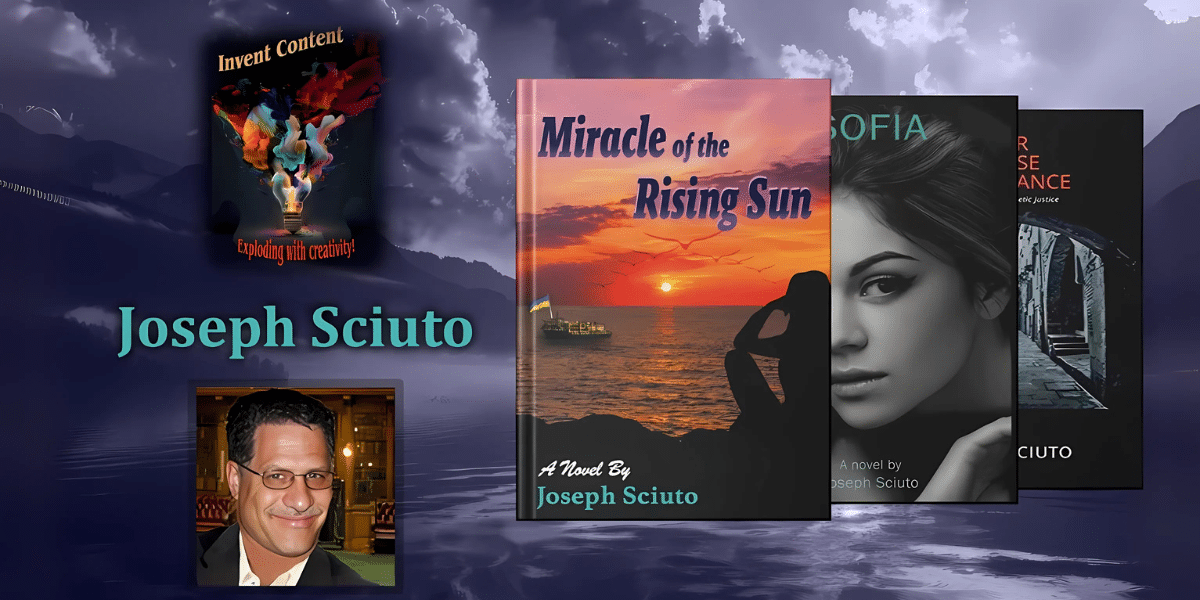
Joseph Sciuto: A Life Shaped by Resilience and Storytelling

By: Seraphina Quinn

Joseph Sciuto is an author whose life and work are deeply twisted together with themes of resilience, hope, and the human experience. His journey from the Bronx to the literary world is marked by a deep understanding of life’s challenges and the transformative power of storytelling.

Sciuto was born and raised in the Bronx, New York, in a close-knit Italian-Irish Catholic community. His early years were spent in his grandmother’s apartment, a formative period that laid the foundation for his understanding of family, culture, and community. At the age of 12, Sciuto’s family moved to a housing project in Port Chester, a diverse neighborhood where he encountered people of various races, religions, and backgrounds. This experience of living in a multicultural community would have a lasting impact on him, teaching him the importance of empathy and understanding, values that would later permeate his writing.

His educational journey began at John Jay College of Criminal Justice, where he initially considered a career in the FBI. However, his love for literature soon led him to pursue a degree in English Literature at Stony Brook University. It was here that he discovered the works of Dostoevsky and Conrad, authors who opened his eyes to the complexities of the human condition and the darker aspects of society. These literary influences, combined with his own life experiences, would later inform the themes and narratives of his novels.

In the mid-1980s, Sciuto moved to Los Angeles, driven by a desire to become a screenwriter. The city, with its vibrant and often chaotic energy, provided him with a wealth of material for his stories. During this time, he worked at a well-known restaurant in West Hollywood, a place frequented by celebrities and ordinary people alike. The stories he heard and the characters he met during his time at the restaurant inspired many of the plots and characters in his novels. From war correspondents to Vietnam veterans, his interactions with people from all walks of life deepened his understanding of the human experience and fueled his desire to write stories that resonated with readers.

Sciuto’s first novel, Hollywood Riptide, set the tone for his future work. The novel, set in the 1980s, explores the dark underbelly of Hollywood, a theme that Sciuto would revisit in several of his later works. Over the years, he has written eight more novels, each tackling different social issues. From human trafficking to pediatric cancer, Sciuto’s books address some of the most pressing and often overlooked problems in society. His most recent work, Miracle of the Rising Sun, is a testament to his belief in the power of hope and human connection.

Miracle of the Rising Sun tells the story of a group of people who have suffered unimaginable losses and are struggling to find meaning in their lives. The protagonist, Alicia, is a former supermodel whose life takes a tragic turn after she is brutally beaten and raped. Unable to find work and struggling with addiction, Alicia is at her lowest point when she receives an unexpected invitation to a party. This event sets off a chain of events that brings together a diverse group of individuals, each grappling with their own demons. Among them is the wife of an Air Force pilot killed in action, a war correspondent haunted by his experiences in conflict zones, and a foster child who has endured years of abuse.

Through these characters, Sciuto explores the themes of resilience and hope. Despite their suffering, the characters find strength in their shared experiences and support each other through their darkest moments. The novel’s title, Miracle of the Rising Sun, reflects this central theme. Inspired by an old saying made famous by John Lennon, the title suggests that even in the darkest times, there is always the possibility of a new beginning. As Sciuto explains, the sun rises every day, offering a fresh start and a reminder that life goes on. This message of hope is at the heart of the novel, making it an emotional and inspiring read.

The characters in Miracle of the Rising Sun are drawn from real-life experiences, adding a layer of authenticity to the story. For example, the war correspondent character is based on two real correspondents Sciuto met during his time in Los Angeles. Their stories, particularly their struggles with the horrors they witnessed and the impact on their personal lives, influenced the development of the character. Similarly, the experiences of the foster child are rooted in Sciuto’s observations of children battling pediatric cancer, a topic he researched extensively for one of his earlier novels.

Sciuto’s writing process is deeply personal and reflective. He approaches each character as an extension of the people he has known and the stories he has heard. His narrative style is straightforward and accessible, allowing readers of all ages to engage with his work. Whether addressing the struggles of a teenager or the reflections of an older adult, Sciuto’s writing resonates with a wide audience. His focus on human experiences, coupled with his ability to convey complex emotions in simple language, makes his work both relatable and impactful.

In addition to his thematic focus on resilience and hope, Sciuto also employs symbolic elements throughout his novels. In Miracle of the Rising Sun, for example, the characters’ journey is paralleled by a voyage on an old steamboat, reminiscent of the one in Conrad’s Heart of Darkness. This symbolic journey into the unknown reflects the characters’ inner struggles and their search for meaning in a chaotic world. Sciuto also incorporates poetry into his stories, using the works of Yeats, Eliot, and Byron to underscore the emotional depth of his characters’ experiences.

Writing Miracle of the Rising Sun was a nine-month journey for Sciuto, one that involved both creative exploration and deep personal reflection. Despite the challenges of balancing descriptive prose with narrative pace, Sciuto remained committed to telling an honest and compelling story. For him, writing is not just about crafting a plot but about capturing the essence of human experience. His advice to aspiring authors is simple: be honest. Write from the heart and let your experiences shape your stories.

Joseph Sciuto’s work is special because it talks about hard topics and strongly believes in hope. In his books, he shows how strong people can be and how important it is to have a community when facing tough times. As he writes more, Sciuto stays focused on telling important stories about the ups and downs of life and the strength inside people. His work reminds us that even when things are hard, there is always hope, and sometimes it comes from places we don’t expect.


Published by: Khy Talara

Kid Entrepreneurs: The Next Generation of Business Leaders

By: Matheau J. W. Stout

Entrepreneurship knows no age limits. Across the globe, a new generation of kid entrepreneurs is taking the business world by storm, proving that even the youngest minds can innovate, create, and lead. From designing apps to starting fashion lines, these young business leaders are demonstrating that age is not a barrier to success. What’s even more remarkable is that some of these kid entrepreneurs have built businesses so successful that they are now looking at taking their companies public through Initial Public Offerings (IPOs).

This article explores the world of kid entrepreneurship, highlighting a few young stars who have achieved impressive milestones, and what it means when kids not only build businesses but also eye the stock market.

The Rise of Kid Entrepreneurs

Kid entrepreneurship is not just a trend; it’s a growing movement driven by the access to technology, the internet, and a global marketplace. With tools like social media and e-commerce platforms, young entrepreneurs have more opportunities than ever to turn their ideas into viable businesses. What used to take decades—building a brand, finding an audience, and scaling operations—can now happen in just a few short years for these young go-getters.

Several organizations and initiatives are dedicated to fostering kid entrepreneurship, including Young Entrepreneur Academy (YEA) and *BizKid$. These programs provide mentorship, resources, and education to kids who are passionate about turning their ideas into reality. They also connect young entrepreneurs with investors and incubators, helping them scale their businesses rapidly.

Kid Entrepreneurs The Next Generation of Business Leaders (1)

Photo: Unsplash.com

Kid Entrepreneurs Who Are Making Waves

While many young entrepreneurs have started successful ventures, a few stand out for their impressive achievements, including building companies that have garnered national and even international attention.

One prime example is Moziah Bridges, the founder of Mo’s Bows. Moziah started his business at the age of 9, handcrafting bow ties after realizing there was a gap in the market for stylish, kid-friendly accessories. His small idea blossomed into a thriving business that captured the attention of Shark Tank and earned a deal with Daymond John. Mo’s Bows has since expanded into a full line of men’s accessories and is sold in major retail stores. While Mo’s Bows hasn’t gone public via an IPO yet, its rapid growth puts it on the radar as a company that could potentially do so in the future.

Another success story is Mikaila Ulmer, the young founder of Me & the Bees Lemonade. Mikaila started her business when she was just 4 years old after a lemonade stand turned into a passion project to save honeybees. Her honey-sweetened lemonade became so popular that by the age of 13, she had secured a $60,000 investment from Shark Tank and struck a deal to distribute her product in Whole Foods. Mikaila’s story illustrates the power of a purpose-driven business, and as her brand grows, it could one day be a candidate for an IPO.

Cory Nieves, the young founder of Mr. Cory’s Cookies, also gained attention for his entrepreneurial spirit. Starting with a simple goal of selling hot chocolate to buy his mother a car, Cory expanded his business into gourmet cookies that are now sold across the country. At 10 years old, Cory became a business mogul in the making, securing investments and brand partnerships that continue to help Mr. Cory’s Cookies grow. His ability to scale his brand and create a national following has drawn the attention of investors, positioning his business for even greater expansion.

While these young entrepreneurs have achieved extraordinary success, it is important to note that taking a company public via an IPO is still a rarity for kid-founded businesses. The IPO process requires years of financial growth, regulatory compliance, and a mature business model. However, with the right guidance and continued growth, some of these kid entrepreneurs may one day see their companies listed on the stock exchange.

Challenges and Triumphs of Kid Entrepreneurs

Starting a business at a young age comes with its own set of challenges. Kid entrepreneurs must balance schoolwork, friendships, and family life with the demands of running a company. This balancing act often requires the support of parents, mentors, and a solid team to help manage the business side of things.

In addition to these typical challenges, kid entrepreneurs must also overcome the skepticism of adults who may underestimate their capabilities because of their age. Securing funding can be difficult for young entrepreneurs, as investors may be hesitant to back businesses run by children. Despite these obstacles, many kid entrepreneurs have proven that they possess the creativity, drive, and resilience to succeed.

Organizations like Junior Achievement and Teen Business Forum offer programs designed to help young entrepreneurs tackle these challenges, providing the support and mentorship needed to take their ventures to the next level.

Kid Entrepreneurs The Next Generation of Business Leaders (2)

Photo: Unsplash.com

The Future of Kid Entrepreneurs in the IPO Space

While no kid-founded company has yet gone public via an IPO, the future is bright for this next generation of business leaders. Many young entrepreneurs are creating businesses that are scaling rapidly, driven by their innovative ideas and ability to tap into niche markets. The trajectory of young entrepreneurs like Moziah Bridges, Mikaila Ulmer, and Cory Nieves demonstrates that kid-run businesses are no longer just lemonade stands—they are powerful brands with the potential for long-term success.

It’s only a matter of time before the first kid entrepreneur takes their company public, and when that happens, it will represent a seismic shift in how we view entrepreneurship. Kid entrepreneurs are not just playing in the sandbox—they are building empires.

Conclusion

The world of kid entrepreneurship is filled with inspiring stories of young business leaders who are transforming their ideas into successful ventures. While the IPO stage may seem far off for many kid-founded businesses, the speed at which some of these young entrepreneurs are growing their companies suggests that it’s not out of reach.

As kid entrepreneurs continue to break down barriers and challenge the status quo, they will undoubtedly shape the future of business in ways we can only begin to imagine. The next generation of CEOs may still be in school, but they’re already making their mark on the world.


Published by: Khy Talara

The Green Leather Chair: Thomas A. Cook Reflects on Life’s Toughest Lessons

By: Seraphina Quinn

Thomas A. Cook is a name that represents a life full of experiences, shaped by wisdom, strength, and the inspiring power of nature. His journey is one of deep personal growth, clearly shared in his book Sermons from the Green Leather Chair, which explores the challenges he faced, the successes he achieved, and the lessons he learned along the way.

Cook’s story is closely connected to his relationship with his father, a man who, despite battling alcoholism, left a lasting impact on him. Cook vividly remembers his father sitting in a green leather chair, sharing important life lessons. These teachings, given in the living room instead of on a sports field, shaped Cook’s character. Like his father, Cook also struggled with alcoholism, creating a special bond between them. Despite the challenges, his father became a guiding influence in Cook’s journey to sobriety, showing the strong power of family ties, even during tough times.

A significant part of Cook’s life is his journey to sobriety, marked by deep self-reflection and a strong commitment to change. Overcoming alcoholism was one of his biggest challenges, but it also led to a major transformation in his life. Cook openly shares his struggles, both in life and in his book Sermons from the Green Leather Chair, giving readers insight into the pain and determination needed to conquer such a strong addiction. Now sober for over four decades, his sobriety is a key part of who he is and serves as a source of hope for others facing similar challenges.

The influence of nature on Cook’s life cannot be overstated. His frequent trips to Benson Lake and other wilderness areas were more than just escapes; they were opportunities for introspection and growth. These experiences in the wild taught him the value of simplicity, the difference between needs and wants, and the importance of living a life true to oneself. Nature became a teacher, offering lessons in resilience and adaptability that would guide Cook through life’s many challenges.

Cook’s relationship with his brother adds another layer of depth to his story. His brother’s tragic suicide, after years of financial success but personal turmoil, serves as a stark reminder of the dangers of equating wealth with happiness. Cook reflects on this loss with a sense of regret, not for himself, but for his brother, who, despite his riches, was ultimately consumed by the pressures of his life. This experience reinforced Cook’s belief that true wealth is not measured in dollars but in the quality of one’s life and relationships.

The writing of Cook’s book Sermons from the Green Leather Chair was itself a journey, one that required him to confront his past with honesty and courage. The process was challenging, particularly when revisiting painful memories, but it also proved to be cathartic. Cook’s editor encouraged him to write the book for himself, a piece of advice that freed him to express his truths without reservation. This authenticity shines through in his writing, making his book not just a collection of stories but a reflection of a life lived with intention and reflection.

In his work, Cook emphasizes the importance of positive thinking and resilience. He believes that life is a series of challenges, each requiring a different approach and mindset. His own life, filled with ups and downs, serves as a testament to the power of perseverance. Whether it was overcoming addiction, navigating personal loss, or simply finding contentment in the simple pleasures of life, Cook’s story is one of enduring strength and adaptability.

One of the key lessons Cook hopes to impart through his book Sermons from the Green Leather Chair is the significance of balancing wants and needs. In a world driven by materialism, Cook’s reflections offer a refreshing perspective on the value of simplicity. He advocates for living within one’s means, not out of necessity, but out of a desire for a more fulfilling and joyful life. This philosophy is evident in his decision to step back from the pursuit of wealth and instead focus on the things that truly bring him happiness—nature, writing, and meaningful relationships.

Cook’s relationship with his children is another focal point of his story. He hopes that they, and others who read his book, will absorb the lessons he has learned and apply them in their own lives. The wisdom he shares is timeless, applicable not just to his children but to anyone seeking to live a life of purpose and integrity. His advice is simple yet profound: be good to yourself, be good to others, and live with class and dignity.

The process of writing and sharing his story has been a transformative experience for Cook. It has allowed him to process his own life’s events, from the joyous to the tragic, and to offer these reflections to a broader audience. His book Sermons from the Green Leather Chair is more than just a memoir; it is a guide to living a life of substance, built on the pillars of resilience, wisdom, and a deep connection to the natural world.

Thomas A. Cook’s journey is a powerful reminder of the importance of resilience in the face of life’s challenges. His story, marked by both pain and triumph, offers valuable lessons for anyone seeking to navigate the complexities of life with grace and strength. Through his writing, Cook shares not just his experiences but the wisdom that has shaped him into the man he is today. His book Sermons from the Green Leather Chair is a testament to the enduring power of family, the healing force of nature, and the unbreakable spirit of a man who has faced life’s challenges head-on and emerged stronger for it.


Published By: Aize Perez

Drive Into the Future: Discovering EV.com and Its Features for Chicago Drivers

By: Maria Williams

As electric vehicles (EVs) become an increasingly popular choice in the Chicago automotive landscape, EV.com has emerged as a comprehensive resource for those looking to navigate the evolving landscape of electric mobility. For Chicagoans, where urban commuting meets a growing commitment to green living, EV.com offers invaluable tools and information to make the transition to electric driving smooth and accessible.

A Hub for EV Enthusiasts

At its core, EV.com is designed to be a one-stop destination for anyone interested in electric vehicles. Whether you’re a seasoned EV owner or just starting to explore the benefits of electric mobility, this platform provides a wealth of resources tailored to Chicago audiences. From its cutting-edge EV comparisons tool of all EVs in its inventory to the latest news about EV technology, EV.com covers it all.

Comprehensive EV Listings

One of the standout features of EV.com is its extensive database of EVs. Chicago drivers can filter through various new EV for sale or any used EV for sale based on their preferences, including range, price, and style. With manufacturers like Tesla, Ford, and Chevrolet making waves in the EV market, potential buyers can access detailed specifications and expert reviews to inform their purchasing decisions of any EVs for sale. This feature is particularly helpful for Chicagoans who may be torn between the compact Ford Mustang Mach-E for city driving or the spacious Chevrolet Bolt EUV for family outings.

EV Incentives and Rebates

For many, the financial aspect of purchasing an EV can be a significant hurdle. EV.com features a dedicated section for incentives and rebates, showcasing the various programs available at the federal, state, and local levels. For Chicago residents, understanding the Illinois EV rebate program and any city-specific incentives is essential for maximizing savings. With the potential for rebates reaching thousands of dollars, this resource can significantly influence purchasing decisions and promote the adoption of electric vehicles throughout the city.

Educational Resources

Beyond vehicle listings and charging station locators, EV.com serves as an educational hub through the EV news section. The platform features articles and guides that delve into various topics surrounding EVs, from understanding battery technology to tips for efficient driving. Chicagoans looking to expand their knowledge of EVs can benefit from these resources, especially as they prepare for the transition to electric driving. With the city’s goal of reducing greenhouse gas emissions, EV.com is well-positioned to empower residents with the information they need to make environmentally conscious choices.

Community Engagement

Understanding the need for community in the EV landscape, EV.com also fosters a sense of belonging among users. The platform features various social media channels where Chicago drivers can share experiences, ask questions, and connect with fellow EV enthusiasts. This sense of community is vital for Chicagoans as they navigate the evolving electric vehicle landscape together, exchanging tips on the premier charging locations or discussing their favorite EV models.

A Sustainable Future Awaits

As the EV market continues to expand, resources like EV.com play a critical role in supporting consumers, particularly in urban settings like Chicago. By offering a comprehensive platform that combines vehicle listings, charging solutions, educational resources, and community engagement, EV.com empowers residents to make informed decisions about their electric mobility journey.

With an increasing number of Chicagoans embracing EVs, platforms like EV.com are leading the charge toward a more sustainable future. Whether you’re considering your first EV or looking to stay updated on the latest trends in the EV market, EV.com can be your go-to resource for all things electric in the Windy City.

Published by: Nelly Chavez

Natalie Clark – A Midwest Trailblazer Transforming the Lives of Women

By: Samantha Jackson

In the heart of the Midwest, Natalie Clark is making waves as a transformational coach, helping women across the region—and beyond—unlock their full potential. Based in Wisconsin, Natalie has become a trailblazer in the personal development and coaching space, using her unique blend of practical tools, mindset shifts, and inner alignment to help women overcome personal and professional barriers.

Her journey, however, began in a very different space. After more than 15 years in higher education, Natalie realized she needed a change. She craved more freedom—freedom to create, grow, and align her life with her true purpose. That desire for freedom led her to take a bold step: she left her stable, practical job and launched her own coaching business in early 2020.

“I always knew I was meant to inspire greatness in others, but I wanted to do it on my own terms,” Natalie says. “I wanted a career that allowed me to balance work with my personal life while making a meaningful impact on the lives of women.” 

What began as a personal quest quickly resonated with women everywhere. Almost overnight, her work struck a chord, and her new career took off like wildfire. Women were drawn to her practical yet deeply transformative approach, and Natalie found herself coaching a growing community of women seeking empowerment, clarity, and balance.

The launch of her new career felt like a rocket taking off. “I was surprised at how quickly it grew,” Natalie reflects. “Women were craving a way to move forward in their lives, and my programs gave them the tools and support they needed to make real, lasting change.” 

Her ability to blend practical strategies with a deep understanding of personal alignment created a unique coaching experience that resonated on a profound level.

At the core of Natalie’s coaching philosophy is the belief that true transformation begins from within. She focuses on helping women align their personal goals with their inner energy, teaching them how to shift their mindset and overcome the limitations that hold them back. 

“We all have blocks—whether it’s limiting beliefs, self-doubt, or habits that no longer serve us,” Natalie explains. “My goal is to help women release those blocks and step into their power.”

Natalie’s latest offering, the Freedom to Soar Masterclass, is a prime example of her groundbreaking work. This free two-day masterclass is designed to give women the tools they need to create vibrant, fulfilling lives. 

On Day 1, Foundations of a Vibrant Lifestyle, Natalie helps participants align their daily habits with their long-term goals, teaching them practical ways to create lasting change. Day 2, Upgrading Your Energetic Blueprint, takes participants deeper, offering strategies to break through personal and professional barriers and elevate their potential.

For those looking to dive even deeper, Natalie offers an optional VIP session on Day 3, which features her favorite transformational techniques, including movement, breathwork, and mindset alignment. While this session touches on the more subtle aspects of personal transformation, Natalie keeps the focus practical, giving participants actionable tools they can use immediately in their lives.

“What makes Freedom to Soar unique is that it’s both practical and transformative,” Natalie says. “It’s about giving women the tools to make real changes in their lives—changes that align with their values, their goals, and their inner game.”

Natalie’s work has already had a profound impact on the women who have participated in her programs.

One participant shared, “Natalie’s coaching helped me shift my mindset in ways I never thought possible. I went from feeling stuck and overwhelmed to feeling clear and empowered. Her approach is exactly what I needed to take my life to the next level.”

While Natalie’s roots are in the Midwest, her influence has quickly expanded far beyond. In fact, her recent retreat in Sweden showcased her growing international presence, drawing women who were eager to experience her transformational coaching firsthand.

“There’s a global desire for freedom and fulfillment,” Natalie says. “Whether it’s in Sweden or Wisconsin, women everywhere want to break free from the limitations holding them back.”

Natalie’s blend of practical strategies and mindset alignment has proven to be a winning combination. Her ability to guide women through both personal and professional transformations has struck a chord with a wide audience, making her a true trailblazer in the Midwest and beyond.

“I’m proud of the community we’ve built,” Natalie shares. “Women are realizing that they have the power to create the lives they want—full of balance, joy, and personal freedom.”

As her work continues to grow, Natalie remains committed to helping women across the region—and around the world—reach their full potential. With the success of the Freedom to Soar Masterclass and her other coaching programs, she shows no signs of slowing down.

“This work is about more than just personal growth,” Natalie says. “It’s about igniting the brilliance within every woman.”

For more information about Natalie Clark’s Freedom to Soar Masterclass and her other coaching programs, visit natalie-clark.com.

Published by: Nelly Chavez

How Biometric Security is Enhancing Smart Homes Safety

The ever-increasing adoption of smart home technology brings with it new benchmarks for convenience, efficiency, and security. Among the impactful advancements in the realm of security are biometric technologies. By leveraging unique biological traits such as fingerprints and facial features, biometric security advancements are improving the safety and convenience of smart homes.

Understanding Biometric Security

Biometric security refers to the use of unique physiological or behavioral characteristics to verify identities. Unlike traditional security measures, such as passwords or keycodes that can be forgotten or stolen, biometric traits are inherently linked to the individual, offering higher security levels. Here are some key biometric technologies that make smart homes safer:

Fingerprint Sensors

Fingerprint recognition technology has been one of the earliest and widely adopted forms of biometric security in smart homes.

  • Smart Locks: Products like the August Smart Lock and the Ultraloq UL3 BT offer fingerprint scanners that allow homeowners to unlock their doors with a simple touch. This eliminates the risk of lost keys or hacked passwords and ensures that only authorized individuals gain entry.
  • Authentication for Devices: Fingerprint sensors are also being integrated into other smart devices, such as safes and personal electronics, ensuring that sensitive data and valuables are protected from unauthorized access.

Facial Recognition

Facial recognition technology is gaining traction for its ease of use and non-intrusive nature.

  • Smart Doorbells and Cameras: Devices like the Nest Hello and the Ring Doorbell now include facial recognition features that can identify familiar faces and alert homeowners about strangers at the door. This allows for real-time monitoring and quick responses to potential security threats.
  • Home Security Systems: Sophisticated security systems are beginning to use facial recognition to arm or disarm alarms based on the presence of recognized family members, reducing false alarms and adding an additional layer of convenience.

Voice Recognition

Voice recognition technology is increasingly being used to enhance the security and functionality of smart homes.

  • Voice Assistants: Devices like Amazon Echo and Google Home can now use voice profiles to differentiate between users, allowing for personalized responses and controls. For example, voice commands can be restricted for security-sensitive tasks like unlocking doors or disarming alarms.
  • Access Control: Certain smart home systems allow for voice-activated locks and alarms, making it easy to secure the home with simple voice commands. Voice verification ensures that these commands are only acted upon when spoken by authorized users.

Iris and Retina Scanners

While less common in home environments due to cost, iris and retina scanners provide highly secure means of biometric identification.

  • Enhanced Security for High-Value Areas: These technologies are often used in smart homes to secure areas with high-value items, such as safes or private study rooms, offering a level of security akin to that found in high-security facilities.

Behavioral Biometrics

Behavioral biometrics analyze patterns in how individuals interact with devices or systems.

  • Touch Dynamics: Some devices are beginning to incorporate touch dynamics, analyzing how a person swipes or types on a touchscreen to verify identity.
  • Usage Patterns: Smart home systems can learn the habits and routines of household members and flag unusual activities that may indicate unauthorized access, adding a subtle yet powerful layer of security.

Advantages of Biometric Security

Implementing biometric security in smart homes offers numerous advantages:

  • Increased Security: Biometric traits are not easy to replicate or steal, offering an added layer of protection against unauthorized access.
  • Convenience: Biometric authentication is generally quick and smooth, enhancing the user experience while maintaining security.
  • Non-transferrable: Unlike keys or passwords, biometric traits can’t be forgotten, lost, or easily replicated, minimizing the risk of breaches.

Challenges and Considerations

Despite their many benefits, biometric security systems also come with their challenges and considerations:

  • Privacy Concerns: The collection and storage of biometric data raise privacy issues. It’s crucial that this data is securely encrypted and that users are informed about how their data will be used and stored.
  • False Positives/Negatives: There’s always a risk of false positives (erroneous access granted) or false negatives (authorized access denied), which can cause inconvenience and security risks.
  • Cost: Advanced biometric solutions can be expensive to implement, though costs are decreasing as the technology becomes more widespread.

Future Outlook

As technology continues to advance, the integration of biometric security into smart homes is expected to become even more sophisticated and widespread. Innovations such as multi-modal biometric systems, which combine two or more biometric technologies, will further enhance security and reliability.

Conclusion

Biometric security technologies are revolutionizing the way we secure our homes, offering enhanced safety and convenience. By incorporating fingerprint sensors, facial recognition, voice recognition, and other biometric methods, smart homes are better equipped to protect against unauthorized access and security threats. As these technologies continue to evolve, they hold the promise of creating safer, smarter living environments for all.

Published by: Holy Minoza