The Chicago Journal

Robert MacArthur MD Discusses Creative Practices Enhancing Surgical Precision

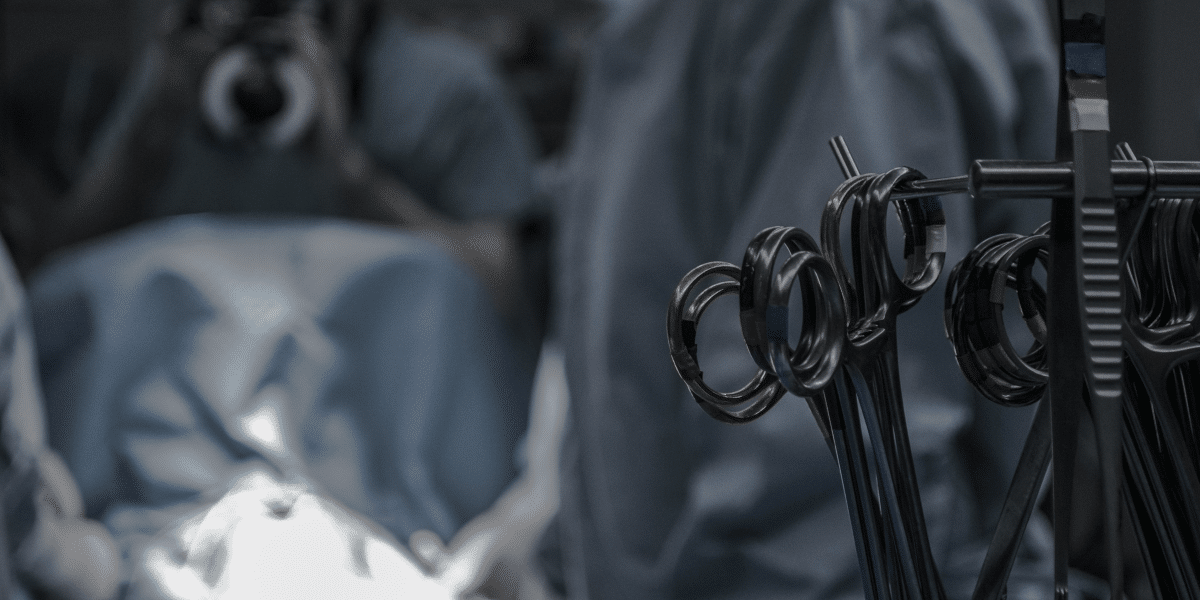
In the world of medicine, particularly within the surgical field, precision, and patient care stand as pillars of excellence. It’s a realm where technical skill meets the human touch, a delicate balance that can significantly impact outcomes. Interestingly, an emerging body of research and anecdotal evidence suggests that engagement in creative practices—ranging from visual arts to music—can enhance a surgeon’s precision and improve patient care. This connection, while seemingly unlikely at first glance, offers fascinating insights into how surgeons can benefit from integrating creativity into their personal and professional lives.

The Link Between Creativity and Surgical Precision

Surgical precision is not merely a matter of technical skill or steady hands; it involves spatial awareness, intuitive understanding of human anatomy, and the ability to anticipate and react to unexpected challenges during procedures. Creative practices, such as drawing, sculpting, or playing a musical instrument, can sharpen these very skills.

Take, for instance, the practice of sculpture. It requires a deep understanding of three-dimensional forms, a keen eye for detail, and the manual dexterity to manipulate materials into the intended shape. These are the same skills that surgeons utilize when navigating the complex landscapes of the human body. By engaging in sculpture, surgeons can refine their ability to visualize and manipulate tissues and organs with greater precision and confidence.

Enhancing Patient Care Through Creativity

Beyond the operating room, the surgeon’s role as a caregiver requires empathy, communication, and the ability to see the patient as a whole person. Creative practices can play a significant role in developing these aspects of patient care.

Art and music, for instance, have been shown to foster empathy and emotional intelligence. They encourage individuals to express themselves and to understand emotions and perspectives different from their own. For surgeons, such skills are invaluable. They enhance the patient-doctor relationship, making it easier to communicate effectively, understand patient concerns, and provide care that addresses both physical and emotional needs.

Creative practices can offer surgeons a form of stress relief and mental rejuvenation, directly impacting their ability to be present and attentive to their patients. The calm and focus gained from creative pursuits can translate into more patient and thoughtful interactions, as well as enhanced decision-making during surgical procedures.

Case in Point: Dr. Robert MacArthur

An exemplar of the intersection between creativity and surgical excellence is Dr. Robert MacArthur, an orthopedic surgeon known for his meticulous skill and compassionate care. Outside the hospital, Dr. MacArthur is an avid sculptor, a hobby that demands precision, patience, and an intimate understanding of form—qualities that mirror the requirements of his surgical practice.

Dr. MacArthur’s engagement with sculpture not only hones his manual dexterity but also provides him with a unique perspective on human anatomy, a critical aspect of orthopedic surgery. This blend of technical excellence and creative exploration exemplifies how creative practices can enrich a surgeon’s professional capabilities while enhancing the care provided to patients.

Implementing Creative Practices in Medical Training

Recognizing the benefits of creativity on surgical precision and patient care, there’s a growing interest in integrating creative practices into medical training. This could take several forms, from art classes aimed at developing spatial awareness and manual dexterity to music lessons designed to improve concentration and fine motor skills. Such programs can also include workshops on creative writing or theater, with a focus on building empathy and communication skills.

These initiatives reflect a holistic approach to medical education, one that acknowledges the multifaceted nature of surgical excellence. They suggest that becoming a better surgeon isn’t just about mastering technical skills or memorizing anatomy—it’s also about nurturing creativity, empathy, and a deeper connection to the human experience.

Challenges and Considerations

While the integration of creative practices into surgical training and practice offers numerous benefits, it also presents challenges. Time constraints, the pressure of clinical duties, and the traditional emphasis on technical skills over soft skills in medical training can make it difficult for surgeons to pursue creative interests.

To address these challenges, institutions can offer structured programs that incorporate creative practices into the medical curriculum or professional development. Additionally, creating a culture that values and encourages holistic development and work-life balance is crucial. This involves recognizing the importance of mental health, emotional well-being, and the role of creativity in fostering a rounded and resilient medical professional.

Summary

The enhancement of surgical precision and patient care through creative practices offers a compelling argument for the integration of the arts into the medical field. By fostering skills such as spatial awareness, manual dexterity, empathy, and communication, creative pursuits can contribute significantly to the quality of surgical care. Figures like Robert MacArthur MD highlight the practical benefits of this approach, serving as inspiration for current and future generations of medical professionals.

As we move forward, embracing creativity as a vital component of surgical excellence could lead to innovations not only in how procedures are performed but also in how patients are cared for. This holistic approach to medicine underscores the idea that healing is as much an art as it is a science, a concept that could transform patient outcomes and the practice of surgery as we know it.


Published by: Khy Talara

Embracing Solitude: Mental Health Activities for Solo Time

In the hustle and bustle of modern life, finding moments of solitude can be a rare luxury. Yet, solo time is essential for maintaining mental well-being. Whether it’s a quiet evening at home or a peaceful weekend retreat, engaging in activities tailored for solo enjoyment can rejuvenate the mind and spirit. In this article, we explore a variety of mental health activities designed to be savored in solitude, each offering a unique blend of relaxation and stimulation.

Art Therapy: Nurturing Creativity and Inner Harmony

Creativity knows no bounds, and art therapy is a powerful tool for self-expression and healing. For those seeking solace in solitary pursuits, picking up a paintbrush or sketching pad can be immensely therapeutic. Engaging in artistic endeavors allows individuals to channel their emotions into tangible forms, fostering a sense of accomplishment and fulfillment.

Whether you’re a seasoned artist or a novice doodler, the act of creating art can have profound effects on mental well-being. Research has shown that art therapy can reduce stress, anxiety, and depression while promoting relaxation and self-awareness. By immersing oneself in the creative process, individuals can gain insight into their thoughts and feelings, leading to greater clarity and emotional resilience.

From watercolor painting to sculpting with clay, the possibilities for artistic expression are endless. Even simple doodling can serve as a form of meditation, helping to quiet the mind and cultivate mindfulness. Engaging in artistic pursuits during solo time offers a therapeutic escape from the pressures of daily life, allowing individuals to reconnect with themselves on a deeper level.

Mindfulness Meditation: Cultivating Inner Peace and Presence

In today’s fast-paced world, the practice of mindfulness has become increasingly important for mental health and well-being. Mindfulness meditation, in particular, offers a powerful means of quieting the mind and fostering a greater sense of inner peace and presence. Whether practiced for a few minutes each day or as part of a longer solo retreat, mindfulness meditation can have profound effects on mental clarity and emotional balance.

The essence of mindfulness meditation lies in cultivating awareness of the present moment without judgment or attachment. By focusing on the breath, bodily sensations, or the sounds of the environment, individuals can anchor themselves in the here and now, free from the distractions of past regrets or future worries.

Studies have shown that regular mindfulness meditation can reduce stress, improve mood, and enhance overall well-being. By incorporating mindfulness into solo time, individuals can develop a deeper connection with themselves and the world around them, fostering greater resilience and inner harmony.

Engaging Activities: Finding Joy in the Simple Pleasures

While solitude often conjures images of quiet contemplation, solo time can also be a time for joyful engagement and exploration. Engaging in activities that bring pleasure and fulfillment can uplift the spirits and nourish the soul. From gardening to cooking, finding joy in the simple pleasures of life can be immensely rewarding.

One activity that has gained popularity for its therapeutic benefits is solving jigsaw puzzles. 

Engaging in jigsaw puzzles can significantly benefit mental health by providing a calming and absorbing activity. The process of piecing together a puzzle engages the mind, promoting focus and concentration, while the satisfaction of completing a puzzle brings a sense of accomplishment and pride.

Other engaging activities for solo time include reading, hiking, and exploring new hobbies or interests. Whether it’s immersing oneself in a good book or embarking on a solo adventure in nature, finding activities that spark joy and curiosity can invigorate the spirit and rejuvenate the mind.

Solo time offers a valuable opportunity for self-discovery and personal growth. By engaging in mental health activities tailored for solo enjoyment, individuals can nurture their creativity, cultivate inner peace, and find joy in the simple pleasures of life. So, embrace solitude and embark on a journey of self-care and self-exploration. Your mental well-being will thank you.


Published by: Khy Talara

International Investments from US Companies have grown Substantially Over the Last 40 Years

It is interesting to look at how U.S. businesses have managed the internalization of our planet for 40 years. Why? Because it shows that many of them chose to invest abroad in a substantial to grow and thrive. The proof is that between 1982 and 2022, U.S. companies’ direct investments went from $580 billion to $6.4 trillion. How can companies establish themselves in other countries, and why do they make that decision? Here is the explanation.

Ways in Which American Companies Can Establish Themselves Abroad

It was easier for American companies to grow or survive these last four decades if they had not invested abroad. That is because the world went in a completely new direction during that time, where it seemed as if all countries could collaborate to create and share the wealth produced around the world. Now that we went through the closure of frontiers during the pandemic, dividing the world into two camps, this dynamic will likely change. But as it was still going on, there were many ways for American businesses to establish themselves abroad, and they took advantage of each.

These investments involve a long legal process in which a lot of documentation requires to be exchanged between the parties involved and the authorities of the countries where the investment will be made. These documents must often be certified or legalized to be recognized in a foreign country. Chicago companies use firms that are specialized in apostille services in Illinois for all their certification needs. Once they have everything sorted out, they can focus on the task at hand, which can take the form of direct investment, licensing, franchising or its simplest form, exporting. Another road they may take is to enter a strategic alliance with companies already based in foreign lands. The choice often depends on the company’s goals, resources, and risk tolerance.

Reasons Why Companies Invested Abroad During the Last Four Decades

Foreign direct investment by American companies grew ten times in only forty years. That indicates how important the movement was here in the U.S. and worldwide. The main region where our businesses invested is Europe, as more than 60 % of the $6.4 trillion found its way to our Western world partners. Only four countries were on the list for over half of these investments. But why were these investments made?

Tax Breaks

In a competitive world, saving money whenever possible is more important than ever to reinvest it inside the business. Companies making a physical investment abroad could reduce their tax burden by taking advantage of the foreign tax credit offered by the U.S. tax code and the lower tax rates in some of these foreign countries. This was often the main reason which led companies to invest abroad.

Access to Foreign Markets

Investing abroad allows American companies to establish a physical presence in these countries. Setting up local operations, such as subsidiaries or joint ventures, helps them better understand local market requirements and enables them to respond to people’s needs more efficiently. By building relationships with local partners and customers, they can tailor their products or services in a way they previously could not. This helps them gain a competitive advantage over competitors with no local presence.

Lower Labor and Manufacturing Costs

When U.S. companies invest abroad, they can lower labor and manufacturing costs. That is because foreign countries often offer lower salaries to their citizens and provide access to cheaper raw materials. This is how U.S. companies can produce goods at a lower cost, which translates into higher profits and lower consumer prices.

Additionally, investing abroad can help American companies overcome trade barriers and restrictions that might be in place. This allows them to access markets that may have been difficult or impossible to penetrate otherwise. All these benefits come together to explain why American companies’ direct investment abroad grew exponentially between 1982 and 2022.


Published by: Khy Talara

Andrew Afton Lawrence and a New Flavor of Music

Innovation in pop music is not just a desirable trait but a vital component that drives the evolution of the genre and ensures its relevance in an ever-changing cultural landscape. At its core, pop music is defined by its accessibility, catchy melodies, and broad appeal to diverse audiences. However, it is the ability to push boundaries, experiment with new sounds, and challenge conventions that distinguish truly groundbreaking pop artists and set them apart from the rest.

One of the primary reasons innovation is crucial in pop music is its role in capturing and reflecting the zeitgeist of society. Pop music has a unique ability to serve as a mirror to the cultural, social, and political currents of its time. Innovative artists leverage their platform to address pressing issues, spark conversations, and provoke thought, thereby shaping the collective consciousness and influencing public discourse.

Furthermore, innovation in pop music is essential for driving artistic growth and creativity. By constantly pushing the envelope and exploring new sonic territories, artists keep the genre fresh, dynamic, and exciting. Experimentation with unconventional production techniques, genre-blending, and collaboration with diverse artists allows pop musicians to expand their creative horizons and cultivate their unique artistic identity.

Moreover, innovation plays a crucial role in maintaining the commercial viability of pop music in an increasingly competitive industry. With the proliferation of streaming platforms and digital technologies, the music landscape is more crowded than ever before. In this saturated market, artists must differentiate themselves by offering something fresh and distinctive to capture the attention of listeners and stand out amidst the noise.

Innovation in pop music fosters cultural diversity and inclusivity by amplifying underrepresented voices and perspectives. By embracing diverse influences, musical traditions, and cultural experiences, innovative pop artists enrich the genre with a tapestry of sounds and stories that resonate with audiences from all walks of life. In doing so, they contribute to a more inclusive and equitable music industry that celebrates the richness of human expression. Andrew Afton Lawrence, a native of Hot Springs, Arkansas, did just that with his passion and creativity and has emerged as a transformative force in the music industry, reshaping the sonic landscape with his groundbreaking creation: Flavor Punk. Lawrence’s journey as a cancer survivor has been marked by profound moments of introspection and revelation, none more impactful than his near-death encounter during his recovery. It was during this critical juncture that Lawrence experienced a vivid glimpse beyond the physical realm, a moment that would indelibly shape his perspective and ignite his passion for life and creativity.

With humble beginnings, Lawrence embarked on his musical odyssey in 2007, armed with nothing but a demo tape and a boundless determination to share his unique voice with the world. This initial foray into music laid the foundation for his eventual ascent, culminating in the release of his debut Christian EP in 2015. This pivotal moment not only showcased Lawrence’s musical prowess but also served as the catalyst for the emergence of Flavor Punk—a genre characterized by its fusion of pop punk’s infectious energy with Lawrence’s signature edgy vocals and vibrant undertones.

As Lawrence’s entertainment career skyrocketed, with notable appearances on esteemed television shows like Let’s Make a Deal and America’s Got Talent, Flavor Punk emerged as a beacon of innovation and creativity within the industry. Lawrence’s distinctive vocal talent and visionary approach captivated audiences and critics alike, positioning Flavor Punk as a standout voice in contemporary music.

Beyond his musical endeavors, Lawrence’s entrepreneurial spirit has been a driving force in his journey, exemplified by his ownership of “Andy’s Gumball Machines” in Newport Beach, California. This venture serves as a testament to Lawrence’s knack for innovation and creativity, further solidifying his status as a multifaceted artist and entrepreneur.

“I love it—it tastes so good!”

—Andrew 

Flavor Punk, as envisioned by Andrew Afton Lawrence, defies categorization and symbolizes the power of innovation and the blending of diverse influences. His visionary approach to music-making has inspired a new wave of artistic expression, encouraging musicians to push boundaries and explore hybrid sounds that transcend traditional genres.

As Flavor Punk continues to gain traction and acclaim, it stands as a testament to Lawrence’s unwavering dedication to reimagining music and pushing the boundaries of creativity. His journey serves as an inspiration for aspiring artists, urging them to embrace their unique voices and carve their own paths in the ever-evolving landscape of the music world.


Published By: Aize Perez

Unlocking the Complexities of Mridangam: T S Nandakumar’s Masterful Guide

In the world of Indian classical music, the Mridangam holds a place of reverence and awe. Its rhythms and beats are the heartbeat of Carnatic music, providing a foundation upon which melodies dance and flourish. Amidst the custodians of this ancient art form stands T S Nandakumar, a name synonymous with mastery and dedication in the realm of Carnatic percussion. With the release of his latest book, “Intricacies of Mridangam,” Nandakumar embarks on a mission to demystify the advanced techniques of Mridangam playing, offering a bridge for students and enthusiasts to cross from foundational knowledge to mastery.

A Deep Dive into the Art of Mridangam

“Intricacies of Mridangam” is not just a book; it’s a comprehensive journey through the complex world of Carnatic rhythms, designed to elevate a student’s understanding from basic to advanced levels of Mridangam playing. Following the success of his previous work, “Roots of Mridangam,” which laid down the fundamental concepts of beats and sequences, Nandakumar’s latest offering delves deeper into the construction of sophisticated rhythmic arrangements such as mohras, koruvais, and Muktayippus.

The book begins with an exploration of foundational topics like finger placements, Jathis, and thalas, which are crucial for creating complex percussive sequences. Through detailed explanations, practical examples, and a variety of compositions in different mathematical patterns, Nandakumar guides readers through the nuances of playing for concerts or solo performances. Each example is complemented by corresponding thalas or rhythmic patterns, emphasizing the importance of understanding the underlying structure of each composition.

Beyond a Reference Guide

While “Intricacies of Mridangam ” serves as an indispensable resource for students of TSN’s Percussive Arts Centre, Inc. (TSNPAC), its purpose extends far beyond. The book aims to enrich the skills of percussion students worldwide, preserving and elevating the unique paadam of the Mridangam tradition. Nandakumar’s emphasis on the distinctive finger alignment and the nuanced pronunciation of konnakol (verbal percussion) highlights his commitment to upholding the essence of this ancient art form.

The impact of this book is profound, with many of Nandakumar’s students becoming accomplished musicians, graded artists in All India Radio, and esteemed teachers. By fostering a deep appreciation for the Mridangam’s rich heritage and cultural significance, “Intricacies of Mridangam” contributes to the continuity and flourishing of this revered tradition.

A Legacy in the Making

Released on March 17, 2024, by Dr. Venkataraman Swaminathan, a renowned musicologist and scientist, at the Bridgewater Temple Auditorium in New Jersey, “Intricacies of Mridangam” stands as a testament to Nandakumar’s lifelong dedication to the art of Carnatic percussion. As the director of TSN’s Percussive Arts Centre Inc. and a celebrated educator and performer, Nandakumar’s contributions to Indian classical music are immeasurable. His book not only serves as a beacon of knowledge for aspiring Mridangam artists but also ensures that the legacy of this timeless art form continues to inspire future generations.

“Intricacies of Mridangam” is more than just a guide; it’s a gateway to mastering the art of Mridangam, crafted by one of the most respected artists in the field, T S Nandakumar. Through its pages, students and enthusiasts alike are invited to explore the depths of Carnatic percussion, embarking on a journey that promises to enrich their understanding and skill in playing this magnificent instrument.


Published by: Khy Talara