The Chicago Journal

Is AI Changing the Future of Cybersecurity Jobs?


By: John Glover (MBA)

Amid the rapid advancement of artificial intelligence (AI) in various sectors, concerns have emerged regarding its impact on employment, particularly within the field of cybersecurity. The prevailing narrative suggests that AI, with its ability to automate complex tasks, might eventually replace many of the roles currently filled by humans. However, Steve Schmidt, Amazon’s chief security officer, offers a contrasting viewpoint that challenges this assumption.

During a recent discussion with Fortune, Schmidt expressed his disbelief at the idea that AI could lead to significant layoffs in the cybersecurity industry. “I would be astonished if AI drives layoffs in the security industry,” he remarked. His confidence stems from the unending demand for cybersecurity expertise, a field that continues to grow both in complexity and importance.

AI’s integration into cybersecurity, primarily through automated tools that scan files for suspicious behavior and generate reports, indeed suggests a shift towards more technology-driven processes. Yet, the technology’s current state requires human oversight, particularly for tasks involving judgment and decision-making. AI systems, for all their efficiency, still lack the ability to completely understand context or make nuanced decisions without human input.

Luke Secrist, CEO of BuddoBot, echoes this sentiment, emphasizing the indispensable role of human creativity and insight in cybersecurity operations. “AI is being utilized across many different technologies… However, there is an inherent level of creativity, savvy, and intricacy that the human brain has over artificial algorithms,” Secrist explains. He cautions against relying solely on AI, noting that cyber attackers do not limit themselves to automated methods; thus, neither should our defense strategies.

This human-centric approach is crucial for identifying and mitigating biases in AI applications, a challenge that machines alone are ill-equipped to manage. The human oversight ensures that AI tools remain effective and fair, providing a critical check against the potential errors and ethical concerns AI might introduce.

Despite the integration of AI into cybersecurity, the demand for skilled professionals in the field is at an all-time high. According to ISC2, a nonprofit that trains security professionals, the global cybersecurity workforce has reached a record count of 5.5 million. Yet, this number still falls short of the industry’s needs. There is a global shortfall, with companies needing an additional 4 million cybersecurity professionals to adequately protect their systems—an increase from the 2.7 million estimated in 2021.

This gap underscores not only the ongoing demand for human expertise in cybersecurity but also the vast opportunities for employment within the field. Far from rendering human cybersecurity professionals obsolete, AI is more likely to augment their roles, handling routine tasks while leaving the more complex and sensitive decisions to human experts.

In conclusion, as AI continues to evolve and integrate into various facets of cybersecurity, the role of human professionals is expected to adapt rather than diminish. The synergy between human expertise and artificial intelligence offers the best strategy for a robust defense against cyber threats. The ongoing need for human oversight, coupled with the growing sophistication of cyber attacks, ensures that cybersecurity remains a field ripe with opportunity for skilled professionals. In this landscape, continuous learning and adaptation are essential, urging both individuals and businesses to stay vigilant and proactive in their cybersecurity practices.


Published By: Aize Perez

Into the Untold History of South Central LA: Ron L. Dowell’s “Crooked Out of Compton”

In the bustling urban landscape of Los Angeles, amidst the challenges of the 1950s and 2000s, a remarkable journey unfolds in Ron L. Dowell’s upcoming book, “Crooked Out of Compton.” This literary masterpiece not only provides an engaging narrative but also serves as a vital chronicle of the vibrant history of South Central LA.

“Crooked Out of Compton” takes readers on a captivating journey through the streets of South Central, offering a poignant glimpse into the lives of its residents during a pivotal era. Through vivid storytelling and rich character development, Dowell delves deep into the complexities of the community, shedding light on both its triumphs and struggles.

At the heart of the book are its themes, which resonate with readers on a profound level. From resilience and determination to the power of community and the enduring spirit of the human soul, “Crooked Out of Compton” explores timeless themes that transcend time and place. Dowell’s ability to weave these themes into the fabric of his narrative adds depth and resonance to the story, making it a truly unforgettable reading experience.

Central to the book are its characters, each intricately crafted and imbued with a sense of authenticity that brings them to life on the page. From Sheriff’s deputy Daniel Brown to Trina Thomas and beyond, Dowell’s characters are more than just figures in a story; they are reflections of the diverse tapestry of South Central LA, each with their own hopes, dreams, and struggles.

But perhaps the most significant aspect of “Crooked Out of Compton” is its role as a historical document. Through meticulous research and attention to detail, Dowell paints a vivid portrait of South Central LA during the 1950s and 60s, capturing the essence of the community in all its complexity. From the bustling streets to the quiet moments of introspection, Dowell’s prose brings the history of South Central to life in a way that is both compelling and enlightening.

In a world where the voices of marginalized communities are often overlooked, “Crooked Out of Compton” serves as a vital reminder of the importance of preserving our shared history. By chronicling the stories of South Central LA, Dowell ensures that the experiences of its residents are not forgotten but rather centered, celebrated, and honored for generations to come.

As readers embark on this journey through the streets of South Central, they will find themselves captivated by Dowell’s masterful storytelling and deeply moved by the resilience of the community he portrays. “Crooked Out of Compton” is more than just a book; it is a testament to the power of storytelling to illuminate the past, inspire the present, and shape the future.

To learn more about Ron Dowll and his upcoming book Crooked Out of Compton, visit him on Facebook.

Published by: Nelly Chavez

Women’s Basketball in Chicago: A Steady Rise to Prominence

Women’s Basketball in Chicago

Let’s talk about the exciting journey of women’s basketball in Chicago and how it’s been steadily rising to prominence in recent years. From grassroots initiatives and community programs to professional teams and collegiate competitions, women’s basketball in Chicago has been gaining momentum and attracting attention from fans, players, and stakeholders alike. So let’s take a closer look at the factors driving this upward trajectory and the impact it’s having on the local basketball scene.

First off, let’s talk about the grassroots efforts and community programs that are helping to lay the foundation for women’s basketball in Chicago. Across the city, there are countless organizations and initiatives dedicated to promoting youth basketball, developing talent, and providing opportunities for girls and young women to get involved in the sport. From recreational leagues and after-school programs to summer camps and skills clinics, these programs play a crucial role in introducing girls to basketball, nurturing their passion for the game, and helping them hone their skills on the court.

Moreover, women’s basketball in Chicago has also benefited from increased visibility and support at the professional level. With the establishment of the Chicago Sky in the WNBA, the city now has a professional women’s basketball team to rally behind and root for. The Sky’s success on the court, coupled with their efforts to engage with fans and connect with the community, has helped raise the profile of women’s basketball in Chicago and inspire a new generation of players and fans to get involved in the sport.

Read also: Embracing Vintage Fashion: Chicago’s Love Affair with Retro Style

But it’s not just about the professional level—women’s basketball in Chicago is also thriving at the collegiate level, with several local universities fielding competitive women’s basketball teams. Schools like DePaul University, Northwestern University, and the University of Illinois at Chicago have all made waves in the NCAA tournament and earned national recognition for their strong performances on the court. These collegiate programs provide talented female athletes with the opportunity to pursue their passion for basketball at the highest level while also receiving a quality education and preparing for future success, both on and off the court.

In addition to the success of professional and collegiate teams, women’s basketball in Chicago has also been bolstered by the growing popularity of women’s sports in general. As more attention is being paid to women’s athletics and more resources are being invested in promoting gender equity in sports, women’s basketball has emerged as a frontrunner in the movement towards greater visibility, recognition, and respect for female athletes. This increased visibility has helped elevate the profile of women’s basketball in Chicago and attract more fans, sponsors, and media coverage to the sport.

Furthermore, women’s basketball in Chicago is also benefiting from the efforts of local advocates, organizers, and influencers who are working tirelessly to promote the sport and create opportunities for female athletes to succeed. Whether it’s hosting community events, organizing grassroots initiatives, or advocating for policy changes to support women’s sports, these individuals and organizations are playing a vital role in driving the growth and development of women’s basketball in Chicago. Their dedication and passion are helping to break down barriers, challenge stereotypes, and create a more inclusive and equitable playing field for all athletes.

In conclusion, women’s basketball in Chicago is on the rise, thanks to the efforts of grassroots programs, professional teams, collegiate programs, advocates, and supporters who are all working together to promote the sport and empower female athletes. With increased visibility, support, and opportunities, women’s basketball in Chicago is poised to continue its steady ascent to prominence and inspire the next generation of players and fans to embrace the game. So let’s keep cheering on our local teams, supporting our female athletes, and celebrating the power of women’s basketball to unite, inspire, and empower us all.

Reference: WNBA Power Rankings: Aces still reign supreme after draft, but Caitlin Clark has Fever in right direction

Embracing Vintage Fashion: Chicago’s Love Affair with Retro Style

In the bustling streets of Chicago, a fashion trend is taking hold that’s as timeless as the city itself: vintage fashion. From retro dresses and classic denim to funky accessories and statement pieces, vintage fashion has captured the hearts of Chicagoans of all ages, genders, and styles. In this article, we’ll explore the allure of vintage fashion in Chicago, why it’s become so popular, and where you can find the best vintage treasures in the Windy City.

The Allure of Vintage Fashion

What is it about vintage fashion that makes it so irresistible? For many Chicagoans, vintage clothing offers a unique opportunity to express their individuality, creativity, and personal style. Whether it’s the nostalgia of bygone eras, the quality craftsmanship of vintage garments, or the thrill of the hunt for one-of-a-kind pieces, there’s something undeniably special about wearing vintage.

Vintage fashion also appeals to those looking to make more sustainable and eco-friendly fashion choices. By shopping for secondhand clothing, Chicagoans can reduce their carbon footprint, minimize waste, and support local businesses and charities. Plus, vintage fashion allows for endless creativity and experimentation, as wearers can mix and match vintage finds with modern pieces to create truly one-of-a-kind looks.

Read Also: Securing Scholarships: The Journey of Student Athletes in Chicago

Why Vintage Fashion is Thriving in Chicago

Chicago’s love affair with vintage fashion is no accident; it’s the result of a perfect storm of factors that have converged to create a vibrant and thriving vintage scene. For starters, Chicago’s rich history and diverse cultural heritage provide fertile ground for vintage enthusiasts to explore and celebrate the city’s past through fashion.

In addition, Chicago’s vibrant arts and music scene has played a significant role in popularizing vintage fashion, with local artists, musicians, and creatives embracing vintage style as a form of self-expression and rebellion against mainstream fashion norms. The city’s thriving vintage boutiques, flea markets, and thrift stores offer a treasure trove of unique finds, attracting fashion lovers from all walks of life.

Where to Find Vintage Treasures in Chicago

If you’re looking to score some vintage treasures of your own in Chicago, you’re in luck! The city is home to a wide range of vintage boutiques, thrift stores, and flea markets where you can shop to your heart’s content. Some popular destinations for vintage shopping in Chicago include:

  1. Belmont Army Surplus: Located in the heart of Chicago’s hip Wicker Park neighborhood, Belmont Army Surplus offers a curated selection of vintage clothing, accessories, and military surplus items.
  2. Kokorokoko: This funky vintage boutique in the Ukrainian Village neighborhood specializes in 80s and 90s fashion, with a colorful and eclectic mix of clothing, accessories, and retro memorabilia.
  3. Vintage Underground: Tucked away in Chicago’s historic Andersonville neighborhood, Vintage Underground is a hidden gem for vintage lovers, with a carefully curated selection of clothing, jewelry, and home decor from the 1940s to the 1990s.
  4. The Garage Chicago: If you’re in the mood for some serious vintage hunting, head to The Garage Chicago in the city’s West Town neighborhood. This massive indoor flea market features dozens of vendors selling everything from vintage clothing and furniture to vinyl records and collectibles.
  5. Salvation Army Family Store: For budget-friendly vintage finds, check out the Salvation Army Family Store locations scattered throughout the city. You never know what hidden treasures you might uncover!

Embracing Vintage Fashion in Everyday Life

Whether you’re a die-hard vintage enthusiast or just dipping your toes into the world of retro style, there are countless ways to incorporate vintage fashion into your everyday wardrobe. Mix and match vintage pieces with modern basics, experiment with different eras and styles, and don’t be afraid to let your personality shine through in your outfit choices.

Remember, vintage fashion is all about embracing individuality, creativity, and self-expression, so don’t be afraid to march to the beat of your own drum and rock your unique vintage style with confidence. After all, in a city as diverse and dynamic as Chicago, there’s no shortage of inspiration to be found in the rich tapestry of fashion history that surrounds us. So go ahead, embrace the timeless allure of vintage fashion, and let your style shine!

Elevate Your Chicago Home Décor with Park + Coop And There Sustainable Style for Urban Living

By: Isabella Parker

Chicago, a city known for its architectural marvels and vibrant culture, is always at the forefront of design trends. Now, residents have a new reason to adorn their homes with style and sustainability: Park + Coop. Founded by CEO Carmen Olsen, Park + Coop offers a captivating array of sustainable home décor items that seamlessly blend eco-consciousness with chic design. This makes it ideal for Chicagoans looking to elevate their living spaces.

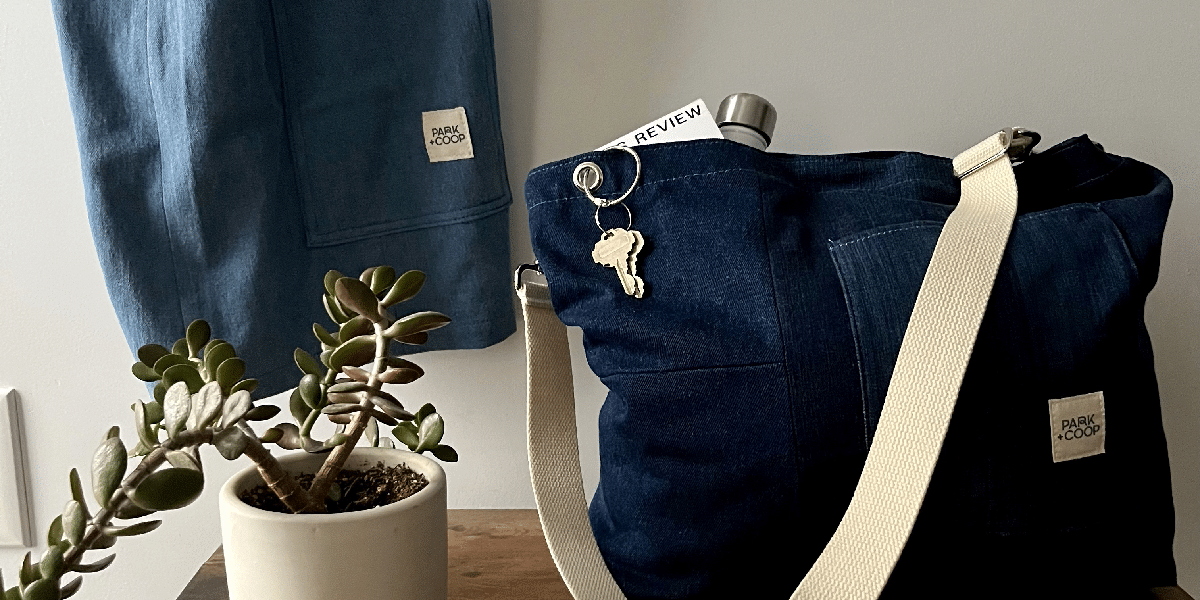
Park + Coop stands as a beacon of sustainable living within the vibrant community of Chicago, embodying a philosophy that merges environmental stewardship with innovative design. This commitment to sustainability isn’t just a part of their business model; it’s the very foundation upon which their entire ethos is built. For the eco-conscious inhabitants of Chicago, Park + Coop’s range of products offers more than just aesthetic appeal; each item serves as a testament to the power of repurposing and the beauty of second chances.

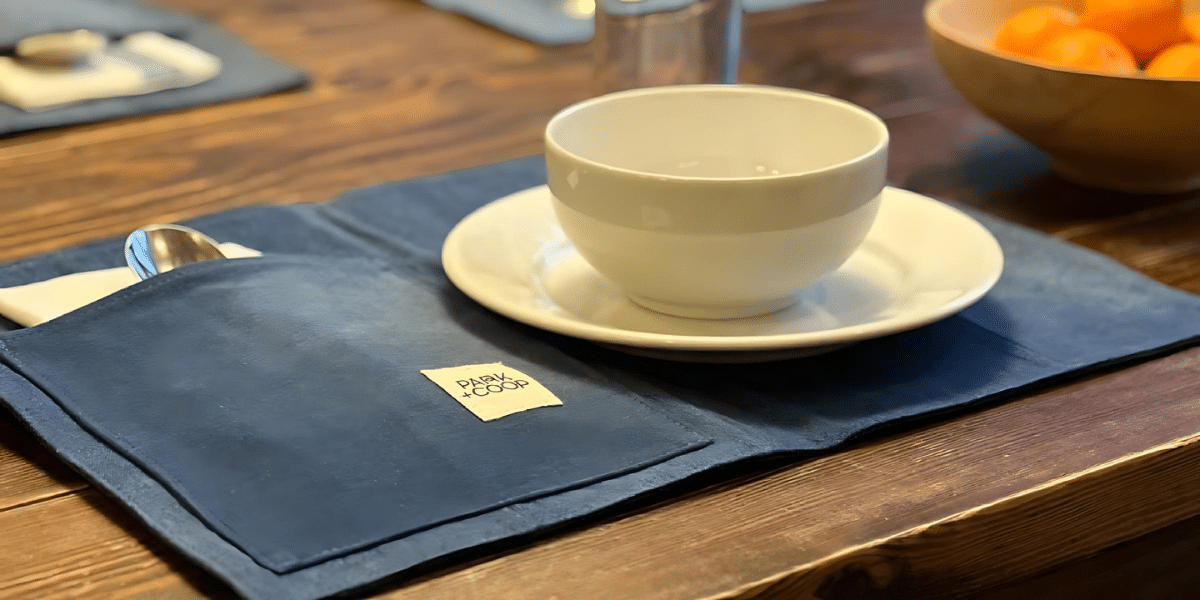
The journey of every Park + Coop product begins with the thoughtful selection of materials—denim that’s seen better days, fabric scraps leftover from the fashion industry, and other materials destined for oblivion find new life in the hands of skilled artisans. These materials are transformed into upcycled denim placemats, handcrafted throw pillows, and a myriad of other products that stand as symbols of environmental responsibility. Each piece tells a story, not just of its own creation, but of a future where sustainability and style go hand in hand.

In repurposing materials that would otherwise contribute to the growing problem of landfill waste, Park + Coop does more than just mitigate environmental impact. They challenge the status quo, proving that eco-friendly practices can result in products that are not only sustainable but also uniquely stylish and deeply personal. Their approach to sustainability goes beyond mere recycling—it’s about reimagining the potential of materials to create something truly special.

“We believe that sustainability and style should go hand in hand,” explains Carmen Olsen, CEO of Park + Coop. “Our mission is to offer Chicago residents stylish, eco-friendly alternatives that allow them to express their personal style while positively impacting the environment.”

But Park + Coop‘s appeal extends beyond its commitment to sustainability. The brand’s designs are also imbued with timeless elegance, making them a perfect fit for the diverse range of homes found throughout Chicago. Whether you reside in a sleek urban loft or a cozy brownstone in the city’s heart, Park + Coop has something to complement your space.

“We draw inspiration from the rich tapestry of Chicago’s architecture and culture,” says Olsen. “Our goal is to create pieces that not only enhance your home décor but also reflect the city’s unique character.”

In addition to its stylish designs and eco-friendly ethos, Park + Coop also prides itself on quality craftsmanship. Each product is meticulously crafted by skilled artisans, ensuring that it looks good and stands the test of time.

“We believe in creating pieces built to last,” Olsen emphasizes. “By investing in quality home décor items, Chicago residents can create spaces that they’ll love coming home to for years to come.”

For Chicagoans seeking to infuse their homes with both style and sustainability, Park + Coop is the ultimate destination. With its thoughtfully designed products, eco-friendly practices, and commitment to quality, Park + Coop is redefining what it means to decorate consciously in the Windy City.

Elevate Your Chicago Home Décor with Park Coop

Photo Courtesy: Park + Coop

So, whether you’re sprucing up your downtown apartment or revamping your suburban abode, consider adding a touch of Park + Coop to your home décor. Not only will you elevate your living space, but you’ll also contribute to a more sustainable future for our city and beyond.

Published by: Martin De Juan