The Chicago Journal

The Most Expensive Penthouses For Sale in Chicago Right Now

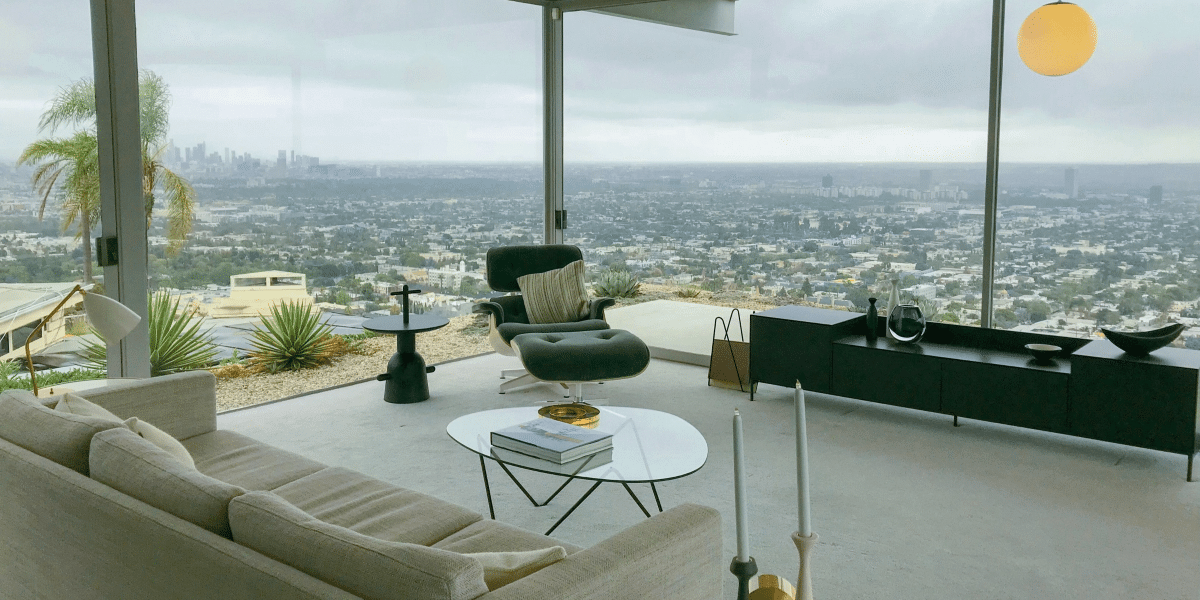
With soaring skyscrapers and high-rise apartments, Chicago has no shortage of breathtaking penthouse condos for those who are willing to spend top dollar on their new home in The Windy City. Penthouse residences are the crown jewel of any upscale apartment building. Many fetch prices that far exceed those of any single-family home in the area. With private outdoor space, expansive walk-in closets, gourmet kitchens and unmatched views of the skyline and Lake Michigan, these are the most expensive penthouses for sale right now, and they likely won’t be on the market for long.

Park Tower, PH67

Located at 800 North Michigan Avenue, Park Tower towers over Chicago 67 stories tall, and its crown jewel is Penthouse 67. The six-bedroom, eight-bathroom penthouse apartment is a full-floor duplex and has unmatched, 360-degree panoramic views overlooking the city and Lake Michigan. Residents enter the unit through the grand foyer by way of private elevator access. The home has 12-foot ceilings, formal living and dining rooms, and a large eat-in kitchen designed with the chef in mind. Residents can enjoy huge walk-in closets, a wealth of sunlight, and three private outdoor spaces that include a deck complete with a custom jacuzzi, a semi-enclosed balcony, and a 400-square-foot roof deck with a kitchen. Building amenities include round-the-clock security, an indoor pool and spa, and a fitness center. Park Tower’s Penthouse 67 is listed for $15,750,000.

One Bennett Park, PH65

One Bennett Park is an exquisite lakefront high-rise tower designed by Robert A.M. Stern Architects is among the most highly coveted residences in all of Chicago. Penthouse 65 spans 7,500 square feet and features four bedrooms and six bathrooms, as well as a private 65-foot-long outdoor terrace. The primary bedroom suite has a private corner library, and the other three bedrooms are also suites. One Bennett Park has a number of amenities that include a fitness center, yoga room, pilates studio, salon, 24-hour concierge services and valet parking. Penthouse 65 at One Bennett Park is listed for $15,170,000.

65 E. Goethe, 8N

Located on the top floor of 65 E. Goethe, unit 8N is a stunning six-bedroom, four-and-a-half-bathroom home that spans an impressive 9,000 square feet and is accompanied by a massive four-car garage. The home features gorgeous vaulted ceilings, hardwood floors throughout, a balcony, and a roof deck complete without an outdoor kitchen. Residents are part of a homeowner’s association, which provides amenities that include a door person, elevator, storage, an on-site manager, receiving room, and a service elevator. Unit 8N is currently listed for $12,900,000.

The Pinnacle, #4501

The Pinnacle, located at 21 East Huron Street, is home to the 6,000-square-foot Penthouse 4501. The residence features more than 2,000 square feet of private outdoor space and three garage spaces, and it delivers magnificent 360-degree views of Chicago’s skyline through floor-to-ceiling downs. The interior includes a custom bar, a climate-controlled wine room that stores up to 1,500 bottles and an expertly designed eat-in chef’s kitchen with a walk-in pantry. The home includes three bedrooms, all of which have en suite bathrooms and an additional guest bathroom. The primary suite has two spacious walk-in closets and a newly updated spa bath. The Pinnacle offers world-class amenities that include round-the-clock door staff, an indoor pool, spa, sauna and steam shower, sundeck, and exercise facilities. Penthouse 4501 is currently listed for $5,995,000.

1301 North Astor Street, PH

Situated in Chicago’s highly coveted Gold Coast neighborhood lies 1301 North Astor Street, which features one of the most beautifully designed penthouse residences in the city. The home is a duplex that sits at the top of the Art Deco building, and it features an abundance of natural light, stunning finishes, and attention to every last design detail. The penthouse has two bedrooms and three bathrooms and spans just shy of 6,000 square feet, with a formal sitting room, dining room, and family room. The home boasts five terraces, gorgeous views of Lake Michigan, two attached parking spaces, and two storage rooms, and the building has a residents-only gym. The penthouse at 1301 North Astor Street is listed for $5,500,000.

Challenging the Status Quo: A Deep Dive into Discrimination and Inequality in Hollywood

Hollywood, often seen as a land of dreams, is marred by the harsh reality of discrimination and inequality. Various forms of discrimination, including racial, gender, age, sexuality bias, and disability discrimination, hinder the aspirations of many in this glamorous industry. Kira Ayla, Co-founder of It’s OVER. End Discrimination Now, sheds light on these pervasive issues.

1. The Many Faces of Discrimination in Hollywood

Discrimination in Hollywood manifests in numerous ways. Actors face stereotyping and the dominance of male leads. Despite some progress, women, especially from underrepresented racial and ethnic groups, struggle for leading roles. The LGBTQ+ community and individuals with disabilities remain largely invisible in mainstream cinema. Ageism particularly affects female actresses, with older actresses experiencing a significant pay gap. Behind the scenes, the story is no different. Directors and writers from historically marginalized communities are underrepresented, leading to a lack of diversity on-screen. Budget constraints further limit their reach. Writers and other crew members encounter various forms of harassment and bullying, with systemic barriers impeding fair representation.

2. Hollywood’s Representation: A Mismatch with Society’s Diversity

Although strides have been made, Hollywood’s representation of diversity lags behind societal realities. The success of shows and movies like “The Fosters,” “Black-ish,” and “Crazy Rich Asians” indicates a growing appetite for diverse narratives. However, the overall landscape remains skewed. Theatrical films still lack ethnic and gender inclusivity, and stereotypical portrayals persist. This mismatch leads to a disconnect for audiences from historically marginalized communities.

3. Systemic Barriers: The Root of Persistent Inequalities

Systemic issues, including racial inequality and the gender pay gap, contribute heavily to Hollywood’s discriminatory landscape. A McKinsey report highlights a $10 billion annual loss due to racial inequality alone. These systemic barriers, including the underrepresentation of LGBTQ+ and other marginalized groups, perpetuate the cycle of discrimination.

4. Hollywood vs. Other Entertainment Industries

The problem of discrimination is not unique to Hollywood. Bollywood, the K-pop industry, and the British and Japanese film industries all exhibit similar issues, such as gender bias, racism, and ageism. These global parallels suggest a widespread challenge in the entertainment sector.

5. Lessons from Global Cinema

Despite the global prevalence of these issues, there are lessons to be learned. Films and shows that have successfully embraced diversity, like “Black Panther” and “Squid Game,” demonstrate the value of inclusive storytelling. Representation matters, and when audiences see themselves reflected on screen, it not only boosts viewership but also inspires societal change.

6. Initiatives to Combat Discrimination in Hollywood

Movements like #OscarsSoWhite and organizations like Women in Film highlight the efforts to combat these issues. The Hire Disabled Writers Initiative and boycotts against events like the Golden Globe Awards also signify a growing awareness and resistance to inequality.

7. The Effectiveness of Diversity and Inclusion Initiatives

Despite ongoing challenges, diversity and inclusion initiatives are making headway. Changes in the composition of award voting bodies and new standards for award nominations signal a shift towards greater inclusivity. However, underrepresented writers and other creatives continue to face obstacles.

8. Towards a More Inclusive Hollywood

Creating an inclusive Hollywood requires a multi-faceted approach. Hiring diverse talent behind the camera is crucial to ensuring diverse representation on screen. Continued advocacy for diversity and inclusion initiatives is vital for sustaining progress.

9. Overcoming Hollywood’s Challenges

Overcoming these challenges promises a future of authentic storytelling and larger, more diverse audiences. It could lead to greater recognition of previously overlooked talents and inspire societal change. By addressing these issues, Hollywood can become a catalyst for a more equitable and just society.

Ayla’s insights reveal a complex and multifaceted problem. Discrimination and inequality in Hollywood reflect broader societal issues, necessitating a concerted effort to create change. As Hollywood grapples with these challenges, its actions will resonate far beyond the red carpet, potentially heralding a new era of inclusivity and diversity in entertainment.