Weather Conditions Across the City
A winter storm has swept through Chicago and nearby regions, bringing snow, wind, and freezing temperatures. The storm developed as cold air from the north moved over the warmer waters of Lake Michigan, creating what meteorologists call lake-effect snow. This phenomenon often produces heavy snowfall in short periods, especially near the lakefront and in northwest Indiana.
As of early Monday, the National Weather Service reported several inches of snow across Cook County, with higher totals in suburbs closer to the lake. Some parts of northwest Indiana recorded more than a foot of accumulation. The mix of snow and wind has reduced visibility on roads, leading to slower commutes and travel delays.
Temperatures in Chicago have hovered around the low 30s Fahrenheit, with wind chills making it feel colder. The combination of freezing air and lake moisture continues to produce bursts of snow throughout the day, though forecasters expect gradual improvement by the evening.
How the Storm Formed
This storm formed when a low-pressure system from the Great Lakes region clashed with colder Arctic air. The difference in temperature and moisture created a line of strong winter conditions stretching from Wisconsin down through Illinois and into Indiana.
Lake Michigan’s relatively warmer surface added extra moisture to the atmosphere, feeding narrow snow bands that intensified near the city. These lake-effect snow bands can shift quickly, leaving one neighborhood buried under snow while another sees only light flurries. The effect is unpredictable but well known to residents of the Great Lakes region.
Meteorologists emphasize that lake-effect snow differs from widespread snowstorms that cover entire states. Instead, it’s localized, forming and dissipating within hours depending on wind direction and temperature. That’s why some areas near downtown Chicago have less snow than those closer to the lakefront or suburbs to the east.
Impacts on Travel and Transportation
Snow and ice have caused slow travel across Chicago’s highways and local streets. City crews have been working throughout the night to plow major routes and spread salt before morning traffic. Officials urge drivers to allow extra time for their commutes and to keep a safe distance between vehicles.

Photo Credit: Unsplash.com
Air travel has also been affected. Chicago O’Hare and Midway airports reported dozens of flight cancellations and delays as airlines worked to clear runways. Passengers have been encouraged to check their flight status before heading to the airport. Ground transportation, including buses and trains, continues to operate, though schedules may shift slightly to adjust for weather conditions.
Despite the challenges, Chicago’s transit systems are well prepared for winter events. Plows and salt trucks are fully deployed, and public transit agencies are communicating updates throughout the day. Most major roads remain open, but bridges and elevated sections may be slick.
How Residents Are Coping
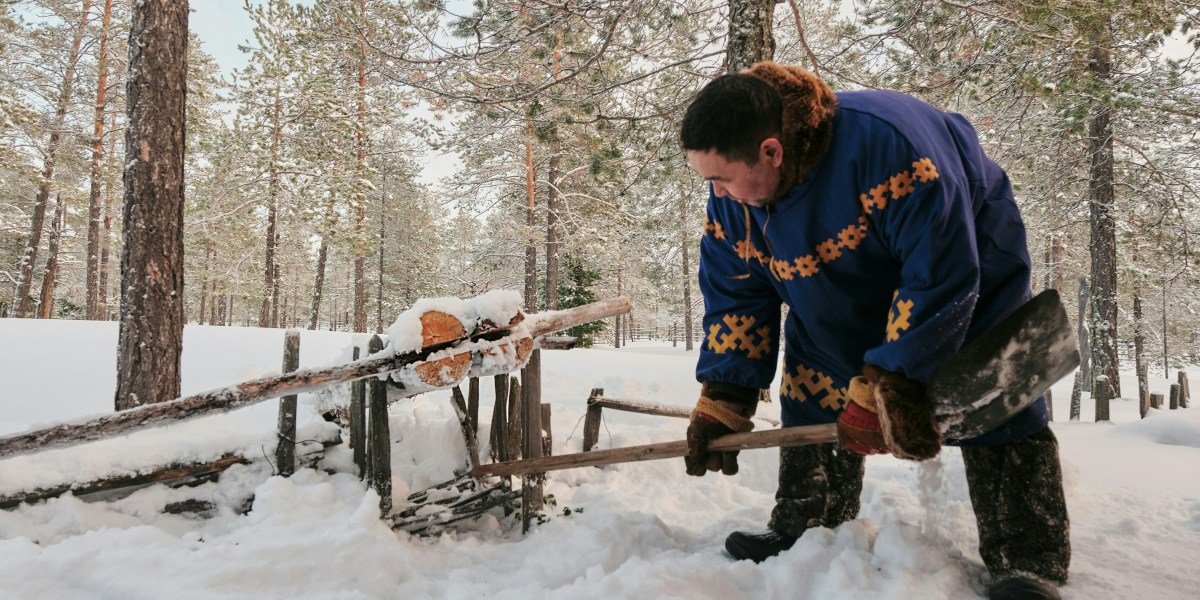
For most Chicago residents, early November snow isn’t entirely unexpected. Winter weather often arrives quickly in the Midwest, and households are used to preparing ahead. Many residents spent the weekend clearing sidewalks, stocking up on essentials, and protecting outdoor pipes from freezing temperatures.
Schools across the region have made adjustments based on local conditions. While most Chicago Public Schools remain open, some suburban districts opted for remote learning or delayed openings. Businesses that rely on outdoor activity, such as construction and landscaping, temporarily paused operations until weather improves.
The city’s emergency management department reminds residents to check on neighbors, especially the elderly and those without adequate heating. Warming centers across Chicago are open to the public for anyone in need of shelter from the cold.
The Role of Lake-Effect Snow
Lake-effect snow happens when cold, dry air moves over warmer lake water. The lake adds moisture to the air, which then freezes and falls as snow once it reaches land. The direction of the wind determines where the heaviest snow lands, often concentrating in narrow zones.
Chicago’s proximity to Lake Michigan makes it a frequent target for this type of weather. Even when other parts of Illinois stay dry, the city and nearby suburbs can see bursts of snow from passing bands. The phenomenon can be unpredictable, with snowfall rates varying dramatically within short distances.
Because of its localized nature, lake-effect snow often surprises commuters. A neighborhood on one side of the city might wake up to clear streets while another, just a few miles away, faces several inches of snow. That uneven distribution makes forecasting and preparation more complicated for city officials.
Local Response and Safety Measures
City departments have been coordinating since the storm began, prioritizing main roads, hospitals, and public transit routes for snow removal. Chicago’s Department of Streets and Sanitation has more than 200 plows and salt spreaders active during major snow events. Crews focus first on expressways and arterial streets before clearing residential areas.
Officials encourage residents to stay updated on weather alerts and avoid unnecessary travel until roads are fully cleared. If driving is necessary, keeping emergency supplies such as blankets, flashlights, and extra batteries is recommended. For pedestrians, wearing proper winter footwear can reduce the risk of slipping on icy sidewalks.
Public messaging has remained calm and clear. Local authorities emphasize that while the storm has disrupted travel, essential services remain open. Police, fire, and medical facilities continue to operate at full capacity, and utility companies report no major outages.
The Broader Regional Effect
The same system impacting Chicago has stretched across the Great Lakes, affecting parts of Wisconsin, Michigan, and Indiana. Cities along the lake have experienced varying levels of snowfall, depending on wind patterns. Northwest Indiana has seen heavier accumulation, while southern Illinois remains mostly cold but dry.
The storm also contributes to seasonal cooling across the Midwest. Cold air patterns are expected to persist for several days, with daytime highs staying in the low 30s Fahrenheit. Meteorologists suggest this may mark the start of a longer winter pattern typical for November, though temperatures could rebound slightly later in the week.
For neighboring states, road crews and airport teams are using similar strategies—early salting, continuous plowing, and coordination between departments to keep travel disruptions manageable.
Staying Calm and Prepared
For residents of Chicago, snow is part of life, and city systems are built to handle it. While the storm has brought temporary challenges, the overall response remains steady. Crews continue clearing streets, airlines are adjusting schedules, and residents are adapting their routines without panic.
The key is staying informed and cautious. Local weather services provide updates on expected snowfall and temperatures. Community networks share information about open warming centers and school announcements. With preparedness and patience, most daily activities can continue safely despite the snow.
By mid-week, forecasters expect conditions to improve as winds shift and snow bands weaken. Temperatures will remain cold, but visibility and travel conditions should gradually return to normal. For now, Chicagoans are taking the storm in stride, showing once again that a little snow is just another part of winter in the Midwest.