
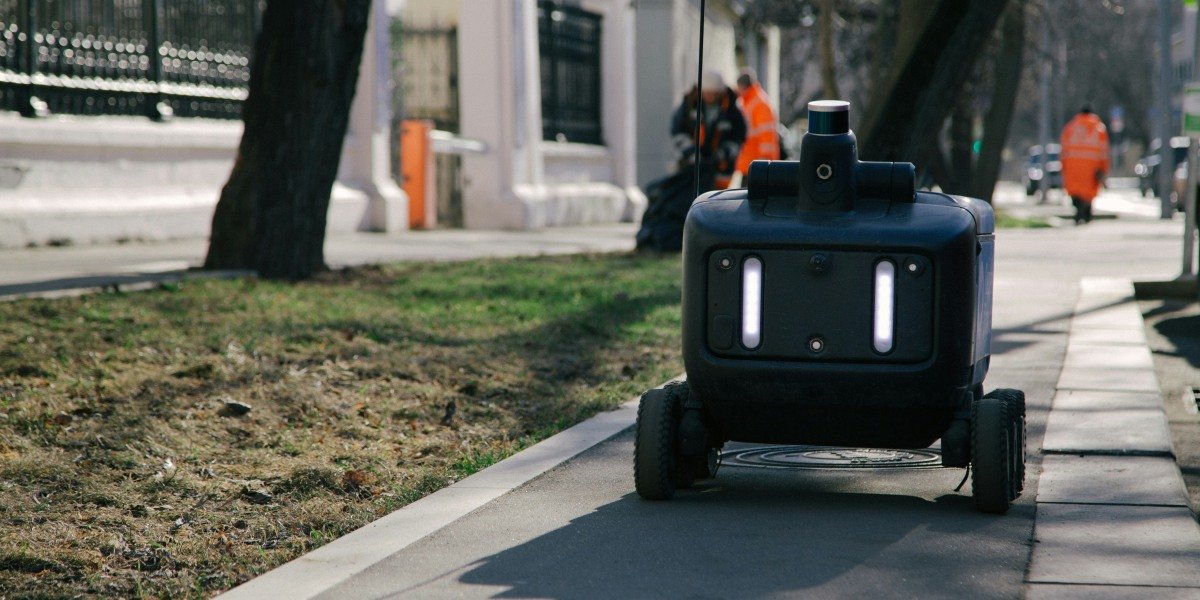
A petition in Chicago has gained thousands of signatures calling for a pause on sidewalk delivery robots operating across several neighborhoods. These machines are small, rolling devices that carry food orders from restaurants to customers. They move slowly and use sensors to guide themselves. Residents who signed the petition say they’ve seen collisions with pedestrians, blocked pathways, and situations that left people feeling unsafe while walking. The petition doesn’t reject technology itself. It asks for a breather so the city can gather clearer safety data.
People living in areas where the robots operate have shared their own experiences. Some describe narrow sidewalks where a robot leaves little space for others to pass. Others say the robots stop suddenly or turn unpredictably, creating awkward moments for anyone using a stroller or wheelchair. These accounts raised concerns not just about comfort but also about accessibility. Sidewalks are shared spaces. If a new tool regularly gets in the way, residents want answers before the program grows.
The petition gained momentum quickly because many Chicago neighborhoods already deal with crowded walkways. Adding moving machines to that mix changes how people navigate public space. Even if the robots drive slowly, residents want to know how the program is monitored and whether companies are responding to issues. The call for a pause isn’t about resistance to innovation. It’s a request for more clarity and reassurance.
How Delivery Robots Work on City Sidewalks
Sidewalk delivery robots operate with a combination of cameras, sensors, and digital maps. They’re built to detect obstacles and plan routes that keep them on the sidewalk. Many models can carry food, drinks, and small packages. They typically travel up to five miles per hour, which feels similar to a brisk walk. The idea is to reduce traffic from delivery cars and offer restaurants a lightweight option for short distance orders.
Companies behind the robots say they’re designed for safety. The machines keep their speed low and stop when something crosses their path. They also monitor their surroundings with technology that aims to recognize people, pets, bikes, and objects. Each company has a command center where staff can step in if a robot needs help. This human oversight is meant to keep the machines from causing problems when something unexpected happens.
Even with these systems, many people worry that sensors don’t fully account for complex sidewalk behavior. City sidewalks change constantly as people move, gather, or form lines outside businesses. Robots rely on rules and patterns to make decisions. Humans can read subtle cues, like someone shifting their balance or turning their head before stepping forward. Robots don’t pick up on those signals in the same way. That gap raises questions about whether the machines belong in busy spaces without clearer testing and reporting.
Why Safety and Accessibility Became the Core of the Petition

Photo Credit: Unsplash.com
The petition pushes safety concerns to the front because many of the complaints involve physical contact or near misses. One resident reported that a robot hit the back of their leg. Others said the machines blocked ramps meant for wheelchair users or narrowed the space so much that passing became difficult. These experiences matter because accessibility rules ensure public areas can be used by everyone. When machines interfere with those standards, the city needs a plan for how to evaluate the impact.
Accessibility issues don’t only affect people with mobility devices. Parents pushing strollers, older adults steadying themselves, or workers carrying supplies all rely on clear paths. A robot stopped in the middle of a sidewalk forces people to move around it. That movement can create small hazards that add up during busy times of day. Chicago residents want data that shows how often these situations happen and what companies are doing to prevent them.
The petition also highlights concerns about how quickly the pilot expanded. Many residents said they were surprised to see robots in their neighborhood and didn’t know who approved the program. People want more transparency from companies and city officials. They want to know how reports are collected and whether incidents trigger changes. By asking for a public hearing, signers hope to make the entire program easier to understand.
How the City Is Responding to the Concerns
Chicago’s transportation officials are reviewing the petition and collecting feedback from residents. Some aldermen have begun distributing surveys to understand how people feel about sidewalk robots in their wards. The city already regulates where the machines can travel, how fast they move, and what hours they operate. Even with these rules, officials want to understand where problems are happening and whether adjustments are needed.
The pilot program allows companies to test delivery robots while the city measures how they interact with sidewalks. Officials examine reports involving blocked walkways, collisions, or unusual behavior. They also review how the robots handle curbs, ramps, and mixed pedestrian areas. The goal is to gather enough data to make informed decisions about whether the program should grow or pause.
City staff also look at how other places handle similar technology. Some cities allow robots only in limited zones. Others ban them from sidewalks entirely. These comparisons help Chicago figure out what approach fits its own infrastructure. The city wants to support innovation without compromising safety. Clearer guidelines may emerge as officials learn more from resident feedback and pilot data.
What Robot Companies Say About the Complaints
Robot delivery companies say they’re committed to safety and willing to work with the city to address concerns. They highlight that the machines move slower than bikes or scooters and carry less force than cars. These points are meant to show that robots pose less risk than many common urban vehicles. Companies also emphasize that their robots use advanced sensors to reduce the chance of collisions.
In response to the petition, some robot operators said they review every incident report and adjust routes when needed. This feedback loop helps them understand tricky areas such as narrow sidewalks or busy intersections. Companies may also monitor live video streams of robots so staff can take control if a machine gets stuck. These steps help keep operations smooth, though residents want clearer documentation showing how often human intervention is needed.
Companies also understand that sidewalk acceptance matters. Robots may run efficiently, but if people feel uncomfortable or unsafe walking near them, the program can’t succeed. Operators have stated publicly that they welcome dialogue with residents and city officials. They believe that sharing more information about performance and reliability can help ease concerns.
What Comes Next for Chicago’s Robot Delivery Program
The petition has sparked a broader discussion about how Chicago should use automated tools in public areas. Sidewalks serve many types of users. Any new technology must fit into those spaces without creating problems. While some residents appreciate the convenience of robot deliveries, others feel unsettled by machines sharing narrow walkways. The city’s next phase will likely focus on reviewing data, evaluating incident reports, and considering updates to permit rules.
A pause on the program is one possible outcome if officials decide more information is needed. Another option is tightening rules about where robots can travel or what hours they operate. The city may also ask companies to share more detailed safety records or test the machines in less crowded areas. These steps could help build trust and reduce conflict between residents and the technology.
Whatever decision Chicago makes, the conversation shows how cities must balance convenience with public comfort. Delivery robots offer a glimpse of how automation might support restaurants and reduce traffic. But the path forward depends on how well companies and officials address the concerns raised by the community. Clear guidelines and open communication will shape how the program grows.