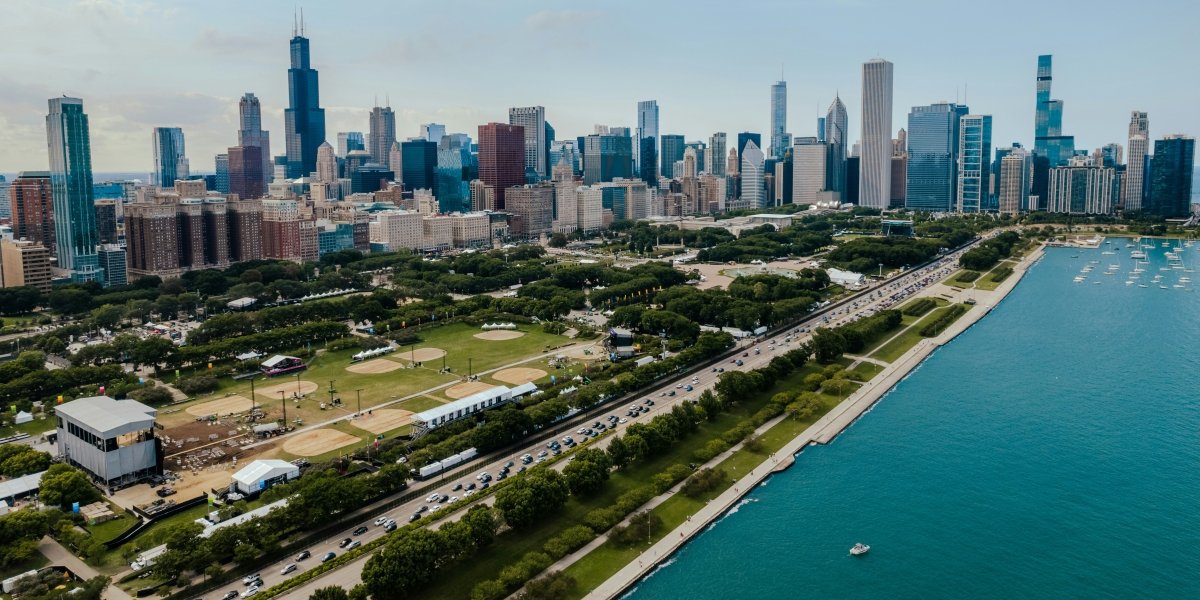
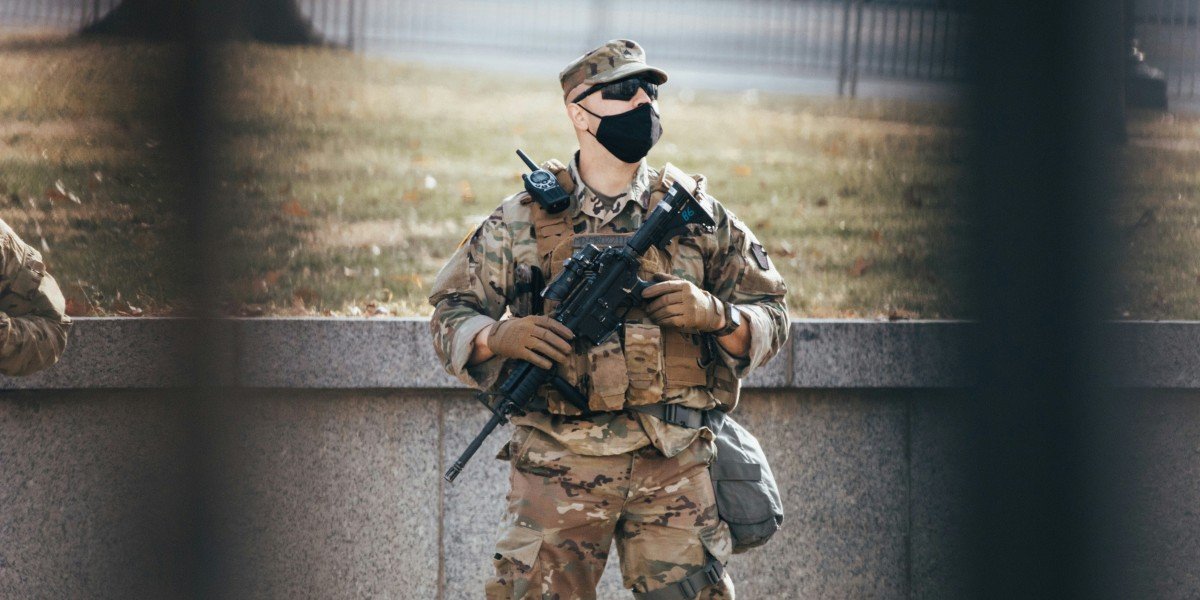
WASHINGTON — President Donald Trump has ordered the removal of National Guard troops from Chicago, as well as Los Angeles and Portland, saying the move reflects what he called “greatly reduced” crime rates in those cities. In statements made late Wednesday and on social media, the president framed the pullback as a success of his strategy, asserting the deployments had contributed to improving public safety. He also warned that federal forces could return “in a much different and stronger form” if crime rises again.
The decision marks a shift after months of controversy over Trump’s use of National Guard forces in urban areas, which began in mid-2025 as part of a broader effort to support federal law enforcement and address protests, immigration enforcement actions, and crime.
Legal Challenges Undermine Federal Authority to Deploy Troops
A key catalyst for the withdrawal has been a series of legal setbacks to the administration’s authority to federalize National Guard units without state consent. Last week the U.S. Supreme Court refused to allow the National Guard to be deployed in Illinois, a significant defeat for the White House’s legal rationale for domestic troop deployments. The Supreme Court’s order underscored that presidential authority to federalize the Guard is limited and typically applies only under exceptional conditions such as rebellion or invasion, criteria the administration did not meet.
In addition to the Supreme Court ruling, federal courts have ruled against the administration’s position in California and Oregon, prompting judicial returns of Guard units to state control. Governors in those states, including Illinois and California, had challenged the federal deployments as unlawful federal overreach.
Political and Crime Data Debates
Trump cited crime reduction as justification for ending the deployments. His administration has consistently claimed that Guard presence contributed to declines in violent crime, even as local leaders and law enforcement officials have pointed to data showing significant drops in violent crime rates independently of federal involvement. Chicago’s police department reported the city experienced some of its lowest violent crime figures in more than a decade during 2025.
Democratic officials have been vocal critics of the deployments, arguing they were unnecessary and constitutionally questionable. Chicago Mayor Brandon Johnson and Illinois Governor J.B. Pritzker both opposed federal troop presence, saying local public safety strategies, not military forces, were responsible for improving crime trends.
Broader Context of 2025 Guard Deployments
The Chicago pullback concludes months of controversial plans to deploy the National Guard to several major U.S. cities. Initially used to support federal law enforcement during protests and immigration enforcement operations like Operation Midway Blitz in Chicago, Guard deployments drew criticism for militarizing domestic responses and sparked legal action from multiple states.
Trump had also deployed National Guard forces to Washington, D.C., where federal control is more legally direct due to the city’s unique status, and to cities like Memphis and New Orleans with state support — showing that troop use has varied by location and legal framework.
Political Reactions and Next Steps
The withdrawal has been met with mixed reactions. Democratic governors have hailed court rulings as victories for constitutional limits and states’ rights, emphasizing that the federal government had no legal basis to keep Guard troops under its control. Republican supporters of the president’s crime-focused agenda framed the retreat as a tactical pause rather than a policy end, echoing Trump’s warnings of future redeployments if conditions worsen.
For now, federal authorities are scaling back efforts in Chicago and other contested cities, focusing instead on areas where deployments remain legally upheld or where local officials have requested assistance.