
Retail evolution has become a defining force in how Chicago’s suburban communities eat, shop, and settle into their neighborhoods. From Naperville to Schaumburg, the shift isn’t just about new storefronts, it’s about how people live.
The transformation is most visible in how dining options have expanded beyond traditional strip malls. Instead of relying on legacy chains, residents now gravitate toward mixed-use developments that blend boutique retail with chef-driven restaurants. These spaces often include walkable layouts, outdoor seating, and curated experiences that reflect the changing expectations of suburban consumers.
It’s not just about convenience. Many residents feel frustrated by the lack of variety in older retail zones, especially when dining out meant choosing between the same few options. The newer retail clusters offer more than food, they create social hubs, often anchored by local businesses that understand the community’s rhythm.
Retail Evolution Is Redefining Suburban Living
The concept of suburban living has shifted alongside retail development. Instead of sprawling subdivisions disconnected from commercial centers, newer housing projects are being built adjacent to retail corridors. This proximity allows residents to walk to dinner, grab coffee, or shop without relying on long drives or congested parking lots.
Developers have responded by designing residential units that prioritize access to amenities. Townhomes and apartments near retail zones now feature balconies, shared courtyards, and flexible layouts that appeal to both families and remote workers. The goal isn’t just to sell a home, it’s to offer a lifestyle that feels integrated.
Retail evolution also plays a role in pricing dynamics. Retail pricing shifts tied to tariff pressures and global trade have influenced how suburban consumers approach everyday purchases, especially in areas where imported goods dominate shelves. That awareness is shaping both shopping habits and residential preferences.
In places like Arlington Heights and Downers Grove, proximity to retail has become a selling point for new developments. Real estate agents often highlight walkability to grocery stores, cafés, and boutique shops as a key feature. This reflects a broader change in what suburban buyers value, not just square footage, but access to vibrant, well-designed retail environments.
Dining Trends Reflect New Consumer Priorities
Dining in the suburbs used to follow predictable patterns: weekend outings, chain restaurants, and limited international options. That’s changed. Retail evolution has brought in a wave of culinary diversity, with pop-up kitchens, fusion menus, and locally sourced ingredients becoming more common.
These changes aren’t just aesthetic. They reflect deeper shifts in consumer behavior. People want dining experiences that feel personal, not mass-produced. They’re willing to explore new cuisines, support independent chefs, and prioritize ambiance as much as flavor.

Photo Credit: Unsplash.com
Social media has played a role in accelerating these shifts. Retail spaces that once relied on foot traffic now benefit from digital visibility. Suburban restaurants have gained traction through social media-driven retail engagement, where a single post can turn a quiet café into a weekend hotspot.
In Oak Park and La Grange, restaurant owners have embraced this shift by designing spaces that photograph well and offer unique menu items. It’s not uncommon to see seasonal dishes, limited-run specials, and collaborations with local farms. These efforts help restaurants stand out in a competitive market and appeal to diners who want more than just a meal, they want a story.
Retail Evolution Is Changing What Residents Expect
Expectations around retail have shifted dramatically. It’s no longer enough for a shopping center to offer basic goods. Residents want curated experiences, seasonal events, and spaces that feel welcoming. Retailers who understand this are redesigning their interiors, hosting community pop-ups, and collaborating with local artists.
This shift has also impacted how people choose where to live. Proximity to vibrant retail zones is now a key factor in real estate decisions. Families want neighborhoods where they can walk to dinner, meet friends for coffee, and enjoy weekend markets without leaving their zip code.
Retail evolution has made these expectations more attainable. It’s not just about what’s for sale, it’s about how retail shapes the rhythm of daily life.
In Evanston, retail corridors have been reimagined to include public art installations, pedestrian-friendly walkways, and outdoor gathering spaces. These enhancements don’t just attract shoppers, they create a sense of place that makes residents feel connected to their community.
Retailers have also adapted by offering flexible hours, mobile ordering, and loyalty programs tailored to local preferences. These changes reflect a deeper understanding of how suburban consumers interact with retail, not just as buyers, but as participants in a shared experience.
Chicago’s Suburbs Are Leading the Shift
While urban centers often get credit for innovation, Chicago’s suburbs are quietly leading the way in retail transformation. Places like Oak Brook, Evanston, and Orland Park have embraced mixed-use planning, pedestrian-friendly layouts, and retail concepts that prioritize experience over volume.
This evolution isn’t uniform. Some suburbs are still catching up, while others have become models for how retail can enhance community life. What’s clear is that the old model, isolated retail strips surrounded by parking lots, no longer fits the needs of modern residents.
Retail evolution continues to influence how people dine, shop, and live. In Chicago’s suburbs, it’s not just a trend, it’s a shift in how communities define themselves.
In Schaumburg, the transformation of Woodfield Mall into a multi-use destination reflects this broader change. Beyond shopping, the area now includes entertainment venues, upscale dining, and residential units that cater to a wide range of lifestyles. This kind of integration shows how retail can serve as a foundation for community development.
Meanwhile, smaller suburbs like Hinsdale and Clarendon Hills are experimenting with micro-retail concepts, compact storefronts that rotate vendors seasonally or host local makers. These spaces offer flexibility and keep the retail experience fresh, encouraging repeat visits and deeper engagement.
Retail Evolution and the Suburban Identity
Retail evolution has also influenced how suburban communities see themselves. It’s not just about economic development, it’s about identity. A well-designed retail corridor can signal a town’s values, whether that’s sustainability, creativity, or inclusivity.
In some cases, retail has become a tool for placemaking. Towns use design elements, signage, and programming to create a distinct atmosphere that sets them apart from neighboring areas. This helps attract visitors, but more importantly, it gives residents a sense of pride and belonging.
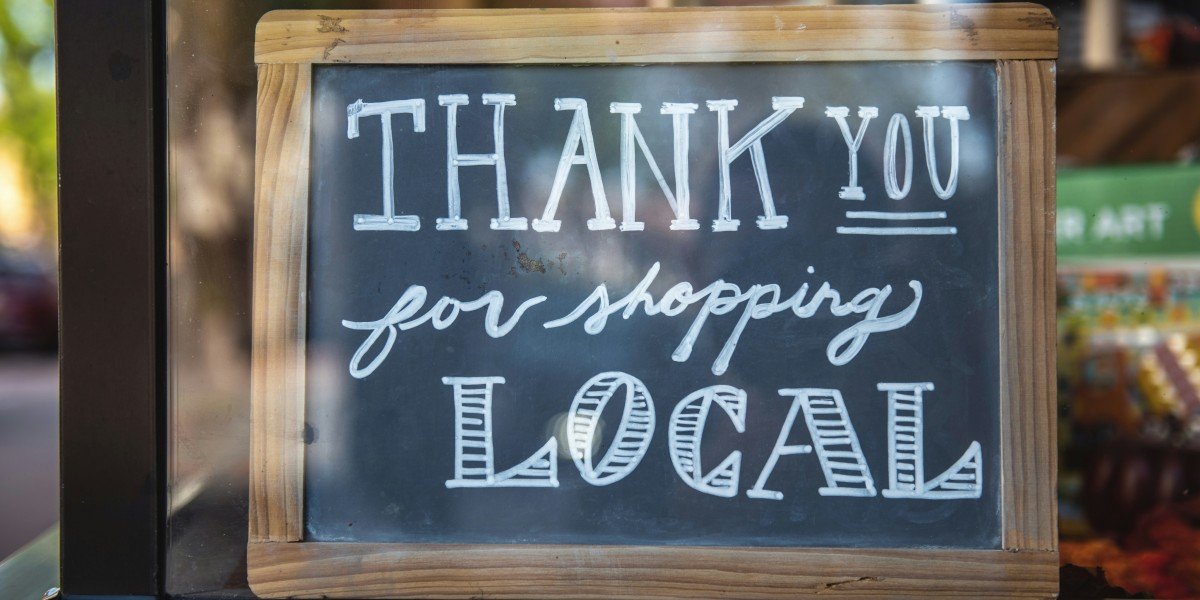
Retail evolution has made it easier for suburbs to support local entrepreneurs. With flexible leasing options, shared spaces, and community-backed funding initiatives, small businesses have more opportunities to thrive. This adds depth to the retail landscape and ensures that it reflects the character of the community.
For residents, this means more choices, better service, and a stronger connection to the places they shop and dine. It also means that retail isn’t just transactional, it’s relational. People return to places where they feel seen, heard, and valued.
Retail evolution in Chicago’s suburbs isn’t just changing storefronts, it’s reshaping how people live, connect, and define their neighborhoods.