
Chicago’s private school sector is undergoing a transformation. Once defined by legacy institutions and traditional curricula, the city’s independent schools are now embracing innovation, diversity, and digital fluency to meet the demands of a changing student population. Enrollment is rising, competition is intensifying, and the expectations of Chicago families are reshaping what private education looks like in 2025.
According to the latest Private School Enrollment Trends Report, schools across the country are leveraging technology, expanding specialized programs, and rethinking tuition models to attract and retain students. In Chicago, these shifts are especially visible in bilingual education, STEM integration, and community engagement.
Enrollment Is Up, But So Is Pressure
While public schools in Chicago continue to show a positive outlook, private institutions are seeing a parallel surge in interest. Post-pandemic, many parents are seeking smaller class sizes, personalized learning, and values-based education. The result: increased applications, longer waitlists, and more selective admissions.
But with growth comes pressure. Schools are being asked to deliver more, more innovation, more transparency, and more measurable outcomes. Parents want to see how tuition translates into academic success, emotional wellness, and college readiness. That demand is pushing schools to rethink everything from curriculum design to parent communication.
The competition isn’t just local, it’s regional. Families are comparing Chicago’s private schools to those in nearby suburbs and even out-of-state boarding options. That’s driving schools to sharpen their messaging, upgrade facilities, and invest in faculty development to stay ahead.
Technology Is Reshaping the Classroom
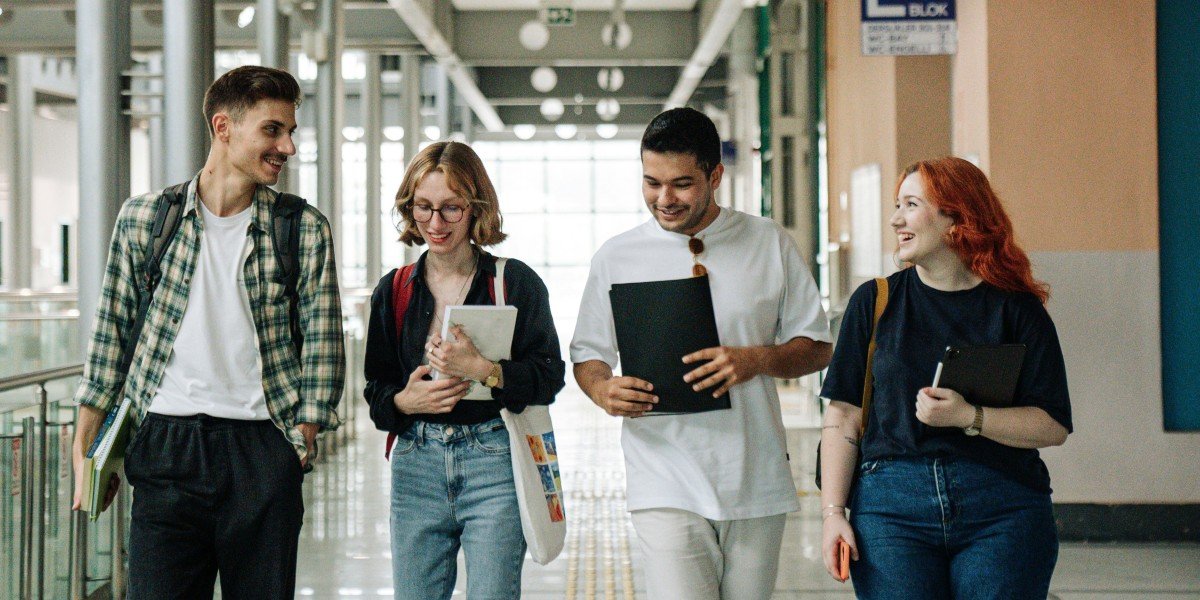
One of the most dramatic shifts in Chicago’s private school sector is the integration of advanced technology. From AI-powered tutoring platforms to real-time performance dashboards, schools are using tech to personalize learning and improve outcomes.

Photo Credit: Unsplash.com
Security is also top of mind. As explored in this feature on surveillance systems, schools are investing in smart infrastructure to protect students and staff. Facial recognition, visitor tracking, and predictive analytics are becoming part of the new normal, especially in high-profile institutions.
But tech isn’t just about safety or efficiency. It’s about engagement. Schools are using virtual reality to teach history, coding bootcamps to prep for STEM careers, and digital portfolios to showcase student growth. The goal: to create learning environments that reflect the world students will inherit.
Some schools are even experimenting with AI-driven scheduling tools, adaptive testing, and gamified learning platforms. These innovations are helping educators tailor instruction to individual needs while maintaining academic rigor.
Bilingual and Specialized Programs Are Expanding
Chicago’s multicultural identity is driving demand for bilingual education. Private schools are responding with dual-language immersion programs in Spanish, Mandarin, and Arabic, designed to prepare students for global citizenship and cross-cultural fluency.
These programs aren’t just about language, they’re about access. Bilingual tracks often include cultural studies, international exchange opportunities, and partnerships with global institutions. They’re helping students build empathy, curiosity, and a broader worldview.
Specialized tracks are also gaining traction. From arts conservatories to entrepreneurship labs, schools are offering niche programs that align with student passions and career goals. These offerings help differentiate schools in a competitive market and give families more choice in shaping their child’s education.
Some schools are even launching pre-professional academies in law, medicine, and engineering, complete with mentorship, internships, and college credit. It’s a shift toward career-connected learning that reflects Chicago’s dynamic economy.
Affordability and Access Are Under Scrutiny
Despite rising interest, affordability remains a barrier. Tuition rates in Chicago’s private schools range widely, with elite institutions charging upwards of $40,000 annually. To address this, many schools are expanding financial aid, launching scholarship funds, and exploring income-based tuition models.
Some are also partnering with community organizations to offer subsidized seats for underserved students. These efforts reflect a growing commitment to equity, and a recognition that diversity strengthens learning.
Schools are also rethinking how they communicate value. Instead of focusing solely on prestige, they’re highlighting outcomes: college acceptance rates, alumni impact, and student well-being. It’s a shift from exclusivity to transparency.
In some cases, schools are piloting hybrid tuition models that combine private funding with public grants, especially for students with special needs or exceptional talent. These models could redefine access in the years ahead.
What Parents Are Prioritizing
Chicago parents are more informed and involved than ever. They’re asking tough questions about curriculum relevance, mental health support, and post-graduation outcomes. They want schools that align with their values, support their children’s identities, and prepare them for a complex future.
That’s leading to a shift in how schools communicate. Weekly newsletters, parent portals, and town hall meetings are becoming standard. Schools are also investing in brand storytelling, highlighting alumni success, community impact, and educational philosophy to build trust and loyalty.
Parents are also prioritizing emotional intelligence, social justice education, and civic engagement. They want schools that teach students how to lead, collaborate, and contribute, not just compete.
A Sector in Motion
Chicago’s private school sector is no longer static. It’s dynamic, responsive, and increasingly shaped by the voices of families, educators, and students. As enrollment grows and expectations rise, schools will need to balance tradition with transformation.
Whether through tech upgrades, bilingual expansion, or affordability initiatives, the sector’s future will depend on its ability to stay relevant, inclusive, and community-driven. And in a city that values education as a pathway to opportunity, that evolution is not just welcome, it’s essential.
Chicago’s independent schools are rewriting the playbook. And for families navigating the future of education, that’s a story worth following.