

Organic cosmetics are reshaping Chicago’s beauty industry. As more consumers seek transparency, sustainability, and skin-friendly ingredients, local brands and retailers are responding with cleaner formulations and eco-conscious practices. This shift isn’t just about product labels, it reflects a broader cultural movement toward wellness and environmental awareness, especially in urban markets like Chicago.
Why Organic Cosmetics Are Gaining Ground in Chicago
Chicago’s beauty scene is diverse, with independent boutiques, national retailers, and emerging brands all competing for attention. Organic cosmetics offer a distinct advantage: they appeal to health-conscious shoppers who want products free from synthetic additives, parabens, and artificial fragrances. These preferences often stem from concerns about skin sensitivity, allergies, or long-term exposure to harsh chemicals.
Retailers in neighborhoods like Logan Square and River North have expanded their offerings to include plant-based skincare, mineral makeup, and sulfate-free haircare. Shelves now feature products made with ingredients like chamomile, aloe vera, and jojoba oil, formulas designed to soothe rather than irritate. This shift reflects a growing demand for simplicity and transparency.
Chicago Brands Leading the Organic Cosmetics Movement
Several Chicago-based beauty companies have made organic cosmetics central to their identity. These brands often emphasize cruelty-free testing, biodegradable packaging, and locally sourced ingredients. One skincare label, known for its oat-based cleansers and rosewater toners, has built a loyal following by focusing on minimalism and ingredient clarity.
A cosmetics startup based in Fulton Market offers lip tints and blushes made with beetroot and cocoa butter. Their products are featured in salons across the city and have gained traction through word-of-mouth and social media. These businesses aren’t just selling cosmetics, they’re building communities around clean beauty.
The rise of organic cosmetics also intersects with broader sustainability efforts. As highlighted in this article on Chicago’s sustainable materials innovation, local startups and researchers are exploring eco-friendly alternatives across industries. Beauty brands are tapping into this momentum by rethinking how products are made, packaged, and distributed.
Consumer Behavior and Ingredient Transparency
Chicago consumers are asking more questions about what goes into their skincare. Ingredient lists that once went unnoticed are now scrutinized for synthetic preservatives, artificial dyes, and petroleum-based compounds. This shift has prompted brands to simplify their formulas and highlight natural components.
Retailers have responded by offering in-store education and digital content that explains the benefits of organic cosmetics. Beauty consultants guide shoppers through product comparisons, pointing out differences in texture, absorption, and long-term effects. These conversations build trust and encourage repeat purchases.
Ingredient transparency also aligns with circular economy principles. As explored in this piece on product life cycles and sustainability, consumers are thinking beyond the shelf life of a product. They want to know how it was made, how it will be disposed of, and whether it contributes to waste reduction.
Retail Expansion and Market Growth
Chicago’s organic cosmetics market is expanding across both physical and digital platforms. Boutique stores are opening in high-traffic areas, offering curated selections of clean beauty products. At the same time, e-commerce sites based in the city are reaching national audiences with subscription boxes and personalized skincare routines.
Pop-up events and farmers markets have become popular venues for organic beauty brands to connect with customers. These settings allow for direct feedback, sampling, and storytelling, elements that are harder to replicate online. Brands often use these opportunities to test new products and gather insights before launching full collections.
Industry reports show that the global organic cosmetics market is projected to grow steadily over the next decade, with Chicago contributing to that momentum through innovation and consumer engagement. The city’s mix of entrepreneurial energy and health-conscious culture makes it a natural hub for clean beauty.
Challenges and Opportunities Ahead
Despite the growth, organic cosmetics face challenges in scalability and regulation. Producing small-batch, high-quality products can be costly, and not all ingredients labeled “natural” meet strict organic standards. Chicago brands must navigate these complexities while maintaining transparency and affordability.
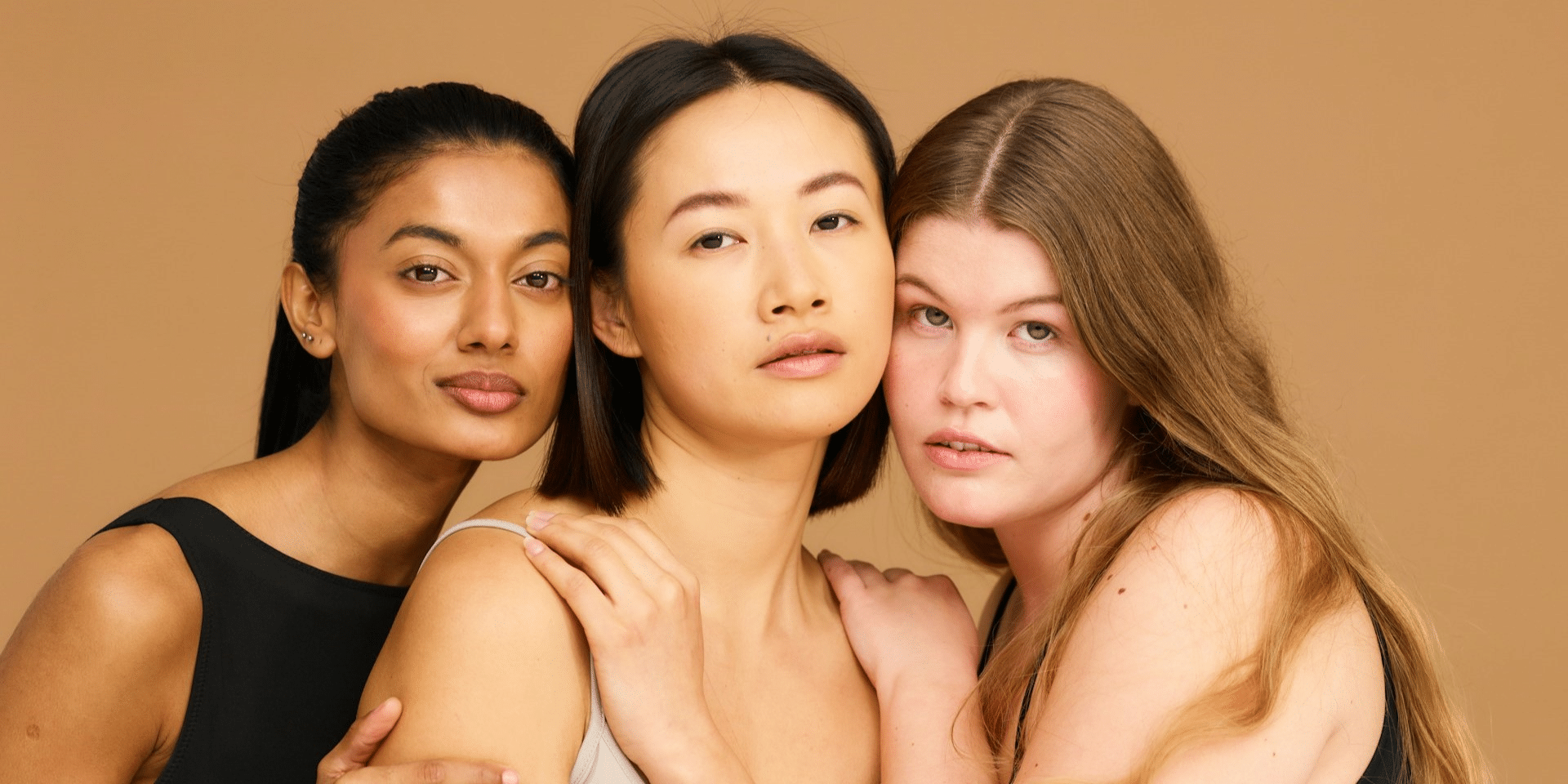
Photo Credit: Unsplash.com
Certification is another hurdle. While some products carry USDA Organic or Ecocert labels, others rely on brand reputation and customer trust. Educating consumers about what these certifications mean, and why they matter, remains a priority for retailers and manufacturers.
There’s also the issue of shelf stability. Organic cosmetics often have shorter lifespans due to the absence of synthetic preservatives. Brands must find ways to balance purity with practicality, ensuring products remain effective without compromising safety.
Still, the opportunities are significant. As more Chicago residents seek alternatives to conventional beauty products, the demand for organic cosmetics will likely continue to rise. Brands that invest in education, community engagement, and sustainable practices are well-positioned to thrive in this evolving landscape.
Organic Cosmetics as a Cultural Shift
The popularity of organic cosmetics in Chicago isn’t just about skincare, it’s part of a larger cultural shift. Consumers are thinking more critically about what they buy, how it’s made, and what impact it has on their health and the environment. This mindset is influencing choices across categories, from food and fashion to home goods and personal care.
Beauty brands that embrace this shift are finding new ways to connect with their audience. Whether through storytelling, ingredient transparency, or sustainable packaging, they’re building relationships that go beyond transactions. In a city known for its creativity and resilience, this approach resonates deeply.
Organic cosmetics are no longer a niche, they’re a movement. And in Chicago, that movement is gaining momentum.