

The Seasonal Mental Reset
December in Chicago brings more than dropping temperatures. It triggers a collective mental reset that long-time residents recognize instantly. People stop dressing for optimism and start dressing for reality. Thick coats replace lighter jackets. Spare gloves get tucked into bags. Commutes are adjusted in advance, with extra buffer time added without debate. Nobody announces this shift out loud. It just happens together.
That transition marks the emotional beginning of winter endurance. Residents accept that daily routines will take more effort. Walking becomes slower. Simple errands require more planning. Even leaving the house demands a mental checklist. This isn’t portrayed as a sacrifice. It’s practical acceptance. The city eases into a shared understanding that the season demands different energy.
The reset also shifts expectations. Social schedules gain flexibility. Phrase exchanges like “weather permitting” become standard. Late arrivals no longer need apologies because everyone knows how unpredictable the streets become. This mindset prevents frustration from building. Instead of resisting winter’s pace, people adapt to it without emotional strain.
Weather Complaints As Social Glue
Chicago winter conversation follows a reliable pattern. Small talk turns toward temperature updates and wind discussions. Waiting for trains or standing at crosswalks becomes a moment of shared acknowledgment. Simple remarks about cold function as social bridges between strangers who might never speak otherwise.
This complaining doesn’t reflect misery. It reflects recognition. People aren’t venting to unload emotions. They’re signaling shared experience. Those brief exchanges replace silence with a subtle connection. It creates small communities everywhere. On bus platforms and street corners, people nod to one another as teammates enduring the same conditions.
Humor frames these comments. Residents exaggerate wind chills, joke about frozen eyelashes, and compete over whose commute suffered the most. These stories circulate through offices and family dinners as badges of survival rather than expressions of despair. Comedy keeps morale steady. Laughing together reinforces the idea that winter belongs to everyone equally.
Identity Built Through Endurance
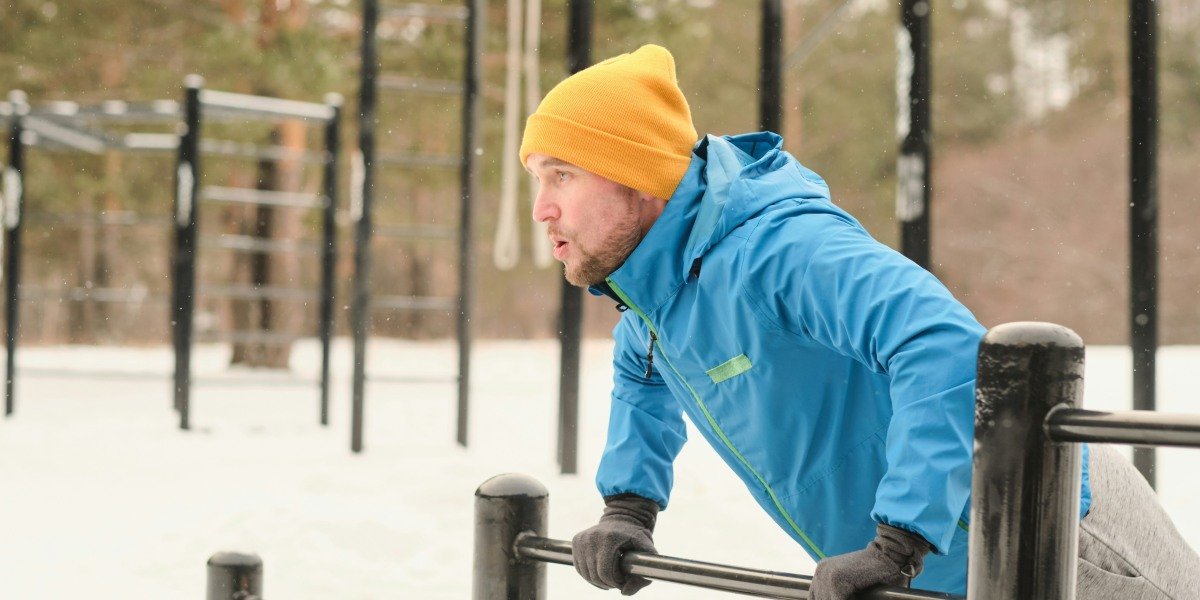
Photo Credit: Unsplash.com
Over time, surviving winter has become a quiet part of Chicago’s identity. Locals don’t claim toughness as a performance. They simply accept hardship as ordinary. Braving the cold doesn’t feel remarkable because everybody does it. Outsiders are welcomed, but humorous warnings about winter remain common. Those jokes reflect affection rather than superiority.
This identity reinforces belonging. Endurance becomes a shared cultural credential. If you face January mornings and February sidewalks, you’re part of the city’s emotional core. No announcements or ceremonies are needed. Membership reveals itself through participation in routine resilience.
This mentality deepens appreciation for seasonal contrasts. Summer festivals, beach days, and outdoor concerts carry added meaning because they follow months of constraint. Joy feels richer when relief arrives. Winter endurance doesn’t diminish pleasure. It intensifies it later in the year.
Micro Rituals of Survival
Small repetitive actions anchor the emotional tradition. Morning routines revolve around coffee as a necessity rather than a habit. Scarves are looped automatically. Boots remain stationed by doors for months. Phone weather checks happen before dressing rather than before commuting. These tiny acts create predictable rhythms.
Commuting rituals adapt too. Crowd spacing changes at train platforms as bodies cluster for warmth. Riders trade sympathetic looks during service delays. Helping hands appear when someone slips on icy stairs or struggles with a stuck car. These gestures happen instinctively without hesitation because everyone knows support might be needed again tomorrow.
Even grocery trips transform into mini missions. Residents choose nearby stores instead of distant favorites. Lists become shorter. Heavy bags matter more when sidewalks are slick. Routine adjusts but doesn’t collapse. These modifications allow normal life to continue despite environmental strain.
Public Kindness In Cold Conditions
Winter elicits quieter acts of kindness across Chicago neighborhoods. Sidewalk shoveling extends beyond private property lines. Neighbors clear elderly residents’ walkways without request. Drivers stop to help strangers push vehicles out of snowbanks without waiting for gratitude.
These actions don’t stem from community mandates. They flow from shared vulnerability. Everyone recognizes how easily misfortune strikes during heavy snow. Lending help now feels safer than assuming independence tomorrow. Empathy becomes seasonal muscle memory rather than moral obligation.
Public kindness also shows in everyday flexibility. Employers relax commute expectations. Teachers accept delayed arrivals without reprimand. Strangers hold doors open longer to keep the cold out. These subtle behaviors reinforce community bonds without formal recognition.
Social Life Finds New Shapes
Winter alters social life but doesn’t dismantle it. Outdoor gatherings fade while indoor rituals strengthen. Neighborhood pubs fill faster than rooftop lounges. Living room movie nights replace patio dinners. People cluster closer together not just for warmth, but for intimacy.
Housing patterns influence gatherings, too. Multi-unit buildings foster spontaneous meetups in hallways or laundry rooms. Apartment dwellers bond over shared heating complaints and snow removal schedules. Social connections deepen during these constrained months because proximity replaces distraction.
Weather flexibility defines scheduling language. Meetups often get tagged with soft commitments, allowing cancellations without judgment. No one interprets adjustments as disrespect. The culture encourages grace under inconvenience. Winter relationships survive because expectations remain fluid rather than rigid.
Mental Framing Reduces Stress
Endurance works emotionally because residents frame winter as coexistence rather than interruption. They don’t wait for perfect conditions to enjoy life. They shift enjoyment toward seasonal comforts. Reading at home feels cozy rather than boring. Warm cafés become destinations rather than pit stops. Quiet evenings replace busy itineraries without resentment.
This reframing reduces seasonal burnout. Instead of longing for escape, people lean into the available experiences winter offers. Slower rhythms encourage rest. Less social pressure allows reflection. Without the obligation of constant activity, winter becomes emotionally restorative for some residents.
Acceptance also shields against disappointment. Since winter arrival is expected, emotional resilience builds ahead of time. People aren’t repeatedly surprised by cold spells. Preparation prevents emotional fatigue. Knowing discomfort will happen makes it less draining when it does arrive.
Humor As Emotional Armor
Chicago humor grows sharper in winter. Dry jokes flourish because sarcasm fits the mood. Situational comedy emerges during shared hardship. Commuters swap snow survival stories with theatrical exaggeration. Family gatherings recycle tales of frozen door locks or delayed transit.
This humor doesn’t deny discomfort. It makes discomfort bearable. Comedy reframes frustration as entertainment rather than stress. It lightens the mood and strengthens the connection. Laughing together doesn’t fix the weather, but protects emotional well-being from heavy gloom.
Local culture reflects this comedic resilience. Radio shows, social media posts, and neighborhood banter lean into winter absurdities. Humor becomes communal armor. No individual shoulders discomfort alone because laughter spreads the load across social circles.
Routine Builds Quiet Strength
The most powerful part of winter endurance lies in simple continuation. Life doesn’t stop when temperatures drop. Workdays continue. School buses run. Restaurants open. The city pulses at a slightly slower speed but never stalls. Maintaining structure stabilizes emotions across the season.
Routine anchors mental health. Even when conditions are harsh, predictability offers comfort. People know what the day holds, even if the sidewalks feel risky. This reliability prevents anxiety from spiraling. Normality persists through repetition.
Over the years, this consistency teaches residents that hardship doesn’t require collapse. You can operate under stress without losing stability. Winter endurance doesn’t demand heroism. It trains quite competently. People learn they can move through difficulty without constant emotional strain.
Why the Tradition Endures
Chicago’s winter endurance holds emotional power because participation is universal. There’s no ticketed event or exclusive group. Every resident faces the same cold. Everyone walks the same salted sidewalks. That uniformity builds shared humility and collective patience.
The tradition shapes how people view one another. Differences dissolve when everyone waits for the same delayed train or battles the same blowing snow. Winter compresses social hierarchies into shared experience. It reminds people that community forms not only through celebration but through mutual challenge.
Over time, this emotional endurance becomes woven into how Chicago presents itself. The city feels honest and grounded because residents learn resilience as routine. Winter doesn’t create drama. It builds connection through ordinary persistence.
Chicago’s winter endurance isn’t televised or staged, but it remains one of the city’s strongest cultural practices. It quietly reinforces communal bonds and personal resilience each December through shared acceptance, dark humor, helpfulness, routine, and emotional flexibility that keep the city steady through its coldest months.