

Chicago’s love affair with beef runs deep. From Maxwell Street Polish sausages to the iconic Italian beef sandwich, meat is more than a menu item, it’s part of the city’s identity. But as climate change accelerates and sustainability becomes a civic priority, the environmental cost of beef consumption is drawing new scrutiny. The question isn’t whether Chicagoans will stop eating beef, it’s how the city can balance its culinary culture with a growing responsibility to the planet.
The Carbon Cost of a Classic
Beef may be a cornerstone of Chicago’s culinary identity, but its environmental footprint is hard to ignore. Producing beef requires significant natural resources, land, water, and feed, and generates high levels of greenhouse gas emissions, particularly methane. According to recent climate data, beef production contributes more emissions per pound than any other commonly consumed protein. In a city where Italian beef sandwiches and ribeye steaks are part of the cultural fabric, these numbers raise important questions about sustainability.
Chicago’s beef supply chain is largely regional, with much of the meat sourced from Midwest producers. While this reduces the carbon impact of long-distance transportation, it doesn’t eliminate the environmental cost of raising cattle. Feedlot operations, manure management, and energy-intensive processing all contribute to the city’s broader carbon footprint. Even when beef is locally sourced, the emissions tied to its production remain significantly higher than those of poultry, pork, or plant-based alternatives.
Restaurants and suppliers are beginning to respond. Some are shifting toward grass-fed or regenerative beef, which can help offset emissions through improved soil health and carbon sequestration. Others are reducing portion sizes or offering blended options that combine beef with mushrooms or grains. These changes reflect a growing awareness of the carbon cost tied to traditional beef-heavy menus, and a willingness to adapt without abandoning flavor or heritage.
For consumers, the carbon conversation is becoming part of everyday decision-making. Whether choosing a burger at a local diner or shopping for groceries, more Chicagoans are weighing environmental impact alongside taste and price. As climate awareness grows, the carbon cost of a classic dish like Italian beef isn’t just a scientific metric, it’s a cultural challenge. And in true Chicago fashion, it’s one the city is beginning to meet head-on.
Cultural Appetite Meets Climate Reality
Chicago’s culinary identity is inseparable from beef. From sizzling steaks at River North institutions to Italian beef sandwiches served at corner delis, meat is more than a meal, it’s a symbol of tradition, pride, and neighborhood flavor. Generations have gathered around grills, tailgates, and dining tables to celebrate milestones, sports victories, and everyday life with beef at the center. It’s a cultural appetite that reflects the city’s working-class roots and its love for bold, satisfying food.
But as climate awareness grows, this appetite is being reconsidered. Residents are increasingly aware that beef consumption carries environmental consequences, and some are beginning to ask how their food choices fit into a broader sustainability picture. This doesn’t mean abandoning beloved dishes, it means rethinking how they’re sourced, portioned, and prepared. The conversation is shifting from “should we eat beef?” to “how can we eat it more responsibly?”
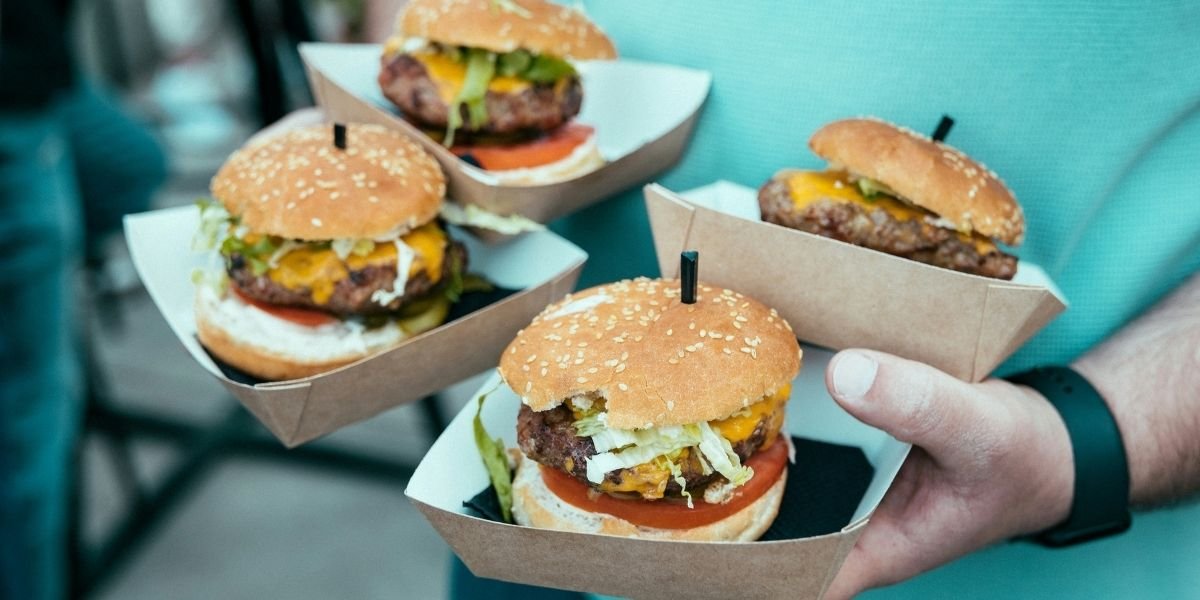
Photo Credit: Unsplash.com
Local chefs and restaurateurs are responding with creativity. Some are introducing plant-forward options alongside classic beef dishes, while others are sourcing from ranchers who use regenerative practices. These changes reflect a desire to preserve Chicago’s food culture while adapting to new realities. Diners are still ordering Italian beef, but they’re also exploring mushroom-based sliders, lentil meatballs, and blended burgers that reduce environmental impact without sacrificing taste. These shifts also align with broader efforts to promote environmental branding among Chicago businesses, where sustainability is becoming a competitive edge.
This evolution mirrors a broader movement toward conscious consumption. Chicagoans are proud of their food heritage, but they’re also pragmatic. As climate pressures mount, the city’s culinary scene is proving that tradition and innovation can coexist. The cultural appetite for beef remains strong, but it’s now paired with a growing appetite for sustainability, transparency, and long-term thinking.
Policy, Awareness, and Local Action
City leaders and environmental advocates are also stepping in. Chicago’s Office of Sustainability has been working to promote climate-conscious food systems, encouraging institutions like schools and hospitals to reduce red meat offerings in favor of lower-impact proteins. These efforts are part of a broader push to align with state and federal climate goals, and they reflect a growing understanding of how food choices intersect with public policy.
For residents, the conversation often starts at the grocery store or farmers market. More Chicagoans are exploring meat alternatives, from plant-based burgers to locally grown legumes. Community organizations are hosting workshops on sustainable eating, and food co-ops are expanding their offerings to include climate-friendly proteins. These grassroots efforts echo the principles outlined in guides to understanding environmental policy and sustainability, helping residents make informed choices without sacrificing flavor or tradition.
The Future of Beef in a Greener Chicago
The path forward isn’t about guilt, it’s about balance. Chicago doesn’t need to abandon its beef heritage to make progress on sustainability. Instead, the city can lead by example, showing how a world-class food culture can evolve without losing its soul. That means supporting local ranchers who use sustainable practices, celebrating chefs who innovate with plant-based ingredients, and empowering consumers to make choices that reflect both taste and values.
As climate pressures mount, the power of individual and collective action becomes more urgent. Chicago’s beef consumption habits may not change overnight, but the conversation is already shifting. And in a city that’s always prided itself on resilience and reinvention, that shift might just be the beginning of something bigger.