What the Records Reveal
The Department of Justice released figures showing that 614 immigrants were arrested in Chicago during a federal enforcement surge called Operation Midway Blitz. Out of those, only 16 had criminal records, meaning more than 97 percent had no criminal history. The numbers came to light after attorneys challenged the arrests in court.
CBS Chicago reported that “only 16 of them have been identified by the federal government as a ‘high public safety risk’ because of their alleged criminal histories”. This detail contradicts earlier claims that the raids were focused on dangerous individuals.
The records were filed in federal court, making them part of the public record. That transparency allowed journalists and advocates to compare official statements with the actual data.
How the Court Responded
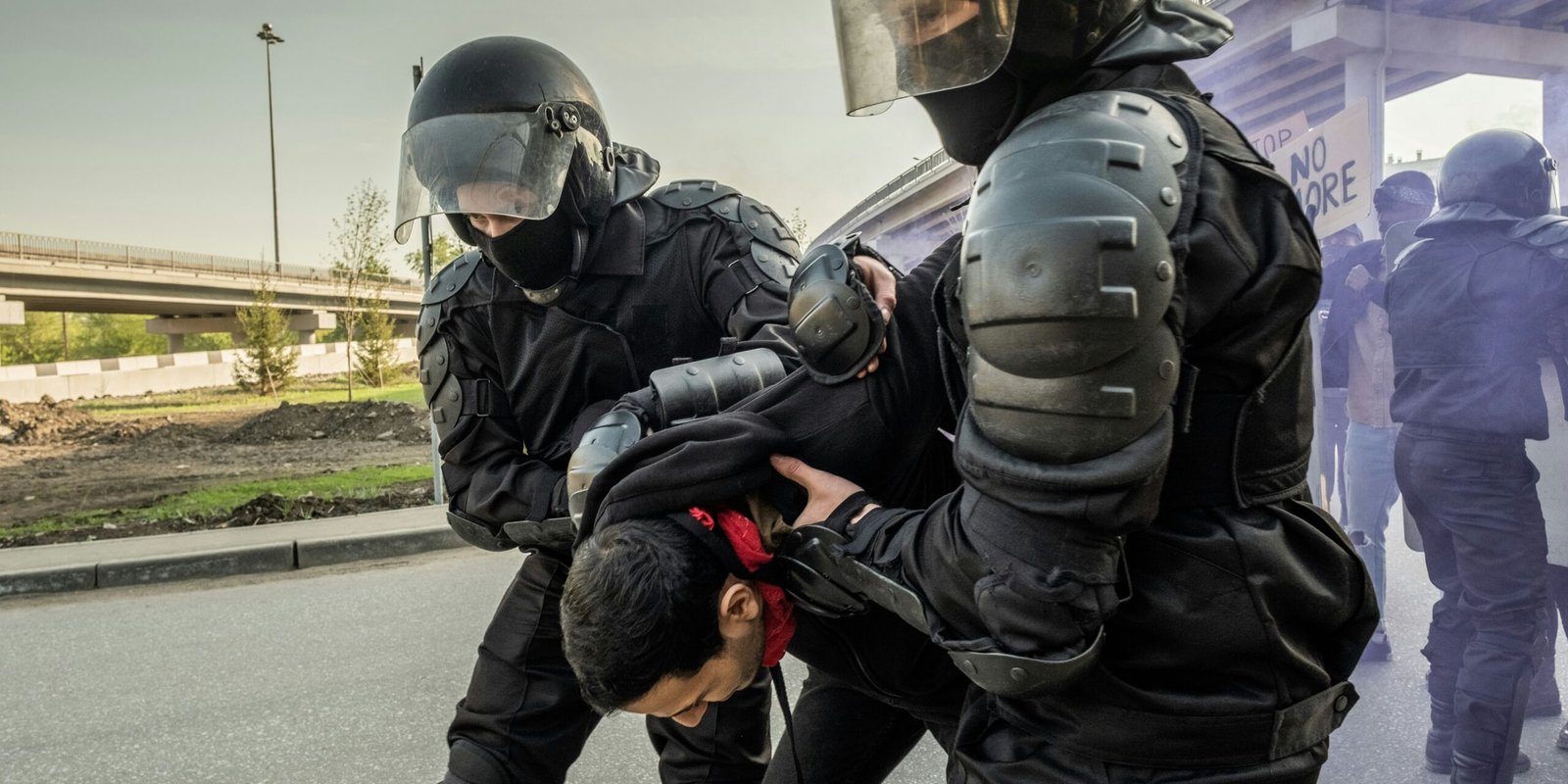
The arrests raised legal questions because of a 2022 consent decree that limited who could be detained under immigration law. Attorneys argued that many of the Chicago arrests violated that agreement.

Photo Credit: Unsplash.com
U.S. District Judge Jeffrey Cummings reviewed the filings and ordered the release of hundreds of detainees. NPR explained that “Cummings ordered the release of hundreds of immigrants after finding that their detention violated a 2022 consent decree”.
The judge’s decision highlighted the tension between enforcement actions and legal safeguards. For families in Chicago, the ruling meant that many loved ones could return home while the broader debate continued.
Why Advocates Spoke Out
Civil rights groups quickly responded to the DOJ data. The National Immigrant Justice Center and the ACLU argued that the raids targeted people who posed no threat. They said the government’s own numbers proved that enforcement was not limited to violent offenders.
Common Dreams summarized the reaction, noting that “97.4% of 614 detained immigrants in Chicago had no criminal record”. Advocates pointed out that the discrepancy between official claims and actual records undermined public trust.
For residents, the concern was not only about legality but also about community impact. Families worried about sudden detentions, especially when those detained had no criminal background.
What This Means for Chicago Families
The raids created fear across neighborhoods, even among those not directly affected. Families questioned whether routine activities could lead to detention. The DOJ records helped clarify that most of those arrested were not accused of crimes, but the damage to trust had already been done.
Local reporting emphasized the human side of the story. CBS Chicago highlighted how families were left confused when loved ones were taken despite having no criminal record. That confusion added to the stress of preparing for the holiday season.
For many Chicagoans, the issue is less about numbers and more about reassurance. Knowing that enforcement actions are supposed to target high‑risk individuals, but seeing data that shows otherwise, leaves residents uncertain about what to expect.