
Chicago Property Taxes Are Rising Fast
Property taxes in Chicago are climbing at a pace many homeowners say they have never experienced before. Across the city, bills are landing higher than expected, but the sharpest increases are concentrated in neighborhoods on the South and West sides. These areas are home to a large share of Chicago’s Black homeowners, many of whom have lived in their homes for decades.
Cook County data shows residential property tax bills rising by double digits in a single year. In some neighborhoods, the increases are far higher. Communities such as West Garfield Park, North Lawndale, and Englewood have seen jumps ranging from roughly 80 percent to more than 100 percent. For families on fixed or modest incomes, these increases turn property taxes from a predictable expense into a destabilizing one.
The timing adds pressure. Higher tax bills are arriving alongside rising insurance costs, higher utility prices, and general cost-of-living increases. For many Black homeowners, property taxes have become the most immediate threat to housing stability, even for those who own their homes outright.
Why Black Neighborhoods Are Hit Hardest
The current spike in property taxes is closely tied to how Cook County reassessed property values. As downtown commercial office values dropped due to vacancies and remote work, the tax burden shifted toward residential properties. That shift has landed hardest in historically Black neighborhoods where assessments rose sharply despite little change in household income or property condition.
Many homeowners argue that the increases feel disconnected from reality. Homes that have not been renovated or sold recently are being taxed as if their market value surged overnight. In communities already dealing with disinvestment, higher taxes now threaten to accelerate displacement rather than support stability.
Researchers and housing advocates point out that Black homeowners are more likely to be asset-rich but cash-constrained. A home may represent the bulk of family wealth, but rising taxes demand liquid income every year. When those bills grow faster than wages or retirement income, the risk of falling behind increases.
Longtime Homeowners Feel the Squeeze
For many Chicago families, homeownership represents more than shelter. It reflects decades of sacrifice, inheritance, and community ties. Rising property taxes now place that legacy under strain.
Homeowners across the South and West sides report having to make difficult choices. Some are cutting back on essentials to keep up with tax bills. Others are taking on debt to avoid penalties. A growing number worry they may eventually be forced to sell, not because they want to leave, but because they can no longer afford to stay.
Community meetings and town halls have become emotional spaces where residents share stories of shock and fear. The concern is not abstract. Property tax delinquency can lead to interest charges, liens, and eventually foreclosure. For Black homeowners, the stakes are especially high given the historic role homeownership plays in narrowing racial wealth gaps.
Calls for Property Tax Relief Grow Louder
As bills rise, pressure is building on city and state leaders to act. Community organizations and elected officials have urged the Illinois legislature to pursue property tax relief targeted toward homeowners facing the steepest increases.
Proposals under discussion include expanding homeowner and senior exemptions, capping annual increases, or restructuring how assessments are calculated in areas with limited income growth. Some advocates also call for reforms to the appeals process, which they say favors homeowners with legal or financial resources to challenge assessments.
While exemptions exist, many residents say they are not enough. A modest reduction does little to offset increases that run into the thousands of dollars. Without broader reform, critics argue, exemptions function more like short-term relief than a lasting solution.
The Foreclosure Risk Is Real
The danger of rising property taxes extends beyond financial stress. A recent federal court ruling found that Cook County improperly stripped some homeowners of their equity through past property tax foreclosure sales. The ruling underscored how severe the consequences can be when homeowners fall behind, even when the original debt is relatively small.
For Black homeowners, foreclosure risk is not just about losing a home. It is about losing generational wealth. Equity built over decades can vanish through a tax system that prioritizes revenue collection over housing stability.
Housing advocates warn that without intervention, rising property taxes could quietly undo years of progress in Black homeownership. Unlike sudden evictions or high-profile development projects, tax displacement often happens slowly, one bill at a time.
The Broader Impact on Black Homeownership

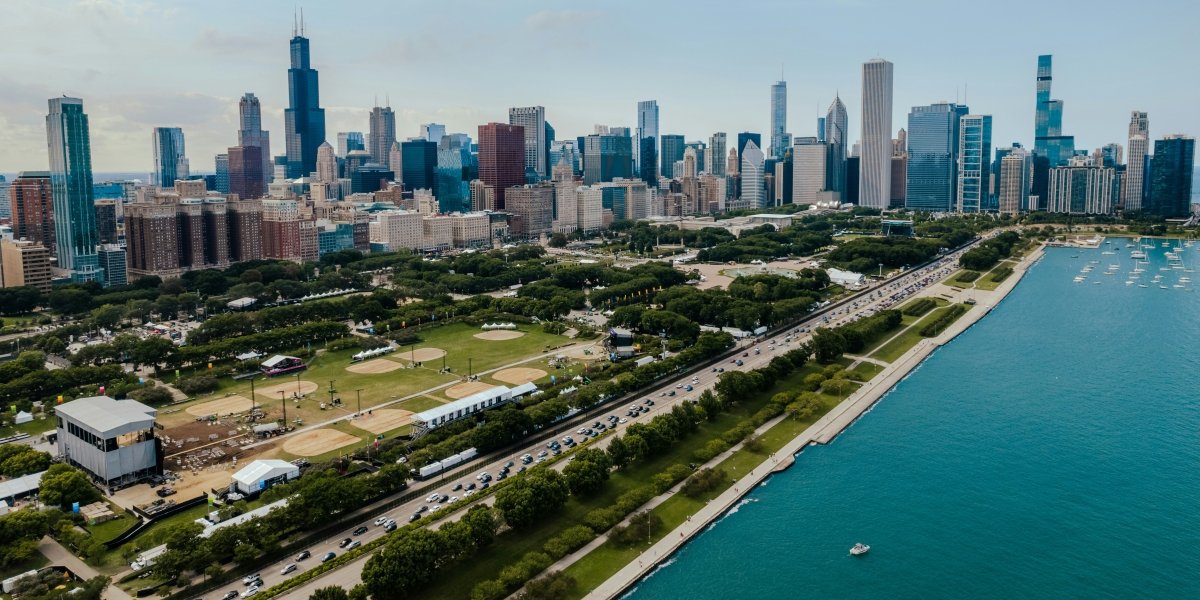
Photo Credit: Unsplash.com
Chicago already struggles with a significant racial homeownership gap. Black homeownership rates trail those of white households by a wide margin, shaped by historic redlining, lending discrimination, and uneven investment. Rising property taxes now threaten to widen that gap further.
When Black homeowners are pushed out of long-held neighborhoods, the effects ripple outward. Communities lose stability. Schools lose enrollment. Churches and small businesses lose members and customers. The erosion of homeownership weakens the social fabric that sustains neighborhoods.
Policy analysts note that protecting existing homeowners is just as important as helping new buyers. Without safeguards, efforts to expand access to homeownership risk being undermined by the loss of those already in the system.
What Comes Next for Chicago Homeowners
As tax bills arrive, homeowners are encouraged to review assessments carefully and explore available exemptions. Some are appealing valuations, though the process can be complex and time-consuming. Legal aid groups and housing counselors are stepping in to help residents understand their options.
At the same time, the larger debate continues. City and county officials face growing scrutiny over how tax burdens are distributed and whether the current system reflects economic reality. For Black homeowners across Chicago, the issue is not theoretical. It is personal, immediate, and tied directly to whether they can remain in their homes.
The coming months will test whether policy responses match the scale of the problem. Without meaningful reform, soaring property taxes risk becoming one of the most powerful forces reshaping Black homeownership in Chicago, not through sudden change, but through sustained financial pressure that many families cannot absorb.