
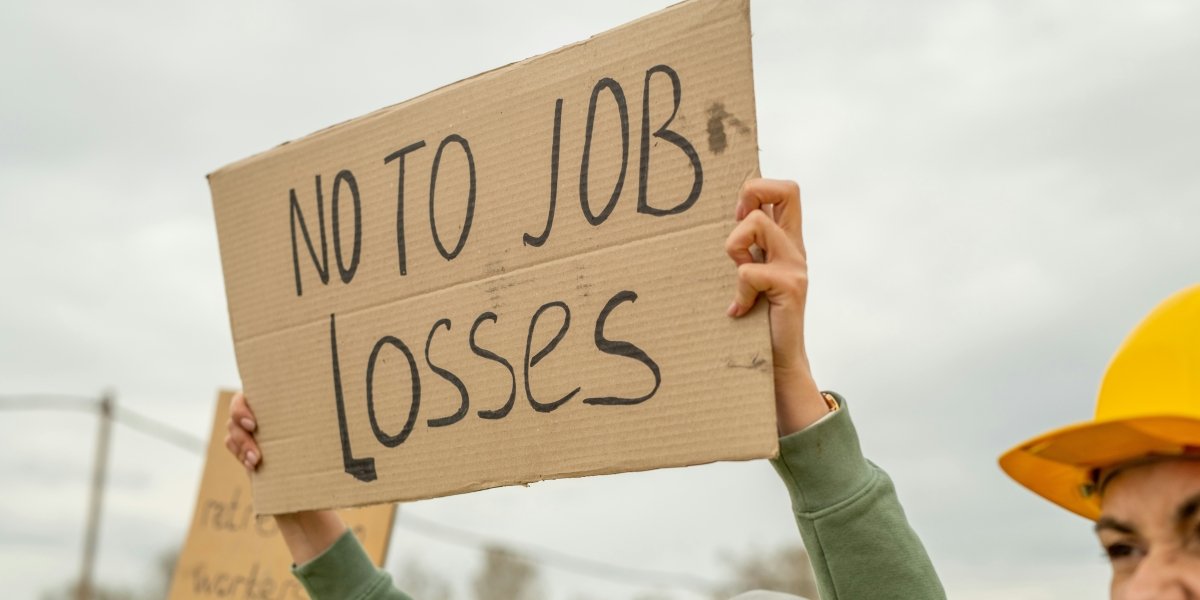
Chicago’s long-standing identity as a national center of labor organizing is once again in the spotlight after a series of rallies, demonstrations, and coordinated protest actions tied to corporate accountability and worker rights. The latest activity — including a high-visibility rally outside a major corporate office in the Loop — reflects a broader shift in how labor activism is evolving in large metropolitan economies.
In late January, dozens of workers and union members gathered outside a major corporate headquarters in downtown Chicago, signaling renewed organizing energy around working conditions, corporate responsibility, and national labor policy debates.
The demonstration did not occur in isolation. It comes as labor groups, student coalitions, and advocacy networks prepare for broader coordinated actions, including nationwide protest activity and corporate-focused boycotts tied to immigration enforcement and workplace protections.
Corporate Pressure Campaigns Reflect New Labor Strategy
Modern labor activism is increasingly targeting large corporations directly, rather than focusing solely on legislative channels. Organizers tied to recent nationwide actions have emphasized directing pressure at major corporate entities rather than local small businesses — a strategic shift designed to maximize economic leverage and public visibility.
For Chicago, this strategy is particularly significant. The city hosts major headquarters, regional corporate hubs, and global logistics operations, making it a natural staging ground for high-impact labor messaging.
Chicago’s Labor Identity Still Shapes National Movements
Chicago’s labor history — from early industrial union movements to modern service-sector organizing — continues to influence how national campaigns develop.
Recent worker and community gatherings across Chicago institutions reinforce that legacy. In separate labor-aligned demonstrations tied to national events, Chicago healthcare workers, veterans, and community members have gathered publicly to honor victims tied to federal enforcement actions while connecting those issues to broader labor and worker-rights messaging.
That blending of labor, community advocacy, and policy protest reflects how Chicago’s labor ecosystem often operates across multiple social and economic issues simultaneously.
Why Labor Activity Is Intensifying Now
Several structural drivers are accelerating organizing momentum.
First is economic pressure. Inflation, housing costs, and healthcare expenses continue to shape wage negotiations and worker expectations.
Second is workforce structural change. Gig work, contract labor, and service-sector expansion are creating new organizing frontiers.
Third is political alignment. Labor coalitions are increasingly coordinating with immigration, civil rights, and community advocacy organizations, expanding both their membership base and public messaging reach.
Corporate Presence Makes Chicago A Strategic Battleground
Chicago’s corporate landscape — including major logistics, retail, tech, and distribution operations — gives labor actions in the city outsized symbolic and economic weight.
When rallies occur outside corporate headquarters, the optics resonate nationally. Demonstrations become not just local labor disputes, but national case studies in corporate governance, workforce relations, and economic power distribution.
Community And Cultural Impact Beyond The Workplace
Chicago labor activism traditionally extends beyond wages and benefits. It often intersects with broader community stability concerns, including neighborhood economic health, immigrant workforce protection, and public-sector resource allocation.
Recent organizing activity reflects that broader framing, positioning labor not only as an economic actor but as a community infrastructure force.
What This Means For Chicago’s Local Economy
Short term, increased labor visibility can create pressure on corporate labor negotiations and public policy debates.
Long term, sustained organizing activity historically correlates with wage growth, stronger workplace protections, and expanded collective bargaining structures — though it can also create negotiation volatility for corporate operators.
For Chicago, where union density and labor history remain core parts of the city’s identity, these cycles are not new. What is new is the scale of coordination across labor, community advocacy, and national policy movements.
The Bottom Line
The latest wave of labor rallies around major corporate presence signals that Chicago remains one of the country’s most important labor influence centers.
The city is once again acting as a proving ground for modern labor strategy — where corporate accountability campaigns, community organizing, and national policy activism increasingly overlap.
For businesses, policymakers, and workers alike, Chicago’s labor activity remains a key indicator of where national workforce and corporate governance debates may move next.