Skip to content

The Chicago Journal

Why Upper Body Training Matters More Than Just the Bench Press

Upper body training often gets reduced to one exercise: the bench press. It’s the lift that gets the most attention in gyms, locker rooms, and casual conversations about strength. But focusing only on that one movement misses the bigger picture. Upper body training isn’t just about pushing weight off the chest. It’s about building a foundation that supports athletic performance, protects against injury, and improves movement across every sport. For athletes who feel stuck or frustrated by plateaus or nagging shoulder issues, the problem might not be effort, it might be imbalance.

Upper Body Training Supports Total Athletic Function

Athletes rely on their upper body for far more than brute strength. Whether throwing, sprinting, grappling, or jumping, the upper body plays a key role in stabilizing movement and transferring force. Shoulders, arms, and the upper back help control posture, absorb impact, and guide motion. When these areas are undertrained or unevenly developed, performance suffers.

A strong upper back, for instance, helps maintain posture during long runs and supports explosive movement during changes in direction. The shoulders and rotator cuff muscles stabilize the arm during throws, swings, or tackles. Even grip strength, often overlooked, affects how well athletes hold equipment, control opponents, or maintain balance under pressure.

Upper body training that includes pulling, rotating, and stabilizing movements helps athletes move better, not just lift heavier. That’s why programs that go beyond the bench press, adding rows, carries, presses from different angles, and mobility work, tend to produce more durable and versatile athletes.

Why Balance Matters More Than Max Weight

The bench press is a powerful tool, but it’s also easy to overdo. Pushing heavy weight without balancing it with pulling movements can lead to tight shoulders, poor posture, and limited range of motion. Athletes who focus only on pressing often develop imbalances that show up as pain, stiffness, or reduced performance.

Training the upper body with balance means including horizontal and vertical pulling, rotation, and stabilization. Movements like pull-ups, face pulls, and landmine presses help counteract the forward-leaning posture that heavy benching can create. These exercises also strengthen the muscles that support the shoulder joint, reducing the risk of injury.

For athletes who’ve struggled with shoulder discomfort or feel like their upper body strength isn’t translating to their sport, the issue might be too much emphasis on pushing and not enough on control. Building strength through a variety of patterns helps the body stay aligned, mobile, and responsive.

Upper Body Strength Helps Prevent Injury

Injury prevention isn’t just about stretching or warming up. It’s about building strength in the muscles that stabilize joints and absorb force. The upper body, especially the shoulders and upper back, plays a major role in protecting against common athletic injuries.

Strong scapular muscles help control shoulder movement and reduce strain during overhead actions. The rotator cuff, when trained properly, supports the shoulder through dynamic motion. Even the muscles around the spine and ribs help maintain posture and reduce stress on the lower back.

Athletes who train their upper body with variety and intention tend to recover faster and stay healthier. That’s especially important during long seasons or intense training cycles. Staying active during offseason draft preparations often includes strength work that targets these stabilizing muscles, helping athletes stay ready without overloading their joints.

Upper Body Power Translates Across Sports

Power isn’t just about how much weight can be lifted. It’s about how quickly force can be produced and transferred. Upper body power helps athletes throw harder, punch faster, and sprint with more drive. It also supports balance and coordination during complex movements.

Training for power involves explosive movements like medicine ball throws, push presses, and plyometric push-ups. These exercises teach the body to generate force quickly and efficiently. They also help connect the upper body to the lower body, improving full-body coordination.

Athletes who compete in sports that require quick reactions, sudden changes in direction, or high-impact collisions benefit from upper body power. It helps them stay stable, absorb contact, and recover quickly. That’s why upper body training is a staple across disciplines, from field sports to combat sports to track and field.

Upper Body Training Builds Confidence and Control

Strength isn’t just physical, it’s psychological. Athletes who feel strong in their upper body often carry themselves with more confidence. They move with purpose, react with control, and trust their body under pressure. That confidence can influence performance, decision-making, and resilience.

Why Upper Body Training Matters More Than Just the Bench Press

Photo Credit: Unsplash.com

Upper body training also improves body awareness. Exercises that require coordination, balance, or control help athletes tune into how their body moves. That awareness supports better technique, faster adjustments, and smarter recovery.

In cities known for athletic development, like Chicago’s standout sports culture, upper body training is often part of a broader system that includes movement education, recovery strategies, and sport-specific drills. It’s not just about lifting, it’s about learning how to move well and stay strong under pressure.

Why Every Athlete Benefits from Upper Body Work

Upper body training isn’t reserved for bodybuilders or powerlifters. It’s essential for athletes across all sports and skill levels. Whether sprinting, swimming, or skating, the upper body supports movement, absorbs force, and helps maintain control. Ignoring it or training it in a limited way can lead to missed opportunities and preventable injuries.

Athletes who feel stuck in their progress or frustrated by recurring shoulder issues often benefit from reassessing their upper body training. Adding variety, focusing on balance, and including mobility work can make a noticeable difference. It’s not about lifting more, it’s about moving better, staying healthy, and performing with confidence.

Upper body training wins because it supports the whole athlete. It builds strength, protects joints, improves coordination, and enhances performance. And it does all of that without needing to chase numbers on the bench press. For athletes who want to train smarter and feel stronger, the upper body deserves more attention, and more respect.

Chicago Leverages Wastewater Data to Enhance Public Health Safety

Chicago wastewater data public health strategies are reshaping how the city tracks disease, responds to outbreaks, and plans for long-term health equity. By analyzing sewage samples from across the city, public health officials can detect viral and bacterial pathogens before symptoms appear in clinics or hospitals. This early-warning system is helping Chicago stay ahead of infectious threats, from COVID-19 to influenza, and guiding smarter, more targeted interventions.

Wastewater contains biological markers from the entire population, including people who are asymptomatic or don’t seek medical care. That makes it a powerful tool for understanding how diseases move through communities. In Chicago, this data is collected from pumping stations, manholes, and high-risk facilities like airports, then analyzed for viruses such as SARS-CoV-2, RSV, and influenza A and B.

How Wastewater Monitoring Works in Chicago

The Chicago Department of Public Health (CDPH) began wastewater surveillance in 2023, sampling from six Healthy Chicago Zones and multiple community areas. These zones represent distinct sewersheds, geographic areas where all wastewater flows to a single point. By monitoring these zones, CDPH can track disease trends at a hyper-local level.

Samples are collected weekly and tested for genetic material from viruses and bacteria. Because infected individuals shed pathogens into wastewater regardless of symptoms, the data provides a more complete picture of community health. It’s especially useful for identifying spikes in transmission before clinical cases surge.

This approach allows public health teams to allocate resources more efficiently. If wastewater data shows rising levels of RSV in a particular zone, CDPH can increase outreach, distribute masks, or alert healthcare providers in that area. It’s a proactive model that complements traditional surveillance.

Real-Time Insights for Disease Prevention

Chicago wastewater data public health efforts have already proven valuable during respiratory virus season. In late 2024, wastewater samples showed a sharp increase in influenza A weeks before emergency rooms saw a spike in cases. That early signal allowed hospitals to prepare, schools to reinforce hygiene protocols, and pharmacies to stock up on antivirals.

The system also supports targeted education campaigns. When COVID-19 levels rose in specific neighborhoods, CDPH launched localized messaging about testing and vaccination. These campaigns were more effective than citywide alerts because they addressed real-time conditions in specific communities.

Wastewater data is also helping guide dengue fever prevention strategies, especially as climate shifts increase mosquito-borne disease risks. While dengue isn’t currently widespread in Chicago, wastewater monitoring can detect early signs of viral presence, allowing for rapid vector control and public awareness.

In one pilot program, wastewater samples from the South Side were used to track norovirus outbreaks in schools. When levels spiked, CDPH coordinated with school administrators to increase sanitation measures and distribute handwashing kits. The result was a noticeable drop in absenteeism within two weeks.

Equity and Access in Public Health Planning

Chicago’s use of wastewater data isn’t just about disease, it’s about equity. By monitoring health trends across different zones, CDPH can identify disparities in exposure, transmission, and outcomes. That supports more equitable resource allocation and policy development.

For example, if one zone consistently shows higher levels of respiratory viruses, it may reflect underlying issues like overcrowded housing, limited access to healthcare, or poor air quality. Wastewater data helps uncover these patterns and inform broader interventions.

These efforts align with Chicago’s equity-focused health initiatives, including Healthy Chicago 2025 and the Alliance for Health Equity. Both programs emphasize data-driven planning, community engagement, and cross-sector collaboration to close health gaps.

Wastewater monitoring adds a new layer to this work. It provides real-time, population-level insights that can guide investments in clinics, education, and infrastructure. It also supports accountability, allowing residents and policymakers to track progress over time.

In neighborhoods like Englewood and North Lawndale, wastewater data has helped identify persistent viral activity that wasn’t reflected in clinical reports. That prompted CDPH to expand mobile testing units and increase outreach in those areas, ensuring that public health efforts matched actual need.

Challenges and Opportunities Ahead

While the benefits are clear, wastewater surveillance comes with challenges. Sample collection requires coordination across city departments, and lab analysis demands specialized equipment and expertise. Interpreting the data also requires context, viral levels in wastewater don’t always correlate directly with clinical cases.

Privacy is another consideration. Although wastewater data is anonymized and aggregated, public communication must be handled carefully to avoid stigma or misinformation. CDPH has focused on transparency, publishing weekly updates and explaining how the data is used.

Technology is helping address these challenges. Automated sampling, cloud-based analytics, and predictive modeling are making the system more efficient and scalable. Partnerships with universities and research centers are also expanding capacity and refining methods.

Chicago is exploring ways to integrate wastewater data with other public health tools, such as syndromic surveillance, hospital admissions, and social determinants of health. This holistic approach could transform how the city anticipates and responds to health threats.

Expanding the Scope of Wastewater Surveillance

Beyond infectious disease, wastewater data has potential applications in monitoring substance use trends, environmental contaminants, and even antibiotic resistance. Some cities are using wastewater to track opioid metabolites, helping guide overdose prevention strategies. Chicago is considering similar approaches to support behavioral health planning.

Chicago Leverages Wastewater Data to Enhance Public Health Safety

Photo Credit: Unsplash.com

There’s also interest in using wastewater to monitor community exposure to heavy metals, pesticides, and industrial chemicals. These insights could inform environmental justice initiatives and guide remediation efforts in historically underserved areas.

In the future, wastewater surveillance could support chronic disease management. Researchers are exploring how biomarkers for diabetes, cardiovascular disease, and even mental health conditions might be detected in sewage. While still experimental, these applications point to a broader role for wastewater in public health.

What Chicago’s Model Means for Public Health

Chicago wastewater data public health efforts are setting a precedent for other cities. By combining science, strategy, and community engagement, the city is building a more responsive and equitable health system. Wastewater monitoring isn’t a replacement for clinical data, it’s a complement that fills gaps and enhances decision-making.

As the city continues to invest in public health infrastructure, wastewater surveillance will play a growing role. It will help track emerging pathogens, evaluate intervention effectiveness, and support long-term planning. It will also empower communities with information, helping residents understand and respond to health risks in their own neighborhoods.

Chicago’s approach shows that innovation doesn’t have to be flashy to be impactful. Sometimes, the most powerful tools are the ones beneath our feet, quietly collecting data, guiding decisions, and protecting public health.

Chicago’s Public Safety Strategy Adapts to Evolving City Needs

The Chicago public safety strategy is evolving in response to shifting urban dynamics, community expectations, and policy debates. From youth curfews to traffic enforcement, the city is rethinking how safety is defined and delivered, not just through policing, but through prevention, infrastructure, and public trust. These changes reflect a broader effort to align safety measures with the lived realities of Chicago’s diverse neighborhoods.

This shift isn’t about abandoning enforcement, it’s about expanding the definition of safety to include equity, transparency, and responsiveness. Whether it’s how youth are treated in public spaces or how speed limits are enforced on busy streets, the city is adapting its approach to meet the moment.

Community Input Reshapes Safety Priorities

Chicago’s public safety strategy is increasingly shaped by community engagement. Residents across the city have voiced concerns about how safety is implemented, from the presence of law enforcement to the availability of mental health support. In response, city officials have launched listening sessions, advisory councils, and pilot programs aimed at building trust and improving outcomes.

One example is the expansion of alternate response models, where mental health professionals are dispatched instead of police for certain non-violent emergencies. These programs are designed to reduce unnecessary confrontations and ensure that residents in crisis receive appropriate care. They also free up police resources for situations that require law enforcement intervention.

Neighborhoods like Englewood and Austin have seen increased investment in violence prevention programs, youth outreach, and trauma-informed services. These efforts reflect a growing recognition that safety is built through relationships and resources, not just enforcement.

Youth Curfews and Public Space Tensions

Curfew enforcement remains a key part of Chicago’s public safety strategy, especially as city leaders respond to concerns about youth gatherings in high-traffic areas. The city’s curfew policy applies to minors under 18, with restrictions on public presence during late-night hours. But enforcement has sparked debate about fairness, effectiveness, and community impact.

As curfew policy discussions and youth gatherings in Chicago continue, some residents argue that curfews help prevent late-night incidents and keep young people safe. Others see them as punitive measures that disproportionately affect youth in marginalized neighborhoods.

Public spaces like Millennium Park and the downtown transit corridor often serve as informal gathering points for teens, especially those without access to structured evening activities. In some cases, curfew enforcement has led to increased police presence, citations, or forced dispersals, raising concerns about equity and consistency.

To address these tensions, the city is exploring alternatives to traditional curfew enforcement. Community-based programs, late-night recreational events, and youth-led advisory boards are being piloted to offer safe, inclusive spaces for teens after dark. These efforts aim to shift the focus from control to opportunity.

Traffic Enforcement and Speed Limit Controversies

Chicago’s public safety strategy also extends to transportation, where speed limit enforcement has become a flashpoint. The city’s use of automated speed cameras, especially near schools and parks, is part of its effort to reduce traffic-related injuries and fatalities. But as speed limit enforcement grows stricter, questions about fairness and financial impact have emerged.

In 2024, thousands of speed tickets were issued through automated systems, generating significant revenue but also sparking criticism. Residents in lower-income neighborhoods report feeling disproportionately targeted, especially in areas with high camera density and limited signage.

The debate intensified when proposals to reduce the default speed limit from 30 mph to 25 mph were introduced. Supporters cited pedestrian safety and reduced crash severity, while opponents raised concerns about enforcement equity and driver burden. The proposal was ultimately shelved, but the conversation continues.

City officials are now considering reforms that include clearer signage, grace periods for minor infractions, and income-based fine adjustments. These changes aim to balance safety goals with fairness, ensuring that enforcement doesn’t become a financial trap for vulnerable residents.

Mental Health and Alternate Response Models

Chicago’s public safety strategy increasingly includes mental health integration. Programs that pair crisis responders with behavioral health professionals are expanding, offering alternatives to police-led interventions. These models are designed to de-escalate situations, reduce arrests, and connect individuals with long-term support.

In pilot zones, response teams have successfully diverted hundreds of calls away from traditional law enforcement, resulting in fewer hospitalizations and improved outcomes. The city is working with researchers to evaluate these programs and guide future expansion.

Training for emergency dispatchers is also evolving, with new protocols to identify calls that may benefit from alternate response. This shift reflects a broader understanding that public safety includes emotional and psychological well-being, not just physical security.

Place-Based Investments and Violence Prevention

Chicago’s public safety strategy includes targeted investments in neighborhoods most impacted by violence. Through place-based initiatives, the city is funding community organizations that offer mentorship, job training, and restorative justice programs. These efforts aim to address the root causes of harm, poverty, disinvestment, and lack of opportunity.

In West Garfield Park, for example, a local nonprofit received funding to expand its youth employment program, connecting teens with paid internships and career counseling. In Roseland, violence interrupters are working directly with individuals at risk of involvement in gun violence, offering support and alternatives.

These programs are part of a broader shift toward prevention. Rather than reacting to crime after it occurs, the city is investing in strategies that reduce the likelihood of harm in the first place.

Transparency, Data, and Public Trust

Chicago’s public safety strategy is also becoming more data-driven. The city is publishing regular reports on enforcement trends, response times, and community feedback. These updates help residents understand how safety measures are working, and where improvements are needed.

Chicago’s Public Safety Strategy Adapts to Evolving City Needs

Photo Credit: Unsplash.com

Transparency is key to building trust. In neighborhoods where police-community relations have been strained, access to information can help bridge the gap. Residents want to know not just what’s being done, but why, and how it affects their daily lives.

Technology is playing a role too. Real-time dashboards, mobile reporting tools, and public feedback platforms are being used to track performance and guide decision-making. These tools allow for faster adjustments and more responsive service delivery.

What’s Next for Chicago’s Public Safety Strategy

Chicago public safety strategy is no longer defined solely by police presence or crime statistics. It’s becoming a broader, more inclusive framework that considers health, equity, mobility, and youth development. The city is investing in data systems, community partnerships, and policy reforms to build a safety model that reflects the complexity of urban life.

Challenges remain. Trust between law enforcement and residents is still fragile in many neighborhoods. Resource disparities persist. And the pace of reform can feel slow. But the city’s commitment to transparency, engagement, and innovation offers a foundation for progress.

As Chicago continues to adapt its public safety strategy, the focus is shifting from control to collaboration, from reaction to prevention. It’s a long-term effort, shaped by the voices of residents and the realities of the city itself. And while the path isn’t simple, the direction is clear: safety in Chicago must be shared, equitable, and rooted in community.

Net Worth by Age: A Consideration for Retirement and Business Planning

Net worth is more than a number, it’s a reflection of financial health, long-term planning, and life stage priorities. Whether you’re in your twenties building a foundation or in your sixties preparing for retirement, understanding net worth by age can help guide decisions around savings, investments, and business strategy. It’s a tool for measuring progress and identifying areas for growth, especially in a rapidly changing economic landscape.

Why Net Worth Matters Across Life Stages

Net worth is calculated by subtracting liabilities from assets. It includes everything from savings and investments to property, retirement accounts, and business equity. Tracking net worth by age provides a snapshot of financial momentum and helps individuals benchmark their progress against personal goals, not just national averages.

In early adulthood, net worth may be modest or even negative due to student loans or startup costs. By midlife, it often reflects accumulated savings, home equity, and career earnings. Later in life, net worth becomes a key factor in retirement readiness and estate planning.

Twenties and Thirties: Building the Foundation

For individuals in their twenties and thirties, net worth growth is often slow but foundational. This period is marked by career development, debt repayment, and early investing. Establishing financial habits, like budgeting, saving, and contributing to retirement accounts, can set the stage for long-term success.

Gig workers and freelancers in this age group face unique challenges. Without employer-sponsored benefits, they must take initiative to manage their finances and health coverage. Strategies like opening IRAs, building emergency funds, and securing independent health insurance are essential. These approaches are outlined in managing finances and health benefits in the gig economy, where flexibility meets financial responsibility.

Forties and Fifties: Accelerating Growth and Planning Ahead

By the forties and fifties, net worth typically increases due to higher income, home ownership, and investment growth. This is a critical time for retirement planning, debt reduction, and business expansion. Individuals often reassess their financial goals, adjust portfolios, and consider long-term care options.

Business owners may use this period to reinvest profits, diversify assets, or prepare succession plans. Those in traditional employment may focus on maximizing 401(k) contributions, reducing mortgage balances, and protecting income through insurance. It’s also a time to evaluate risk tolerance and ensure that financial strategies align with future needs.

Sixties and Beyond: Preservation and Distribution

In the sixties and beyond, net worth becomes a measure of retirement readiness. The focus shifts from accumulation to preservation and distribution. Individuals begin drawing from retirement accounts, managing healthcare costs, and planning for legacy.

Maintaining a stable net worth during retirement requires careful budgeting, tax planning, and investment management. It’s also a time to consider estate planning tools like trusts, wills, and charitable giving. For those with business interests, succession planning and asset liquidation may come into play.

Navigating Financial Setbacks

Life doesn’t always follow a linear financial path. Job loss, market downturns, or unexpected expenses can impact net worth at any age. Building resilience means having strategies in place to cope with setbacks and recover over time.

For example, individuals facing unemployment may need to reassess budgets, apply for benefits, and explore temporary work. Maintaining financial stability during these periods is possible with thoughtful planning. Practical steps like prioritizing essential expenses and managing debt are detailed in coping with job loss: financial tips to reduce stress, which offers guidance for navigating uncertainty.

Business Planning and Net Worth Alignment

Entrepreneurs often view net worth through the lens of business equity, cash flow, and investment potential. Aligning personal net worth with business planning ensures that both personal and professional goals are supported. This includes separating business and personal finances, reinvesting strategically, and preparing for market shifts.

Business owners may also use net worth tracking to evaluate creditworthiness, attract investors, or plan for retirement. Understanding how business decisions affect personal financial health is key to long-term success.

Tools for Tracking and Improving Net Worth

Tracking net worth doesn’t require complex software. A simple spreadsheet or budgeting app can help individuals monitor assets and liabilities over time. Regular updates, monthly or quarterly, allow for better decision-making and goal setting.

Improving net worth involves increasing assets and reducing liabilities. This can be achieved through saving, investing, paying down debt, and avoiding unnecessary expenses. Diversifying income streams, such as side gigs or passive investments, also contributes to net worth growth.

The Role of Financial Education

Financial literacy plays a major role in net worth development. Understanding compound interest, tax strategies, and investment principles empowers individuals to make informed choices. Educational resources, financial advisors, and community programs can support learning at every stage.

For gig workers, small business owners, and those navigating career transitions, financial education is especially valuable. It helps bridge gaps in traditional support systems and fosters independence.

A Lifelong Metric for Financial Health

Net worth by age is not a competition, it’s a personal benchmark. It reflects choices, circumstances, and priorities. Whether you’re just starting out or planning your legacy, understanding and improving net worth can lead to greater financial confidence and stability.

By aligning net worth with retirement goals and business strategies, individuals can build a future that’s not only financially secure but also personally fulfilling.

How to Find Peace: Meditating in Chicago’s Busy Streets

Meditating in a city like Chicago might sound impossible at first. The constant hum of traffic, the chatter of pedestrians, and the rush of urban life don’t exactly evoke tranquility. But for many residents, finding peace isn’t about escaping the noise, it’s about learning to coexist with it. In fact, meditating in the middle of the city’s movement can offer a deeper kind of calm, one rooted in presence rather than silence.

Chicago’s streets are full of energy. From the Loop’s towering buildings to the lakefront’s open skies, the city pulses with life. And yet, within that rhythm, there’s space to pause, breathe, and reconnect. Meditation doesn’t require perfect conditions, it requires intention. With the right mindset and a few practical strategies, even the busiest corners of Chicago can become places of reflection.

The Urban Meditation Mindset

Meditating in public spaces means letting go of the idea that peace only exists in quiet rooms or remote retreats. It’s about embracing the environment as it is, without trying to change it. That shift in perspective is powerful. Instead of resisting the city’s noise, meditators learn to observe it, allowing sounds and sensations to pass without judgment.

This approach builds resilience. When someone can stay grounded in the middle of a crowded train or a bustling plaza, they’re practicing a form of mindfulness that’s deeply practical. It’s not about tuning out, it’s about tuning in, noticing the breath, the body, and the moment.

For those navigating personal transitions, such as adjusting to a new phase of life, this kind of presence can be especially helpful. This article on wellness through change explores how mindfulness supports emotional balance during periods of uncertainty. Meditation becomes a tool not just for relaxation, but for adaptation.

Finding Your Space in the City

Chicago offers countless places to meditate, even if they weren’t designed for it. Public parks, quiet corners of libraries, and even shaded spots along the riverwalk can serve as makeshift sanctuaries. The key is consistency, returning to the same space regularly helps build a sense of familiarity and comfort.

Millennium Park, for example, may be known for its crowds and events, but early mornings often reveal a quieter side. The gardens and open lawns provide room to sit, breathe, and reflect. Similarly, smaller neighborhood parks offer pockets of calm away from the downtown rush.

Some people choose to meditate while commuting. A seat on the train, a bench at a bus stop, or even a walk through a busy street can become part of a mindful routine. It’s not about blocking out the world, it’s about moving through it with awareness.

Techniques That Work in Public Spaces

Meditating in a busy environment requires techniques that adapt to movement and distraction. Breath awareness is one of the most accessible. By focusing on the inhale and exhale, meditators anchor themselves in the present, even when surrounded by activity.

Body scans also work well. This involves mentally checking in with different parts of the body, noticing tension or sensation without trying to change anything. It’s a way to reconnect with physical presence, especially when the mind feels scattered.

Some people use walking meditation, a practice that combines movement with mindfulness. Instead of rushing from one place to another, they walk slowly and deliberately, paying attention to each step. This technique fits naturally into city life, turning errands or commutes into opportunities for reflection.

Guided meditations, accessed through headphones, can also help. These recordings offer structure and support, making it easier to stay focused in noisy settings. Whether it’s a five-minute reset or a longer session, the guidance provides a buffer against distraction.

Connection and Stress Relief

Meditation isn’t just a solo activity, it’s a way to strengthen connection. By becoming more aware of thoughts and emotions, people often find it easier to relate to others with empathy and patience. This shift can improve relationships, reduce conflict, and foster a sense of community.

In urban environments, where stress levels run high, these benefits are especially valuable. This look at stress management and connection highlights how social support and mindfulness work together to prevent burnout. Meditation helps individuals regulate their own responses, making it easier to engage with others in meaningful ways.

Group meditation sessions, held in parks or community centers, offer a chance to practice alongside others. These gatherings create shared space for reflection, reinforcing the idea that peace isn’t just personal, it’s collective.

Making Meditation Part of Daily Life

Integrating meditation into daily routines doesn’t require dramatic changes. It starts with small moments, pausing before a meeting, breathing deeply while waiting in line, or sitting quietly during lunch. These brief practices build awareness and calm, even on the busiest days.

How to Find Peace Meditating in Chicago's Busy Streets

Photo Credit: Unsplash.com

Some people set reminders on their phones or use apps to track their progress. Others keep journals to reflect on their experiences. The method doesn’t matter as much as the consistency. Over time, these habits reshape how people respond to stress, navigate challenges, and experience the world around them.

Chicago’s pace may be fast, but that doesn’t mean peace is out of reach. In fact, the city’s energy can enhance meditation, offering contrast and context. The noise becomes part of the practice, a reminder that calm isn’t the absence of sound, it’s the presence of attention.

A City That Supports Stillness

Despite its reputation for movement, Chicago offers support for those seeking stillness. Wellness programs, meditation workshops, and mindfulness events are increasingly common. Libraries host quiet hours, yoga studios offer guided sessions, and community groups organize outdoor meditations.

These resources reflect a growing recognition that mental health matters, and that mindfulness is a practical tool for urban living. Whether someone is new to meditation or deep in their practice, the city provides opportunities to grow, connect, and reflect.

Meditating in Chicago’s busy streets isn’t about escaping the city, it’s about engaging with it differently. It’s a way to find peace in motion, clarity in noise, and presence in the everyday. And for those willing to pause, breathe, and observe, the city becomes not just a place to live, but a place to be.


Discover the Soulful Jazz Sounds Defining Chicago

Jazz isn’t just part of Chicago’s musical history, it’s a living, breathing force that continues to shape the city’s identity. From intimate basement clubs to open-air festivals, the sound of jazz pulses through the streets, echoing a legacy that’s both timeless and constantly evolving. For decades, Chicago has been a magnet for musicians who bring their own flavor to the genre, shaping a scene that’s as diverse as the city itself.

The city’s jazz roots run deep, but what makes Chicago’s sound unique is how it blends tradition with innovation. It’s not just about preserving the past, it’s about creating something new, something soulful, something that speaks to the rhythm of life in this city.

A Legacy That Still Resonates

Chicago’s connection to jazz began in the early 20th century, when musicians from the South migrated north and brought their sound with them. The city quickly became a hub for jazz experimentation, giving rise to styles that pushed boundaries and challenged norms. Clubs in Bronzeville and Uptown hosted performances that shaped the genre, attracting audiences from all walks of life.

That legacy still resonates today. While some venues have closed their doors, others continue to thrive, offering live music that honors the past while embracing the present. It’s not uncommon to hear a classic tune reimagined with modern instrumentation or to see young artists improvising alongside seasoned performers.

Jazz in Chicago isn’t frozen in time, it’s alive, breathing, and constantly shifting. It reflects the city’s energy, its complexity, and its soul. The music carries stories of migration, resilience, and reinvention, echoing the experiences of the people who built the city and continue to shape it.

Modern Expressions of a Classic Sound

Today’s jazz scene in Chicago is a mix of old-school charm and contemporary creativity. Musicians draw from a wide range of influences, blending jazz with funk, soul, hip-hop, and electronic elements. This fusion creates a sound that’s fresh but still rooted in the genre’s core principles: improvisation, rhythm, and emotional depth.

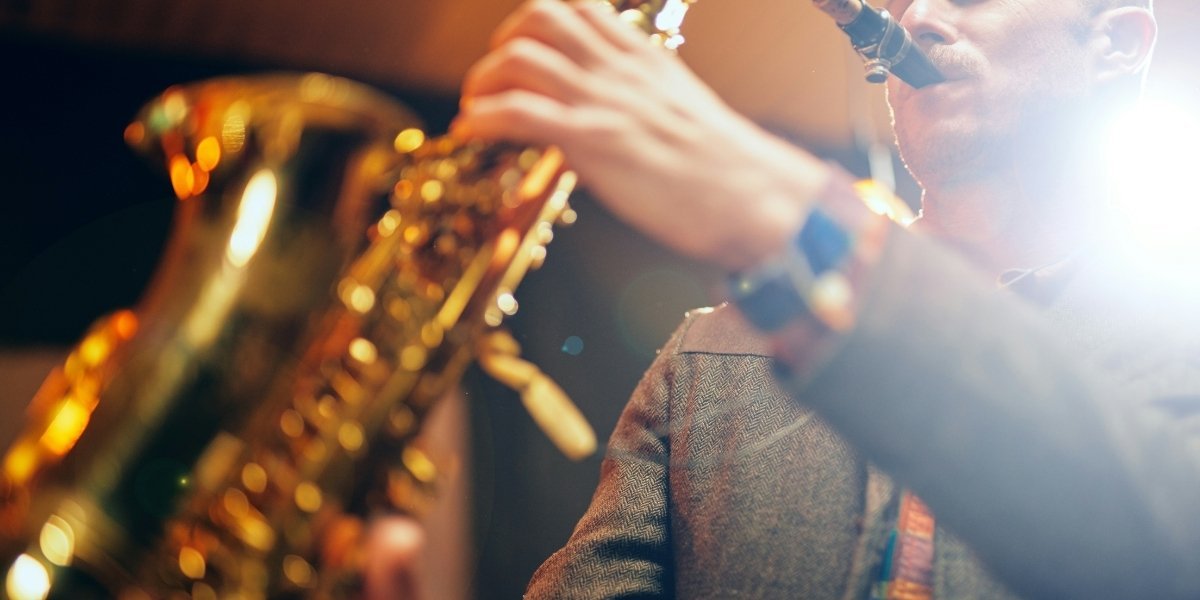
Local artists often perform in intimate settings, where the audience can feel every note. These spaces foster connection, allowing listeners to engage with the music on a personal level. It’s not just entertainment, it’s an experience. The interaction between performer and audience becomes part of the performance itself, creating moments that can’t be replicated.

The city’s music festivals also play a role in showcasing jazz talent. While house music often takes center stage at events like Chicago’s House Music Festival, jazz remains a vital part of the lineup, offering a counterpoint that’s both grounding and expressive. These festivals highlight the city’s commitment to musical diversity and its support for local talent.

Neighborhoods That Keep the Beat Alive

Jazz isn’t confined to one part of Chicago, it’s spread across neighborhoods, each adding its own flavor to the mix. In Hyde Park, you’ll find venues that cater to university crowds and jazz aficionados alike. In Logan Square, experimental sounds blend with traditional forms, creating performances that challenge expectations.

These neighborhood scenes are more than just places to hear music, they’re communities built around shared appreciation. Musicians collaborate, audiences return week after week, and the music evolves in real time. It’s a reminder that jazz is as much about people as it is about sound.

The local music scene in Chicago is vibrant and multifaceted, as explored in this look at the city’s musical culture. Jazz plays a central role in that ecosystem, offering a space for reflection, celebration, and connection. Whether it’s a late-night jam session or a Sunday brunch performance, the music brings people together in ways that few other genres can.

Jazz as a Reflection of Chicago’s Soul

What sets Chicago’s jazz apart is its emotional depth. The music often mirrors the city’s struggles and triumphs, its grit and grace. It’s not polished to perfection, it’s raw, honest, and full of feeling.

Musicians use jazz to tell stories, to express what words can’t. Whether it’s a slow ballad that captures heartbreak or an upbeat tune that celebrates resilience, the music speaks to the human experience. In a city known for its complexity, jazz offers clarity, a way to understand and connect.

Discover the Soulful Jazz Sounds Defining Chicago

Photo Credit: Unsplash.com

Audiences respond to that authenticity. They don’t just listen, they feel. And that feeling lingers long after the last note fades. It’s the kind of experience that stays with you, shaping how you see the city and its people.

Jazz also reflects the diversity of Chicago. The city’s cultural mix influences the music, creating a sound that’s layered and inclusive. Latin rhythms, African beats, and European harmonies all find their way into performances, adding richness and variety.

Keeping the Tradition Alive

Chicago’s jazz scene continues to grow, thanks to a new generation of artists who respect the genre’s history while pushing it forward. Music schools, community programs, and local venues all play a role in nurturing talent and keeping the tradition alive.

These efforts ensure that jazz remains a living art form, not just a historical reference. They create opportunities for young musicians to learn, perform, and innovate. And they keep the city’s musical heartbeat strong.

Some organizations offer mentorship programs, pairing emerging artists with experienced performers. Others host workshops and jam sessions that encourage experimentation and collaboration. These spaces foster creativity and help build the next wave of jazz talent.

Technology also plays a role. Musicians use digital platforms to share their work, connect with audiences, and explore new sounds. While the essence of jazz remains rooted in live performance, these tools expand its reach and influence.

Jazz in Everyday Life

Jazz isn’t limited to concert halls or clubs, it’s part of everyday life in Chicago. Street performers bring music to commuters, cafes host live sets during lunch hours, and local radio stations keep the sound alive for listeners across the city.

This accessibility makes jazz feel personal. It’s not reserved for special occasions, it’s woven into the rhythm of daily life. Whether you’re walking through Millennium Park or riding the train home, the music is never far away.

Even businesses and restaurants embrace the genre, using jazz to create atmosphere and identity. The sound adds warmth, sophistication, and a sense of place. It’s a subtle reminder of the city’s cultural depth and artistic spirit.

A Sound That Endures

Jazz in Chicago isn’t just a genre, it’s a way of life. It’s the sound of the city’s soul, captured in melody and rhythm, shared across generations. From historic venues to neighborhood gatherings, the music continues to evolve, reflecting the city’s past, present, and future.

For those who live here, jazz is part of the landscape. For visitors, it’s a window into the heart of the city. And for musicians, it’s a language that speaks to something deeper, a connection that transcends time and place.

Chicago’s jazz scene remains one of the most dynamic and soulful in the country. It’s a testament to the city’s resilience, creativity, and love for music. And it’s a reminder that even in a world of constant change, some sounds never fade, they just keep playing.


Hispanic Heritage Month Celebrated at Chicago Cultural Center

Hispanic Heritage Month in Chicago is more than a calendar event, it’s a citywide celebration of identity, creativity, and community. At the heart of this year’s festivities is the Chicago Cultural Center, where programming reflects the depth and diversity of Latino cultures. From music and dance to visual art and storytelling, the Center has become a gathering place for residents to honor traditions and share new expressions of Hispanic heritage.

The celebration draws families, students, artists, and longtime residents into a shared space where culture is not only preserved but actively lived. Events are designed to be accessible and engaging, with a focus on community-led participation. Whether through a mural workshop or a live performance, the Cultural Center offers a platform for voices that have shaped Chicago’s neighborhoods for generations.

A Space Where Culture Comes Alive

The Chicago Cultural Center has long been a cornerstone of the city’s arts programming. During Hispanic Heritage Month, its halls transform into a vibrant showcase of Latino creativity. Textile exhibits, photography installations, and live performances fill the building with color and rhythm, inviting visitors to experience heritage through multiple lenses.

Running from September 15 to October 15, the month-long celebration featured handwoven pieces from Central America, each telling stories of migration, family, and resilience. A photography series captured everyday life in Latino neighborhoods, highlighting moments of joy, work, and connection. These exhibits offered a grounded look at how Hispanic heritage continues to shape the city’s identity.

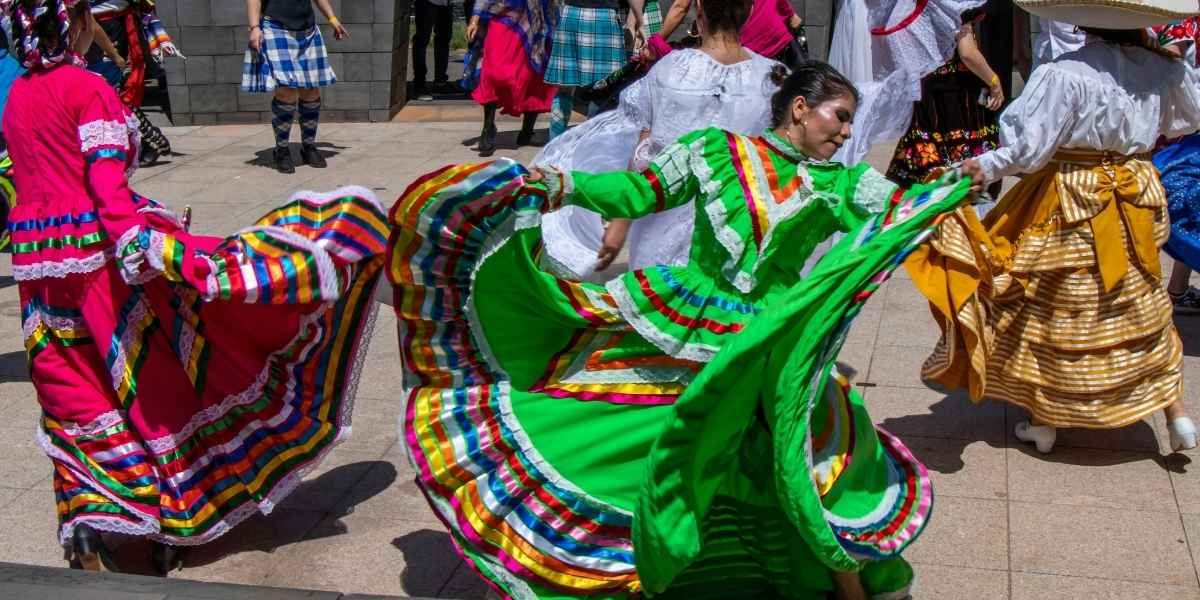
Live performances added another layer of energy. A Puerto Rican bomba ensemble led a call-and-response session that had the audience clapping and singing along. A Mexican ballet folklórico group performed traditional dances from Jalisco and Veracruz, complete with embroidered costumes and live instrumentation. These events weren’t just entertainment, they were affirmations of cultural pride.

Community Voices at the Center

What sets Chicago’s celebration apart is its emphasis on community leadership. Many of the Cultural Center’s events were co-produced with local nonprofits, youth organizations, and cultural collectives. This collaborative approach ensures that programming reflects the lived experiences of the city’s Latino residents.

Workshops invited young people to create papel picado banners while learning about their historical roots. In another session, elders shared oral histories about their arrival in Chicago, their work in local industries, and the traditions they’ve passed down. These moments created space for intergenerational dialogue and helped preserve cultural memory.

Beyond the Cultural Center, neighborhoods like Pilsen and Little Village hosted their own events. Community centers screened films that explored themes of migration and identity, while local artists refreshed murals that depict scenes from Latin American folklore. These efforts extended the celebration into everyday spaces, making Hispanic heritage visible across the city.

Music as a Bridge Between Generations

Hispanic Heritage Month Celebrated at Chicago Cultural Center

Photo Credit: Unsplash.com

Music played a central role throughout the month, connecting generations and styles. At the Cultural Center, performances ranged from mariachi and Latin jazz to reggaeton and fusion sets. Each genre brought its own audience, but the shared appreciation for rhythm and storytelling created a sense of unity.

Chicago’s broader music scene also reflected this energy. Events like the House Music Festival celebrating local talent and culture included Latin-infused sets that honored the city’s multicultural roots. DJs blended Afro-Caribbean beats with electronic sounds, showing how Hispanic heritage continues to influence contemporary music.

One standout concert featured musicians from Colombia, Cuba, and the Dominican Republic performing original compositions that fused traditional instruments with modern arrangements. The crowd responded with cheers and dancing, underscoring how music remains a powerful connector across cultures and generations.

Street Festivals Extend the Celebration

While the Cultural Center served as a focal point, Hispanic Heritage Month spilled into the streets. Chicago’s popular festivals offered additional platforms for Latino artists, chefs, and performers to share their work. From food vendors serving tamales and empanadas to dance crews performing cumbia and bachata, the city’s outdoor spaces became stages for cultural expression.

Events like Chicago’s most popular street fests featured Hispanic heritage booths that drew large crowds. Attendees browsed handmade crafts, sampled regional dishes, and watched live demonstrations of traditional cooking techniques. These interactions helped foster appreciation and understanding across communities.

In one neighborhood, a street fest included a mural-painting activity where families contributed to a collective artwork. The final piece depicted scenes from Latin American folklore alongside images of Chicago’s skyline, symbolizing the blending of heritage and home. Activities like these made the celebration feel personal and participatory.

A Month That Sparks Year-Round Engagement

While Hispanic Heritage Month officially runs for four weeks, its impact lasts well beyond the final event. The Cultural Center’s programming often leads to new partnerships, expanded outreach, and continued engagement. Schools that hosted bilingual storytelling sessions during the month may continue those programs throughout the year. Artists who debuted work during the celebration often find new audiences and collaborators.

Chicago’s commitment to honoring Hispanic heritage is reflected in its institutions, neighborhoods, and creative communities. The Cultural Center’s role in this effort shows how public spaces can serve as platforms for cultural exchange and recognition. By centering community voices and offering diverse programming, the city helps ensure that Hispanic heritage is not just acknowledged, but actively celebrated.

For many attendees, the month’s events offered more than entertainment. They provided a sense of belonging, a connection to history, and a reminder that cultural identity is something to be shared, protected, and honored. Whether through dance, food, art, or conversation, Hispanic heritage continues to shape the rhythm of life in Chicago.

Chicago’s Office Return Rate Lagging Behind National Recovery Trends

The pandemic reshaped the way people work, and while many cities have seen a significant rebound in office occupancy, Chicago’s office return rate is still trailing behind the national recovery trends. According to recent data, Chicago’s return-to-office rate sits at just 34.5%, well below the national average of 47%. This discrepancy highlights the challenges the city’s business and real estate sectors are facing as they work to bring employees back to the office post-pandemic.

Chicago’s Slow Office Comeback

In cities across the U.S., office return rates have been steadily increasing as companies adjust to a new normal. Cities like New York and San Francisco have seen return-to-office rates jump past 40%, while Chicago continues to struggle with a recovery rate of just over 30%. This lag is even more noticeable when compared to other major markets like Houston and Atlanta, where office occupancy has nearly reached pre-pandemic levels.

Chicago's Office Return Rate Lagging Behind National Recovery Trends

Photo Credit: Unsplash.com

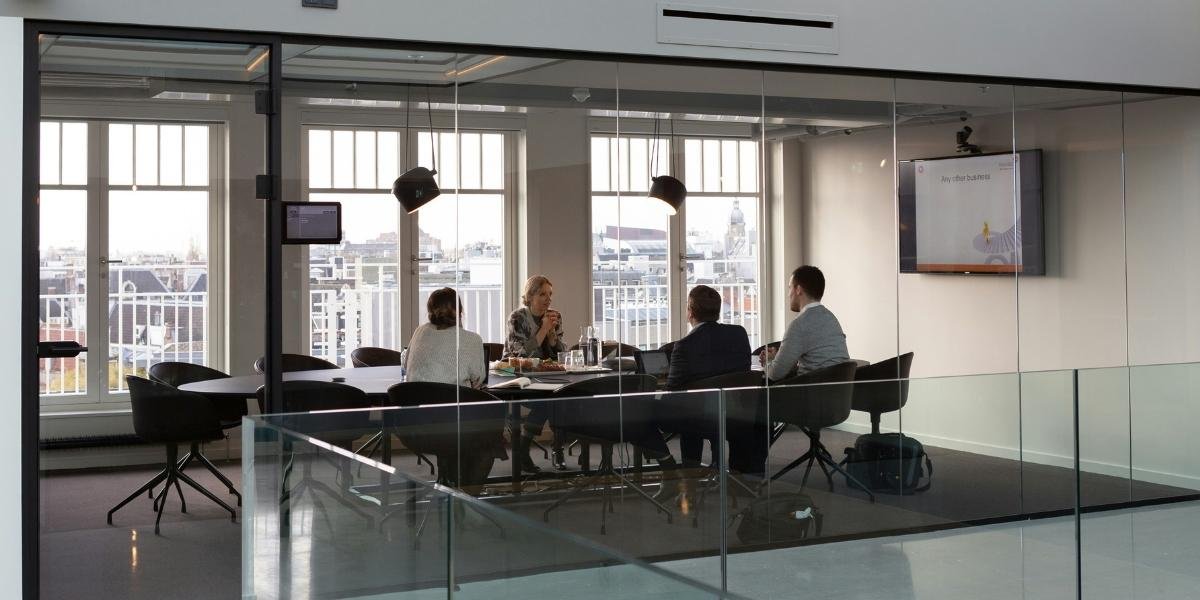
Why is Chicago trailing behind? The city’s business landscape is uniquely shaped by industries that have been slower to return to office life. Many large Chicago firms in sectors like law, finance, and consulting have embraced hybrid work models, allowing employees to work remotely for a few days a week. For these sectors, remote work remains a viable option, and many employees have expressed reluctance to return to the office full-time.

The Hybrid Work Model Gains Ground

One of the main reasons for Chicago’s lagging office return rate is the widespread adoption of the hybrid work model. Unlike pre-pandemic times, when office work was the default, Chicago-based companies have found that hybrid arrangements not only benefit employees but also lead to cost savings. With many employees opting to work remotely for part of the week, businesses have rethought their need for large office spaces.

Many office buildings in Chicago are now seeing fewer tenants. For example, the Merchandise Mart, a landmark in the city’s tech hub, remains 20% vacant. This shift has forced landlords and building owners to rethink how to attract businesses back to office spaces. The hybrid model, while offering flexibility for workers, has left office buildings with more empty desks than they are accustomed to.

Office Buildings Adapt to New Demands

As office space occupancy rates continue to lag behind, property managers and developers are taking steps to make office buildings more appealing. In response to changing employee expectations, many office buildings in Chicago are upgrading their amenities. The introduction of flexible workspaces, modernized meeting rooms, and enhanced digital infrastructure is becoming more common.

For example, companies like Google and Salesforce have been leading the charge in transforming their office spaces into hubs for collaboration and innovation. These tech giants are investing in work environments that promote creativity and teamwork, even as employees split time between home and office. Chicago businesses are looking to this trend to enhance their offerings.

However, these changes come at a cost. Property owners are pouring substantial resources into redesigning their spaces to align with post-pandemic work habits. Some are even experimenting with more casual environments, where workers can drop in as needed and collaborate in more relaxed settings. This shift could ultimately reshape the city’s office real estate market.

The Future of Chicago’s Office Market

The future of office spaces in Chicago largely depends on how businesses balance the need for physical space with the growing demand for flexible work arrangements. It’s clear that remote work is not going away, and the hybrid model is here to stay. This could mean that the traditional office environment in Chicago, and nationwide, will continue to evolve.

For companies that do want to bring workers back to the office, there will need to be clear incentives. Whether it’s upgrading office amenities, offering more flexible hours, or providing collaborative workspaces, businesses will need to meet the expectations of employees who have grown accustomed to working from home.

Moreover, city officials and business leaders will likely continue to face challenges as they try to rejuvenate the downtown area, which has been struggling with reduced office foot traffic. There is hope that as more businesses settle into permanent hybrid models, Chicago’s office market can stabilize, but the path forward is uncertain.

A Long Road to Recovery

Chicago’s office market has faced hurdles in the aftermath of the pandemic, and its return-to-office rate remains one of the lowest among major cities. While national recovery trends show positive growth in office occupancy, Chicago businesses are finding their own rhythm, balancing hybrid models with the need for physical office space.

Ultimately, the city’s office market will need to adapt to the new expectations of workers. As businesses continue to embrace flexible work arrangements, Chicago’s office buildings will evolve into spaces that promote collaboration and innovation, while also offering workers the freedom to work remotely when needed.

While recovery may take longer for Chicago compared to other cities, the evolution of office spaces in the city could signal a more permanent shift in the way businesses operate in a post-pandemic world.

Historic Chicago River Swim Returns After 98 Years

In a moment that blends nostalgia with progress, the Chicago River swim is officially back after a 98-year hiatus. On September 22, 2025, hundreds of swimmers will take to the revitalized Chicago River for a historic open-water event that celebrates environmental restoration, civic pride, and the city’s evolving relationship with its iconic waterway.

The Chicago River, once considered too polluted for recreation, has undergone a dramatic transformation over the past two decades. Thanks to sustained investment in water quality, infrastructure upgrades, and community advocacy, the river is now clean enough to host a sanctioned swim, a feat that would have been unimaginable just a generation ago.

Why the Chicago River Swim Matters

The return of the Chicago River swim is more than a sporting event. It’s a symbol of environmental resilience and urban renewal. For decades, the river was treated as an industrial channel, burdened by wastewater, runoff, and neglect. Today, it stands as a testament to what cities can achieve when they prioritize sustainability and public health.

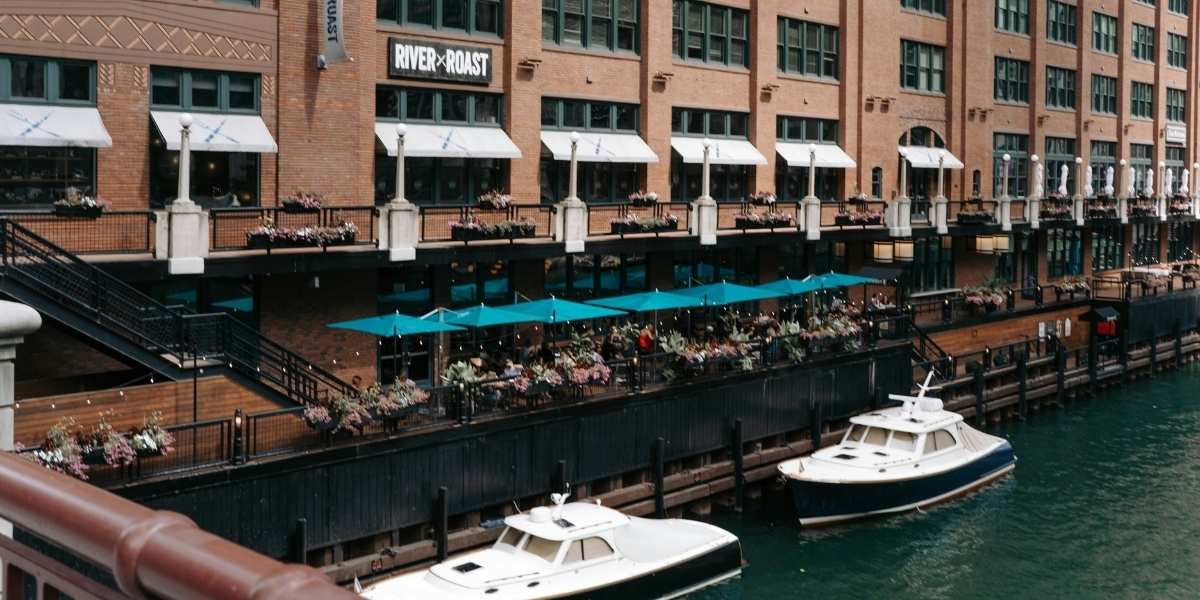
The swim also reconnects Chicagoans with their riverfront. As the city continues to invest in green spaces, pedestrian paths, and waterfront access, the Chicago River is becoming a central part of civic life. Events like this swim encourage residents to see the river not just as a backdrop, but as a living part of the city’s identity.

This renewed connection mirrors other cultural efforts across the city, such as the celebration of Hispanic Heritage Month at the Chicago Cultural Center, where community engagement and historical reflection go hand in hand.

A Look Back: The Last Chicago River Swim

The last official Chicago River swim took place in 1927, during a time when the river was still considered safe for recreation. However, as industrialization intensified and pollution worsened, public health officials banned swimming in the river by the mid-20th century. For decades, the idea of returning to the water remained a distant dream.

In recent years, however, that dream began to take shape. Environmental groups, city planners, and public health advocates worked together to improve water quality and restore aquatic ecosystems. The Metropolitan Water Reclamation District of Greater Chicago played a key role in upgrading treatment facilities and monitoring contaminants.

The use of wastewater data to track public health has also contributed to better understanding of the river’s condition, helping guide policy decisions and community outreach.

Preparing for the 2025 Chicago River Swim

Organizers of the 2025 Chicago River swim have taken extensive precautions to ensure safety and success. The event will feature multiple heats, including competitive and recreational categories, with swimmers navigating a one-mile course through the downtown stretch of the river.

Historic Chicago River Swim Returns After 98 Years

Photo Credit: Unsplash.com

Water quality testing has been conducted daily in the lead-up to the event, with results showing compliance with EPA standards for recreational use. Lifeguards, rescue boats, and medical personnel will be stationed along the route, and swimmers are required to wear brightly colored caps for visibility.

Participants range from elite athletes to local residents eager to be part of history. Many have trained in Lake Michigan or indoor pools, preparing for the unique conditions of river swimming, which include current shifts, temperature variation, and urban surroundings.

Environmental Progress and River Restoration

The revival of the Chicago River swim is possible thanks to decades of environmental work. Restoration efforts have included habitat creation, invasive species removal, and shoreline stabilization. Native plants now line portions of the riverbank, supporting biodiversity and improving water filtration.

Fish populations have rebounded, and sightings of herons, turtles, and even beavers are becoming more common. These ecological gains reflect the success of coordinated efforts between city agencies, nonprofits, and volunteers.

Green infrastructure projects, such as permeable pavement and rain gardens, help reduce runoff and improve water quality. Combined sewer overflow systems have been upgraded to prevent contamination during heavy rainfall. These improvements make the Chicago River safer not only for swimmers, but for all residents who live, work, and play near its banks.

Community Engagement and Civic Pride

The return of the Chicago River swim has sparked excitement across the city. Neighborhood groups, schools, and local businesses are organizing viewing parties, educational workshops, and river-themed art installations. The event has become a rallying point for civic pride and environmental awareness.

Chicago’s park district and tourism board are promoting the swim as part of a broader campaign to highlight riverfront attractions. Kayak rentals, boat tours, and riverside dining are drawing more visitors, contributing to economic growth and community vitality.

Local artists and historians are also documenting the event, capturing stories from longtime residents who remember the river’s darker days. These narratives add depth to the celebration, reminding Chicagoans of how far the city has come.

Challenges and Future Goals

While the Chicago River swim marks a major milestone, challenges remain. Continued investment in infrastructure, pollution prevention, and climate resilience is essential to maintain water quality and expand recreational access.

Urban development near the river must balance growth with environmental protection. Advocates are calling for stronger regulations on stormwater management, industrial discharge, and construction practices to safeguard the river’s progress.

Education is also key. Schools and community centers are incorporating river ecology into their curricula, helping the next generation understand the importance of stewardship. Public campaigns are encouraging residents to reduce litter, conserve water, and support local conservation efforts.

A New Chapter for the Chicago River

The return of the Chicago River swim after 98 years is a powerful reminder of what cities can achieve through collaboration, innovation, and perseverance. It marks the beginning of a new chapter for the river, one defined by recreation, restoration, and respect.

As swimmers dive into the water this September, they’ll be part of a legacy that spans generations. They’ll celebrate not just a cleaner river, but a stronger community, a healthier environment, and a shared vision for the future.

Whether you’re cheering from the riverwalk, volunteering at the event, or simply reflecting on the river’s journey, the 2025 Chicago River swim invites everyone to be part of the story, a story of renewal, resilience, and pride.

Essential Guide to Renting Office Space in Chicago

Finding the right office space in Chicago isn’t just about square footage, it’s about aligning location, cost, and functionality with the needs of a business. Whether launching a startup, expanding a team, or relocating operations, the process demands careful planning and a clear understanding of the city’s commercial landscape.

Chicago offers a wide range of office options, from sleek downtown high-rises to flexible spaces in emerging neighborhoods. But navigating the market can be challenging, especially with fluctuating rental rates and varying operational costs. For businesses trying to make smart decisions, knowing what to look for, and what to avoid, can make all the difference.

Understanding Chicago’s Office Market

Chicago’s office space market is shaped by its diverse neighborhoods, each offering distinct advantages. The Loop remains a central hub for finance, law, and corporate headquarters, while areas like River North and West Loop attract creative firms and tech startups. Suburban locations may offer lower rents and easier parking, but they often come with trade-offs in terms of accessibility and prestige.

Rental prices vary widely depending on location, building amenities, and lease terms. In some of the city’s most popular neighborhoods, rent increases have become a notable trend, prompting businesses to reassess their space needs and consider alternatives. Understanding these shifts helps avoid surprises and supports better budgeting.

It’s also important to consider the type of lease being offered. Full-service leases typically include utilities and maintenance, while triple net leases pass those costs onto the tenant. Knowing the difference can prevent unexpected expenses and help compare options more accurately.

Assessing Space Needs and Layouts

Before signing a lease, businesses should evaluate how much space they truly need. Overestimating can lead to wasted resources, while underestimating may cause operational strain. Factors like team size, meeting room requirements, and future growth plans all play a role in determining the right fit.

Open floor plans may suit collaborative teams, while private offices offer more structure and privacy. Some companies benefit from hybrid layouts that combine shared workspaces with quiet zones. Flexibility is key, spaces that can adapt to changing needs often provide better long-term value.

It’s also worth considering how the space will be used day-to-day. Is there room for client meetings? Are there areas for breaks or informal gatherings? These details affect not only productivity but also employee satisfaction.

Operational Costs and Budget Planning

Rent is just one part of the financial equation. Operational costs, such as utilities, maintenance, insurance, and property taxes, can significantly influence profit margins. Businesses that overlook these expenses may find themselves stretched thin, even if the base rent seems reasonable.

Understanding how these costs affect the bottom line is essential. This breakdown of operational costs and profit margins highlights the importance of factoring in every expense, from cleaning services to internet access. These details often vary by building and lease type, so asking the right questions upfront can prevent future headaches.

Some landlords offer incentives like rent abatements or tenant improvement allowances, which can offset initial costs. Others may include shared amenities, such as conference rooms or fitness centers, that add value without increasing rent. Evaluating these perks in context helps determine whether a space is truly cost-effective.

Location, Accessibility, and Employee Experience

Choosing the right location isn’t just about prestige, it’s about convenience, visibility, and access. Offices near public transportation tend to attract more talent and make commuting easier. Proximity to restaurants, banks, and other services also enhances the workday experience.

Essential Guide to Renting Office Space in Chicago

Essential Guide to Renting Office Space in Chicago

For businesses that rely on client visits, location plays a role in perception. A well-maintained building in a central area can signal professionalism and stability. On the other hand, a hard-to-find office in a neglected part of town may raise doubts, even if the interior is impressive.

Employee experience matters too. Comfortable, well-lit spaces with good air quality and noise control contribute to morale and productivity. Some companies invest in ergonomic furniture or wellness features to support their teams. These choices may not show up on a balance sheet, but they often pay off in retention and performance.

Lease Negotiation and Legal Considerations

Once a space is selected, the lease negotiation begins. This stage requires attention to detail and a clear understanding of terms. Key elements include rent escalation clauses, renewal options, and exit strategies. Businesses should also review responsibilities for repairs, insurance, and compliance.

Legal review is strongly recommended. Even standard leases can contain language that shifts risk or adds hidden costs. Working with a commercial real estate attorney helps ensure that the agreement aligns with business goals and protects against future disputes.

Timing also matters. Starting the search early allows for better choices and more leverage in negotiations. Rushed decisions often lead to compromises that affect long-term satisfaction.

Making the Right Move

Renting office space in Chicago is a strategic decision that affects operations, finances, and brand identity. By understanding the market, assessing needs, and planning carefully, businesses can find spaces that support growth and reflect their values.

The city’s commercial landscape offers plenty of options, but success depends on clarity, preparation, and a willingness to ask the right questions. Whether settling into a downtown tower or exploring a neighborhood storefront, the goal remains the same: create a space where work thrives and people feel connected.