The Chicago Journal

From Central London Specialist to Pan-European Real Asset Investor: Nick Millican’s Vision for Greycoat

By: Shawn Mars

When Nick Millican joined Greycoat Real Estate in 2012, the firm was respected but limited in scope—essentially a consultancy leveraging decades of property expertise to advise asset owners. Thirteen years later, Nick Millican has transformed Greycoat into an operating partner with a track record of high-profile London projects, strategic partnerships with blue-chip investors like Goldman Sachs and Morgan Stanley, and now, a newly established European platform with offices in Paris. As the firm prepares to relaunch its website and brand positioning, Millican reflects on the journey, the philosophy that’s driven Greycoat’s evolution, and why he believes the next phase of growth lies beyond the UK.

The Transformation

“When I arrived, the business wasn’t really set up or used to buying assets,” Millican recalls. ” Typically, what would happen is someone would already own something, and it would kind of hit a different stage of its lifecycle. They’d want some help with planning and redevelopment or actually doing it, but it was people that already owned the real estate.”

The shift from advisory work to operating partner required more than just new processes—it required new people and new capabilities. Millican set about building an acquisitions team “pretty much from scratch,” recruiting professionals who could identify opportunities, structure deals, and execute joint ventures with institutional capital partners.

The results speak for themselves. Under Millican’s leadership, Greycoat reached peak assets under management of £2.5 billion by the end of 2018-2019. Notable projects include leading the acquisition of a minority stake in MOTO, the UK’s leading motorway service area business, then negotiating its sale to a leading UK pension fund in 2015; the acquisition and redevelopment of Premier Place in EC2, which was entirely pre-let and forward sold to a prominent Asian investor in 2020; and raising approximately £170 million in structured co-investment capital from the principals of a leading European buyout fund in 2021.

Then came a fortuitous decision. “We actually sold out of the vast majority of those properties just before COVID hit, ironically, just more through luck than judgment,” Millican says. That timing left Greycoat with capital and flexibility just as the pandemic reshaped commercial real estate markets globally.

Three Pillars: The Millican Philosophy

While Millican doesn’t explicitly articulate a “three-pillar strategy,” his approach to real estate investment reveals consistent priorities that have defined Greycoat’s positioning: sustainability as a competitive advantage, strategic opportunism in market dislocations, and creating experiential workplaces that meet evolving tenant demands.

Sustainability First

Long before ESG became a boardroom buzzword, Millican was focused on embedded carbon and refurbishment over demolition. “It’s extremely hard to demolish a building and then use what you’ve taken to then build a new building,” he explains. “It’s not really practical. So the more you can retain, the better the carbon footprint of what you’re doing.”

This isn’t just environmental philosophy—it’s business strategy. Greycoat’s 2023 acquisition of 20 Finsbury Dials with Goldman Sachs Asset Management exemplifies the approach: a comprehensive “brown to green” transformation targeting BREEAM Outstanding, EPC A, and WELL Platinum ratings through refurbishment rather than reconstruction. The project even repurposes materials from the building’s old facade by grinding them down and transforming them into tiles for reuse—circular economy principles in practice.

For each new project, carbon budgets are treated with the same rigor as financial analyses. “I think there’s more of a need to invest in buildings now than there has been historically, because of the environmental regulations here changing,” Millican notes. “And so people are kind of forced to make their buildings more energy-efficient.”

Strategic Opportunism

Millican has consistently demonstrated an ability to identify market dislocations and act when others hesitate. Selling before COVID was one example; reinvesting at the end of last year is another.

“Part of the reason [assets are] depressed is the input costs are bigger, so the CapEx has gone with inflation and also the machinery you put into buildings is more expensive because you’re going for a higher performance standard,” Millican explains. “And obviously, interest rates are much higher, so some of the input costs have gone up, and that’s a large part of why values have fallen.”

But here’s the opportunity: “What’s more important for us as a business is there isn’t a huge amount of investors looking to invest obviously, right now for the obvious reasons. So I guess it’s less competitive than historically has been. So you tend to get a couple of people turning up to look at buying something rather than 10.”

It’s classic contrarian thinking—acting when the crowd is paralyzed by uncertainty.

Experiential Workplaces

The pandemic forced a reckoning with office space, creating what Millican describes as a “two-tier market.” “There’s good buildings in desirable locations with modern environmental performance that are doing very well, and rents are actually going up,” he says. “Then there are properties that aren’t really fit for purpose and are in the wrong location that probably needs to be repurposed into something else.”

Greycoat focuses on the former—properties where tenants see the office as competing with work-from-home. “People are actively thinking about how to persuade people to make the commute,” Millican observes. “Some of that is about having just nice space and some outside space maybe, but I think a lot of it is being in a location that has a lot of attractions for people to do after work or before work or at lunchtime.”

As a developer, Millican says Greycoat’s role is ensuring “the bones of the building enable someone to do that. So typically, we’d be very focused on provision of outside space for tenants, provision of an entrance experience that typically would have breakout space, cafe, etc., at the lower ground floor to give a bit of atmosphere and environment for tenants in a building.”

The European Expansion

Greycoat’s move into Europe represents Millican’s most ambitious transformation of the firm yet. “We are intending to open an office in France near term in Paris, which is quite a big change,” he says. “It’s obviously different language, different legal system, different ways of doing business.”

The Paris office, established in 2025 with senior partners Arnaud Malbos and Semih Bayar Eren leading operations, isn’t just geographic expansion—it’s a repositioning of what Greycoat is. No longer simply a London developer, the firm is evolving toward what Millican envisions as a pan-European real asset investment business.

“Depending on how that works through, the obvious one’s Germany, just given the scale of the economy,” Millican says of potential next markets, though he’s characteristically cautious about overextending. Real estate remains “very much a local game,” he notes, requiring physical presence, market knowledge, and understanding of local regulations.

The Specialization Strategy

One of Millican’s core business principles is focus. “One strategy that has significantly contributed to the growth of Greycoat is our focus on excelling in a single area rather than spreading our efforts too thinly across multiple disciplines,” he explains. “By concentrating on one core competency, we have been able to invest deeply in the necessary resources that drive excellence in this area.”

That focus has been on large-scale office refurbishments in prime urban locations, primarily in London. The European expansion doesn’t abandon this focus—it extends it to new geographies while maintaining the core competency.

Millican learned the importance of specialization the hard way. At one point, Greycoat explored residential apartment development. “We recruited some top-notch professionals and dedicated considerable time and resources to it, but we concluded that competing with major housebuilders wasn’t feasible for us,” he recalls. “They had the scale to build more cost-effectively and could afford to outbid us for prime sites.”

The lesson: “Thoroughly understanding the competitive landscape before entering a new market segment” is essential. It’s advice Millican is clearly applying to the European expansion, moving deliberately with experienced partners rather than rushing in.

Looking Forward

As Greycoat repositions its brand and website to reflect its evolution, Millican sees the next 24 to 36 months as particularly promising. “We still feel quite excited about the next phase from the perspective of the assets being a bit cheaper than they used to be,” he says.

It’s characteristic Millican—measured optimism grounded in market analysis, not hype. From his chemistry degree at Worcester College, Oxford, through investment banking at Citi and six years overseeing UK investment and asset management at Rockpoint Group, to transforming Greycoat over the past thirteen years, his approach has been consistently analytical and strategic.

“I think we’ll see over time more and more focus on retention and refurbishment rather than demolition and rebuild,” Millican predicts—a trend he’s not just observing but actively shaping. As Greycoat extends its model across Europe, that vision of sustainable, strategically opportunistic, tenant-focused development goes continental.

For a firm that began as a London consultancy, it’s a remarkable transformation. And for Nick Millican, who orchestrated it, the work is just beginning.


Disclaimer: The information provided in this article is for general informational purposes only and should not be construed as investment or financial advice. The strategies and market trends discussed reflect the author’s views and experiences within the real estate sector. Real estate investments carry inherent risks, and readers are encouraged to consult with qualified financial or real estate professionals to evaluate their specific circumstances before making investment decisions. Past performance is not indicative of future results, and market conditions may fluctuate.

Plant-Powered Calm: Jubi’s Wellness Revolution in Chicago

By: William Jones

Chicago’s wellness culture is changing, and it’s happening fast. Across the city, from River North offices to Logan Square creative studios, people are looking for ways to unwind that don’t rely on alcohol or a next-day recovery plan.

Into that new shift steps Jubi Brands, the Bedford Hills–based company bringing plant-powered clarity to the Midwest with a fresh take on functional wellness.

Jubi prides itself on using traditional botanicals on a clean, modern formulation. Its lineup, most notably the Kava Chill Shot and Lion’s Mane Clarity + Energy Shot, is meant to appeal to a growing number of professionals who want to feel good without added stimulants, sugar crashes, or anything artificial.

The Midwest Wants a Different Kind of “Wind Down”

Chicagoans are settling into new routines that feel good without the usual trade-offs of drinking culture. That shift’s opened the door for gentler options like Kava, a centuries-old root with a reputation for helping the mind unwind without intoxication, and Lion’s Mane, long appreciated for supporting steady focus.

Jubi brings both botanicals into simple, portable shots meant to blend into real life: during an after-work lakefront walk, a quick breather between meetings, or a chill evening with friends.

Chief Marketing Officer Matthew Delmore says the goal isn’t to overhaul anyone’s routine, just to make calm and clarity easier to reach. And as Jubi establishes its presence in the Midwest, he’s been looking into how Chicagoans can use these products for their own lives, something he talks more about in the conversation below.

In your opinion, what’s driving Chicago’s interest in non-alcoholic alternatives?

Matthew: Honestly, I think people just want to feel good without paying for it the next morning. Chicago has this incredible sense of community and a very active spirit. It’s a city where people work hard but also care about showing up for their friends, their families, and their hobbies. When you’re juggling all of that, having a way to unwind that doesn’t derail tomorrow becomes a pretty appealing idea.

Also, and this isn’t limited to Chicago, but there’s a growing awareness of how alcohol fits into people’s lives. A lot of folks here are looking for something gentler, something that helps them simmer down after a long day without feeling like they’re stepping out of themselves.

Why did Jubi choose the Midwest for expansion?

Matthew: The Midwest is very honest about what works and what doesn’t. We think people here don’t follow a trend just because it looks good online. They instead look for options that fit their routines and support the way they move through everyday life — and that’s the kind of client we’re after as well.

How do you explain Kava to someone who’s never tried it?

Matthew: I like to say that it feels like the exhale your body has been waiting for. It eases that mental tightness you might not even realize you’ve been carrying around, but it doesn’t make you feel out of it or dulled.

I also like to point out, naturally, that our Chill Shot in particular is one of the best ways to get that real Kava feeling in a way that’s clean, quick, and portable. You can take it before dinner with friends, after a stressful meeting, or during one of those evenings when you just need a reset.

Plant-Powered Calm: Jubi’s Wellness Revolution in Chicago

Photo Courtesy: Jubi

And what about the Lion’s Mane Clarity + Energy Shot?

Matthew: That one is all about consistent, collected focus. Our customers tell us they feel more alert, more clear-headed, but without that twitchy, buzzing sensation that comes with a lot of caffeine. It’s essentially a smoother type of energy that lets you think clearly.

When we created it, the idea was for something that supported the mind without contributing to the frantic pace a lot of us already live in. We really don’t need one more thing that sends us bouncing off the walls. This is about feeling steady and sharp.

How do you see people using Jubi products day to day?

Matthew: A lot of people take the Lion’s Mane shot in the morning to start their day off on the right foot. Others reach for the Kava shot at night when they are winding down or creating a little transition between the busy part of their evening and the restful part. It really depends on the person.

Also, we hear a lot of people pairing them: Lion’s Mane to stay sharp during the day, Kava to ease back down at night.

What makes Jubi different from other functional beverage brands?

Matthew: The name of the game for our company is honesty. We’re very clear about what ingredients we use, with no hidden elements in the formula or confusing labels, and all of our products are manufactured in facilities that follow GMP guidelines.

Really, everything we make is born out of a desire to help people feel balanced. We want our clients to have zero doubts about our processes and full confidence in our goal to serve them. When something is made with intention, people can tell.

Relaxation As a Routine With Jubi Brands

As more people in Chicago are rethinking what it means to unwind, Jubi Brands offers an accessible alternative that seeks to accompany how people live: busy, social, and intentional. The brand is carving out a new lane of wellness that’s both modern and timeless in equal measure, and for a city that prides itself on balance, its arrival couldn’t be better timed.

Sometime Child: Richard Bruce’s Compassionate Look at Class, Chance, and the Unexpected Ties That Bind

By: Maria Stone

In Sometime Child, author Richard Bruce delivers a deeply human story born at the intersection of privilege, poverty, trauma, and second chances. Set against the vivid backdrop of New York City, the novel traces an unlikely connection between three characters whose lives collide during a violent alleyway encounter—an event that becomes a catalyst for narrative momentum and the possibility of personal transformation.

From the very first pages, Bruce makes a clear choice: he opens with rupture rather than resolution. The book’s gripping inciting incident shows three lives changing before the reader has had time to form attachments or assumptions, allowing character evolutions to reveal themselves as the story unfolds. As Bruce explains, he wanted to establish “a ‘before’…without hinting of the fact that the lives of each of the characters could change in unexpected ways as they interacted with each other.” At this early point, he notes, he didn’t intend for readers to feel “much in the way of hope for either of the assailants”—a narrative strategy that lays emotional groundwork for what becomes a compelling redemptive arc.

A Story Rooted in Real Experience

While Bruce’s novel is fiction, it is not conjured from imagination alone. It is supported by years of real-world experience working with underserved youth. In 1999, he volunteered with a program devoted to helping teenagers living in dangerous neighborhoods, unstable family structures, and struggling school systems. His first student, he recalls, told him it was unsafe for him to visit her at home. That relationship left a profound mark.

“As I spent time with her, I came to understand the difficulties she faced firsthand,” Bruce says. His experiences with her—and with many similar students—provided much of the emotional insight that shaped Sometime Child. These encounters gave him a living sense of what it means to come of age while navigating scarcity, fear, and systems that may be ill-equipped to nurture potential.

The Ties That Bridge Distant Worlds

The novel’s central connection—between a well-established attorney and two teenage assailants—serves as a conduit for exploring class divides. By all logic, their worlds should repel one another; Bruce instead allows them to intertwine. His approach reflects a core belief: that young people, regardless of background, “have the same dreams and hopes.” He seeks to show how people from “wildly different backgrounds might find some connection if they are willing to spend the time and effort to listen to each other.” That willingness, he suggests, can allow everyone to grow: “Those who have so little may find ways to improve their lives while those with so much can find ways to be kind to others, so it could be a win/win.”

That spirit of mutual transformation is the book’s emotional anchor.

Forgiveness as a Forward Motion

For Bruce, forgiveness is not just a literary theme—it is a philosophy for living. “Holding grudges is an extra weight that serves no purpose,” he shares. In his view, many people who have made mistakes are “in need and have the hidden desire to improve their lives,” though they often need someone to listen, encourage, and help them imagine new directions. His characters reflect this truth in both small and grand moments, making redemption feel both reachable and emotionally earned.

The City as Character

New York City is not merely the book’s setting—it is its crucible. Bruce portrays a metropolis where opulence and poverty live just blocks apart, where proximity alone is not enough to bridge the emotional and material distance between inhabitants. The city, he notes, “allowed me to portray my main characters living or working just minutes apart but in totally different environments… environments that can put a mark on their lives…good or bad that may be difficult to shed.” The places that shape us, he suggests, are not easily escaped—but neither are they destiny.

A Title of Aspiration and Empathy

The title Sometime Child gestures toward longing—and possibility. Children raised in poverty absorb constant reminders of what they lack. They see what they don’t have on television, on the internet, and in the world around them. Still, Bruce emphasizes, they hold the same dreams as those raised in comfort. He hopes that “SOMETIME their dreams might come true,” and felt the title perfectly captured “a path that might make a child’s dreams come true.”

Balancing Darkness and Light

Though the novel contains violence, inequality, and deep personal struggle, Bruce is careful to balance hardship with hope. “Despite all the turmoil and challenges in the world today…I wanted my book to be upbeat…but, at the same time, I wanted my book to be based in reality.” His goal was to “walk that line between evil and goodness,” trusting that readers would walk it with him.

What Readers Take With Them

Empathy is a throughline in Sometime Child. Bruce hopes readers will emerge more mindful of judgment and more attuned to the unseen forces that shape others’ lives. “I hope readers will see how important it is to avoid pre-judging and be empathetic to troubled children born into environments that they would not have chosen had they been able to do so,” he says.

With its cinematic pacing and emotional resonance, Sometime Child offers not just a story, but an invitation—to listen, to understand, and to believe in unexpected paths to hope.

Grab your copy of Sometime Child on Amazon today.

Championing Women’s Rights in Divorce: How Women’s Divorce & Family Law Group Is Transforming Family Law in Chicago

A Leading Advocate for Women’s Divorce Rights

In Chicago, a city where family law cases can often be complex and emotionally charged, one law firm has made significant strides in supporting women navigating divorce, custody disputes, and other family law matters. Women’s Divorce & Family Law Group by Haid and Teich LLP was founded with a clear mission: to ensure that women’s rights are prioritized in the family law system.

The firm’s founders, experienced family law attorneys, recognized that women face distinct challenges in divorce and custody proceedings. “Women need a legal team that understands their unique circumstances and works to protect their best interests, especially in a system that may not always address their concerns adequately,” says the firm’s managing attorney. With this understanding, the firm created a space where women could feel supported, heard, and empowered throughout their legal challenges.

Building the Foundation: Compassionate Legal Services

Women’s Divorce & Family Law Group was established as one of the few law firms in the Chicagoland area dedicated to addressing the specific needs of women in family law matters. With a focus on divorce, child custody, spousal support, and parental alienation, the firm provides expert legal services tailored to help women navigate these challenging circumstances.

“We understand the emotional and financial stress that often accompanies divorce, especially when children are involved. Our goal is to guide women through the legal process while ensuring they have the support they need,” says one of the firm’s lead attorneys.

Overcoming Challenges: Addressing the Unique Needs of Women

From its inception, Women’s Divorce & Family Law Group faced the challenge of establishing itself in a traditional legal landscape. The firm’s founders recognized the need for a space where women could receive the necessary legal counsel and advocacy in family law matters, particularly in custody and spousal support cases, which many women found to be disproportionately challenging.

Championing Women’s Rights in Divorce: How Women’s Divorce & Family Law Group Is Transforming Family Law in Chicago

Photo: Unsplash.com

“It wasn’t easy at first to convince others of the importance of a firm focused exclusively on women’s rights in family law,” shares. “But we were committed to ensuring that women could not only access legal services but also have their voices heard in the legal process.”

Despite these challenges, the firm’s dedication to fairness and client advocacy quickly established it as a trusted leader in family law.

Recognized Excellence in Family Law

In a relatively short period, Women’s Divorce & Family Law Group has earned recognition for its high standards of service and client-focused approach. With accolades like “Super Lawyer” recognition from 2016 to 2025, the firm has established itself as a trusted resource for women seeking legal representation in family law matters.

The firm’s success is rooted in more than just winning cases; it’s about forming relationships with clients, understanding their needs, and developing strategies that align with their goals. “We listen to our clients and take the time to understand their concerns, ensuring they feel confident and supported throughout the process,”.

What Sets Women’s Divorce & Family Law Group Apart

What distinguishes Women’s Divorce & Family Law Group from other firms in Chicago is its unwavering commitment to addressing the unique challenges women face in family law matters. Whether navigating a divorce, child custody dispute, or seeking fair spousal support, the firm’s attorneys work diligently to ensure the best possible outcomes for their clients.

Additionally, the firm’s approach emphasizes collaboration over confrontation. “Our attorneys are skilled negotiators, focused on solutions that respect the needs of all parties involved,” explains. “We prioritize open communication and strive for resolutions that serve the long-term interests of families.”

Beyond their legal expertise, the firm is also known for its compassionate approach. “Going through a divorce or custody dispute is emotionally taxing, and we’re here not just to represent our clients in court, but to guide them through every stage of the process,” says.

Looking Ahead: Continuing the Commitment to Justice

As the Women’s Divorce & Family Law Group grows, it remains dedicated to its core mission: providing strong legal advocacy for women in family law cases. The firm plans to expand its team and extend its outreach to ensure more women in Chicago can access the specialized support they need.

“We’re constantly evolving and improving our services to meet the changing needs of our clients and to remain a trusted resource for women navigating family law challenges,”. For women facing divorce, custody battles, or other family law issues, Women’s Divorce & Family Law Group offers more than just legal counsel. They provide advocacy, understanding, and a commitment to achieving fair and just resolutions.

Taking the First Step Toward Resolution

If you are navigating divorce, child custody, or other family law matters, Women’s Divorce & Family Law Group is here to guide you through the process with expertise and compassion. To learn more or schedule a consultation with a chicago divorce attorneys, visit divorce attorney Chicago, check out their Yelp page, and follow them on X. Your path to a fair resolution begins here.

By focusing on the rights and needs of women, the firm has become a trusted resource for family law matters in Chicago. Through a combination of legal expertise, client-centered service, and empathy, Women’s Divorce & Family Law Group continues to lead the way in providing comprehensive family law support.


Disclaimer: The content of this article is intended for informational purposes only and does not constitute legal advice. Readers are encouraged to consult with a qualified attorney to discuss their specific legal needs and concerns.

A Legacy of Advocacy: 30 Years of Empowerment at IAG

By: Nadine Crespo

For three decades, Individual Advocacy Group (IAG) has stood as a force for transformation not just an organization, but a movement redefining what empowerment and inclusion look like for people with intellectual and developmental disabilities. Since its founding in the mid-1990s, IAG has grown from a small, determined team into a multi-program agency recognized nationally for its creativity, compassion, and results-driven advocacy.

At the foundation of this journey is Dr. Charlene Bennett, whose vision and leadership helped shape IAG’s identity and mission. While Dr. Bennett’s influence is unmistakable, the heart of the story is IAG itself which is a community of advocates, professionals, and self-advocates united around one simple but radical belief: that every person deserves the right to live a full, self-directed life.

A Legacy of Advocacy: 30 Years of Empowerment at IAG

Photo Courtesy: Individual Advocacy Group

When IAG began, the disability services field was dominated by institutional models and rigid systems. IAG challenged that status quo by prioritizing people over processes. The organization’s person-centered philosophy focused on dignity, choice, and individuality rather than on checklists and compliance. This values-driven shift became the cornerstone of IAG’s model, influencing how services are delivered and how people are viewed across the system.

Over the years, IAG’s commitment to listening, relationship-building, and innovation produced groundbreaking programs that are now considered models for best practice. Its person-centered planning, individualized supports, and community-based opportunities enable people to live, work, and contribute in ways that are meaningful to them. Whether through employment, volunteering, or artistic expression, IAG ensures that every individual is seen not as a client, but as a community member with something valuable to offer.

The Stabilization-First Model: Advocacy in Action

A Legacy of Advocacy: 30 Years of Empowerment at IAG

Photo Courtesy: Individual Advocacy Group

One of IAG’s most impactful innovations has been its Stabilization-First approach: a model that prioritizes safety, trust, and stability before anything else. Rather than relying on institutional placements or crisis-driven interventions, IAG’s approach focuses on rebuilding lives through relationships, routines, and community integration.

This model recognizes that meaningful progress begins when people feel safe and supported. By helping individuals stabilize their environment, manage challenges, and regain a sense of control, IAG sets the foundation for long-term growth. The results speak for themselves: fewer unnecessary hospitalizations, stronger community ties, and measurable improvements in quality of life.

The Stabilization Program has become one of IAG’s signature successes.  This is a tangible example of what happens when advocacy meets action. As IAG looks toward the future, expanding this program remains a key priority. The goal is clear: to bring stability, safety, and opportunity to even more individuals and families.

Building Pathways to Independence

IAG’s impact extends far beyond stabilization. The organization offers a wide portfolio of programs that empower individuals to live, work, and express themselves fully.

  • The Transitional Living Program works with DCFS to help youth move from unstable environments into homes where they are fully supported and guided to have autonomy to make their own decisions.
  • Community Day Services offer opportunities for creativity and skill-building through art, cooking, and vocational training.  This far surpasses programs to help pass the time but offers opportunities for individuals to learn skills that generalize in their communities, workplaces and relationships. 
  • Entrepreneurship and media initiatives give individuals the tools to launch podcasts, businesses, and creative projects that amplify their voices and redefine independence.

Every IAG program is built on the same foundation: person-centered support that fosters self-reliance, confidence, and connection.

A Culture of Collaboration and Inclusion

What sets IAG apart is its belief that advocacy must be inclusive. Families, professionals, and the people supported by IAG all play an active role in shaping the organization’s services and direction. This collaborative spirit has not only strengthened IAG’s programs but also influenced policy conversations and public understanding of disability rights nationwide.

Our employees are all a part of our mission.  Their investment in IAG’s vision and heart help create and expand programs and services to different areas.  The level of commitment that IAG employees have surpasses our organization.  Through working here they have learned and embodied true advocacy that has furthered our reach on a ground level. 

By opening its doors to legislators, media, and community partners, IAG demonstrates that community-based living is not only more humane it’s also sustainable, cost-effective, and transformative.

Looking Ahead: Expansion and Impact

As IAG celebrates three decades of advocacy, its focus is firmly on the future. The agency is exploring ways to expand the Stabilization Program and extend its reach to more communities that lack adequate support systems. This next phase of growth will include new partnerships, housing opportunities, and professional development initiatives that ensure IAG’s high standards of care remain consistent across every region.

IAG’s continued evolution is powered by the people who believe in its mission – the staff, advocates, families, and individuals who remind the world that change begins with compassion and commitment.

A Living Legacy

While IAG’s roots are tied to visionary leaders who saw what was possible when dignity meets determination, its strength lies in the collective. Thirty years later, IAG stands as a testament to what can happen when advocacy becomes everyday practice — when stabilization leads to empowerment, and when inclusion becomes the norm rather than the goal.

The future of IAG is about more than growth — it’s about deepening impact. Through expansion, innovation, and steadfast advocacy, IAG continues to prove that when people are given the tools and respect to lead their own lives, entire communities thrive. Join the e-mail list to stay up to date on all things IAG at www.iagcares.org.

Patricia Leavy on Bias, Creativity, and the Path Toward Becoming The Artist Academic

By: Evan Sinclair

Patricia Leavy has long stood at the intersection of scholarship and creativity, and in her newest book, The Artist Academic, she reflects openly on the challenges, turning points, and unexpected revelations that shaped her path. Through personal storytelling and thoughtful guidance, she invites readers to reimagine what an academic life can be. Her experiences offer both practical advice and emotional reassurance for scholars, artists, and anyone trying to merge intellect with imagination.

Confronting Bias and Institutional Barriers

In The Artist Academic, Leavy does not shy away from discussing the bias and institutional roadblocks she has encountered. Throughout her career, she has faced gender based challenges and gatekeeping within both academia and publishing. While these moments were far from pleasant, she believed it would be dishonest to leave them out.

She explains that navigating bias and difficult personalities has been a defining part of her story. By sharing these experiences honestly, she hopes to provide readers with a toolkit for handling adversity. She wants others to know that they are not alone and that hardships do not preclude personal fulfillment or success. Her message is clear. You can face hostility or unfairness and still build the life you want. You can still thrive.

Unexpected Lessons in Reflection

Writing The Artist Academic led Leavy to discover insights she had not anticipated. Through the act of reflection, she realized how many seemingly ordinary moments in her early life shaped her creative and scholarly path. She rediscovered the influence of her grandmother, who told enchanting stories, and her teenage friends who loved to debate philosophy. She recalled the artists she met in graduate school whose presence helped expand her sense of what was possible.

She also gained a new perspective on the setbacks she once experienced. While they felt devastating in the moment, she now sees how each disappointment pushed her toward opportunities that were far better aligned with her purpose. This revelation brought her a profound sense of gratitude. It reminded her that obstacles and delays can sometimes be disguised forms of direction.

Helping Scholars Move Beyond Feeling Stuck

Many academics feel trapped within traditional expectations and struggle to imagine how creativity might fit into their professional lives. Leavy encourages scholars to start small and experiment without pressure. She suggests transforming interview research into poetry or turning ethnographic notes into short stories. Simple exercises at the end of her book guide readers to reflect on their current career and envision what they truly want it to be.

One exercise asks readers to write a letter to themselves about their career as it exists and as they wish it were. This honesty can reveal the “messy gut checks” that often signal the need for change. Leavy believes that identifying these internal signals is the first step toward meaningful turning points.

Protecting Creative Time in a Demanding Environment

Balancing institutional responsibilities with creative goals is a challenge many academics know well. Leavy offers a strategy that has been essential in her own life. Create a regular writing or artistic discipline. She emphasizes the importance of carving out dedicated time free from distractions like email or social media. During that time, you must show up fully, even if the work involves staring at a blank screen or allowing space for thought.

She views this scheduled time as sacred. If someone else had booked a meeting with you, you would keep it. She encourages readers to honor their appointments with themselves in the same way. Breaking promises to oneself weakens creative momentum, while keeping them builds confidence and discipline.

Building a Public Creative Voice

For those new to communicating with broader audiences, Leavy suggests approaching the process with curiosity and patience. One of her most practical tips is to write a mock blog post or op-ed, even if it is never published. This exercise helps scholars learn how to translate complex ideas into accessible language. It is a skill that becomes invaluable across fields and career stages.

Another strategy is to practice speaking about your creative work. She recommends writing down interview questions someone might ask about a manuscript or artistic project and then answering them. This builds comfort and fluency when describing your work to others, a necessary step toward sharing art with the world.

Leavy herself spent years practicing these skills, long before she wrote novels for general audiences. She believes these early efforts played a major role in her later success.

A Guidebook for Reinvention and Courage

The Artist Academic is ultimately more than a memoir. It is a companion for anyone standing at a crossroads. With candor and compassion, Leavy encourages readers to examine their lives honestly and to trust their creative instincts. She reminds us that traditional paths are not the only paths and that meaningful change begins with small acts of courage.

Through lessons shaped by experience and reflection, she shows that it is possible to lead a life that integrates scholarship, creativity, and purpose. Her journey is a reminder that even in environments marked by bias or constraint, individuals can chart their own course. The Artist Academic empowers readers to imagine what their careers could become and to take the first steps toward making that vision real.

Get your copy of The Artist Academic on Amazon today.

Corey Holcomb Brings His Unfiltered Humor to North America in New Comedy Tour

Comedian, Actor, and Radio Host Corey Holcomb Kicks Off North American Tour

Corey Holcomb, the comedian, actor, and radio host, has revealed the upcoming tour dates for his highly anticipated “5150 Industry Repo Show.” The tour, promoted by Live Nation, is set to begin on Sunday, December 21, 2025, at The Fillmore in Philadelphia, PA, and will make stops across major cities in North America. The 5150 Industry Repo Show swears to deliver a memorable experience, blending humor, storytelling, and Corey’s unique perspective on relationships.

The 5150 Industry Repo Show Tour Dates

The “5150 Industry Repo Show” will take Corey Holcomb to four major cities, where fans can enjoy his raw, unfiltered humor. Tickets for the shows will be available through various presale events and the general onsale, starting October 16.

  • Sun, Dec 21 – Philadelphia, PA – The Fillmore

  • Sun, Dec 28 – Anaheim, CA – House of Blues

  • Sat, Jan 18 – Las Vegas, NV – House of Blues

  • Sun, Feb 01 – Boston, MA – House of Blues
Corey Holcomb Brings His Unfiltered Humor to North America in New Comedy Tour

Photo Courtesy: 5150 Show

Ticket Sales and Presale Information

Tickets for the 5150 Industry Repo Show will go on sale starting Thursday, October 16, with an exclusive artist presale event. Additional presales will be available throughout the week, and the general onsale will begin on Friday, October 17 at 12PM local time on LiveNation.com.

Phone-Free Experience for Holcomb’s Show

As part of the tour’s unique experience, Corey Holcomb’s performances will be a phone-free event. Audience members will be required to secure their phones, smart watches, and accessories in Yondr pouches upon arrival at the venue. The devices will remain in these pouches throughout the show and can only be accessed in designated areas. Anyone caught using a device during the performance will be escorted out, ensuring that attendees can fully immerse themselves in the comedic experience.

About Corey Holcomb

Corey Holcomb is a comedy legend known for his unapologetic humor and insightful commentary on relationships. His ability to bridge gaps across different cultures and demographics has made him one of the most relatable comedians in the industry. Holcomb’s comedy draws from his unique perspective on relationships, particularly his take on how men navigate the complex dynamics with women.

A defining feature of Holcomb’s comedy is his advice on how men can reclaim control in relationships after feeling overwhelmed by a “hostile takeover” from their partners. His stage presence is equally compelling, with his expressive facial gestures enhancing the humor and deepening the audience’s connection to his performance.

Despite his success and fame, Holcomb remains grounded and approachable. His down-to-earth nature and willingness to share his own experiences on stage have earned him a loyal following.

Holcomb’s Career in Comedy and Entertainment

Corey Holcomb’s career spans over two decades and includes a variety of standout performances across television, film, and live comedy. He has appeared on popular TV shows such as The Tonight Show, Mad TV, Wild ‘N Out, and Last Comic Standing. Holcomb’s film career includes roles in Think Like A Man Too, Wedding Ringer, and Like Mike. He has also contributed to major comedy specials, including Corey Holcomb: The Problem Is You, Comedy Central Presents: Corey Holcomb, and Corey Holcomb: Your Way Ain’t Working.

Holcomb’s comedic influence extends beyond the stage. He has appeared in the music video for Kendrick Lamar’s These Walls and continues to host his popular podcast, The Corey Holcomb 5150 Show, which airs on YouTube. The podcast offers Holcomb a platform to connect directly with his fans, discussing everything from comedy to relationship dynamics and beyond.

Corey Holcomb’s Unique Approach to Comedy

Holcomb’s comedy is rooted in his distinctive observational style. He blends personal experiences with relatable commentary, often touching on the everyday struggles of relationships. His humor resonates deeply with audiences because it offers a balance of both laughter and introspection. Fans appreciate his ability to address serious themes with a light-hearted approach, making him one of the most sought-after stand-up comedians in the industry today.

While many comedians focus on current events or political satire, Holcomb’s humor is timeless, allowing his performances to remain relevant across generations. His jokes often revolve around personal relationships, making them accessible to a wide audience, no matter their background.

Media and Press Information

For those seeking media credentials or additional information about Corey Holcomb’s upcoming tour, please contact the Live Nation Concerts team. All inquiries for press credentials can be directed to:

Maya Sarin
Email: mayasarin@livenation.com
For media inquiries and press credentials, visit: Live Nation Press Requests

Stay Connected with Corey Holcomb

Corey Holcomb continues to engage with his fans through social media, where he offers behind-the-scenes glimpses into his comedic journey. To stay up to date with the latest news and tour updates, follow Corey Holcomb on his official social media channels:

Get Your Tickets for The 5150 Industry Repo Show

Corey Holcomb Brings His Unfiltered Humor to North America in New Comedy Tour

Photo Courtesy: Live Nation Concerts

Fans can secure their tickets starting Thursday, October 16 for presale access, with the general onsale beginning Friday, October 17 at LiveNation.com. Don’t miss your chance to see one of the funniest and most influential comedians live in action.

Pullman National Historical Park, a Chicago Treasure Among National Park Service Sites

By: Amanda Reseburg

Nestled on the far south side of Chicago on 111th Street is a historic district that stands as a testament to the resilience, strength, and innovation of the American people. Pullman National Historical Park is a Chicago treasure that not only honors American industry but is also significant because it is the first National Park Service unit in Chicago. 

The 12-acre site, anchored by an awe-inspiring Clock Tower building and the historic Pullman Administration Building, which now serves as a visitor center, is a living history museum that seeks to preserve the legacy of the men and women who toiled to build this country from the ground up. With America’s 250th anniversary on the horizon in 2026, Pullman NHP also serves as a destination for people seeking to travel and learn more about American history through National Park Service sites.

A Modern Planned Industrial Community

In 1880, the Industrial Revolution was just starting to reach a fever pitch. Visionary industrialist George Pullman of the Pullman Company, a manufacturer of railroad cars, had a dream of not just building a factory for his Pullman cars; he wanted to create the ideal community. On land carved out of rolling prairies and marshland near Lake Calumet, Pullman created his eponymous town — Pullman. 

“Pullman wanted to prove that industry and humanity could flourish side by side,” says Stanley Anton, marketing and communications manager from America’s National Parks™. “He believed a well-designed town would inspire loyalty and productivity among the Pullman workforce and the African American labor he had brought on as porters.”

Pullman was to be the ideal community for the workers who built his high-end railway sleeping cars, with beautiful homes, churches, schools, parks, and markets. The titan of industry enlisted award-winning architect Solon S. Beman and landscape architect Nathan F. Barrett to design this dream community. Their design featured over 1,000 elegant brick rowhouses, fashioned from clay sourced from the nearby lake. Each home included modern amenities that were rare for families at the time, such as gas and sanitation perks. There was also a focus on green spaces, light, and clean air so people could enjoy the outdoors when they weren’t at work.

As for the factory itself, it had the latest in manufacturing technology and mass production, assembly line processes, popularized by other industrialists such as Henry Ford.

American Labor and Yearning for Equality

Part of what America will celebrate upon its 250th anniversary next year is the spirit of freedom, individualism, and its long history of standing up for what’s right. The Pullman National Historical Park embodies this idea.

Pullman’s idea of utopia was shadowed by the spectre of inequality in many ways. As the town expanded, so did the tensions between the haves and the have-nots. Rents were high compared to the wages paid by the Pullman Company. In addition, Pullman himself lorded over the town and the Pullman residents in an almost paternal way, seeking to control his workers’ lives on the factory floor and after they went home for the evening. 

When an economic downturn led to slashed wages but rents remained the same, the workers walked out. This misalignment led to a nationwide railway strike, culminating in one of America’s defining labor conflicts — the 1894 Pullman Strike. 

“On one hand, Pullman was a marvel of industrial vision. However, his legacy holds this mark of labor discontent. The echoes of the strike still reverberate to this day,” Anton remarks.

Pullman Porters Organize 

The South Side neighborhood of Chicago holds a rich and significant place in African American history. The Great Migration of Black people from the South brought thousands of people to the area, many of whom found employment with the Pullman Company as porters. 

Although the sleeping car porters who worked under Pullman were some of the best-paid African-American workers in the United States, they still faced discrimination, long hours, and a lack of career advancement that white workers enjoyed. These issues led to the formation of the Brotherhood of Sleeping Car Porters, the first major Black labor union.

“The struggle and resilience of the porters shaped America’s civil rights movement,” says Anton. “As we commemorate America’s 250th, their story is a reminder that the journey toward equality and justice is ongoing and unfinished.”

Designating Chicago’s First National Park Service Site

By the mid-20th Century, Pullman had lost some ground as an industrial powerhouse. Eventually, the dream town of Pullman, as it had been created for the workers of the railcar factory, was razed to make way for modern buildings. While Pullman still exists as a South Side neighborhood, it stands as more of a historic reminder of what was than Pullman’s enduring vision. 

In 2015, President Barack Obama designated some of the historic buildings and areas as the Pullman National Historical Park. The crumbling factory buildings and clock tower were turned into a welcoming visitor’s center, a place where people could come and learn the story of Pullman and its impact on Civil Rights and the American story. 

Traveling to the Pullman Historic Site for America’s 250th

Today, the Pullman National Historical Park welcomes people from all over the nation and the world to the site of the former factory and company town, with the historic Pullman Foundation and the National Park Service serving as its stewards. It’s just one of many sites across the nation that honor the sacrifice, the yearning for freedom, and the legacy of those who have come before us. 

As America celebrates 250 years of independence, the National Park Service will be hosting events, reenactments, and special presentations at its various sites to tell the nation’s story, from the Revolutionary War, through the Industrial Revolution and the time of Pullman, to today, where we continue to write America’s narrative.

Dr. Tran Quoc Bao Discusses Da Nang’s Growth as a Global Hub for Medical Tourism

At the Danang Global Business Summit 2025, Dr. Tran Quoc Bao, Chairman of the Wellness & Cosmetic panel and Senior Advisor at Asian Hospital & Healthcare Management, revealed an amazing reality: Da Nang now accounts for a significant portion of Vietnam’s medical tourism market, generating approximately USD 140 million annually and attracting a growing number of international patients each year.

Yet, as Bao emphasized, the numbers tell only part of the story. The real transformation lies in patient behavior and how digital technology is reshaping medical decision-making.

International medical tourists increasingly select their hospital, specialist, and treatment plan before traveling, relying on online research, social media, and AI-powered consultations rather than traditional brochures or airport guides.

This shift marks a significant change in Vietnam’s medical tourism, as patients are increasingly affluent, digitally savvy, and informed. Their choices are guided by Google searches, YouTube videos, Instagram content, and AI chatbots, making pre-travel engagement critical for any city seeking a leadership position in global wellness tourism.

Da Nang Advantage – High-Tech, Ambulatory Care

Da Nang’s medical tourism rise is no accident—it’s the result of a deliberate push into four high-demand specialties: dentistry, cosmetic surgery, ophthalmology, and comprehensive health screenings. What ties these services together is a shared commitment to high-tech, ambulatory care that eliminates the need for hospital stays, minimizes risk, accelerates recovery, and makes advanced treatment accessible to global travelers.

With costs generally lower than those in Western markets—even when factoring in travel and accommodations—patients are finding a unique combination of value and quality. Many of the city’s physicians, who have trained or gained recognition abroad, are being praised for their precision and clinical expertise.

By merging cutting-edge technology with affordability and world-class expertise, Da Nang is rapidly evolving from a laid-back coastal getaway into one of Asia’s most compelling and fast-rising medical tourism hubs.

A Digital-First Patient Journey

Across all primary specialties, patient decision-making is increasingly digital—and it’s reshaping how Vietnam’s medical tourism strategy unfolds. Prospective patients no longer rely solely on word of mouth or traditional referrals; instead, they study extensive before-and-after galleries, review real case outcomes, and compare treatment approaches across clinics with a level of transparency unimaginable a decade ago.

Many now turn to procedural simulations to understand exactly what to expect, using immersive visual tools that demystify even the most advanced interventions. And as AI-driven chatbots become more sophisticated, patients are increasingly using them to estimate costs, check treatment suitability, and coordinate appointments, making the early stages of care feel seamless and personalized.

Digital touchpoints now play a significant role in patient conversions, marking a transformative shift that highlights the essential role of digital healthcare infrastructure in Vietnam’s competitiveness on the global stage. For Da Nang and other emerging medical destinations, it’s clear: the future of medical tourism will be shaped not only by operating rooms and clinics but also by the digital ecosystems that guide patients long before they board a plane.

Building a Complete Digital Ecosystem

Da Nang has built sophisticated medical-tech facilities:

  • 24/7 multilingual AI chatbots responding instantly worldwide
  • AI-driven remote assessments
  • 360° virtual clinic tours
  • Instant cost estimators
  • Global content marketing campaigns

Speed and accessibility are now competitive advantages, attracting patients who demand clarity, trust, and efficiency.

Dr. Tran Quoc Bao Discusses Da Nang’s Growth as a Global Hub for Medical Tourism

Photo Courtesy: Da Nang Global Business Summit 2025
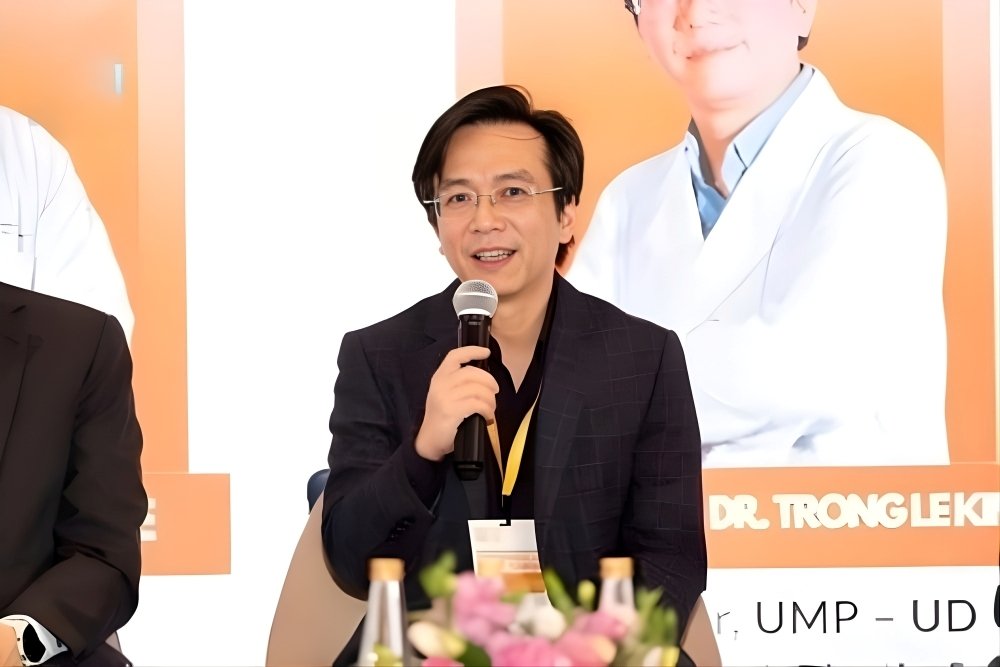
Dr. Le Kim Trong, Deputy Rector of Da Nang University of Medicine and Pharmacy, demonstrates AI-assisted pre-flight consultations for international cosmetic surgery patients.

Cosmetic Surgery – Men Are Driving Growth

Male patients are now a fast-growing segment, especially expats, executives, and professionals seeking confidence upgrades. Digital tools ensure clarity and trust:

  • Remote image-based evaluation
  • AI-generated outcome simulations
  • Clear recovery timelines
  • Transparent pricing
  • Suitability assessments

This ecosystem allows patients to make informed decisions before leaving home, positioning Da Nang as a leader in pre-flight medical consultations.

Ophthalmology – AI in the Clinical Core

At Saigon–Song Han Eye Hospital, AI is now integral to clinical decision-making. Patients can upload medical files, enabling AI to:

  • Simulate surgical outcomes
  • Assess laser compatibility
  • Forecast personalized recovery timelines

This technology enables patients to schedule complex procedures from anywhere in the world confidently. Over the past few years, the hospital has treated thousands of patients, including many international visitors, further solidifying Da Nang’s reputation as a premier global health tourism destination.

The Future of Medical Tourism

The rules of cross-border healthcare are simple: speed beats delay, clarity beats ambiguity, and digital beats traditional. A significant portion of decisions is now made prior to departure, positioning Da Nang as a leader in Asia’s medical and wellness tourism sector.

Dr. Tran Quoc Bao concludes:

“This isn’t just data. It’s an inflection point, where tourism, healthcare, and technology merge to put Da Nang on the global map.”

Dr. Tran Quoc Bao Discusses Da Nang’s Growth as a Global Hub for Medical Tourism

Photo Courtesy: Da Nang Global Business Summit 2025
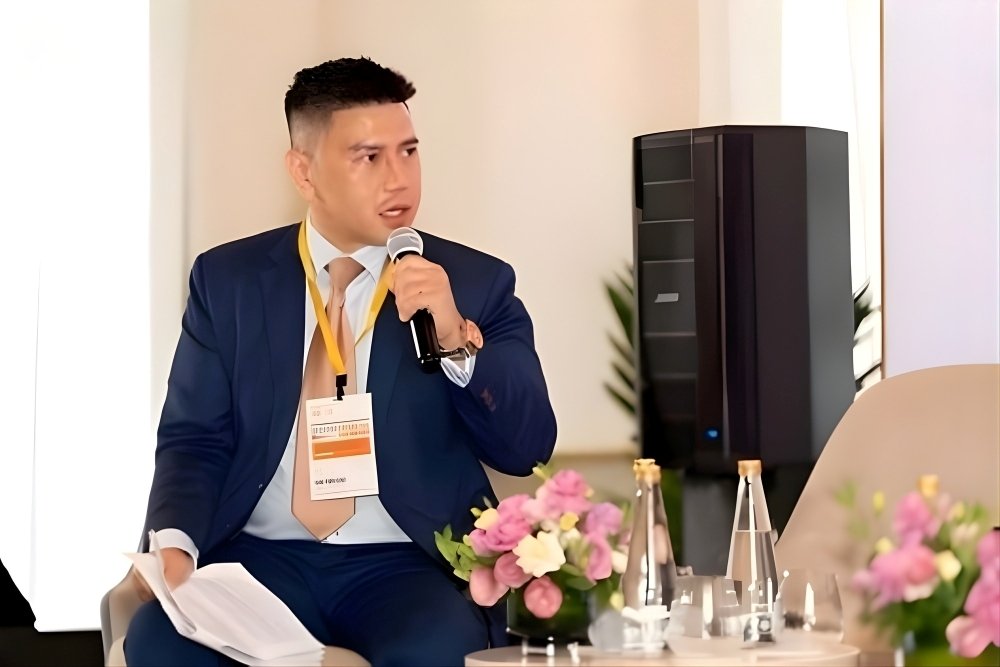
Dr. Tran Quoc Bao delivers closing remarks, highlighting Da Nang’s rise as a global destination for medical and wellness tourism

The next generation of medical tourism will not be decided at the airport gate. It will be agreed in search engines, AI chat windows, and pre-flight consultations. In this emerging future, Da Nang is already running ahead, redefining itself as Asia’s premier medical and wellness hub.


Disclaimer: This article provides general information on Da Nang’s growth as a medical tourism hub, highlighting trends in digital technology, AI consultations, and key specialties. It is not intended as legal, financial, or professional advice, and no guarantees are made regarding the accuracy or completeness of the information. Any reliance on this content is at your own risk.

Winter-Proofing Chicago’s Garage Doors: How Firstline Garage Door Repair Helps Homeowners Save Money

By: Alex Caraus, Founder, Firstline Garage Door Repair

Chicago doesn’t just test people in winter — it tests buildings. Between lake-effect snow, sudden thaws, freezing rain, and subzero wind chills, every part of a home works harder here than in most American cities. One element that often gets ignored until something breaks is the garage door, even though it’s one of the largest moving systems in the house and a major factor in comfort, safety, and energy use.

For many homeowners and small landlords, a malfunctioning garage door is more than an inconvenience. It can mean a car trapped inside on a workday morning, a security risk overnight, or a steady leak of warm air into the cold Chicago winter.

Why Chicago’s Climate Is Tough on Garage Doors

Extreme temperature swings cause metal springs and cables to fatigue faster. Moisture and road salt accelerate corrosion on hardware and tracks. Heavy, wet snow and ice add unnecessary weight to panels and strain openers. Over time, these conditions quietly damage components until something finally fails — often at the worst possible moment.

In older neighborhoods across the city and suburbs, many garages still operate on outdated hardware and openers that were never designed for today’s usage levels. Families open and close their doors dozens of times a week. For delivery drivers, tradespeople, and home-based businesses, the workload can be even higher, turning a neglected garage door into a ticking time bomb.

Early Warning Signs Homeowners Shouldn’t Ignore

Chicago homeowners can often avoid an emergency call if they know what to look for. Warning signs include:

  • A door that jerks, shudders, or rubs against the tracks
  • Loud squeaking, grinding, or banging noises
  • Gaps around the door that let in drafts or daylight
  • A door that won’t stay balanced halfway open
  • An opener that strains, reverses unexpectedly, or hesitates

These issues may seem minor in October but turn into a full breakdown in January, when cold metal becomes brittle, and lubricants thicken.

A Simple Winter Readiness Checklist

A basic pre-winter garage door check can save Chicago families real money and stress. Key steps include:

  • Inspecting springs and cables for visible wear, rust, or fraying
  • Checking rollers and hinges for smooth movement
  • Making sure photo-eye safety sensors are clean, aligned, and working
  • Testing weatherstripping along the bottom and sides of the door
  • Listening to the opener and confirming the auto-reverse safety feature works properly

Some tasks are safe for homeowners; others, such as spring and cable work, are best left to professionals due to the high tension involved.

Balancing Budget and Safety: Repair vs. Replacement

In a city where heating bills already run high, an uninsulated or poorly sealed garage door can quietly increase monthly costs. For some properties, targeted repairs and upgrades — new springs, cables, rollers, and seals — are enough to extend the life of an existing door. In other cases, especially where panels are damaged or badly warped, replacing the entire system with a modern insulated door and quiet, efficient opener is more cost-effective over time.

That’s where a local, transparent partner makes a difference. Chicago homeowners want to know whether they truly need a new door or simply a smart, budget-friendly repair. Clear diagnostics and honest recommendations matter just as much as fast response times. 

How Firstline Garage Door Repair Supports Chicago Residents

Firstline Garage Door Repair (https://firstlinegarage.com) was built around one simple idea: combine fast, local service with straightforward pricing and realistic options. Serving Chicago and the surrounding suburbs, the company focuses on same-day or next-day appointments, clear explanations, and solutions that match each property’s age, usage, and budget.

The team handles everything from high-cycle spring replacement and cable repairs to opener upgrades, new door installations, and tune-ups before the worst winter weather hits. Before-and-after photos and detailed invoices help homeowners see exactly what was done and why, building trust with every visit.

For cost-conscious families and small landlords, Firstline emphasizes:

  • Upfront pricing with no surprise add-ons
  • Repair-first thinking whenever it’s safe and sensible
  • Options for higher-cycle hardware that lasts longer under Chicago conditions
  • Recommendations that factor in association rules, curb appeal, and long-term valu

Ready for the Next Chicago Winter

As Chicago’s climate continues to push homes and garages to their limits, proactive maintenance is no longer a luxury — it’s a practical necessity. A well-maintained garage door protects vehicles and stored items, reduces drafts, improves daily convenience, and helps safeguard the property as a whole.

By combining local expertise with responsive service and fair pricing, Firstline Garage Door Repair aims to make winter-ready garages the norm rather than the exception. For homeowners who want one less thing to worry about when the snow starts falling, scheduling a pre-season garage door check may be one of the smartest preparations they can make.