The Chicago Journal

Play Hooky Experience Drops Anchor in Chicago: A Celebration of Joy, Community, and Culture This Black Yacht Weekend

By: Ciara Suesberry

Chicago summers are famous for their energy — from rooftop brunches to festivals by the lake — but this year, something refreshingly new is docking on the shoreline.

On June 20, 2025, during the height of Black Yacht Weekend, the Play Hooky Experience is making its Chicago debut, bringing a day full of community connection, wellness, and pure, unapologetic joy.

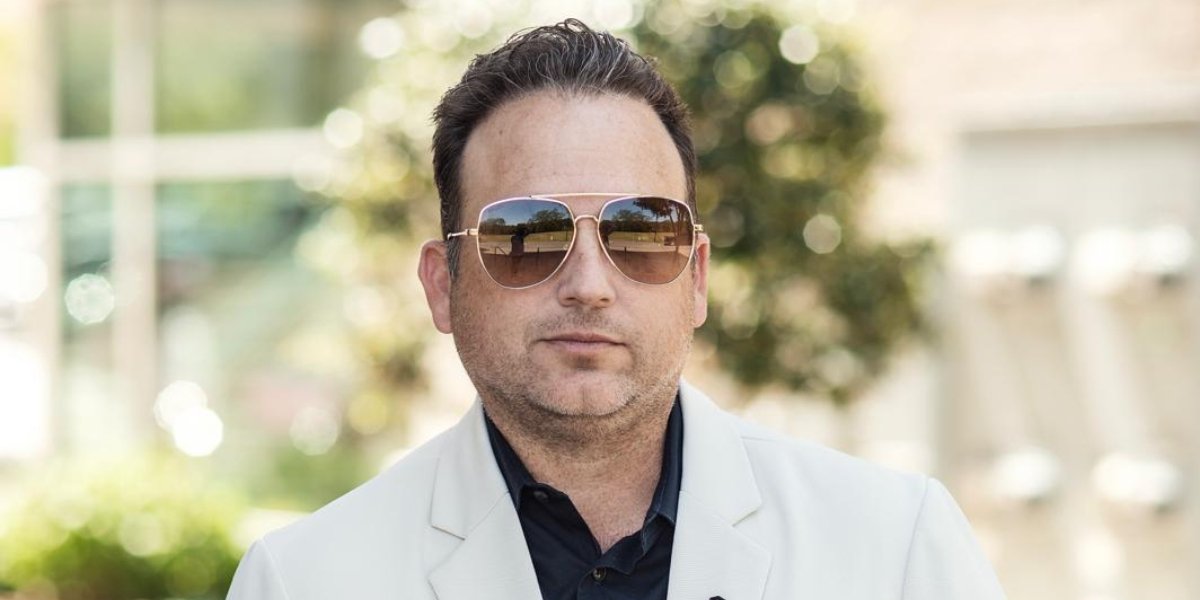
Founded by Darryl “FollowtheDj” Dungee, a longtime advocate for mental health awareness and cultural celebration, Play Hooky is more than an event — it’s a national movement. Designed to encourage people to step away from the daily grind and reconnect with life’s lighter, more meaningful moments, the Experience invites Chicagoans to do something revolutionary: take a day to protect their peace.

Play Hooky Experience Drops Anchor in Chicago: A Celebration of Joy, Community, and Culture This Black Yacht Weekend

Photo Courtesy: Darryl “FollowtheDj” Dungee

“Chicago knows how to show up for culture, community, and each other,” says Dungee. “Play Hooky isn’t about skipping out; it’s about showing up for yourself, your neighbors, and your joy. And there’s no better backdrop for that than Black Yacht Weekend.”

Set against the pulse of Chicago’s vibrant lakefront culture, the event will feature:

  • Live music performances by local artists
  • A curated vendor marketplace spotlighting Chicago creators
  • Mental health and wellness resources designed for real community impact
  • High-energy games and experiences for all ages
  • Local food trucks and cultural eats

And in true Play Hooky spirit, the day isn’t about being flawless — it’s about being present. It’s about carving out space to celebrate achievements and simply being alive and connected in a city rich with creativity, resilience, and heart.

With roots in Baltimore and a national tour that’s stopping in cities like Los Angeles, Dallas, and Houston, Darryl’s Play Hooky Experience reflects a broader movement toward intentional living — one that especially resonates in urban spaces where hustle culture can often eclipse the need for rest, reflection, and joy.

For Chicago locals, it’s more than an event; it’s a call to prioritize wellness without giving up the vibrant city life they love. Whether coming off a yacht cruise or stepping away from the boardroom, Play Hooky offers a space where community and culture take center stage.

Because in a city that moves as fast and fiercely as Chicago, sometimes the powerful thing you can do is simply pause, play, and reconnect.

Event Details:

Play Hooky Chicago
Date: June 20, 2025
Location: 838 West Kinzie Street, Chicago, IL

Open to the Public | Family-Friendly | Local Vendor Marketplace

Highlights:

  • Local Music & Live Performances
  • Vendor Village Featuring Chicago Entrepreneurs
  • Mental Wellness Workshops and Activations
  • Cultural Food and Community Connections

About Play Hooky Experience:

The Play Hooky Experience is a national movement founded by Darryl “FollowtheDj” Dungee to promote mental health, community connection, and cultural joy through experiential events. With a heart for healing and a beat that unites, Play Hooky is redefining how we gather — one city at a time.

Follow along at @FollowTheDJ and @ThePlayHookyExperience for updates and announcements.

For interviews or media inquiries:
Berry Dynamic Agency
Launch@berrydynamicagency.com


Published by Jeremy S.

The Financial Impact of Multicultural Marketing and the Growth of The Axis Agency

Multicultural marketing is a key brand strategy to connect with multicultural consumers in today’s fast-paced world. With demographics changing and cultures colliding globally, businesses must engage consumers from different cultures. It’s not just about simple advertising, assuming cultural mindsets and beliefs to build relationships. Multicultural purchasing power has increased in the U.S., and the demand for culturally relevant marketing has grown. Culturally savvy agencies are leading the way as the trend shapes industry behavior.

One example is The Axis Agency, founded in 2005 as part of the Interpublic Group of Companies (NYSE: IPG). Since its foundation, the company has become a multicultural communications powerhouse that uses cultural intelligence and strategic marketing. Under Armando Azarloza’s leadership, the agency has made considerable strides in creating campaigns with multiple consumer connections. With his political and public affairs background, Azarloza brought unique community outreach expertise and established The Axis Agency as the award-winning agency it is today. As the founder, he has stayed ahead of the curve in an industry where consumer expectations change daily.

The Axis Agency’s business model is built on cultural authenticity and inclusion. This strategic approach has allowed the agency to win significant government and corporate business, including the U.S. Army, Covered California, Absolut Vodka, and the Western States Petroleum Association. These accounts demonstrate the agency’s ability to penetrate dense cultural environments and deliver results-driven campaigns that speak to specific communities. The Axis Agency has helped clients close communication gaps and create deep brand connections by being culturally relevant.

A primary driver for the agency is strategic cultural marketing. Unlike traditional advertising tactics, The Axis Agency develops storylines that adhere to the authentic lived experiences of multicultural communities. The company has established a standard for industry practices concerning brand messaging to various audiences by doing this. For instance, the Agency for Covered California campaign, the nation’s top healthcare exchange, was culturally adapted to activate multilingual populations, providing maximum access to crucial health information. This campaign improved enrollment rates and proved that culturally sensitive messaging is a key driver of outcomes.

The agency’s financial expansion reflects its strategic focus and responsiveness. Since its inception, The Axis Agency has received several national awards, demonstrating its reach and standing as a notable company. The honors reflect the agency’s capacity to manage multi-million-dollar marketing campaigns that facilitate business expansion and redefine consumer engagement strategies. The agency has continually provided trackable outcomes using cultural insights, cementing its multicultural communications market leader position.

A firm grasp of cultural dynamics and market currents guides his decision-making style. Azarloza’s capacity to predict market trends has enabled The Axis Agency to remain competitive in its field, constantly looking for innovative ways to address changing consumer demands. His vision for strategy is seen through the agency’s diversification into digital marketing, where cultural understanding is naturally part of social media and content marketing campaigns. The approach maximizes brand visibility and inspires genuine engagement by multicultural consumers.

Besides marketing skills, The Axis Agency has been active in corporate marketing by promoting diversity and inclusion. Its advertising is crafted to move beyond skin-deep representation so that cultural storytelling is truthfully represented. The agency’s adherence to cultural integrity has positioned it as a reliable ally for companies looking to find their way into multicultural markets. 

The economic relevance of multicultural advertising in the United States is no longer in question, with minority populations playing an active role in stimulating the nation’s economy. Reports from industry insiders indicate that multicultural consumers’ buying power totals trillions of dollars, boosting the demand for products and services of cultural resonance. Consequently, corporations invest more in multicultural advertising to corner these money markets. The Axis Agency’s strategic focus puts it at the head of this expanding market, allowing its customers to successfully connect with diverse consumer bases.

The future of multicultural marketing holds great promise for further expansion. With identities becoming more fluid and globalized, brands will require more sophisticated and inclusive communication approaches. In light of this, Azarloza’s strategic vision propels the agency’s success, shaping how corporations approach multicultural audiences.

Armando Azarloza’s career transition from public affairs to multicultural marketing reflects his flexibility and strategic thinking. As the leader of The Axis Agency, he has driven financial expansion and industry success, establishing new benchmarks in culturally sensitive communications. Through promoting diversity and authenticity, the agency has revolutionized audience engagement strategies and helped advance the broader societal impact of multicultural marketing. As the sector keeps changing, Azarloza’s vision is expected to guide its direction to ensure that narratives of culture remain at the core of successful brand communication.

Published by Stephanie M.

Exploring Authenticity Through Poetry: An Interview with Catherine Valleroy

By: Elowen Gray

Catherine’s poetic journey has been shaped by her ongoing exploration of self-awareness and authenticity. Her series of books, which begins with Better Look, continues with Better Looking, and will culminate with Seeing, offers readers an opportunity to join her on a path of self-discovery and spiritual growth. In this interview, Catherine reflects on her work and the thought-provoking messages within her poetry.

What inspired you to take this poetic journey?

I began this journey after realizing that I had been focused on my external life—how I appeared in the mirror, what was in my closet, and what my business card said—while neglecting my internal and spiritual self. As I pursued a more spiritual path, I discovered that many women, including myself, weren’t living authentically. My first book, Better Look, explores truly examining myself. Better Looking delves deeper into self-awareness, and my final book, Seeing, reflects on the shift from looking at myself to truly seeing who I am.

How do the first two books connect? What journey do they take readers on?

Better Look focuses on challenging superficial aspects of my life and encourages readers to look beyond physical appearances, societal labels, and external achievements. It invites readers to ask, “Who are you, really?” In my second book, Better Looking, I go deeper, exploring the trauma I’ve experienced and how I’ve worked to transform pain into spiritual growth. Both books offer readers a chance to examine their own lives and reflect on their true selves. A key element in both books is that they include a journal for readers to document their own journeys of self-discovery inspired by reading these books.

What was the most challenging part of writing these books?

The hardest part was being brutally honest with myself. There are personal revelations about trauma and superficiality that forced me to confront my own vulnerabilities. Transitioning from a corporate perspective to a poetic one—or, as I like to refer to it, “living life poetically”—required me to let go of societal expectations and embrace who I truly am. It’s a painful yet transformative journey—one that requires deep self-honesty. For me, embracing the truth of who I am was the hardest and most rewarding part of writing these books.

How does this poetry reflect your personal journey?

My poetry is deeply rooted in the need for self-disclosure. I aim to create a visceral experience for readers, one that is both spiritual and visual. My poems are designed to be accessible; readers can close their eyes, listen to the words, and perhaps feel my journey. When I perform my spoken word pieces on my album, Better Look, on SoundCloud, I hope listeners connect emotionally to my process of growth.

How do the poems help readers reflect on their own lives?

The honesty with which I address my experiences may allow readers to reflect on their own lives. My poetry isn’t just about revealing my pain—it’s about growth and transformation. I hope readers can recognize their own struggles and find the courage to face them. For example, in one of my poems, I describe waking up feeling unfulfilled, bingeing on work, coffee, and consumerism. These are the things I had to move beyond. The poems suggest a path from superficiality to authenticity, and I believe readers might see their own potential for change.

What does authenticity mean to you, and how do these books explore it?

Authenticity is about peeling away the distortions, whether it’s a false persona or self-deprecation. It is about moving toward the truth of who you are at the core and becoming comfortable with making meaningful life changes that align with that truth. In a fast-paced world, we often neglect our true selves in favor of meeting external expectations or turning to compulsions. Authenticity is a painful yet liberating process. These books explore the journey from living life according to imposed norms to embracing your true self, which can sometimes feel uncomfortable but often brings peace.

What can readers expect from the final book, Seeing?

The final book in this trilogy aims to complete the journey of self-reflection. While my first two books focus on looking at and understanding myself, Seeing is about truly coming to see who I am. In Better Look and Better Looking, I shed the layers of externality and begin to embrace my authentic self. In Seeing, I am no longer looking for myself but am exploring what it means to see and know who I am. I have grown more comfortable with living. The book’s cover symbolizes this process: the first book shows me preparing for work at age 34, the second at age 55, and the third reveals my eyes, first with makeup and then without, symbolizing the stripping away of layers to reveal my true self.

What do you hope readers feel after reading Better Look and Better Looking?

I hope readers feel a sense of relief in realizing that they have options. These books are intended to encourage women to feel comfortable in their own skin—literally and figuratively. I want readers to understand that they don’t have to conform to societal ideals of beauty or success; they can explore ways to be themselves. The covers, which show me in various states of undress, unretouched, emphasize that I hope to model for women a sense of acceptance that was not always modeled for me.

What has been the most rewarding feedback you’ve received as an author?

The most rewarding feedback has been from readers who describe my poetry as accessible. Many people find poetry intimidating, but my writing seems to resonate with them. It’s clear, emotional, and relatable. I’ve heard that readers appreciate how my work draws vivid pictures with words, allowing them to not only visualize but also feel the journey of self-discovery.

How do you plan to share this trilogy with the world?

I initially chose to self-publish to have the freedom to disclose my journey authentically and without compromise. My hope is to reach a wide audience, especially women, and help them understand that they can be true to themselves. This trilogy is about living life truthfully and finding peace in that truth. I plan to expand my reach through spoken word, performances, and further publications.

Do you have plans to explore new themes in your writing?

Yes! In addition to writing poetry, I’m working on books of prose, including one titled Humble Food, which explores our relationships with food and broader food for thought. I’m also developing a book based on my meditation practice, Meditations from the Stone Soup Sangha, which will reflect on my work helping others find their authentic selves through meditation and creative expression. I’m also collaborating with an artist to create a children’s book about love and connection, titled Need Love.

Catherine’s work demonstrates the power of poetry to help us understand and embrace our true selves. Her books not only invite readers into her personal journey but also provide tools for readers to embark on their own paths of self-discovery. With a focus on spirituality, authenticity, growth, and emotional transparency, Catherine’s poetic life continues to inspire and empower those seeking to live authentically. Catherine’s books are available online at Amazon, Barnes & Noble, and Ingram. For more information on Catherine and her art, please visit her website a-poetic-life.com. Her social media on TikTok, Instagram, Facebook, and YouTube is all under the handle Catherine’s Poetic Life.

Published by Stephanie M.

Exploring the Role of AI in Advancing Healthcare and Brain Modeling

By: Zhaoning Wang

A newly published perspective paper by Ruochen Wang, presents a thoughtful and timely overview of the growing role that generative AI—particularly ChatGPT/GPT-4—may play in the future of healthcare and biomedical research. The paper, titled “ChatGPT/GPT-4 in Healthcare: Potential Opportunities and Limitations,” was accepted in April 2024 and discusses both promising use cases and ongoing challenges in applying large language models (LLMs) to real-world medical settings.

In this concise review, Wang examines how LLMs are being tested for applications ranging from simplifying patient communication and assisting with document generation, to supporting clinical decision-making and easing the burden on healthcare professionals. The paper draws on recent studies that explore the performance of ChatGPT in answering common health questions, generating discharge summaries, interpreting radiology reports, and contributing to biomedical text mining.

“There’s been a rapid increase in interest around the use of generative AI tools in medicine, but it’s essential that we carefully consider their capabilities, as well as their limitations,” said Wang. “This paper is intended to provide a grounded overview of where these technologies are starting to prove helpful—and where further research is needed.”

Wang also highlights the model’s limitations, particularly in highly specialized tasks such as biomedical natural language processing, where the current version of ChatGPT still lags behind domain-specific models. The review emphasizes that while LLMs show potential to improve efficiency and reduce administrative overhead, their outputs must be used judiciously and with human oversight, especially when applied in clinical or research contexts.

This work adds to the growing body of literature that encourages responsible exploration of AI tools in healthcare, echoing calls for ethical use and interpretability. By summarizing early research findings, the paper helps stakeholders, from researchers to clinicians, better understand the implications of integrating ChatGPT into health systems.

As generative AI continues to evolve, Wang’s research supports informed discussion on its potential role in shaping future healthcare delivery, as well as its relevance to biomedical innovation and patient experience.

Discussion on its potential role in shaping future healthcare delivery and its relevance to biomedical innovation and patient experience.

Understanding How tDCS Impacts the Brain: New Research Offers More Realistic Modeling of Neural Responses

A peer-reviewed study co-authored by Ruochen Wang, a biomedical data scientist, provides key insights into how transcranial direct current stimulation (tDCS) affects neurons at a cellular level. The paper, published in Brain Stimulation, presents a multi-scale computational model that better simulates the effects of tDCS on specific parts of neurons, especially their axonal and dendritic structures, within realistic human brain geometry.

Transcranial direct current stimulation is a non-invasive method used to modulate brain activity and treat various neurological and psychiatric disorders, including depression and chronic pain. Despite its growing use, the mechanisms by which tDCS influences the brain at a detailed level remain unclear. Wang and his co-authors addressed this knowledge gap by combining high-resolution MRI-derived head models with biophysically realistic neuron models spanning multiple cortical layers.

“Most existing models focused only on somatic effects or used oversimplified assumptions,” Wang explains. “Our work uses morphologically realistic simulation of the neurons and shows that axon terminals may experience significantly greater polarization than the soma, sometimes up to ten times more, which has important implications for understanding both therapeutic benefits and variability in patient outcomes.”

A Key Technical Innovation: Efficient Replacement Algorithm

One of Wang’s key contributions to the project was the development and implementation of an automated replacement and rotation algorithm that ensured neuron morphologies were correctly embedded within cortical geometry, even in areas with complex anatomy like sulci and gyri. This method improved the biological realism of the simulation and reduced the error associated with unnatural placements of neuronal structures—an issue that had previously limited modeling accuracy in densely folded brain regions.

The algorithm uses fast geometric validation and a binary search–based method to optimally place and orient neurons in a way that maintains their anatomical validity without compromising simulation fidelity. This improved workflow made it possible to simulate thousands of neurons across five cortical layers efficiently, and it could be adapted for future studies using similar high-fidelity modeling approaches.

Broader Impacts

This work helps refine how researchers understand neuron-specific polarization responses during tDCS, and it contributes to more precise targeting of brain regions in both clinical and experimental settings. It may also inform the design of next-generation stimulation protocols that reduce variability in patient responses.

Beyond its clinical relevance, the modeling framework and placement method introduced by Wang can be applied to other brain stimulation modalities, such as transcranial magnetic stimulation (TMS), and supports broader efforts in computational neuroscience to simulate brain activity with anatomical precision.

Citation

Aberra, A.S., Wang, R., Grill, W.M., Peterchev, A.V. (2023). Multi-scale model of axonal and dendritic polarization by transcranial direct current stimulation in realistic head geometry. Brain Stimulation, 16(6), 1776–1791. https://doi.org/10.1016/j.brs.2023.11.018


Published by Liz SD.

Monica Yates’ Becoming HER: A Guide for Women to Reconnect with Their Authentic Power

By: Laura K. Gardner

In a culture often focused on hustle, hyper-productivity, and superficial empowerment, trauma healer and embodiment coach Monica Yates offers women something different: permission to feel, to rest, and to reconnect with their most authentic selves. Her new release, Becoming HER: Straight Talk for Healing, Embodying, and Radiating as Your Most Powerful Self, is resonating with many readers globally and offers an alternative perspective on what it means to be an empowered woman in today’s world.

Yates, known for her straightforward approach and transformative coaching, developed her proprietary H-E-R Framework™ (Heal, Embody, Radiate) to support women in moving beyond survival mode and finding alignment with their core feminine essence. According to her, this process begins by unlearning some of the societal conditioning women may have internalized over time.

“Many women may not even recognize they’re stuck in survival mode until they start experiencing challenges—whether that’s a physical breakdown, a shift in their libido, or relationships that no longer feel effortless,” Yates explains. “Conditioning often sounds like: ‘I feel guilty when I rest,’ ‘My success makes me more lovable,’ or ‘If I need my partner, I am needy.’ These beliefs can unconsciously undermine us, preventing access to the softness, intuition, and receptivity that are often at the core of feminine energy.”

In Becoming HER, Yates presents a vision of femininity that goes beyond the simplistic or performative portrayals often seen on social media. Instead, she emphasizes a more embodied, nuanced understanding of living in one’s feminine energy—one grounded in nervous system safety, emotional honesty, and balance.

“Feminine energy is not just about how you look or whether you participate in certain trends,” she says. “It’s about feeling safe to receive, rest, feel, and be guided. A woman embracing her feminine has clear boundaries and is comfortable saying ‘no.’ She isn’t trying to perform for others—she is in alignment with her heart and grounded in her own truth.”

Yates is also candid about the dynamics of polarity in romantic relationships, a topic often overlooked in modern empowerment conversations. She believes that many women unintentionally sabotage their own intimacy by staying in a masculine, control-oriented mode, which can leave little room for their partner to lead.

“Polarity plays a key role in maintaining intimacy,” she notes. “It develops when a woman feels safe enough to surrender into her feminine, and her partner feels trusted to lead from his masculine. If a woman is in her masculine energy all day—making decisions, calling the shots—she may find it challenging to allow her partner to step into his role. Over time, this can reduce chemistry and even create feelings of resentment.”

Yates’ insights into these emotional and energetic realms are grounded in her extensive coaching experience. Over nearly a decade, she has worked with thousands of women worldwide, including high-achieving professionals, mothers, and business owners, helping them reconnect with their bodies, process past trauma, and restore balance in their lives and relationships.

With a grounded voice and expertise, Yates is inviting women to move away from perfectionism, performance, and constant proving. Instead, she advocates for the freedom to embrace softness, stillness, and authenticity.

As Becoming HER continues to gain popularity, it’s clear that Yates is tapping into an urgent and widespread need. In a society where women have often been conditioned to suppress their instincts and carry an overwhelming burden, this book offers a shift toward healing and alignment—not just as a personal development tool, but as part of a larger movement.

Monica Yates is a leading trauma healer and embodiment coach, a New York Times bestselling author, and the Founder/CEO of Monica Yates Health. For the past eight years, through somatic trauma healing and deep embodiment work, Yates has supported women in overcoming hyper-masculinity and reconnecting with their feminine energy. Her approach offers lasting expansion in all areas of life—business, love, family, health, and fertility. For more information about Monica, her workshops, and her bestselling book Becoming HER: Straight Talk for Healing, Embodying, and Radiating as Your Most Powerful Self, visit www.monicayateshealth.com.

Disclaimer: The information in this article is for educational and informational purposes only and does not constitute medical advice. It is not intended to replace the advice of a licensed healthcare professional. Always consult your physician or qualified health provider with any questions regarding a medical condition.


Published by Jeremy S.

Anna Paltseva’s House of Soil: Bridging Sustainability and Style in Urban Living

By: Wyles Daniel

What do a fashion designer, a rooftop gardener, and a conscious consumer have in common? A desire to live beautifully without harming the planet. In an age where sustainability is becoming increasingly important, a new vision is emerging: one where ethics and aesthetics coexist. A lifestyle where composting can happen in couture and climate concern walks hand in hand with good taste.

Anna Paltseva, Ph.D., an expert in urban soil science, describes this lifestyle as “elegant environmentalism,” and it is the inspiration for her consulting practice, House of Soil.

Teaching Elegant Environmentalism

At the heart of House of Soil is a mission to make sustainability not just accessible but also appealing. By bridging the gap between environmental science and refined urban living, founder Anna Paltseva, Ph.D., invites both consumers and brands to view eco-conscious choices as a step toward sophistication rather than sacrifice.

With a focus on education and consulting, House of Soil aims to help designers, brand leaders, and creative professionals make sustainability decisions that are informed by science, starting from the ground up. Drawing on her expertise in urban soil contamination, Anna Paltseva translates complex research on heavy metals, soil health, and regenerative practices into engaging and easily digestible insights that aim to elevate both environmental literacy and brand credibility.

“For sustainability to resonate,” she says, “it must be tactile, trustworthy, and beautifully told.”

It’s an approach that encourages people to embrace conscious living without compromising their sense of style. That elegant dress could reflect thoughtful sourcing and respect for the land. That rooftop herb garden might inspire conversations about soil safety and community resilience. Under House of Soil’s guidance, sustainability becomes more than a value—it becomes a style cue, a mindset, and a meaningful expression of modern living.

A seasoned educator and international researcher, Anna is known for making science feel personal and relevant. She also mentors both scientists and creatives through branding and communication workshops that aim to translate research into stories that stick, turning knowledge into influence and values into visual narratives.

Building Credibility for Sustainability in Fashion

Both scientists and fashion marketers often face the same challenge: making sustainability clear and credible while also appealing to their audience. In fashion, it risks sounding like a buzzword. In science, it can feel overly abstract. House of Soil seeks to bridge that gap—grounding sustainable choices in evidence, while telling stories that connect with consumers.

In demystifying soil science, House of Soil helps fashion designers make sustainable choices and tell the story behind those choices. Using science-backed strategies, they aim to boost credibility for brands while also demonstrating that making sustainable lifestyle choices does not require compromising style. These choices can be essential to it.

Paltseva believes that true elegance is not just seen; it’s felt. It’s found in the quiet integrity of a material sourced responsibly, in the invisible ecosystem that supports a single tomato sprouting from a terrace garden, in the intentionality behind what we wear and what we waste.

Looking Ahead

Looking ahead, Paltseva is preparing to take House of Soil global with a TEDx talk on the horizon and a new webinar series on the intersection of science, sustainability, and fashion. Her message is clear: sustainability isn’t just the future. It’s a lifestyle worth aspiring to today.

Learn More About House of Soil

At House of Soil, sustainability is a beautiful, multidisciplinary process. From soil to garment, science meets design, and every decision tells a deeper story. To learn more or book a consulting session, visit her official website.


Published by Jeremy S.

Teedra Bernard: Redefining HR Leadership with Empathy, Innovation, and Inclusion

By: Jon Stojan

In an era when business leaders must adapt faster than ever, Teedra Bernard emerges as a significant influence in the transformation of HR practices. She is a Senior HR Executive, Entrepreneur, Mom, and Wife, who merges strategic thinking with a deeply personal approach to leadership. With over 20 years of experience across multiple industries, ranging from financial services to technology, Teedra has consistently challenged traditional models. Her unique blend of empathy, business-savvy insight, and people-centric innovation has positioned her as an important voice in HR circles and beyond.

Teedra’s story begins with a passion for engineering. She initially pursued Computer Engineering at Michigan State University. Despite a few setbacks, she found a pivotal role in sales that helped develop her professional confidence. After a successful stint in pharmaceutical sales, Teedra transitioned into administrative and HR-focused positions at major organizations, quickly discovering a deep connection with human resources.

Her determination led her to New York University (NYU) for graduate studies. Despite facing challenges with her undergraduate GPA, Teedra’s authentic admissions essay caught the attention of an admissions director, granting her conditional acceptance. She not only met the conditions but excelled, graduating with a 3.8 GPA while working full-time, underscoring her strong work ethic and commitment to continuous learning.

The Rise of a Transformative HR Executive

Teedra’s HR career gained momentum as she embraced roles in Mergers & Acquisitions, Talent Development, and Diversity, Equity & Inclusion (DEI). Over the years, she has:

  • Led complex M&A processes, integrating large global teams and prioritizing employee well-being.

  • Built HR teams from the ground up, supporting organizations with sizes ranging from 3,000 employees to more than 300,000.

  • Developed DEI frameworks that advanced corporate initiatives into actionable strategies, such as linking executive compensation to DEI goals.

Teedra’s leadership style is people-first yet data-driven, balancing empathy with strategic acumen. She navigates challenging conversations with care and clarity, particularly during pivotal events like the George Floyd tragedy, which prompted her to advocate for substantive, board-level commitments to diversity and inclusion.

Empathy-Driven Leadership and Personal Values

As a wife, mother, and proud sneaker collector, Teedra brings her authentic self to work every day. She is determined to demonstrate that executives don’t have to conform to a rigid mold; they can embrace personal passions while leading significant business initiatives. Her empathy-driven approach has proven invaluable, especially during the pandemic and The Great Resignation, where she helped stabilize HR teams and champion employee well-being.

Teedra’s professional milestones include:

  • Serving as Chief Talent & Diversity Officer at a major credit bureau, where she initiated a new Center of Excellence to integrate DEI principles into the employee lifecycle.

  • Leading global HR functions during tech transformations, resulting in board approval for division-wide changes.

  • Receiving industry recognitions such as acknowledgment as a Chief Diversity Officer and HR leader in the tech sector.

  • Engaging in board memberships in exclusive organizations, where she uses her platform to advocate for social impact, mentoring, and inclusive policies.

Challenges, Triumphs, and Lessons Learned

Teedra’s path included meaningful challenges. Balancing family responsibilities, like caring for her nieces during her sister’s health struggles, while leading transformative HR strategies, tested her resilience. Yet, these experiences contributed to her personal and professional growth. Her journey highlights key lessons:

  • Value Authenticity: Difficult encounters or setbacks can open new paths if one remains receptive to learning and change.

  • Balance Data and Empathy: Use metrics to guide decisions, but never lose sight of the human element.

  • Understand the Business Case for DEI: Linking DEI goals to executive outcomes reinforces the importance of inclusion.

  • Commit to Lifelong Learning: From self-teaching engineering basics to completing an accelerated master’s program, Teedra continues to invest in personal and professional development.

Entrepreneurship and Future Goals

Alongside her corporate achievements, Teedra’s entrepreneurial spirit is clearly evident. She co-owned two high-end barbershop franchises in Houston, creating employment opportunities for her retired father and nieces. She also co-owns an investment capital firm focused on medium and long-term financial ventures. Recently, she launched New Wave Human Capital, an advisory firm dedicated to helping businesses refine their HR strategies with agility and authenticity.

Her future aspirations include serving as a Chief People Officer or Chief Human Resource Officer who prioritizes innovation and inclusivity. By combining corporate expertise with entrepreneurial insights, she aims to contribute to a broader reimagining of HR leadership.

Teedra is preparing to climb Mt. Kilimanjaro to raise awareness for prostate cancer, further demonstrating her commitment to making a positive difference inside and outside the workplace. She views each challenge as an opportunity to model resilience, empathy, and engagement.

Her advice to future leaders? “Embrace who you are, align your work with your values, and stay committed to learning and growth.” This philosophy remains central to her approach in HR, entrepreneurship, and every area of her life.

As she continues her journey, Teedra Bernard represents a dynamic example of leadership that blends results with humanity, helping to redefine corporate environments for a more inclusive future.


Published by Jeremy S.

Understanding the Financial Impact of Car Accidents: Insights from Power Rogers LLP

By: Jay Feldman

Car accidents are a challenging reality for many Chicago drivers. Beyond the physical pain and emotional distress, these incidents can also have a significant financial impact. The costs of a Chicago car accident can often extend beyond initial repair bills, creating long-term challenges for victims and their families.

An accident’s ripple effects can disrupt financial stability, from mounting medical expenses to unexpected time off work. Understanding the economic consequences of a car accident and how to navigate them is important for managing these burdens and protecting your future.

Medical Expenses

The financial toll of a car accident often begins with medical expenses. These costs can quickly add up, especially if emergency services are required and/or someone requires long-term care for serious injuries. Initial everyday expenditures may include:

  • Emergency Care: Within hours of an accident, ambulance services, emergency room visits, and initial diagnostic tests, such as X-rays or MRIs, can cost thousands of dollars.

  • Hospital Bills: The costs may increase significantly if a victim requires surgery, extended stays, or specialized care.

  • Rehabilitation and Long-Term Care: Recovery may require ongoing physical therapy, medications, or even home modifications for those with lasting injuries.

One aspect that is sometimes overlooked in managing medical costs is seeking evaluation and treatment promptly after an accident—even for seemingly minor injuries. Conditions like whiplash or internal injuries might not show symptoms immediately but can worsen over time, leading to higher medical expenses if left untreated.

Victims should also consider sticking to in-network providers whenever possible to minimize out-of-pocket costs as well as keeping detailed records of bills and treatment, which can serve as helpful documentation if pursuing a legal claim.

Lost Wages and Earning Potential

Missing work due to injuries from a car accident can exacerbate financial strain. In many cases, victims face weeks or months of recovery, during which their income is reduced or eliminated. Even more troubling is the potential for long-term or permanent disabilities that may limit future earning capacity.

Recovering from these setbacks requires careful planning and documentation. In Illinois, employees are typically entitled to use sick leave for their recovery, but this may not cover extended periods off. Victims can take additional steps to reduce financial losses, such as:

  • Documenting Missed Work: Keeping detailed records of all time missed due to injury, including dates, hours, and employer correspondence confirming the absence.

  • Utilizing Employer Benefits: If your workplace offers short-term or long-term disability coverage, it’s worth looking into these benefits.

  • Maintaining Medical Documentation: Ensure that all doctor’s notes and treatment plans are preserved as proof of your inability to work.

  • Exploring Additional Support: Look into state or federal financial assistance programs for individuals unable to work due to injury.

For those facing long-term impairments, it is essential to consider how reduced earning potential may impact future financial stability. Speaking with a Chicago car accident lawyer can provide valuable assistance in calculating the full extent of these losses and pursuing appropriate compensation. Attorneys can help secure reimbursement for diminished earning capacity and lost wages.

Repairs or Replacements

Damage to a vehicle is one of the most immediate and visible costs of a car accident. Repairs can range from minor fixes, such as dent removal, to extensive work involving engine or structural components. In some cases, vehicles are deemed total losses, leaving victims responsible for replacing their mode of transportation.

Beyond vehicle repairs or replacements, victims often face additional and less obvious costs, including:

  • Damage to Personal Belongings: Electronics, clothing, or tools left in the vehicle during the accident may be damaged or destroyed, requiring replacement.

  • Temporary Transportation Expenses: While waiting for repairs or a replacement, victims may need to rely on public transportation, ride-sharing services, or rental cars, which can quickly add up.

  • Administrative Fees and Miscellaneous Costs: Transferring titles, registering a replacement vehicle, or paying inspection fees can contribute to financial strain.

To manage these expenses effectively, drivers should:

  • Review Insurance Coverage: Understand what your policy includes, such as collision coverage, comprehensive coverage, and limits for personal property damage. Some policies offer reimbursements for alternative transportation.

  • Consider Policy Upgrades: If your coverage is insufficient, it may be worth exploring additional insurance options to better protect yourself from future incidents.

  • Maintain Detailed Records: Keep copies of repair estimates, receipts, and invoices for any costs incurred due to the accident. These records will be important if pursuing reimbursement or filing a claim.

Being proactive about insurance coverage and staying organized can help reduce the costly impact of repairs or replacements, providing victims with a more manageable path to recovery.

Other Potential Car Accident Costs

Car accidents often come with hidden expenses that many drivers do not anticipate. These include:

  • Rental Car Fees: While waiting for repairs or a replacement vehicle, victims may need to rent a car, which can become costly, especially if repairs take longer than expected. Additional fees like mileage overages or insurance for the rental vehicle may apply depending on the rental terms.

  • Towing and Storage Fees: Vehicles damaged in accidents often require towing to a repair facility, and storage fees may accumulate daily if repairs or insurance inspections are delayed. These fees can quickly escalate, particularly if disputes over liability or repair authorizations exist.

  • Increased Insurance Premiums: Insurance companies often reassess risk after claims, leading to potential rate hikes, even if the policyholder was not at fault for the accident.

  • Legal and Administrative Costs: Filing claims, contesting liability, or resolving disputes may require additional legal or administrative expenses, which can compound over time.

Proactively addressing these potential costs can make a notable difference in managing the financial fallout from an accident. Key steps include:

  • Verifying Rental Reimbursement Coverage: To avoid unexpected out-of-pocket expenses, check if your insurance policy covers rental car fees and the terms of such coverage.

  • Negotiating with Towing and Storage Facilities: Contact the facility directly to understand fee structures and explore potential discounts for prompt payment or early vehicle removal.

  • Consulting Your Insurance Provider: Discuss potential premium changes with your insurer and explore options to reduce increases, such as bundling policies or seeking discounts.

By planning and staying informed, drivers can better navigate the hidden costs of car accidents and ensure they are prepared for any unexpected financial hurdles.

How a Car Accident Lawyer Can Minimize Financial Fallout

Navigating the aftermath of an automobile accident can be overwhelming, especially when dealing with insurance companies that may undervalue claims or deny rightful compensation. Seeking legal representation can help victims secure the financial support they need to recover. A car accident attorney can assist by:

  • Collecting and organizing evidence to build a strong compensation case.

  • Negotiating with insurance companies to ensure victims receive a fair settlement.

  • Pursuing claims for medical expenses, lost wages, vehicle damage, and other related costs.

Consulting with a legal professional can potentially reduce the financial burden and ensure a smoother recovery process for individuals involved in a car accident in Chicago.

Don’t Navigate the Aftermath of a Car Accident Alone

The monetary impact of a car accident can last beyond the initial crash, affecting victims’ lives in both immediate and long-term ways. The challenges can feel overwhelming, from medical expenses and lost wages to repair costs and unforeseen expenses. However, victims can confidently navigate the financial aftermath by understanding these potential costs, utilizing available resources, and seeking professional guidance from a car accident lawyer in Chicago to protect their rights and secure the compensation they deserve.

Disclaimer: The information provided in this article is for informational purposes only and does not constitute legal, financial, or professional advice. While the insights shared here are based on general practices and common experiences, individual circumstances may vary. It is recommended that readers consult with a qualified legal professional, such as a car accident attorney, or a financial advisor to obtain advice specific to their situation. Furthermore, any legal, financial, or insurance decisions should be made in consultation with professionals in the relevant fields.


Published by Jeremy S.

Boro ‘Bob’ Skoric Highlights the Connection Between Hearing Loss and Cognitive Decline

Subtle hearing loss can go unnoticed for years, and research suggests it may contribute to cognitive shifts. As researchers continue to explore the link between hearing and brain function, emerging evidence indicates that untreated hearing issues could impact memory, attention, and even the structure of the brain itself. While aging is a natural factor in hearing decline and cognitive changes, Boro “Bob” Skoric notes how early detection and proactive care may help mitigate these effects.

Hearing Loss

Hearing loss can develop gradually, making it easy to overlook in the early stages. It often starts with difficulty following conversations in noisy settings or needing to raise the volume on devices. Over time, everyday interactions may become challenging, leading to miscommunication and frustration. People might find themselves asking others to repeat things more often or feeling mentally drained after social gatherings.

There are different types of hearing loss, including age-related decline, noise-induced damage, and conditions caused by illness or injury. Each affects how sound is processed, either by the inner ear or the pathways connecting the ear to the brain. Someone with high-frequency hearing loss could struggle to hear birds chirping, the voices of children, or consonants in speech, making words seem muffled or unclear.

Left unaddressed, hearing loss doesn’t just change how sounds are heard—it may alter routines, relationships, and overall quality of life. People might begin to withdraw socially, avoid group settings, or feel mentally exhausted after conversations. Over time, this isolation could contribute to feelings of loneliness and even depression.

Cognitive Decline and Its Impact

Cognitive decline refers to a gradual decrease in mental abilities such as memory, thinking speed, and decision-making. It can begin subtly, with small lapses like forgetting names or misplacing items. These changes might become more noticeable and interfere with daily life, particularly in tasks that require organization and attention.

Common signs can include trouble concentrating, repeating questions, or feeling overwhelmed by tasks that once felt simple. While aging is a natural factor, other influences like genetics, lifestyle, and health conditions may play a role in how quickly or severely decline occurs. A person could struggle to follow the plot of a movie or forget appointments more frequently.

These changes don’t just affect the individual—they might impact relationships, independence, and emotional well-being. Feeling confused or forgetful could lead to frustration, anxiety, or a loss of confidence, making early recognition and support particularly valuable.

The Link Between Hearing and Brain Function

A growing body of research suggests a connection between hearing loss and changes in brain function. People with untreated hearing issues appear more likely to experience faster cognitive decline compared to those with normal hearing. The brain, when receiving fewer auditory signals, may reorganize itself or reduce activity in areas tied to memory and comprehension.

One theory proposes that when hearing becomes difficult, the brain must work harder to process sound, leaving fewer resources for other tasks like remembering or problem-solving. This constant effort could create mental fatigue. In some cases, those struggling to hear might also become less socially active, which could reduce the mental stimulation the brain needs to stay sharp.

These findings highlight the potential importance of how deeply intertwined our senses are with cognitive health. Maintaining hearing health might play a significant role in preserving memory and mental clarity.

Groups at Higher Risk

Older adults are often more susceptible to hearing loss and cognitive issues. As these conditions frequently progress slowly, they can go unnoticed for years. Regular hearing screenings may help catch subtle changes before they begin to affect daily life or mental clarity. Early identification could enable individuals to take action before problems become more pronounced.

People who delay treatment for hearing problems might face more pronounced cognitive effects later on. A person who ignores mild hearing loss could eventually struggle with memory or attention in ways that seem unrelated. Early intervention, even with something as simple as a hearing test, might support long-term brain health.

Supporting Brain Health Through Hearing Care

Wearing hearing aids or using listening devices could ease the strain on the brain by improving access to sounds. This may allow the mind to focus more on understanding and remembering, rather than simply trying to hear. Many users report feeling more connected, alert, and engaged after addressing their hearing needs. Hearing care might also improve mood and reduce feelings of isolation.

Simple habits like avoiding prolonged exposure to loud noises, staying socially active, and practicing good nutrition could contribute to overall cognitive and auditory function. Staying mentally and physically active—through conversation, hobbies, or learning—may help keep the brain stimulated and resilient. By prioritizing hearing health, people might support their ability to stay sharp and independent as they age.


Disclaimer: The information provided in this article is intended for general informational purposes only and should not be considered medical advice. If you suspect hearing loss or experience cognitive changes, it is important to consult with a healthcare professional for proper diagnosis and treatment. Hearing loss and cognitive decline can be influenced by a variety of factors, and early intervention may help mitigate potential impacts on quality of life.


Published by Jeremy S.

Why Outsourced is a Trusted Partner for Flexible Offshore Staffing Solutions

By: Jon Stojan

In today’s competitive business landscape, companies worldwide face challenges in finding, retaining, and affording skilled talent. The demand for highly qualified professionals often exceeds supply, leaving businesses in the USA, Canada, UK, Australia, New Zealand, and Singapore searching for effective solutions.

That’s where Outsourced comes in. As an ISO-certified offshore staffing company based in the Philippines, Outsourced helps businesses build dedicated full-time teams of skilled professionals. Whether companies need IT experts, CX specialists, marketing professionals, or engineers, Outsourced connects businesses with highly qualified global talent—without the high costs typically associated with local hiring.

A Flexible and Transparent Approach

Outsourced provides a customized, straightforward, and flexible offshore staffing solution. Unlike many other outsourcing companies, they do not require long-term contracts, allowing businesses to scale teams up or down as needed. Companies maintain full legal compliance and control, ensuring their offshore teams integrate seamlessly with their existing operations.

From web developers and graphic designers to network engineers and architects, Outsourced covers 10 key staffing categories, making it a trusted partner for businesses seeking skilled offshore talent.

The Strategy for Hiring Highly Qualified Talent

Recruiting top talent involves more than just job postings—it requires a thoughtful approach. Outsourced focuses on passive candidates—individuals who are not actively seeking jobs but may be open to the right opportunities. This approach increases the likelihood of attracting skilled professionals who might otherwise be difficult to reach.

Additionally, Outsourced operates advanced facilities with up-to-date technology, ensuring that offshore teams have the necessary resources to perform effectively. With ISO certifications for quality management and information security, clients can be confident that their data and processes are handled securely and in compliance with industry standards.

A Proven Approach to Offshore Outsourcing

Unlike traditional outsourcing firms that focus on ad hoc tasks or call center operations, Outsourced specializes in full-time offshore staffing solutions. This model helps companies save on salaries while maintaining high standards of work and operational control. By leveraging offshore staffing, Outsourced attracts and retains skilled professionals, contributing to long-term stability and business success.

With over a decade of experience and a growing workforce of over 1,000 employees, Outsourced has become a reliable partner for businesses looking to scale efficiently. The company’s dedication to high standards and integrity has contributed to a 98% staff retention rate, which highlights its commitment to long-term employee engagement and satisfaction.

Recognized for Excellence and Innovation

Since its founding in 2012, Outsourced has achieved significant milestones. The company has grown from a single employee to over 1,000 team members, obtained PEZA accreditation, and earned ISO certifications. In May 2024, Outsourced expanded its operations to India with the acquisition of Double Yolk, further broadening its talent network. By September 2024, it was recognized as one of HR Asia’s Best Companies to Work for in Asia and received Great Place to Work® certification, reinforcing its commitment to employee well-being.

For a deeper look at their journey, visit their corporate timeline.

Looking to the Future

With plans to expand to 3,000+ employees by 2028, Outsourced continues to broaden its services and help more businesses succeed through offshore staffing solutions. The company’s vision remains clear: to be a trusted partner recognized for delivering skilled offshore teams that support business growth.

For companies seeking an offshore staffing partner, Outsourced can offer valuable support. Learn more about what sets them apart by visiting their ‘Why Us’ page.

Stay updated with Outsourced’s latest news and achievements by following them on LinkedIn and Facebook.


Published by Jeremy S.