
Chicago’s ag-tech ecosystem is reshaping how food is grown, distributed, and accessed across the city and its surrounding communities. From vertical farms in converted warehouses to data-driven food startups, the region has become a hub for innovation that blends agriculture with technology in ways that feel both practical and forward-thinking.
The city’s legacy as a transportation and logistics center has helped position it as a natural home for food innovation. But what’s happening now goes beyond infrastructure. Entrepreneurs, researchers, and community organizers are working together to build systems that respond to local needs while contributing to national conversations about sustainability, equity, and efficiency.
Ag-Tech Ecosystem Expands Beyond Traditional Farming
Chicago’s ag-tech ecosystem isn’t confined to rural farmland or industrial zones. It’s thriving in neighborhoods, rooftops, and even schoolyards. Urban agriculture has taken on new meaning as residents and developers embrace growing food in nontraditional spaces. This shift reflects a broader interest in food security, environmental stewardship, and community resilience.
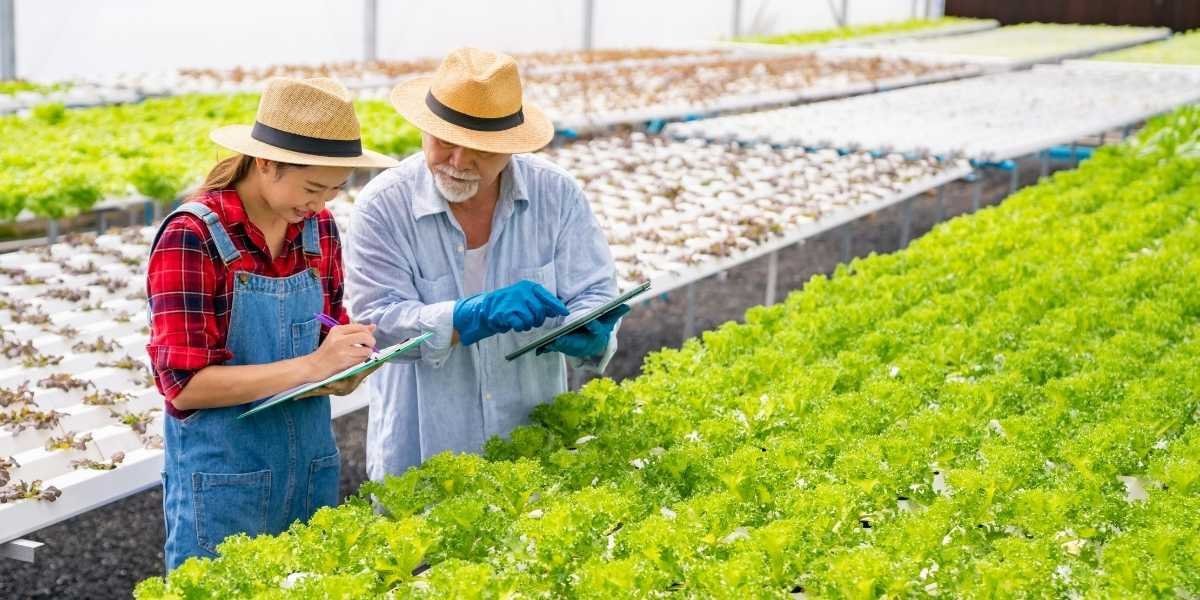
In neighborhoods like Englewood and Humboldt Park, urban farms are producing leafy greens, herbs, and root vegetables year-round. These operations often use hydroponics, aquaponics, and controlled-environment agriculture to maximize yield in compact spaces. The goal isn’t just to grow food, it’s to create systems that are adaptable, scalable, and rooted in local context.
Chicago’s commitment to urban growing has been documented through efforts like community fridges addressing food insecurity, which offer free access to fresh produce and pantry staples. These grassroots initiatives complement the city’s ag-tech growth by ensuring that innovation doesn’t leave vulnerable residents behind.
In addition to community-led efforts, larger organizations have begun investing in rooftop greenhouses and modular farming units. These setups allow for year-round production and reduce the carbon footprint associated with long-distance food transport. They also create opportunities for collaboration between growers, chefs, and educators who want to integrate food literacy into everyday life.
Technology Is Driving Smarter Food Systems
Technology plays a central role in Chicago’s ag-tech ecosystem. Startups are using sensors, AI, and predictive analytics to monitor crop health, optimize water usage, and reduce waste. These tools help growers make informed decisions and respond quickly to environmental changes.
Some companies are focused on supply chain transparency, using blockchain and cloud-based platforms to track food from farm to table. Others are developing software that connects urban farmers with local restaurants, schools, and grocers, streamlining distribution and minimizing spoilage.
The city’s universities and research institutions have also contributed to this momentum. Collaborations between academic labs and private companies have led to breakthroughs in soil science, plant genetics, and sustainable packaging. These innovations aren’t just theoretical, they’re being tested and deployed in real-world settings across the city.
One example includes pilot programs that use machine learning to predict crop yields based on weather patterns and soil conditions. These insights help farmers plan more effectively and reduce the risk of overproduction or shortages. It’s a practical application of technology that directly supports food security and economic stability.
Ag-Tech Ecosystem Supports Local Economies
Chicago’s ag-tech growth has created new opportunities for employment, entrepreneurship, and education. Community organizations are offering training programs that teach residents how to manage hydroponic systems, maintain greenhouses, and launch food-related businesses. These efforts help build local capacity and ensure that the benefits of ag-tech are widely shared.
In neighborhoods historically impacted by disinvestment, ag-tech projects have become a source of pride and possibility. Vacant lots are being transformed into productive spaces, and young people are learning skills that connect them to broader conversations about climate, health, and innovation.
The city’s support for urban agriculture has also encouraged partnerships between developers and growers. Mixed-use buildings now include rooftop farms and edible landscaping, turning residential and commercial properties into contributors to the local food system. These integrations reflect a growing belief that food production can coexist with, and enhance, urban living.
Chicago’s ag-tech ecosystem also supports small businesses that specialize in composting, seed distribution, and sustainable kitchen design. These businesses form part of a larger network that keeps resources circulating locally and reduces dependence on external suppliers. It’s a model that values resilience and community ownership.
Chicago’s Role in National Food Innovation
Chicago’s ag-tech ecosystem isn’t operating in isolation. It’s part of a larger movement toward sustainable, tech-enabled food systems across the country. What sets Chicago apart is its ability to combine grassroots energy with institutional support, creating a landscape where ideas can move from pilot to scale.
The city’s central location and diverse population make it an ideal testing ground for new models. Whether it’s a startup developing climate-resilient crops or a nonprofit building a network of community gardens, Chicago offers the infrastructure and audience to support meaningful experimentation.

Photo Credit: Unsplash.com
Urban agriculture has become a key part of this story. As local growing initiatives continue to expand, they demonstrate how ag-tech can be both high-tech and hands-on. These projects show that innovation doesn’t have to be distant or abstract, it can be rooted in the everyday lives of residents.
Chicago’s food innovation also benefits from its proximity to major academic institutions and research centers. These partnerships allow for rapid prototyping and real-time feedback, helping entrepreneurs refine their ideas and scale them responsibly. It’s a collaborative environment that encourages experimentation without losing sight of community impact.
Ag-Tech Ecosystem Reflects Chicago’s Values
Chicago’s ag-tech ecosystem reflects the city’s values: collaboration, resilience, and a commitment to equity. It’s not just about growing food more efficiently, it’s about rethinking who has access to that food, how it’s produced, and what role communities play in shaping their own systems.
This approach has resonated with residents who want solutions that feel local and responsive. It’s also attracted attention from investors and policymakers looking for scalable models that balance innovation with impact.
As the ecosystem continues to grow, it faces challenges, zoning regulations, funding gaps, and the need for long-term infrastructure. But the momentum is clear. Chicago is showing that ag-tech can be more than a buzzword. It can be a tool for building healthier, more connected communities.
The city’s food and ag-tech efforts are also influencing how residents think about sustainability. Composting programs, zero-waste kitchens, and plant-forward menus are becoming more common, not just in restaurants but in homes and schools. These shifts reflect a broader cultural embrace of environmental responsibility and food literacy.
Chicago’s ag-tech ecosystem is still evolving, but its impact is already visible, in the way people grow, share, and talk about food. It’s a reminder that innovation doesn’t always start in a lab or a boardroom. Sometimes, it begins in a garden, a classroom, or a fridge stocked by neighbors who care.