
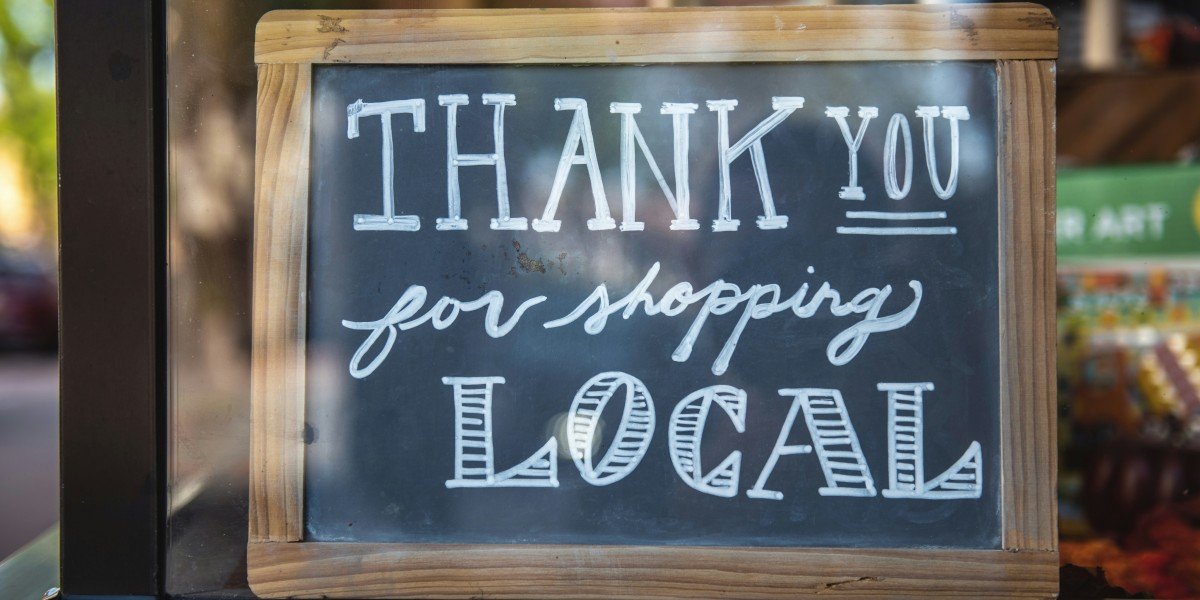
As 2026 begins, small businesses across Chicagoland are recalibrating expectations after a year marked by economic uncertainty. New survey data from the UIC Business Institute, conducted in partnership with the Chicagoland Chamber of Commerce, suggests that while local entrepreneurs are not retreating, they are approaching the year ahead with measured caution rather than bold optimism.
The findings offer a revealing snapshot of how neighborhood storefronts, service providers, and small employers are responding to inflation pressures, labor constraints, and shifting consumer demand—factors that continue to shape the region’s economic pulse.
Confidence Softens After a Stronger 2024
Compared with the previous year, optimism has clearly cooled. Fewer Chicago-area small business owners expect growth in the next 12 months, and nearly half anticipate that their performance will remain flat or weaken. This marks a notable shift from 2024, when stronger post-pandemic momentum and easing supply chain disruptions fueled more upbeat expectations.
The decline does not signal pessimism so much as realism. Business owners surveyed expressed greater awareness of external risks—from persistent cost pressures to uncertainty around demand—while still maintaining confidence in their ability to operate and adapt.
Stability Over Expansion Becomes the Dominant Strategy
Rather than pursuing aggressive growth, many small businesses are prioritizing stability. Expansion plans have not disappeared, but they are more restrained. Owners report focusing on incremental improvements, such as refining existing products and services, strengthening customer relationships, and increasing marketing visibility, instead of opening new locations or making major capital investments.
This approach reflects a broader shift toward resilience. By tightening operations and managing costs carefully, businesses aim to protect margins and remain flexible in an environment where economic signals remain mixed.
Hiring Remains Flat as Labor Pressures Persist
Workforce plans mirror this cautious outlook. Most respondents expect staffing levels to hold steady in 2026, citing continued challenges around hiring costs, wage expectations, and labor availability. While layoffs are not widely anticipated, the appetite for expansion through new hires has clearly diminished.
For Chicago’s local economy, this suggests slower employment growth among small firms—traditionally one of the city’s most important job engines—unless broader conditions improve.
Access to Capital Still a Key Concern
Financial pressure remains a central theme. Many business owners identified access to capital as a priority, with grants ranking as the most desired funding source, followed by lines of credit and traditional loans. The preference for grants underscores a desire to invest without taking on additional debt risk in an uncertain climate.
Owners reported that additional funding would most often be used for marketing, technology upgrades, and operational efficiency—areas seen as offering the highest return without overextending resources.
What This Means for Chicago’s Local Economy
Small businesses form the backbone of Chicago’s neighborhoods, supporting employment, foot traffic, and community vitality. The survey’s findings point to an economy that is neither contracting sharply nor accelerating rapidly, but instead settling into a period of cautious adjustment.
For policymakers and civic leaders, the message is clear: targeted support—whether through financing programs, workforce development, or small business visibility initiatives—could play a critical role in sustaining local commerce as 2026 unfolds.
As the year begins, Chicagoland’s small businesses are signaling prudence rather than fear. They are preparing for a challenging environment, but not retreating from opportunity. This cautious confidence may lack the exuberance of earlier recovery years, but it reflects a grounded understanding of today’s economic realities—and a determination to endure.
For a region built on entrepreneurial grit, that steady resolve may prove just as important as rapid growth in the year ahead.