
Why a Local Café Became a Place for Veterans to Start Over
A small café on the West Side has slowly turned into a steady spot for veterans who spent months moving between temporary shelters. Workers talk about how showing up each morning, putting on an apron, and easing into simple routines gives them a sense of control they thought they’d lost. The idea behind the café is simple. People deserve a place where they can settle into the day without feeling judged or rushed.
Support groups in the city often point to the importance of safe and predictable environments. The point becomes clear in a statement highlighted by the U.S. Department of Veterans Affairs, which notes that “stable housing creates the conditions for veterans to focus on health, employment, and rebuilding relationships” by describing the role that structure plays in recovery. Staff at the café say they see that reality every day when someone walks in looking tired and walks out looking a little lighter.
Employees mention that the café partners with community workers who help veterans find medical support or housing programs without pressure. They say the goal is to take everything step by step so people don’t feel overwhelmed. The café has built a reputation for being welcoming, which quietly encourages veterans who haven’t had stable routines in years to keep coming back.
How Consistent Work Helps Veterans Regain Routine
People who study homelessness often talk about the role of work in restoring confidence. The National Alliance to End Homelessness explains that “employment can restore a sense of purpose and routine for people working to recover from homelessness” in a report that focuses on long-term stability. That line echoes what many veterans at the café describe when they talk about their first month on the job.
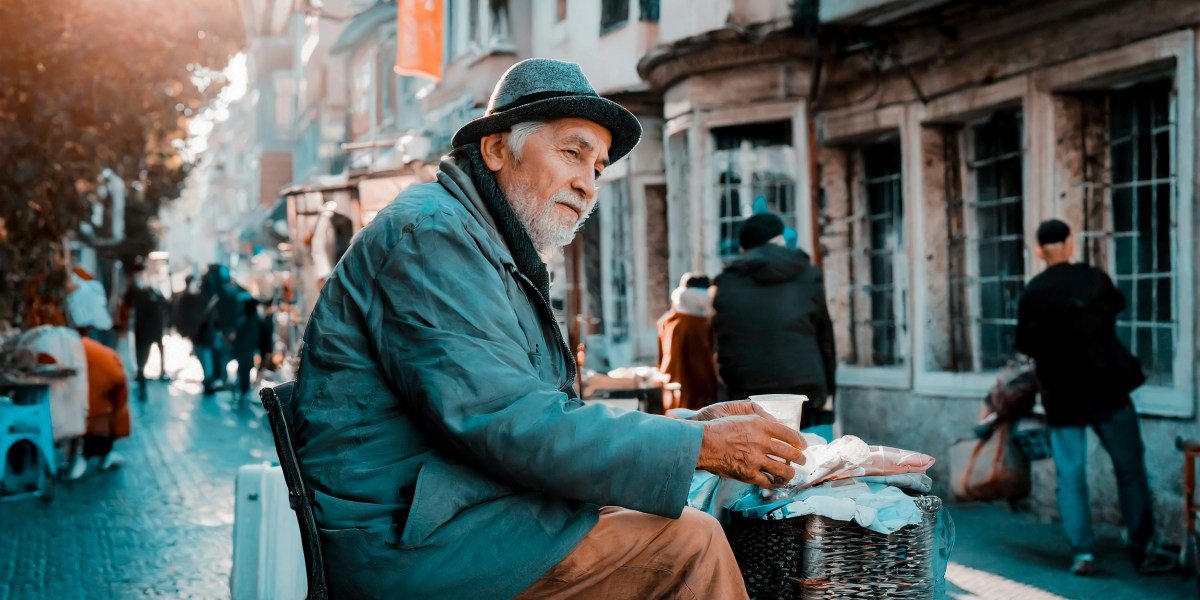
Photo Credit: Unsplash.com
Some veterans say that opening the shop gives them a rhythm that feels calming. Tasks like prepping pastries or refilling bean bins might seem ordinary to most people, yet for someone recovering from a long stretch of instability, these tasks feel familiar and grounding. A few workers mention that the routine helps quiet the anxiety that comes from unpredictable days.
Regular customers sometimes pause to chat with the staff. Veterans say those short moments remind them that they’re still part of a larger community. One worker said he felt surprised the day a customer told him, “You make the best morning coffee on this block,” after noticing he looked nervous. That simple line, he said, helped him realize he’d become part of something steady again.
Why Community Interaction Matters to Veterans Rebuilding Their Lives
Research on recovery often mentions how social contact supports long term progress. A report from the U.S. Department of Housing and Urban Development notes that “social support improves long-term housing stability for veterans exiting homelessness” by highlighting how relationships influence recovery. Inside the café, this idea shows up in small, steady ways as customers return and veterans begin to recognize familiar faces.
People from the neighborhood often stop in before work to share quick stories about their day. Some mention family members who served in the military, which helps employees feel understood without pressure to talk about anything personal. Veterans say those conversations help them feel connected again after long periods when they avoided crowds or public spaces.
Partner groups in the area hold low-key meetups inside the café where veterans can talk with counselors or resume coaches. They say the setting feels friendlier than large offices, which makes it easier to open up. Workers mention that this soft environment helps veterans try new steps without feeling like they’re being evaluated. It’s easier to ask for guidance when the room feels warm and predictable.
How the Café’s Approach Helps Veterans Move Toward Stability
The café proves that small community spaces can play a quiet role in helping veterans rebuild their lives. The work isn’t complicated, and that makes it approachable for someone who hasn’t had a job in a long while. Several employees mention that starting with easy tasks helped them feel less intimidated and gave them the confidence to apply for benefits or training programs later.
Community workers who collaborate with the café say the routine helps people settle emotionally. Veterans begin showing up on time, talking with coworkers, and slowly rebuilding the habits they lost while moving between shelters. Workers say they notice when someone develops a more relaxed posture or starts making small plans for the future. These steady shifts matter.
Some veterans eventually transition into other jobs, while others stay because the café feels like a second home. Employees talk about how meaningful it is to feel useful again. They describe the place as calm, supportive, and familiar in a way that makes it easier to work through tough days. Regulars say you can feel the difference when you walk through the door. The room has a sense of shared understanding that comes from people who’ve lived through difficult years and are finding a quieter path forward.