
Hispanic Heritage Month in Chicago is more than a calendar event, it’s a citywide celebration of identity, creativity, and community. At the heart of this year’s festivities is the Chicago Cultural Center, where programming reflects the depth and diversity of Latino cultures. From music and dance to visual art and storytelling, the Center has become a gathering place for residents to honor traditions and share new expressions of Hispanic heritage.
The celebration draws families, students, artists, and longtime residents into a shared space where culture is not only preserved but actively lived. Events are designed to be accessible and engaging, with a focus on community-led participation. Whether through a mural workshop or a live performance, the Cultural Center offers a platform for voices that have shaped Chicago’s neighborhoods for generations.
A Space Where Culture Comes Alive
The Chicago Cultural Center has long been a cornerstone of the city’s arts programming. During Hispanic Heritage Month, its halls transform into a vibrant showcase of Latino creativity. Textile exhibits, photography installations, and live performances fill the building with color and rhythm, inviting visitors to experience heritage through multiple lenses.
Running from September 15 to October 15, the month-long celebration featured handwoven pieces from Central America, each telling stories of migration, family, and resilience. A photography series captured everyday life in Latino neighborhoods, highlighting moments of joy, work, and connection. These exhibits offered a grounded look at how Hispanic heritage continues to shape the city’s identity.
Live performances added another layer of energy. A Puerto Rican bomba ensemble led a call-and-response session that had the audience clapping and singing along. A Mexican ballet folklórico group performed traditional dances from Jalisco and Veracruz, complete with embroidered costumes and live instrumentation. These events weren’t just entertainment, they were affirmations of cultural pride.
Community Voices at the Center
What sets Chicago’s celebration apart is its emphasis on community leadership. Many of the Cultural Center’s events were co-produced with local nonprofits, youth organizations, and cultural collectives. This collaborative approach ensures that programming reflects the lived experiences of the city’s Latino residents.
Workshops invited young people to create papel picado banners while learning about their historical roots. In another session, elders shared oral histories about their arrival in Chicago, their work in local industries, and the traditions they’ve passed down. These moments created space for intergenerational dialogue and helped preserve cultural memory.
Beyond the Cultural Center, neighborhoods like Pilsen and Little Village hosted their own events. Community centers screened films that explored themes of migration and identity, while local artists refreshed murals that depict scenes from Latin American folklore. These efforts extended the celebration into everyday spaces, making Hispanic heritage visible across the city.
Music as a Bridge Between Generations
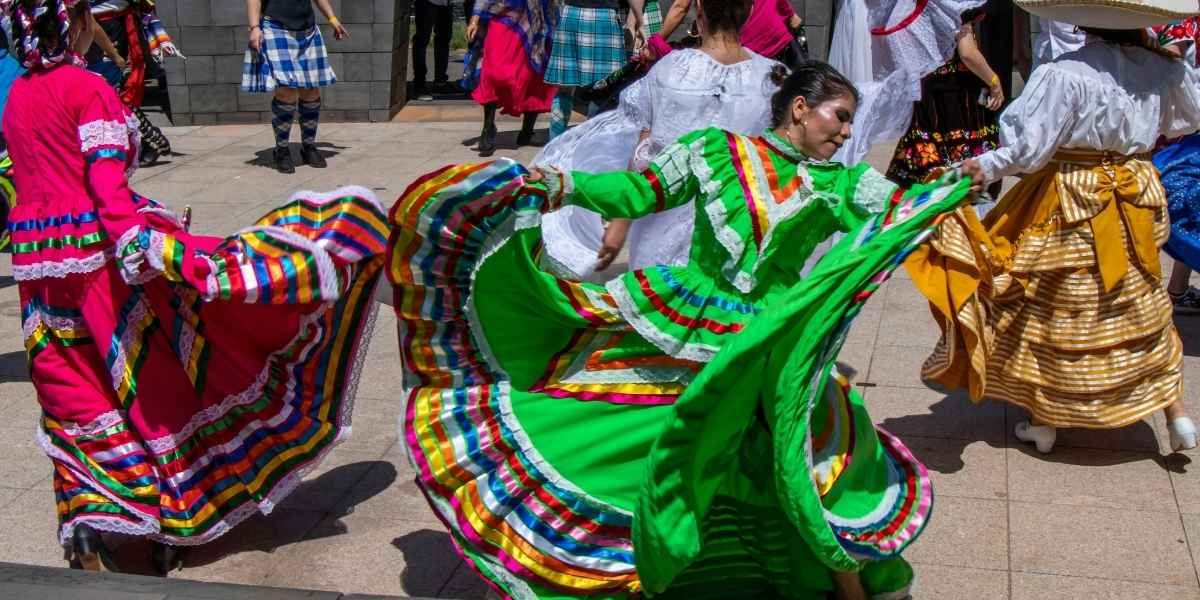
Photo Credit: Unsplash.com
Music played a central role throughout the month, connecting generations and styles. At the Cultural Center, performances ranged from mariachi and Latin jazz to reggaeton and fusion sets. Each genre brought its own audience, but the shared appreciation for rhythm and storytelling created a sense of unity.
Chicago’s broader music scene also reflected this energy. Events like the House Music Festival celebrating local talent and culture included Latin-infused sets that honored the city’s multicultural roots. DJs blended Afro-Caribbean beats with electronic sounds, showing how Hispanic heritage continues to influence contemporary music.
One standout concert featured musicians from Colombia, Cuba, and the Dominican Republic performing original compositions that fused traditional instruments with modern arrangements. The crowd responded with cheers and dancing, underscoring how music remains a powerful connector across cultures and generations.
Street Festivals Extend the Celebration
While the Cultural Center served as a focal point, Hispanic Heritage Month spilled into the streets. Chicago’s popular festivals offered additional platforms for Latino artists, chefs, and performers to share their work. From food vendors serving tamales and empanadas to dance crews performing cumbia and bachata, the city’s outdoor spaces became stages for cultural expression.
Events like Chicago’s most popular street fests featured Hispanic heritage booths that drew large crowds. Attendees browsed handmade crafts, sampled regional dishes, and watched live demonstrations of traditional cooking techniques. These interactions helped foster appreciation and understanding across communities.
In one neighborhood, a street fest included a mural-painting activity where families contributed to a collective artwork. The final piece depicted scenes from Latin American folklore alongside images of Chicago’s skyline, symbolizing the blending of heritage and home. Activities like these made the celebration feel personal and participatory.
A Month That Sparks Year-Round Engagement
While Hispanic Heritage Month officially runs for four weeks, its impact lasts well beyond the final event. The Cultural Center’s programming often leads to new partnerships, expanded outreach, and continued engagement. Schools that hosted bilingual storytelling sessions during the month may continue those programs throughout the year. Artists who debuted work during the celebration often find new audiences and collaborators.
Chicago’s commitment to honoring Hispanic heritage is reflected in its institutions, neighborhoods, and creative communities. The Cultural Center’s role in this effort shows how public spaces can serve as platforms for cultural exchange and recognition. By centering community voices and offering diverse programming, the city helps ensure that Hispanic heritage is not just acknowledged, but actively celebrated.
For many attendees, the month’s events offered more than entertainment. They provided a sense of belonging, a connection to history, and a reminder that cultural identity is something to be shared, protected, and honored. Whether through dance, food, art, or conversation, Hispanic heritage continues to shape the rhythm of life in Chicago.