
By: Hunter Thomas
In an age where content is king, Drew Darby, a filmmaker, director, and creative producer based in Austin, Texas, is leading a revolution in sports media, particularly within the niche of endurance sports filmmaking. His journey, marked by a transition from corporate media to capturing some of the toughest ultramarathon races, underscores a broader shift in the industry—where storytelling, innovation, and physical endurance intersect.
Pioneering a New Narrative in Endurance Sports Filmmaking
Drew Darby’s career “path” is anything but traditional. After graduating from the College of William & Mary in 2018, Darby spent four years working in corporate media roles, honing his craft in a structured environment. However, his passion for storytelling and endurance sports led to a significant career shift. By 2022, Darby transitioned fully into sports media, and by 2023, he had co-directed three documentaries on 200-mile races—Every Step Forward, Racing Tahoe, and Mind Over Miles. These films have garnered significant attention, with total views now exceeding millions online.
But Darby’s work isn’t just about capturing athletes in extreme environments—it’s about redefining how these stories are told. “The beauty of endurance sports is the sheer unpredictability,” Darby notes. “As a filmmaker, you’re not just documenting a race; you’re telling a story of human perseverance, pain, and triumph.”
Innovation Through Physical and Creative Endurance
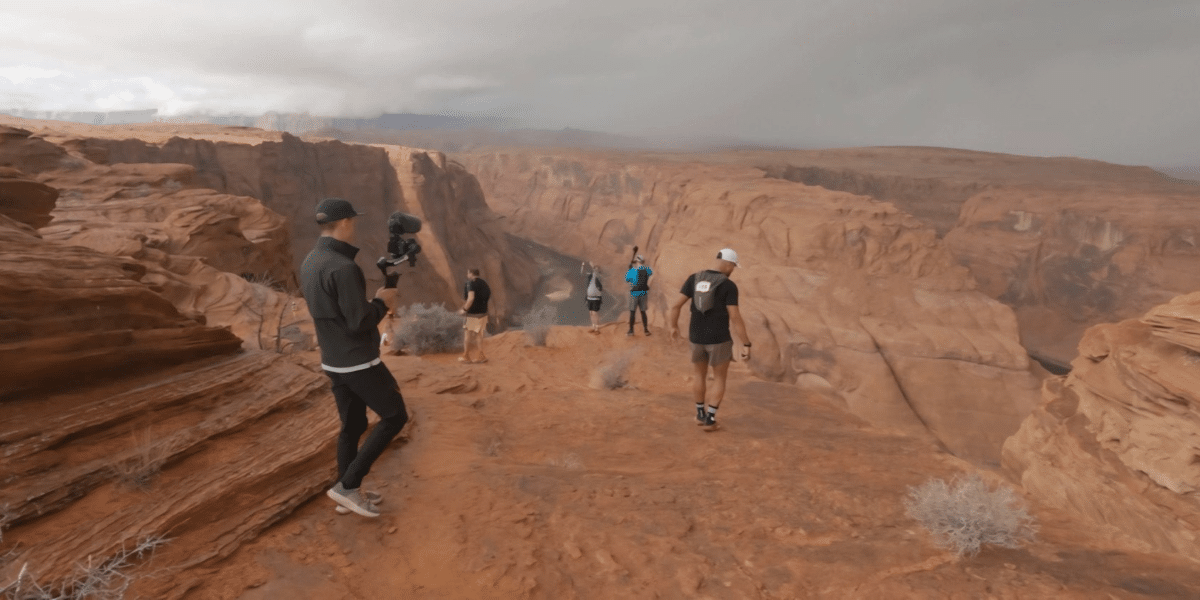
What sets Darby apart in the crowded field of endurance sports media is his willingness to push both physical and creative boundaries. Unlike traditional sports filmmaking, where crews might rely on helicopters or multiple cameras stationed along a course, Darby and his team immerse themselves fully in the environment. They hike, run, and sometimes even climb alongside athletes, capturing footage that reflects the raw, unfiltered reality of endurance sports.
This approach is not without its challenges. During the filming of the Moab 240, for instance, Darby and his team faced harsh conditions—ranging from extreme heat to altitudes that tested their physical limits. Yet, these challenges are what make Darby’s films stand out. The authenticity and grit portrayed in his documentaries resonate deeply with audiences, offering a perspective that’s as much about the filmmaker’s journey as it is about the athletes’.
A key aspect of Darby’s innovation lies in blending high-end cinematic production with meaningful storytelling. While ultra running films have existed since the early 2010s, they often lacked in either visual quality or narrative depth. Darby represents a new wave of filmmakers who bring excellence to both aspects, helping ensure that the visuals and the story carry equal weight. This dual focus allows him to go beyond surface-level storytelling, offering viewers a deeper, more immersive experience.
The Business of Storytelling in Endurance Sports
From a business perspective, Darby’s work represents a shift towards more authentic, narrative-driven content in sports media. This trend aligns with the growing demand for content that goes beyond the highlights, offering deeper insights into the lives and struggles of athletes. For brands and sponsors, this type of storytelling provides a unique opportunity to connect with audiences on an emotional level, creating more meaningful and lasting impressions.
In the past 18 months, Darby has worked with brands like CamelBak, HOKA and Canyon to create compelling narratives in endurance sports. These collaborations are not about mere product placement but about showcasing what athletes can achieve with the help of these products. “It’s about more than just product placement,” Darby explains. “It’s about finding synergy between the athlete’s journey, the brand’s story, and the audience’s values.”
A Glimpse into the Future of Endurance Sports Filmmaking
As Darby continues to push the boundaries of what’s possible in endurance sports filmmaking, his work offers valuable lessons for the industry. The future of sports media lies in its ability to adapt—to embrace new technologies, tell deeper stories, and engage audiences in ways that go beyond traditional viewing experiences.
One of Darby’s passions is making films as a runner and as someone who is genuinely a fan and obsessed with the sport of ultrarunning. This insider perspective allows him to tell stories that are richer and more authentic, diving deeper than the basic “look at these crazy people run crazy distances” narrative. He believes that the next frontier in sports storytelling will be led by filmmakers who are also athletes—those who truly understand the sport and can capture its essence beyond just the physical challenge.
For Darby, the next step includes expanding his storytelling into other endurance sports, such as gravel cycling and triathlons, while continuing to refine his approach in ultramarathons. His philosophy remains clear: “The most powerful stories are those that reflect the human spirit—its capacity to endure, to overcome, and to inspire.”
Conclusion: The Intersection of Innovation and Inspiration
Drew Darby’s journey from corporate media to the rugged terrains of ultramarathon races is more than just a career shift; it’s a testament to the power of storytelling in the sports media landscape. By blending physical endurance with creative innovation, Darby has carved out a niche that resonates with audiences and brands alike. As he continues to explore new horizons in endurance sports, his work not only redefines sports filmmaking but also offers a roadmap for the industry’s future.
About the Author
Hunter Thomas merges the precision and patience of being a bowhunter with the endurance and determination he gets from being an ultra-marathon runner. Beyond his physical pursuits, Hunter is passionate about journalism, bringing together his experiences in endurance sports and his love for storytelling into his writing. He attends various events and conferences, always seeking new stories and perspectives to share with his readers.
Published By: Aize Perez