
Chicago Air and Water Show Draws Thousands to the Lakefront for Its 67th Year Despite Weather Delays

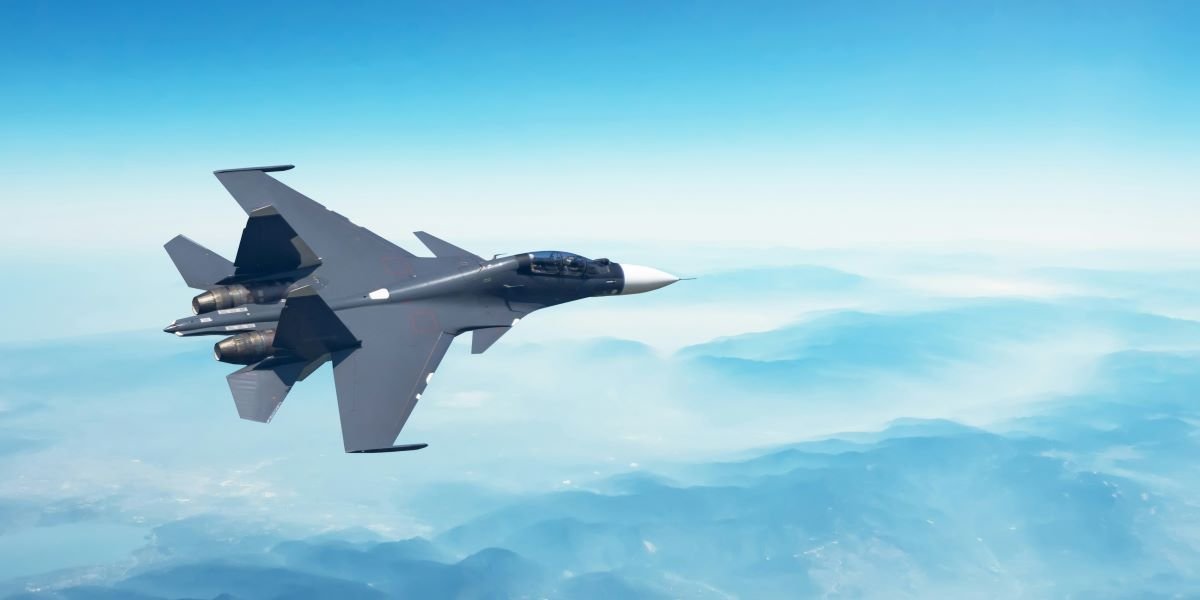
The 67th annual Chicago Air and Water Show returned to the lakefront this weekend, drawing thousands of spectators to North Avenue Beach and the shoreline stretching from Fullerton Avenue to Oak Street on August 15 and 16. Low clouds forced organizers to push Saturday’s start time back by roughly 90 minutes, but the delay did little to thin the crowds. By the time the skies cleared and the U.S. Air Force Thunderbirds roared over Lake Michigan, the beach and surrounding paths were packed with families, aviation enthusiasts, and first-time visitors who had staked out their spots hours earlier.
The event, presented by the City of Chicago’s Department of Cultural Affairs and Special Events and American Airlines, remains the largest free air show in the United States. Attendance estimates for the show regularly exceed one million spectators across the weekend, and organizers reported strong turnout both days despite the Saturday weather disruption.
Key Takeaways
- The 67th Chicago Air and Water Show ran August 15 and 16 along the lakefront from Fullerton Avenue to Oak Street, with North Avenue Beach as the focal point. A public rehearsal was held Friday, August 14.
- Low clouds on Saturday pushed the start time from 10:30 a.m. to approximately noon. Sunday’s schedule ran closer to plan after conditions improved.
- The U.S. Air Force Thunderbirds headlined the 2026 show, replacing the U.S. Navy Blue Angels in the alternating rotation. The U.S. Army Golden Knights parachute team co-headlined.
- Thirteen demonstration teams performed across the weekend, including military, civic, and civilian acts. The F-22 Raptor, the U.S. Coast Guard Search and Rescue unit, and the Chicago Fire Department Air/Sea Rescue team were among the featured performers.
- A Chicago nurse named Ashley Huizar flew with the Thunderbirds during Friday’s rehearsal after being recognized for helping save a life following a crash.
- Admission was free with no ticket required. Divvy offered a promotional code for two free rides to help attendees bike to and from the event.
Thunderbirds Replace Blue Angels in 2026 Rotation
The U.S. Air Force Thunderbirds took center stage this year as the show’s military headliner, flying F-16 Fighting Falcons through precision formations, high-speed passes, and coordinated maneuvers over the lake. The Thunderbirds and U.S. Navy Blue Angels alternate annually at the Chicago show, and 2026 fell on the Thunderbirds’ rotation.
The roar of the fighter jets turned heads across the beachfront as spectators looked skyward to catch the low-flying formations. The exact performance order is determined the morning of each show day by the pilots themselves, based on weather conditions, cloud ceilings, and operational considerations. That flexibility meant Saturday’s schedule shifted repeatedly as organizers monitored conditions that hovered around 1,200 feet, just above the minimum ceiling required for many performers.
The U.S. Army Golden Knights, the military’s elite parachute demonstration team, co-headlined the weekend. Their precision landings on the beach offered a different kind of spectacle from the jet performances, with team members descending from altitude toward a designated landing area in tight formation. The Golden Knights were grounded for part of Saturday afternoon due to the low cloud ceiling but performed on Sunday.
Thirteen Teams Filled the Weekend Lineup
Beyond the two headline military acts, the 2026 performer list included the U.S. Air Force C-17 Globemaster III demonstration from the 15th Airlift Squadron, the Illinois Air National Guard KC-135 from the 126th Air Refueling Wing, and the U.S. Coast Guard Search and Rescue demonstration. The Coast Guard performance highlighted a practical side of aviation and maritime operations, showcasing the kind of rescue scenarios that play out on Lake Michigan and the surrounding waterways.
Civilian aerobatic performers added variety to the military demonstrations. Bill Stein Airshows, Kevin Coleman, and Susan Dacy each brought different styles of solo aerobatics, with tight rolls, climbs, dives, and inverted passes that contrasted with the formation precision of the Thunderbirds. The Chicago Police Department helicopter unit and the Chicago Fire Department Air/Sea Rescue team also performed, connecting the show to the city’s own public safety operations.
Before the show opened to the public, a Friday rehearsal gave early arrivals a preview of the weekend’s performances. During that rehearsal, the Thunderbirds took Ashley Huizar, a Chicago nurse, on a flight over the lakefront. Huizar was recognized for her role in helping save another person’s life after a vehicle crash, and the honorary flight was part of the Thunderbirds’ tradition of inviting community members who have demonstrated exceptional service.
Weather Tested Saturday Crowds but Did Not Break Them
Saturday’s 90-minute delay tested the patience of spectators who had arrived early to secure lakefront positions, but the crowd response suggested that the show’s hold on Chicago’s summer calendar remains firm. One attendee told ABC7 that she received the postponement notification just 15 minutes before the original start time but never considered leaving. By the time the Thunderbirds took to the skies Saturday afternoon, the mood along the beach had shifted from restless to electric.
Sunday ran more smoothly, with clearer skies allowing the full lineup to perform closer to the published schedule. The two-day format gave spectators who missed Saturday’s delayed performances a second chance to catch the acts they came for.
Food vendors lined the lakefront on both days, and attendees were permitted to bring personal coolers with water, ice, and their own food. Restroom facilities were available in the North Avenue Beach House. Divvy, the city’s bike-share service, offered a promotional code for two free rides (up to $5 each) to encourage cycling to the event and reduce traffic congestion in the surrounding neighborhoods.
A 67-Year Tradition That Started on an $88 Budget
The Chicago Air and Water Show traces its origins to 1959, when it launched as the Lakeshore Park Air and Water Show on a budget of $88. That first event featured a Coast Guard Air Sea Rescue demonstration, water skiers, a water ballet, and a diving competition. The U.S. Air Force Thunderbirds and Golden Knights were added the following year, establishing the military headliner tradition that continues today.
Over nearly seven decades, the show has grown into one of the city’s signature summer events, drawing visitors from across the Midwest and generating economic activity for lakefront businesses, hotels, and restaurants in the Lincoln Park and Gold Coast neighborhoods. The event’s free admission model, unusual for an air show of this scale, has kept it accessible to residents across every income level and neighborhood in the city.
FAQs
Is the Chicago Air and Water Show free?
Yes. The Chicago Air and Water Show is free to attend with no ticket required. Spectators can view the show from North Avenue Beach and anywhere along the lakefront between Fullerton Avenue and Oak Street.
Who headlined the 2026 Chicago Air and Water Show?
The U.S. Air Force Thunderbirds headlined the 2026 show, flying F-16 Fighting Falcons. The U.S. Army Golden Knights parachute team co-headlined. The Thunderbirds and U.S. Navy Blue Angels alternate annually at the Chicago show.
When is the next Chicago Air and Water Show?
The Chicago Air and Water Show takes place annually in August along the lakefront. The 2026 show was held August 15 and 16. Dates for 2027 have not been announced but typically fall on a mid-August weekend.