The Chicago Journal

Understanding the Logistics of the Onboard Courier in Global Supply Chains

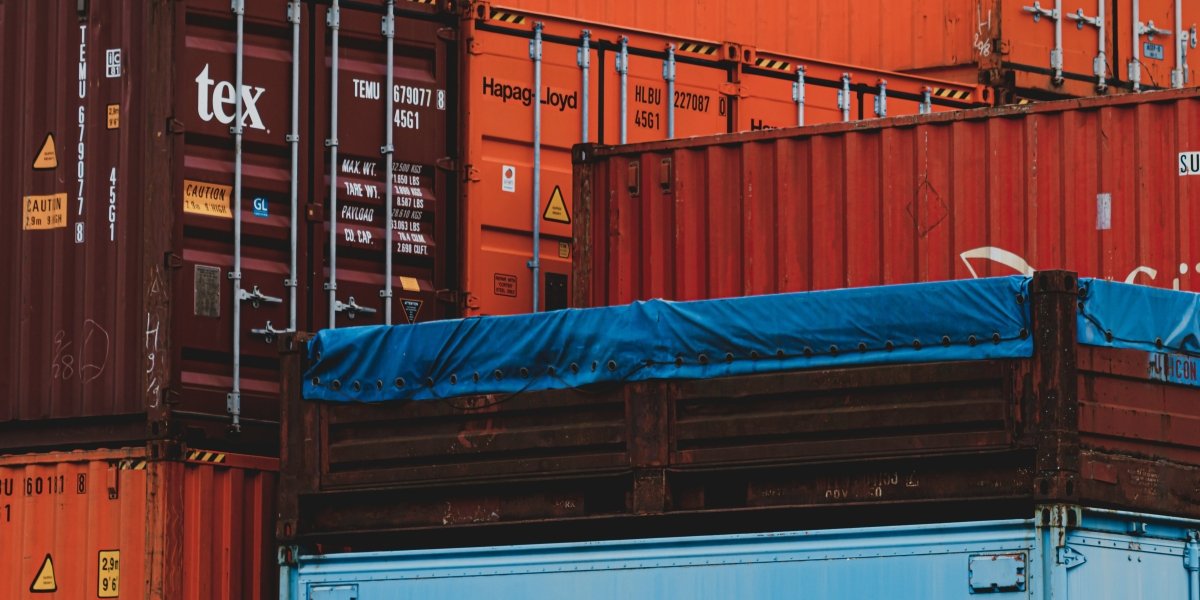
In an era of instant gratification and globalized manufacturing, the traditional methods of moving freight often succumb to the limitations of schedules and bureaucracy. When a production line in Michigan halts due to a missing microchip or a legal firm in London requires original documents by dawn, the standard air cargo process is frequently too slow. 

This article examines the specialized world of the onboard courier, a logistics solution that utilizes commercial air travel to bypass traditional freight delays. We explore how this method works, why it remains indispensable for high-stakes industries, and the regulatory frameworks governing the movement of goods in the hands of a human passenger. 

The Mechanics of Hand-Carry Logistics

When a company identifies a critical need for an immediate delivery, they often turn to specialized providers who manage a network of professional couriers. These individuals are typically strategically located near major international hubs like Chicago O’Hare or London Heathrow. Unlike traditional cargo, which must be consolidated, palletized, and processed through freight terminals, the goods handled by a courier are treated as passenger luggage or carry-on items. 

This distinction is vital because it allows the shipment to move through the airport infrastructure at the speed of a human traveler rather than a shipping container. The process begins with the pickup of the item directly from the manufacturing floor or the office. The courier then proceeds to the airport to board the earliest possible commercial flight. By using passenger transit, the shipment avoids the waiting periods associated with cargo aircraft schedules, which often operate during specific night windows. Because the courier remains with the package throughout the journey, the risk of the item being lost or misrouted in a sorting facility is virtually eliminated. 

Regulatory Compliance and Customs Procedures

One of the most common misconceptions about using an onboard courier is that it allows for the evasion of customs regulations. In reality, the legal requirements are stringent and must be followed with precision to avoid significant legal repercussions for both the courier and the shipping company. Goods transported in this manner are still subject to import duties, export controls, and security screenings. 

The courier acts as the declarant, presenting the necessary commercial invoices and permits to customs officials upon arrival in the destination country. Experienced logistics firms prioritize compliance by ensuring all paperwork is prepared before the courier even reaches the airport. This includes Harmonized System codes for the goods, proof of value, and any specific certificates required for sensitive materials. 

The Cost-Benefit Analysis of Emergency Shipping

At first glance, the cost of an international airline ticket and the professional fees for a dedicated courier may seem prohibitive. However, in industries where downtime results in massive financial losses, the investment is often a fraction of the potential loss. An automotive assembly plant that stops due to a missing sensor might lose hundreds of thousands of dollars per hour. In such a case, paying for a reliable onboard courier service becomes a logical insurance policy against systemic failure. The value proposition is built on the certainty of the timeframe. Traditional express freight services often provide estimated delivery windows, but these are subject to weather delays, air traffic control issues, and warehouse bottlenecks. A courier traveling on a commercial flight has a specific seat on a specific aircraft, providing a much higher degree of predictability. 

Sectors That Depend on Personalized Delivery

The aerospace industry is a primary user of hand-carry services. When a plane is grounded due to a mechanical failure, it is referred to as an Aircraft on Ground situation. Every minute the plane sits on the tarmac, the airline loses revenue and faces logistical nightmares with passenger scheduling. Sending a required part via a courier is the standard protocol for resolving these issues. Similarly, the fashion industry utilizes couriers to move samples between design houses and production facilities in the final days before a major runway show or product launch. The medical and life sciences sector also uses this method to transport life-saving equipment or sensitive biological samples that are not time-sensitive in terms of perishability but are critical for scheduled surgical procedures. In these instances, the courier ensures the package is handled with the necessary care and is not subjected to the rougher handling sometimes found in standard cargo holds.

Technological Integration in Courier Services

While the core of the service is human movement, modern technology plays a supportive role in tracking and communication. Professional couriers are equipped with mobile tools that provide real-time updates to the client. This includes GPS tracking of the courier’s location and instant notifications when the flight departs, lands, and when the goods pass through customs. This level of visibility is crucial for the receiving party, which may need to coordinate labor or specialized equipment to meet the courier at the final destination. 

Environmental Considerations and Logistics Efficiency

There is an ongoing discussion within the logistics community regarding the carbon footprint of various shipping methods. While a dedicated courier uses a seat on a commercial flight that is already scheduled, the environmental impact is essentially shared with the other passengers. This is often more efficient than chartering a private small aircraft to move a single small package. By utilizing existing commercial infrastructure, the industry maximizes the utility of scheduled flights rather than adding additional planes to the sky. 

The Role of the Professional Courier

Being an onboard courier requires more than just a passport and the ability to travel at a moment’s notice. It is a profession that demands high levels of problem-solving, cultural awareness, and stress management. Couriers must navigate foreign airports, handle language barriers during customs inspections, and remain calm during travel disruptions. They are essentially the guardians of the world’s most urgent shipments, acting as a bridge between the digital world of logistics planning and the physical reality of international transport. Training for this role often involves understanding international trade laws, airline security procedures, and the specific requirements for handling different types of goods. 

Security and Risk Management in Transit

Security is a paramount concern for any high-value shipment. Traditional freight passes through many hands and multiple warehouses, creating numerous points where theft or damage could occur. With an onboard courier, the chain of custody is extremely short. The item goes from the shipper to the courier and then to the receiver. This direct line significantly reduces the delivery’s risk profile. For items like prototypes of new consumer electronics or sensitive legal documents, this security is the primary selling point. Airlines also have strict security protocols for what can be carried on board. 

Challenges Facing the Industry

The world of international travel is constantly changing, and these shifts directly affect the viability of courier services. Political instability, health crises, and changes in visa policies can all disrupt the usual routes. For example, during the global pandemic, the drastic reduction in commercial flights meant couriers had to find creative, often longer routes to reach their destinations. This highlighted the importance of a diverse, globally distributed network of couriers that can adapt to shifting geopolitical landscapes.

The future of urgent global delivery

As we look toward the future, the integration of artificial intelligence and more advanced predictive analytics will likely further refine how courier missions are planned. We may see systems that predict potential flight delays, allowing a courier to be rerouted even before they reach the airport. However, despite these technological advancements, the core need for a physical presence will likely remain. The human ability to negotiate, to physically carry a delicate item, and to provide a secure chain of custody is not easily replaced by drones or autonomous systems in the context of international, cross-border logistics. The onboard courier remains a vital component of the global economy, providing a fail-safe for the most critical moments in the supply chain. 

Final thoughts on the human element in logistics

In conclusion, the practice of using a passenger to transport commercial goods represents the ultimate marriage of technology and human effort. It addresses the inherent gaps in global infrastructure where speed and security are paramount. As supply chains become more complex and the cost of downtime continues to rise, the demand for such specialized services is expected to remain steady. The onboard courier is a testament to the fact that in our highly automated world, the most effective way to solve a complex physical problem is still often through human intervention and direct responsibility.

As long as there are physical goods that need to be moved across borders as quickly as possible, the role of the person on the plane will remain a cornerstone of international trade and emergency logistics.

Tejas Desai’s Bad Americans Part II Explores Power, Identity, and Truth in a Divided America

By Devin Wallace

In Bad Americans: Part II, author Tejas Desai returns to the world he introduced in the first installment with a deeper, more layered exploration of human behavior under pressure. Rather than offering resolution, the novel opens in the immediate aftermath of a charged accusation, setting the tone for a story that leans into consequence, uncertainty, and the complexities of truth.

Desai’s decision to begin Part II with fallout instead of closure is intentional. “It immediately sets up drama,” he explains, pointing to a broader thematic focus on storytelling itself, how people listen, interpret, and often misinterpret what they hear. This approach reframes the narrative as something of a social trial, where perception and reality are constantly in tension.

At the center of the novel is The Getaway, a private, upscale enclave where a diverse group of individuals, guests and staff alike, navigate shifting alliances and deeply personal conflicts. Within this space, accusations, whether proven, disproven, or unresolved, reshape relationships and expose fractures in loyalty. Desai notes that this dynamic mirrors contemporary culture, where “gossip and social media… seems to be a lot more important than objective truth,” reflecting a broader societal tendency to prioritize narrative over verification.

One of the defining features of Bad Americans: Part II is its use of storytelling as both structure and theme. Characters frequently tell stories that blur the lines between fiction and autobiography, revealing as much about themselves as they do about the narratives they construct. In this way, storytelling becomes a form of power, capable of influencing perception, altering relationships, and even causing harm.

This interplay between narrative and identity is central to the book’s emotional core. Characters begin to recognize themselves within each other’s stories, highlighting the difficulty of separating personal experience from interpretation. While people may strive for objectivity, most instinctively process stories through their own lived experiences.

The novel also delves into complex and often difficult subject matter, including trauma, systemic inequality, and institutional silence. In crafting these elements, Desai emphasizes a careful balance between realism and sensitivity, incorporating feedback to ensure the portrayal reflects the nuanced and lasting impact of these experiences.

Another key figure in Part II is Olive Mixer, the reclusive billionaire whose evolving role brings new depth to the story. As his personal health struggles come to light, his authority becomes intertwined with vulnerability. Through Olive, the book explores themes of responsibility, leadership, and the emotional weight of overseeing a fractured community.

The pandemic itself looms quietly but persistently throughout the narrative, shaping both the moral and emotional landscape. Rather than serving as a backdrop, it becomes a catalyst, intensifying existing divisions related to race, class, sexuality, and immigration status.

As the narrative unfolds, traditional boundaries begin to erode. The distinction between guests and staff becomes increasingly blurred, reflecting broader questions about hierarchy and intimacy. Power within The Getaway shifts through votes, competitions, and storytelling itself, offering a reflection of democratic systems influenced by emotion, trauma, and circumstance.

Unlike more traditional narratives, Bad Americans: Part II resists clean resolution. Instead, it invites readers to sit with ambiguity and draw their own conclusions.

Taken together with its predecessor, Bad Americans: Part I, the Bad Americans series (along with its larger umbrella, The Human Tragedy) represents a multi-year creative journey, capturing the complexity of the contemporary moment. Rather than offering answers, the novel presents a mirror, one that reflects a wide spectrum of experiences, perspectives, and conflicts.

Bad Americans: Part II by Tejas Desai is currently available for preorder on Amazon, Ingram, and other bookstores, and is set to release on April 15. Readers interested in a bold, thought-provoking exploration of contemporary life, identity, and storytelling can reserve their copy now and be among the first to experience the next chapter in this compelling series.

Uniqlo Returns to Chicago’s Magnificent Mile With New Flagship Store

The Japanese retail giant reopens its flagship at 600 N. Michigan Avenue this Friday, signaling a new chapter for the corridor five years after the pandemic hollowed it out.

CHICAGO — When Uniqlo quietly shuttered its Magnificent Mile location in 2021, it was one closing among many. Gap was gone. Banana Republic was leaving. Macy’s had pulled out of Water Tower Place. The vacancy rate on the street hit 30.1%, far worse than the low point of the 2008 recession — the result of an exodus of national retailers that accelerated through the pandemic and the unrest that followed the murder of George Floyd.

Five years later, the story is being rewritten — one flagship at a time.

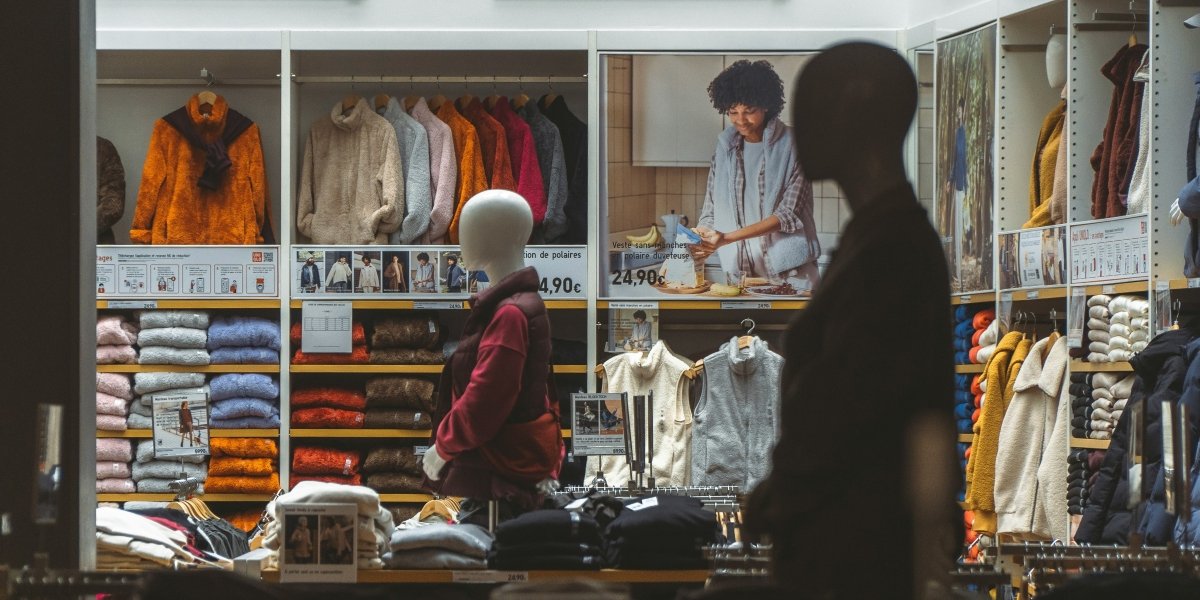
Uniqlo’s new flagship store opens this Friday on the Magnificent Mile, nearly five years after the brand departed the corridor. The new location at 600 N. Michigan Avenue replaces the former store at 830 N. Michigan Ave., which closed in 2021 as part of a broader wave of retail exits from the avenue.

The opening is more than a real estate transaction. It is a statement — from a global brand with 2,500 stores worldwide — that Chicago’s most iconic shopping street is worth betting on again.

A Flagship Built for Chicago

The Michigan Avenue location is the first Uniqlo flagship outside of New York City in the United States. That distinction alone sets the tone for what the brand intends this store to be: not a placeholder, not a reduced-footprint compromise, but a genuine anchor for the avenue’s retail identity going forward.

The store will carry exclusive designs inspired and created by local artists, including JC Rivera, Louis De Guzman, Elena Fiorenza, aplasticplant, and the Art Institute of Chicago. Shoppers can also create their own custom T-shirts and tote bags on-site. The inclusion of the Art Institute as a collaborative partner underscores the store’s intent to root itself in Chicago’s cultural life, not merely its consumer market.

Friday’s grand opening will feature traditional Japanese taiko drum performances at 9:50 a.m., 11 a.m., 1 p.m. and 3 p.m. Customers will receive early access to the Roger Federer Collection, along with discounts on other clothing items exclusive to the Mag Mile location.

The first 500 customers in line each day will receive a free Garrett Popcorn custom tin — a collaboration that celebrates Japanese design with Chicago roots — along with a pastry and tea from Del Sur Bakery. The giveaway reads like a love letter to the city: Garrett Popcorn, an institution on these very streets since 1949, paired with a brand that has traveled 6,700 miles to be back on Michigan Avenue.

The store’s operational features also reflect a modernized retail experience. New locations include self-checkout stations, alteration services and RE.UNIQLO donation bins. Some stores will also offer embroidery services and customizable tote bag options. These are not the trappings of a traditional department store — they are the infrastructure of a brand that understands how contemporary Chicagoans want to shop.

Part of a Purposeful National Expansion

Uniqlo’s return to the Mag Mile is not an isolated homecoming — it is one move in a carefully orchestrated national strategy. In 2026, Uniqlo is significantly deepening its U.S. retail footprint with 11 new store openings across key markets nationwide, including flagship locations in Chicago and San Francisco, four stores across New York City, and brand-first entries into Miami, Florida and Austin, Texas.

For the Chicago market specifically, Uniqlo is also planning a suburban location at Oakbrook Mall, which will mark the third and fourth Illinois locations alongside its existing stores on State Street and at Woodfield Mall in Schaumburg.

The executive framing of the expansion is deliberate. Fuminori Adachi, CEO of Uniqlo USA, described the company’s approach as one of thoughtful growth — opening the right stores in the right places while ensuring every location reflects customers’ voices and delivers a meaningful, high-quality experience.

This milestone year coincides with the 20th anniversary of Uniqlo’s SoHo Global Flagship, the first Uniqlo global flagship outside of Japan — making the Chicago opening a symbolic marker of the brand’s American maturity, not just its commercial ambition.

The Corridor’s Long Road Back

Uniqlo’s return lands at a moment when the Magnificent Mile is in the middle of a carefully watched and still-fragile recovery. Foot traffic on the Magnificent Mile is nearing prepandemic levels, while the area’s crime rate is down 4% year-over-year. Retail vacancy sits at 25%, down slightly from 26% in 2023, but still significantly above the 7% rate seen 15 years ago. Rents along Michigan Avenue have declined by about 24% since 2019, drawing back major fashion and experiential retailers.

That rent decline, painful as it has been for landlords, is precisely what has made the comeback possible. Uniqlo and Spanish retailer Mango — two brands that previously exited the avenue — have both committed to large new spaces. Other significant arrivals in recent leasing cycles include Aritzia, a Harry Potter-themed store, Alo Yoga, Intimissimi and Falconeri.

Perhaps the most telling indicator of renewed confidence: Gap, whose three-level flagship at 555 North Michigan Avenue anchored the street for years before closing in January 2021, is reportedly in advanced talks to return. A Kirsch Agency report projects corridor availability could fall to approximately 23.5% by the end of 2026, down from a peak of nearly 34% early last year.

The arc of the Mag Mile’s decline and recovery is essentially a compressed version of what happened to urban retail corridors across America — except Chicago’s story played out under especially harsh conditions. Tourism had slowed to a crawl during the pandemic, and the corridor faced waves of property damage and retail theft following the events of 2020. Major mall anchors handed back properties to lenders. The avenue, once among the most coveted retail addresses in the country, was quietly written off by some in the commercial real estate industry.

The mood today is different. One real estate professional who has worked the corridor for years framed the moment plainly: “This is not how we return to 2016, but how we reconceive it to be competitive in 2026.” That reconception is visible in the tenant mix now taking shape — less focused on mass luxury and more oriented toward accessible quality, cultural experience, and community identity.

Uniqlo’s Michigan Avenue store fits that description precisely.

What It Means for Chicago

For Chicagoans, the reopening carries a significance that goes beyond retail square footage. The Magnificent Mile is not just a shopping destination — it is a civic landmark, a driver of tourism revenue, a canvas for the city’s identity as a world-class urban center. When it struggles, the city feels it. When it rebounds, the city notices.

Uniqlo set the tone in its own announcement: “From Tokyo to Michigan Avenue,” the brand said, describing LifeWear designed for the city’s fast pace and shifting weather — for commuting downtown and exploring the lakefront. It is marketing language, certainly, but it is also an acknowledgment of something real: Chicago has a character, a climate, and a community that demands clothing designed with intention.

The collaboration with the Art Institute of Chicago, JC Rivera, and other local artists is a signal that Uniqlo is not arriving as a foreign brand planting a flag. It is arriving as a participant in the city’s cultural life — one willing to put local artists on its shelves, partner with a Ravenswood bakery for grand opening pastries, and hand out tins of Garrett Popcorn to the first 500 people through the door.

Chicago’s Magnificent Mile has been told it is in recovery before, and the recovery has stalled before. But Friday’s opening carries with it the weight of a genuine inflection point — the return of a brand that left, at a scale that matters, with a commitment to the community that extends beyond the transaction. Whether the corridor fully reclaims its place among America’s great retail destinations remains to be seen.

For now, the taiko drums will play on Michigan Avenue — and the city will be watching.