
Unity Preferred Network: Building Alignment, Innovation, and Provider Independence

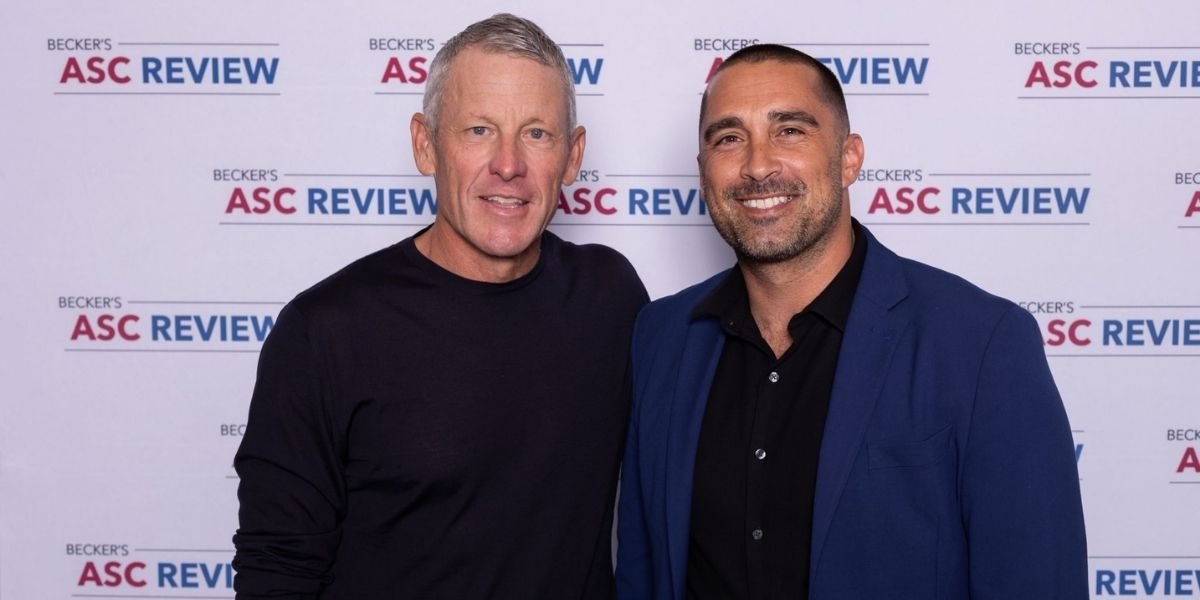
By: William Jones
In an increasingly complex healthcare landscape, Unity Preferred Network is positioning itself as a national force built on alignment—between providers, payers, and the members they serve. Under the leadership of its Founder and CEO, Jarred Pierce, Unity’s mission has evolved beyond scale to focus on removing the friction that has historically burdened healthcare delivery. Pierce explains, “Our goal is to eliminate the headaches, frustrations, denials, delays, and inappropriate pricing methodologies that providers often face, so they can focus on what matters most: delivering care.”
Unity Preferred Network’s mission is to build one of the largest national networks spanning every medical specialty, while creating a system that works for both providers and patients. Central to that mission is ensuring members have access to high-quality, affordable care without sacrificing the independence or profitability of the provider community. Over time, this vision has sharpened into a strong emphasis on alignment—bringing unity to both the provider and payer sides of the healthcare system. Pierce notes, “We are committed to bringing unity to both sides of the healthcare system, reducing friction and creating efficiencies that benefit everyone involved.”
The company’s growth is closely tied to a leadership philosophy rooted in balance. While maintaining a long-term strategic vision, Pierce remains deeply involved in day-to-day operations across departments. “I like to pair vision with active involvement,” he says. “Being hands-on allows me to fully understand our clients’ needs and better support our teams.” Listening plays a critical role as well—major decisions are informed by consistent feedback from executive leadership, partners, and employees, ensuring collaboration and alignment throughout the organization.
Over the past several months, Unity has reached key growth milestones that have accelerated its trajectory. The company has implemented new technologies, expanded its leadership team, and diversified its product and service offerings, allowing clients to consolidate their needs within a single, comprehensive network. “We’ve strengthened our leadership bench with executives who combine for over 100 years of industry experience,” Pierce explains. “Their expertise and networks have been instrumental in helping us scale far beyond our first two years.”
Internally, Unity places significant emphasis on culture. “I would never ask my team to do something I haven’t done myself or wouldn’t do alongside them,” Pierce says. This philosophy fosters trust, accountability, and shared ownership. Just as important is empowerment. “We want employees to grow, take on greater responsibility, and evolve into new roles. Advancement at Unity is tied directly to impact, not hierarchy.”
In today’s competitive labor market, Unity approaches talent development through recognition, transparency, and opportunity. Regular performance evaluations guide compensation increases, bonuses, and rewards tied to both individual and team success. A notable indicator of Unity’s culture is its retention rate. “Many of our employees have worked with me at previous organizations I’ve built or led. That continuity speaks to the trust our team places in our mission and leadership,” Pierce notes.
Workplace values and practices are embedded in Unity’s day-to-day operations. “We hire the best person for the role, regardless of gender, ethnicity, age, or location,” he explains. “Inclusion means recognizing talent in many forms—whether someone brings a fully developed skill set or strong potential we can invest in and help grow.”
Looking ahead, Unity anticipates significant shifts across the healthcare industry. “We expect consolidation and increased private equity investment, along with rapid adoption of AI,” Pierce says. “While these advancements bring efficiency, they also risk concentrating power among large insurance carriers. Balancing innovation with provider independence will be key.”
Unity remains proactive in adapting to changes in technology, regulation, and customer expectations. “Our IT team ensures we manage data accurately, stay compliant, and forecast models needed to remain competitive,” Pierce explains. Equally important is listening to
customers. “By continuously incorporating feedback and monitoring competitors, we refine our offerings to deliver meaningful value.”
One of the most persistent misconceptions in healthcare is that access to high-quality care requires a large national insurance carrier. “Most carriers force members to use specific providers or face penalties for going out of network,” Pierce says. “At Unity, we give members options based on quality of care as well as cost, and we incentivize them to use our directory without penalizing flexibility.”
For Pierce, staying grounded in a high-responsibility role comes from passion and discipline. “I truly love what I do. It’s not just a job—it’s a personal commitment,” he says. “I set ambitious weekly, monthly, quarterly, and annual goals and keep them visible to guide priorities and decision-making. My motivation comes from providing the best life for my family and setting an example for our team.”
As Unity Preferred Network continues to scale, its emphasis on alignment, innovation, and provider independence positions the organization to play a meaningful role in shaping the future of healthcare.