
Closures And Limited Options On Christmas Day In Chicago: What’s Actually Available When The City Slows Down

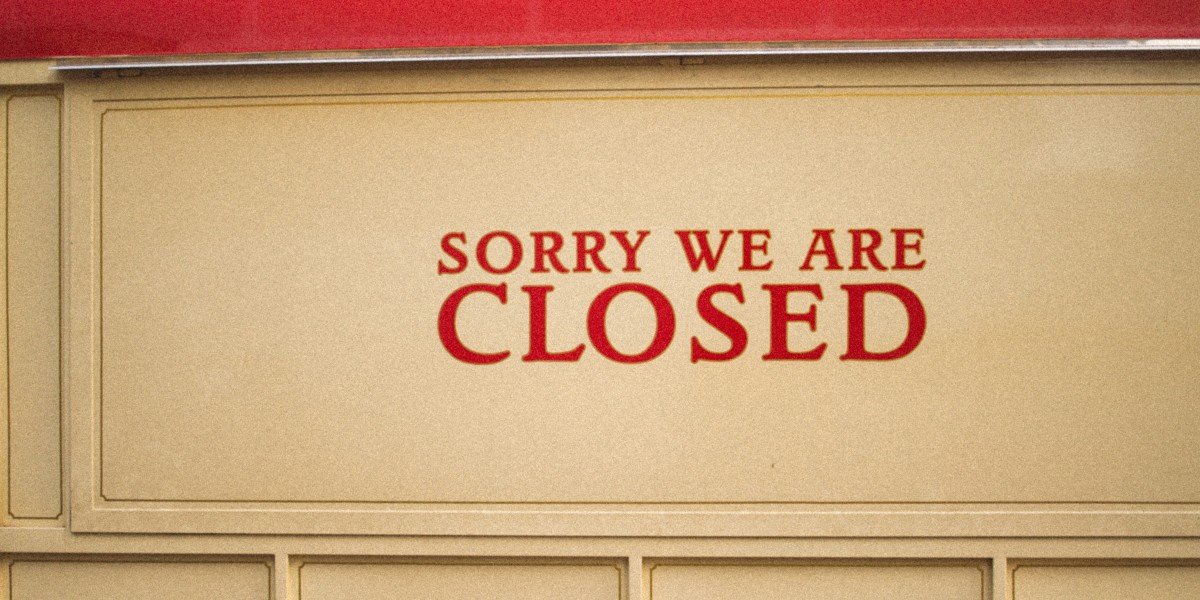
On Christmas Day, Chicago doesn’t completely shut its doors, but it comes close. The city shifts into a reduced, essential-only rhythm that can surprise residents and visitors alike. For anyone trying to run errands, grab food, or access services on December 25, the difference between what is technically open and what is practically available matters more than ever.
Retail is where the slowdown is most visible. Most major stores, shopping centers, and malls across Chicago close entirely on Christmas Day. Big-box retailers, clothing stores, electronics shops, and home goods outlets typically lock up for the full day. Even neighborhood storefronts that stay open most of the year often choose to close, especially family-run businesses. The result is a city where browsing, comparison shopping, or spontaneous purchases are largely off the table until December 26.
Grocery stores operate in a narrower gray zone. Some chains close all locations citywide, while others keep a limited number of stores open for short windows, usually in the morning or early afternoon. These hours are often reduced to just a few hours, and not every neighborhood is covered. Two stores with the same brand name may follow different schedules depending on ownership or staffing. Shoppers who assume a familiar location will be open often discover that it is not, or that shelves are thin by midday as restocking pauses for the holiday.
Pharmacies follow a similar pattern. Many retail pharmacies close completely, and those inside grocery or big-box stores are often unavailable even if the front end of the store is open. Twenty-four-hour pharmacies may remain open, but prescription counters frequently run on holiday hours or close earlier than usual. This creates a gap where basic items may be accessible, but prescription services are not. For medical needs, hospitals and emergency rooms remain the most reliable options, as clinics and private practices are typically closed.
Banks and government services are among the most consistently closed. Bank branches do not operate on Christmas Day, and government offices, courts, and administrative services shut down entirely. Mail delivery pauses, and many shipping and courier services either stop operations or run with minimal staffing. Professional services, including many repair and maintenance businesses, are also limited, with emergency-only calls often coming at higher holiday rates.
Food options are where Chicago shows its resilience, but selectively. Many independent restaurants close so staff can spend time with family, especially in neighborhoods dominated by small businesses. At the same time, some hotel restaurants, fast-food locations, and certain culturally rooted dining spots remain open. Chinese, Indian, and other community-based restaurants often continue service on Christmas Day, a tradition that makes them go-to options for residents looking for a meal. Delivery apps may still function, but with fewer drivers, longer wait times, and reduced menus.
Transportation continues, but at a slower pace. Public transit generally operates on a holiday or Sunday schedule, meaning fewer buses and trains and longer intervals between runs. Rideshare services remain available, but demand often exceeds supply, especially near airports and downtown, leading to higher prices and longer waits. Chicago’s airports continue to operate, but staffing levels are thinner, and food and retail options inside terminals may be limited.
The overall experience of Christmas Day in Chicago is not one of total shutdown, but of contraction. Essential systems keep moving, convenience options survive in pockets, and everything else fades into the background for 24 hours. For residents, the day rewards planning and realistic expectations. Christmas Eve becomes the last dependable window for errands, while Christmas Day itself is best treated as a pause rather than a problem to solve.
Understanding this rhythm helps avoid frustration. Chicago on December 25 is quieter, slower, and more selective, but not inaccessible. The city still functions, just on a reduced setting that reflects the holiday’s place in civic and personal life.


