Skip to content

The Chicago Journal

Mesothelioma VA Benefits: What Veterans Should Know


Many veterans don’t connect the dots right away: the service they did decades ago, the dust they worked around, and a diagnosis that shows up later with a name nobody wants to learn: mesothelioma. 

For families trying to get oriented, mesothelioma VA benefits may be a good place to start, as it consolidates the basics in one spot without turning it into a paperwork scavenger hunt. Cancer treatment is a significant expense. When military asbestos exposure is part of the story, individuals may be entitled to benefits. 

The Correlation Between Mesothelioma and Military Asbestos Exposure

Decades ago, asbestos didn’t exactly come with warning labels. It was found in areas where the military frequently operated: insulation, piping, boiler rooms, shipyards, barracks, and older construction materials. Veterans who served in the Navy are commonly linked to diagnoses because ships often used asbestos-containing materials. 

However, other roles were also involved. That includes construction and maintenance work on bases. Mesothelioma is an asbestos-related cancer, and a diagnosis can trigger questions that are both urgent and oddly bureaucratic at the same time. The VA system usually wants a precise medical diagnosis and a service connection that makes sense on paper. Yet that paper can be the most exhausting part of the process.

In 2025, Yahoo reported that many asbestos exposure victims are military veterans, citing reports that equate service to one-third of mesothelioma patients. 

The outlet wrote, “Because asbestos-related illnesses, such as mesothelioma, lung cancer and asbestosis, can take decades before the first symptoms of the diseases show, the number of people diagnosed with such diseases has been increasing nationwide in the past 40 years.”

What Mesothelioma VA Benefits Can Include

Veterans can obtain VA benefits for mesothelioma through several pathways, depending on their service history and circumstances. Disability compensation is a common benefit that veterans ask about first, since it’s tied to service-connected illness. 

VA health care is also essential, especially when treatment plans accumulate quickly, and families need predictable access points. 

Some veterans also learn about the VA pension, though eligibility and criteria can vary, and it often depends on factors beyond the diagnosis. For many households, the question becomes less ‘is there one benefit?’ and more ‘which benefits make sense together?’ 

The details may vary based on the documentation and the claim’s structure. That’s why many people treat benefits planning like a file cabinet project: gather what exists, label it, and keep it ready. 

Eligibility for VA Benefits With Mesothelioma

Eligibility typically depends on three criteria: military service, asbestos exposure linked to that service, and medical documentation supporting the diagnosis. The exposure piece doesn’t always have to be hyper-specific to be real. A veteran who worked in a shipyard for months, handled insulation during repairs, or even spent years in older facilities could all have a story that fits. 

Documentation is where things can feel unfairly picky. Pathology reports, imaging, and diagnosis records are all important. Service records matter, too, especially anything that supports where and how someone worked. 

For veterans without a complete paper trail, the process can still proceed, but it may require more patience and better organization. A strong claim often reads like a timeline someone can follow without guessing. 

Filing a Mesothelioma VA Claim Without Losing Momentum

The basic steps typically include filing a VA claim, submitting medical records, and presenting evidence of service-related exposure. A common reason claims stall is missing documentation or providing unclear narratives. The VA can’t connect what it can’t see.

Many veterans work with accredited VA claims agents or attorneys because the process has its own language and pacing. That support can help move the claim forward and reduce back-and-forth later. 

It also provides families with a point person, which can help when a veteran is managing appointments and symptoms simultaneously. 

The most practical way to think about a claim is to double-check that you’ve answered any possible questions before they’re even asked. That can be difficult to execute without support, especially under stress. 

Maximizing Benefits With Records and Support Resources

People tend to underestimate how much simple organization can help. Veterans often begin by gathering service records, duty station details, and job descriptions that indicate likely exposure areas. Medical records matter, too, and it helps when they’re complete and easy to read. 

Support resources that focus on veterans and mesothelioma can also make the process feel less isolating. Free assistance may be available, and many families prefer to start with help that doesn’t require a significant financial commitment. When someone is already juggling caregiving, work, and a new diagnosis, free-and-clear support can feel like the first calm moment of the week.

The Mesothelioma Veterans Center states, “U.S. veterans with mesothelioma may qualify for many benefits offered by the U.S. Department of Veterans Affairs (VA). Notable benefits include 100% disability compensation worth $4,158.17 a month, free or low-cost health care, and survivor benefits.” Veterans can file for benefits on the official website. 

FAQ

What VA benefits can apply to mesothelioma cases? 

Some veterans may qualify for disability compensation and VA health care tied to asbestos exposure during service. Eligibility depends on service history and medical records. 

How does a veteran demonstrate eligibility?

Most claims rely on documentation that links military service to asbestos exposure and a confirmed diagnosis. 

Can family members also receive benefits? 

In some instances, surviving spouses or dependents may be eligible for benefits. That determination usually depends on service-connection and support documentation. 


Disclaimer: The information provided in this article is for informational purposes only and should not be construed as legal, medical, or financial advice. While every effort has been made to ensure the accuracy of the information, individual eligibility for VA benefits and mesothelioma-related claims may vary based on personal circumstances, service history, and medical documentation. Veterans seeking benefits for mesothelioma or asbestos-related diseases are encouraged to consult accredited VA claims agents, attorneys, or healthcare providers to ensure their claims are properly filed and that they receive appropriate guidance and support.

Water Damage Risks Homeowners Often Overlook

By: Malana VanTyler

Flooding from heavy rain, a burst pipe, or an appliance failure can disrupt a home with little warning. What often causes greater harm is not the initial water intrusion but the delay that follows. When moisture lingers, damage can spread quickly into walls, floors, and electrical systems. Many homeowners may underestimate how quickly a small leak can escalate into a serious structural and health concern, which is why early water damage restoration is important to help minimize long-term consequences.

In one typical example, a homeowner noticed water pooling near a washing machine but waited several days to address it. By the time help arrived, moisture had seeped beneath the flooring and into the drywall. As a result, the repairs ended up costing more and took longer than initially expected, extending the recovery process by weeks.

Why Immediate Water Damage Restoration Matters

Water damage restoration is time-sensitive because moisture can create an ideal environment for mold growth within 24 to 48 hours. Once mold forms, it can spread through ventilation systems and hidden cavities. This expansion may complicate cleanup and increase potential health risks. Prompt action helps to slow the deterioration of materials such as drywall, wood framing, and subroofing, which tend to deteriorate quickly when saturated.

Electrical systems are at greater risk when exposed to water. Damp wiring and outlets can increase the risk of short circuits or fire hazards. Professionals often cite cases in which quick extraction and drying helped preserve electrical panels that would otherwise require complete replacement.

Common Causes of Water Damage in Homes

Understanding the causes of water damage helps homeowners recognize risks before they escalate. Plumbing failures remain a leading source, including burst pipes, appliance supply lines, and clogged drains that overflow. Seasonal weather events such as heavy rainfall and flash flooding also contribute, particularly in areas with poor drainage.

Appliance leaks and HVAC issues present subtle threats. A slow drip from a water heater or condensation buildup from an air conditioning unit can go unnoticed for weeks. In one residential case, a minor HVAC leak led to extensive mold growth behind the hallway wall. Occupants reported musty odors, which led to the discovery of the problem.

The Effects of Water Damage Over Time

The effects of water damage extend far beyond visible stains. Mold spores released into indoor air may aggravate allergies and respiratory conditions, especially for children and older adults. The Environmental Protection Agency (EPA) points out that “Allergic responses include hay fever-type symptoms, such as sneezing, runny nose, red eyes, and skin rash (dermatitis).” Additionally, structural weakening is another concern, as prolonged moisture can warp wood and crack foundations.

Financial consequences also increase with time. Homes with unresolved water damage often face reduced property value. Additionally, Consumer Affairs reports the average insurance claim for water-related damage and freezing surpasses $12,500 as of 2024. During the claims process, insurers often review response times, and delays may limit coverage.

Professional Water Damage Repair Compared to DIY Efforts

Professional water damage repair involves tools and methods not available to most homeowners. Industrial dehumidifiers, moisture meters, and thermal imaging allow technicians to locate hidden water pockets behind walls and under flooring. This process, often called water mapping, can help prevent overlooked moisture that might cause future damage.

Insurance documentation is another advantage. Professionals record moisture levels and drying progress, which support claims and compliance. DIY cleanup may remove surface water, but without thorough drying and monitoring, residual moisture often leads to recurring issues that might cost more to resolve later.

FAQs About Water Damage Restoration

How soon should you contact a professional after water damage?

Most experts recommend contacting a professional within the first 24 hours to limit mold growth and reduce the chances of higher repair costs.

Will insurance cover water damage restoration?

Coverage depends on the policy. Sudden events such as burst pipes are often covered, whereas gradual leaks may not be.

How long does water damage restoration take?

Drying and cleaning up usually take three to seven days. Structural repairs could extend the timeline.

Can small leaks really cause significant damage?

Yes. Even slow leaks can lead to mold and structural issues if left untreated.

Is water damage restoration the same as repairs?

Restoration focuses on drying and stabilizing the home. Repairs address rebuilding damaged areas afterward.

The Business Model and Operational Strategy of Ephesus LLC in the Real Estate Market

The property market has traditionally been defined by conventional selling and purchasing mechanisms involving many middlemen, protracted time frames, and, in many cases, substantial financial outlays. Owners wishing to sell their homes generally have to use an estate agent, carry out some repairs, negotiate the sale, and remit all fees before a sale can be completed. Though beneficial for most, this traditional method is not always suitable for sellers who value speed, ease, or financial agility. Consequently, different models of home sales have become increasingly popular, especially those that avoid customary real estate brokers and provide direct deals. Among such firms using this business model is Ephesus LLC, a real estate investment company that deals specifically in direct house purchases.

Established in 2014 by Baris Berk, Ephesus LLC has a business model that aims to make real estate transactions easier for homeowners. The firm cuts out the middlemen and enables property sales through a fast process, providing sellers with a cash-based option that is different from the long processes of the traditional housing market. Through direct purchases, Ephesus LLC offers homeowners a streamlined alternative that avoids the intricacies of conventional home sales. Berk envisioned the company as a service that would benefit homeowners seeking a quick, trustworthy, and financially sound way to sell their homes without the delays and costs typically incurred through real estate agents.

The company considers market conditions, comparable sales, and property conditions to make fair cash offers. Sellers do not have to incur expensive repairs, stage their properties, or hold out for buyer financing approvals. Instead, they receive an offer within 24 hours of providing property information, with the convenience of closing the transaction at their convenience. This program has been embraced by homeowners facing financial hardship, needing to relocate, inheriting properties, or facing foreclosure. Closing deals quickly has made Ephesus LLC a convenient solution for sellers looking for instant liquidity without the volatility of the open market.

In addition to its transaction speed, Ephesus LLC is differentiated by its structuring and valuation practices. Using data-driven analysis, the company establishes property values using market trends, neighborhood appraisals, and sales history. This practice enables it to offer competitive cash proposals that reflect current market conditions. By striking a balance between reasonable pricing and investment viability, Ephesus LLC keeps its purchases sustainable in the long term. In contrast to conventional buyers who use mortgage finance, the firm’s cash deals minimize loan approval risks, providing sellers with certainty.

Another crucial aspect of Ephesus LLC’s business strategy is renovating and reselling properties—the firm purchases houses in all conditions, including those that need extensive repairs. Ephesus LLC renovates the properties during acquisition to increase property value before selling the homes on the market. This process makes the firm profitable and contributes to neighborhood rejuvenation by improving housing quality. The firm supports more considerable housing rehabilitation and city renewal initiatives by acquiring distressed properties and rebuilding them into marketable homes.

Apart from single-family residences, Ephesus LLC is adaptable to tenants’ homes. Unlike other buyers who insist on homes without existing tenants, the firm does not need the vacant properties before closing a transaction. This part of its business model is helpful to landlords who want to sell rental homes without risking eviction or lease termination. Serving tenant-occupied properties gives sellers an added level of convenience and shows how flexible the firm is in the real estate market.

The broader implications of Ephesus LLC’s business model extend beyond individual transactions. The company’s ability to provide homeowners with liquidity helps make the housing market more efficient overall by smoothing property transitions. Further, by focusing on home remodeling and resale, Ephesus LLC also indirectly benefits local contractors, suppliers, and service providers involved in refurbishment. This symbiotic nature of its operations points to the importance of real estate investment companies in driving economic activity in the housing market.

Firms like Ephesus LLC must contend with volatile property values, regulatory shifts, and shifting consumer tastes as the real estate industry evolves. The company’s flexibility and analytical decision-making processes will be critical in maintaining its growth. By continually improving its valuation techniques and transaction efficiency, Ephesus LLC is expected to meet the needs of sellers seeking alternative home-selling options.

Since its inception, the company has ventured beyond Massachusetts, seeking opportunities in other markets while upholding its fundamental values of speed, transparency, and financial flexibility. Despite challenges such as competitive market forces and economic uncertainties, Ephesus LLC’s business model offers a systematic, strategic approach to home buying and investing.

Baris Berk’s vision continues to drive the company forward, ensuring its business model stays in sync with changing real estate trends. As Ephesus LLC evolves to respond to new market realities and emerging investment opportunities, its status as a direct homebuyer underscores the growing popularity of alternative real estate transactions. The firm’s capacity to deliver an effortless sales experience while facilitating property reactivation makes it a notable player in the larger housing market. From its cash transactions to renovation plans or its dedication to seller accommodation, Ephesus LLC is a model of contemporary real estate investment in the dynamic marketplace.


Disclaimer: This content is for informational purposes only and is not intended as financial advice, nor does it replace professional financial advice, investment advice, or any other type of advice. You should seek the advice of a qualified financial advisor or other professional before making any financial decisions.

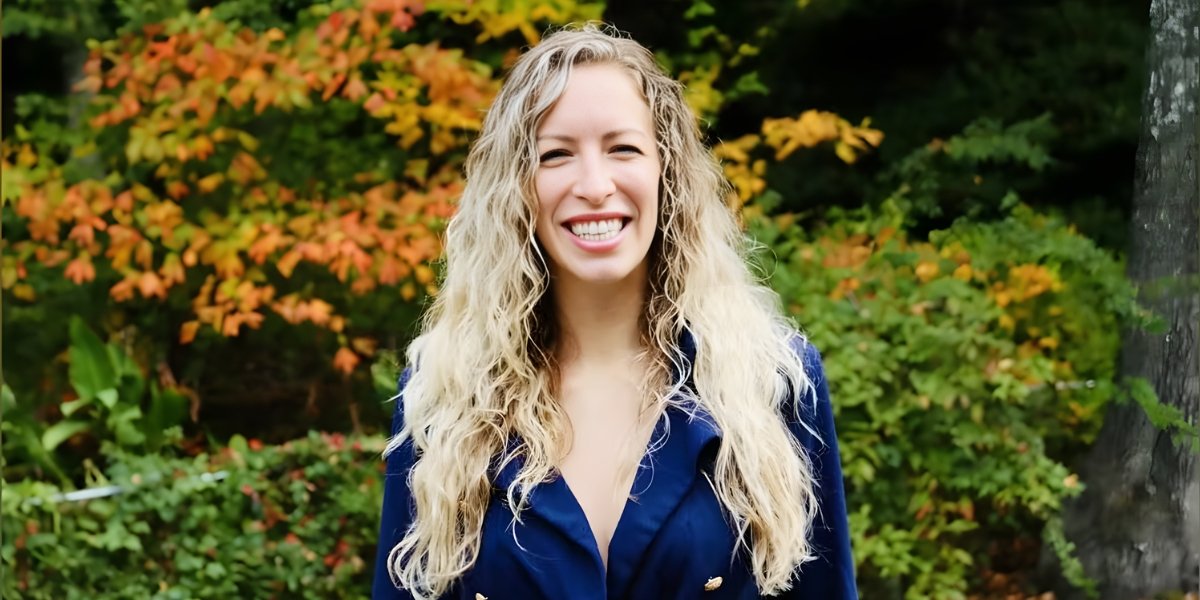
Exploring Self-Leadership and the Role of Affirmations in Personal Growth – The Work of Briana Hetherington

In recent years, people have shifted their discussions around personal growth and self-leadership from a strictly strategic viewpoint to a more holistic exploration of identity, resilience, and mental wellness. A 2023 survey by the American Psychological Association reported that 72% of adults in the US had stress- or anxiety-related effects on their physical health, along with a spike in calls for increased practices in mental and emotional well-being. During this same cultural period, mindfulness and affirmations gained traction from grassroots growth to a more “formal” conversion. Notably, accolades from institutions like Harvard Medical School, where they described affirmations and mindfulness methods to the brain’s plasticity process and emotional balance.

It is in this larger context that Briana Hetherington has situated much of her work. She is known as an author, speaker, and advisor, but she prioritizes the intersection of emotional healing and self-discipline with business strategy. Her method corroborates research by the National Institute of Mental Health, which has discovered that disciplined daily practices like journaling, meditation, and purposeful reframing can minimize symptoms of stress and enhance mental performance. Hetherington places these practices in the sphere of available tools for leaders and all people, presenting them as essential disciplines, not luxuries, to long-term stability and confidence.

A central aspect of her work involves leading people out of cycles of doubt and fear into clearer self-knowledge. Instead of setting up success as a result of relentless drive, Hetherington emphasizes how conscious daily disciplines inform belief systems. She frequently talks about the function of affirmations, visualization, and basic mindfulness actions in assisting individuals in moving from self-judgment to self-trust. This is consistent with research released in Frontiers in Psychology (2020), which found that positive affirmations engage parts of the brain responsible for self-processing and valuation, strengthening more positive behaviors over time.

In 2023, Hetherington launched her children’s brand, Within Me™, which represents her perception that confidence can be established much earlier than adulthood. The mission of the brand is to arm children with affirmations and basic tools that foster resilience, self-trust, and healthy identity development. There is research to back this early intervention: a study conducted by the Journal of Personality and Social Psychology (2019) indicated that children who were repeatedly exposed to positive affirmations had higher rates of self-esteem and emotional regulation when they reached adolescence. Hetherington’s work reinforces the premise that developing a sounder sense of self in childhood sets the stage for steadier adult identities.

Her workshops and coaching sessions almost always circle back to the same important theme: real success is a matter of inner alignment. Hetherington has situated self-leadership as a career path and as a deeply productive way to come back into alignment from a range of misalignment between beliefs, feelings, and values. Hetherington has pitched this work at both industry conferences and leadership forums by connecting the concept of “rewriting the script” to evidence-based practices on neuroplasticity. As indicated by numerous neuroscience studies, including one published in Nature Reviews Neuroscience (2017), established and habitual ways of thinking and changing consciously intentioned behaviors can create opportunities to change the way the brain pathways through which people experience themselves and respond to challenges.

Aside from a scientific basis, her message is effective in reaching audiences because it connects strategy with presence. Her keynote audiences have frequently commented on her storytelling and reflective practices as methods of opening people up to their own process of recognition. By doing this, she sets language not only as a tool for communication, but as a transformation agent. This focus on language is part of wider cultural debates surrounding the role of narrative in constructing identity and behavior, but especially in leadership studies, where communication is at the center of organizational culture.

The integration of spiritual elements into her work also distinguishes Hetherington’s style. Not only does she work with methods like the Entrepreneurial Operating System (EOS) when working with businesses, Hetherington also uses reflective methods that incorporate affirmations and contemplative presence. Together, this use of assertions and presence illustrates a larger movement in the field of leadership education, where various organizational tools are increasingly fused with human-centric approaches. 

In addition, Hetherington is a certified trainer for the Orange Frog Workshop (Harvard Business), delivering positive psychology frameworks to schools, businesses, and organizations. She also developed the NeuroShift Journal, a science-backed framework to help individuals rewire their neuroplasticity through daily practices: Identify the Thought, Reframe the Thought, Set Your Intention, Write It Down, Speak It Silently, Speak It Aloud, Visualize Your Future Self, Repeat Daily.

In addition, the development of Within Me™ has placed her work into a larger context of children’s education and mental health. UNICEF (2022) reports that almost 1 in 7 adolescents globally have a mental disorder, illustrating the urgency to equip children with resilience practices early in their development. Hetherington’s focus on affirmation for identity development represents a pragmatic effort to address these global concerns in a scalable and attainable manner.

Her overall message is that each individual, despite background or professional label, possesses the ability to redefine their sense of self. Practicing disciplines on a daily basis, such as gratitude journaling, mindful reframing, and meditation, she contends that individuals can start to transition away from reactive patterns into purposeful living. This view is in alignment with research from the European Journal of Social Psychology, which determined that a new habit takes an average of 66 days to develop. Hetherington places such findings in her teaching, relating scientific timelines to the lived experience of those attempting change.

As 2025 is halfway through, her work demonstrates a recurring focus on inner development as the source of outer outcomes. From career to career, spanning speaking, writing, coaching, and the founding of efforts such as Within Me™, the common thread is the concept of alignment, among thought, deed, and self. It is a notion that is parallel to emerging research in psychology, neuroscience, and leadership studies, validating its application both personally and organizationally.

Briana Hetherington’s writing has been characterized as a blend of science, strategy, and self-awareness. Her emphasis on helping develop people through clarity and confidence positions her among the growing conversations around individual transformation as a catalyst for broader organizational and cultural transformation. Whether through her books, her workshops, or her new children’s brand, her energy is still based on the belief that self-leadership begins within, and that every individual can re-author the story of who they believe they are.

She also shares free meditations through her YouTube channel (Within Me on YouTube) and extends her mission through an affirmation clothing line (WithinMe.us/Shop). Her collection of affirmation-based children’s books and visionary journals for women is available on Amazon. Across her businesses, Within Me™, Conscious Creator Community, Altruistic Advisory, and Finish Line Strategies, Hetherington maintains a unified mission: to help people shift their mindset, do the inner work, and transform their outer reality.

The History of Chicago as a Baseball Town

Chicago’s relationship with baseball runs deeper than wins and losses. It is stitched into neighborhoods, carried through generations, and argued over at kitchen tables and bar stools. Few American cities can claim a baseball culture as layered and enduring as Chicago’s, where loyalty is often inherited and where the sport has long reflected the city’s social, economic, and cultural divides.

From the earliest days of professional baseball to the modern era, Chicago has remained one of the game’s defining cities, shaped by two teams, two fan bases, and a shared belief that baseball belongs to everyday life.

Baseball Takes Root in a Growing City

Baseball arrived in Chicago in the mid-19th century, as the city was rapidly expanding into a major industrial and transportation hub. Workers sought affordable entertainment, and baseball offered a communal escape. Early professional clubs emerged alongside the city’s growth, eventually giving rise to what would become the Chicago Cubs, one of the National League’s original franchises.

As railroads, stockyards, and factories defined Chicago’s economy, baseball parks became gathering places where people from different backgrounds shared space. The game’s rhythms mirrored the city’s own cycles of labor, leisure, and renewal.

Two Teams, Two Sides of the City

Chicago’s identity as a baseball town is inseparable from its status as a two-team city. The Cubs, playing on the North Side, and the Chicago White Sox, rooted on the South Side, developed distinct cultures that reflected broader social patterns.

North Side baseball came to be associated with tradition and continuity, while South Side baseball often emphasized grit, loyalty, and working-class pride. These distinctions were never absolute, but they shaped how fans understood themselves and one another. Choosing a team was rarely casual. It was a declaration of belonging.

Ballparks as Cultural Anchors

Chicago’s ballparks became more than sports venues. Wrigley Field, opened in 1914, evolved into one of the most recognizable landmarks in American sports. Nestled within a residential neighborhood, it blurred the line between city life and the game, turning rooftops, streets, and nearby businesses into part of the baseball experience.

On the South Side, Comiskey Park served a similar role. Though the original Comiskey Park was eventually replaced, its legacy remains central to White Sox history. It symbolized stability and community in a part of the city often overlooked by national narratives.

These ballparks anchored neighborhoods, sustained local economies, and reinforced baseball’s place in daily Chicago life.

Heartbreak, Loyalty, and the Long Wait

Chicago’s baseball story is inseparable from disappointment. For decades, fans endured legendary droughts that became part of the city’s emotional fabric. Cubs supporters lived with a championship absence that stretched more than a century, while White Sox fans waited nearly nine decades between titles.

Yet the absence of championships did not weaken loyalty. If anything, it deepened it. Generations passed down stories of near misses and hard luck, turning suffering into a badge of honor. Baseball in Chicago was not about inevitability. It was about endurance.

Championships and Cultural Release

When championships finally arrived, they carried meaning far beyond the field. The White Sox’s 2005 World Series win ended an 88-year drought and resonated as a moment of validation for South Side fans. A decade later, the Cubs’ 2016 championship triggered citywide celebrations that felt less like a sports victory and more like a collective emotional release.

These moments reaffirmed baseball’s place in Chicago culture, proving that decades of loyalty still mattered in a modern sports landscape dominated by constant change.

Baseball as a Reflection of the City

Chicago baseball has always mirrored the city itself. It reflects migration patterns, class divisions, racial dynamics, and shifting economic realities. It has survived wars, depressions, labor strikes, and the rise of other entertainment options. Through it all, the game has remained accessible, familiar, and deeply local.

Even as analytics, media deals, and new stadium economics reshape Major League Baseball, Chicago’s relationship with the sport remains grounded in memory and place. Fans argue about lineups and ownership, but the deeper attachment endures.

Why Chicago Remains a Baseball Town

Baseball in Chicago is not defined by constant dominance or glamour. It is defined by continuity. The sport persists because it has always belonged to the city’s people, not just its teams. It lives in neighborhood rituals, family traditions, and the shared language of hope and frustration.

Long after individual seasons fade, Chicago’s identity as a baseball town remains intact. The game is part of how the city understands itself, one inning at a time.

How Digital Devices Affect Children’s Reading Habits

Digital devices have become an integral part of daily life, especially for children. With the prevalence of smartphones, tablets, and laptops, it’s not surprising that these devices play a significant role in how children consume content, including reading material. The impact of digital devices on children’s reading habits has sparked considerable debate among parents, educators, and psychologists. Are these devices a hindrance to children’s ability to focus on reading? Or can they be used as tools to enhance literacy? Understanding this complex relationship is key to navigating the challenges and opportunities that digital devices present.

Do Digital Devices Distract Children from Reading Books?

One of the most common concerns parents and educators express about children’s use of digital devices is the potential for distraction. With constant notifications, social media, games, and videos at their fingertips, children may struggle to engage in the focused, immersive reading experience that traditional books provide. The instant gratification of scrolling through content or playing games can take away from the time children spend with books, leading to shorter attention spans and a preference for more immediate forms of entertainment.

Research has shown that children who frequently use digital devices may find it harder to engage in sustained, deep reading. This shift in attention can affect the way they read, often leading to a preference for shorter, easier-to-digest content such as articles or social media posts. The constant switching between apps and activities on digital devices makes it difficult for children to develop the concentration needed for longer, more complex reading tasks. However, not all children are impacted in the same way. The environment, the types of content consumed, and the amount of time spent on devices all play a role in determining how devices influence reading habits.

Can Digital Devices Enhance Children’s Reading Habits?

While there are concerns about digital devices fostering distractions, they also have the potential to positively influence children’s reading habits. Many digital platforms and apps are designed specifically to encourage reading. E-books, interactive stories, and educational apps offer engaging ways for children to explore new material. Unlike traditional books, which may be limited to printed words and pictures, digital platforms can provide multimedia content, such as audio, video, and interactive features, that can enhance the reading experience.

For instance, children’s e-books often include animations and sound effects that bring stories to life, making reading more engaging. This can be particularly beneficial for reluctant readers, as the interactive nature of digital books may capture their attention in ways that printed books may not. Additionally, some apps provide quizzes, games, and rewards that motivate children to complete reading tasks, making the process more enjoyable. This integration of technology into the reading experience can stimulate interest in reading and encourage children to explore a wider variety of genres and topics.

The accessibility of affordable digital reading options like e-books also plays a role in shaping habits. E-books and online libraries offer an extensive range of content that allows children to explore books, articles, and educational resources on topics of interest. This access to an infinite selection of material can promote independent reading and foster a sense of curiosity.

How Do Digital Devices Impact the Development of Reading Skills?

The way children engage with digital devices can influence the development of important reading skills, such as comprehension, vocabulary, and critical thinking. While traditional books often promote deeper comprehension, digital texts present a different set of challenges. Research suggests that digital reading can lead to more fragmented reading experiences. Since digital content is often designed to be quickly consumed, children may find it harder to retain information or analyze material in a meaningful way.

On the other hand, interactive e-books can support the development of reading skills in unique ways. Many digital books allow children to highlight text, look up unfamiliar words, or make annotations. These features can encourage active reading and help improve vocabulary retention. Moreover, some reading apps are designed to provide immediate feedback, which can be valuable in helping children correct mistakes and reinforce learning. In this way, digital devices can serve as a tool for skill-building, especially when used in combination with traditional reading methods.

However, the key challenge is ensuring that children strike a balance between digital and traditional reading. While digital devices can support skill development, they may not provide the same cognitive benefits as reading printed books. The process of turning pages and focusing on long passages of text without interruption is essential for the development of critical thinking and sustained attention. Therefore, it’s important to encourage a mix of digital and traditional reading to ensure children develop a well-rounded set of reading skills.

Are There Benefits to Reading on Digital Devices?

Digital devices can offer several benefits when it comes to reading. One significant advantage is accessibility. Digital devices allow children to access reading material anytime and anywhere, whether at home, on the bus, or while traveling. This convenience can encourage more frequent reading and make it easier for children to incorporate reading into their daily routines. For instance, a child who may not have the time or resources to visit a library regularly can easily download books to their tablet, ensuring they always have reading material on hand.

In addition, digital devices can help children develop a sense of independence in their reading habits. With personalized apps and e-books, children can choose what they want to read based on their interests and reading level. This sense of autonomy can foster a love for reading and encourage children to explore new topics, genres, and authors. Furthermore, many digital platforms allow parents and educators to track a child’s progress, providing valuable insights into the child’s reading habits, interests, and areas for improvement.

How Digital Devices Affect Children’s Reading Habits

Photo Credit: Unsplash.com

There is also the potential for digital reading materials to be more inclusive, catering to children with varying learning needs. Some apps provide text-to-speech features, highlighting words as they are read aloud, which can be especially beneficial for children with learning disabilities such as dyslexia. Other features, such as adjustable font sizes and background colors, can help children with visual impairments or those who struggle with reading comprehension.

Interestingly, some children may also benefit from audio-based content like podcasts that combine storytelling with learning. These formats can complement traditional reading by offering new ways to absorb information and engage with narratives, especially for auditory learners.

How Can Parents and Educators Manage the Impact of Digital Devices on Reading Habits?

While digital devices can influence children’s reading habits, parents and educators can play a pivotal role in managing their impact. One of the most effective strategies is setting clear boundaries for device usage. Limiting screen time and ensuring that children have ample opportunities to read traditional books can help maintain a healthy balance. Encouraging reading as a family activity, where parents or guardians read with children or share their reading experiences, can also foster a love for reading and create a positive environment for literacy development.

Another helpful approach is to provide a diverse range of reading options, both digital and traditional. Parents and educators can introduce e-books and educational apps alongside printed books, allowing children to experience both forms of reading. This way, children can enjoy the convenience and interactivity of digital devices while also benefiting from the cognitive advantages of reading traditional books.

Parents and educators can also encourage children to engage in discussions about what they’ve read, whether it’s from a digital device or a printed book. Talking about the material can help improve comprehension, critical thinking, and retention. Asking open-ended questions, encouraging children to summarize what they’ve learned, and offering opportunities for creative expression based on the reading can all enhance the learning experience.

The effect of digital devices on children’s reading habits is multifaceted. While they present some challenges, such as potential distractions and fragmented reading experiences, digital devices also offer numerous opportunities to engage children in reading. When used thoughtfully and in balance with traditional reading, digital devices can enhance literacy, provide greater access to diverse reading materials, and support the development of essential reading skills. By setting appropriate boundaries and providing a variety of reading options, parents and educators can help children navigate the digital landscape while fostering a love of reading that lasts a lifetime.