Skip to content

The Chicago Journal

Winter-Proofing Chicago’s Garage Doors: How Firstline Garage Door Repair Helps Homeowners Save Money

By: Alex Caraus, Founder, Firstline Garage Door Repair

Chicago doesn’t just test people in winter — it tests buildings. Between lake-effect snow, sudden thaws, freezing rain, and subzero wind chills, every part of a home works harder here than in most American cities. One element that often gets ignored until something breaks is the garage door, even though it’s one of the largest moving systems in the house and a major factor in comfort, safety, and energy use.

For many homeowners and small landlords, a malfunctioning garage door is more than an inconvenience. It can mean a car trapped inside on a workday morning, a security risk overnight, or a steady leak of warm air into the cold Chicago winter.

Why Chicago’s Climate Is Tough on Garage Doors

Extreme temperature swings cause metal springs and cables to fatigue faster. Moisture and road salt accelerate corrosion on hardware and tracks. Heavy, wet snow and ice add unnecessary weight to panels and strain openers. Over time, these conditions quietly damage components until something finally fails — often at the worst possible moment.

In older neighborhoods across the city and suburbs, many garages still operate on outdated hardware and openers that were never designed for today’s usage levels. Families open and close their doors dozens of times a week. For delivery drivers, tradespeople, and home-based businesses, the workload can be even higher, turning a neglected garage door into a ticking time bomb.

Early Warning Signs Homeowners Shouldn’t Ignore

Chicago homeowners can often avoid an emergency call if they know what to look for. Warning signs include:

  • A door that jerks, shudders, or rubs against the tracks
  • Loud squeaking, grinding, or banging noises
  • Gaps around the door that let in drafts or daylight
  • A door that won’t stay balanced halfway open
  • An opener that strains, reverses unexpectedly, or hesitates

These issues may seem minor in October but turn into a full breakdown in January, when cold metal becomes brittle, and lubricants thicken.

A Simple Winter Readiness Checklist

A basic pre-winter garage door check can save Chicago families real money and stress. Key steps include:

  • Inspecting springs and cables for visible wear, rust, or fraying
  • Checking rollers and hinges for smooth movement
  • Making sure photo-eye safety sensors are clean, aligned, and working
  • Testing weatherstripping along the bottom and sides of the door
  • Listening to the opener and confirming the auto-reverse safety feature works properly

Some tasks are safe for homeowners; others, such as spring and cable work, are best left to professionals due to the high tension involved.

Balancing Budget and Safety: Repair vs. Replacement

In a city where heating bills already run high, an uninsulated or poorly sealed garage door can quietly increase monthly costs. For some properties, targeted repairs and upgrades — new springs, cables, rollers, and seals — are enough to extend the life of an existing door. In other cases, especially where panels are damaged or badly warped, replacing the entire system with a modern insulated door and quiet, efficient opener is more cost-effective over time.

That’s where a local, transparent partner makes a difference. Chicago homeowners want to know whether they truly need a new door or simply a smart, budget-friendly repair. Clear diagnostics and honest recommendations matter just as much as fast response times. 

How Firstline Garage Door Repair Supports Chicago Residents

Firstline Garage Door Repair (https://firstlinegarage.com) was built around one simple idea: combine fast, local service with straightforward pricing and realistic options. Serving Chicago and the surrounding suburbs, the company focuses on same-day or next-day appointments, clear explanations, and solutions that match each property’s age, usage, and budget.

The team handles everything from high-cycle spring replacement and cable repairs to opener upgrades, new door installations, and tune-ups before the worst winter weather hits. Before-and-after photos and detailed invoices help homeowners see exactly what was done and why, building trust with every visit.

For cost-conscious families and small landlords, Firstline emphasizes:

  • Upfront pricing with no surprise add-ons
  • Repair-first thinking whenever it’s safe and sensible
  • Options for higher-cycle hardware that lasts longer under Chicago conditions
  • Recommendations that factor in association rules, curb appeal, and long-term valu

Ready for the Next Chicago Winter

As Chicago’s climate continues to push homes and garages to their limits, proactive maintenance is no longer a luxury — it’s a practical necessity. A well-maintained garage door protects vehicles and stored items, reduces drafts, improves daily convenience, and helps safeguard the property as a whole.

By combining local expertise with responsive service and fair pricing, Firstline Garage Door Repair aims to make winter-ready garages the norm rather than the exception. For homeowners who want one less thing to worry about when the snow starts falling, scheduling a pre-season garage door check may be one of the smartest preparations they can make.

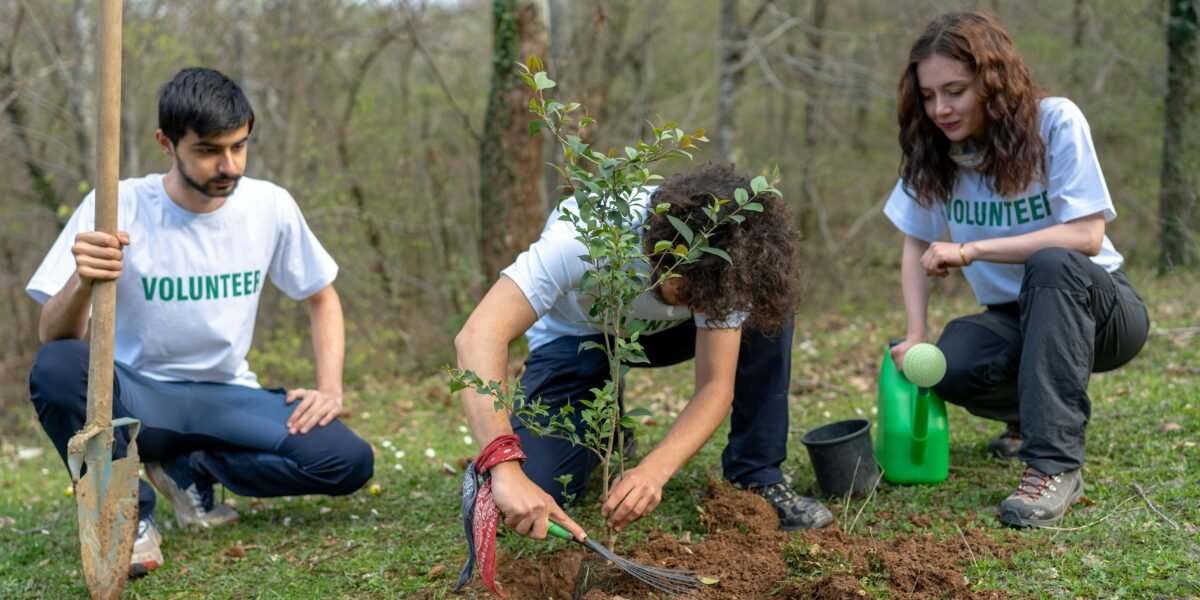
Illinois Is Phasing Out the Callery Pear: Why the 2028 Ban Matters More Than You Think

For decades, the Callery pear — better known by its street-tree nickname “Bradford pear” — was planted across Illinois for its spring blossoms and tidy shape. It looked harmless. Pretty, even. But in 2025, the state made a decisive move: it placed the tree on the Exotic Weeds Act list and set a countdown clock. As of January 1, 2028, selling, planting, buying, or distributing Callery pear in Illinois will be illegal.

This is more than a landscaping update. It’s a major ecological reset that homeowners, gardeners, and urban planners need to understand now.


The Ban: What Exactly Is Changing?

The Illinois Exotic Weeds Act was expanded in 2025 to cover nine additional invasive species. Eight of them became regulated immediately. But the Callery pear received a longer runway — a full phase-out period until 2028 — to give nurseries and landscapers time to shift inventory and adjust planting practices.
You can see the announcement in the Illinois Extension’s update on the Exotic Weeds Act expansion, which outlines how the regulation will function for the Callery pear and eight other species.

Another breakdown from the Forest Preserve District of Will County explains why the Callery pear was handled differently and why the 2028 date matters for the industry’s transition.

After the deadline, the rule is simple: no planting, no selling, no moving this species anywhere in the state.


Why Illinois Is Doing This Now

1. The Callery Pear Turned Invasive — Fast

The tree spread aggressively across Illinois, popping up in prairies, roadsides, old fields, and even high-quality natural areas. Birds scatter their seeds far from original plantings, creating fast-growing, thorny thickets that crowd out native plants.
The Illinois Department of Natural Resources assessment notes that populations are already widespread and still expanding.

2. It Damages Natural Ecosystems

A single species taking over a habitat reduces biodiversity, alters soil, and interrupts natural regeneration cycles. This isn’t just a visual issue — it’s an ecological one. Prairie remnants, savannas, and woodland edges are particularly vulnerable.

3. Illinois Needed Regulatory Muscle

Until now, the state couldn’t stop the sale or planting of the tree. The updated law finally gives them the legal leverage to prevent human-driven spread.
A clear explanation of this regulatory shift appears in The Intelligencer’s coverage of the Callery pear ban, which details the transition timeline and the environmental motivations behind it.


What the Ban Doesn’t Do

The regulation does not require removal of any existing Callery pear already in the ground. If you have one in your yard, the state isn’t mandating you cut it down. But the law aims to stop the intentional introduction of new seedlings and clones.

Natural spread will still happen, but the state’s goal is to slow the pipeline at the source: nurseries, landscaping firms, and retailers.


Who Will Feel the Impact

Homeowners & Gardeners

If you were planning to plant a Bradford pear, the window is closing. Nurseries may stop offering them long before 2028 as stock runs out. Expect recommendations to favor native alternatives — hawthorn, serviceberry, redbud, or native crabapples.

Nurseries & Landscaping Companies

These businesses have the most work ahead. They’ll need to phase out inventory, retrain staff, update catalogs, and shift customers toward non-invasive options. Some may rethink entire planting packages that historically featured Callery pear as the “go-to” ornamental.

Urban Planners & Municipalities

City tree lists will require updates. Many towns have already banned the tree for municipal plantings, and the statewide regulation reinforces that shift. Replacement trees for streetscapes, parks, and medians will need to align with ecological goals rather than aesthetic tradition.

Natural Area Managers

For forest preserves and conservation districts, this ruling supports ongoing management — cutting, treating stumps, removing thickets, and restoring native prairie or woodland species. They now have the policy backing to discourage new plantings near sensitive areas.


Why This Ban Matters Beyond Illinois

This move sets a precedent. The Callery pear is spreading throughout the Midwest and East Coast. Illinois’ decision signals a broader shift: states are starting to regulate invasive landscaping species before they become unmanageably destructive.

Some states already restrict the tree. Others are watching Illinois’ phase-out as a potential model.


What You Should Do If You Live in Illinois

  • Reconsider new plantings. Even though the ban isn’t active yet, planting one now will leave you with a tree you can’t legally sell or move later.
  • If you already have one: Decide whether it’s worth keeping. Removing it is optional — but it may reduce volunteer seedlings in your yard.
  • Explore alternatives. Many nurseries are already recommending native tree options with spring flowers but no invasive impact.
  • Stay informed. Extension offices, conservation groups, and local forest preserves will continue sharing guidance during the transition.

The Callery pear ban is not a random crackdown — it’s a long-overdue correction. Illinois is phasing out a tree that once seemed harmless but turned into a statewide ecological headache. The 2028 deadline gives everyone time to adapt, but the shift is already underway.

How Your Thoughts Create Stress: The New Science of Mindset and Well Being

Stress is one of the most overlooked forces shaping how we think, feel, work, and live. Too often, we assume stress is simply a byproduct of a busy life — a sign that we’re driven, ambitious, or working hard toward our goals. However, stress also shows up with problems, setbacks, deadlines, or fear of not keeping up. But the truth is many people don’t realize how deeply their thoughts, beliefs, and inner dialogue fuel or create the stress they experience. Some may not even recognize that they’re living in stress, because over time, it becomes their norm.  

When stress becomes familiar, it becomes invisible. You don’t notice it, you just live in it — until your body feels it, your mind absorbs it, or your energy gets depleted.

The Correlation Between Stress and Success

Rania Kort, business advisor, transformational coach, and author, shares how stress correlates with success and does far more than overwhelm your emotions. It affects your decision-making, your clarity, your creativity and even your physical health.  Drawing from neuroscience, energy psychology, emotional intelligence, and high-performance coaching, she reminds us that, “Becoming aware of stress, is not just a mental or emotional practice — it’s a health practice, an energy practice, and ultimately a success practice”.

Rania explains that everything begins with a thought. Modern neuroscience supports this: repeated thoughts rewire the brain through neuroplasticity, strengthening either stress-based pathways or expansive, possibility-driven ones. Thoughts come from beliefs, beliefs shape emotions, and emotions generate energy — and each of these states sends signals through the nervous system that determine whether your body moves into calm or into fight-or-flight. Stress physiology also confirms that the brain cannot always distinguish between a real threat and a perceived one created by thought. This means a fear-based belief, worry, or negative inner dialogue can activate the stress response as powerfully as an actual threat can.

Good Stress vs. Harmful Stress

Many high achievers accept stress as part of their drive. But Rania challenges her clients to distinguish between good stress and harmful stress. She says that good stress (eustress) is the positive drive that activates motivation, creativity, excitement, and focus. It comes from wanting to grow, expand, and contribute. You know when you’re generating good stress because it is energizing, you see progress, and you feel like you’re in flow. The right people and opportunities show up and putting in a lot of effort feel effortless.

Harmful stress (distress) does the opposite — it blocks creativity, clouds judgment, narrow awareness, and leads to reactive decision-making. You may be working more, but you’re achieving less because your mind is overwhelmed and your energy is depleted.  And when it becomes your operating system, it turns into chronic stress — which triggers fatigue, irritability, disrupted sleep, inflammation, and burnout.  She warns how chronic stress also pulls the body into fight-or-flight, suppressing the brain’s higher thinking centers — the parts responsible for planning, strategy, intuition, and perspective.  Although the mind may convince you to push harder, the energy powering that effort eventually collapses under the strain. As a result, success becomes harder, health declines, and even the things you once loved feel heavy.  That’s because the human body was designed to handle short bursts of pressure, not sustain months or years of emotional overload. 

The Shift That Changes Everything 

Rania’s philosophy begins with awareness. Once you become aware of how you think — and recognize your ability to shift it — you reclaim your power. You realize you don’t need to operate from survival; you have the power to choose and shift how you think.  You can shift from desperate energy to inspired energy, from forcing to aligning, and from chasing success to creating it from vision, purpose, and intention.

At the core of her work — and her own lived experience — is the profound power we have when we shift our perspective. This shift is grounded in science including Cognitive Psychology which shows that stress is shaped by perception more than it is by circumstance. And when the nervous system is calm, your brain regains access to creativity, intuition, and higher reasoning — the very capacities that make success feel easeful instead of exhausting.

This shift is not loud or dramatic — it is subtle, intentional, and deeply transformative. And once it begins, everything in your life begins to change with it.

Ready to Shift Your Stress into a More Empowering Way to Live?

Are you ready to think differently, feel differently, and live with more clarity, energy, and ease? Subscribe to Rania’s Power Up Newsletter — filled with powerful mindset tools, reflections, and reminders to help you keep your thoughts empowering and your stress in check. And as a thank-you, you’ll also receive her newest eBook:
“Why Mindset Is Everything: Master Your Mind, Power Up Your Life” — completely free.

Disclaimer: The information provided in this article is for general informational and educational purposes only. It is not intended as medical, psychological, or professional advice. The views and strategies shared reflect the author’s personal expertise and insights, which may not be applicable to everyone. Individuals seeking personalized advice should consult with a qualified professional for guidance tailored to their specific needs.