Skip to content

The Chicago Journal

How Black Friday Grew Into a National Shopping Event With Chicago in the Picture


Black Friday carries a long history, and Chicago plays a meaningful part in how the day functions now. The Friday after Thanksgiving shapes how families plan their holiday season, how the city prepares for crowds and how stores in neighborhoods across the region staff their teams. What many people don’t know is that the term “Black Friday” didn’t begin with shopping. Its meaning changed over decades. Now, Chicago shoppers and retailers see the day as both a tradition and a marker in the holiday economy.

Residents often talk about it as a shared seasonal moment. Some look forward to early store openings downtown or at the major shopping centers that serve the region. Others prefer online deals. The story of how Black Friday developed helps explain why it sparks strong reactions today, from anticipation to frustration, especially when lines or traffic appear around some of the city’s busiest areas.

Chicago’s large retail footprint draws shoppers from surrounding suburbs. The combination of local tradition and national expectations makes Black Friday feel significant in the city. Understanding how it evolved gives people more clarity on what the day represents and how to approach it with less pressure.

How the Term “Black Friday” First Took Shape

The phrase “Black Friday” connects to events long before holiday shopping. In the nineteenth century, newspapers used it to describe financial trouble. A well-known example involves the gold market panic of September 24, 1869, where traders attempted to manipulate gold prices. This early use appears in summaries of national economic history, explained through public sources like Trafalgar, which describes the episode as a financial crisis that shocked the country.

That meaning had nothing to do with Thanksgiving or stores. The shopping connection appeared decades later. By the 1950s and 1960s, police officers in Philadelphia began using “Black Friday” to describe the crowds, traffic and public pressure they faced the day after Thanksgiving. The phrase captured the strain on police schedules. Insights in Marketing describes how traffic jams and overcrowding prompted officials to use the term.

Retailers didn’t invent the original meaning. They simply saw an opportunity once the public associated the day with shopping activity.

How the Retail Story Took Over

By the late 1970s and 1980s, national news coverage helped spread the Philadelphia version of the term across the country. Chicago retailers watched the trend grow and began preparing for larger crowds. Department stores and shopping centers in the city had long counted the period between Thanksgiving and Christmas as important. “Black Friday” gave this period a name with strong recognition.

Retailers also began promoting a new explanation. They argued that the day marked the moment stores could shift their books from losses to profits. Narvar, which outlines retail history, describes how this interpretation gained popularity through marketing strategies in the 1980s.

That story didn’t replace the earlier police meaning. Instead, it layered a financial interpretation on top of it. The narrative appealed to shoppers because it made the day feel positive, energetic and connected to the holiday season. Chicago businesses embraced that idea because it matched their efforts to draw early holiday crowds.

Timeline of How Black Friday Became What It Is Today

Black Friday didn’t evolve all at once. It changed gradually. This timeline outlines the turning points using the four approved references:

1869
The term “Black Friday” appeared in national news as a label for the gold market crash, described by Trafalgar as a major financial disruption.

1950s–1960s
Philadelphia police used “Black Friday” to describe the heavy crowds and traffic that followed Thanksgiving. Insights in Marketing notes this happened because officers faced unusually difficult working conditions.

1961
Local newspapers in Philadelphia adopted the term publicly. Britannica points out that the day became known as one of the busiest for shopping as the name spread.

1980s
Retailers promoted the idea that Black Friday referred to a shift from “red ink to black ink”. Narvar shows how this helped the shopping narrative solidify nationwide.

1990s–2000s
Major stores embraced early openings, doorbuster deals and widely circulated ads. Chicago malls and shopping districts began seeing larger crowds as shoppers treated the day as a major annual tradition.

Mid-2000s
Online retailers introduced “Cyber Monday”, expanding the shopping period beyond a single day.

2010s–2020s
Black Friday became a season rather than a date. Deals began appearing throughout November, and global adoption increased as international retailers mirrored U.S. trends.

Why Chicago Residents Respond the Way They Do

Chicago sees a mix of enthusiasm and frustration during Black Friday. Some residents enjoy planning their shopping routes, while others prefer to watch for online deals from home. The history helps explain why the day generates strong attention. It’s part retail tradition, part cultural habit and part logistical challenge for a large metropolitan area.

The city’s layout also matters. Chicago has dense shopping corridors downtown, large malls in surrounding suburbs and busy public transit routes. Crowds shape how the day feels. The history of “Black Friday” captures that tension between excitement and congestion, and the story still plays out every year.

People often talk about the pressure to find the right deal. But knowing that Black Friday grew from traffic descriptions, then later from marketing efforts, can make the day easier to understand. It’s not a deadline. It’s a moment shaped by history, tradition and the way people approach holiday shopping.

What Georgia Can Learn from Chicago’s Approach to Urban Traffic and Accident Prevention

By: Susan Rogers

Atlanta traffic has long been a topic of frustration, but lately, Georgia’s growing metro areas are beginning to resemble another major city known for its congestion — Chicago.
That raises a valuable question for drivers, policymakers, and business owners alike:
“What can Georgia learn from Chicago’s handling of urban traffic, car accidents, and personal injury trends?”

As Georgia’s population and vehicle density rise, looking to an established city like Chicago offers insight into how rapid growth can strain infrastructure — and how accident patterns evolve as a result.

The Parallels Between Chicago and Metro Georgia

Chicago is a congested city in the United States. Between dense downtown traffic, unpredictable weather, and heavy commercial truck traffic, the city consistently reports tens of thousands of crashes each year.

Georgia’s larger counties — including Fulton, Clayton, Henry, and Newton — are now facing similar challenges. More vehicles on the road mean more rear-end collisions, side-impact wrecks, and distracted-driving incidents.

For local drivers, awareness is key. In the same way Chicagoans learn to navigate icy highways and bumper-to-bumper expressways, Georgians are learning to manage growing congestion on I-285, I-20, and Highway 138.

Rising Car Accident Risks Near Metro Hubs

Urban growth always brings traffic complications. Clayton County, for example, is home to Hartsfield-Jackson Atlanta International Airport — a busy transportation corridor. Constant movement of travelers, delivery trucks, and commuter vehicles creates conditions ripe for crashes.

When injuries happen, residents often seek help from an experienced Clayton County car accident lawyer familiar with high-volume traffic zones and multi-vehicle accident claims.

These cases frequently involve multiple insurance policies, commercial vehicles, or out-of-state drivers — much like those seen on Chicago’s crowded Dan Ryan or Kennedy Expressways.

The Role of Commercial Trucks — From the Midwest to the South

Both Chicago and Georgia are major logistics centers, serving as crossroads for national shipping routes. With that status comes a steady flow of commercial trucks.

Truck-related collisions are often the most severe, given the weight and stopping distance of 18-wheelers. Covington, sitting along I-20, is seeing increased trucking activity linked to warehousing and industrial expansion.

When a semi-truck accident causes injury, victims may need the support of a truck accident attorney in Covington who understands federal trucking regulations, logbook requirements, and Georgia’s comparative negligence laws.

While Chicago has decades of trucking case law shaping its safety standards, Georgia’s trucking boom is still maturing — meaning the state can look north for guidance on prevention and enforcement.

Infrastructure, Weather, and Road Safety

One advantage Chicago has developed amid years of congestion is its investment in intelligent traffic systems, expanded pedestrian zones, and winter-weather preparedness.

Georgia, by contrast, faces different but equally dangerous conditions — slick summer roads, heavy rainstorms, and rapidly changing traffic flows between rural and urban areas. Combining Chicago’s data-driven planning with Georgia’s growth mindset could yield better outcomes in traffic management and accident prevention.

Why Local Legal Insight Still Matters

While the comparison to Chicago provides valuable lessons, Georgia’s legal environment remains unique. Accident victims here must navigate state-specific deadlines, insurance requirements, and court procedures.

That’s why regional representation is critical. From metro Atlanta to the southern suburbs, injured residents rely on skilled advocates such as a Georgia injury lawyer in Henry County — professionals who understand how local courts, insurers, and accident patterns differ from big-city systems up north.

Even as Georgia’s infrastructure grows more urbanized, the nuances of small-community justice still apply.

What Georgia Drivers and Lawmakers Can Learn from Chicago

Chicago’s decades of dealing with congestion and accident response offer Georgia several takeaways:

  1. Infrastructure Investment Pays Off – Widening lanes and improving traffic signaling reduces collision frequency.
  2. Data Tracking Saves Lives – Chicago’s crash-data transparency has helped identify high-risk corridors; Georgia can expand similar statewide programs.
  3. Commercial Regulation Is Key – Stricter oversight of trucking companies led to measurable reductions in fatal wrecks — a model for Georgia’s logistics sector.
  4. Public Awareness Works – City-wide campaigns on distracted driving and pedestrian safety have proven effective and could be adapted for Georgia’s diverse regions.

Final Thoughts

Georgia’s evolution mirrors the challenges once faced by Chicago — fast growth, crowded highways, and a steady rise in personal injury cases. But by studying how Chicago modernized its road safety systems, Georgia can stay ahead of the curve.

Whether it’s a car accident in Clayton County, a truck crash near Covington, or a serious injury in Henry County, the lessons are clear: population growth requires preparation, and prevention starts with awareness.

As Georgia continues its upward trajectory, blending innovation with local legal insight will ensure its roads — and its residents — stay safer than ever.

Disclaimer: The content in this article is provided for general knowledge. It does not constitute legal advice, and readers should seek advice from qualified legal professionals regarding particular cases or situations.

Why Pete’s Dueling Piano Bar in Rosemont Is the Ideal Night Out Experience

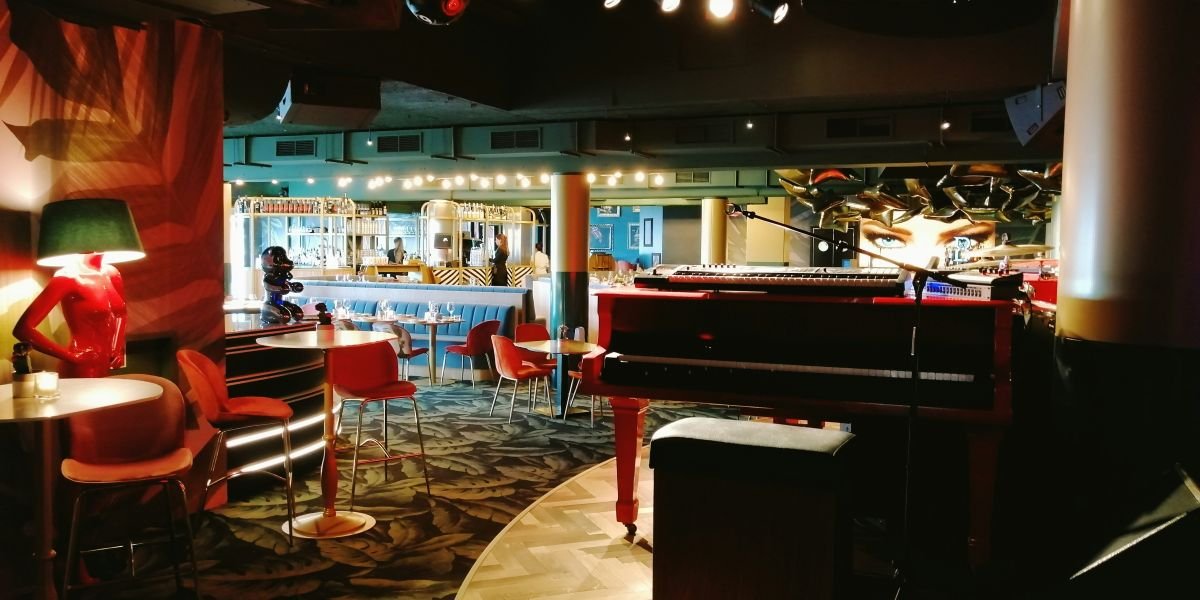
A live music and interactive entertainment bar like Pete’s Dueling Piano Bar in Rosemont, Illinois, provides a unique experience that stands out from a typical night out. Known for its high-energy performances, c020rowd engagement, and unforgettable atmosphere, a dueling piano bar can be an ideal option for anyone looking to combine laughter, music, and togetherness, whether it’s a special event or a spontaneous evening on the town.

Dueling piano bars tend to be an excellent option for couples seeking a break from routine date nights. The lively environment is designed to get patrons out of their seats, singing along to classics and current hits. Couples can enjoy connecting by requesting their favorite love songs or joining other guests in the audience for group sing-alongs. The atmosphere—filled with humor, music, and dancing—often creates a sense of shared adventure that might bring people closer together. For those who enjoy a little friendly competition, dueling piano shows often feature interactive challenges and playful banter, making each visit slightly different from the last.

If someone is planning a bachelorette party or any celebratory night with friends, a dueling piano bar can offer an electric party ambiance that’s unmatched by other venues. The entertainers are skilled at drawing attention to special guests—whether that means bringing the bride-to-be on stage, crafting personalized musical shout-outs, or getting a whole group up to dance. Unlike a standard club or bar, the performers at Pete’s thrive on interaction with the crowd, tailoring the energy and playlist to the people in the room. This interactive, communal feel helps groups bond and makes it possible for everyone, from the shyest guest to the center of attention, to let loose and have fun.

Bachelor parties might also enjoy part of the evening at a dueling piano bar. This could be a viable option for those who want to laugh, be around other people—rather than just a private party—and get the groom on stage singing and dancing for a memorable evening.

Local businesses searching for a more informal, morale-boosting alternative to traditional parties could find that dueling piano bars provide the perfect blend of professionalism and playfulness. Pete’s Dueling Piano Bar in Rosemont welcomes corporate groups, offering inclusive fun for everyone, regardless of musical preference or age. The team-building aspect naturally emerges as employees join together to cheer, sing, and even participate in on-stage activities. These events can facilitate networking, break down hierarchies, and create lasting memories for both staff and clients, all in an unpretentious, laughter-filled setting.

Dueling piano bars like Pete’s are based on the concept of entertainment as a two-way street. Unlike passive concerts, their format relies on continuous audience interaction. Requests, sing-alongs, and impromptu dance breaks make it so that everyone becomes part of the show, not just spectators. Talented pianists playing everything from 80s rock to today’s pop ensure there’s something for every taste. Humorous commentary, witty musical duels, and high-energy performances keep the crowd energized for hours.

Signature cocktails and friendly staff can heighten the experience, and most venues welcome outside food or work with nearby restaurants for dining flexibility. Every night has the potential to feel like a personal party, whether you’re celebrating a milestone or just kicking off the weekend with friends. This could be a fun option for a night out after working all day at a nearby conference, or even if you are just looking for something to do if you happen to be spending the night near O’Hare Airport.

One of the great things about Pete’s Dueling Piano Bar and similar venues is that no two shows are the same. Because so much of the entertainment depends on the night’s crowd—what songs get requested, who gets involved, and how rowdy things become—the energy remains fresh. The format’s flexibility makes it suitable for both intimate evenings and rowdy group celebrations, appealing to a wide range of generations and interests.

For those around Chicago seeking a break from the ordinary, Pete’s Dueling Piano Bar in Rosemont offers an entertainment option where everyone can join in, laugh, participate, and make memories that last far beyond the night’s final encore.