Skip to content

The Chicago Journal

Ford Saeks: Igniting Smarter Growth in a World Driven by AI and Innovation

By: Benjamin Hale

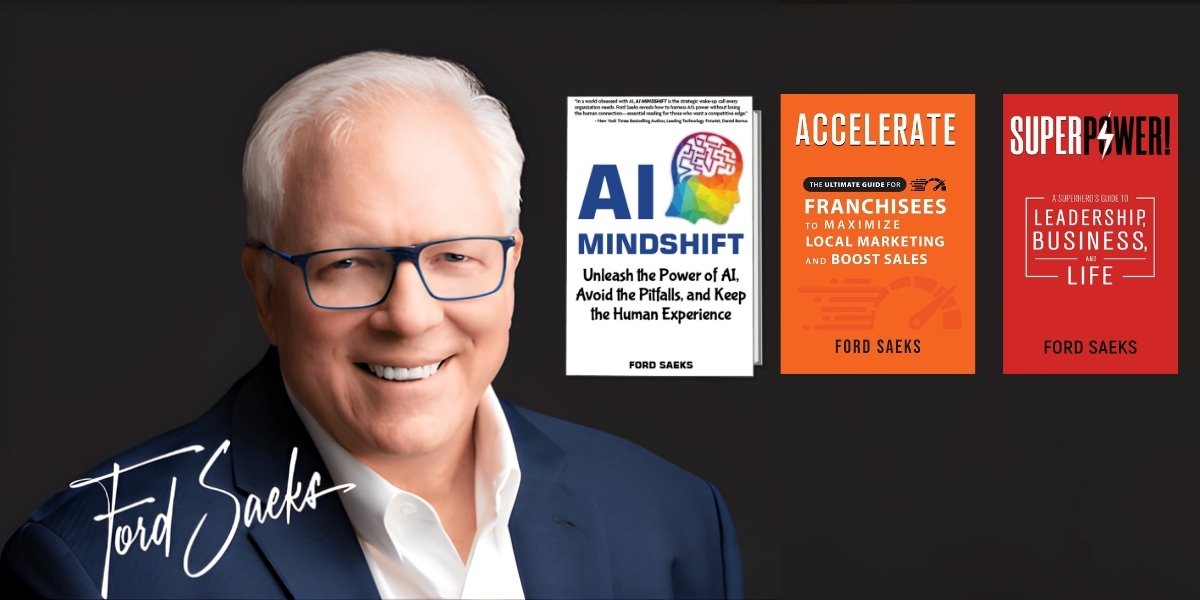
Companies chase growth, but few achieve it with clarity and purpose. Hall of Fame Keynote Speaker and Business Growth Accelerator Ford Saeks has built his career helping leaders transform chaos into clarity and activity into measurable progress. Ford Saeks, founder of Profit Rich Results and creator of the Accelerated Growth System™, has spent decades helping organizations scale with purpose and precision. His approach is rooted in practical, measurable strategies that prioritize alignment, accountability, and human connection. Saeks does not chase trends. He helps leaders see the difference between activity and progress.

“The biggest mistake I see companies make when trying to scale is confusing activity with progress,” Saeks explains. “They chase every new tactic, whether it is more advertising, more funnels, or new technology, without addressing the fundamentals that drive sustainable growth: clarity, focus, and alignment.”

Saeks’ Accelerated Growth System™ starts with identifying the gap between where a company currently is and where it wants to be. The system focuses on mindset, strategy, and tactical execution. The breakthrough comes when leaders stop asking how to grow faster and start asking how to grow smarter. “That means building systems that are measurable, repeatable, and scalable,” he says. “Growth should not depend on one person, one platform, or one fleeting trend. When a team is aligned around measurable outcomes and empowered with the right tools, growth becomes predictable instead of accidental.”

Saeks’ insight into sustainable growth is informed by more than traditional business practices. He has been teaching companies to adapt long before artificial intelligence became a popular buzzword. “AI is not just changing business, it is redefining leadership, sales, and marketing,” Saeks notes. He predicts that over the next five years, AI will take over data analysis, automation, and even some creative work. Yet the real opportunity lies in augmentation, not replacement. “Leaders who thrive will be those who combine human judgment with AI precision,” he says. Critical thinking, emotional intelligence, and the ability to communicate effectively with AI will become essential skills. “The companies that win will be the ones that use AI to amplify their people, freeing up time for strategy, innovation, and meaningful customer connection.”

The Accelerated Growth System™ is grounded in practical application. Saeks shares an example from a national franchise client that faced challenges in converting leads and aligning franchisees with corporate goals. Saeks’ team began by shifting the mindset from a corporate-versus-franchisee dynamic to one of shared mission. They refined their strategy by clarifying the value proposition, simplifying their marketing approach, and focusing on attracting their ideal customers. Tactical improvements, such as website optimization, local SEO, and mapping the customer experience, followed. Within six months, the franchisees experienced notable improvements in lead generation and saw a positive impact on sales. Beyond revenue, Saeks highlights the cultural transformation that occurred.  “The biggest win was a shift toward accountability, collaboration, and shared success,” he says. “When everyone works together around clear goals, performance and morale improve simultaneously.”

Customer experience and company culture are central to Saeks’ philosophy. In an age of digital overload and automation, he stresses the importance of genuine human connection. “Technology should enhance relationships, not replace them,” he explains. He calls this approach the Human Touch Principle. By automating routine tasks, leaders can focus on listening, coaching, and celebrating wins. “Whether it is a customer or a team member, people do not want to feel processed. They want to feel valued and seen. When you automate the routine, you liberate the human.”

Saeks’ career includes experience with several companies, authored books, and speaking engagements internationally. Looking back, he attributes his longevity and impact as a leader to curiosity and consistency. “Every day, I ask myself two questions: What can I learn today, and how can I apply it to help others grow?” he says. That mindset keeps him adaptable and innovative even as technology, markets, and buyer behaviors evolve. Principles such as integrity, service, and continuous improvement remain constant, ensuring that growth is sustainable and meaningful. “When you focus on creating value, building trust, and continuously evolving, success becomes a natural byproduct.”

Saeks also stresses the importance of leadership mindset over mechanics. “The shift from doing more to doing smarter is critical,” he says. “Companies often measure activity instead of outcomes, and leaders underestimate how powerful alignment and focus can be. Growth is not just a function of effort. It is a function of clarity, measurement, and consistent execution.”

Ford Saeks’ work demonstrates that growth is a combination of strategy, mindset, and human-centric leadership. His insights on AI, culture, and practical execution make him a sought-after advisor for companies navigating complex challenges. Saeks has shown that growth is not accidental but engineered, and that lasting impact comes when leaders combine intelligence, empathy, and action.

By emphasizing clarity, accountability, and the human element, Saeks helps organizations not only scale revenue but also cultivate cultures of trust and engagement. His Accelerated Growth System™ ensures that leaders are equipped to make decisions that create predictable results, build strong teams, and maintain meaningful relationships with customers and employees alike.

In a business environment that is increasingly driven by technology and constant change, Ford Saeks stands out for his insistence that growth begins with clarity, alignment, and the human touch. His philosophy reminds leaders that true success is achieved not by doing more, but by doing smarter, more intentionally, and with greater empathy. As AI reshapes every industry, Ford Saeks helps leaders stay relevant, resilient, and results-driven. Discover more about Ford at https://profitrichresults.com/ 

Chicago’s Community Fridges: A Growing Solution to Urban Food Insecurity

Chicago’s community fridges are quietly reshaping how neighborhoods respond to food insecurity. These public refrigerators, often tucked beside churches, corner stores, or community centers, are stocked by volunteers and open to anyone who needs a meal or has something to share. There’s no paperwork, no gatekeeping, just a fridge, some shelves, and a simple idea: take what’s needed, leave what’s extra.

The concept isn’t flashy, but it’s deeply practical. As food prices climb and grocery access remains uneven across the city, more residents are turning to these fridges as a way to fill the gap. They’re not a replacement for full meals or long-term support, but they offer something immediate. A sandwich, a bag of apples, a few cans of soup, small things that can make a big difference on a tough day.

How Chicago’s Community Fridges Operate

Each fridge runs independently, usually maintained by a small group of volunteers who clean, restock, and monitor donations. There’s no central organization or funding stream. Instead, neighbors pitch in with what they can, leftover produce, pantry staples, or meals from local kitchens. Some fridges include dry goods and hygiene items, while others focus strictly on perishable food.

The rules are simple: no expired items, no raw meat, and no judgment. Anyone can take what they need, no questions asked. That simplicity is part of what makes the system work. There’s no barrier to entry, no stigma, and no paperwork. Just food, available 24/7, in places where it’s often needed most.

For residents living in areas with limited grocery options, these fridges can be a lifeline. They don’t require registration, ID, or proof of need. They’re open all the time, and they’re stocked by people who understand what it means to go without.

Urban Food Insecurity in Chicago

Food insecurity in Chicago isn’t just about income, it’s also about geography. Some neighborhoods have multiple grocery stores within walking distance, while others rely on corner shops with limited selections and high prices. Public transportation can help, but not everyone has the time or flexibility to travel for groceries.

Food deserts, areas with few or no fresh food options, are still a reality in parts of the city. And while food banks and pantries do important work, they often have limited hours and require documentation. That’s where community fridges fill a unique role. They’re open all the time, and they don’t ask for anything in return.

It’s easy to feel frustrated by how uneven food access can be, especially in a city with so many resources. Community fridges don’t solve the problem entirely, but they offer a way for neighbors to support each other directly, without waiting for larger systems to catch up.

Why Community Fridges Feel Personal

There’s something different about a community fridge. It’s not just a donation box, it’s a shared space. People drop off homemade meals, fresh fruit, or extra groceries from their own kitchens. Others stop by quietly, grab what they need, and go. There’s no staff, no checkout, and no surveillance. Just a fridge and a shared understanding.

That sense of mutual care is part of what makes these fridges so effective. They’re not designed to be efficient or scalable. They’re designed to be human. And that’s why they work, especially in neighborhoods where trust and relationships matter more than systems and paperwork.

Some fridges even reflect the tastes and needs of their communities. In areas with large immigrant populations, it’s common to find culturally familiar ingredients, spices, sauces, or snacks that aren’t always available in mainstream food banks. That kind of detail shows how flexible and responsive these fridges can be.

Challenges and Limitations

Of course, community fridges aren’t perfect. They rely on volunteers, and not every fridge gets the same level of support. Some struggle to stay stocked, especially during colder months or economic downturns. Others face issues with cleanliness, food safety, or vandalism.

There’s also the question of sustainability. Without formal funding or oversight, fridges can disappear as quickly as they appear. And while they’re helpful in the short term, they don’t address deeper issues like wage inequality, housing instability, or systemic barriers to food access.

Still, the fact that they exist, and continue to grow, is a sign that people are willing to help each other, even when larger systems fall short. That kind of grassroots effort doesn’t fix everything, but it does create space for small, meaningful change.

Food Sharing and Cultural Shifts

Chicago’s community fridges are part of a broader shift in how people think about food sharing. Instead of focusing solely on charity or surplus, these fridges encourage a more open, communal approach. They treat food as something to be shared, not hoarded or wasted.

Chicago’s Community Fridges A Growing Solution to Urban Food Insecurity

Photo Credit: Unsplash.com

This shift is also reflected in how people talk about food online. The popularity of food influencers has helped normalize conversations around access, affordability, and simplicity. These influencers often highlight everyday meals, budget-friendly recipes, and practical cooking tips that resonate with people who aren’t looking for gourmet experiences, they’re looking for something that works.

The appeal of simple ingredient lists in food marketing also shows how much people value clarity and ease, especially when cooking on a budget. Community fridges tap into that same mindset. They’re not about curated recipes or specialty items. They’re about feeding people, plain and simple. And that’s why they resonate, especially in neighborhoods where food isn’t always easy to come by.

Looking at the Bigger Picture

Chicago’s community fridges aren’t a solution to urban food insecurity, but they’re a response. They show what’s possible when people work together, even without funding or formal support. They offer a glimpse of what food access could look like if it were built on trust, not transactions.

For many residents, these fridges are more than just a place to grab a snack. They’re a symbol of care, resilience, and shared responsibility. And while they may not fix everything, they remind people that small actions can still matter.

Food insecurity is complex, and it doesn’t have a single fix. But community fridges offer something real, something tangible, and something that works, at least for now. And in a city like Chicago, that’s worth paying attention to.

Cloud Computing in Chicago: The Key to Unlocking Business Growth

Cloud computing isn’t just a tech upgrade, it’s become a practical tool for Chicago businesses looking to grow without overextending. From small startups in shared office spaces to established firms in the Loop, companies are leaning into cloud-based systems to streamline operations, reduce overhead, and stay competitive in a city that moves fast.

The shift toward cloud computing in Chicago isn’t driven by hype. It’s driven by necessity. Businesses need flexible infrastructure, secure data access, and scalable tools that don’t require massive upfront investment. Cloud platforms offer that kind of agility, and for many local companies, they’re proving to be the difference between staying afloat and scaling up.

Why Cloud Computing Works for Chicago Businesses

Chicago’s business scene is diverse. There’s manufacturing, logistics, finance, healthcare, and a growing tech sector, all with different needs but a shared challenge: managing data and operations efficiently. Cloud computing helps solve that by offering remote access, real-time collaboration, and automated backups without the need for bulky hardware or constant IT maintenance.

Instead of relying on physical servers or on-site storage, companies can store files, run applications, and manage workflows through cloud platforms. That means fewer delays, lower costs, and more flexibility. Whether it’s a retail brand managing inventory or a legal firm handling sensitive documents, cloud systems allow teams to work faster and smarter.

This shift also supports hybrid work setups, which have become more common across Chicago. Employees can access files from home, collaborate across departments, and keep projects moving without being tied to a single location. That kind of mobility isn’t just convenient, it’s essential for businesses trying to stay productive in unpredictable conditions.

The Role of Infrastructure and Hardware

While cloud platforms reduce the need for traditional servers, hardware still plays a critical role in enabling access. Laptops, routers, and mobile devices act as the bridge between users and the cloud. Without reliable hardware, even the best cloud system can fall short.

That’s why understanding the importance of hardware in technology remains essential. Businesses that invest in quality devices and maintain strong connectivity are better positioned to take full advantage of cloud computing. It’s not just about having the latest gadgets, it’s about ensuring that every part of the system works together smoothly.

In Chicago, where office spaces range from high-rise suites to converted warehouses, having adaptable hardware setups makes it easier to integrate cloud tools into daily operations. Whether it’s a mobile sales team or a design studio, the right hardware ensures that cloud access is fast, secure, and uninterrupted.

Cloud Storage and Data Management

One of the most practical benefits of cloud computing is storage. Instead of relying on external hard drives or local servers, businesses can store data in the cloud and retrieve it instantly. That’s especially useful for companies dealing with large files, sensitive information, or frequent updates.

Cloud storage also supports better organization. Files can be tagged, sorted, and shared without duplication or confusion. Teams can collaborate in real time, track changes, and maintain version control, all without clogging inboxes or relying on manual backups.

For Chicago businesses, this kind of efficiency is more than a convenience. It’s a competitive edge. The integral role of cloud storage in Chicago businesses shows how companies are using these tools to manage growth, reduce risk, and stay agile in a fast-moving market.

Security is another major factor. Cloud providers offer encryption, access controls, and regular updates that help protect data from breaches or loss. While no system is foolproof, cloud platforms often provide stronger safeguards than traditional setups, especially for small businesses without dedicated IT teams.

Scalability and Cost Control

One of the biggest advantages of cloud computing is scalability. Businesses don’t have to guess how much server space or software capacity they’ll need in six months. They can start small and expand as demand grows. That flexibility is especially valuable in Chicago’s startup scene, where growth can be unpredictable and resources are often limited.

Cloud Computing in Chicago The Key to Unlocking Business Growth

Photo Credit: Unsplash.com

Cloud platforms typically operate on subscription models, which means companies pay for what they use. There’s no need for large upfront investments or long-term contracts. That kind of cost control allows businesses to experiment, pivot, and grow without being locked into expensive infrastructure.

It also helps with budgeting. Predictable monthly costs make it easier to plan, and usage analytics can show where resources are being spent. For companies trying to maximize every dollar, cloud computing offers a way to stay lean without sacrificing capability.

Local Impact and Long-Term Potential

Chicago’s business community is known for its resilience and adaptability. Cloud computing fits right into that mindset. It’s not about chasing trends, it’s about finding tools that work. And for many companies, cloud platforms are proving to be reliable, scalable, and practical.

From logistics firms managing supply chains to creative agencies sharing large media files, cloud computing is helping businesses stay connected, organized, and efficient. It’s also opening doors for collaboration, innovation, and remote work, all of which are becoming standard across industries.

While challenges remain, like cybersecurity risks and integration hurdles, the overall impact is clear. Cloud computing is helping Chicago businesses grow smarter, not just bigger. It’s giving them the tools to compete, adapt, and thrive in a city that rewards hustle and innovation.

Chicago’s Culinary Scene: A Fusion of Global Flavors and Local Innovation

Chicago’s culinary scene isn’t defined by one style, one tradition, or one trend. It’s a living mix of global flavors and local creativity, shaped by the city’s neighborhoods, immigrant communities, and bold chefs who aren’t afraid to experiment. From street food to fine dining, Chicago’s kitchens reflect a city that’s always hungry for something new, but never forgets where it came from.

Walk through any part of the city and the variety is unmistakable. You’ll find Korean fried chicken next to Polish pierogi, Ethiopian injera down the street from Mexican birria, and ramen shops sharing blocks with soul food diners. It’s not just about diversity, it’s about how these influences blend, evolve, and become something uniquely Chicago.

Neighborhoods That Shape the Plate

Chicago’s food identity is deeply tied to its neighborhoods. Each area brings its own flavor, literally and figuratively. In Pilsen, Latin American ingredients meet Midwestern comfort. In Devon, South Asian spices fill the air. In Albany Park, you’ll find a mix of Middle Eastern, Filipino, and Eastern European staples, all within a few blocks.

This isn’t just about representation. It’s about integration. Restaurants don’t just serve traditional dishes, they reinterpret them. A taco might come with kimchi. A burger might be topped with curry aioli. These combinations aren’t gimmicks, they’re reflections of the city’s lived experience.

That kind of fusion isn’t limited to small spots either. Even high-end restaurants are embracing global techniques and ingredients, often sourced locally. It’s a balance between honoring heritage and pushing boundaries, and it’s what keeps Chicago’s culinary scene fresh without losing its roots.

Local Innovation That Drives the Scene

Chicago’s chefs and restaurateurs aren’t just following trends, they’re setting them. Whether it’s rethinking classic dishes or building menus around seasonal produce, there’s a constant push to innovate. That doesn’t mean abandoning tradition, it means reimagining it.

Take the steakhouse, for instance. Long considered a staple of Chicago dining, it’s now being redefined by chefs who blend old-school technique with modern flair. The Chicago steakhouse isn’t just surviving, it’s evolving. Dry-aged cuts, plant-based sides, and global sauces are turning familiar meals into something unexpected.

Innovation also shows up in how restaurants operate. Pop-ups, ghost kitchens, and collaborative menus are becoming more common, especially among younger chefs who want flexibility and creative freedom. These formats allow experimentation without the pressure of traditional brick-and-mortar setups, giving diners access to bold ideas that might not fit into a standard restaurant model.

What Sets Chicago Restaurants Apart

Chicago’s food scene doesn’t rely on flash or celebrity. It thrives on substance. Restaurants here succeed because they understand their audience, respect their ingredients, and know how to tell a story through food. That’s what makes them stand out, not just locally, but nationally.

Chicago's Culinary Scene A Fusion of Global Flavors and Local Innovation

Photo Credit: Unsplash.com

The qualities that set Chicago restaurants apart go beyond the plate. It’s about hospitality, consistency, and a sense of place. Whether it’s a family-run diner or a Michelin-starred spot, there’s a shared commitment to making people feel welcome and well-fed.

That’s especially true in neighborhoods where restaurants serve as community anchors. These places aren’t just businesses, they’re gathering spaces. They host events, support local causes, and offer comfort during tough times. That kind of connection can’t be manufactured, it has to be earned.

Global Influence, Local Impact

Chicago’s culinary scene is global in scope, but its impact is deeply local. Ingredients are sourced from nearby farms, bakeries, and markets. Menus reflect seasonal changes and regional preferences. Even international dishes are often adapted to suit Chicago’s climate, produce availability, and palate.

This local-global balance is what makes the city’s food culture so dynamic. It’s not about importing trends, it’s about absorbing them, adapting them, and making them feel at home. That’s why a bowl of pho in Uptown tastes different than one in Hanoi, and why that difference matters.

It’s also why Chicago continues to attract culinary talent from around the world. Chefs come here not just to replicate their home cuisines, but to explore how those flavors can evolve in a new context. That openness to change, paired with respect for tradition, is what keeps the city’s food scene moving forward.

A City That Eats With Curiosity

Chicago diners are curious. They’re willing to try new things, ask questions, and support restaurants that take risks. That kind of audience gives chefs room to experiment, knowing that their efforts will be met with interest rather than skepticism.

It also means that food in Chicago isn’t static. Menus change, ingredients rotate, and dishes evolve. What’s popular one season might be replaced the next, not because it failed, but because something new came along. That constant motion keeps the scene vibrant and unpredictable.

For anyone who’s ever felt overwhelmed by too many choices or unsure about trying something unfamiliar, Chicago’s food scene offers reassurance. It’s okay to be curious. It’s okay to ask. And it’s okay to not know everything. The city’s restaurants meet people where they are, offering both comfort and discovery.

Looking Ahead Without Losing Flavor

Chicago’s culinary scene isn’t chasing trends, it’s building something lasting. By blending global flavors with local innovation, the city has created a food culture that’s both rooted and restless. It honors tradition while embracing change, and it does so with a sense of purpose.

Whether it’s a new fusion concept in Logan Square or a reimagined classic in River North, the city’s kitchens continue to surprise and satisfy. And while no single dish or restaurant defines Chicago’s food identity, the collective effort does. It’s a city that cooks with heart, serves with pride, and eats with curiosity.