Unfair Care: Dr. Bryan Laskin’s Bold Call to Reclaim Your Health

By: Marcus Ellery
When Dr. Bryan Laskin’s wife was diagnosed with breast cancer, he expected challenges. What he didn’t expect was to find himself navigating a system so tangled in inefficiency, miscommunication, and institutional bias that it left patients more confused than cared for. The experience was more than frustrating—it was revealing. “That was the moment I realized healthcare isn’t broken,” he says. “It’s rigged against keeping patients well.”
That realization led to the development of Unfair Care: Get the Healthcare You Deserve in a System Designed to Fail You, a direct, practical, and unapologetically honest guide for patients who are tired of feeling caught in a system that often seems to prioritize institutions over individuals.
A System Not Broken—But Designed This Way
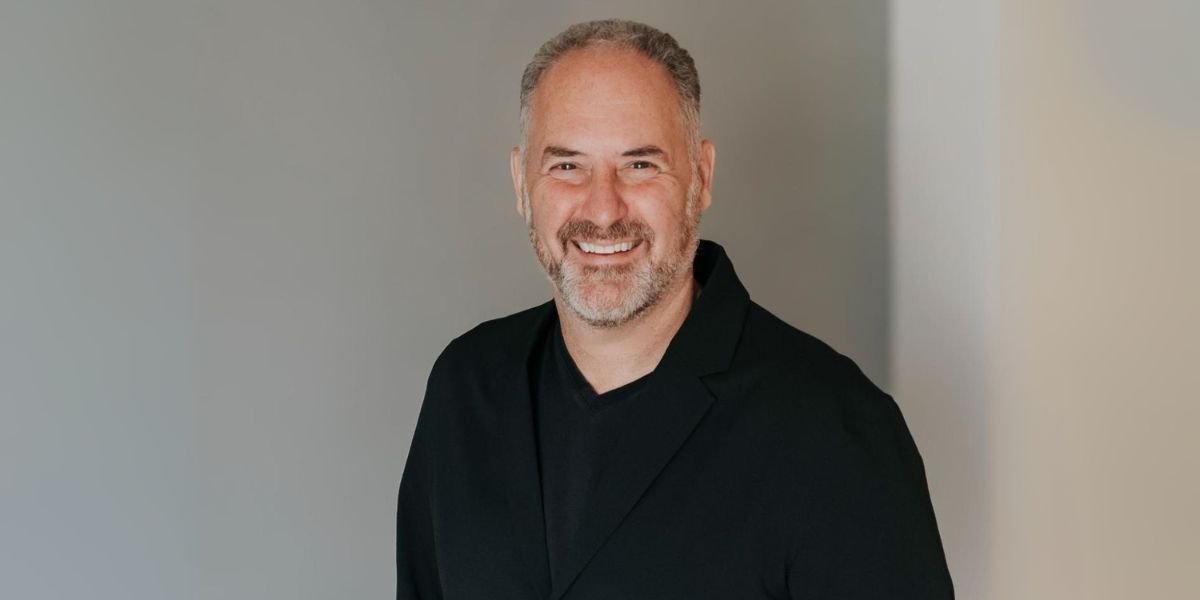
Dr. Laskin, a practicing dentist and tech innovator, has spent years advocating for a healthcare model that puts patients at the center. But as he explains in Unfair Care, many of the problems we encounter in healthcare may not be isolated accidents—they could be structural.
“You think it’s a one-off mistake, or that something slipped through the cracks. But the truth is, these ‘cracks’ are baked into the system,” he says. He points to the way data is siloed as one of the most egregious examples. “Most of the time—essentially 100% of the time—the information that a doctor or dentist needs to provide the ideal care is split up across separate systems. No one, except the patient, has access to the full picture. And most patients don’t even know they have the right to that data.”
Real Stories, Real Stakes
From his own dental practice, Dr. Laskin has witnessed firsthand how the system fails even in seemingly minor ways. “A patient came in with a root canal that looked perfect on the X-ray,” he shares. “But they still had pain. The X-ray didn’t show the whole story. What mattered was the history of that tooth—whether it was still healing or had an active infection. But no one outside their original provider had that history.”
It’s a small example that reveals a much larger problem: lack of continuity and coordination. And these lapses may not just be inconvenient—they could be dangerous.
Taking the Power Back
What makes Unfair Care so different from other books on healthcare is its refusal to play the blame game. It doesn’t ask you to wait for policy changes. It doesn’t suggest that new laws or insurance reforms alone will resolve these issues. It offers a plan to act now.
“Patients can’t afford to be passive,” Dr. Laskin insists. “You need to become the CEO of your own health.”
That starts with owning your data. He encourages readers to request and review their full health records—from all providers, not just medical doctors, but dentists, chiropractors, and even wellness professionals. “That’s the foundation for better care,” he says. “When you have all the information, you can make smarter decisions, spot contradictions, and hold your providers accountable.”
Unfair Care walks readers through how to do exactly that. It offers practical steps—from how to organize your health records to how to interview a doctor before committing to care. There are checklists, scripts, and real-world examples, all designed to empower patients to speak up, ask the right questions, and gently push back when something doesn’t feel right.
Dispelling Dangerous Myths
One of the more concerning beliefs patients hold, according to Dr. Laskin, is that doctors always have the answers.
“They don’t,” he says. “Not because they’re bad people, but because the system keeps them in the dark just like it does to you. They only see a fragment of your story. And often, they’re operating under time constraints and institutional guidelines that don’t prioritize individualized care.”
By reframing the role of the patient—from passive recipient to informed leader—Unfair Care aims to shift how people experience the healthcare system. “This book doesn’t just describe the problem,” Dr. Laskin says. “It offers you the tools to survive—and potentially thrive—within it.”
The Role of Technology
Technology, he believes, is not the enemy—but rather a possible path forward. “Digital health tools are critical,” he explains. “But only if patients are the ones driving them.” In Unfair Care, he highlights emerging tools that can help patients track symptoms, manage medications, and store records—all independently of their providers.
“It’s 100% up to us as patients to aggregate and analyze our information,” Dr. Laskin says. “Nobody’s going to do it for us—not insurance companies, not hospitals. The future of healthcare is patient-led.”
From Outrage to Action
Dr. Laskin knows many readers will come to Unfair Care already feeling frustrated or discouraged by their past experiences. And while outrage is justified, he believes it’s not enough.
“Hope won’t change the system. Action will,” he says. “My goal with this book is not to stir up more emotion—it’s to give people a plan. A real, tangible, step-by-step plan to take back control of their health journey.”
That mindset shift is what makes Unfair Care so timely and impactful. In a world where healthcare often feels like something that happens to us, Dr. Bryan Laskin is offering a potential roadmap to reclaim agency and demand better.
One Change You Can Make Today
If there’s one action he hopes readers will take immediately, it’s simple: “Request and review all of your health records. Medical, dental, chiropractic—everywhere you’ve received care. That’s your data. That’s your story. And you deserve access to it.”
Whether you’re a patient, caregiver, or simply someone tired of the confusion and contradictions of modern healthcare, Unfair Care is a wake-up call—and a survival guide. In Dr. Laskin’s view, real change begins not in Washington, but with you.
Disclaimer: The information presented in this article is for informational purposes only and reflects the opinions and experiences of Dr. Bryan Laskin. It is not intended as medical advice or a substitute for professional healthcare. Readers are encouraged to consult with qualified healthcare providers for personalized medical advice and treatment.