From Finance to Dentistry – Pierre Chaker’s Strategic Shift into European Healthcare Networks

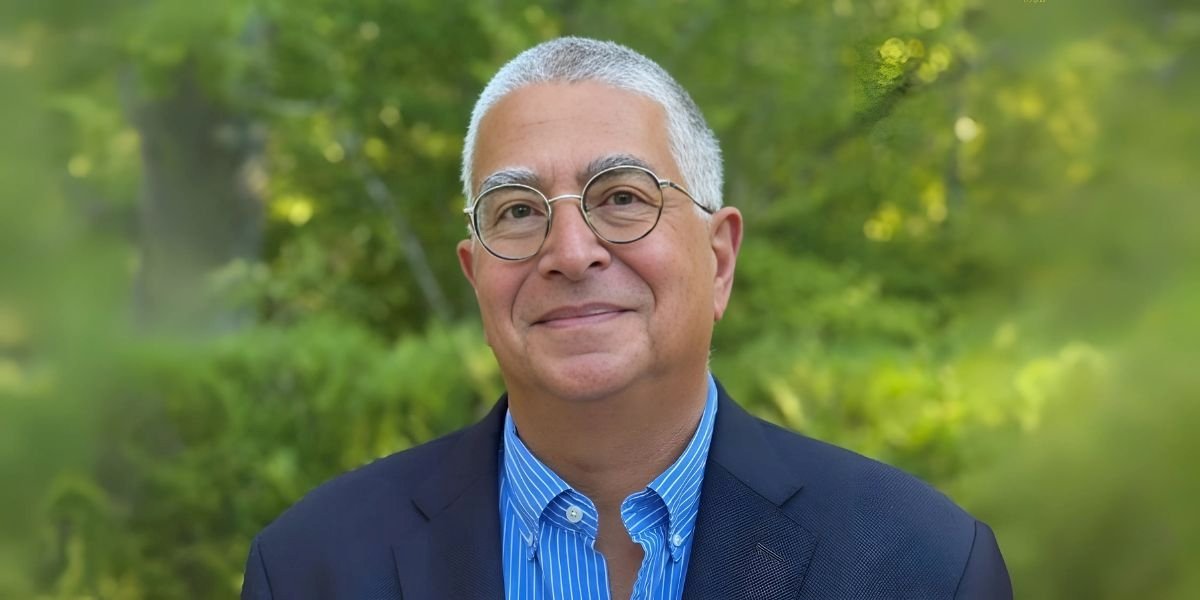
In recent years, cross-border healthcare has developed considerable momentum in the European continent. As care became increasingly expensive and patient queues lengthened at home, a growing number of people began seeking care outside their home countries. Medical tourism, which was once an exclusive market, is today a rapidly growing billion-euro industry, and dental care is one of the most frequently sought services. With this change comes the rise of various private clinic networks that position themselves as high-end service providers, offering affordable options without compromising quality. Behind some of these networks are people who have come from unrelated sectors, bringing with them exceptional operational know-how. An example of such an individual is Pierre Chaker.
Chaker’s professional path is quite atypical for a healthcare executive. His initial professional course started in finance, a domain distinctly different from dental treatment rooms. Yet, this experience in financial services was at the heart of how he would eventually shape the path for Helvetic Dental Clinics, a network of clinics that would become widely recognized.
In the late 1980s, Chaker began his professional life at Bacot Alain Warburg, which later became UBS, a Swiss investment bank and financial services firm. In 1991, he co-founded a Commodity Trading Advisor (CTA) alongside Baron Jean-François Empain, navigating the turbulence of European financial markets. During this time of his life, his knowledge of risk, strategic thinking, and the intricate dynamics of global markets was further developed, an education that would serve him well beyond mainstream finance.
Following years of working in the financial industry, Chaker shifted into healthcare in 2008. This move aligned with the increasing demand throughout Europe for cost-effective and efficient dental care. The attractiveness of medical tourism was evident: patients in Western Europe, particularly the UK, could visit neighboring countries to receive procedures that were reportedly 40% to 70% lower in cost while maintaining similar standards of care. By identifying this emerging demand, Chaker saw an area with significant potential to be disrupted.
Chaker co-founded Helvetic Dental Clinics in 2013. The business started its first center in Hungary, a country with a high population of dental tourism providers. But while other competitors often relied on flashy marketing, Helvetic took a more formal, quality-oriented stance. The clinics were ISO 9001-certified, which regulated everything from clinical hygiene standards to patient records and administrative policies. It was an attempt to implement a degree of operational transparency that had yet to become common in the business.
The Helvetic model focused on a one-stop, full-service methodology—consultations, complex procedures, and recuperation—all in the same building. This not only helped patients improve their experience but also reduced the treatment timeline. Chaker’s financial experience emerged here. Efficiency, cost management, and systematic expansion helped the company grow without compromising on quality. In the following years, Helvetic Dental Clinics expanded its clinical operations into France, while establishing administrative offices in Switzerland and Luxembourg. Each location was tailored to its respective country’s regulatory landscape and cultural expectations—an effort that highlighted Chaker’s eye for detail and strategic planning.
Based on the Global Clinic Rating (GCR), Helvetic was ranked among the Top 10 dental clinics globally, a seal of excellence that aided in its credibility in multiple markets. The GCR rates clinics against a range of factors, including patient reviews, clinic facilities, and the quality of care. It was a noteworthy achievement for the relatively young network of clinics.
Additionally, Chaker’s cross-border expertise enabled Helvetic to meet the regulatory requirements of various national health authorities, a task that many clinic chains find challenging when pursuing international expansion. The legal and tax structures across Hungary and France—where the clinics operate—and Switzerland and Luxembourg—home to the network’s offices—vary significantly. Helvetic’s success in navigating this complex backdrop reflects a flexible yet thoroughly informed approach to international expansion.
In essence, Chaker’s healthcare strategy depends on applying key financial principles—risk reduction, operational effectiveness, and long-term investment—to a healthcare framework. In doing this, he has assisted in creating a system that balances patient demand with commercial sustainability.
To this day, in 2015, Helvetic Dental Clinics continues to attract patients from all over Europe. Whilst the brand derives support from word of mouth and reviews online, it is the backroom operations that contribute to its reputation. Chaker continues to be engaged in maintaining the structural and fiscal aspects of the company, though clinical work is fully dealt with by licensed dental practitioners.
The shift to healthcare from financial services is not typical, but it has enabled Chaker to bring a new angle to an industry that is often founded on traditional practices. Using his experience, he helped develop an operational model that not only supports patients effectively but also creates standards for operational integrity that others have been trying to follow.
Pierre Chaker’s transition to healthcare was possibly unplanned, but the way it was carried out tells a different story. His transition from stock brokering to operating an international dental clinic chain demonstrates the flexibility of skills acquired in one sector to reshape another. In a healthcare market in which patients demand affordability and quality, and in which providers have to navigate the intricate system of global regulations, entrepreneurs such as Pierre Chaker are part of an increasing number of individuals who work outside the confines of one business sector.