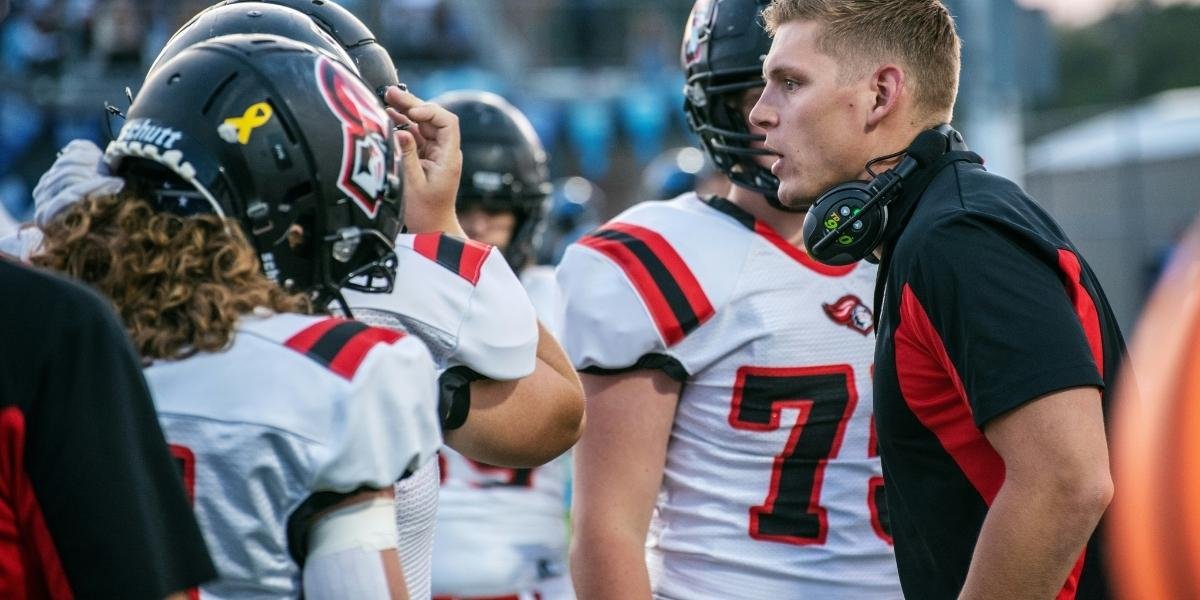
In Chicago, sports are more than a pastime, they’re a pulse. From the roar of the United Center to the grind of Wrigley Field, the city’s teams carry the weight of legacy, loyalty, and expectation. But behind every championship banner and playoff push, there’s one force that consistently drives success: coaching.
Coaching in Chicago isn’t just about drawing up plays or managing minutes. It’s about culture, chemistry, and commanding respect. It’s about knowing when to push and when to protect. And in a city that demands grit and results, the best coaches don’t just manage games, they shape eras.
Coaching as Culture-Building in the Windy City
Chicago teams don’t just play, they represent. Whether it’s the Bulls’ dynasty of the ’90s or the Cubs’ curse-breaking 2016 run, coaching has always played a central role in defining what these teams stand for.
Phil Jackson didn’t just coach Michael Jordan, he built a system that allowed greatness to thrive. His triangle offense wasn’t just a strategy; it was a philosophy that emphasized trust, spacing, and patience. That system turned a talented roster into a dynasty.
Joe Maddon’s tenure with the Cubs was equally transformative. He brought a clubhouse culture that balanced analytics with emotion, turning a team haunted by history into World Series champions. His coaching style wasn’t rigid, it was adaptive, quirky, and deeply human.
These weren’t just tacticians. They were culture architects. And in Chicago, where fans expect both heart and hustle, coaching that builds identity is essential.
Strategy Meets Psychology: Coaching Beyond the Playbook
Great coaching in Chicago isn’t just about calling the right play, it’s about reading the room. Coaches here are expected to manage egos, navigate media pressure, and keep locker rooms from fracturing under the weight of expectations.
That’s especially true in baseball, where long seasons and tight clubhouses can magnify tension. The ability to manage teammate rivalries, without letting them derail the team, is a skill that separates good managers from great ones.
Pedro Grifol with the White Sox and Craig Counsell with the Cubs aren’t just drawing up lineups, they’re managing personalities, pacing workloads, and keeping morale steady through 162 games. In a city that scrutinizes every move, emotional intelligence is just as important as baseball IQ.
In football, coaching psychology is just as critical. Matt Eberflus and his staff are tasked with developing young talent while maintaining locker room cohesion. With a fan base hungry for wins and a media market that doesn’t hold back, the ability to lead with clarity and conviction is non-negotiable.
Coaching and Player Development: The Chicago Way
Chicago fans love a homegrown hero. Whether it’s Derrick Rose’s MVP season or the rise of Justin Fields, there’s something special about watching talent blossom in your own backyard. But that development doesn’t happen by accident, it’s the result of intentional, consistent coaching.
In the NHL, the Blackhawks’ rebuild has put coaching under the microscope. Developing young stars like Connor Bedard requires more than ice time, it demands a coaching staff that can teach, motivate, and adapt. Luke Richardson’s role isn’t just about wins, it’s about building a foundation for the future.
Across all leagues, coaching in Chicago is increasingly about long-term growth. It’s not just about winning the next game, it’s about building a system that can sustain success. That means investing in assistant coaches, analytics teams, and player wellness, all of which fall under the coaching umbrella.
New Signings, New Systems: Coaching Through Transition
Chicago sports teams are no strangers to roster shakeups. Whether it’s blockbuster trades, draft picks, or new signings in the offseason, change is constant. And when the roster shifts, coaching becomes even more critical.
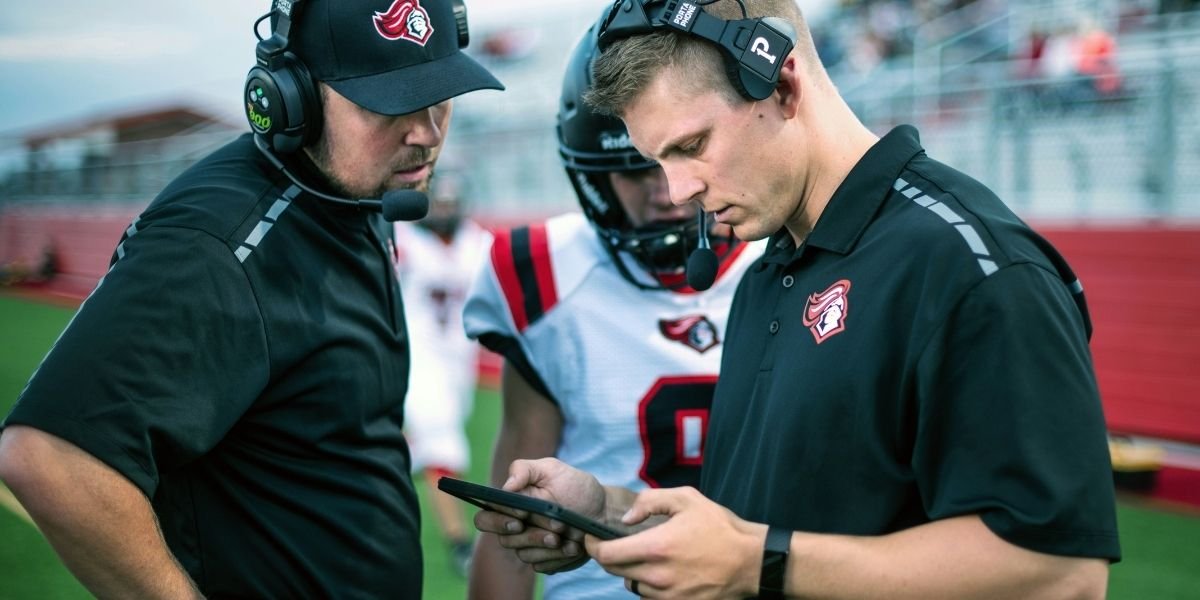
Photo Credit: Unsplash.com
Integrating new talent isn’t just about plugging players into a system, it’s about reshaping that system to fit the new pieces. Coaches who can adapt quickly, and get buy-in from veterans and rookies alike, tend to thrive in Chicago’s high-pressure environment.
That’s why coaching stability is often a predictor of team success. When players trust the system and the person running it, they play freer, faster, and with more confidence. And in a city that expects results, that trust can be the difference between a rebuild and a resurgence.
Coaching and Community: The Chicago Connection
In Chicago, coaches aren’t just leaders on the field, they’re public figures. They speak at schools, attend charity events, and become part of the city’s fabric. Their words carry weight, and their actions set the tone.
When a coach connects with the community, it creates a ripple effect. Fans feel more invested. Players feel more supported. And the team becomes more than just a franchise, it becomes a symbol.
That’s why coaching hires in Chicago are often about more than resumes. They’re about fit. Can this person handle the media? Can they connect with the city’s diverse fan base? Can they lead with both toughness and heart?
The best coaches, the ones who last, understand that their job is bigger than wins and losses. It’s about representing Chicago with pride, passion, and purpose.
Coaching in the Age of Analytics and Adaptability
Modern coaching in Chicago isn’t just about gut instinct, it’s about data. From pitch counts to player load management, analytics are reshaping how coaches make decisions. But the best coaching blends numbers with nuance.
Billy Donovan’s approach with the Bulls reflects this balance. He uses advanced metrics to guide rotations and matchups, but he also leans on experience to manage momentum and morale. It’s not just about efficiency, it’s about empathy.
In baseball, managers are using heat maps, exit velocity, and matchup data to make in-game decisions. But they’re also managing clubhouse dynamics, media narratives, and fan expectations. Coaching today requires both spreadsheets and street smarts, especially in a city like Chicago.