Skip to content

The Chicago Journal

Understanding the Shifts in Workplace Dynamics in Chicago

The workplace dynamics in Chicago, like in many urban centers across the United States, have been undergoing significant shifts, especially in recent years. These changes are driven by a variety of factors, including technological advancements, demographic changes, evolving employee expectations, and societal trends. As a major economic hub, Chicago has witnessed firsthand the transformation of how work is done, the roles of leadership, and the expectations of both employees and employers. This article delves into the major shifts occurring in the city’s workplace dynamics and what they mean for businesses, workers, and the broader economy.

Read also: Enhancing Work Environments: The Benefits of Plants in Chicago Offices

Remote and Hybrid Work Trends

The shift towards remote and hybrid work is one of the most significant changes in workplace dynamics, both in Chicago and globally. The COVID-19 pandemic accelerated the adoption of remote work, with many organizations realizing that employees could remain productive while working from home. As a result, remote work became a viable option for many businesses across various industries, including finance, technology, and education.

In Chicago, companies are increasingly offering hybrid work models, where employees split their time between working from home and the office. This flexibility appeals to workers, who now place a higher value on work-life balance and convenience. For employers, hybrid work models have opened up the possibility of attracting a broader talent pool, including individuals who may not live within commuting distance of the office.

However, while remote and hybrid work provide flexibility, they also come with challenges. Employers in Chicago are now tasked with finding the right balance between maintaining productivity, ensuring collaboration, and fostering a sense of connection and company culture. Businesses are investing in technology and tools that enable remote communication, collaboration, and project management to ensure these models are effective.

Changes in Workforce Demographics

Chicago’s workforce is becoming increasingly diverse, with shifts in age, race, gender, and cultural backgrounds. As younger generations, particularly Millennials and Generation Z, enter the workforce, they bring new expectations and values that influence workplace dynamics. These groups prioritize flexibility, professional development, and meaningful work over traditional career paths or rigid office environments.

Additionally, Chicago’s diverse population has spurred a greater emphasis on diversity, equity, and inclusion (DEI) initiatives within workplaces. Businesses are realizing that a diverse workforce can drive innovation, improve decision-making, and create a more welcoming and inclusive environment. Organizations are therefore adopting policies that promote equal opportunities, diverse leadership, and inclusive hiring practices.

The aging workforce is another factor shaping workplace dynamics in Chicago. With more Baby Boomers delaying retirement, companies are navigating the challenge of supporting multi-generational teams. Balancing the needs and perspectives of older and younger employees is a key aspect of fostering a harmonious and productive work environment.

Employee Well-being and Mental Health

Employee well-being has become a central focus for employers in Chicago as mental health and work-life balance have gained importance among workers. In a post-pandemic world, where stress and burnout have been prevalent, employees are more vocal about their mental health needs. Many workers are seeking workplaces that prioritize mental health support, flexible hours, and overall well-being.

In response, businesses in Chicago are increasingly offering mental health resources, such as counseling services, stress management programs, and wellness initiatives. Employers are also rethinking traditional workplace structures to ensure that employees have the support they need to thrive personally and professionally. This includes providing mental health days, flexible work schedules, and promoting a culture that reduces stigma around mental health issues.

Technology and Digital Transformation in the Workplace

Technological advancements continue to shape the way work is done in Chicago. Automation, artificial intelligence, and cloud-based software are transforming industries by streamlining workflows, reducing human error, and enhancing decision-making processes. Many businesses are embracing digital transformation to stay competitive in a fast-evolving landscape.

In Chicago, tech startups and established companies alike are leveraging technology to improve business operations, enhance customer experiences, and foster collaboration. Remote work tools like Zoom, Slack, and Microsoft Teams have become integral to daily operations, while data analytics platforms help businesses make more informed decisions.

However, as technology continues to advance, businesses in Chicago must address challenges related to data security, the digital divide, and employee training. Companies need to invest in upskilling their workforce to keep pace with technological changes, ensuring that employees have the necessary skills to use new tools effectively.

Impact of the Gig Economy and Freelancing

The gig economy has been on the rise, and Chicago is no exception. More workers are moving away from traditional full-time, permanent positions in favor of freelance, contract, or gig work. This shift is driven by a desire for greater flexibility, control over work schedules, and the ability to pursue multiple income streams.

While freelancing and gig work offer advantages, such as independence and autonomy, they also present challenges. For workers, gig jobs may lack benefits like healthcare, paid leave, and retirement savings. For employers, managing a contingent workforce can be more complex, as they must navigate the legal and logistical aspects of working with independent contractors.

The gig economy is also reshaping industries such as transportation, delivery services, and creative work. In Chicago, platforms like Uber, Lyft, and TaskRabbit have created new opportunities for workers and disrupted traditional industries. The rise of these platforms has prompted discussions about workers’ rights, job security, and fair compensation.

Diversity, Equity, and Inclusion Initiatives

Diversity, equity, and inclusion (DEI) have become essential components of workplace culture in Chicago. Businesses are recognizing the importance of creating workplaces that are not only diverse in terms of race and gender but also inclusive of different perspectives, abilities, and backgrounds. DEI initiatives are no longer just a trend but a critical element of successful organizations.

Companies in Chicago are implementing DEI strategies that include diversity training, unconscious bias workshops, and policies that promote equal pay and career advancement for all employees. By fostering inclusive environments, businesses are better able to attract top talent, improve employee satisfaction, and enhance innovation.

Leadership and Management Styles

Leadership in Chicago’s workplaces is evolving to adapt to the changing needs of employees. Traditional top-down management structures are giving way to more collaborative and flexible leadership styles. In response to the growing demand for work-life balance and employee autonomy, leaders are adopting coaching, mentoring, and servant-leadership approaches to create more supportive work environments.

Chicago’s leaders are also becoming more attuned to the importance of transparency, empathy, and emotional intelligence in their management practices. This shift reflects broader changes in workplace culture, where employees expect to be heard, respected, and empowered to contribute to the organization’s success.

The Future of Office Spaces and Commercial Real Estate

The future of office spaces and commercial real estate in Chicago is being shaped by the ongoing shift in workplace dynamics. As more companies embrace hybrid and remote work models, the demand for large office spaces is declining. Many businesses are downsizing their office footprints or redesigning workspaces to accommodate flexible work arrangements.

In response, real estate developers are focusing on creating spaces that encourage collaboration, innovation, and flexibility. Co-working spaces, smaller office configurations, and mixed-use developments are gaining popularity in downtown Chicago, offering businesses the ability to adapt their office environments to the needs of a changing workforce.

Read also: The Development of Chicago’s Global Business Ties

Talent Attraction and Retention

Attracting and retaining top talent is a major concern for businesses in Chicago as workplace dynamics shift. With workers increasingly prioritizing flexibility, career development, and work-life balance, employers must offer competitive benefits and positive workplace cultures to remain attractive to skilled professionals.

Companies that are successful at talent attraction and retention are those that offer a combination of competitive pay, career advancement opportunities, meaningful work, and a strong focus on employee well-being. In a competitive job market, businesses that fail to address these concerns risk losing valuable employees to competitors who are more in tune with the evolving expectations of the workforce.

The shifts in workplace dynamics in Chicago reflect broader trends in the global economy, driven by technological advancements, changing employee expectations, and new ways of working. As businesses adapt to these changes, they are finding new ways to foster innovation, improve employee satisfaction, and remain competitive in an evolving market. Chicago’s future workplace environment will continue to evolve, with flexibility, inclusivity, and employee well-being at the forefront of its growth. For both employers and employees, embracing these shifts will be key to navigating the future of work in the city.

The Importance of Being Active in the Offseason Draft Preparations in Sports

In the world of professional sports, the offseason is often seen as a period of rest and recovery. However, for teams, the offseason is an essential time to prepare for the upcoming draft, which can have a profound impact on a team’s performance for years to come. Active and strategic offseason draft preparations are critical to ensuring teams select the right players who align with their long-term goals. This article explores the importance of being proactive during the offseason draft preparations, covering key aspects like player analysis, scouting, and the role of technology, while emphasizing how these activities contribute to team success.

Read also: What Sets Chicago Sports Teams One Step Above the Rest

Analyzing Player Performance and Statistics

One of the first steps in offseason draft preparation is the thorough analysis of player performance and statistics from the previous seasons. Teams must assess players’ strengths, weaknesses, and overall contributions to their respective teams to understand how they fit into the team’s system.

Key metrics vary by sport but generally include statistics like points scored, assists, turnovers, efficiency, or defensive metrics. For example, in football, a team might look at a quarterback’s completion rate, yards per game, or decision-making under pressure. In basketball, it might focus on shooting percentages, rebounds, and defensive stats. This data provides a quantitative look at a player’s value and potential, but it should always be paired with qualitative factors like leadership qualities, work ethic, and adaptability.

Scouting and Talent Evaluation

Beyond reviewing player statistics, effective scouting is crucial to understanding a player’s true potential. Offseason scouting involves observing players’ physical attributes, such as speed, strength, and agility, as well as their mental attributes, such as resilience and teamwork. Teams will send scouts to collegiate games, international leagues, and minor leagues, ensuring they have a comprehensive view of each potential draft candidate.

Scouting isn’t just about looking for the best talent; it’s about finding the right fit. A team’s needs may vary depending on their previous season’s performance and future goals. For example, a team that struggled with defense might prioritize strong defensive players, while a team in need of scoring might look for offensive-minded players. Evaluating how a player fits into a team’s culture and playing style is as crucial as assessing raw talent.

Reviewing Previous Draft Success and Failures

Active offseason preparation involves looking back at past drafts to learn from successes and failures. Teams must assess how previous draft picks have performed, particularly those who are no longer with the team or did not meet expectations. Understanding where the team went wrong—whether it was due to poor scouting, injury risks, or misaligned expectations—can provide valuable insights into the types of players to target in future drafts.

By analyzing past mistakes, teams can refine their scouting methods, understand the importance of certain player traits, and develop a clearer strategy for selecting players who have a better chance of succeeding in the system.

Developing Long-Term Strategy and Team Needs

Offseason draft preparation is not just about selecting the best players available; it’s about making strategic decisions based on long-term needs. Teams must evaluate their current roster to understand where improvements are necessary. This requires looking at the positions where the team is lacking depth or talent.

For instance, a team may have a veteran starting quarterback, but the depth behind them could be weak, making it crucial to draft a promising backup. Similarly, in basketball, a team may need a center to complement their star guard. Understanding these needs allows teams to target specific positions, ensuring that their draft choices contribute to both short-term success and long-term growth.

Building Relationships with Agents and Players

In addition to traditional scouting, building relationships with agents and players is vital for successful offseason draft preparations. By fostering good relationships with agents, teams can gain deeper insights into a player’s attitude, work ethic, and potential fit with the team. These relationships can also provide early access to a player’s intentions and preferences, which might help in evaluating whether they are a good cultural and financial fit for the team.

Moreover, discussions with agents about a player’s character and future goals can help prevent future problems within the locker room or with management, ensuring a smoother integration process.

The Role of Analytics and Technology in Draft Prep

In today’s data-driven world, analytics and technology play an integral role in offseason draft preparations. Advanced statistics, video analysis, and artificial intelligence allow teams to make more informed decisions and reduce the risk of costly mistakes.

For example, in football, teams use performance analytics to assess a quarterback’s throwing mechanics, reading defenses, and decision-making under pressure. In basketball, advanced metrics like player efficiency ratings (PER), true shooting percentage, and defensive box plus-minus provide deeper insights into a player’s overall value. With the help of video analysis tools, teams can break down a player’s in-game actions to identify patterns, strengths, and areas for improvement.

Integrating analytics with traditional scouting offers a more comprehensive view of potential draft picks and allows teams to make more data-backed decisions.

Importance of Mock Drafts and Simulations

Mock drafts and simulations are essential tools in preparing for the draft. These activities allow teams to visualize potential draft scenarios and how various selections will impact their strategy. By running simulations, teams can identify the most likely outcomes, plan for contingencies, and fine-tune their strategies.

Mock drafts also help teams gauge the broader market and predict how other teams might approach the draft. By simulating the choices of other teams, organizations can prepare for potential trade offers, player movements, or unexpected selections that may alter the flow of the draft.

Scouting Combine and Pro Days

Scouting combines and pro days are essential components of offseason draft preparation. These events provide teams with a chance to evaluate players in a controlled environment, assessing their physical abilities through drills, workouts, and interviews. Players can showcase their skills and athleticism, allowing teams to make more precise evaluations.

While college tape and statistics are important, these events allow teams to see players under the pressure of timed drills, ensuring they have the right mental and physical attributes for their future careers. The NFL Scouting Combine and college pro days are high-profile events, but similar events exist in other sports, offering the same opportunities for teams to get an in-depth look at potential draft picks.

Managing Budget and Salary Cap Considerations

Every team’s draft strategy is impacted by financial considerations, including the salary cap, player contracts, and overall team budget. Drafting a high-caliber player can impact a team’s salary structure and may limit future financial flexibility. Therefore, teams must carefully manage the long-term financial implications of each draft selection.

For example, selecting a high draft pick who will command a large contract could affect a team’s ability to sign other players or re-sign existing talent. Offseason draft preparations must align with the team’s financial strategy, ensuring that draft choices fit within the salary cap without compromising future financial flexibility.

Read also: The Challenges of Taking the Helm of Coach in Football

Risk Management and Avoiding Draft Busts

Drafting players is inherently risky, and teams must carefully weigh potential rewards against risks. Teams need to have strategies in place to minimize the chances of selecting a “draft bust,” which is a player who fails to live up to expectations. This can involve looking at a player’s injury history, character concerns, and overall consistency throughout their college career or previous playing history.

Risk management strategies in the offseason draft preparation process may involve limiting the selection of high-risk players or diversifying picks to ensure that the team is not overly reliant on any one player. This balanced approach helps reduce the likelihood of costly mistakes while improving the team’s overall chances of success.

Being active in offseason draft preparations is essential for teams aiming to build a successful future. The draft is a pivotal moment in the sports calendar, and a well-thought-out approach can have long-lasting implications for the team’s success. From analyzing player performance and engaging in scouting to managing finances and utilizing technology, every aspect of the offseason preparation process contributes to making the best possible selections. Teams that invest in active and strategic draft planning set themselves up for long-term success, ensuring that their roster is well-equipped to compete in the seasons to come.

The Underrated Fanbase of Lacrosse in Chicago

Lacrosse may not yet enjoy the same level of mainstream popularity as sports like basketball or football, but its presence in Chicago is undeniable. Despite often being overshadowed by more prominent sports, Chicago’s lacrosse community boasts a rich history, a growing base of players, and a passionate fanbase. The city’s expanding love for lacrosse is evident through rising youth participation, collegiate success, and a burgeoning professional presence. This article explores the underrated but vibrant lacrosse culture in Chicago and why it deserves more recognition.

Read also: The Challenges of Taking the Helm of Coach in Football

Historical Significance: The Roots of Lacrosse in Chicago

Chicago’s connection to lacrosse goes beyond the modern game. The sport’s origins in the region can be traced back to the indigenous peoples of North America. Native American tribes, particularly those in the Great Lakes region, played lacrosse as a central part of their culture. These early games were more than just athletic contests; they were deeply spiritual and social events, often played on fields that stretched for miles.

Over time, the game evolved, and Chicago became an important area for the development of organized lacrosse. One key development was the formation of the Midwest Cities Lacrosse Conference (MCLC) in 1990, which helped establish Chicago as a significant hub for lacrosse in the Midwest. Chicago-based teams, such as the Chicago Lacrosse Club, found success in this competitive league, earning multiple championships and helping raise the profile of the sport in the region.

Rising Youth and High School Participation

In recent years, lacrosse has become one of the fastest-growing sports in Illinois. The state has witnessed an explosion in youth participation, with lacrosse leagues and programs flourishing at the grassroots level. According to recent statistics, the number of high school athletes playing lacrosse in Illinois has grown dramatically, with participation rates increasing from just under 1,000 to over 7,000 in a span of five years. This surge reflects a growing interest in the sport among young athletes.

High School Programs in Chicago

Chicago is home to several prominent high school lacrosse programs, and schools such as New Trier High School have become renowned for their excellence in the sport. New Trier’s lacrosse team has seen consistent success, consistently making deep runs in state championships and producing top-tier talent. Players from Chicago’s high schools are regularly recruited by top collegiate programs, which speaks to the level of competition and skill developing in the area.

Moreover, high school teams in the city are known for their well-coached programs and intense rivalries, further fueling local interest. These high school athletes are laying the foundation for future generations of lacrosse players in Chicago, contributing to the sport’s long-term growth.

Youth Development Programs

Youth lacrosse programs are integral to the sport’s growth in Chicago. Leagues, clubs, and grassroots organizations are dedicated to fostering talent from an early age. These programs often include coaching clinics, tournaments, and travel teams that help nurture young players’ skills and introduce them to competitive lacrosse. The development of these programs has been key to raising the sport’s profile in the city.

Programs like the Chicago Lacrosse Club and the Windy City Lacrosse League have been instrumental in offering young players opportunities to participate in organized leagues, helping them improve their skills and prepare for higher levels of competition. These grassroots efforts ensure that the sport continues to grow, attracting new players and fans every year.

Collegiate Lacrosse: Shaping Future Stars

Lacrosse’s collegiate scene in Chicago is another crucial component of its growth. Several universities in the city have developed strong lacrosse programs that attract talented athletes from across the country. These programs not only serve as a platform for players to hone their skills but also help raise the sport’s profile by providing exposure to a wider audience.

University of Chicago: A Tradition of Excellence

The University of Chicago is home to one of the most successful women’s lacrosse programs in the nation. Established in 1986, the UChicago women’s lacrosse team has consistently been a contender in NCAA Division III competitions, with numerous All-American selections and NCAA championships under its belt. The team has earned recognition for its commitment to both athletic excellence and academic achievement, highlighting the strong tradition of lacrosse at the university.

DePaul University: Club-Level Lacrosse

While DePaul University does not have an NCAA Division I lacrosse team, its men’s club lacrosse team competes in the Great Lakes Lacrosse League, providing an opportunity for collegiate athletes to continue playing the sport at a competitive level. The existence of such teams at local universities helps to keep lacrosse in the spotlight, encouraging young athletes to continue pursuing the sport even after high school.

Professional Lacrosse: Chicago’s Growing Presence

While professional lacrosse is still a developing aspect of Chicago’s sports landscape, there are signs of a growing presence. Chicago is home to several semi-professional and professional teams that have begun to foster a loyal following.

Chicago Portagers

One of the most prominent professional lacrosse teams in the city is the Chicago Portagers, a senior A Box Lacrosse team. The team clinched the BLL National Championship in 2024, showcasing Chicago’s strong competitive spirit in the sport. The Portagers are a part of the burgeoning box lacrosse scene, and their success has helped raise awareness about the potential for lacrosse to thrive in the city.

Chicago Shamrocks

The Chicago Shamrocks are another important part of the city’s professional lacrosse scene. As part of the National Lacrosse League’s grassroots initiative, the Shamrocks aim to provide competitive lacrosse for fans in the region and attract more interest to the sport. These teams are working to build the foundation for a more prominent professional presence in the city, hoping to attract larger audiences and raise the visibility of lacrosse in Chicago.

The Cultural Impact of Lacrosse in Chicago

Despite being an underdog in the city’s broader sports culture, lacrosse has a significant cultural impact on its community. The sport’s roots in indigenous traditions provide a unique connection to Chicago’s history, creating an opportunity for cultural enrichment. Additionally, community programs like the CHILL Box Lacrosse program have engaged local youth and contributed to the sport’s growth in Chicago’s underserved neighborhoods.

These community-driven programs are helping to break down barriers and ensure that lacrosse reaches a diverse demographic, offering more young people access to the sport and empowering them through physical activity.

Read also: The Gravity of Injuries in Tennis

Challenges and Future Growth

Despite the growing enthusiasm for lacrosse in Chicago, the sport still faces several challenges. Resource allocation remains a concern, as lacrosse programs often struggle with securing funding for facilities, coaching staff, and equipment. Additionally, the sport’s visibility in the media remains limited, with lacrosse often overshadowed by other major sports in the region.

However, there are significant opportunities for growth. Continued investment in youth development, collegiate programs, and professional teams will ensure that lacrosse remains a viable and growing part of Chicago’s sports culture. With a dedicated fanbase, passionate players, and a rich history, the future of lacrosse in Chicago looks promising.

While lacrosse may not yet be one of the city’s most popular sports, the underrated fanbase in Chicago is steadily growing. The sport’s deep historical roots, expanding youth programs, collegiate successes, and emerging professional presence all contribute to a dynamic and vibrant lacrosse culture. As the sport continues to evolve in the city, there is no doubt that lacrosse’s fanbase will only continue to expand, solidifying Chicago’s place on the map for lacrosse enthusiasts.

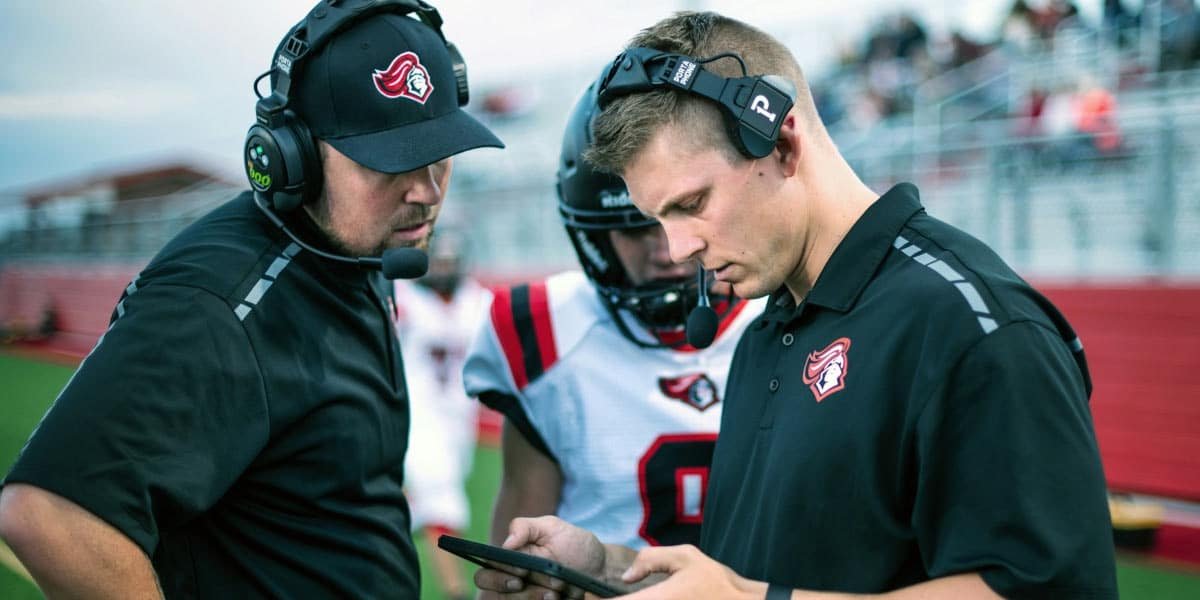
The Challenges of Taking the Helm of Coach in Football

Becoming a head coach in American football is one of the most demanding and high-pressure roles in sports. Whether at the NFL, college, or high school level, head coaches are responsible for managing a team, developing game strategies, handling player personalities, and meeting high expectations from fans, owners, and the media.

The complexities of coaching go far beyond calling plays on game day. It requires strong leadership, deep tactical understanding, adaptability, and the ability to manage both on-field performance and off-field dynamics. This article explores the key challenges of leading an American football team and what it takes to succeed in this high-stakes position.

Read also: The Progress of the Chicago Blackhawks Young Players

Team Management and Dynamics

One of the biggest responsibilities of a head coach is building and managing a cohesive team. A football team consists of a large and diverse group of players, assistant coaches, and support staff, all of whom must work together to achieve success.

Building team cohesion is critical to success. Football teams include players from various backgrounds, cultures, and playing styles. It is the coach’s responsibility to bring them together and create a strong team bond. Some challenges in team cohesion include blending veteran players with rookies, creating a team-first mentality in a sport that highlights individual positions and roles, and maintaining morale and unity during tough losing streaks or locker room conflicts. A strong head coach must instill a sense of brotherhood, accountability, and trust among team members to ensure success on and off the field.

Managing player personalities and egos is another significant challenge. American football is filled with strong personalities, and head coaches must navigate a locker room full of different attitudes, egos, and expectations. Some players demand more playing time, while others expect leadership roles or special treatment. Coaches must manage player expectations fairly while ensuring that no single personality disrupts the team. This requires clear communication on roles and expectations, conflict resolution strategies to handle internal disputes, and motivating both star players and bench players to contribute positively. A successful coach balances discipline and motivation, ensuring that each player understands their role and contributes to the team’s success.

Tactical and Strategic Planning

A head coach’s game strategy and decision-making skills are crucial for success. Coaches must develop detailed game plans, adjust tactics in real-time, and make split-second decisions under pressure.

Developing game strategies is a vital part of coaching. A football coach must build a team identity through strategic planning. This includes choosing offensive and defensive schemes that fit the team’s strengths, studying opponents and designing game plans to exploit weaknesses, and adjusting to changing game trends, such as pass-heavy offenses or dual-threat quarterbacks. Strategic planning doesn’t stop at X’s and O’s—it also involves adapting training regimens, managing player workloads, and preparing for different game situations.

In-game decision-making is another crucial aspect of coaching. Even the best-prepared game plan can change instantly due to injuries, turnovers, or unexpected opponent strategies. Coaches must think on their feet and make quick adjustments, such as calling crucial timeouts in high-pressure situations, deciding when to be aggressive versus playing conservatively, and making personnel adjustments if a key player gets injured. The ability to make calm, calculated decisions in real time often determines a team’s ability to win close games.

Pressure and Expectations

A football coach operates under intense pressure from multiple sources, including team owners, fans, and the media. The expectations to deliver wins and championships can be overwhelming.

Meeting performance expectations is one of the toughest aspects of coaching. Football is a results-driven sport. Coaches are judged by their win-loss record, and a few poor seasons can lead to termination. Key challenges include balancing long-term team development with the need for immediate success, keeping team morale high despite outside criticism, and managing coaching staff turnover if assistants leave for other opportunities. At the professional level, NFL coaches often have short lifespans, with some getting fired within a few seasons if results don’t meet expectations.

Handling media and public scrutiny is another difficult challenge. Every decision a coach makes, from team selection to play-calling, is analyzed and debated by fans, journalists, and sports analysts. Coaches must handle tough post-game interviews after losses, social media backlash and criticism, and managing rumors about job security and player trades. A strong coach must develop thick skin and maintain professionalism while navigating the constant media spotlight.

Recruitment and Talent Development

A coach’s ability to recruit top talent and develop players directly impacts long-term success. Whether in college football, where recruiting is a year-round process, or the NFL, where scouting and drafting are key, talent acquisition is critical.

Scouting and signing the right players is a crucial aspect of coaching. Recruiting or drafting players isn’t just about finding the most athletic prospects—it’s about building the right team culture. Coaches must scout college players or high school recruits who fit the team’s system, identify underrated talents who can develop into key contributors, and balance short-term free-agent signings with long-term player development.

Developing young players is another critical challenge. For college and professional teams, developing young players ensures sustained success. Coaches must train rookies to handle the speed and complexity of the game, mentor young quarterbacks and skill position players, and ensure backups are ready to step up when needed. Great coaches build programs that consistently produce star athletes rather than relying solely on superstar signings.

Adapting to an Evolving Game

Football constantly evolves, and coaches must stay ahead of trends to remain competitive.

Embracing technology and analytics is essential in modern football. Coaches now rely heavily on data analysis and technology. Film study and analytics help break down opponents, GPS and biometric tracking monitor player performance, and AI-powered scouting tools evaluate potential recruits. The best coaches incorporate data-driven decision-making while maintaining traditional coaching instincts.

Adjusting to rule changes is another major challenge. Football rules change regularly to improve player safety and enhance gameplay. Coaches must adapt to new tackling and concussion protocols, changes in pass interference and defensive holding rules, and modified overtime and game-clock management strategies. Failing to adjust to evolving rules can put a team at a competitive disadvantage.

Read also: What Sets Chicago Sports Teams One Step Above the Rest

Personal and Professional Development

A successful coach must balance professional responsibilities with personal well-being.

Continuous learning and coaching education are essential for long-term success. Great coaches never stop learning. They attend coaching seminars and leadership conferences, participate in NFL and NCAA training camps for new strategies, and engage in mentorship programs with experienced coaches.

Maintaining work-life balance is one of the toughest aspects of coaching. Coaching football is a 24/7 job, and many coaches struggle with time away from family due to long seasons and travel, high-stress environments affecting mental health, and job security concerns leading to burnout. Finding work-life balance is crucial for longevity in the profession.

Becoming a head coach in American football is one of the most challenging and rewarding careers in sports. From managing players and handling media scrutiny to developing game strategies and recruiting talent, the role requires strong leadership, adaptability, and resilience.

While the pressures are immense, successful coaches embrace the challenges, continuously learn, and develop teams that compete at the highest level. Those who can navigate these obstacles leave lasting legacies in the game and inspire future generations of athletes.

Leadership Diversification: Addressing Gender Gaps in Top Roles

Leadership diversification is increasingly recognized as an important goal for many organizations, particularly when it comes to addressing gender gaps in top roles. Although significant progress has been made in recent years, the gender disparity at the highest levels of leadership in business, politics, and other sectors remains a persistent challenge. Efforts to address this gap have been slow but steady, with many advocating for more inclusive policies and practices. The importance of gender diversity in leadership is not only a matter of fairness but is also believed to contribute positively to organizational success and societal equity. This article explores how addressing gender gaps in leadership can influence organizational growth and why it remains a significant issue for modern institutions.

Read also: The Rise of Generative AI in Corporate Leadership

The Current Landscape of Gender Gaps in Leadership

Despite the increasing awareness of gender disparities in leadership, women continue to be underrepresented in senior roles across many industries. In sectors such as finance, technology, and politics, the proportion of women in executive positions and boardrooms remains lower than that of men. While women make up a significant portion of the workforce, they occupy fewer positions of authority and decision-making power. Various reports indicate that the number of women in executive roles is steadily rising, but the pace of change has often been slower than many have hoped for.

Several factors contribute to this gender gap, including unconscious bias, historical inequalities in career advancement opportunities, and societal expectations surrounding gender roles. Women, particularly in leadership positions, may also face challenges such as balancing career and family responsibilities, which can impact their ability to take on higher-level roles. These factors contribute to a leadership landscape where men remain disproportionately represented in top positions.

The Value of Gender Diversity in Leadership

There is growing recognition that gender diversity in leadership can benefit organizations in several ways. Research suggests that diverse leadership teams often perform better, particularly in areas such as decision-making, innovation, and financial performance. When women are represented in senior roles, they bring different perspectives and problem-solving approaches that can complement those of their male counterparts. This diversity of thought is particularly valuable in industries where adaptability and creativity are essential for success.

Additionally, gender-diverse leadership teams may have a more accurate understanding of the needs and desires of a diverse customer base. As consumer demographics continue to shift, businesses with more gender-inclusive leadership may be better positioned to tap into new markets and create products that cater to a wider range of consumers. In industries that rely heavily on innovation, having women in leadership roles could contribute to more creative solutions and strategies.

Organizations that prioritize gender diversity in leadership also tend to see improvements in employee satisfaction and retention. When employees see women in high-ranking positions, it can send a positive signal about the company’s commitment to equality and fairness. Gender diversity in leadership can also foster a more inclusive company culture where individuals feel supported and valued, regardless of gender.

Barriers to Achieving Gender Parity in Leadership

While the benefits of gender-diverse leadership teams are increasingly recognized, the path to achieving gender parity at the top remains complex. The barriers that continue to hinder women’s advancement into senior roles are multifaceted and require a sustained effort to address.

One of the primary barriers is unconscious bias in hiring and promotion practices. Even with gender-neutral policies in place, individuals involved in decision-making processes may unknowingly favor male candidates or hold women to higher standards. These biases can influence hiring and promotion decisions, ultimately limiting women’s chances of reaching senior leadership positions. This type of bias is particularly prevalent in industries and sectors where men have traditionally held the most power.

Another significant barrier is the lack of mentorship and sponsorship opportunities for women in leadership pipelines. Women may not have access to the same professional networks or mentorship opportunities that men do, which can hinder their career advancement. In addition, women in the workplace may not always receive the same support or encouragement to pursue leadership roles, especially if they are in male-dominated industries. Ensuring that women have access to mentorship programs and leadership development opportunities is critical for narrowing the gender gap.

Workplace policies, particularly those related to family leave, flexible work hours, and caregiving responsibilities, also continue to impact women’s ability to reach leadership roles. The absence of supportive policies that address work-life balance can disproportionately affect women, especially those who are primary caregivers. Organizations that implement flexible and family-friendly policies are more likely to retain top female talent and create an environment where women can excel in leadership roles.

The Role of Organizational Change in Addressing Gender Gaps

For meaningful progress to occur in addressing gender gaps in leadership, organizations must take proactive steps to promote gender equality. This involves not only implementing policies that promote diversity and inclusion but also actively fostering a culture that supports the advancement of women. A key component of organizational change is ensuring that women are provided with equal access to leadership development opportunities, including mentorship programs, training, and high-visibility projects.

Another approach is to establish clear goals and metrics for gender diversity at the senior leadership level. Many organizations now track the gender composition of their leadership teams and set diversity targets to ensure that women are being given the same opportunities to advance as men. These initiatives can help organizations hold themselves accountable for improving gender representation in leadership and can serve as a catalyst for broader cultural changes within the organization.

Implementing gender diversity goals is important, but organizations must also ensure that their policies are designed to foster a truly inclusive environment. Creating an inclusive organizational culture requires that women not only have access to leadership opportunities but also feel supported and empowered once they are in those roles. Gender diversity should be part of a broader diversity and inclusion strategy that values all individuals, regardless of their gender, race, or background.

The Impact of Leadership Gender Diversity on Business Performance

Evidence suggests that companies with greater gender diversity in leadership roles tend to outperform their competitors. A study by a leading global consulting firm found that companies with more women in top leadership roles were 21% more likely to experience above-average profitability. Gender-diverse leadership teams often benefit from improved decision-making, as they are able to draw from a wider range of perspectives and experiences.

The positive relationship between gender diversity and business performance extends beyond financial metrics. Research also indicates that diverse leadership teams contribute to improved employee engagement and morale. When employees see women in leadership positions, they may feel more confident in the organization’s commitment to equity and feel more inclined to stay with the company long-term. This enhanced employee satisfaction can lead to higher productivity and lower turnover rates.

Furthermore, gender diversity in leadership can improve a company’s public image, which is increasingly important in a world where consumers and employees are paying closer attention to corporate values and practices. Companies that prioritize gender equality in their leadership teams are often viewed more favorably by the public, potentially leading to stronger brand loyalty and customer trust.

Read also: Identifying Lucrative Business Opportunities for Entrepreneurs in Chicago

Looking Ahead: Moving Toward Gender Equality in Leadership

Achieving gender equality in leadership is a complex process that requires both organizational commitment and societal change. While significant progress has been made in recent years, the pace of change may not be fast enough for many advocates who are pushing for greater gender parity. For organizations, addressing the gender gap in leadership requires ongoing efforts to remove barriers, promote inclusivity, and ensure that women have access to the same opportunities as their male counterparts.

As gender diversity becomes increasingly recognized as a key factor in organizational success, companies must continue to prioritize gender equality in their leadership teams. By implementing policies that support women’s advancement and creating an inclusive workplace culture, organizations can unlock the potential of diverse leadership and contribute to a more equitable business environment.

In the end, reducing gender gaps in top roles is not only a matter of fairness but also a strategic advantage for businesses. As more organizations embrace gender diversity in leadership, the potential benefits—ranging from enhanced innovation and decision-making to improved performance and employee satisfaction—are becoming clearer.

Dengue Fever Prevention: Tips for Chicago’s Public Health

Dengue fever is a viral illness transmitted by mosquitoes, most notably Aedes aegypti and Aedes albopictus. While typically associated with tropical and subtropical climates, the spread of these mosquitoes has expanded into more temperate areas, raising concerns about the potential for dengue transmission in cities like Chicago. As Chicago’s climate becomes more conducive to mosquito activity, effective dengue fever prevention strategies are crucial for safeguarding public health. Preventative measures focus on controlling mosquito populations, reducing exposure, and educating residents about the risks and proper precautions.

Read also: How the Changing Weather Can Lead to a Fever

The Risk of Dengue Fever in Chicago

Dengue fever is primarily transmitted through the bite of an infected mosquito, with symptoms including fever, severe headache, pain behind the eyes, joint pain, rash, and mild bleeding. While the disease is often mild, it can cause serious complications, including dengue hemorrhagic fever and dengue shock syndrome in some cases, which can be life-threatening if not treated properly.

In Chicago, the Aedes mosquitoes that transmit dengue fever have been reported in the area, though dengue cases have been rare. However, the spread of these mosquitoes, particularly with increased global travel, makes it important for local public health authorities to remain vigilant. As mosquito-borne diseases continue to present a threat in urban settings, managing the risk of dengue fever requires a combination of mosquito control efforts, public education, and personal prevention strategies.

Mosquito Control Measures in Chicago

A key component of preventing dengue fever in Chicago is effective mosquito control. Public health initiatives aim to minimize mosquito populations by targeting breeding sites and reducing the environments where mosquitoes thrive. Mosquitoes that transmit dengue breed in standing water, such as in puddles, old tires, clogged gutters, and even plant saucers. In urban areas like Chicago, efforts to reduce these breeding sites involve regular cleaning of public spaces, the removal of stagnant water, and promoting awareness of how to eliminate potential mosquito habitats around homes and businesses.

In addition to public education on water management, local authorities may deploy mosquito control measures, including spraying and fogging, during peak mosquito activity periods, particularly in areas with higher mosquito populations. These measures help manage the adult mosquito population and reduce the spread of mosquito-borne diseases like dengue fever.

Personal Protection Against Mosquito Bites

Minimizing exposure to mosquitoes is a critical aspect of dengue fever prevention. Public health recommendations stress the importance of personal protection measures, especially for individuals who spend time outdoors during peak mosquito activity. The Aedes mosquitoes that transmit dengue are most active during the day, with peak activity in the early morning and late afternoon.

Using insect repellent containing DEET, picaridin, or oil of lemon eucalyptus can effectively ward off mosquitoes. Applying repellent to exposed skin and clothing, especially when spending time in areas known to have mosquitoes, helps reduce the likelihood of bites. In addition, wearing long-sleeved shirts, long pants, and socks can further minimize skin exposure when outdoors.

Installing window and door screens and using mosquito nets in sleeping areas, especially for children and vulnerable individuals, can also be beneficial in preventing mosquito bites at night. These personal protection methods play a role in reducing overall exposure to mosquito-borne illnesses, including dengue fever.

Community Awareness and Education

Public awareness is an essential component of dengue fever prevention in Chicago. Educating residents about the risks of dengue and how to reduce mosquito exposure can help prevent outbreaks. Health agencies and community organizations can provide materials and conduct outreach campaigns to inform the public about the importance of eliminating standing water, using mosquito repellents, and recognizing the symptoms of dengue fever.

In addition, encouraging residents to report areas with stagnant water or potential mosquito breeding sites helps public health authorities focus efforts on areas that may need attention. Community involvement in local mosquito control efforts increases the effectiveness of prevention programs and fosters a greater understanding of the role individuals play in reducing the spread of diseases like dengue fever.

Travel Precautions for Dengue Prevention

Global travel can increase the risk of dengue fever in cities like Chicago. When individuals travel to areas where dengue is endemic, they may bring the virus back to their home city, potentially exposing local mosquito populations. Travelers can take precautions to minimize their risk of being bitten by mosquitoes, which helps prevent the introduction of the disease to new areas.

When visiting regions with known mosquito-borne diseases, it is recommended to use insect repellent, stay in accommodations with air conditioning or mosquito nets, and avoid outdoor activities during peak mosquito hours. By following these precautions, travelers can help protect themselves from dengue and reduce the chances of inadvertently introducing the disease to their home city.

Surveillance and Reporting

Ongoing surveillance is an important tool in monitoring the presence of Aedes mosquitoes and identifying potential dengue cases in Chicago. Public health agencies track mosquito populations and human cases of mosquito-borne diseases, which helps to inform prevention strategies and allocate resources where needed. If a case of dengue fever is reported, public health officials may conduct investigations to identify potential sources of transmission and take measures to prevent further spread.

Local authorities can also work with nearby communities to monitor for signs of mosquito-borne diseases and implement early interventions if necessary. This continuous monitoring allows health departments to respond proactively to potential risks, ensuring that dengue fever remains under control.

Climate Change and the Spread of Mosquitoes

Climate change is expected to have an impact on the spread of mosquito-borne diseases. Rising temperatures and changes in precipitation patterns may expand the range of Aedes mosquitoes, potentially increasing the risk of diseases like dengue fever in cities like Chicago. While the city’s climate has not traditionally supported the spread of mosquitoes that transmit dengue, shifting weather patterns could make it more conducive to mosquito breeding.

As climate change continues to affect global ecosystems, public health officials in Chicago may need to adapt prevention strategies to account for changing mosquito populations and potential disease transmission risks. This may involve enhanced surveillance systems, adjusting mosquito control measures, and increasing public education about the potential effects of climate change on the spread of diseases.

The Role of Public Health Agencies

Public health agencies in Chicago are central to the ongoing efforts to prevent dengue fever. By coordinating mosquito control programs, providing education to residents, and responding to potential outbreaks, these agencies play a key role in protecting the health of the community. They also collaborate with other organizations, including environmental groups, research institutions, and the general public, to develop and implement effective prevention measures.

Continued investment in public health infrastructure, including surveillance and data collection systems, is essential for managing the risk of mosquito-borne diseases like dengue. These agencies are also crucial in informing and educating the public about how to reduce mosquito breeding sites and prevent exposure to mosquitoes, helping to foster a more proactive community response to potential health threats.

Read also: How to Manage Cold Symptoms, Break a Fever, and Deal with High Temperatures

Long-Term Prevention and Preparedness

Effective dengue fever prevention in Chicago requires a long-term commitment to mosquito control, public education, and collaboration. As urbanization continues and climate change presents new challenges, public health agencies must remain adaptable to emerging risks. By prioritizing mosquito control, promoting personal protection, and educating the public, the city can help reduce the risk of dengue fever outbreaks and other mosquito-borne diseases in the future.

A comprehensive, community-based approach to dengue fever prevention will contribute to maintaining a healthy, resilient population. As the public becomes more informed and involved, the risk of dengue fever transmission in Chicago can be minimized, helping to ensure the health and well-being of residents now and in the years to come.

The Development of Chicago’s Global Business Ties

Chicago is known for its vibrant economy and its strategic position as a hub for international business. Over the years, the city has expanded its global business connections, positioning itself as a critical player in global trade, foreign investment, and innovation. As Chicago strengthens its business ties worldwide, it continues to attract foreign direct investment (FDI), build on its trade partnerships, and support key sectors such as technology, finance, and education. This article explores the various ways Chicago is developing its global business ties and the factors driving this growth.

Trade Partnerships

Chicago’s role as a key player in international trade is reinforced by its numerous trade partnerships with cities and countries around the globe. The city’s location in the Midwest, combined with its robust infrastructure, including O’Hare International Airport and its extensive rail networks, makes it a natural hub for both imports and exports.

Export Growth Sectors

Chicago has seen significant growth in sectors such as manufacturing, technology, agriculture, and pharmaceuticals. Companies based in Chicago are increasingly exporting goods and services to markets around the world, including Asia, Europe, and Latin America. By expanding trade relationships and negotiating better terms for exporting companies, Chicago has been able to boost its role as a vital player in the global economy.

Sister Cities Program

The Sister Cities Program has been instrumental in fostering international trade and cultural relationships between Chicago and cities around the world. Through this initiative, Chicago has developed strategic partnerships with more than 25 cities, ranging from Paris and Shanghai to São Paulo and Amman. These relationships not only facilitate cultural exchange but also encourage business collaborations and trade opportunities across diverse industries.

Foreign Direct Investment (FDI)

One of the key indicators of Chicago’s global business development is the amount of foreign direct investment (FDI) that flows into the city. Chicago consistently ranks among the top cities in the U.S. for attracting foreign investment.

FDI from Asia and Europe

FDI into Chicago comes primarily from major economies like Japan, Germany, and the United Kingdom, along with emerging markets in Asia. Chicago offers an attractive proposition for foreign investors due to its business-friendly policies, access to skilled labor, and high-quality infrastructure. European and Asian companies have set up headquarters, research facilities, and manufacturing plants in the region, boosting local employment and contributing to economic growth.

International Business Hubs

Several international companies have chosen Chicago as the site of their North American headquarters, making the city a global business hub. Chicago’s ability to provide a strategic location in the center of the U.S., coupled with strong transportation links, has made it an ideal location for multinational corporations looking to expand their reach into North America.

Tech and Innovation Hubs

Chicago is increasingly recognized as a center for tech innovation and startups, thanks to its growing ecosystem of tech incubators, research institutions, and investment funds. The city is fostering innovation and entrepreneurship through initiatives that connect local talent with global markets.

Global Startup Ecosystem

Chicago’s startup ecosystem is rapidly expanding, with entrepreneurs from around the world launching their ventures in the city. This growth has been fueled by local incubators such as 1871, which offers mentorship, funding opportunities, and networking for tech startups. As Chicago becomes a key player in the global startup ecosystem, its reputation as a city that supports innovation continues to rise.

Collaboration with International Tech Hubs

Chicago has developed collaborative relationships with other global tech hubs, including Silicon Valley, London, and Berlin. These partnerships encourage the exchange of ideas and resources, enabling Chicago-based startups to access global markets and attract foreign investors. Additionally, international companies are increasingly looking to Chicago for innovation solutions and technological advancements.

Infrastructure Expansion

A major factor in Chicago’s global business success is its infrastructure, which is essential for the efficient movement of goods, people, and services. Chicago continues to invest in infrastructure projects that enhance its competitiveness in global trade.

Logistics and Transportation

Chicago is a major logistics hub, with an intricate network of railroads, highways, and air routes that connect it to other major markets worldwide. Investments in transportation infrastructure, including the ongoing modernization of O’Hare International Airport and enhancements to rail systems, ensure that Chicago remains a critical point of access for global trade.

Port of Chicago

Chicago’s location on Lake Michigan, coupled with its access to the Mississippi River and the St. Lawrence Seaway, enables efficient trade via waterways. The Port of Chicago plays an important role in facilitating global trade by providing a gateway for goods traveling between North America and international markets.

International Conferences and Events

Chicago has become a go-to destination for international conferences and events, which serve as platforms for global business leaders to meet, share ideas, and forge new partnerships.

World Business Chicago Initiatives

Organizations such as World Business Chicago (WBC) have been instrumental in promoting the city as a hub for international conferences and investment summits. WBC leads initiatives to attract global companies to the city and fosters partnerships between Chicago businesses and their international counterparts.

Trade Shows and Expos

Chicago frequently hosts high-profile trade shows and expos in industries such as manufacturing, healthcare, and finance. These events draw participants from around the world, offering businesses the opportunity to showcase their products and services to a global audience. By positioning itself as a global business hub, Chicago creates valuable networking opportunities for local and international companies alike.

Chicago’s Role in Global Supply Chains

Chicago’s strategic location makes it a key player in global supply chains. The city’s central position in the U.S., combined with its access to multiple transportation routes, enables it to efficiently manage the flow of goods from suppliers to consumers across the world.

Global Trade Routes

Companies in Chicago benefit from the city’s connection to major global trade routes. Products originating in the Midwest can easily reach markets in Asia, Europe, and Latin America. Chicago’s logistics capabilities also allow companies to streamline their supply chain operations, improving efficiency and reducing costs.

Supply Chain Innovation

Innovation in supply chain management is another area where Chicago stands out. Companies are investing in technology and automation to improve the flow of goods and reduce bottlenecks in transportation. Chicago’s logistics firms are at the forefront of adopting new technologies, such as artificial intelligence (AI) and blockchain, to optimize global supply chains.

Educational Exchange Programs

Chicago’s universities and colleges play an important role in strengthening the city’s global business ties through educational exchange programs. These programs foster international collaboration, create opportunities for students and professionals, and promote cross-cultural understanding.

Attracting International Students

Chicago’s universities are known for attracting a diverse international student body. These students often contribute to the local economy and go on to work for Chicago-based companies or return to their home countries as ambassadors for the city’s business environment.

Collaboration with International Institutions

Many of Chicago’s academic institutions have established partnerships with universities abroad. These collaborations facilitate research, business development, and knowledge sharing, further strengthening Chicago’s position as a global city. Educational exchange programs also help local businesses access a global pool of talent, enhancing their competitiveness in international markets.

Global Financial Services

Chicago is home to a thriving financial sector, and its influence extends far beyond the United States. As a major center for global financial services, Chicago plays an important role in international finance, investments, and trading.

Financial Markets

Chicago’s financial markets, particularly the Chicago Mercantile Exchange (CME) and the Chicago Board Options Exchange (CBOE), are some of the largest and most influential in the world. These markets attract traders, investors, and companies from around the globe, cementing Chicago’s role as a global financial powerhouse.

Foreign Investment in Finance

Foreign companies and investors have increasingly been drawn to Chicago’s finance sector. The city’s financial services infrastructure, along with its regulatory environment, makes it a top choice for foreign firms looking to expand their financial operations in the U.S. and beyond.

Tourism and Business Travel

As a top destination for tourism and business travel, Chicago attracts millions of international visitors every year. This influx of business travelers contributes to the city’s economic growth and helps forge new business relationships.

Tourism’s Economic Impact

International tourism is a major driver of Chicago’s economy, with visitors spending billions of dollars on hotels, restaurants, and entertainment. Many business travelers come to Chicago for conferences, expos, and meetings, creating opportunities for local businesses to engage with international clients and partners.

Strengthening Business Ties through Travel

Business travel plays a key role in reinforcing Chicago’s global connections. By hosting international conferences and meetings, the city provides a platform for business leaders from different countries to come together and collaborate on new ventures. This travel fosters the exchange of ideas, strengthens partnerships, and opens the door to future business opportunities.

The development of Chicago’s global business ties is a testament to the city’s dynamic economy, strategic location, and forward-thinking initiatives. By fostering trade partnerships, attracting foreign investment, and building a strong foundation in technology, finance, and infrastructure, Chicago continues to solidify its place as a leading global business hub. As the city looks to the future, its growing connections to the international business community will only enhance its role in the global economy.

The Role of Connection In Stress Management: A Look at Preventing Burnout

The connection between emotional well-being and stress management has been well-established in research, with feelings of connection playing a critical role in preventing burnout. In today’s fast-paced environment, both at work and in personal life, stress is increasingly recognized as a challenge that needs to be addressed holistically. Social support systems, whether in the form of family, friends, colleagues, or professional networks, provide the emotional and psychological resources individuals need to cope with stress effectively.

The idea that feeling connected can help buffer the negative impacts of stress is rooted in both psychological and physiological processes. Strong social connections promote a sense of belonging and security, which can act as a buffer against the pressures of daily life. When people feel supported, they are better equipped to manage challenges and recover from difficult situations. In contrast, feelings of isolation or loneliness can exacerbate stress, making it harder to cope and increasing the risk of burnout over time.

Read also: Understanding the Shifts in Workplace Dynamics in Chicago

How Does Social Support Influence Stress and Burnout?

Social support, which is often an outcome of strong personal and professional connections, has been shown to reduce the adverse effects of stress. People who have a reliable network of support—whether it’s through family, peers, or coworkers—tend to experience lower levels of stress and are less likely to suffer from burnout.

The positive impact of social support can be attributed to several factors. Emotional support from others provides comfort and reassurance, helping individuals feel less overwhelmed by life’s challenges. Additionally, tangible support, such as practical help or advice, can help individuals find solutions to problems, reducing stress levels. By sharing their concerns with others, people can often gain new perspectives, which may make stressful situations feel more manageable.

In the workplace, when employees feel connected to their colleagues and supervisors, they are more likely to feel engaged and motivated. This sense of belonging can contribute to job satisfaction and can serve as an effective preventative measure against burnout. The absence of these supportive connections, on the other hand, can lead to feelings of disengagement, which may contribute to emotional exhaustion and increased stress levels.

How Can Workplace Connection Influence Stress Levels?

Workplaces that foster a sense of connection and community can significantly reduce employee stress and lower the likelihood of burnout. When employees feel that they are part of a supportive team, they are more likely to stay motivated and productive, even in the face of high demands. A positive workplace culture that encourages open communication, collaboration, and mutual respect can create an environment where employees feel valued and understood.

In contrast, workplaces that are lacking in connection or that foster a competitive, isolating environment may inadvertently increase stress levels. Employees who feel disconnected from their peers or supervisors may struggle with feelings of isolation, which can amplify stress and lead to burnout. This dynamic underscores the importance of cultivating meaningful relationships within a work environment and emphasizes the role that leadership and organizational culture play in shaping the emotional landscape of the workplace.

Employers who promote social connections within the workplace through team-building activities, mentorship programs, and flexible work arrangements can help mitigate stress and improve employee well-being. These efforts not only reduce the risk of burnout but also contribute to a more positive and productive workplace culture overall.

How Does Isolation Contribute to Increased Stress?

While social connections can alleviate stress, isolation can have the opposite effect. When individuals feel cut off from others, whether in their personal lives or at work, they are more vulnerable to the negative effects of stress. Isolation often leads to feelings of loneliness, which can contribute to emotional distress and increase the likelihood of burnout.

Social isolation is particularly concerning in professional environments where team collaboration is key. Employees who work in isolation or who do not have access to a support system may find themselves struggling to manage the pressures of their job, leading to burnout. Even when individuals do not experience physical isolation, emotional isolation—feeling unsupported or disconnected from colleagues—can still be damaging to mental health.

Moreover, in times of crisis or uncertainty, such as during a global pandemic or organizational restructuring, employees who lack strong social networks may find it more difficult to cope. Isolation during such times can leave individuals feeling unsupported, intensifying stress and further contributing to burnout. This highlights the importance of maintaining strong connections with others, even in challenging or uncertain times.

What Personal Strategies Can Help Build Connections and Manage Stress?

Building and maintaining strong connections is not just the responsibility of employers or organizations; individuals can also take proactive steps to strengthen their social networks and manage stress effectively. One of the key strategies for building connections is to prioritize relationships, both personally and professionally. Reaching out to colleagues, friends, or family members and maintaining regular communication can foster a sense of belonging and support.

In the workplace, individuals can take the initiative to engage in team activities, offer support to colleagues, and seek mentorship opportunities. These efforts can create a more inclusive and supportive work environment, which can, in turn, reduce stress and help prevent burnout. Additionally, individuals who take time to invest in their social networks are better equipped to cope with stress, as they have access to emotional resources when needed.

On a personal level, engaging in activities that promote social interaction—such as joining community groups or participating in social events—can help combat isolation. It’s important to balance work and personal life by nurturing relationships outside of the workplace. Spending time with friends and family can offer emotional support and provide an opportunity to recharge, ultimately reducing the likelihood of stress and burnout.

What Role Does Communication Play in Managing Stress and Building Connections?

Effective communication is central to building strong, supportive connections. When individuals feel that they can express their concerns openly and honestly, they are better able to manage stress and avoid burnout. Open communication fosters trust and strengthens relationships, both of which are essential for emotional well-being.

In the workplace, communication is especially important in maintaining a sense of connection. Regular check-ins, whether in the form of team meetings, one-on-one sessions with supervisors, or informal conversations, can help employees feel supported and engaged. These interactions provide an opportunity to share concerns, offer feedback, and discuss solutions to challenges, which can help alleviate stress and reduce the risk of burnout.

On a personal level, communicating openly with loved ones or friends can provide emotional relief and strengthen bonds. When individuals feel understood and validated, they are better equipped to cope with life’s pressures. Practicing active listening and offering support in return can also strengthen social connections, creating a network of mutual support that is crucial for managing stress.

How Can Organizational Support Prevent Burnout and Foster Connection?

Organizations play a significant role in supporting employees and fostering connections that can help prevent burnout. Providing resources for mental health support, such as counseling services or stress management workshops, can offer employees tools to cope with stress and reduce its impact on their well-being.

Additionally, creating a culture of support and open communication is essential for preventing burnout. This includes offering flexibility in work hours, encouraging breaks, and promoting work-life balance. Companies that prioritize the emotional and mental health of their employees are better positioned to reduce stress and increase job satisfaction.

Incorporating connection-building initiatives, such as mentorship programs, peer support groups, or team-building activities, can further enhance employee well-being. These programs provide opportunities for individuals to build relationships, share experiences, and offer support, all of which contribute to managing stress and preventing burnout.

Chicago Retail Anticipating the Holiday Sales

As the holiday season approaches, retail businesses in Chicago are gearing up for what is expected to be a bustling time of year. With festive shopping habits returning in full swing, Chicago’s retailers are preparing for increased foot traffic, higher sales volumes, and the chance to capitalize on consumer excitement. From large department stores to boutique shops, businesses are planning various strategies to capture the attention of shoppers and ensure they have a memorable holiday shopping experience. Let’s explore how Chicago’s retail industry is anticipating the holiday sales surge and how they are preparing for this critical time of year.

Shifting Consumer Behavior: Adapting to Post-Pandemic Shopping Trends

In recent years, the retail landscape has undergone dramatic shifts, largely driven by the COVID-19 pandemic. However, as we approach the 2024 holiday season, retailers in Chicago are optimistic that consumer behaviors have largely returned to pre-pandemic patterns.

During the height of the pandemic, many shoppers turned to online shopping, with e-commerce rising to prominence as an essential channel. In fact, Chicago’s brick-and-mortar stores saw a sharp decline in foot traffic, but this trend seems to have reversed in 2023. As people grew more comfortable venturing out, physical stores began to see a resurgence in foot traffic, driven by consumers craving in-person experiences that can’t be replicated online.

Retailers are taking advantage of this renewed interest in shopping locally by enhancing their in-store offerings, including exclusive holiday promotions and events. Department stores like Macy’s and Nordstrom are expected to see increased foot traffic thanks to their extensive holiday decorations, festive promotions, and special sales events, such as Black Friday and Cyber Monday. Smaller boutiques, meanwhile, are utilizing their intimate settings to build stronger connections with local consumers.

With in-person shopping expected to make a comeback, Chicago retailers are blending the digital and physical shopping experience. Services like buy-online-pick-up-in-store (BOPIS) are becoming more popular than ever as customers expect convenience combined with the tactile experience of brick-and-mortar shopping.

Optimizing the Holiday Shopping Experience: The Role of Technology

Technology is playing an increasingly important role in Chicago’s retail strategy for the holidays. From personalized shopping experiences to innovative marketing campaigns, retailers are leveraging the latest digital tools to engage customers and improve sales.

Many stores in Chicago are integrating advanced technologies, such as augmented reality (AR) and virtual reality (VR), into their holiday campaigns. These immersive tools allow customers to “try before they buy” by visualizing how products, such as furniture or fashion, will look in their homes or on their bodies without stepping foot inside a store. This is a growing trend among Chicago retailers who want to offer cutting-edge, interactive experiences to enhance customer satisfaction.

Retailers are also investing in omnichannel marketing strategies that blend online and offline experiences seamlessly. For example, personalized email marketing, social media campaigns, and apps that provide real-time information on sales or in-store events can drive foot traffic into stores. Mobile apps that provide customers with store-specific coupons, location-based discounts, or loyalty program rewards have become increasingly popular in Chicago’s retail landscape. By implementing these technologies, businesses are staying connected to their customers, making it easier to find the perfect gift or exclusive offer during the busy holiday season.

Preparing for Supply Chain Challenges: Ensuring Stock Availability

One of the biggest challenges that Chicago retailers are facing heading into the 2024 holiday season is the uncertainty surrounding supply chains. While much of the supply chain disruptions caused by the pandemic have been resolved, global supply issues and the need for fast shipping still pose concerns.

Retailers are bracing for the potential of stock shortages in key categories such as electronics, clothing, and toys, all of which tend to be in high demand during the holiday shopping season. In order to ensure they have the products their customers want, Chicago retailers are placing bulk orders early and diversifying their sources of supply.

Local retailers are also collaborating with regional manufacturers to ensure timely product deliveries, especially for high-demand items. Some Chicago businesses are even stocking up on limited-edition holiday items to entice customers into stores early, fearing that delayed shipments could affect inventory levels closer to Christmas. For larger retailers, warehouse space is being utilized to manage stock more effectively, allowing for quicker re-stocking as inventory levels fluctuate.

Despite these challenges, Chicago’s retailers are finding creative ways to keep supply chains running smoothly. The use of real-time inventory management systems has become critical in predicting demand and minimizing stockouts, ensuring that retailers can deliver products in a timely manner.

Impact of Local Events: Holiday Festivities and Tourism

As Chicago is known for its vibrant holiday events, including the Christkindlmarket, the Magnificent Mile Lights Festival, and ice skating at Millennium Park, retailers are relying on the influx of tourists and locals attending these festivities to increase their sales. Retailers are keenly aware that foot traffic generated by local events plays a significant role in driving sales during the holiday season.

Shops along Michigan Avenue and other popular shopping districts in Chicago are preparing for the expected uptick in tourism. Many are aligning their marketing efforts with local festivities, offering special promotions or products tailored to holiday events. For example, many stores will offer discounts on Christmas-themed items or create bundles that appeal to tourists looking for holiday gifts and souvenirs.

Businesses are also enhancing the overall holiday experience for customers by providing unique services. For example, retailers may offer free gift wrapping, extend store hours, or provide concierge services for tourists who need assistance finding the perfect gift. These added touches can create lasting impressions, encouraging customers to return throughout the season.

Retailers are also focusing on creating inviting and festive storefront displays to capture the attention of shoppers, particularly tourists. Bold window displays, holiday lighting, and seasonal decorations are all part of the strategy to enhance the retail experience and inspire more purchases.

Promoting Sustainability: Eco-Friendly Holiday Shopping

Sustainability is an increasingly important consideration for many shoppers, particularly as they approach holiday shopping. Chicago retailers are responding to this growing trend by focusing on eco-friendly products, sustainable packaging, and ethical business practices.

Many retailers in the city are highlighting their commitment to sustainability by offering products made from recyclable materials or those that support fair trade. Local artisans and craftspeople are also finding a home in Chicago’s holiday markets, where consumers can buy handmade, eco-conscious gifts that promote sustainability.

Additionally, stores are taking steps to reduce waste during the holiday season. Retailers are opting for eco-friendly gift wrap, reusable shopping bags, and offering discounts to customers who bring in their own packaging. The shift toward sustainability reflects a broader trend that goes beyond the holiday season, with consumers increasingly seeking out brands that align with their environmental values.

Navigating Inflation and Consumer Spending

As inflation continues to affect consumer purchasing power, Chicago retailers are adapting their strategies to meet customers where they are financially. With more shoppers seeking value for their money, retailers are offering a range of price points for holiday gifts, from affordable stocking stuffers to high-end luxury items.

Discounts, sales, and loyalty programs will play a key role in attracting price-conscious consumers this holiday season. Retailers in Chicago are also promoting early sales and offering layaway options for those who may need more flexibility when it comes to holiday spending. For many shoppers, the ability to buy now and pay later is an appealing option.

Additionally, businesses are prioritizing promotions that offer value, such as bundling items or offering incentives like free shipping or discounts on future purchases. These efforts will help retain customer loyalty and increase conversion rates during the busiest shopping period of the year.

Chicago Retail Poised for a Strong Holiday Season

As Chicago retailers anticipate the holiday sales season, they are navigating an evolving landscape shaped by new consumer behaviors, technological advancements, and economic challenges. However, with creative marketing strategies, a focus on customer experience, and a keen understanding of the local market, Chicago’s retailers are poised for a successful holiday season. By offering personalized shopping experiences, maintaining robust supply chains, and capitalizing on local events, Chicago’s retail industry is set to thrive during this festive time of year. As holiday shopping reaches its peak, retailers across the city will continue to find innovative ways to attract customers and maximize sales, ensuring that this season is one to remember for both businesses and shoppers alike.

Positive Progress in Chicago’s Healthcare Tech Scene

Chicago, IL — Major strides in health technology are helping solidify Chicago’s position as a leading hub for healthcare innovation, industry leaders and local institutions say.

Chicago’s healthcare tech ecosystem has shown notable momentum recently, with growth across startups, established companies, university research and community health initiatives. Experts point to this progress as a sign that the city’s tech sector is translating innovation into real-world medical and economic impact.

Local health technology companies continue to expand their influence nationally and globally. Chicago-based firms such as Tempus AI and GoHealth are leveraging artificial intelligence and data analytics to transform care delivery, disease detection, and patient outcomes. These firms exemplify how healthtech innovation rooted in Chicago is redefining care and broadening access across diverse patient populations.

Part of the momentum comes from collaboration between medical institutions, universities and tech leaders. The Illinois Medical District — one of the nation’s largest medical innovation hubs — remains a core driver, housing major hospitals, research labs and biotech incubators that foster cross-sector partnerships and accelerate health tech development.

Chicago’s research community has also contributed breakthroughs. Work at institutions like the University of Chicago has produced portable diagnostic technologies that capture disease markers from non-invasive samples such as breath, paving the way for rapid and patient-friendly medical testing.

Artificial intelligence continues to be a major theme in Chicago’s healthcare tech narrative. Local pilot programs are deploying AI to assist clinicians with tasks ranging from diabetic retinopathy screening to clinical documentation, improving workflow efficiency and helping clinicians spend more time on direct patient care.

Economic data reflect the broader significance of this innovation. Chicago’s healthcare and life sciences industries generate tens of billions in economic output and support tens of thousands of jobs, ranking the region among the most dynamic healthcare tech markets in the nation.

Industry advocates note that Chicago’s diverse and mature ecosystem — which includes startups, academic research and major health systems — positions the city to continue growing its health technology footprint. While challenges like regulatory complexity and workforce competition remain, momentum is strong as Chicago builds on its strengths in data science, medical research, and digital health to advance care delivery and health outcomes.