Skip to content

The Chicago Journal

Economic Pressure on Chicago’s Retail Landscape


Chicago’s retail sector faces significant economic pressure from various factors, ranging from rising operational costs to shifting consumer behavior. As retailers navigate these challenges, they are forced to adapt, innovate, or face the risk of closure. Below, we explore the key elements contributing to the strain on Chicago’s retail industry, the challenges faced by local businesses, and the strategies they are employing to remain competitive.

Rising Operational Costs

Retailers in Chicago are grappling with steadily increasing operational costs. High rents in prime retail locations, rising utility bills, and general overhead expenses have significantly cut into profit margins. For small businesses, these costs can be crippling, especially in high-traffic areas like the Magnificent Mile and State Street. Commercial real estate costs have surged, forcing retailers to reconsider their physical footprint. Even larger retailers, typically more resilient to cost increases, are finding it harder to maintain profitability without passing additional costs on to consumers or cutting operational expenditures.

Some businesses have responded by downsizing their store locations or opting for less expensive, secondary retail districts. Others are pursuing strategies like shared spaces, such as pop-up shops or rotating vendors, to keep real estate expenses manageable while maintaining a physical presence.

Impact of Inflation

Inflation has emerged as a major concern for Chicago’s retail sector, reducing consumers’ purchasing power and tightening household budgets. As prices increase across essential goods and services, consumers have less disposable income to spend on non-essential retail items. This decline in consumer spending has contributed to lower sales volumes for many retailers. In response, businesses have been faced with the difficult decision of either absorbing increased costs—thereby reducing their already-thin profit margins—or passing those costs onto consumers, potentially driving sales down even further.

Additionally, the rising costs of raw materials, transportation, and manufacturing have significantly impacted retailers’ supply chains, making it more expensive to procure inventory. Retailers must carefully manage pricing strategies to stay competitive while preserving margins in the face of growing financial pressures.

Shifts in Consumer Behavior

Changing consumer behavior is reshaping the retail landscape in Chicago, with increasing demand for online shopping, contactless transactions, and same-day delivery. Many customers now prioritize convenience and speed, turning to e-commerce platforms for a greater variety of products at lower prices. This trend has intensified competition for brick-and-mortar stores, which struggle to keep up with the convenience and pricing offered by online giants like Amazon.

Moreover, a growing number of consumers are placing greater emphasis on sustainability and ethical retail practices. Shoppers are more conscious of where and how their products are made, seeking out retailers who demonstrate a commitment to environmental and social responsibility. Retailers slow to adapt to these evolving preferences are finding it harder to build and maintain a loyal customer base.

E-commerce Competition

The rise of e-commerce has exacerbated the challenges facing Chicago’s traditional retail stores. The rapid expansion of online shopping platforms has shifted consumer spending away from physical stores, particularly in sectors like fashion, electronics, and home goods. The ability to shop from home, coupled with often lower prices and more product variety, has lured many consumers online, leaving brick-and-mortar retailers struggling to attract foot traffic.

Some Chicago retailers have responded by adopting omnichannel strategies, integrating their physical and online sales channels to create a seamless shopping experience. Businesses that have embraced curbside pickup, same-day delivery, and robust online storefronts are better positioned to compete in the evolving retail landscape. Those that haven’t, however, face an increased risk of store closures as they struggle to retain customers.

Vacancy Rates and Store Closures

Vacancy rates in Chicago’s retail spaces have surged, with numerous stores closing due to the combined effects of rising operational costs, inflation, and increased competition. High-traffic shopping districts, such as the Magnificent Mile, have seen a wave of store closures, leading to empty storefronts and declining foot traffic. This trend has triggered a cycle of reduced consumer activity, further harming remaining businesses.

As more retail spaces go vacant, the commercial real estate market has experienced a significant shift. Landlords have been forced to lower rental prices in some areas to attract new tenants or repurpose these spaces for non-retail uses. While some innovative businesses are filling these vacancies with pop-up shops or experiential retail formats, others are exiting the market altogether.

Supply Chain Disruptions

Supply chain disruptions continue to plague Chicago’s retail sector. Ongoing global issues such as port congestion, labor shortages, and transportation bottlenecks have made it difficult for retailers to maintain consistent inventory levels. Retailers are facing delays in product shipments, leading to stockouts and frustrated customers. These supply chain challenges have been particularly problematic for retailers with just-in-time inventory models, which rely on efficient, fast-paced supply chains to meet customer demand.

To cope with these disruptions, many retailers are reassessing their supply chain strategies, diversifying suppliers, and increasing inventory levels. However, these adjustments come at a cost, further straining already tight budgets and reducing profit margins.

Policy and Taxation Impacts

Chicago retailers are also navigating the complexities of local and state tax policies, which have compounded their financial difficulties. High property taxes and regulatory costs have become significant burdens for retailers, particularly small businesses. Some have cited these factors as reasons for closing stores or halting expansion plans within the city.

Retailers must also comply with a range of regulations, including labor laws, health and safety standards, and environmental mandates, which require additional resources to manage. For smaller retailers, these compliance costs can be overwhelming, pushing them to the brink of closure or relocation to more business-friendly areas.

Labor Shortages and Wages

The retail sector in Chicago is grappling with labor shortages, a problem that has been exacerbated by the COVID-19 pandemic. Retail jobs, often characterized by low wages and limited benefits, have struggled to attract workers as employees seek higher-paying opportunities in other industries. Retailers are now competing for a shrinking pool of talent, forcing many to raise wages and offer incentives to attract and retain staff.

While wage increases are necessary to maintain adequate staffing levels, they add to the growing operational costs faced by retailers. As businesses struggle to strike a balance between offering competitive wages and controlling expenses, service quality and customer experience can suffer if understaffed stores become the norm.

Adaptation and Innovation

Despite the economic pressures, many Chicago retailers are turning to innovation as a means of staying competitive. Retailers are increasingly adopting omnichannel strategies that merge online and in-store experiences, offering options like buy online, pick up in-store (BOPIS), curbside pickup, and home delivery. These efforts aim to meet the evolving demands of consumers while maintaining a physical retail presence.

Additionally, experiential retail is gaining traction in Chicago, as retailers seek to differentiate themselves through unique, interactive store experiences that can’t be replicated online. Pop-up shops, in-store events, and collaborations with local artists and designers are some of the ways retailers are re-engaging consumers and driving foot traffic.

Chicago’s retail sector faces a multitude of economic pressures, ranging from rising costs and inflation to shifting consumer preferences and competition from e-commerce. As retailers adapt to these challenges, they are exploring innovative strategies to maintain their relevance in an increasingly digital market. Whether through omnichannel approaches, supply chain adjustments, or experiential retail concepts, businesses are finding ways to survive in a rapidly evolving landscape. However, the coming years will be critical as retailers navigate these pressures and work to maintain their presence in one of the nation’s largest retail markets.

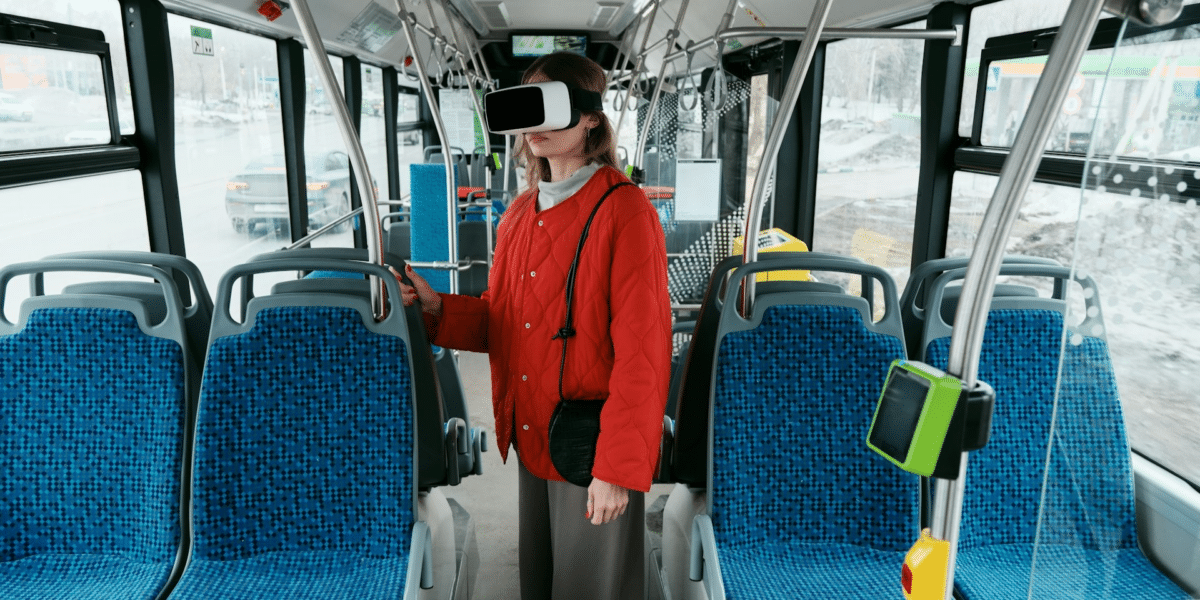
A Positive with the Surge in Bond Issuance in Chicago

In recent years, Chicago has experienced a surge in bond issuance, a trend that has brought about numerous benefits for the city and its residents. While bond issuance is typically associated with government financing, the positive outcomes stretch far beyond simply raising funds. In this article, we will explore how the surge in bond issuance has supported infrastructure development, job creation, public services, and community growth in Chicago.

Infrastructure Development

One of the most significant benefits of increased bond issuance is the boost it provides to infrastructure development. The funds raised through bonds are often allocated toward large-scale public infrastructure projects, such as roads, bridges, schools, and transportation systems. In Chicago, the surge in bond issuance has allowed the city to undertake much-needed infrastructure improvements.

For instance, public transportation systems like the Chicago Transit Authority (CTA) have been able to modernize their fleets, upgrade rail systems, and enhance accessibility through these financial resources. Infrastructure development not only improves the city’s day-to-day functionality but also creates long-term value by increasing the efficiency of transportation networks and reducing congestion.

Economic Growth

The surge in bond issuance also plays a critical role in fostering economic growth. By funding public projects, bonds stimulate local economies by generating demand for construction, materials, and other related industries. As infrastructure projects come to fruition, they can lead to increased business activities, further attracting investments in the region.

In addition, bonds provide the city with the financial flexibility to invest in economic development programs. For example, funding has been directed towards developing business districts, revitalizing neighborhoods, and supporting small businesses. These investments promote a healthier business environment, driving both immediate and long-term economic growth for the city of Chicago.

Job Creation

The investments funded by bonds also result in job creation across multiple sectors. Large infrastructure projects often require significant labor, providing employment opportunities for construction workers, engineers, architects, and other professionals. As these projects progress, the multiplier effect leads to additional job opportunities in industries such as hospitality, retail, and transportation.

In Chicago, bond-financed infrastructure projects have been a vital source of job creation, particularly during periods of economic downturn. By stimulating demand for skilled and unskilled labor, the city has been able to reduce unemployment rates and strengthen its workforce. This surge in employment not only benefits individuals but also contributes to overall economic stability and growth.

Investment in Public Projects

The influx of capital through bonds allows Chicago to increase its investment in public projects that improve the quality of life for residents. These projects can range from building new schools and hospitals to enhancing parks and recreation facilities. By improving public infrastructure and amenities, Chicago can offer better services to its residents, making the city a more attractive place to live and work.

Public projects financed by bonds also foster community engagement and civic pride. For example, the construction of new parks or cultural institutions creates spaces for the community to come together and enjoy shared experiences, enhancing the social fabric of the city.

Government Financing

From a fiscal standpoint, bond issuance is an essential tool for government financing. Bonds provide a relatively low-cost way for cities to raise large amounts of capital for critical projects without resorting to immediate tax increases. In Chicago, bond issuances have enabled the government to fund long-term investments while spreading the financial burden over time.

The issuance of bonds also helps stabilize the city’s finances by allowing it to cover deficits or manage cash flow more effectively. By doing so, Chicago can continue to provide essential services and invest in the city’s growth without causing undue strain on its budget.

Increased Investor Confidence

A surge in bond issuance often reflects increased investor confidence in the city’s financial management and future prospects. When investors purchase municipal bonds, they are essentially lending money to the city with the expectation of earning interest over time. The fact that Chicago can successfully issue a significant number of bonds signals to the financial markets that the city is viewed as a reliable borrower.

Moreover, successful bond issuances can lead to more favorable borrowing terms for the city in the future, further enhancing its ability to finance projects. This positive feedback loop creates a sense of stability, as both local and international investors continue to support Chicago’s financial initiatives.

Public Service Improvements

Bond issuances directly contribute to public service improvements. The funds generated allow the city to invest in services such as healthcare, education, and public safety. For example, bonds may be used to build new hospitals, modernize healthcare facilities, or provide necessary funding to schools for renovations and new programs.

In Chicago, these public service improvements are crucial for ensuring that residents have access to high-quality healthcare, education, and safety resources. As public services improve, the overall well-being of the population increases, leading to a stronger, more resilient community.

Lower Borrowing Costs

When bond issuance is strong and investor confidence is high, cities like Chicago can benefit from lower borrowing costs. A well-managed bond program allows the city to issue bonds at lower interest rates, reducing the overall cost of borrowing. This enables the city to raise capital more efficiently and devote more resources to actual projects rather than paying interest.

Lower borrowing costs also allow the city to be more agile in responding to financial challenges or opportunities, ensuring that it can continue to invest in vital infrastructure and public services without placing additional strain on its finances.

Enhanced Credit Ratings

Another positive outcome of a surge in bond issuance is the potential for enhanced credit ratings. As cities successfully manage their bond programs and demonstrate fiscal responsibility, credit rating agencies may upgrade their ratings. An improved credit rating allows cities to borrow at even lower interest rates, further reducing costs and making it easier to finance future projects.

For Chicago, higher credit ratings have a positive ripple effect, attracting more investors and increasing the city’s borrowing capacity. This creates a virtuous cycle where bond issuance leads to better financial outcomes, which in turn enhances the city’s ability to invest in critical areas.

Community Development

Finally, bond issuance supports community development by funding projects that directly benefit local neighborhoods. Whether it’s the construction of affordable housing, improvements to public transportation, or the revitalization of commercial districts, bond-financed projects contribute to stronger, more vibrant communities.

In Chicago, community development initiatives financed by bonds have been instrumental in transforming underserved areas and providing opportunities for residents to thrive. As neighborhoods grow and develop, the city as a whole becomes more cohesive and resilient.

The surge in bond issuance in Chicago has had numerous positive effects on the city’s infrastructure, economy, and community. From boosting job creation and public services to enhancing investor confidence and lowering borrowing costs, bond issuance has proven to be a powerful tool for driving growth and improving the quality of life for residents. As Chicago continues to leverage bonds for financing, the city is well-positioned to build a more prosperous and resilient future.

How Chicago Transportation Can Improve with AI

Chicago, one of the largest and most bustling cities in the United States, is known for its diverse transportation options. From the extensive public transit system to the busy streets filled with vehicles, it’s a city where movement is constant. However, with rapid urbanization and a growing population, the challenges facing Chicago’s transportation system are increasingly complex. Issues such as traffic congestion, delayed commutes, accidents, and environmental concerns are just a few of the daily hurdles commuters and city planners face.

Artificial Intelligence (AI) has the potential to revolutionize transportation in Chicago. By leveraging AI technologies, the city can enhance efficiency, safety, sustainability, and user experience. In this article, we’ll explore the various ways AI can improve Chicago’s transportation system.

Enhancing Traffic Management with AI

Real-Time Traffic Monitoring

One of the most pressing issues in Chicago’s transportation network is traffic congestion. The city’s roadways are often gridlocked, particularly during rush hours, leading to longer travel times, higher stress levels, and increased emissions. Traditional traffic management systems rely on fixed signals and sensors, which can only monitor traffic at specific points in time.

AI-powered systems, however, can improve this situation by utilizing real-time data from various sources like traffic cameras, sensors, and even GPS data from vehicles. AI algorithms can analyze this data to predict traffic patterns, identify congestion hotspots, and make adjustments in real-time to alleviate traffic jams. This can include dynamic traffic light control, where traffic signals adjust their timing based on the flow of traffic, reducing wait times and optimizing the overall movement of vehicles.

Smart Traffic Signals and Adaptive Routing

AI can also assist in optimizing traffic signal timings, ensuring that signals respond dynamically to real-time conditions. For instance, during peak traffic periods, AI can prioritize traffic flow on major arteries while adjusting timing for side streets based on demand. This adaptive routing can minimize bottlenecks and prevent traffic from backing up unnecessarily.

Moreover, AI-powered applications like Google Maps and Waze already offer real-time route suggestions. These applications use machine learning to analyze historical traffic data and predict the best routes for drivers, helping commuters avoid congestion and reach their destinations more efficiently.

Improving Public Transportation with AI

Predictive Maintenance for Buses and Trains

Chicago’s public transportation system, operated by the Chicago Transit Authority (CTA), is extensive but also faces challenges with aging infrastructure and unpredictable service. AI can be a game-changer here, particularly in the area of predictive maintenance. Instead of waiting for a bus or train to break down, AI-powered systems can analyze data from sensors installed on vehicles to predict when maintenance is needed.

This predictive maintenance technology can assess factors such as engine performance, tire wear, and brake health to predict potential failures before they happen. This would reduce the number of delays caused by mechanical failures, improving the reliability of buses and trains and ensuring smoother service for riders.

Optimizing Routes and Schedules

AI can also play a key role in optimizing the routes and schedules of public transportation. Through machine learning, AI can analyze data about ridership patterns, seasonal demand, weather conditions, and even social events to predict when and where service is needed the most. By dynamically adjusting routes and schedules to meet real-time demand, the CTA can improve service efficiency and provide better coverage to underserved areas.

Additionally, AI-based systems could help the CTA anticipate potential service disruptions caused by accidents, weather conditions, or technical failures, allowing them to reroute buses and trains to avoid delays, ultimately providing passengers with more reliable and convenient options.

Promoting Sustainable Transportation with AI

Reducing Emissions with AI-Driven Solutions

Chicago, like many major cities, faces the environmental challenge of reducing transportation-related emissions. AI can assist in addressing this issue through smart routing, which ensures vehicles take the most efficient paths, reducing fuel consumption and emissions. By predicting traffic patterns and rerouting vehicles accordingly, AI can help minimize the amount of time vehicles spend idling in traffic.

Additionally, AI can be applied to the optimization of electric vehicle (EV) charging infrastructure. Chicago is increasingly adopting EVs to combat air pollution, but an intelligent, AI-driven system can help optimize charging station locations and schedules to ensure that EVs are charged when and where they are needed, contributing to both sustainability and convenience for drivers.

Autonomous Vehicles for a Cleaner Future

AI-powered autonomous vehicles (AVs) represent the future of urban transportation, and Chicago is a city that could benefit greatly from their introduction. AVs could be utilized for ride-sharing services, reducing the number of cars on the road and decreasing traffic congestion. These vehicles would also be able to communicate with one another to prevent accidents and reduce traffic jams.

Furthermore, autonomous vehicles can be electric, contributing to a reduction in harmful emissions. As more and more cities push for cleaner transportation, Chicago could lead the way in integrating AVs into its public transit network, further improving sustainability.

Enhancing Safety with AI in Transportation

AI for Traffic Incident Detection and Prevention

One of the most important aspects of any transportation system is ensuring the safety of its users. AI can play a crucial role in detecting and preventing traffic incidents in Chicago. Using real-time data from cameras, sensors, and even drones, AI can quickly detect accidents, hazards, and traffic violations, alerting authorities and nearby drivers.

In addition, AI-driven predictive models can be used to identify high-risk areas where accidents are more likely to occur, allowing city planners to implement targeted safety measures. For example, AI can predict the risk of collisions based on factors like traffic volume, weather conditions, and road infrastructure, enabling proactive safety interventions such as improved signage, road repairs, and traffic law enforcement.

Smart Surveillance and Law Enforcement

AI can enhance law enforcement efforts by providing real-time analysis of surveillance footage. Smart cameras equipped with AI algorithms can automatically detect traffic violations, such as running red lights or speeding, and instantly alert law enforcement authorities. This can lead to quicker enforcement of traffic laws, reducing violations and improving overall road safety.

The Role of AI in Chicago’s Future Mobility

Integration of AI in Multimodal Transport Solutions

In addition to improving traditional forms of transportation, AI can facilitate the integration of multimodal transport solutions. By creating a seamless interface between various modes of transportation — including buses, trains, bicycles, taxis, and even walking — AI can help people navigate Chicago’s complex transportation landscape more efficiently. Through AI-powered mobile apps, commuters could plan their journeys in real time, selecting the best combination of transportation options based on factors like time, cost, and environmental impact.

Collaborative AI Ecosystem

As AI continues to evolve, a collaborative ecosystem of AI-powered solutions could emerge in Chicago, connecting everything from ride-sharing platforms to traffic management systems to autonomous vehicles. This collaboration can create a smarter, more efficient transportation system where vehicles communicate with one another and with infrastructure, leading to fewer delays, reduced accidents, and a better experience for commuters.

The Future of AI-Powered Transportation in Chicago

The future of transportation in Chicago is undoubtedly intertwined with artificial intelligence. Whether it’s improving traffic management, enhancing public transportation, promoting sustainability, or ensuring safer travel, AI holds the key to unlocking a more efficient, reliable, and environmentally friendly transportation network. With continued investment in AI-driven solutions and a commitment to innovation, Chicago could set the standard for the smart cities of the future, where technology and infrastructure work in harmony to improve the lives of its residents.

By adopting AI across all levels of transportation, Chicago has the opportunity to not only address current transportation challenges but to position itself as a global leader in smart, sustainable mobility. The future is bright for Chicago, and AI will be at the heart of its transformation.

Windy City, Windy Feeds: The Social Media Buzz in Chicago

Chicago. The city of broad shoulders, deep-dish pizza, and…thriving social media scene? You betcha. While Chicago might not be the first place that springs to mind when you think of social media giants, the city has quietly become a hotbed for innovation and development in this ever-evolving digital landscape. So, what’s the secret sauce behind Chicago’s social media sizzle? Let’s unpack the hashtags, shall we?

Beyond the Bean: A Social Media Hub Emerges

Forget the stereotypical image of Chicago as a stoic, industrial city. A recent study by [Name of the Study by Northwestern University] highlights the city’s growing young professional population, many of whom are digital natives fluent in the language of social media. This influx of talent has fueled a surge in social media agencies and consultancies, all vying to create the next big viral campaign or cutting-edge social media platform.

Think about it: a young, tech-savvy workforce with a hunger to disrupt the status quo? That’s a recipe for social media innovation. Chicago’s agencies aren’t afraid to experiment and push boundaries. They’re developing new strategies for influencer marketing, crafting engaging content that resonates with diverse audiences, and even exploring the potential of emerging platforms like the metaverse. Imagine a world where you can virtually explore Millennium Park and snap a selfie with a digital Cloud Gate – that’s the kind of forward-thinking social media experiences being dreamt up in Chicago.

The Chicago Way: Collaboration and Grit

But what truly sets Chicago’s social media scene apart is its collaborative spirit. Unlike the sometimes cutthroat atmosphere of Silicon Valley, Chicago fosters a sense of community among its social media agencies. They share best practices, attend industry events together, and even collaborate on projects. This “rising tide lifts all boats” mentality fosters a constant exchange of ideas and helps propel the entire Chicago social media scene forward.

And let’s not forget the Chicago work ethic. The city is known for its hardworking residents, and that grit translates to the social media world as well. Chicago agencies are known for their dedication to their clients and their relentless pursuit of results. They understand the importance of measurable outcomes in the ever-changing social media landscape. Think late nights spent brainstorming the perfect social media campaign to boost a local brewery’s brand awareness – that’s the kind of dedication you’ll find in Chicago’s social media game.

Is Chicago Your Next Social Media Stomping Ground?

Of course, it’s not all smooth sailing on the digital lakefront. While the cost of living in Chicago is generally lower than major coastal tech hubs, it’s still on the rise. This can make attracting top talent a challenge for some social media agencies. Additionally, the city’s established industries, like finance and manufacturing, can sometimes overshadow the burgeoning tech scene.

The Final Like

So, is Chicago the next social media El Dorado? It depends. If you’re a young, ambitious social media professional looking for a collaborative and innovative environment with a strong work ethic, then Chicago might be your perfect digital playground. However, if you crave the glamor and massive funding rounds of Silicon Valley, you might want to look elsewhere.

Ultimately, Chicago offers a unique blend of opportunity, community, and Midwestern grit that’s perfect for social media professionals who want to make a real impact. Here, you’ll find yourself surrounded by passionate colleagues, working on cutting-edge campaigns, and maybe even brainstorming ideas over some deep-dish pizza. Just remember, in the world of Chicago social media, the key is to stay #hungry for success and #authentic in your approach. Now get out there and start building your online empire (or at least a killer social media strategy for a local hot dog stand). The Windy City is waiting for your next viral tweet.

The Continued Debate on Public School Funding

Public school funding has long been a contentious issue in the United States, sparking debates about equity, adequacy, and the role of education in fostering social mobility. The ongoing disparities in how schools are funded, largely tied to local property taxes and state budgets, have profound implications for educational outcomes, community development, and the broader economy. This article delves into the complexities of public school funding, examining its challenges, impacts, and potential solutions.

Funding Disparities

State and Local Funding Variations

Public schools in the U.S. are predominantly funded through a combination of state and local taxes, with property taxes playing a significant role. This reliance creates significant disparities between affluent and low-income communities. Schools in wealthier areas benefit from higher property tax revenues, enabling better facilities, advanced curricula, and more resources. In contrast, schools in economically disadvantaged areas often struggle to meet basic educational needs, perpetuating cycles of inequality.

Federal Funding Contributions

While the federal government contributes approximately 10% of public school funding, this amount is often earmarked for specific programs such as Title I, which supports schools with high numbers of low-income students. Although federal funds aim to address disparities, they are insufficient to bridge the significant gaps created by state and local funding variations.

Impact on Educational Equity

Resource Allocation

Disparities in school funding translate directly into unequal access to resources. Wealthier districts can afford experienced teachers, smaller class sizes, modern technology, and diverse extracurricular programs. Conversely, underfunded schools often face teacher shortages, outdated materials, and inadequate infrastructure, putting students at a distinct disadvantage.

Achievement Gaps

The unequal distribution of funding exacerbates achievement gaps between students from different socioeconomic backgrounds. Research consistently shows that students in underfunded schools perform worse on standardized tests, have lower graduation rates, and are less likely to pursue higher education. These gaps have lasting impacts on individual opportunities and societal equity.

Legal and Policy Debates

Adequacy Lawsuits

Legal challenges to school funding systems are common, with plaintiffs arguing that current levels of funding fail to meet constitutional mandates for an adequate education. Courts in states like Kansas, New Jersey, and Connecticut have ruled that existing funding systems are unconstitutional, prompting reforms. However, the outcomes of these cases vary, and the debate over what constitutes “adequate” funding continues.

School Finance Reforms

Efforts to reform funding formulas often focus on redistributing resources to address inequities. Some states have adopted weighted funding systems that allocate more funds to schools serving disadvantaged populations. While these reforms represent progress, they are frequently met with resistance from stakeholders concerned about budget constraints and shifts in resource allocation.

Alternative Funding Mechanisms

School Vouchers and Choice Programs

School vouchers and choice programs are among the most contentious proposals in the public school funding debate. Proponents argue that these programs empower parents to choose the best educational options for their children, creating competition that can improve school quality. Critics contend that vouchers divert critical funds from public schools, exacerbating existing disparities and undermining the public education system.

Private Contributions

In some districts, private donations supplement public funding, enabling wealthier communities to enhance their schools further. While these contributions provide valuable support, they also raise concerns about perpetuating inequities, as schools in less affluent areas lack access to similar resources.

Economic and Social Implications

Long-term Economic Impact

Investments in education are directly linked to broader economic outcomes. Well-funded schools produce graduates who are better prepared for the workforce, driving innovation, productivity, and economic growth. Conversely, underfunded schools contribute to skill gaps and reduced economic mobility, limiting the potential of both individuals and communities.

Social Mobility

Equitable funding is critical for providing all students with the opportunity to succeed. Public education serves as a pathway to upward mobility, particularly for students from disadvantaged backgrounds. Ensuring that all schools are adequately funded is essential for breaking cycles of poverty and fostering a more equitable society.

Recent Developments and Discussions

Legislative Actions

In recent years, legislative debates around public school funding have focused on increasing overall funding, revising allocation formulas, and addressing disparities. States like Texas have made headlines with proposals to reform funding systems and allocate additional resources to underserved schools. However, the effectiveness of these measures remains a topic of ongoing discussion.

Public Opinion and Advocacy

Advocacy groups and community organizations play a critical role in shaping the public school funding debate. Grassroots movements, often led by parents and educators, call for increased investment in education and greater equity in resource distribution. Public opinion continues to influence policymakers, highlighting the importance of education as a national priority.

Challenges and Pathways Forward

Addressing Access and Equity

Ensuring equitable access to quality education requires addressing the structural inequities in funding systems. Policymakers must prioritize investments in underserved communities, providing resources such as transportation, technology, and support services to level the playing field.

Aligning Resources with Needs

Collaboration between educators, policymakers, and industry leaders is essential to align educational resources with current and future workforce demands. Investing in STEM programs, vocational training, and technology integration can prepare students for high-demand careers while addressing skill gaps in the economy.

The continued debate on public school funding reflects the critical role education plays in shaping the future of individuals, communities, and the nation. While progress has been made in addressing funding disparities, significant challenges remain. Achieving equitable funding requires a collective commitment from policymakers, educators, and society as a whole to ensure that every child has access to a high-quality education.

By prioritizing investments in education and fostering collaboration across sectors, the United States can build a more equitable and prosperous future. The debate over public school funding is far from over, but it represents an opportunity to reimagine and strengthen the foundation of the nation’s education system.

The Progress of the Chicago Blackhawks Young Players

The Chicago Blackhawks are in the midst of an exciting rebuilding phase, with a renewed focus on developing young talent. As the team prepares for the upcoming NHL season, much attention is being given to how these young players are progressing and what their contributions will mean for the team’s future. Below, we explore the key areas of focus regarding the Blackhawks’ promising prospects and young talent.

1. Key Young Players to Watch

Several young players are under the spotlight, including recent draft picks and top prospects. Notable names include Lukas Reichel, who has shown immense potential with his speed and playmaking ability, and defenseman Kevin Korchinski, whose defensive prowess has made him a standout prospect. These players are expected to play significant roles as the Blackhawks build toward future success.

2. Performance During Preseason Training Camps

Preseason training camps have provided an important platform for young players to showcase their development. Coaches have closely monitored their performance in various drills, scrimmages, and practice games, evaluating their readiness for regular-season competition. Players like Frank Nazar have been particularly impressive, demonstrating quick learning and adaptation to the fast pace of professional hockey​.

3. Expectations from Coaching Staff

The coaching staff has made it clear that they expect their young players to be key contributors in both offensive and defensive roles. The Blackhawks’ coaching philosophy emphasizes a blend of high-pressure play and structured defense, areas where many of their young prospects are being groomed. Coaches are setting high standards for work ethic, resilience, and game awareness​.

4. Integration with Veteran Players

A significant part of the young players’ development involves how well they integrate with the Blackhawks’ more experienced players. Veterans like Seth Jones and Connor Murphy are providing mentorship, helping younger players adjust to the demands of the NHL. This integration is crucial for creating a balanced team that blends youthful energy with veteran leadership.

5. Development in Key Areas

The coaching staff has identified specific areas of development for each young player, such as speed, decision-making, and defensive reliability. For example, Lukas Reichel has been working on improving his defensive game, while Kevin Korchinski has focused on enhancing his puck-handling skills. The coaching team is using data-driven methods to track each player’s progress and ensure they are meeting key milestones​.

6. Impact on Team’s Future Strategy

The development of these young players is central to the Blackhawks’ long-term strategy. General Manager Kyle Davidson has expressed confidence in the current group of prospects, signaling that their progress will shape the future direction of the team. Their success will determine how quickly the Blackhawks can return to being playoff contenders.

7. Injuries and Recovery

Injuries are always a concern when developing young talent, and the Blackhawks are carefully managing the health of their prospects. Players recovering from injuries are being monitored closely, with an emphasis on ensuring a full recovery before reintroducing them to competitive play. The team’s medical staff is playing a critical role in guiding the rehabilitation process​.

8. Feedback from Analysts and Experts

Hockey analysts have been keeping a close eye on the Blackhawks’ young players, offering mixed but generally positive reviews. Experts believe that the team’s prospects have the potential to surprise many in the upcoming season, with players like Reichel being tipped for a breakout year. However, analysts have also noted the challenges ahead as the team continues its rebuild​.

9. Performance in International Tournaments

Some of the Blackhawks’ young prospects have gained valuable experience by participating in international tournaments. This experience is expected to contribute to their maturity and readiness for the NHL. For example, Korchinski’s performance at the World Junior Championships highlighted his ability to perform under pressure, a skill that will be vital in the NHL​.

10. Fan Reactions and Media Coverage

The excitement surrounding the Blackhawks’ young players is palpable among fans and in the media. Fans are eager to see how these prospects develop, and media outlets are providing extensive coverage of their progress. Social media platforms have been buzzing with discussions about how these players will fit into the Blackhawks’ future, generating plenty of excitement for the coming season.

The Chicago Blackhawks are putting their future in the hands of a promising group of young players. As these prospects continue to develop, they will play a critical role in shaping the team’s success. With support from the coaching staff, mentorship from veterans, and the high expectations from fans and analysts alike, the Blackhawks’ young talent is poised to make a significant impact in the NHL.

Medical Research in Chicago Continues to Make Progress

Chicago has carved out a prominent role in the global medical research landscape. The city is home to some of the nation’s most innovative medical institutions, researchers, and technology-driven solutions. Medical research in Chicago is not only advancing healthcare locally but also making significant contributions globally, with a focus on sustainability, inclusivity, and cutting-edge technologies. This article explores how Chicago continues to make progress in medical research, showcasing the city’s leadership in areas such as cancer treatment, neuroscience, and the intersection of technology and healthcare.

Read also: Enhancing Work Environments: The Benefits of Plants in Chicago Offices

Key Institutions Driving Medical Research in Chicago

Chicago is home to numerous world-class institutions that are at the forefront of medical research. These institutions are driving innovation, collaborating with global partners, and improving healthcare outcomes worldwide.

The University of Chicago

The University of Chicago has long been a leader in medical research, with its Pritzker School of Medicine producing groundbreaking work in genetics, cancer research, and neuroscience. Researchers here have made significant strides in the development of personalized cancer treatments, as well as in deepening the understanding of neurological diseases like Alzheimer’s and Parkinson’s. The university’s emphasis on interdisciplinary research fosters innovation, allowing scientists from various fields to collaborate on complex medical issues.

Northwestern University Feinberg School of Medicine

Northwestern University’s Feinberg School of Medicine is another powerhouse of medical research in Chicago. With a focus on precision medicine, Northwestern is at the cutting edge of using genetic and molecular data to develop targeted treatments for patients. The school’s research spans numerous areas, from cardiovascular health to regenerative medicine. It also leads in immunotherapy and cancer treatment, with the Robert H. Lurie Comprehensive Cancer Center being one of the leading centers for cancer research in the country.

Rush University Medical Center

Rush University Medical Center is known for its pioneering research in neuroscience and cardiovascular health. The Rush Institute for Healthy Aging is a leading research hub focusing on the causes of aging and how to mitigate the effects of age-related diseases. Rush’s commitment to advancing healthcare and improving public health is reflected in its numerous partnerships with other medical institutions, as well as its active participation in clinical trials that aim to make treatments accessible to all.

Loyola University Medical Center

Loyola University Medical Center contributes significantly to Chicago’s medical research landscape, particularly in areas like cancer research, cardiology, and immunology. Through its collaboration with other research centers, Loyola is able to address complex healthcare challenges. The medical center’s research focuses on improving treatments for chronic conditions and ensuring that innovative therapies are available to underserved communities.

Areas of Progress in Medical Research

Chicago’s medical research landscape continues to make significant strides in several key areas, addressing global health challenges and pushing the boundaries of what’s possible in medicine.

Cancer Research and Treatment

One of the most significant contributions of Chicago’s medical research community is its work in cancer treatment. The city is a leader in developing immunotherapies, which use the body’s immune system to fight cancer, as well as targeted therapies designed to treat cancer with minimal side effects. Chicago’s cancer research centers, such as the Robert H. Lurie Comprehensive Cancer Center, are at the forefront of clinical trials, offering hope to patients through new treatment options.

Neuroscience and Brain Research

Neuroscience is another area where Chicago’s researchers have made groundbreaking progress. From understanding the causes of Alzheimer’s and Parkinson’s diseases to advancing research in brain-computer interfaces and neuroprosthetics, Chicago is home to some of the most innovative work in the field. Researchers in the city are uncovering new ways to treat neurological disorders, as well as developing technologies that could improve the quality of life for patients with brain-related conditions.

Regenerative Medicine and Stem Cell Research

Regenerative medicine and stem cell research are critical areas of focus for Chicago-based researchers. Stem cell therapies, which hold the promise of regenerating damaged tissues and organs, have seen significant breakthroughs in the city. These advancements not only improve the prognosis for patients suffering from degenerative diseases but also open up possibilities for organ regeneration and tissue engineering, offering new hope for patients with severe injuries or organ failure.

Cardiovascular Research

Chicago has made tremendous strides in cardiovascular research, with a focus on improving the prevention, diagnosis, and treatment of heart disease. Through its medical institutions, the city has become a leader in developing new treatments for cardiovascular conditions, as well as innovative medical devices used in cardiac surgery. Research in this field is helping to reduce mortality rates and improve heart health outcomes both in the U.S. and globally.

Infectious Disease Research

Chicago is also a key player in the fight against infectious diseases. Researchers in the city are involved in pioneering work in the study of HIV, tuberculosis, and other infectious diseases that disproportionately affect underserved communities. Chicago’s medical researchers are integral to the global public health community, and their work on vaccine development and disease prevention strategies has a global reach.

Genetics and Genomics

Genetics and genomics are transforming medicine, and Chicago is leading the way. Researchers are exploring how genetic information can be used to predict disease risk, understand health outcomes, and develop personalized treatments. The application of CRISPR technology, a gene-editing tool, is one example of how Chicago’s scientists are revolutionizing genetic research and offering new possibilities for treating genetic disorders.

Collaboration Between Institutions and Industry

The medical research community in Chicago thrives on collaboration. The city’s institutions often partner with biotech firms, pharmaceutical companies, and other research centers to advance healthcare innovations.

University-Hospital Partnerships

Many of Chicago’s leading medical research institutions, such as the University of Chicago and Northwestern, collaborate closely with hospitals and medical centers to bring new treatments from the lab to the clinic. These partnerships facilitate the development of new drugs, medical devices, and therapies, making it possible for clinical trials to reach a wider patient population.

Biotech and Pharmaceutical Collaborations

Chicago has also become a hub for biotech and pharmaceutical collaborations, with numerous companies working with local research institutions to bring new medical products to market. These partnerships are critical in accelerating the development of life-saving treatments and making them available to patients as quickly as possible.

Interdisciplinary Collaboration

Another aspect of Chicago’s medical research success is the collaboration between different disciplines. Scientists, engineers, and healthcare professionals work together to develop new technologies that can improve patient care. This interdisciplinary approach is essential in driving innovation in medical research, from using artificial intelligence to improve diagnosis to developing robotic-assisted surgeries.

Challenges and Opportunities in Chicago’s Medical Research Landscape

While Chicago has made tremendous progress in medical research, there are still challenges to overcome.

Challenges in Funding and Resource Allocation

Medical research, particularly in high-risk areas, requires significant funding, and securing financial support can be a challenge. Federal funding cuts and competition for limited resources have made it more difficult for researchers to obtain the necessary funding for their projects. However, collaborations between public institutions, private companies, and philanthropic organizations have provided opportunities for continued growth.

Regulatory and Ethical Considerations

As medical research advances, there are increasing concerns about the regulatory and ethical implications of new treatments and technologies. Researchers must navigate complex regulatory frameworks, ensure that clinical trials are ethical, and address concerns about patient safety. The evolving nature of medicine requires continuous oversight to ensure that progress is made responsibly.

Expanding Access to Innovations

One of the biggest challenges is ensuring that medical breakthroughs are accessible to all, particularly underserved communities. While many of Chicago’s medical research advancements benefit global health, making sure that new treatments reach those who need them most is crucial. This requires addressing healthcare disparities and ensuring that innovations are affordable and available to diverse populations.

Read also: The Development of Chicago’s Global Business Ties

Chicago’s Future in Medical Research

Looking ahead, Chicago’s medical research community is poised to continue making progress in key areas such as precision medicine, AI in healthcare, and gene editing. With its robust institutions, collaborative environment, and growing focus on global health, Chicago is positioned to remain a leader in medical research for years to come.

As more funding flows into research initiatives and the city attracts top-tier talent, Chicago’s influence on the global healthcare landscape will only increase. The medical community here is dedicated to not only improving health outcomes locally but also addressing some of the world’s most pressing health challenges.

Chicago continues to be a powerhouse in medical research, with its institutions driving progress in fields like cancer treatment, neuroscience, regenerative medicine, and cardiovascular health. The city’s collaboration between universities, hospitals, and biotech companies fosters innovation that has global impact. Despite challenges in funding and access, Chicago’s commitment to advancing healthcare remains strong. As the city’s medical research sector grows, so does its potential to shape the future of medicine, both locally and globally.

Seasonal Decor: Are Natural or Artificial Trees More Popular?

When it comes to seasonal decor, choosing between a natural or artificial tree is one of the most debated decisions for holiday enthusiasts. Both options have their unique appeal, and the choice often depends on personal preferences, environmental concerns, cost considerations, and convenience.

This article explores the pros and cons of natural and artificial trees, comparing their popularity, sustainability, and cultural significance to help you make an informed decision for your holiday celebrations.

Read also: The Vital Importance of Daily Vitamin C Consumption

The Appeal of Natural Trees

Natural trees have long been associated with traditional holiday celebrations. Their authenticity and charm create a sense of nostalgia and connection to nature.

Authentic Aroma and Ambiance

One of the most compelling features of natural trees is their unmistakable aroma. The fresh scent of pine or fir fills the home with a festive atmosphere that is difficult to replicate with artificial alternatives. The natural beauty of a real tree also adds an organic and rustic touch to holiday decor.

Environmental Impact

Natural trees are often touted as a more sustainable option because they are biodegradable and can be recycled. Many tree farms also practice sustainable agriculture, planting new trees to replace those harvested each year. However, transporting trees over long distances can contribute to their carbon footprint.

Tradition and Cultural Significance

For many families, selecting and bringing home a natural tree is a cherished holiday tradition. Whether it’s picking out the perfect tree at a local farm or cutting one down yourself, the process creates lasting memories and a sense of tradition.

Maintenance Challenges

Despite their charm, natural trees require regular maintenance. They need watering to keep them fresh, and they can shed needles, creating extra cleanup. Additionally, natural trees have a limited lifespan, requiring proper disposal after the holiday season.

The Appeal of Artificial Trees

Artificial trees offer convenience and versatility, making them a popular choice for modern households. They are designed to replicate the appearance of real trees while offering several practical benefits.

Reusability and Longevity

One of the main advantages of artificial trees is their reusability. A well-made artificial tree can last for many years, reducing the need for annual purchases. This longevity makes them a cost-effective choice over time.

Cost-Effectiveness

Although the upfront cost of an artificial tree can be higher than a natural tree, the ability to reuse it year after year makes it a budget-friendly option for many families. Artificial trees also eliminate the recurring costs of purchasing a new tree each season.

Convenience and Customization

Artificial trees are easy to set up and require minimal maintenance. They come in a variety of styles, sizes, and colors, allowing for greater customization. Pre-lit trees with built-in lights save time and effort, while specialty designs, such as flocked or themed trees, add a unique flair.

Environmental Concerns

While artificial trees are reusable, their production involves non-renewable materials like plastic and metal, and their manufacturing process can contribute to carbon emissions. Additionally, artificial trees are not biodegradable, posing challenges for disposal at the end of their lifecycle.

Comparing Natural and Artificial Trees

Choosing between natural and artificial trees involves weighing various factors, from aesthetics and cost to environmental impact and cultural significance.

Aesthetic Appeal

  • Natural Trees: Offer an authentic look and feel, with unique shapes and textures that vary from tree to tree.
  • Artificial Trees: Provide a uniform appearance, often designed to look flawless and symmetrical. They are available in a wide range of colors and styles to match any decor.

Environmental Impact

  • Natural Trees: Biodegradable and often grown sustainably, though transportation can add to their carbon footprint.
  • Artificial Trees: Reusable but made from non-renewable materials, with a higher environmental cost during production and disposal.

Maintenance and Longevity

  • Natural Trees: Require watering, regular cleanup, and proper disposal after the season ends.
  • Artificial Trees: Low maintenance and reusable for several years, with no need for watering or cleanup.

Cost Considerations

  • Natural Trees: Incur annual costs, which can add up over time.
  • Artificial Trees: Higher initial cost but more economical in the long run due to reusability.

Tradition and Convenience

  • Natural Trees: Associated with holiday traditions and family bonding activities.
  • Artificial Trees: Prioritize convenience and practicality, with easy setup and storage.

Popularity Trends

The popularity of natural and artificial trees varies across regions, demographics, and changing consumer preferences:

Regional Preferences

In rural areas, where tree farms are more accessible, natural trees are often the preferred choice. In urban settings, artificial trees are more popular due to convenience and limited space.

Generational Differences

Older generations may lean toward natural trees, valuing tradition and the authentic experience they provide. Younger generations, particularly those in apartments or smaller homes, often prefer artificial trees for their practicality and modern designs.

Market Trends

The market for artificial trees has grown significantly in recent years, driven by advancements in design and an emphasis on convenience. However, natural trees continue to hold their place among traditionalists and eco-conscious consumers.

Sustainability Considerations

Environmental impact is a major factor in the debate between natural and artificial trees. Here’s a closer look at their sustainability:

Natural Trees

  • Pros: Biodegradable, recyclable, and often grown on sustainable farms. Trees also absorb carbon dioxide and support local agriculture.
  • Cons: Transportation emissions and the need for fertilizers or pesticides during cultivation.

Artificial Trees

  • Pros: Reusable for many years, reducing the demand for new trees annually.
  • Cons: Made from non-renewable materials and difficult to recycle. The manufacturing process generates significant carbon emissions.

Making the Right Choice

Ultimately, the choice between a natural or artificial tree depends on individual preferences, values, and circumstances. Here are some tips to help you decide:

Choose a Natural Tree If:

  • You value tradition and the authentic holiday experience.
  • You enjoy the fresh aroma of a real tree.
  • You have access to local tree farms and prefer supporting sustainable agriculture.

Choose an Artificial Tree If:

  • You prioritize convenience and low maintenance.
  • You want a long-lasting, cost-effective option.
  • You enjoy customization and modern designs.

Read also: Safeguarding Lives: the Vital Importance of First Aid Knowledge

Natural or Artificial?

Both natural and artificial trees have their unique benefits and challenges, catering to different lifestyles and priorities. Natural trees bring authenticity, tradition, and a connection to nature, while artificial trees offer convenience, reusability, and modern versatility.

The decision ultimately comes down to personal preferences and values. Whether you opt for the fresh charm of a natural tree or the practicality of an artificial one, the true essence of the holiday season lies in the joy and togetherness it brings.

The Success of Local Enterprises in Chicago

Chicago, the vibrant metropolis often referred to as the “Windy City,” is more than just a global hub for finance, culture, and architecture. It is also home to a dynamic ecosystem of local enterprises that play a pivotal role in driving economic growth, fostering community engagement, and shaping the city’s unique identity. From small retailers and restaurants to innovative tech startups and urban farming initiatives, Chicago’s local businesses represent a rich tapestry of entrepreneurship and resilience. This article delves into the factors contributing to the success of these enterprises, explores their economic and social impacts, and examines the challenges they face.

Economic Contributions of Local Businesses

Job Creation

Local enterprises are the backbone of Chicago’s economy, creating countless job opportunities across various sectors. From retail and hospitality to technology and manufacturing, these businesses offer employment that sustains families and enhances community stability. They provide pathways for professional growth and skills development, helping to reduce unemployment and drive economic progress. The importance of local businesses as employers is especially pronounced in neighborhoods where large corporations have a limited presence.

Economic Growth

Beyond direct employment, local enterprises are catalysts for economic growth. By generating revenue and encouraging investments, they contribute significantly to Chicago’s GDP. They also create ripple effects across the economy, benefiting suppliers, service providers, and local communities. As businesses grow and succeed, they enhance Chicago’s reputation as a city of opportunity, attracting more entrepreneurs, skilled workers, and investors to the region.

Access to Capital and Resources

Funding Opportunities

Access to capital is a critical factor in the success of local businesses. Chicago provides a range of funding options tailored to the needs of small enterprises, including grants, low-interest loans, and venture capital investments. Initiatives like the Chicago Small Business Resiliency Fund and programs offered by the City of Chicago aim to empower entrepreneurs by providing them with the financial resources they need to launch and expand their ventures.

Business Support Services

Chicago’s entrepreneurial ecosystem is supported by a wealth of resources designed to help local businesses thrive. Organizations like 1871, World Business Chicago, and various chambers of commerce offer mentorship programs, workshops, and networking opportunities. These initiatives equip entrepreneurs with the knowledge and connections necessary to navigate the challenges of running a business, from developing marketing strategies to scaling operations.

Community Engagement and Support

Local Patronage

One of the most significant factors contributing to the success of Chicago’s local enterprises is the strong support they receive from the community. Residents often prioritize shopping at local businesses, recognizing their value in creating jobs, fostering connections, and retaining economic benefits within the city. This support is particularly evident during times of crisis, such as the COVID-19 pandemic, when community members rallied to support their favorite businesses through online purchases, donations, and social media advocacy.

Collaborative Initiatives

Collaboration among local businesses, non-profits, and community organizations has proven to be a powerful driver of success. Partnerships aimed at addressing shared challenges—such as workforce development, sustainability, or access to resources—enable local enterprises to pool resources, share expertise, and achieve common goals. These collaborations not only strengthen individual businesses but also contribute to the overall resilience of Chicago’s business community.

Urban Agriculture and Sustainable Practices

Urban Farming Initiatives

Urban agriculture has gained momentum in Chicago, transforming vacant lots and underutilized spaces into productive farming sites. Projects like Windy City Harvest and Growing Home have demonstrated how urban farming can address multiple challenges, including food insecurity, unemployment, and environmental degradation. These initiatives provide fresh produce to local communities, create green jobs, and contribute to the city’s broader sustainability goals.

Sustainability Efforts

Local businesses are increasingly adopting environmentally friendly practices to align with consumer preferences and reduce operational costs. From energy-efficient buildings and waste reduction programs to sustainable sourcing and green logistics, these practices not only benefit the environment but also enhance brand reputation. Chicago’s focus on sustainability has positioned it as a leader in the growing movement toward eco-conscious urban development.

Placemaking and Community Development

Revitalization Projects

Placemaking initiatives have been instrumental in the success of local enterprises. Revitalization projects in neighborhoods like Pilsen, Logan Square, and Wicker Park have transformed underutilized areas into vibrant community hubs. These efforts often involve a combination of public investment, private entrepreneurship, and grassroots activism, creating spaces that attract foot traffic, foster social interaction, and stimulate local commerce.

Cultural Events and Activities

Local businesses contribute significantly to Chicago’s cultural vibrancy by organizing and participating in events that bring communities together. Farmers’ markets, art fairs, music festivals, and neighborhood celebrations not only provide platforms for businesses to showcase their products and services but also strengthen the social fabric of the city. These events generate economic activity while creating memorable experiences for residents and visitors alike.

Policy and Regulatory Environment

Supportive Legislation

Chicago’s local enterprises benefit from a policy environment that encourages entrepreneurship and innovation. Tax incentives, streamlined permitting processes, and small business grants are just a few examples of the support available to entrepreneurs. These policies lower barriers to entry, reduce operational challenges, and foster a business-friendly climate.

Advocacy and Representation

Organizations that represent the interests of local businesses, such as the Chicagoland Chamber of Commerce, play a vital role in shaping policy decisions. By advocating for fair regulations, access to resources, and equitable urban development, these groups ensure that local enterprises have a voice in the decision-making processes that affect their operations.

Challenges Faced by Local Enterprises

Competition with Large Corporations

Despite their successes, local businesses often face intense competition from national and international chains. These larger entities typically have greater resources for marketing, pricing, and distribution, making it difficult for small businesses to compete. To overcome this challenge, local enterprises often emphasize personalized service, unique offerings, and community connections as differentiators.

Access to Affordable Real Estate

Rising property values and gentrification pose significant challenges for local businesses seeking affordable locations. While revitalization projects bring new opportunities, they can also drive up rents, forcing small enterprises to relocate or close. Addressing this issue requires balanced urban development policies that consider the needs of both businesses and residents.

Case Studies of Successful Local Enterprises

Urban Agriculture Projects

Initiatives like The Plant and Windy City Harvest exemplify the potential of urban agriculture to create sustainable business models. These projects have successfully integrated farming into the urban landscape, providing fresh, locally grown produce while offering training and employment opportunities for underserved communities.

Placemaking Successes

Neighborhoods such as Fulton Market and Hyde Park illustrate the transformative power of local enterprises in revitalizing urban spaces. By combining innovative business models with cultural engagement, these areas have become thriving hubs of economic and social activity, attracting both residents and visitors.

The success of local enterprises in Chicago is a testament to the city’s entrepreneurial spirit, community engagement, and innovative approaches to urban development. From job creation and economic growth to cultural contributions and sustainability, local businesses are integral to Chicago’s identity and future.

However, challenges such as competition from large corporations, rising real estate costs, and the need for greater diversity and inclusion remain. By fostering collaboration, supporting innovation, and addressing systemic barriers, Chicago can continue to empower its local enterprises and ensure their enduring success.

As Chicago evolves, the resilience and adaptability of its local businesses will remain a cornerstone of its economic vitality, cultural richness, and community strength. Through strategic investments, thoughtful policies, and community support, the city can create an even more inclusive and thriving environment for its local entrepreneurs.

Effective Planning Strategies for Maximum Productivity

Productivity is not just about working harder; it’s about working smarter. Effective planning is the cornerstone of productivity, enabling individuals to manage their time, focus on priorities, and achieve their goals with less stress. By implementing proven planning strategies, you can transform your daily routine into a powerhouse of efficiency and accomplishment. This article explores key strategies for effective planning that can help you maximize your productivity and achieve your objectives.

Read also: Enhancing Work Environments: The Benefits of Plants in Chicago Offices

The Importance of Prioritization

Not all tasks are created equal, and understanding which ones deserve your attention is critical for effective planning. Prioritization helps you allocate your time and energy to tasks that yield the greatest results.

One widely used method is the Eisenhower Matrix, which categorizes tasks into four quadrants based on urgency and importance. Tasks that are both urgent and important should be tackled immediately, while those that are important but not urgent can be scheduled for later. Tasks that are urgent but not important should be delegated, and those that are neither urgent nor important can be eliminated.

Another popular technique is ABC Analysis, where tasks are labeled as A (most important), B (important but not urgent), or C (least important). By addressing high-priority tasks first, you can ensure that your most critical responsibilities are completed on time.

Setting Clear and Achievable Goals

Goal setting provides a sense of direction and purpose, which is essential for productivity. The SMART framework—Specific, Measurable, Achievable, Relevant, and Time-bound—is an effective tool for creating clear and actionable goals. For example, instead of setting a vague goal like “improve fitness,” a SMART goal would be “exercise for 30 minutes, five times a week, for the next month.”

Challenging objectives can also drive motivation and productivity. Ambitious yet attainable goals push you out of your comfort zone, fostering growth and achievement. Break larger goals into smaller milestones to maintain momentum and make progress feel more manageable.

Mastering Time Management

Time management is a skill that lies at the heart of productivity. By effectively managing your time, you can accomplish more in less time while maintaining a healthy work-life balance.

The Pomodoro Technique

The Pomodoro Technique is a simple yet powerful time management strategy. It involves working in focused intervals, typically 25 minutes, followed by a short break. These intervals, called “Pomodoros,” help maintain high levels of concentration while preventing burnout. After completing four Pomodoros, take a longer break to recharge.

Time Blocking

Time blocking involves scheduling specific time slots for different tasks. By dedicating blocks of time to particular activities, you can ensure that each task receives your undivided attention. This method reduces multitasking and creates a structured framework for your day, making it easier to stay on track.

Managing Tasks Effectively

Staying organized is essential for maintaining productivity. To-do lists are a simple yet effective tool for tracking tasks and monitoring progress. Start each day by listing your tasks in order of priority and checking them off as you complete them. This not only keeps you organized but also provides a sense of accomplishment.

Multitasking, while often viewed as a productivity booster, can actually reduce efficiency and the quality of work. Focusing on one task at a time allows you to give it your full attention, resulting in better outcomes and faster completion.

Leveraging Productivity Tools

Technology offers a wide range of tools designed to enhance productivity. Digital calendars, such as Google Calendar, allow you to schedule tasks, set reminders, and plan your day with ease. Note-taking applications like Evernote or Notion can help you organize information and ideas effectively.

Productivity apps like Trello or Asana are particularly useful for managing projects and collaborating with teams. These tools provide a visual overview of tasks, deadlines, and responsibilities, ensuring that everyone stays aligned and on track.

Optimizing Your Environment for Productivity

Your physical and digital environment plays a significant role in your ability to focus and stay productive. A cluttered workspace can lead to distractions and reduced efficiency, so take the time to organize your desk and remove unnecessary items. A clean and tidy environment promotes clarity and focus.

Digital distractions, such as constant notifications from emails and social media, can also hinder productivity. Managing these interruptions is crucial for staying on task. Consider using apps that limit notifications during work hours or setting your phone to “Do Not Disturb” mode to minimize distractions.

Regular Reviews and Adjustments

Even the best-laid plans require periodic evaluation and adjustment. At the end of each week, take time to review your progress and assess what worked well and what didn’t. Reflect on any obstacles you encountered and consider how you can overcome them in the future.

Weekly planning sessions are an excellent opportunity to realign your goals and priorities. Use this time to update your schedule, adjust deadlines, and ensure that your plans remain realistic and achievable. By regularly refining your approach, you can continuously improve your productivity and stay aligned with your objectives.

The Power of Reflective Practice

Reflection is a critical component of effective planning. By assessing your strategies and habits, you can identify areas for improvement and build on your successes. Ask yourself questions such as, “Did I accomplish my top priorities this week?” and “What changes can I make to enhance my productivity?”

Journaling is a valuable tool for reflective practice. Writing down your thoughts, challenges, and achievements provides clarity and helps you track your progress over time. This practice can also serve as a source of motivation, reminding you of how far you’ve come and what you’ve accomplished.

Overcoming Common Planning Challenges

Planning effectively isn’t always easy, and challenges can arise. Procrastination is one of the most common obstacles to productivity. To overcome it, break tasks into smaller steps, set clear deadlines, and reward yourself for completing milestones.

Another challenge is the tendency to overcommit. Taking on too many responsibilities can lead to burnout and diminished productivity. Learn to say no when necessary and delegate tasks that others can handle.

Finally, maintaining consistency in planning can be difficult. To build a habit of effective planning, start small and gradually incorporate more strategies into your routine. Consistency is key to long-term success.

Read also: The Importance of Vocational Training in Chicago

Plan Smarter, Achieve More

Effective planning is a powerful tool that can transform your approach to work and life. By prioritizing tasks, setting clear goals, managing your time, and optimizing your environment, you can unlock your full productivity potential. Regular reviews and reflective practices ensure that you continue to grow and adapt, making planning an ongoing journey of improvement.

Whether you’re looking to accomplish professional goals, maintain a work-life balance, or simply get more done in less time, these strategies provide a roadmap to success. Start implementing them today, and watch as your productivity soars and your stress levels decrease. With the right planning techniques, you can achieve more than you ever thought possible.