
Why Platform Verification Matters More Than Ever

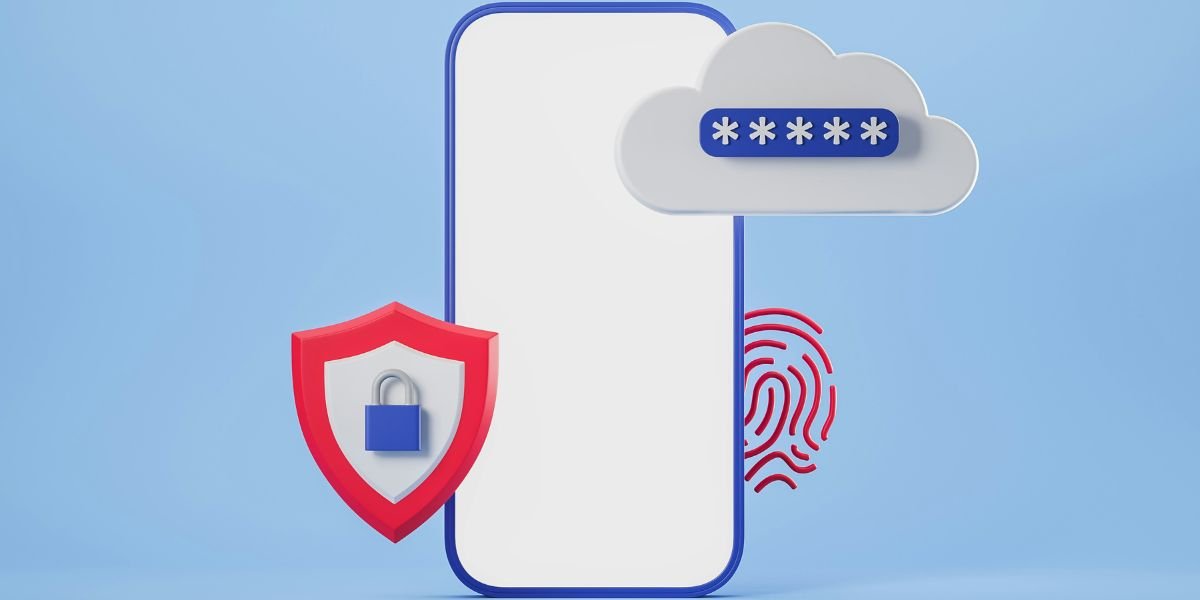
From the beginning, trust is no longer assumed—it must be demonstrated. As online platforms expand across finance, social media, marketplaces, and the gig economy, the question of who is real, who is accountable, and who is safe to transact with has become central to user confidence and business survival. Platform verification, once viewed as a technical add-on, is now a defining pillar of digital trust, regulatory compliance, and long-term growth.
This shift reflects deeper structural changes in how people interact online, how fraud evolves, and how regulators and users increasingly demand transparency.
The Collapse of Assumed Trust in Digital Spaces
Digital environments used to rely on convenience and scale. Today, they must also withstand impersonation, automated fraud, and AI-generated deception. Evidence from cybersecurity and identity-management research shows that without verifiable proof of identity or activity, organizations cannot reliably understand threats or make confident decisions, turning security into guesswork.
The economic consequences are equally stark. Weak or fragmented identity systems cost global companies an average 3.1% of annual revenue—about $95 billion collectively—due to fraud, customer drop-offs, and onboarding failures.
These losses reveal a simple truth:
Trust that cannot be verified becomes a liability.
Verification as the Foundation of Digital Trust
Identity verification is not merely about confirming names or documents. It shapes how users perceive safety, privacy, and fairness across an entire platform ecosystem. When verification systems feel transparent and respectful of personal data, participation increases. When they appear invasive or unclear, confidence collapses and engagement declines.
This dynamic explains why modern platforms increasingly treat verification as a core product feature rather than a compliance checkbox. In the gig economy, for example, verified identities help ensure that customers and workers interact with real, accountable individuals—reducing fraud, impersonation, and safety risks while strengthening long-term platform relationships.
Academic research reinforces the same conclusion:
identity verification significantly increases users’ willingness to transact, even though broader institutional trust still plays a supporting role.
Together, these findings position verification as the baseline condition for trust, not its final destination.
Speed, Security, and the User Experience Balance
Modern verification systems must achieve something historically difficult:
strong security without friction.
Industry experts emphasize that seamless, fast identity checks send a powerful signal of legitimacy. As one digital-platform leader explains,
“Fast, seamless verification signals professionalism and security, reassuring users that they’re interacting with real people — not bots or fraudulent accounts.”
Yet speed alone is dangerous. Fraudsters increasingly deploy deepfakes, synthetic identities, and spoofing attacks designed to bypass automated checks. Effective verification therefore requires liveness detection, anti-spoofing safeguards, and inclusive design so legitimate users are not blocked or excluded.
Successful systems balance automation with human oversight—protecting trust without sacrificing usability.
Regulatory Pressure and Legal Exposure
Verification is no longer optional from a legal standpoint.
Platforms that fail to verify users face lawsuits, regulatory shutdowns, loss of insurance coverage, and reputational collapse—often triggered only after a major incident.
This reactive pattern is increasingly costly. Organizations forced to implement verification under crisis conditions typically deploy rushed or suboptimal systems and endure prolonged scrutiny.
In contrast, early adopters treat verification as risk prevention rather than damage control, gaining competitive trust advantages before regulation mandates change.
The Expanding Economics of Verified Identity
Beyond compliance and fraud prevention, verification is becoming a growth engine.
Global identity platforms now enable instant, privacy-preserving recognition across devices and regions—reducing onboarding friction while maintaining strong security standards for billions of users.
This transformation reframes verification from a defensive cost into a strategic infrastructure layer supporting:
- Faster customer acquisition
- Lower fraud losses
- Higher retention and lifetime value
- Cross-platform trust portability
As digital ecosystems converge, portable verification credentials may become as essential as passwords once were.
Real-World Signals From the Platform Economy
Recent industry developments illustrate how urgent verification has become.
One major technology platform expanded identity verification beyond its own ecosystem, emphasizing that online impersonation is becoming cheaper, more convincing, and more dangerous—making authenticity foundational to user trust.
At the same time, investigative reporting has shown how inadequate advertiser verification can enable large-scale scams, with internal analyses linking unverified accounts to the majority of harmful activity on some social platforms.
These contrasting stories highlight a widening divide between platforms investing in verification and those treating it as optional—a divide likely to shape regulatory outcomes and market leadership.
From Verification to Verifiability
The next phase of digital trust goes beyond identity checks toward continuous proof:
- Verifiable cybersecurity telemetry
- Real-time authorization in financial systems
- Transparent AI decision-making
- Privacy-preserving global identity graphs
In cybersecurity alone, the inability to prove what happened during an incident undermines threat response, compliance, and accountability.
The future therefore belongs not simply to verified users, but to verifiable systems—platforms capable of proving integrity at every layer.
Trust Is Becoming Infrastructure
Platform verification now sits at the intersection of security, economics, regulation, and user psychology.
What began as a method to reduce fake accounts has evolved into something far larger:
a structural requirement for participating in the digital economy.
Organizations that invest early in transparent, user-friendly, and globally scalable verification will gain durable trust advantages. Those that delay may find verification imposed under crisis—by regulators, courts, or collapsing user confidence.
In an era defined by AI deception, automated fraud, and borderless digital interaction, one principle is becoming unmistakable:
Trust is no longer a promise.
It is proof.